


Understanding the Carbon Weaving Machine: A Global Perspective
In today’s fast-evolving industrial landscape, the carbon weaving machine plays a pivotal role in delivering advanced materials that empower sectors from automotive to aerospace. At its core, this machine intricately weaves carbon fibers into fabric-like sheets—light, strong, and incredibly adaptable. Why does this matter? Globally, with growing demands for sustainable construction, energy efficiency, and lightweight composites, mastering the carbon weaving process offers manufacturers a serious edge. It’s not just about fancy fibers; it’s about reshaping how industries innovate and solve real-world challenges.
Quick takeaway: The carbon weaving machine is a foundational technology driving sustainable, lightweight materials that serve critical global industries.
Why the Carbon Weaving Machine Matters on a Global Scale
Carbon fiber composites have surged in demand, growing at an estimated CAGR of over 10% worldwide, according to recent ISO and market reports. The ISO highlights their use in reducing carbon emissions, notably in transport and renewable energy sectors. Yet, weaving carbon fibers is a precision-demanding craft—imperfections reduce strength, raise costs, and waste materials. In developing markets and disaster-affected zones, the ability to produce strong, lightweight material rapidly can be the difference between rebuilding success and prolonged hardship.
More than just a technical process, carbon weaving machines tackle supply chain and efficiency bottlenecks, making high-performance carbon fabrics accessible at scale.
What Exactly Is a Carbon Weaving Machine?
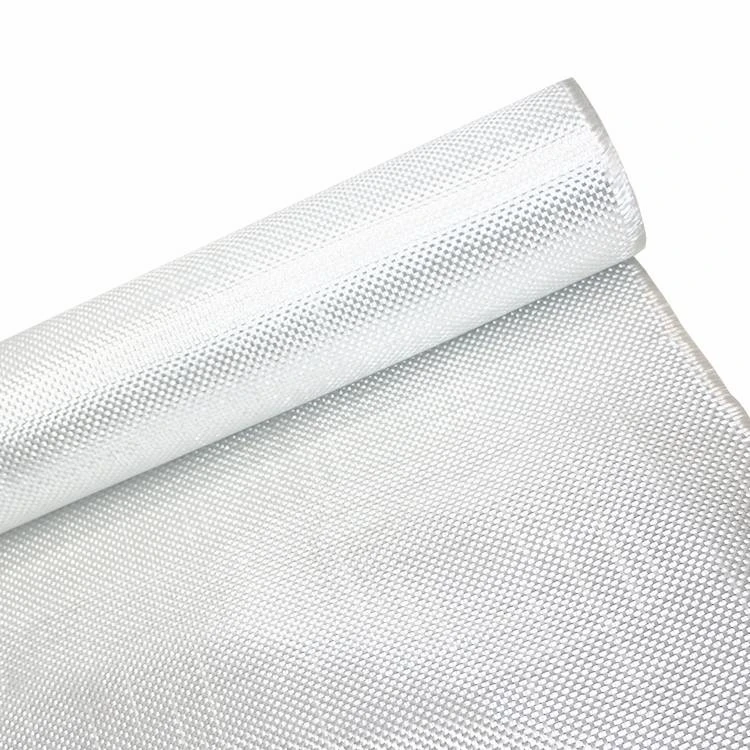
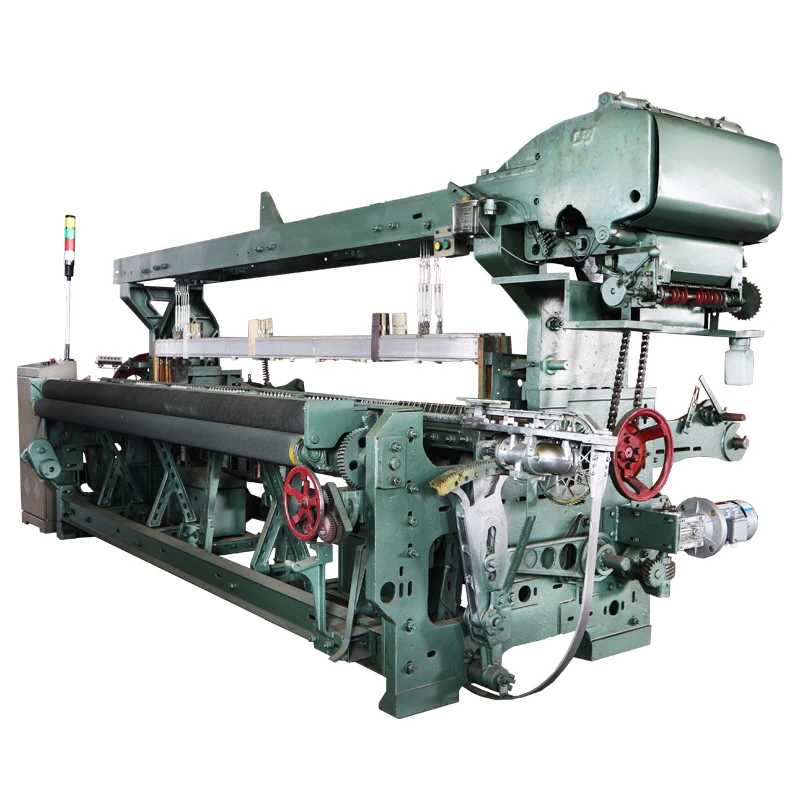
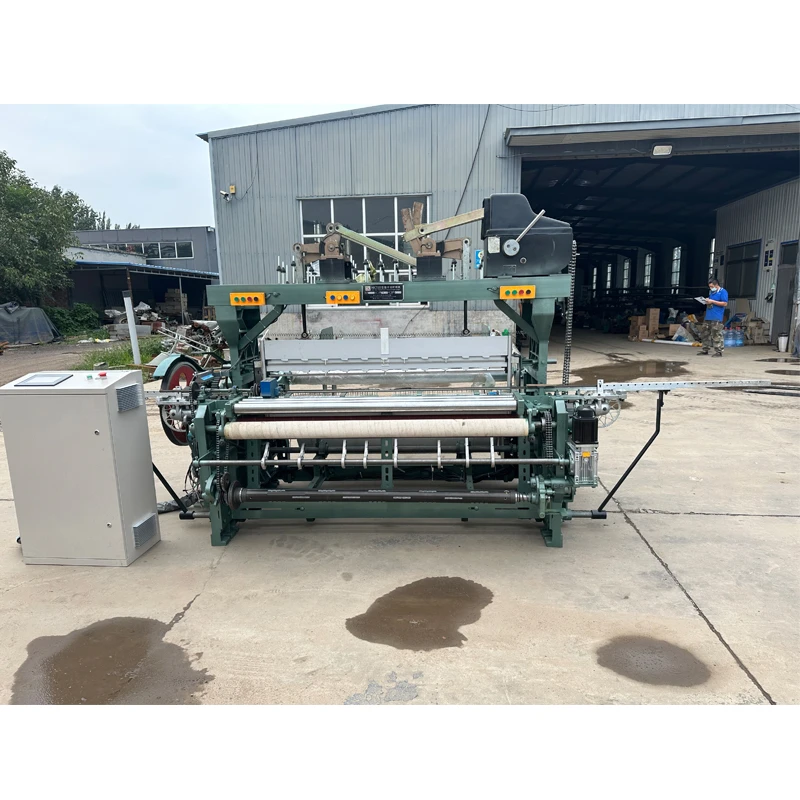
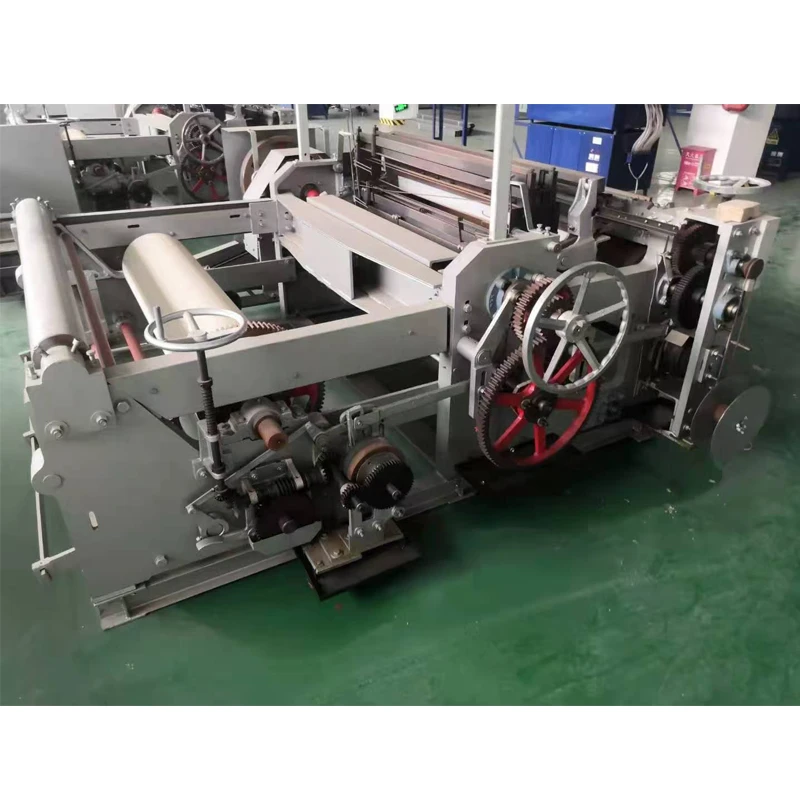
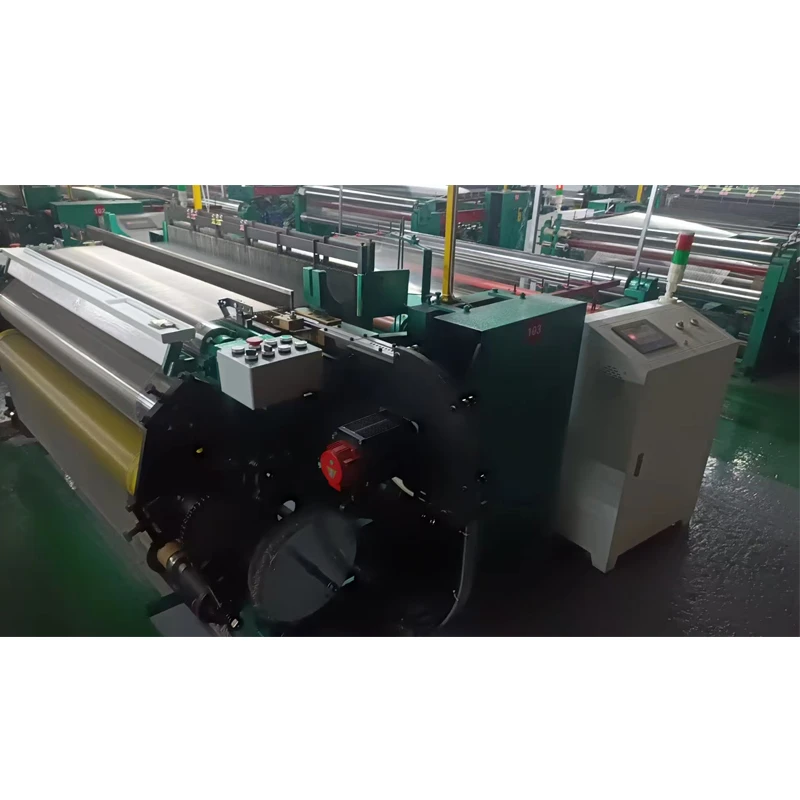
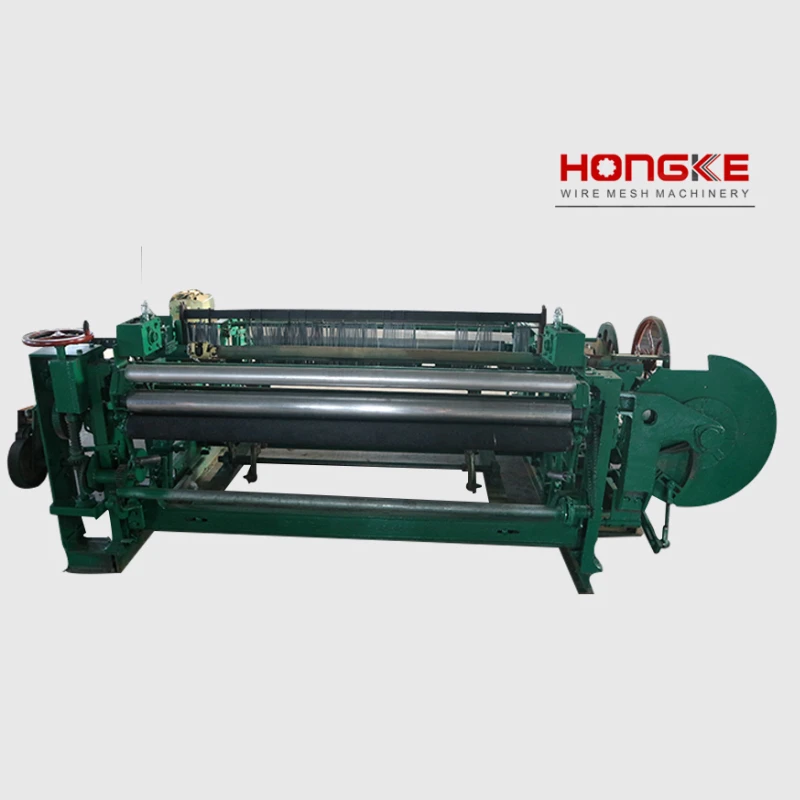
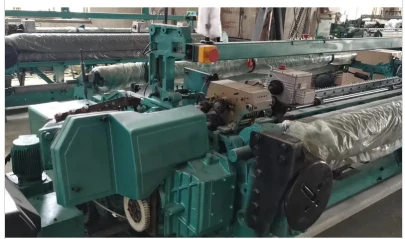
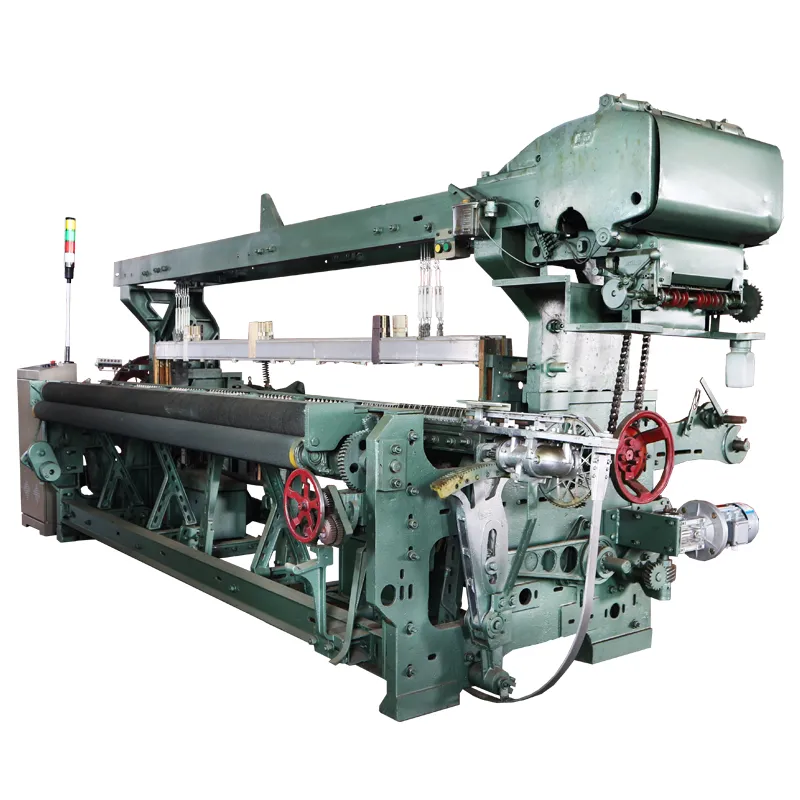
Put simply, a carbon weaving machine is specialized textile equipment that interlaces carbon fiber threads in warp and weft patterns to produce reinforced carbon fabric. This fabric is the raw material for composites used in everything from car chassis to prosthetics. The weaving method—whether plain, twill, or satin—directly impacts the fabric’s performance attributes.
Think of it like a loom designed to handle some of the toughest fibers known to industry, ensuring they align perfectly for maximum strength and minimal weight.
Key Components of a Carbon Weaving Machine
1. Precision Warp Beam
Controls tension on carbon fibers before weaving, preventing fiber breakage and defects.
2. High-Speed Shedding Mechanism
Allows rapid raising and lowering of warp yarns to form sheds, critical for fabric density.
3. Reinforced Shuttle or Rapier
Carries the weft fiber precisely across while minimizing filament damage.
4. Tension Control Systems
Maintain consistent tension across both fibers during weaving, a must for uniform fabric quality.
5. Integrated Quality Monitoring
Real-time detection of flaws and adjustments help reduce waste — a boon for cost efficiency.
Mini takeaway: The interplay of these components guarantees that carbon fibers maintain their strength and flexibility, resulting in premium woven fabric.
Global Applications of Carbon Weaving Machines
- Aerospace & Aviation: Aircraft manufacturers rely on carbon fabrics for lightweight structural components, saving fuel and emissions.
- Automotive Industry: Electric vehicles especially benefit from carbon composites for battery casings and lightweight body panels.
- Sporting Goods: Bicycles, racquets, and protective gear increasingly use carbon fabrics woven on these machines for improved performance.
- Renewable Energy: Carbon-fiber blades for wind turbines require precise weaving to endure harsh conditions.
- Disaster Relief & Reconstruction: As an example, NGOs in Southeast Asia have used carbon composite shelters, made from fabric produced by these weaving machines, to rebuild after typhoons.
Regions like Europe, North America, and East Asia remain leaders in advancing carbon weaving technologies, but emerging markets are catching up fast, fueled by investment and need.
Product Specification Table
| Specification | Typical Range | Notes |
|---|---|---|
| Weaving Speed | 300 - 800 picks/min | Dependent on fabric complexity |
| Max Fabric Width | 1000 - 3500 mm | Larger widths for composites industry |
| Fiber Tension Control | 1 - 5 N | Crucial for yarn integrity |
| Power Consumption | 5 - 15 kW | Varies by automation level |
| Machine Weight | 1500 - 8000 kg | Frames reinforced for stability |
Comparing Major Carbon Weaving Machine Vendors
| Vendor | Speed Range (picks/min) | Automation Level | Customization Options | Price Range (USD) |
|---|---|---|---|---|
| Aphk Machinery | 350 - 750 | High (Smart Sensors) | Extensive | $120,000 - $350,000 |
| WeaveTech Solutions | 300 - 600 | Medium | Moderate | $95,000 - $270,000 |
| CarbonFlex Ltd. | 400 - 800 | High (AI Optimization) | Limited | $140,000 - $400,000 |
The Lasting Benefits of Carbon Weaving Machines
From a cost perspective, effectively woven carbon fabrics reduce material waste and enable lighter, safer finished products—cutting downstream expenses dramatically. Environmentally, lighter vehicles mean lower fuel use; lighter turbines spin more efficiently, green energy becomes more viable—sustainable industrial cycles start seemingly small but multiply impact.
On a human level, many engineers mention how these machines usher in innovative designs previously impossible due to fiber limits. This inspires confidence within manufacturers and end-users alike—whether it’s assuring a contractor about composite strength or a medical professional about patient mobility design.
Looking Ahead: Trends Shaping Carbon Weaving
Automation is taking off with AI-driven monitoring enhancing quality control enormously; predictive maintenance means less downtime, which frankly, anyone producing at scale will appreciate. Meanwhile, greener raw materials and recycled carbon fibers are gaining momentum, reflecting wider eco-sensibility in production processes.
Digitally connected machines that integrate with factory-floor software embody Industry 4.0 principles, so operators can tweak parameters remotely or simulate fabric properties before a physical trial.
Overcoming Challenges in Carbon Fiber Weaving
Despite huge potential, threading ultra-fine carbon fibers without snapping is notoriously tricky. Tension fluctuations or misaligned yarns cause costly scrap. Some vendors counter this with advanced tension sensors and adaptive controls but setup costs can intimidate smaller players.
Luckily, modular weaving machines allow phased scaling: build a small line and add modules as demand grows. Training is another hurdle—operators must understand composite behavior and weaving mechanics deeply to minimize errors.
FAQs About Carbon Weaving Machines
- How does a carbon weaving machine differ from conventional textile machines?
- Carbon weaving machines are specially engineered to handle ultra-strong but fragile carbon fibers, which require precise tension control and minimal fiber damage. Unlike conventional textile machines, they often feature advanced sensor systems and reinforced frames to maintain fabric integrity and avoid costly breakage.
- Can carbon weaving machines be customized for different fabric patterns?
- Yes, many modern machines support a range of weave types—from plain to complex satin or twill weaves—adjusted via software and mechanical settings. This flexibility allows manufacturers to tailor fabric strength, stiffness, and appearance to specific applications.
- What industries benefit most from fabrics produced by these machines?
- While aerospace and automotive lead due to their light-weighting needs, sporting goods, renewable energy, and even medical device sectors increasingly use carbon fabrics. The versatile strength-to-weight ratio is key to countless innovations.
- Is it difficult to train operators to use carbon weaving machines?
- Training does require technical knowledge of fiber properties and machine controls, but reputable vendors often provide comprehensive programs and ongoing support to ensure efficient use and high-quality output.
- Where can I find reliable carbon weaving machines?
- Aphk Machinery is one leading provider offering high automation, customization, and competitive pricing. Comparing several vendors can help match your specific production needs and budget.
Conclusion: Why Investing in Carbon Weaving Machines Makes Long-Term Sense
Ultimately, the carbon weaving machine is the unsung hero behind dozens of modern innovations. It redefines material possibilities, drives sustainability, and opens new doors for industry leaders and humanitarian organizations alike. If you’re serious about advanced composites, or simply intrigued by how fibers become feats of engineering, exploring these machines is worthwhile.
Want to learn more or explore options? Visit our website and discover how the right carbon weaving technology can transform your next project.
References: