wx
weixin
email
tel
goTop
0%

Table of Contents

The global textile industry is a cornerstone of modern manufacturing, and at its heart lies the weaving process. A weaving fabric machine is not merely a piece of equipment; it’s a complex system that transforms raw fibers into the fabrics we use daily – from clothing and home textiles to industrial materials. Understanding the nuances of these machines is crucial for optimizing production, improving fabric quality, and driving innovation within the industry.

The demand for woven fabrics continues to rise globally, fueled by population growth, increasing disposable incomes, and evolving consumer preferences. According to the United Nations Comtrade database, the global trade in woven fabrics exceeded $200 billion USD in 2022. However, this growth presents challenges, including the need for increased efficiency, sustainable practices, and skilled labor to operate and maintain sophisticated weaving fabric machine systems.

Investing in advancements in weaving technology, specifically in weaving fabric machine capabilities, is paramount to addressing these challenges and ensuring a resilient and competitive textile industry for the future. This understanding is essential for manufacturers, engineers, and policymakers alike.
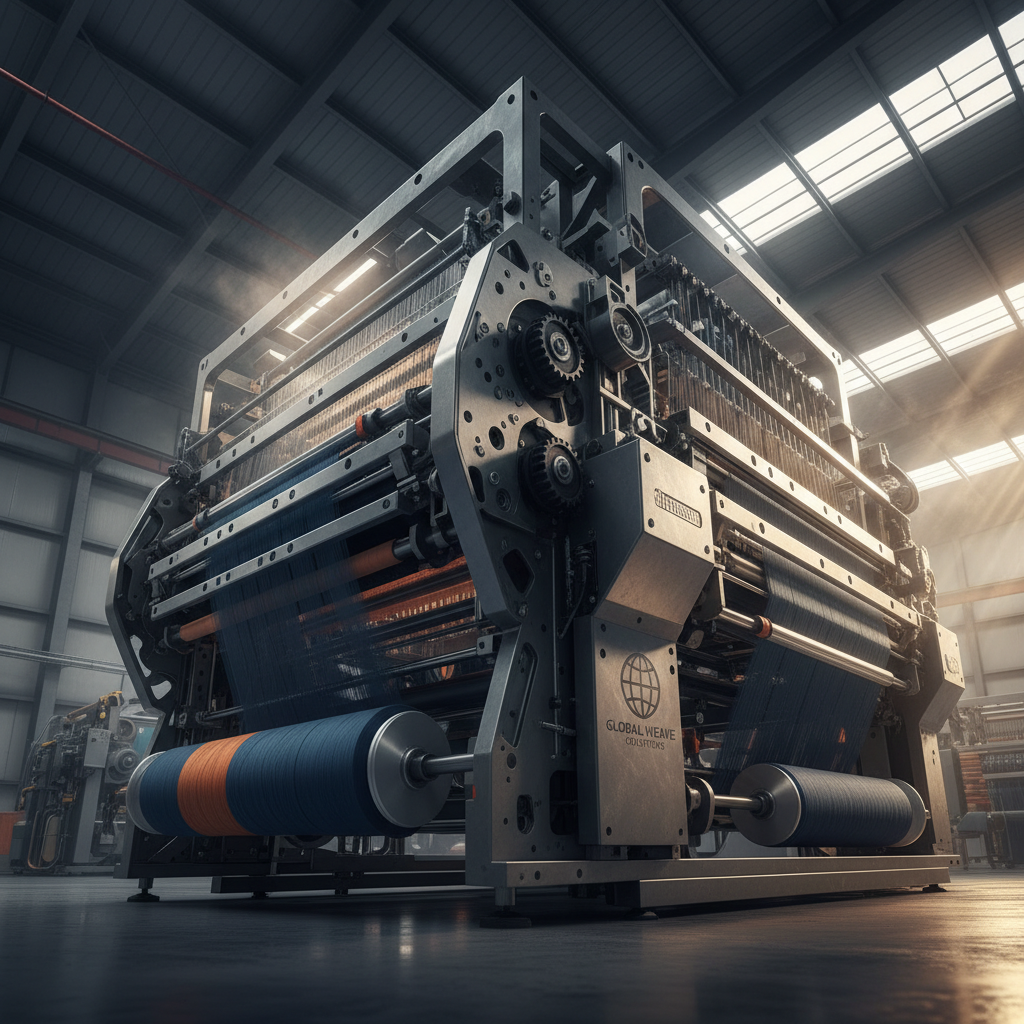
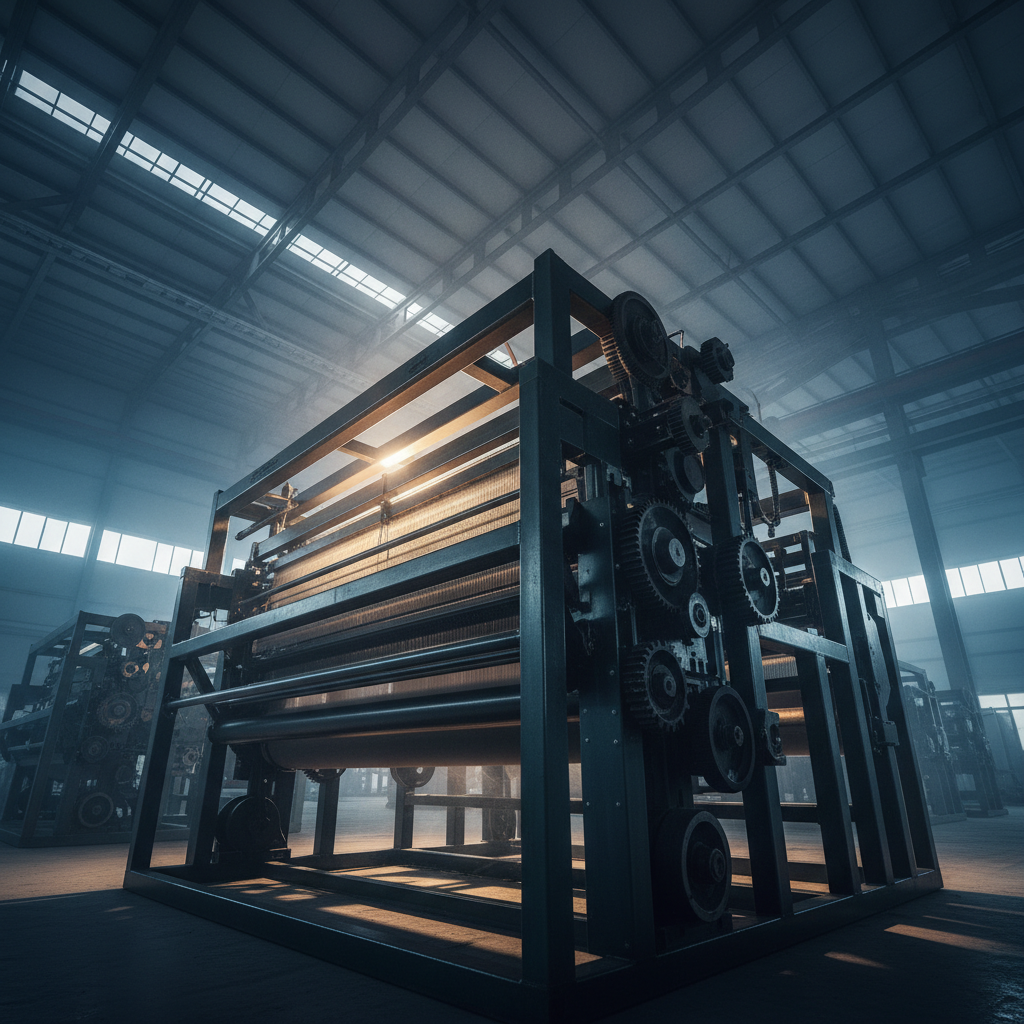
Advanced Weaving Fabric Machine Technology for Modern Textile Production

The Significance of Weaving Fabric Machine

Advanced Weaving Fabric Machine Technology for Modern Textile Production

A weaving fabric machine represents a pivotal link in the supply chain, converting raw materials into the foundational components of countless products. The efficiency and capability of these machines directly correlate with the cost-effectiveness and quality of the final textile products.

Modern weaving fabric machine technology is constantly evolving, with innovations focusing on speed, precision, and adaptability to different fiber types. This is critical in meeting the diverse demands of a global market seeking both high-volume production and specialized, customized fabrics.

Defining Weaving Fabric Machine

At its core, a weaving fabric machine is a device that interlaces two distinct sets of yarns – the warp and the weft – at right angles to create a woven fabric. This process, though seemingly simple, involves a complex interplay of mechanical components, electronic controls, and precise timing.

Unlike knitting, which uses loops, weaving creates a more stable and durable fabric structure. The ability to create complex patterns and textures distinguishes woven fabrics and makes weaving fabric machine essential for a wide range of textile applications.

The evolution of the weaving fabric machine, from manual looms to fully automated systems, reflects a continuous drive for increased productivity and improved fabric quality. Today’s machines are capable of producing fabrics with intricate designs and specialized properties.

Core Components and Mechanisms

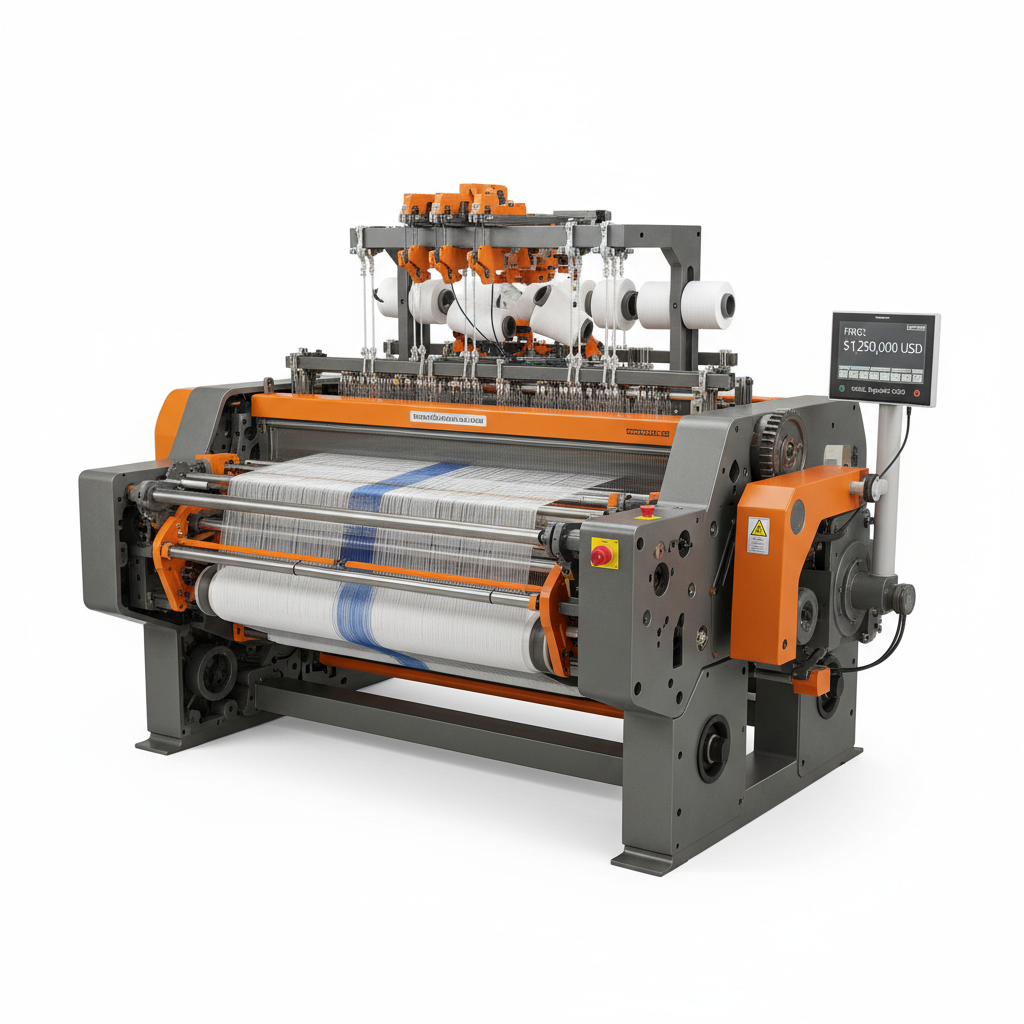
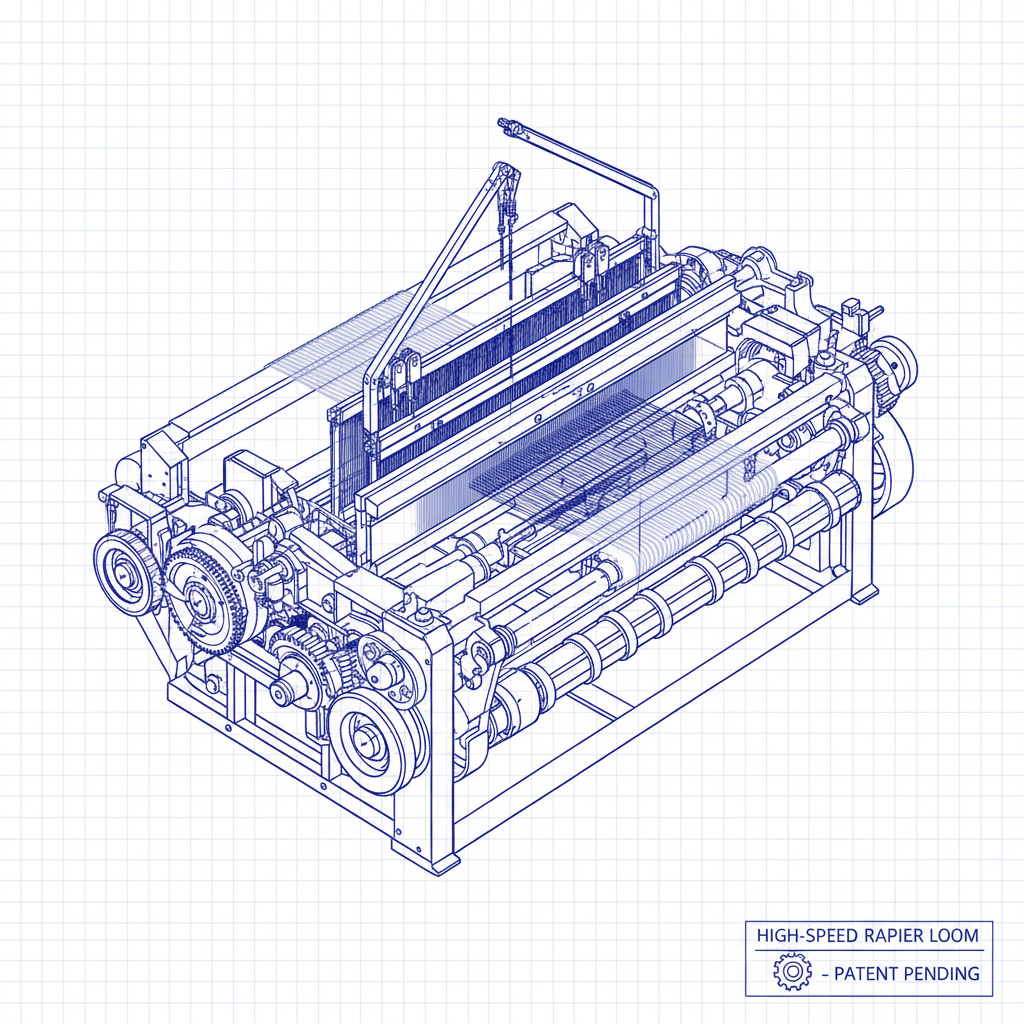
Several core components define the operation of a weaving fabric machine. These include the warp beam, which holds the lengthwise yarns (warp); the shuttle, which carries the crosswise yarns (weft); the heddles, which lift and lower warp yarns to create the shed; and the reed, which beats the weft yarns into place.

The interaction of these components, controlled by a sophisticated mechanical or electronic system, determines the fabric’s structure, pattern, and density. Modern machines often incorporate advanced features like electronic let-off and take-up mechanisms for precise yarn tension control and automated fault detection.

Understanding the function of each component is crucial for troubleshooting, maintenance, and optimizing the weaving process. Regular inspection and precise adjustments are essential for maintaining consistent fabric quality and preventing machine downtime.

Key Factors Influencing Machine Performance

Several key factors directly impact the performance of a weaving fabric machine. Durability is paramount, as these machines operate continuously and require robust construction to withstand the stresses of high-speed production. Scalability, the ability to adapt to varying production volumes and fabric widths, is also crucial.

Cost efficiency, encompassing both initial investment and ongoing operational expenses (energy consumption, maintenance, labor), is a critical consideration for manufacturers. Furthermore, the machine’s ability to handle diverse yarn types – cotton, polyester, silk, blends – and weave intricate patterns directly impacts its versatility and value.

Performance Metrics of Different weaving fabric machine Types


Global Applications and Industry Impact

The applications of weaving fabric machine are incredibly diverse, spanning across numerous industries. Apparel manufacturing remains the largest consumer of woven fabrics, but applications extend to home textiles (bedding, curtains), industrial fabrics (filtration, automotive components), and even specialized areas like medical textiles.

Regions with significant textile industries, such as China, India, Bangladesh, and Turkey, are major users of weaving fabric machine technology. These countries often serve as global hubs for textile production, supplying fabrics to markets worldwide.

Advantages and Long-Term Value Proposition

Investing in high-quality weaving fabric machine offers a multitude of advantages. Reduced production costs through increased efficiency and minimized waste are key benefits. Enhanced fabric quality, leading to improved product performance and customer satisfaction, is another significant advantage.

Furthermore, modern machines often incorporate features that promote sustainability, such as reduced energy consumption and the ability to utilize recycled fibers. This aligns with growing consumer demand for eco-friendly products and contributes to a more responsible manufacturing process. The reliability and longevity of these machines also represent a substantial long-term value.

Future Trends and Technological Advancements

The future of weaving fabric machine technology is poised for significant advancements. Automation, driven by artificial intelligence and robotics, will continue to streamline production processes and reduce labor costs. Digital transformation, including the integration of IoT sensors and data analytics, will enable real-time monitoring, predictive maintenance, and optimized machine performance.

Sustainable weaving practices, such as the development of machines capable of processing bio-based fibers and reducing water consumption, are gaining prominence. Innovations in materials science, leading to the creation of new and improved yarn types, will also drive the evolution of weaving fabric machine technology.

Furthermore, the adoption of 3D weaving technologies holds the potential to create complex fabric structures with customized properties, opening up new possibilities in areas like aerospace and medical engineering.

FAQS

What are the key considerations when choosing a weaving fabric machine for a new business?

When starting a new textile business, selecting the right weaving fabric machine is critical. Consider production volume, fabric types, budget, available space, and the level of automation required. Also, assess the availability of skilled technicians for maintenance and repair, and research the manufacturer’s reputation for reliability and customer support. Choosing a machine that aligns with your long-term business goals is essential.

What maintenance is required to ensure the longevity of a weaving fabric machine?

Regular maintenance is vital for extending the life of a weaving fabric machine. This includes daily cleaning, lubrication of moving parts, regular inspection of belts and gears, and prompt replacement of worn components. Following the manufacturer's recommended maintenance schedule and training personnel on proper procedures will minimize downtime and prevent costly repairs.

How can I improve the energy efficiency of my weaving fabric machine?

Several strategies can improve energy efficiency. Utilize variable frequency drives (VFDs) to optimize motor speeds, implement energy-efficient lighting, and ensure proper insulation of compressed air systems. Regularly check for air leaks and optimize machine settings to minimize energy consumption. Investing in newer, energy-efficient weaving fabric machine models is also a worthwhile consideration.

What are the common causes of fabric defects in weaving, and how can they be prevented?

Common fabric defects include broken warp or weft yarns, slubs, and uneven weave. These can be caused by improper yarn tension, worn machine parts, or inconsistencies in the weaving process. Regular inspection of yarns, precise machine adjustments, and operator training are essential for prevention. Implementing automated fault detection systems can also help identify and address issues promptly.

How does automation impact the role of human operators in weaving?

Automation doesn’t necessarily eliminate the need for human operators, but it shifts their roles. While automated machines handle repetitive tasks, skilled operators are still needed for machine setup, monitoring, troubleshooting, and quality control. Automation requires operators to develop new skills in areas like programming, data analysis, and machine maintenance.

What is the typical payback period for investing in a new, advanced weaving fabric machine?

The payback period for a new weaving fabric machine varies depending on factors like initial investment, production volume, fabric type, and labor costs. However, with increased efficiency, reduced waste, and improved fabric quality, a payback period of 3-5 years is achievable in many cases. A thorough cost-benefit analysis is crucial before making any investment decision.

Conclusion

In conclusion, the weaving fabric machine remains an indispensable component of the global textile industry. Its ongoing evolution, driven by technological advancements and a focus on sustainability, is reshaping how fabrics are produced and utilized. Understanding the core principles, key components, and future trends associated with these machines is essential for success in this dynamic field.

Investing in modern weaving technology is not merely about increasing production efficiency; it’s about securing a competitive advantage, promoting sustainable practices, and contributing to a more resilient and innovative textile industry. For those seeking to optimize their operations and stay at the forefront of the weaving technology, we invite you to visit our website at www.aphkmachinery.com to explore our comprehensive range of solutions.

Kevin Wilson

Kevin Wilson

Kevin Wilson is the Lead Design Engineer specializing in fiberglass fireproof cloth production lines. He joined Anping Hongke in 2018, bringing with him a strong background in materials science and engineering. Kevin is responsible for the research and development of new features and improvements to our existing product line. He
Previous Advanced Fabric Weaving Machine Technology for Efficient Textile Production
Next Advancements in Weaving Machine Industrial Technologies and Global Impact
tel mailto tel goTop

If you are interested in our products, you can choose to leave your information here, and we will be in touch with you shortly.