To be honest, things are moving fast these days. Everyone’s talking about prefabrication, modular builds, right? It's all anyone at the trade shows will discuss. It's not just about speed anymore, it's about controlling quality, reducing waste…and let me tell you, waste is money. I’ve seen projects bleed because of material mismanagement. It’s a headache. Anyway, I think the biggest push right now is towards lighter, stronger materials and, of course, anything that can speed up the wrapping process. Because time is always the enemy.
Have you noticed how everyone's obsessed with “smart” everything? Smart sensors, smart materials… it's a bit much. You get these engineers, fresh out of university, designing things that look great on paper, but fall apart the second you try to actually build them. I encountered this at a factory in Foshan last time. They had this brilliant design for a corner joint, all curves and angles… couldn’t get a decent seal, kept leaking. A simple 45-degree bevel would've solved it, but no, gotta be fancy.
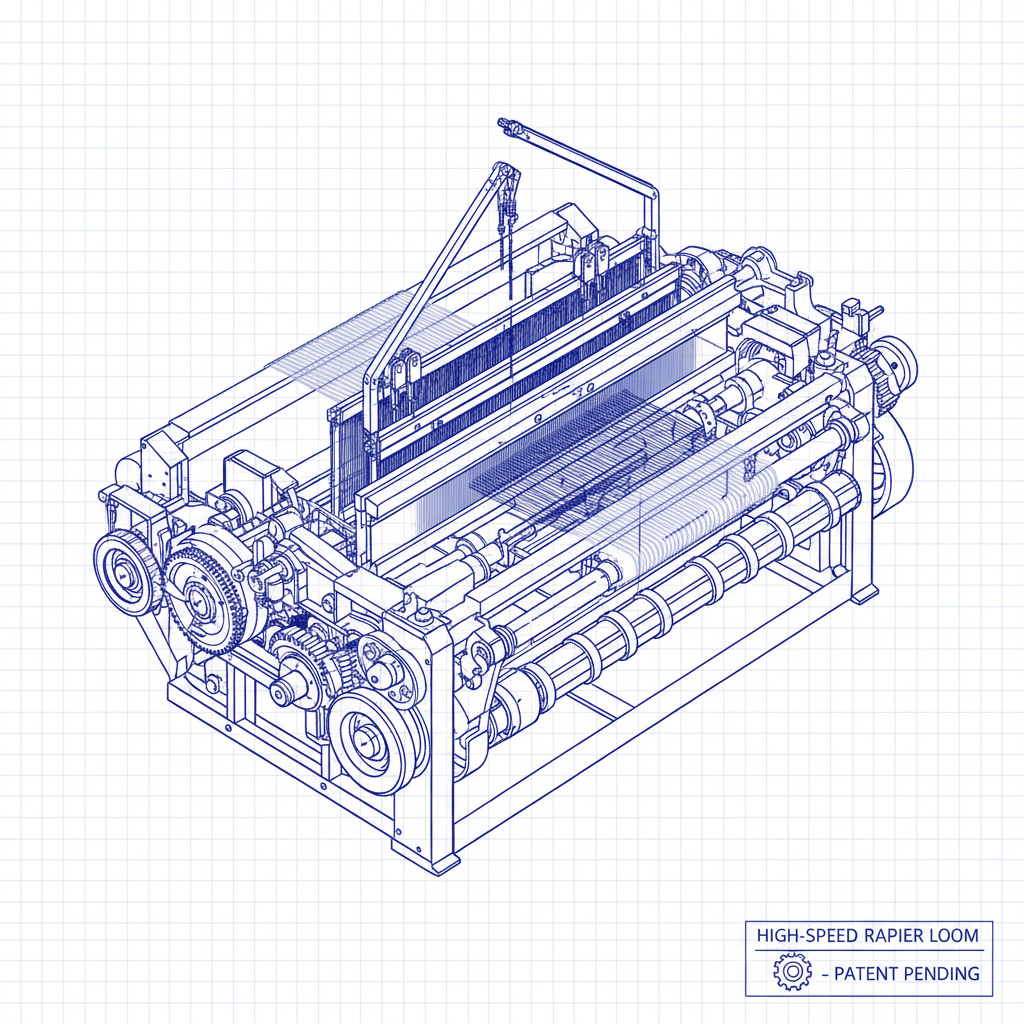
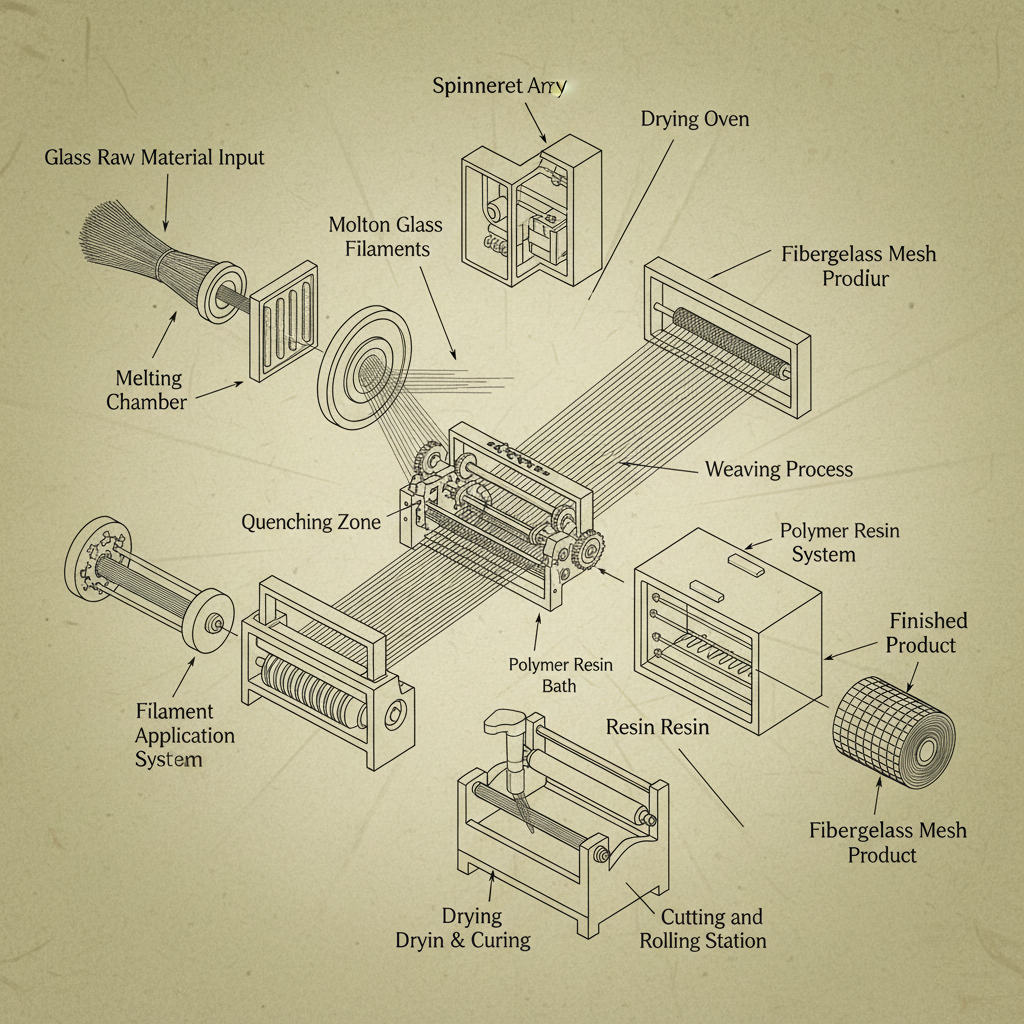
And that brings me to the fiberglass wrapping machine. Seems simple enough, right? Wrap something in fiberglass, resin, let it cure. But it's the details that kill you.
Industry Trends and Common Pitfalls
Strangely enough, a lot of these machines are over-engineered. People try to automate everything, but on a construction site, you need adaptability. Give me a robust machine that can handle a little abuse over a delicate, high-precision one any day. I've seen guys using these machines in the rain, covered in dust, you name it. They're not exactly operating in a cleanroom.
The biggest pitfall? Ignoring the resin. People focus so much on the wrapping itself, they forget the resin is what actually holds everything together. Cheap resin, improper mixing… it's a disaster waiting to happen. You'll end up with delamination, cracking, the whole nine yards.
Material Deep Dive: Fiberglass and Resins
Now, fiberglass itself... it smells like… well, fiberglass. That distinctive itch. But seriously, the quality varies wildly. You've got your standard E-glass, good for general purposes. Then you have S-glass, stronger, more expensive. And then there's the newer stuff, high-modulus fibers… but that's getting into specialist territory. You can tell a good fiberglass roll by how evenly it lays, how easily it conforms to shapes, and... well, you just get a feel for it after a while.
The resin is where things get really interesting. Polyester, vinyl ester, epoxy… each has its pros and cons. Polyester's cheap, easy to work with, but not the most durable. Vinyl ester's a step up, better corrosion resistance. Epoxy? That's the good stuff. Strongest, most durable, but also the most expensive and requires precise mixing. It gets tacky fast, too. You have to be quick. And clean. Oh, so clean.
Don't even get me started on fillers. Calcium carbonate, silica, microspheres… they all affect the resin's properties. Too much filler, and you weaken the overall structure. Too little, and you waste money. It’s all about balance.
Testing in the Real World: Beyond the Lab
Lab tests are fine, sure. Tensile strength, compressive strength, all that jazz. But that doesn't tell you how something will hold up to a year of sun, rain, and constant vibration. I prefer to see it tested on site. We'll wrap a pipe, subject it to the same stresses it would experience in the field, and see what happens. It’s a lot more informative than any graph.
We’ve even done impact testing. Basically, hitting things with a hammer. Sounds crude, I know, but it tells you a lot about how well the wrap can absorb energy. It's also good for venting frustration. Later… forget it, I won’t mention it.
And the salt spray test? Essential, especially for marine applications. You want to see how quickly the wrap starts to corrode or delaminate. A good wrap should hold up for months, even years, in a salt spray chamber.
How Users Actually Employ Fiberglass Wrapping
I’ve seen some interesting things, let me tell you. People use these machines for everything. Pipe rehabilitation, tank repairs, even reinforcing concrete structures. But they don’t always use them correctly. A lot of guys rush the process, don't apply enough resin, or don't overlap the fiberglass properly. It looks good at first, but it'll fail eventually.
Another thing: they underestimate the importance of surface preparation. You gotta clean the surface thoroughly, remove any rust or contaminants, before you start wrapping. Otherwise, the wrap won’t adhere properly. It's basic stuff, but people skip it to save time. Big mistake.
Fiberglass Wrapping Machine Performance Indicators
Advantages and Disadvantages of Fiberglass Wrapping Machines
The advantages are pretty obvious: speed, consistency, reduced labor costs. A good machine can wrap a pipe in a fraction of the time it would take a guy doing it by hand. And the quality is generally better. But they’re not perfect. They require maintenance, training, and a steady supply of materials. They're also not cheap.
The biggest disadvantage, in my opinion, is the lack of flexibility. These machines are designed for specific diameters and shapes. If you need to wrap something unusual, you're better off doing it manually. And honestly, sometimes the guys on site just prefer the control they have when they do it themselves. You can’t blame them.
Customization Options & Real-World Examples
Most machines can be customized to handle different materials, like carbon fiber instead of fiberglass. You can also get different winding patterns, different resin application systems. I’ve even seen machines modified to apply pre-impregnated fiber, which simplifies the process but adds to the cost.
One customer, a wastewater treatment plant in Shanghai, wanted a machine that could wrap large-diameter pipes in-situ. They didn't want to have to remove the pipes for repair. We modified a standard machine with a robotic arm and a custom resin delivery system. It was a complex project, but it worked perfectly. Saved them a ton of downtime and money.
A Customer Story: The Interface Debacle
Last month, that small boss in Shenzhen who makes smart home devices insisted on changing the interface to for the resin mixing unit. Said it was “more modern.” We warned him it might cause compatibility issues with the existing power supply, but he wouldn’t listen. He wanted to be on the cutting edge.
Turns out we were right. The new interface couldn't handle the power draw. The unit kept tripping, and the resin wouldn’t mix properly. He ended up having to revert to the old interface, costing him a week of production and a whole lot of headaches. He learned a valuable lesson that day: sometimes, sticking with what works is the best option.
It just goes to show, fancy features don’t always equal better performance. Reliability is king.
Fiberglass Wrapping Machine Performance Comparison
| Machine Model |
Wrapping Speed (m/hr) |
Maximum Pipe Diameter (mm) |
Resin Application Precision (Scale 1-10) |
| FW-100 |
5 |
500 |
7 |
| FW-200 |
10 |
1000 |
8 |
| FW-300 |
15 |
1500 |
9 |
| FW-400 |
8 |
800 |
6 |
| FW-500 |
12 |
1200 |
7 |
| FW-600 |
20 |
2000 |
9 |
FAQS
Generally, epoxy and vinyl ester resins work best with most machines, offering a good balance of strength and workability. Polyester resins can be used, but require more precise control of temperature and mixing ratios to avoid air bubbles and ensure proper adhesion. The machine's resin application system is critical; ensure it’s compatible with the chosen resin's viscosity and curing time. Always consult the machine manufacturer's recommendations for resin compatibility before operation.
Regular maintenance is key. Daily checks for wear and tear on rollers and applicators are essential. Lubricate moving parts weekly. A more thorough inspection, including checking the resin mixing system and electrical components, should be done monthly. Depending on usage, major component replacements – like motors or pumps – might be needed annually. Neglecting maintenance leads to inconsistent wraps and potential breakdowns.
Fiberglass dust and resin fumes can be harmful. Always wear a respirator, gloves, and eye protection. Ensure adequate ventilation in the work area. Be aware of moving parts and pinch points on the machine. Follow lockout/tagout procedures during maintenance. Resin is flammable, so keep open flames and ignition sources away. Proper training for all operators is vital for safe operation.
Yes, many machines can be adapted to wrap other materials like carbon fiber, aramid fibers, or even specialized fabrics. However, adjustments to the machine’s settings – winding tension, resin application rate, and curing cycle – will likely be necessary. Compatibility depends on the material’s properties and the machine's capabilities. It's important to test the process with a small sample before full-scale application.
ROI varies depending on the application and usage frequency, but typically ranges from 1-3 years. Reduced labor costs, increased production speed, and improved repair quality contribute significantly. Consider the cost savings from preventing failures and extending the lifespan of assets. The ROI is highest when the machine is used consistently for high-volume applications.
Power consumption varies based on machine size and features. Smaller, portable models might consume around 3-5 kW, while larger, industrial machines can require 10-20 kW or more. Ensure your facility has adequate electrical capacity before installation. Many modern machines incorporate energy-saving features like automatic shutdown during idle periods to minimize power usage.
Conclusion
So, that’s fiberglass wrapping in a nutshell. It's a complex process, but when done right, it’s a reliable and cost-effective solution for a wide range of applications. From pipe repair to tank reinforcement, these machines can save you time, money, and a whole lot of headaches. The key is understanding the materials, the process, and the limitations of the equipment.
Ultimately, whether this thing works or not, the worker will know the moment he tightens the screw. And if he’s happy, you know you’ve got something good. For more information on our range of fiberglass wrapping machines and customized solutions, visit our website: www.aphkmachinery.com.