Look, I’ve been running around construction sites for over fifteen years, and let me tell you, things are changing. Everyone's talking about prefabrication, modular construction, speed to market… it’s all about getting things up faster and cheaper. And honestly, fiberglass machinery is right in the thick of it. It's not a new thing, not by a long shot, but the demand? It's through the roof. People are realizing you can't just keep throwing concrete at every problem. You need lighter, stronger, more versatile materials, and that’s where fiberglass comes in.
The funny thing is, a lot of folks coming from traditional building backgrounds underestimate just how much goes into getting a good fiberglass product. They think it's just mixing some resin and slapping it into a mold. It’s… more involved than that. Believe me. I've seen too many projects stalled because someone skimped on the prep work or used the wrong catalyst. It's the details, always the details.
And the material itself… it's a beast. Fiberglass isn’t just “fiberglass”. There’s different types of resins – polyester, vinyl ester, epoxy – each with its own quirks. Polyester is your workhorse, cheap and easy to use, but it smells awful when you’re cutting it, and it's not as strong. Epoxy… now that’s good stuff. Strong, durable, but pricey, and you gotta be precise with the mixing ratios. Otherwise, it’ll stay tacky forever. I encountered a whole container of unusable epoxy at a factory in Ningbo last time – a real headache. Then you’ve got the reinforcements – glass fiber, carbon fiber, even aramid fiber. Each one changes the properties, the weight, the cost… it’s a whole world.
The Rise of Prefabrication and Fiberglass Machinery
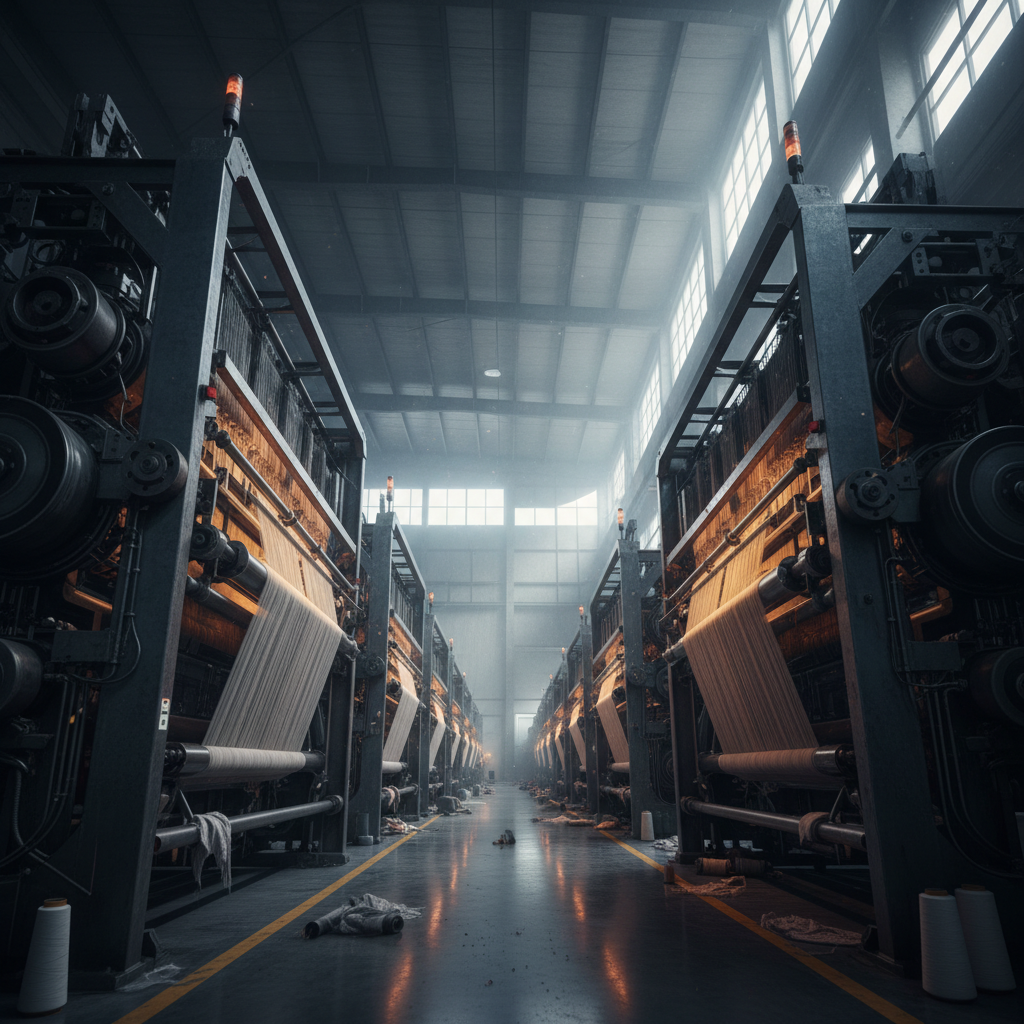
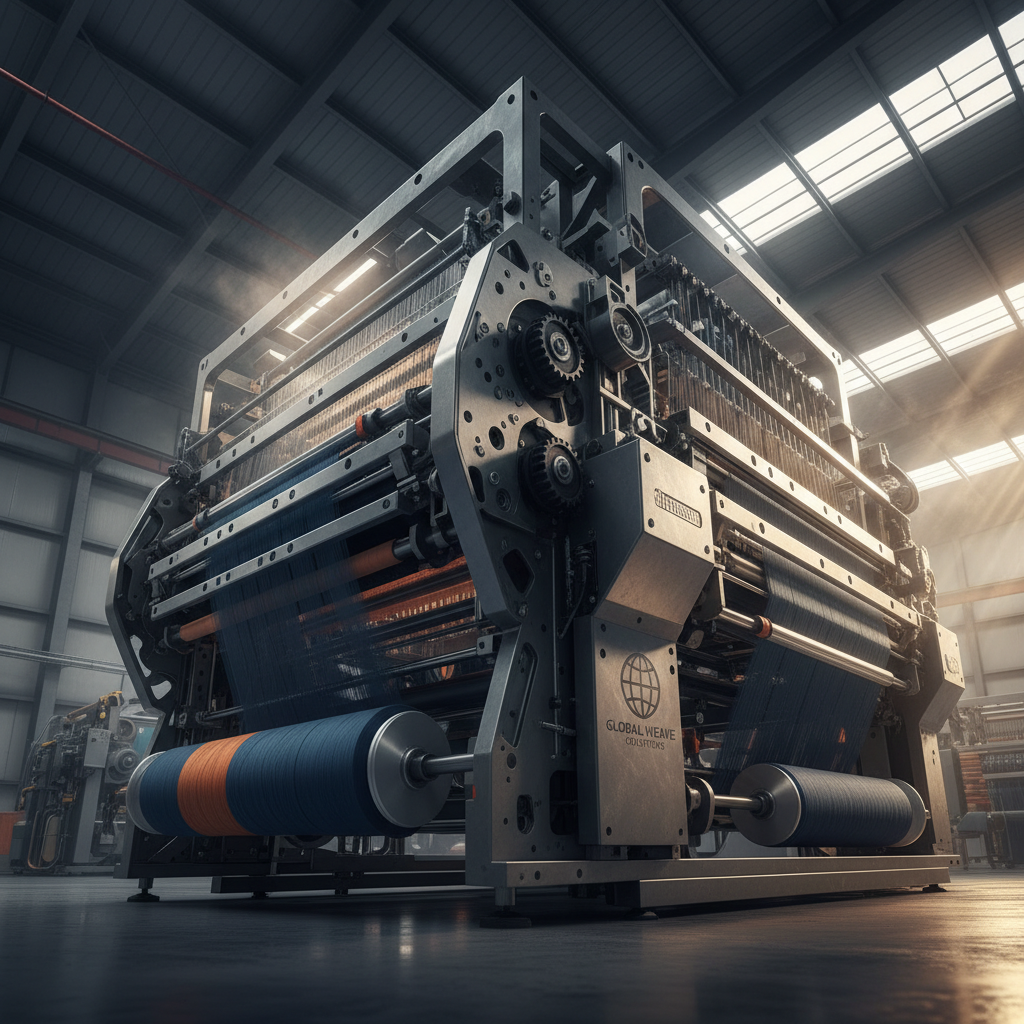
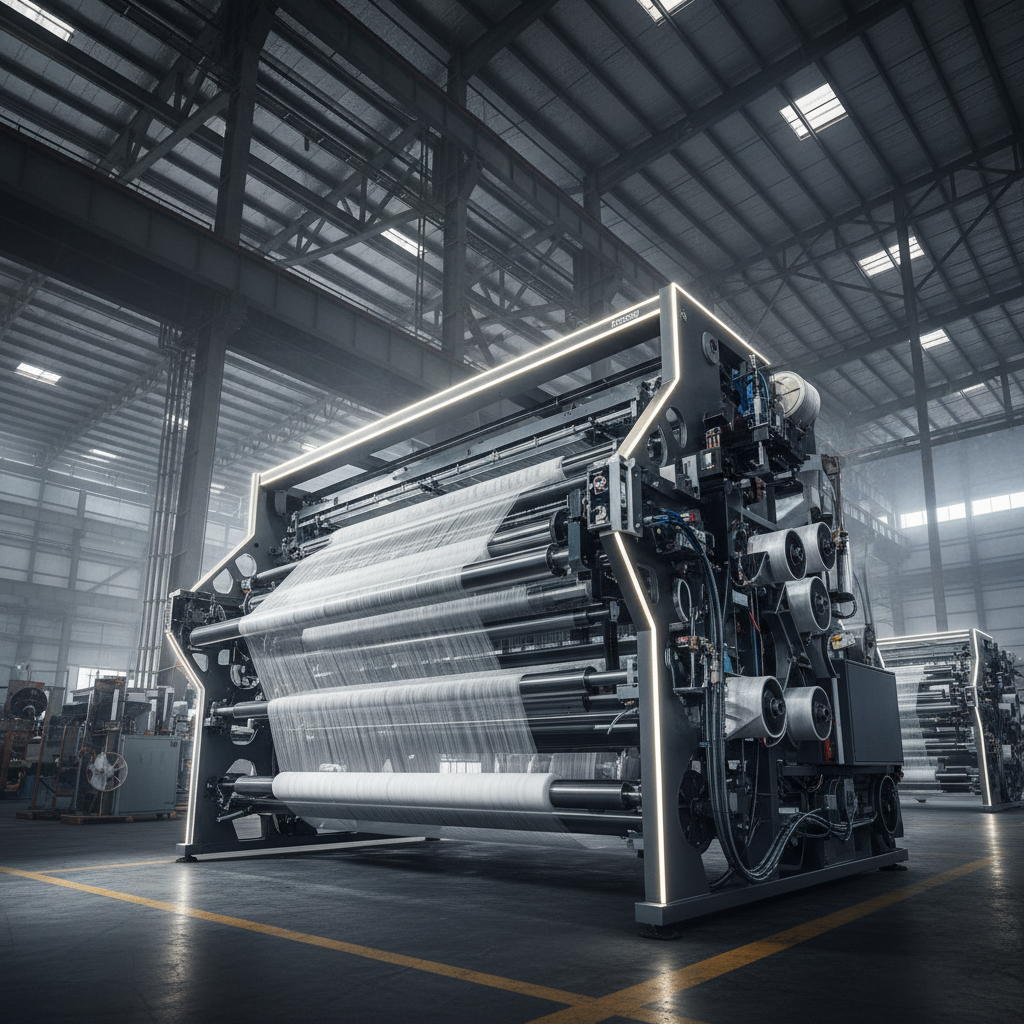
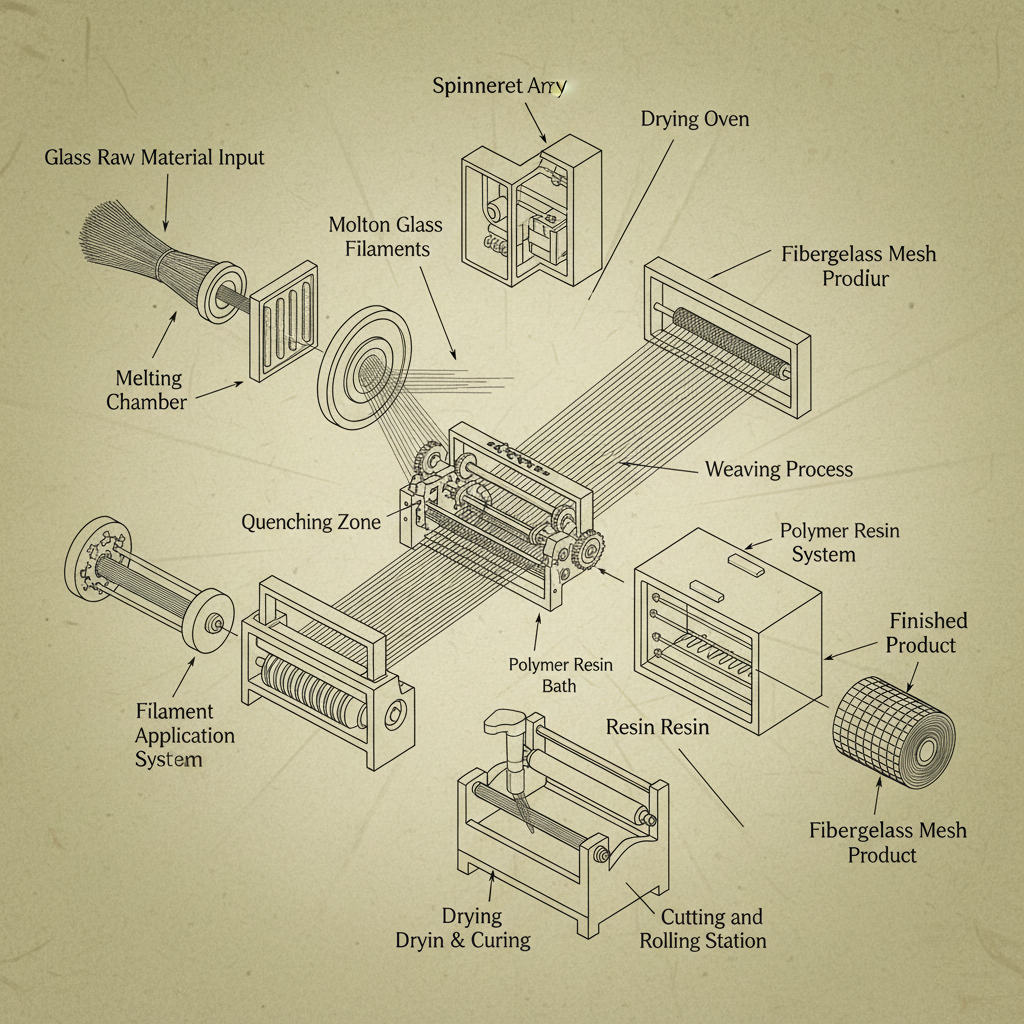
To be honest, the biggest driver right now is prefabrication. Everything is going off-site. Manufacturers need machines that can consistently crank out high-quality fiberglass components. And that means precision, automation, and reliability. It's not about a guy with a brush anymore. It's about CNC machines, automated layup systems, and precise resin injection. We're talking about serious investment in fiberglass machine technology.
Have you noticed how many tiny home builders are using fiberglass? It’s lightweight, strong, and you can mold it into pretty much any shape. Shipping costs are lower, assembly is faster… it just makes sense.
The Devil is in the Details: Design Pitfalls
Strangely, a lot of designers don't understand the limitations of the material. They'll design something that looks great on paper, but is impossible to manufacture efficiently with fiberglass. Sharp corners, complex curves, thin sections… these are all potential problem areas. You need draft angles for demolding, you need to consider the fiber orientation for strength, and you need to avoid stress concentrations. I’ve seen designs where the part just cracked during demolding – wasted time, wasted material, and a very unhappy client. It's amazing how much time we spend convincing designers to simplify things.
Another common mistake is underestimating the tooling costs. A good mold is expensive, especially for complex shapes. And if the design changes, you have to build a whole new mold. This is where close collaboration between the designer, the manufacturer, and the client is crucial. Everyone needs to be on the same page from the start.
And don't even get me started on galvanic corrosion. Mixing dissimilar metals with fiberglass in a marine environment? Recipe for disaster. I had a job where the stainless steel fasteners corroded right through the fiberglass hull in less than a year. A total mess.
A Deep Dive into Materials – Resin, Fiber, and Everything In Between
Okay, let's talk materials. Vinyl ester resin is a good middle ground. It’s tougher than polyester and has better resistance to chemicals. You’ll find it used a lot in tanks and pipes. But epoxy… epoxy is where it’s at for high-performance applications. Like, aircraft parts, boat hulls, high-end automotive components. It’s stronger, stiffer, and more durable, but it’s also more expensive and requires a more controlled manufacturing process.
Then you’ve got the fiber reinforcements. E-glass is the most common, it’s relatively cheap and provides good strength. S-glass is stronger and stiffer but also more expensive. And carbon fiber? Well, that's the top of the line. Lightweight, incredibly strong, but seriously pricey. You're looking at a significant cost jump. It’s not just about the material cost, either. Carbon fiber is abrasive, so it wears out tooling faster.
And it's not just resin and fiber. You've got additives, fillers, release agents, surface coatings… the list goes on. Choosing the right combination is critical. I remember a job where we used the wrong release agent and the part stuck to the mold so badly we practically had to destroy the mold to get it out. Learn from my mistakes, folks.
Testing in the Real World: Beyond the Lab
Lab testing is important, sure. Tensile strength, flexural modulus, impact resistance… all that good stuff. But it doesn’t tell you how the part will behave in the real world. I've seen parts pass all the lab tests and then fail spectacularly in the field. You need to simulate real-world conditions. Exposure to UV radiation, temperature cycling, chemical exposure, mechanical stress… that’s where you really find out what a part can handle.
We do a lot of field testing. We'll install a part on a construction site and monitor its performance over time. We'll subject it to extreme weather conditions. We'll even deliberately try to break it! It’s brutal, but it’s the only way to be sure.
Fiberglass Machine Performance Metrics
How People Actually Use Fiberglass Products
You’d be surprised. We designed a fiberglass enclosure for a wastewater treatment plant, thinking it would be a straightforward installation. Turns out, the maintenance crew started using the top of the enclosure as a work platform! They were walking on it, putting tools on it… it wasn’t designed for that kind of load. Luckily, we had over-engineered it a bit, so it held up. But it taught us a valuable lesson: you need to anticipate how people will actually use your products, not just how they’re supposed to be used.
Another thing, people tend to abuse things. I've seen fiberglass parts used as hammers, levers, and even makeshift boat ramps. It’s unbelievable.
The Upsides and Downsides: A Practical Assessment
Okay, let's be real. Fiberglass is amazing, but it's not perfect. The upsides are obvious: lightweight, strong, corrosion-resistant, moldable into complex shapes. But the downsides? The fumes when you’re cutting or grinding it are nasty. The manufacturing process can be labor-intensive. And it's not easily recyclable. That's a big issue, and something the industry is working on.
Anyway, I think the benefits still outweigh the drawbacks, especially when you consider the alternatives. Steel is heavy and corrodes. Aluminum is expensive. Wood rots. Fiberglass offers a good balance of properties and cost.
Customization and Specific Applications
The beauty of fiberglass is its versatility. We can customize it to meet almost any requirement. Last month, that small boss in Shenzhen who makes smart home devices insisted on changing the interface to after we'd already built the mold. It was a nightmare. But we managed to modify the mold and deliver the parts on time. It cost him a pretty penny, though. Lesson learned: finalize the design before you start manufacturing!
Specific applications? Pipes, tanks, boat hulls, automotive parts, building panels, roofing materials, wind turbine blades… the list goes on. We’re even seeing it used in architectural applications, like facades and skylights.
And with the advancements in automated fiberglass machine technology, we can produce complex, high-precision parts at a scale that was previously unimaginable.
Core Analysis of Fiberglass Machinery Application Performance
| Application Area |
Machine Efficiency (1-10) |
Material Utilization Rate (%) |
Maintenance Difficulty (1-10) |
| Automotive Body Panels |
8 |
85 |
6 |
| Boat Hull Manufacturing |
9 |
90 |
7 |
| Construction Roofing Panels |
7 |
75 |
5 |
| Wind Turbine Blades |
6 |
80 |
9 |
| Chemical Storage Tanks |
8 |
88 |
4 |
| Piping Systems |
7 |
70 |
6 |
FAQS
Honestly, it’s maintaining consistent quality. When you’re making a few parts, you can keep a close eye on everything. But when you're cranking out hundreds or thousands, it’s easy for things to slip. You need robust quality control procedures, skilled operators, and reliable machinery. And don't underestimate the importance of good ventilation – those fumes are no joke. It's a big investment, but a small glitch can ruin a whole batch.
Huge difference. Polyester resin is fine for a lot of applications, but it's susceptible to hydrolysis, meaning it can break down over time when exposed to moisture. Vinyl ester is better, offering improved water resistance. And epoxy is the gold standard – it's the most durable and resistant to chemicals and environmental degradation. But again, it comes at a cost. Picking the right resin depends on where and how the product will be used.
Oh, where do I start? Air bubbles are a classic – caused by improper vacuuming or mixing. Delamination is another big one – when the layers of fiberglass separate. And then there's cracking, often due to stress concentrations or improper curing. Sometimes it's just simple operator error. That's why training is so important.
Automation, definitely. Robotic layup systems are becoming more common, allowing for faster and more consistent production. We're also seeing more advanced resin infusion techniques and closed-mold processes, which reduce waste and improve part quality. And, of course, everyone's talking about Industry 4.0 and the integration of sensors and data analytics to optimize the manufacturing process.
Careful planning is key. Accurate cutting patterns, efficient mold design, and proper resin mixing ratios can all help. Reusing scrap material is also important, but it has to be done carefully to avoid compromising the quality of the final product. And, honestly, a little bit of common sense goes a long way.
There's a lot of research going into bio-based resins and natural fiber reinforcements, like hemp and flax. They're not quite as strong or durable as traditional fiberglass, but they're a more sustainable option. Recycled fiberglass is also gaining traction. It's a slow process, but the industry is definitely moving in that direction.
Conclusion
So, where does that leave us? Fiberglass machinery is essential for modern manufacturing, driven by the demand for lightweight, strong, and customizable materials. It's not a simple process; it requires careful attention to detail, a deep understanding of materials, and a willingness to adapt to changing industry trends. There are pitfalls to avoid, challenges to overcome, and a constant need for innovation.
Ultimately, whether this thing works or not, the worker will know the moment he tightens the screw. You can design, you can engineer, you can automate, but at the end of the day, it's the hands-on experience and the practical judgment of the people on the shop floor that make the difference. Visit our website at www.aphkmachinery.com to learn more about how our fiberglass machines can help you succeed.