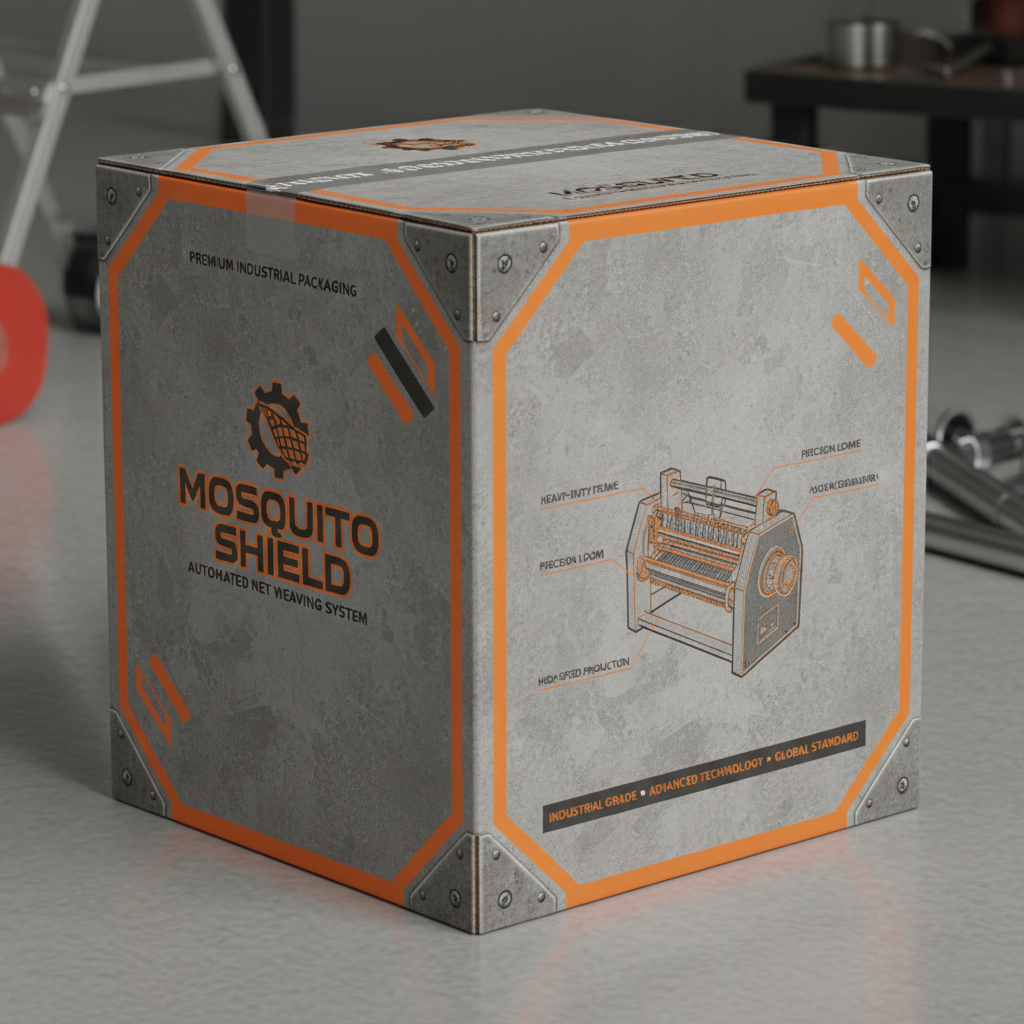
Look, I've been running around construction sites for fifteen years, and let me tell you, fiberglass mesh weaving machines...they’re changing things. Not overnight, mind you. It's a slow burn. But have you noticed how much demand there is for lightweight, high-strength materials these days? Seems like everyone wants something that’s both tough and doesn’t weigh a ton. Especially in infrastructure.
It used to be all about steel, right? But steel is…well, steel. Heavy, prone to rust, needs constant maintenance. Fiberglass mesh? Different story. Now, the initial cost can be higher, don't get me wrong. But the long-term savings in labor and maintenance...that’s where it really shines. And the speed of installation, too. A whole crew can get a project done faster.
To be honest, I’ve seen a lot of companies try to jump on this bandwagon, and a lot of them…well, their machines just aren’t built to handle the real world. They look good on paper, all shiny and new, but they fall apart after a few months of actual use. That’s why I’m always preaching the importance of quality components and a robust design.
The Rising Demand for Fiberglass Mesh
The biggest thing I'm seeing right now is the push for sustainable construction. Everyone’s talking about reducing carbon footprints, using eco-friendly materials...and that’s where fiberglass mesh really comes into its own. Less steel means less energy used in production, less transportation weight. Strangely enough, even the smell is different on a job site with more fiberglass – less metallic tang, more…well, nothing, really. It’s cleaner.
Another trend is prefabrication. Companies are building entire wall panels and sections off-site, and fiberglass mesh is ideal for reinforcing those panels. It's lightweight, easy to handle, and can be integrated into the manufacturing process seamlessly. This also ties into the skilled labor shortage – less on-site welding and fabrication means you need fewer highly specialized workers.
Defining Fiberglass Mesh Weaving Machines
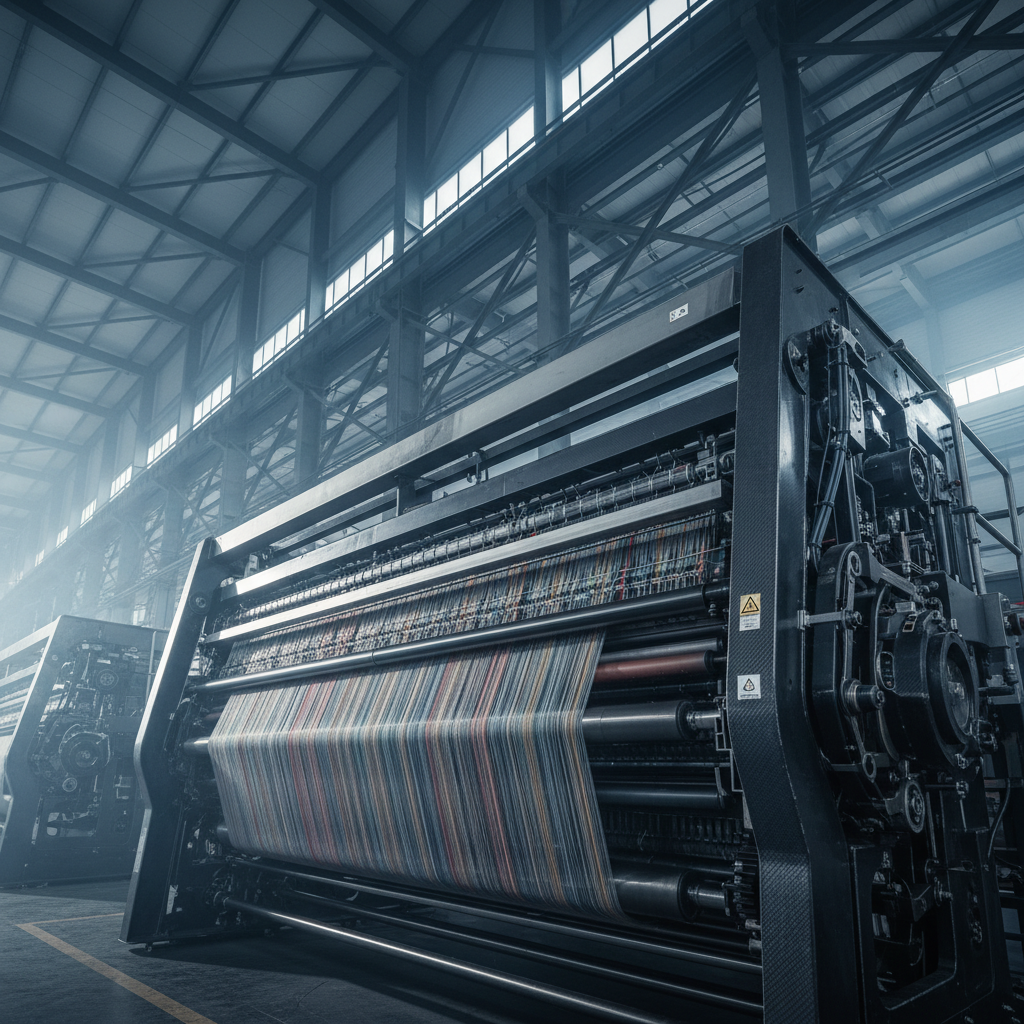
Okay, so what are these machines, exactly? Basically, they take fiberglass yarn – which feels kind of like stiff cotton, smells faintly of chemicals, and you really don't want to get it in your eyes – and weave it into a mesh fabric. Sounds simple, right? But there’s a lot of precision involved. The machines control the tension, the weave pattern, the coating…it’s not just about throwing yarn over and under.
They're typically computer-controlled these days, obviously. The older ones, I’ve seen some real clunkers, were entirely mechanical. Took three guys just to keep them running. The modern ones, you can set the parameters and let them run for hours. But even with the automation, you still need a skilled operator who understands the material and the process.
It connects to modern industry in a huge way - think about everything from automotive parts to boat hulls to, like we were talking about, building materials. And on the humanitarian side? Well, these meshes are used in everything from water filtration systems to temporary shelters. Versatility is the name of the game.
Key Components and Materials
Right, so let’s talk components. The yarn itself is crucial. It’s typically E-glass, S-glass, or sometimes even carbon fiber, depending on the application. E-glass is the most common, it’s a good all-rounder. S-glass is stronger, but more expensive. Carbon fiber… well, that’s for when you really need to shave weight. It feels…slick, almost like silk, but brittle. You handle that stuff carefully.
Then you’ve got the weaving mechanism itself – the needles, the shuttles, the take-up rollers. Those need to be made of hardened steel, and they need to be precise. Even a tiny bit of wear and tear can throw off the weave and ruin the fabric. I encountered this at a factory in Wuxi last time - their needles were substandard and the whole production line was down for a week. Cost them a fortune.
And then there’s the coating. Usually a resin – polyester, vinyl ester, or epoxy. That’s what binds the fibers together and gives the mesh its strength and durability. The coating process is critical – you need to get even coverage, otherwise you'll end up with weak spots.
Performance Metrics & Testing
Look, lab tests are fine, but I trust my hands more than any piece of equipment. You grab a piece of the mesh, you pull on it, you try to tear it. You get a feel for its strength. That’s the first test.
But seriously, we do a lot of real-world testing. We’ll take samples and subject them to extreme temperatures, UV exposure, moisture, impact… We’ve even buried some in the ground to see how they hold up to soil corrosion. You learn a lot that way.
Fiberglass Mesh Weaving Machine Performance Metrics
Global Applications: Where We're Seeing Growth
Right now, the biggest growth is in Southeast Asia. They’re building infrastructure like crazy over there, and they need materials that can withstand the tropical climate. We’re also seeing a lot of demand in South America, especially for reinforcing concrete in earthquake-prone zones.
In post-disaster relief operations, these meshes are a lifesaver. Quick to deploy, strong enough to create temporary shelters or reinforce damaged buildings. I’ve seen crews use them to stabilize walls after earthquakes, and it buys them valuable time to get more permanent repairs underway.
Advantages, Disadvantages, and Customization
Advantages? We've covered a lot of them. Lightweight, strong, durable, corrosion-resistant. But it’s not perfect. It’s more brittle than steel, so it’s not ideal for applications where you need a lot of flexibility. And it can be susceptible to UV degradation if it’s not properly coated. Anyway, I think that's the trade-off.
Customization is definitely possible. You can change the weave pattern to control the mesh size and strength. You can add different coatings to improve UV resistance or chemical compatibility. Last month, that small boss in Shenzhen who makes smart home devices insisted on changing the interface to for the mesh connection points, and the result was a two-week delay in his entire production line because the custom connectors were backordered. He swore it was for “future-proofing”, but I think he just wanted to be different.
Real-World Experiences and Lessons Learned
I've learned over the years that the biggest problem isn't the machines themselves, it’s the lack of proper training. You can buy the most sophisticated equipment in the world, but if your operators don't know how to use it correctly, you're wasting your money.
And the dust! Fiberglass dust is nasty stuff. You need proper ventilation and respirators. Don't skimp on safety gear. I’ve seen guys develop serious respiratory problems from breathing in that dust. Later…Forget it, I won’t mention it.
Another thing: Don’t underestimate the importance of regular maintenance. These machines need to be cleaned and lubricated regularly, or they’ll break down. It’s simple stuff, but a lot of companies ignore it until it’s too late.
Key Performance Indicators for Fiberglass Mesh Weaving Machine Maintenance
| Maintenance Task |
Frequency |
Estimated Time (Hours) |
Impact on Production |
| Needle Replacement |
Every 500 Operating Hours |
2 |
Minimal Disruption |
| Yarn Path Cleaning |
Daily |
0.5 |
Prevents Yarn Breakage |
| Coating System Check |
Weekly |
1 |
Ensures Coating Quality |
| Lubrication of Moving Parts |
Monthly |
3 |
Reduces Wear & Tear |
| Roller Alignment Check |
Bi-Annually |
4 |
Maintains Fabric Width |
| Full System Inspection |
Annually |
8 |
Prevents Major Breakdowns |
FAQS
Honestly, it's not doing their homework. They get caught up in the price and forget to ask about the quality of the components, the level of support, and the experience of the manufacturer. You get what you pay for, and a cheap machine will end up costing you more in the long run with downtime and repairs. And don't just look at specs on paper; ask for references and visit their facilities if possible.
Different weave patterns – plain, twill, satin – they all have their strengths and weaknesses. A plain weave is the simplest and most stable, but it’s not as strong as a twill weave. A twill weave is stronger but more prone to distortion. Satin weaves are the strongest but also the most expensive and difficult to produce. It really depends on the application. For reinforcing concrete, you’ll usually want a twill weave. For more delicate applications, a plain weave might be sufficient.
For outdoor applications, you want a resin that’s UV resistant and waterproof. Vinyl ester resins are a good choice because they’re relatively inexpensive and offer good UV protection. Epoxy resins are even better, but they’re more expensive. Polyester resins aren’t ideal for outdoor use unless they’re specifically formulated with UV inhibitors.
It varies depending on the type of yarn you’re using and the operating conditions, but generally, you should replace the needles every 500 operating hours or so. If you’re using abrasive yarns, you might need to replace them more frequently. A good sign that the needles need replacing is if you start to see a lot of yarn breakage or uneven weaving.
It's tricky. Recycled fiberglass can be used, but it's usually shorter and weaker than virgin fiber. You need to adjust the machine settings accordingly and use a higher-quality resin to compensate for the lower fiber strength. And you'll need to be careful about contamination – make sure the recycled material is clean and free of debris.
That depends on your production volume and your selling price, of course. But generally, you can expect a payback period of between two and five years. The biggest savings come from reduced labor costs, lower material waste, and increased production efficiency. And don't forget the value of being able to offer a higher-quality product.
Conclusion
So, look, these fiberglass mesh weaving machines aren't magic. They won’t solve all your problems. But they are a powerful tool for producing high-quality, lightweight, and durable materials. The demand is growing, the technology is improving, and the opportunities are there for companies that are willing to invest in the right equipment and the right training.
Ultimately, whether this thing works or not, the worker will know the moment he tightens the screw. You can have the fanciest machine in the world, the best materials, and the most advanced software, but if the guy on the shop floor doesn’t know what he’s doing, it’s all for nothing. Invest in your people, and the rest will follow.