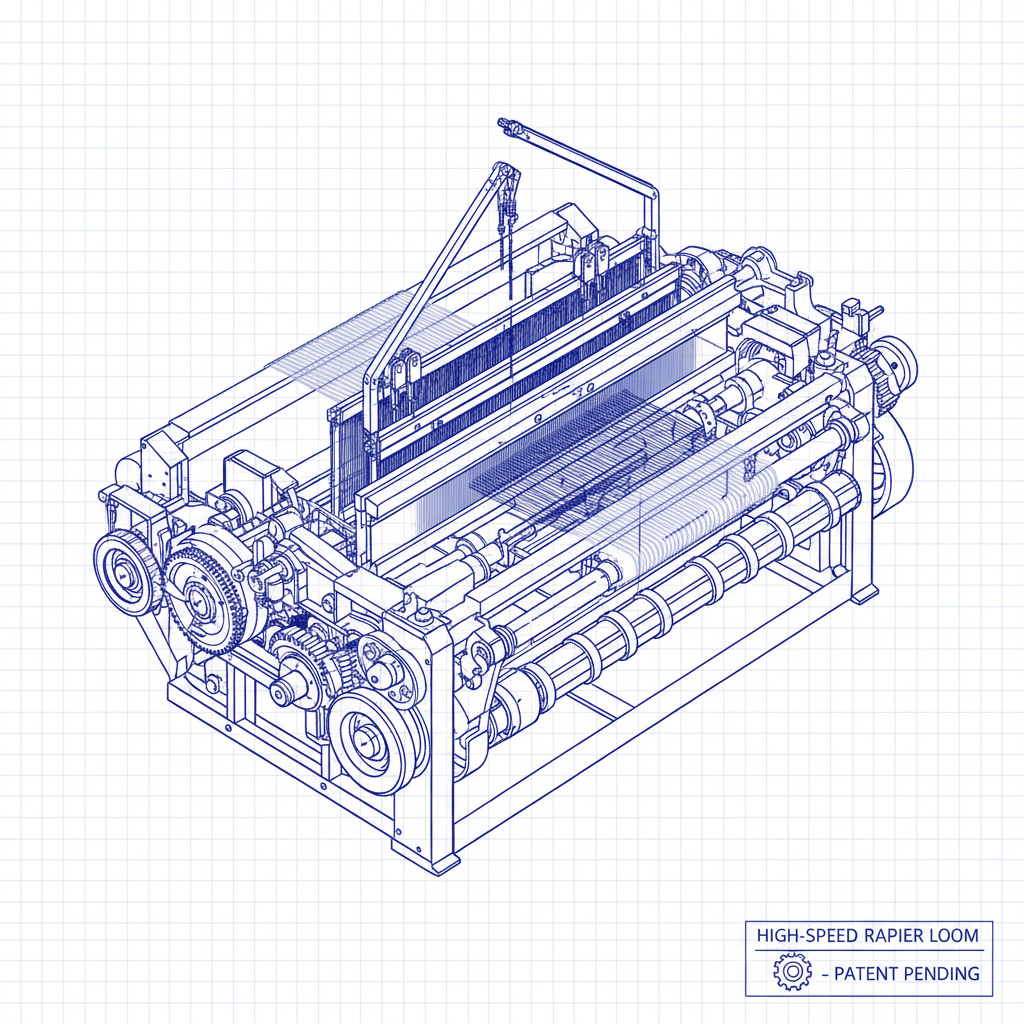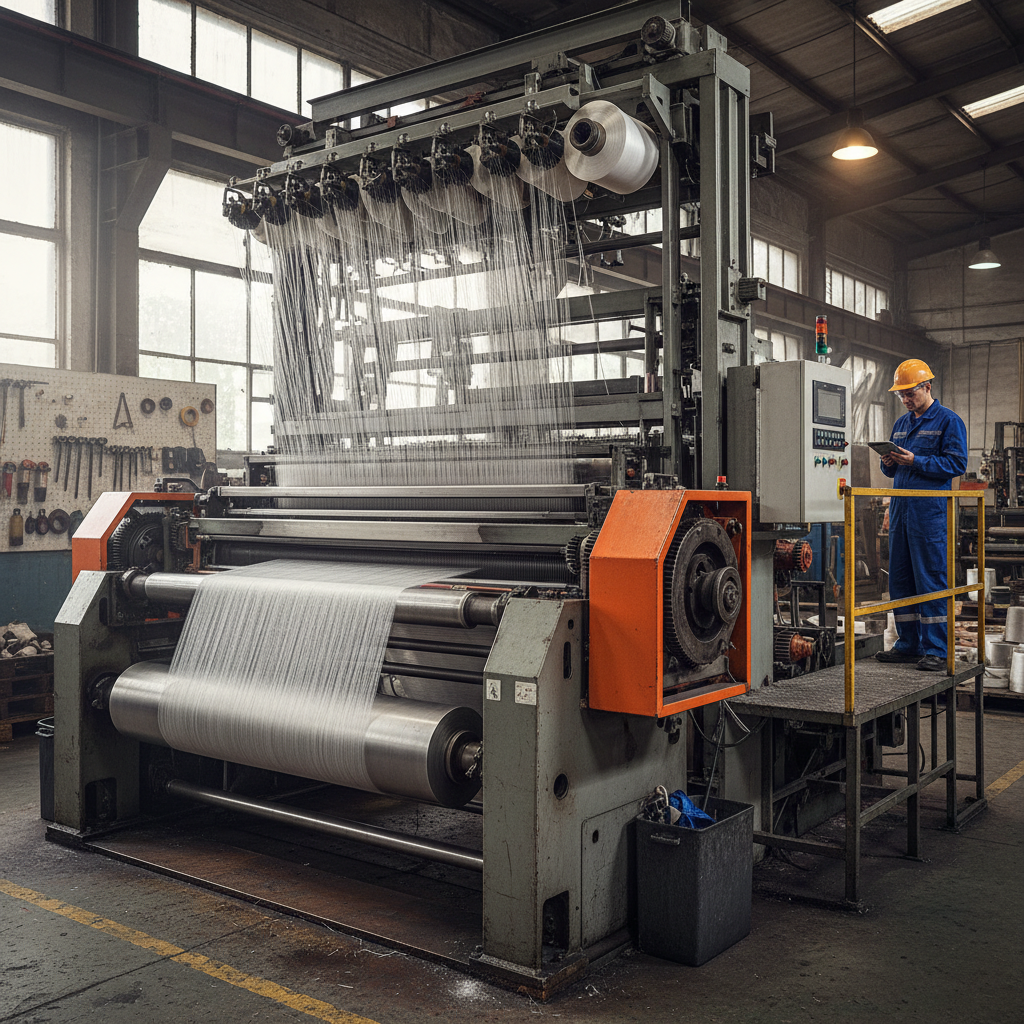


Look, spinning and weaving machines… honestly, it’s a world a lot of folks don't think about unless their clothes are falling apart. But it's everything. It's not just about t-shirts, it’s about economies, livelihoods, and increasingly, sustainability. We're talking about a multi-billion dollar industry, globally, heavily concentrated in places like China, India, and Bangladesh, but increasingly important everywhere as we try to reshore manufacturing and build more resilient supply chains. It’s been a bedrock of industrialization for centuries, and it's still evolving faster than most people realize.
You see a lot of talk about Industry 4.0 and automation, and that’s hugely impacting spinning and weaving. It's not just about robots replacing workers – it’s about sensors, data analytics, and AI optimizing everything from yarn tension to fabric defects. Have you noticed how much more precise everything is getting? It’s not your grandmother’s textile mill anymore. But the core principle remains: taking fibers and turning them into usable cloth. Simple in theory, unbelievably complex in practice.
And it’s a surprisingly vital part of humanitarian efforts too. Quick-deployment textile production facilities can be set up in disaster zones to provide clothing and shelter materials. It's not glamorous, but it's absolutely crucial. spinning and weaving machines are fundamental to so many things we take for granted.
To be honest, the market’s a beast. China still dominates, absolutely dominates, in terms of both production and export. But you’re seeing a shift – a slow one, but a definite shift – towards Southeast Asia, particularly Vietnam and Indonesia, as labor costs rise in China. India is a major player too, of course, and increasingly focused on higher-value textiles. The UN Comtrade database will tell you all sorts of fascinating, if slightly overwhelming, stats. What I've been seeing on the ground is a demand for more versatile machines - smaller production runs, quicker changeovers.
It’s also about addressing the sustainability concerns. The textile industry has a massive environmental footprint. Everyone's talking about circular economy models, and that’s driving demand for machines that can handle recycled materials and reduce waste. ISO standards are getting tighter too, which forces manufacturers to up their game.
A well-maintained modern spinning machine can easily last 15-20 years, sometimes even longer. It really depends on the quality of construction, how heavily it’s used, and the frequency of preventative maintenance. I’ve seen some older machines still going strong after 30 years, but they're the exception, not the rule. Regular bearing replacements and control system upgrades are key to extending lifespan.
Automation doesn’t eliminate the need for skilled labor, it shifts it. You still need technicians to program, operate, and maintain these automated systems. The skills required are different – more focused on data analysis, troubleshooting, and robotics. There's a big push for training programs to upskill the existing workforce.
The biggest challenge is probably the cost. Sustainable materials and processes are often more expensive than conventional ones. There's also the issue of traceability – ensuring that materials are actually sourced sustainably. And then there's the need for investment in new machinery that can handle recycled materials and reduce waste. It’s a complex undertaking, but it’s absolutely necessary.
A fair amount, actually. You can usually customize things like the gauge of the machine, the type of yarn it can handle, and the control system. Last month, a small boss in Shenzhen who makes smart home devices insisted on changing the interface to – a weird request, but we accommodated it. The extent of customization depends on the manufacturer and the machine itself. Larger, more complex machines offer more flexibility.
Energy efficiency upgrades can have a significant impact on cost savings. Spinning and weaving machines consume a lot of energy, so even small improvements can add up over time. Things like variable frequency drives, energy-efficient motors, and improved insulation can all help reduce energy consumption. The payback period can vary, but it's often within a few years.
Regular lubrication, cleaning, and inspection are absolutely critical. Check the warp and weft tension frequently. Replace worn-out parts promptly. And have a preventative maintenance schedule in place. I’ve seen mills lose days of production because of a simple broken shuttle. It's always cheaper to prevent downtime than to fix it after it happens.
So, spinning and weaving machines – they’re not glamorous, but they’re essential. They’re at the heart of the textile industry, driving innovation, creating jobs, and providing the fabrics we all rely on. From the intricacies of yarn production to the complexities of fabric weaving, it’s a world of constant evolution and adaptation. Understanding these machines, their capabilities, and their limitations is crucial for anyone involved in the textile supply chain.
Ultimately, whether this thing works or not, the worker will know the moment he tightens the screw. It’s about practical knowledge, hands-on experience, and a willingness to learn. If you’re looking for reliable, high-quality spinning and weaving machines, don't hesitate to reach out. We’ve been in this business for years, and we know what it takes to get the job done.