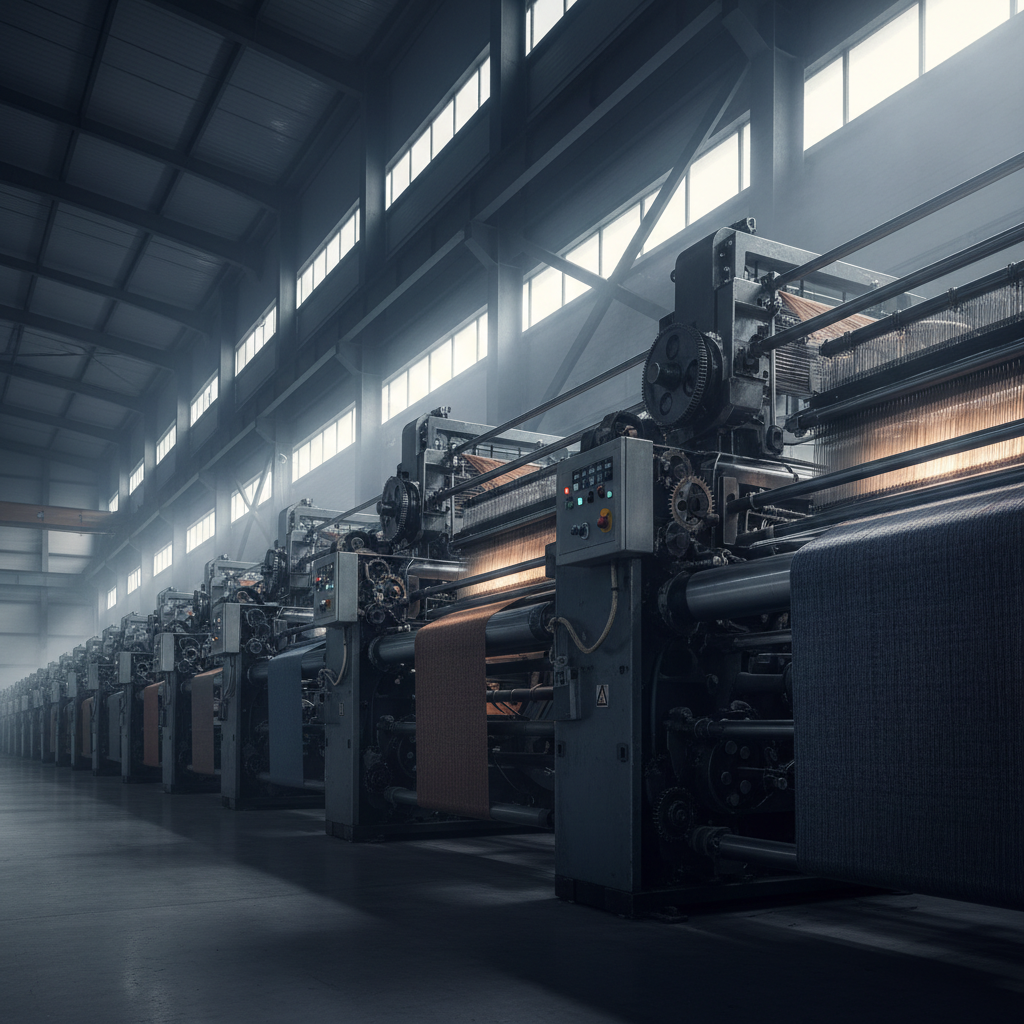
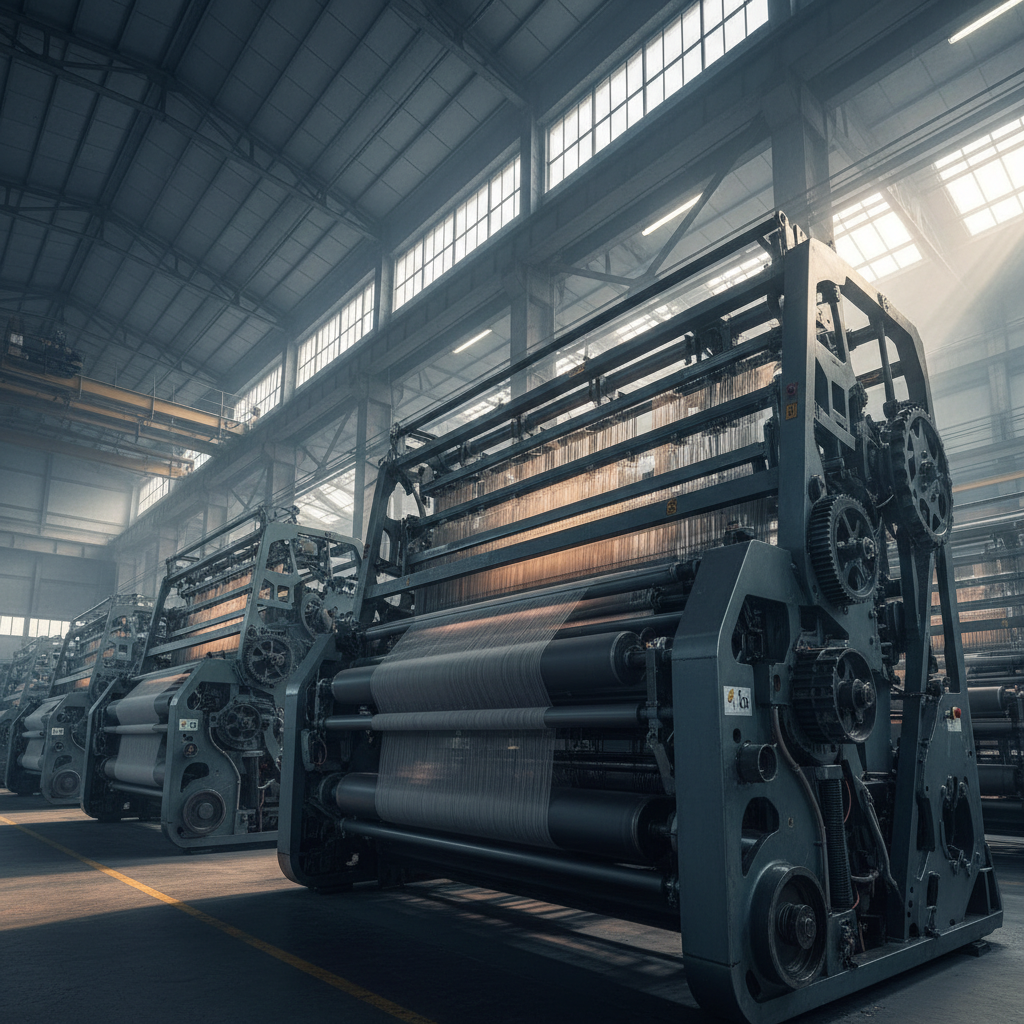
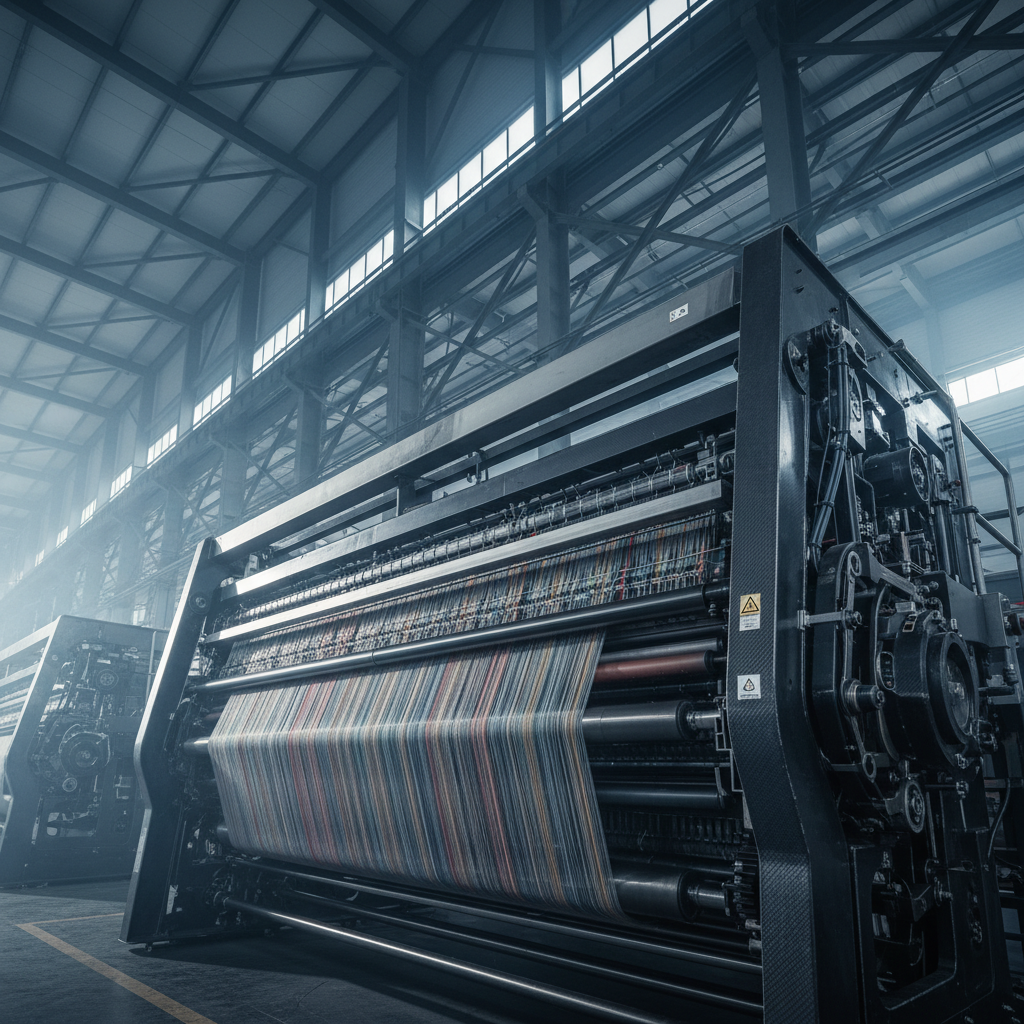
Industrial weaving machines represent a cornerstone of modern textile production, impacting industries ranging from apparel and home furnishings to technical textiles and composite materials. Their evolution has been driven by a relentless pursuit of efficiency, precision, and versatility, resulting in increasingly sophisticated technologies capable of meeting diverse manufacturing needs. Understanding these machines is crucial for professionals in textile engineering, manufacturing, and supply chain management, as well as for anyone interested in the dynamics of global trade and industrial innovation.
The global demand for textiles continues to grow, fueled by population increase and rising living standards. This demand places significant pressure on manufacturers to optimize their production processes. Industrial weaving machines address this challenge by enabling high-volume, consistent-quality fabric production. According to the UN Comtrade database, global textile trade exceeded $275 billion in 2022, highlighting the critical role of efficient manufacturing technologies like these machines.
Furthermore, advancements in industrial weaving machines are also playing a role in addressing humanitarian needs, such as the rapid production of shelter materials and protective textiles. The ability to quickly and reliably produce durable fabrics is invaluable in disaster relief and emergency response situations.
Introduction to Industrial Weaving Machines
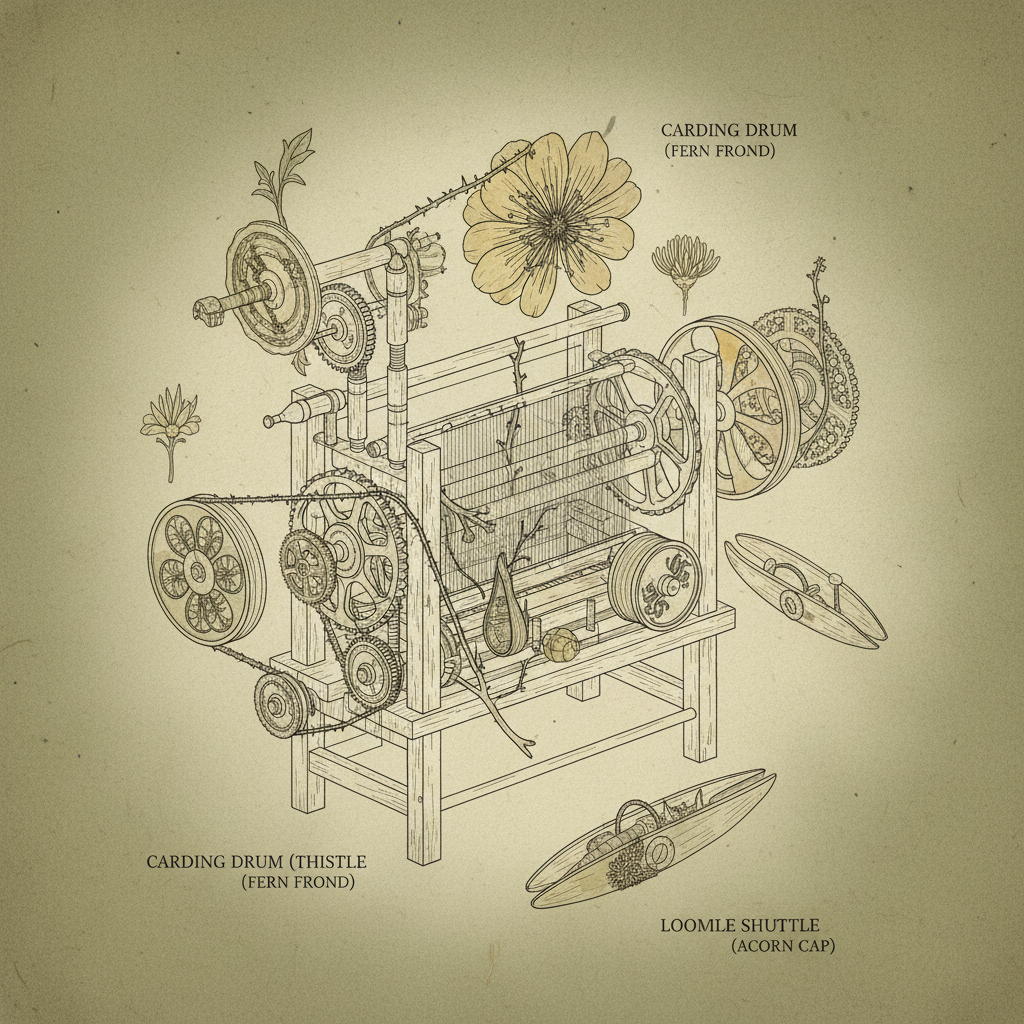
Industrial weaving machines are complex systems designed to efficiently transform yarn into fabric. They represent a significant evolution from traditional hand looms, offering increased speed, precision, and the ability to create intricate fabric structures. These machines are integral to numerous industries, shaping the textiles we use every day.
The modern industrial weaving machine leverages automation and computer control to streamline the weaving process. Different types of weaving machines exist, each suited for specific fabric types and production volumes. Selecting the appropriate machine is crucial for optimizing production efficiency and achieving desired fabric characteristics.
Defining Industrial Weaving Machines
At its core, an industrial weaving machine interlaces two sets of yarns – the warp (lengthwise) and the weft (crosswise) – to create a fabric. Unlike knitting, which uses loops, weaving creates a fabric by over-and-under interlacing. Industrial machines automate this process, utilizing complex mechanisms to control yarn tension, shedding, picking, beating-up, and take-up.
The connection to modern industry is undeniable. Virtually all mass-produced textiles—from clothing and upholstery to industrial filters and automotive components—are created using industrial weaving machines. These machines directly impact global supply chains, economic development, and consumer accessibility.
In humanitarian contexts, the rapid deployment of industrial weaving machines can enable local production of essential materials like tarpaulins for shelter, mosquito nets for disease prevention, and bandages for medical care, promoting self-sufficiency and resilience in vulnerable communities.
Core Components and Functionality
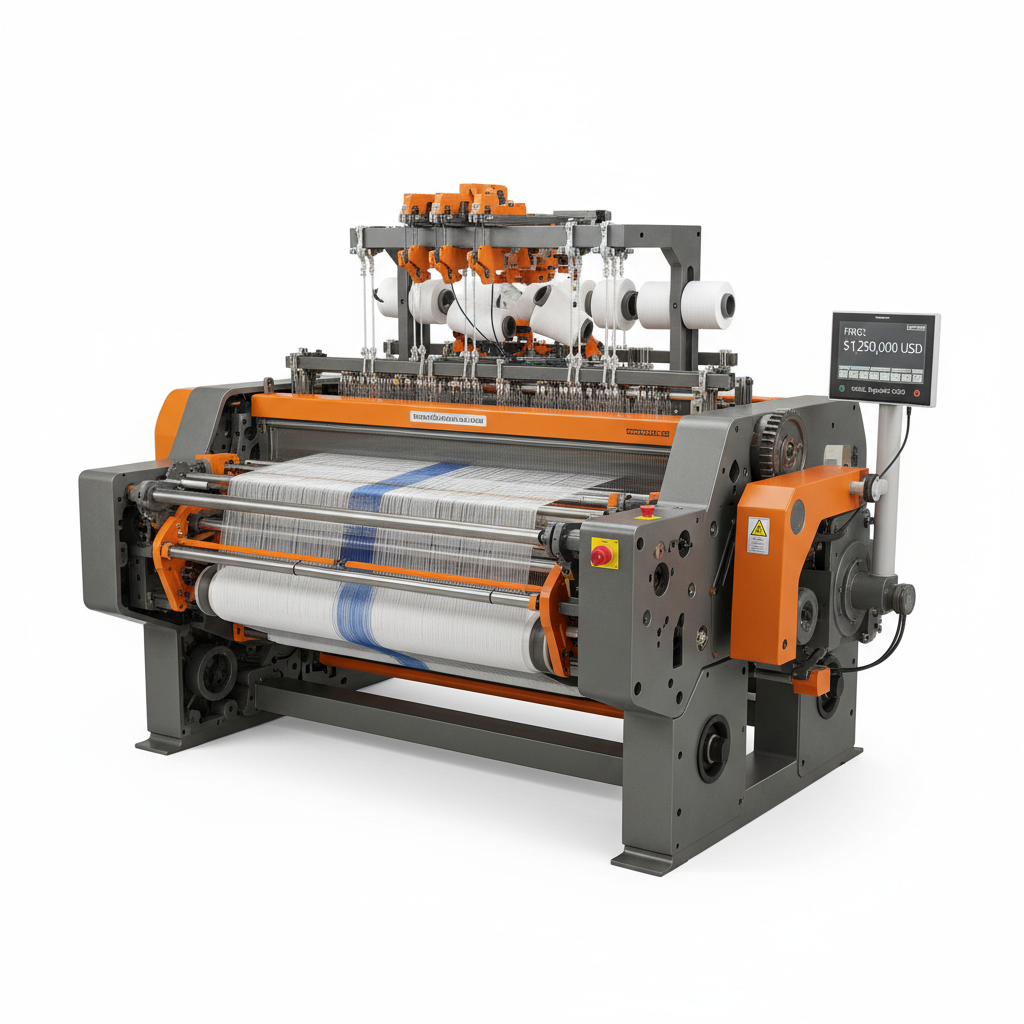
The primary components of an industrial weaving machine include the let-off mechanism (controlling warp yarn release), the shedding mechanism (separating warp yarns for weft insertion), the picking mechanism (carrying the weft yarn across the warp), the beating-up mechanism (compacting the weft yarn against the warp), and the take-up mechanism (winding the finished fabric). Each component plays a critical role in the overall weaving process.
Modern machines often incorporate sophisticated sensors, controllers, and drive systems to optimize these functions. Electronic shedding, for example, allows for precise control of warp yarn separation, enabling the creation of complex fabric patterns. Variable-speed drives provide flexibility in adjusting production speed to match yarn characteristics and fabric requirements.
The functionality of these components is critical for producing high-quality fabrics with consistent density, width, and pattern. Regular maintenance and calibration of these systems are essential to ensure optimal performance and minimize downtime.
Key Factors Influencing Machine Performance
Durability is paramount, as industrial weaving machines operate continuously in demanding environments. High-quality materials and robust construction are essential to minimize wear and tear and extend the machine’s lifespan.
Scalability refers to the machine's ability to adapt to varying production volumes. Machines capable of handling wider fabrics or operating at higher speeds offer greater scalability, allowing manufacturers to respond to fluctuations in demand.
Performance Metrics of Industrial Weaving Machines
Global Applications and Industry Use Cases
Industrial weaving machines are fundamental to the apparel industry, producing fabrics for everything from everyday clothing to high-fashion garments. Different machines are used for specific fabric types, such as denim, silk, cotton, and polyester. Major textile producing countries like China, India, and Bangladesh heavily rely on these machines to meet global demand.
Beyond apparel, industrial weaving machines are crucial in the production of technical textiles. This includes fabrics used in automotive interiors, aerospace applications, filtration systems, and medical devices. These specialized fabrics require precise weaving parameters and often utilize advanced materials like carbon fiber or Kevlar.
Advantages and Long-Term Value Proposition
The economic advantages of employing industrial weaving machines are substantial, stemming from increased production speed, reduced labor costs, and consistent fabric quality. This leads to lower per-unit production costs and improved profitability.
From a sustainability perspective, modern machines are designed for energy efficiency and waste reduction. Automated controls minimize yarn breakage and fabric defects, reducing material waste. Furthermore, the durability of these machines ensures a longer operational lifespan, lessening the environmental impact associated with frequent replacements.
The long-term value extends to improved worker safety and dignity by automating repetitive and physically demanding tasks. Investing in advanced weaving technology fosters innovation and builds a competitive edge in the global market.
Future Trends and Innovations in Weaving Technology
Automation and Artificial Intelligence (AI) are poised to revolutionize industrial weaving. AI-powered systems can optimize weaving parameters in real-time, detect defects with greater accuracy, and even predict maintenance needs, minimizing downtime and maximizing efficiency.
Digital transformation is enabling seamless integration of weaving machines into broader manufacturing ecosystems. Data analytics provide valuable insights into production processes, allowing for continuous improvement and optimized resource allocation.
Sustainability is driving innovation in material science and machine design. The development of biodegradable yarns and energy-efficient weaving technologies will further reduce the environmental footprint of textile production.
Summary of Challenges and Solutions in Industrial Weaving Machine Technology
| Challenge |
Impact on Production |
Potential Solution |
Implementation Cost (1-10) |
| Yarn Breakage |
Reduced production speed, increased waste |
Advanced yarn tension control systems, automated defect detection |
6 |
| Machine Downtime |
Lost production capacity, increased maintenance costs |
Predictive maintenance using AI and sensor data |
7 |
| Fabric Defects |
Reduced product quality, increased rejection rates |
Automated visual inspection systems, real-time process adjustments |
8 |
| Energy Consumption |
High operating costs, environmental impact |
Energy-efficient drive systems, optimized machine settings |
5 |
| Skilled Labor Shortage |
Difficulty in operating and maintaining complex machines |
User-friendly interfaces, remote diagnostics, and training programs |
4 |
| Material Waste |
Increased production costs and environmental concerns |
Precision weaving technology and optimized material handling |
6 |
FAQS
The most common types include shuttle looms, rapier looms, air-jet looms, and water-jet looms. Shuttle looms are the oldest and simplest, while rapier, air-jet, and water-jet looms offer higher speeds and greater versatility for producing a wider range of fabrics. The choice depends on the type of fabric, production volume, and budget considerations. Newer types include multi-phase looms, designed for enhanced efficiency and complex pattern weaving.
Regular maintenance is crucial for optimal performance. Daily tasks include cleaning and lubrication. More comprehensive maintenance, such as replacing worn parts and calibrating sensors, is typically required every 3-6 months, depending on machine usage and operating conditions. Implementing a predictive maintenance program based on sensor data can further minimize downtime and extend the machine's lifespan.
With proper maintenance and care, an industrial weaving machine can have a lifespan of 15-25 years or even longer. The lifespan depends on the machine's quality, operating conditions, and the frequency of use. Investing in high-quality machines from reputable manufacturers and adhering to recommended maintenance schedules significantly extends their operational life.
Automation drastically improves efficiency by reducing labor costs, increasing production speed, and minimizing errors. Automated systems control yarn tension, shedding, picking, and beating-up with precision, resulting in consistent fabric quality. AI-powered automation can further optimize parameters in real-time, maximizing throughput and minimizing waste.
Safety is paramount. Machines should be equipped with safety guards and emergency stop buttons. Operators must receive thorough training on machine operation and safety procedures. Regular inspections should be conducted to identify and address potential hazards, such as moving parts and electrical components. Personal protective equipment, like safety glasses and ear protection, should always be worn.
Consider your fabric type, production volume, budget, and desired level of automation. Consult with machine manufacturers and textile experts to assess your requirements. Conduct thorough research and compare specifications of different machines. Consider factors such as energy efficiency, maintenance requirements, and availability of spare parts. A careful evaluation ensures you choose the machine best suited for your operation.
Conclusion
Industrial weaving machines are the backbone of the modern textile industry, enabling the efficient production of a vast array of fabrics essential to our daily lives. From apparel and home furnishings to technical textiles and medical applications, these machines play a critical role in global supply chains and economic development. Understanding their components, functionality, and future trends is vital for professionals in this dynamic field.
Looking ahead, continued innovation in automation, AI, and sustainable materials will further enhance the performance and environmental responsibility of industrial weaving technology. Investing in advanced weaving solutions is not only a pathway to increased productivity and profitability but also a commitment to a more sustainable and resilient textile industry. For more information on state-of-the-art industrial weaving machines, visit our website: aphkmachinery.com.