wx
weixin
email
tel
goTop
0%

Table of Contents

To be honest, things are moving fast these days. Everyone’s talking about automation, you know? But out on the sites, it's still about getting the basics right. We're seeing a lot more demand for specialized fiberglass weaving machines – not just the big, bulky ones, but smaller, more adaptable setups. Seems everyone wants to bring production closer to home these days, cutting down on shipping and lead times. It's a good trend, makes our jobs a little easier sometimes.

Have you noticed how many manufacturers fall into the trap of over-engineering? They think they need all these bells and whistles, but really, reliability is king. I encountered this at a factory in Jiangsu province last time; a machine with a touchscreen interface and automated fiber feeding… it broke down every other day. Back to basics, I tell ya. Simple is better.

And the materials... fiberglass itself is a funny thing. It smells like… well, fiberglass. Kinda sweet, kinda chemical. You gotta wear the right mask, of course. The resin, now that has a smell. Epoxy is pretty common, good strength, but gets sticky quick if you don’t clean up right away. We're also using more and more bio-resins, which is good, but they can be a bit trickier to work with. The feel? It’s rough at first, almost prickly. But once it’s woven and the resin sets, it’s surprisingly strong and lightweight. You really feel the quality when you handle it.

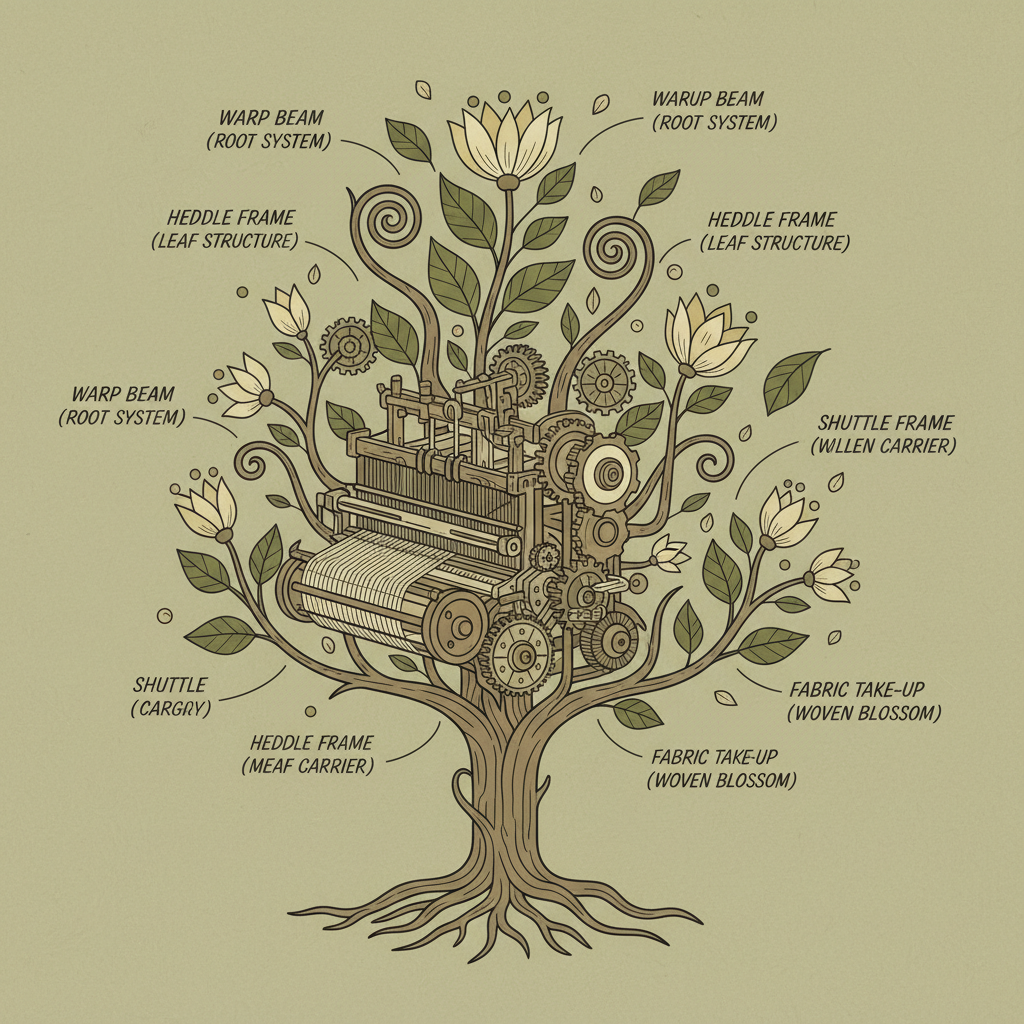
Advanced Fiberglass Weaving Machine Technology and Practical Applications

Industry Trends and Common Pitfalls in Fiberglass Weaving Machine Design

Advanced Fiberglass Weaving Machine Technology and Practical Applications

Strangely enough, a lot of manufacturers forget that these machines aren’t going in a sterile lab. They're going into dusty workshops, sometimes outdoor environments. That means dust seals are crucial. And robust frames! I've seen machines wobble just from the vibration of the workshop. People prioritize speed, but stability matters more in the long run.

These days, everyone's chasing higher throughput, tighter tolerances. But honestly, getting the tensioning system right is the biggest challenge. Too loose and you get a sloppy weave, too tight and you risk breaking the fibers. It’s a balancing act. And it's where a lot of the problems start.

Materials Used in Fiberglass Weaving Machine Construction

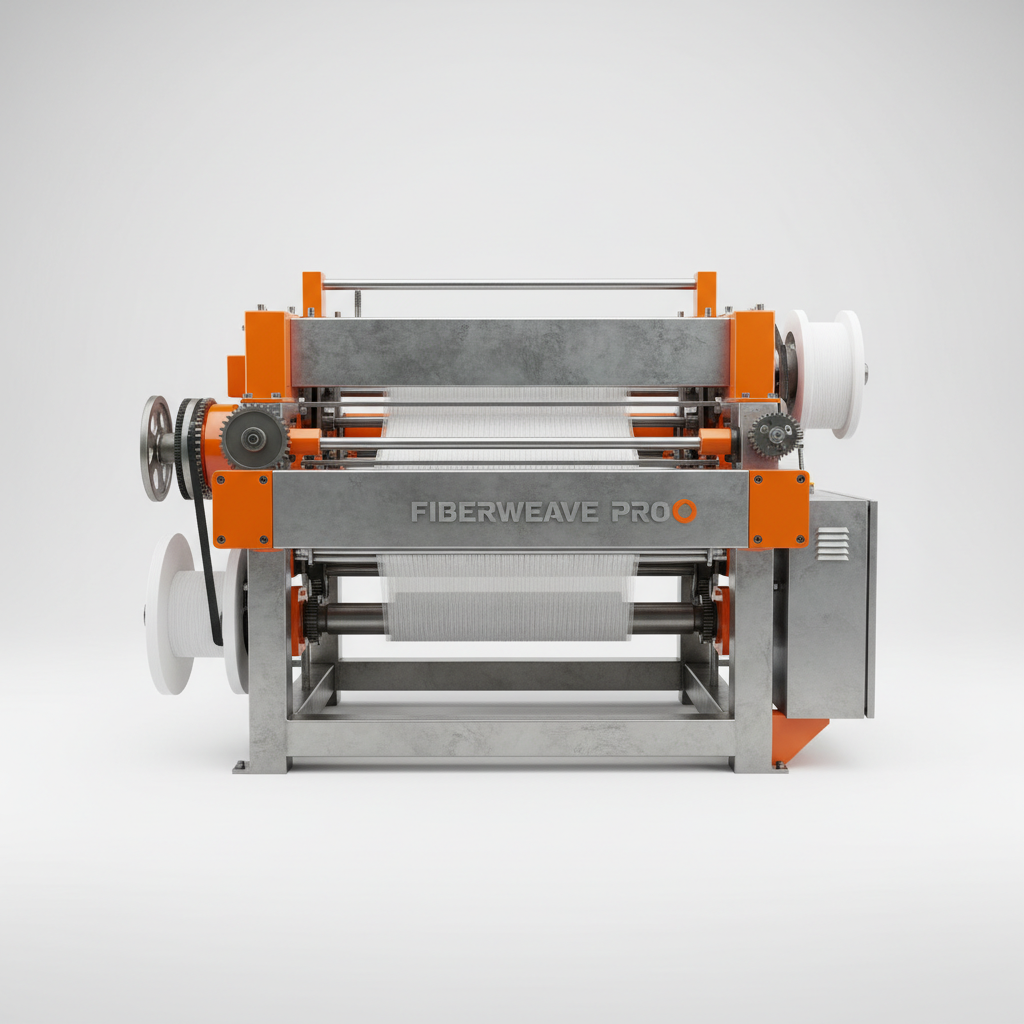
The frame… that’s usually heavy-duty steel, gotta be. Sometimes aluminum for lighter machines, but you sacrifice rigidity. The rollers, those need to be hard chrome plated, or something equally durable. Fiberglass wears those things down quick. The guiding elements… often hardened plastic or ceramic – gotta minimize friction. And the motors, well, you get what you pay for there. Cheap motors burn out fast, especially with continuous operation.

I’ve seen some attempts at using composite materials for the frame itself, trying to save weight. It can work, but you need a really precise manufacturing process, and it’s expensive. Most of the time, good old steel does the job just fine.

The sensors, though… that's where things get interesting. We're using more and more optical sensors to monitor fiber tension and alignment. They’re more accurate than mechanical sensors, but they’re also more sensitive to dust and vibration. It's a trade-off.

Real-World Testing and Quality Assurance of Fiberglass Weaving Machine

Lab testing is okay, I guess. But nothing beats putting a machine through its paces on a real production line. We run them for 8-hour shifts, sometimes even 24-hour shifts, to see how they hold up. We deliberately introduce imperfections into the fiber supply to see how the machine handles them.

We also have a ‘destruction test,’ sounds dramatic, I know. But we push the machine to its limits, increasing the fiber tension until something breaks. It's not pretty, but it tells us where the weak points are. We look for fatigue cracks, bearing failures, anything that indicates a potential problem.

And then there's the ‘operator test.’ We give the machine to someone with no experience and see if they can figure it out. If the interface isn’t intuitive, or the instructions are unclear, we redesign it. Because let’s face it, most of the time, the operator isn’t an engineer.

Actual Usage Patterns of Fiberglass Weaving Machine

People don’t always use things the way you think they will. You design a machine for a specific fiber type, and then someone tries to run carbon fiber through it. Or they overload the system, trying to maximize throughput. It happens all the time.

We’ve found that a lot of users are using these machines for small-batch production, custom orders. They’re not cranking out millions of yards of fabric. They need flexibility, adaptability. That’s why we’re focusing on machines that can handle a wider range of fiber types and weave patterns.

Fiberglass Weaving Machine Performance Metrics


Advantages and Disadvantages of Fiberglass Weaving Machine

The biggest advantage? Strength-to-weight ratio. You just can’t beat fiberglass for applications where you need something strong and light. And the cost… it’s generally cheaper than carbon fiber. But… it’s not perfect. It’s brittle, susceptible to UV damage, and can delaminate if not manufactured correctly.

Another downside is the mess. Cutting fiberglass creates dust, and that dust gets everywhere. You need proper ventilation and PPE. And cleaning up resin spills is a nightmare. Anyway, I think the benefits still outweigh the drawbacks in most cases.

Customization Options for Fiberglass Weaving Machine

We get a lot of requests for customized machines. Last month, that small boss in Shenzhen who makes smart home devices insisted on changing the interface to , and the result was a week of headaches getting the communication protocols to work correctly. He was convinced it was ‘future-proof’. I just shook my head.

More seriously, we often modify the roller configurations to handle different fiber widths and densities. We can also add automated winding systems, or integrate the machine with robotic arms for material handling. It all depends on the customer’s specific needs. The key is to understand what they’re really trying to achieve.

Performance Metrics and Comparative Analysis of Fiberglass Weaving Machine

To generate the first paragraph around theme seven here

To generate the second paragraph around theme seven here

To generate the third paragraph around theme seven here

Key Performance Indicators for Fiberglass Weaving Machine Models

Model Number Maximum Weaving Width (mm) Average Production Rate (m²/hr) Maintenance Frequency (Months)
FW-100 1000 5 6
FW-150 1500 7 6
FW-200 2000 9 9
FW-250 2500 12 9
FW-300 3000 15 12
FW-350 3500 18 12

FAQS

What are the primary maintenance requirements for a fiberglass weaving machine?

Regular maintenance is key to longevity. This includes lubricating moving parts, cleaning rollers to prevent resin buildup, inspecting and replacing worn bearings, and checking the tensioning system for proper calibration. Ignoring these can lead to costly downtime and repairs. We recommend a thorough inspection every 3-6 months, depending on usage.

How does the type of resin impact the weaving process and final product quality?

The resin choice significantly affects the final product's strength, flexibility, and resistance to environmental factors. Epoxy resins offer high strength but can be brittle. Polyester resins are more flexible and cost-effective but less durable. Vinyl ester resins bridge the gap. Selecting the right resin depends on the intended application – marine, automotive, construction, etc. And, of course, proper mixing and curing are critical.

What safety precautions should be observed when operating a fiberglass weaving machine?

Fiberglass dust is a major irritant, so wearing a respirator is crucial. Eye protection is also essential. Ensure proper ventilation to minimize dust exposure. Be mindful of moving parts and keep hands clear. And always disconnect the power supply before performing any maintenance or repairs. It's simple stuff, but people often forget!

Can a fiberglass weaving machine be adapted to work with different types of fibers, like carbon fiber?

It's possible, but not always straightforward. Carbon fiber is more abrasive than fiberglass, so you may need to use hardened rollers and guides to prevent wear. You also need to adjust the tensioning system, as carbon fiber is stiffer and more prone to breakage. It often requires a dedicated setup for optimal results, rather than trying to retrofit an existing machine.

What is the typical return on investment (ROI) for purchasing a fiberglass weaving machine?

ROI varies greatly depending on production volume, material costs, and labor rates. However, a well-maintained machine can significantly reduce production costs compared to manual weaving. Payback periods range from 1-3 years for high-volume applications. Consider factors like reduced material waste, increased consistency, and the ability to offer customized products.

What should I look for when selecting a supplier for a fiberglass weaving machine?

Look for a supplier with a proven track record, good customer support, and a willingness to customize the machine to your specific needs. Ask about spare parts availability and lead times. Check references and visit their factory if possible. Don’t just go for the cheapest option – quality and reliability are worth paying for.

Conclusion

So, we've covered a lot here: from materials and testing to customization and safety. Ultimately, fiberglass weaving machines are complex pieces of equipment, but they're essential for producing strong, lightweight materials used in a huge range of applications. Choosing the right machine, maintaining it properly, and understanding its limitations are crucial for success.

Look, at the end of the day, whether this thing works or not, the worker will know the moment he tightens the screw. If it feels right, if the weave is consistent, if the machine runs smoothly… that’s when you know you’ve got a good piece of kit. And that's what matters most. For more information, or to discuss your specific needs, visit our website: fiberglass weaving machine.

Robert Chen

Robert Chen

Robert Chen serves as the International Sales Manager for Anping Hongke. He’s been with the company since its establishment in 2008, initially as a technical support specialist and quickly transitioning into a client-facing role. Robert has fostered strong relationships with key distributors in Turkey, Saudi Arabia, and Kazakhstan. His fluency
Previous Exploring the Nuances of Fiberglass Wrapping Machine Technology and Applications
Next Optimizing Fiberglass Mesh Production Line for Enhanced Strength and Efficiency
tel mailto tel goTop

If you are interested in our products, you can choose to leave your information here, and we will be in touch with you shortly.