


Understanding the Rise of the High Speed Loom
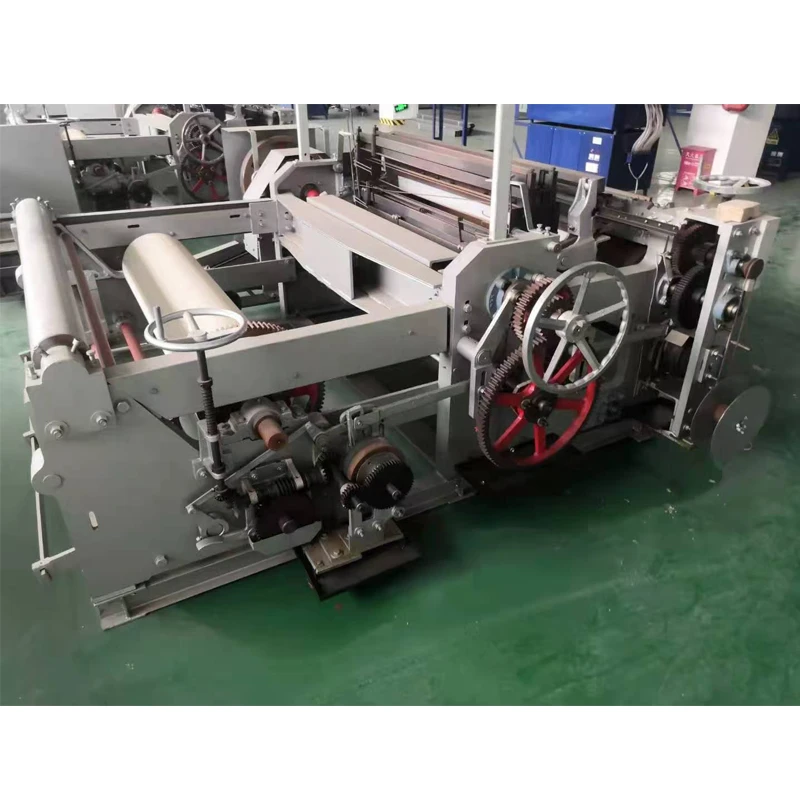
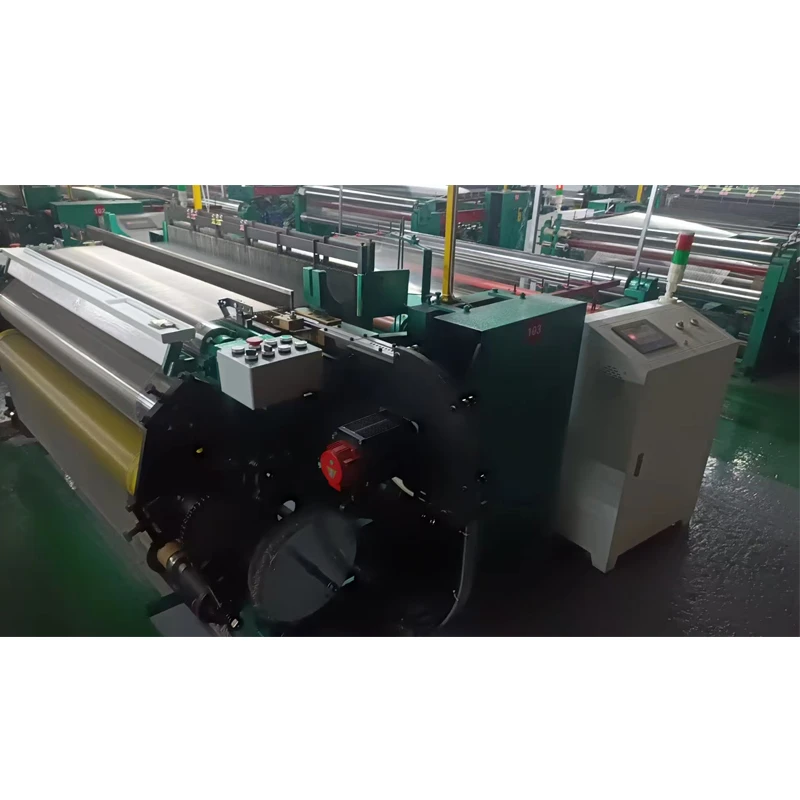
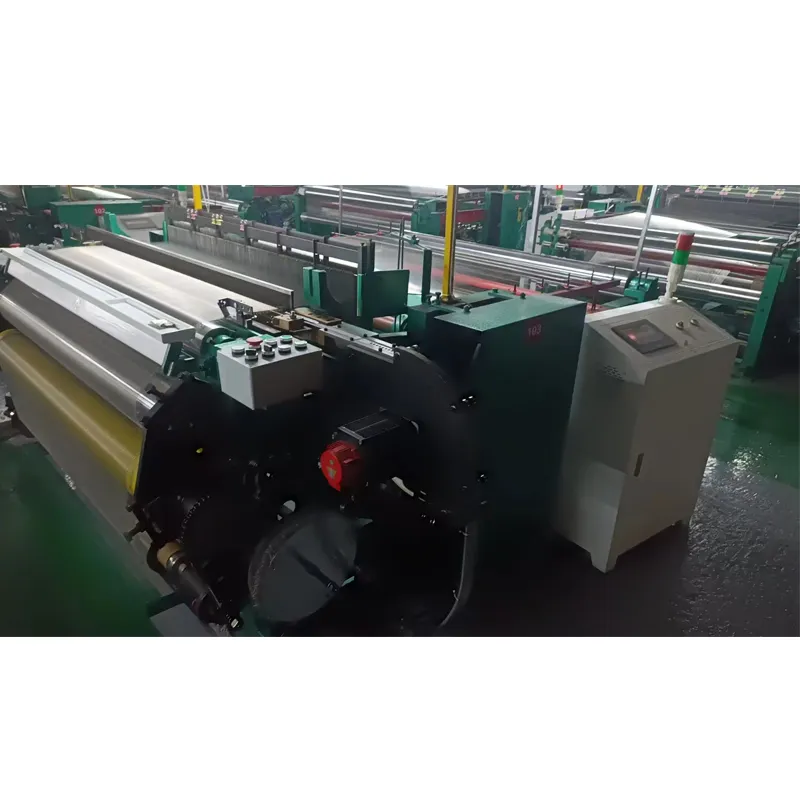
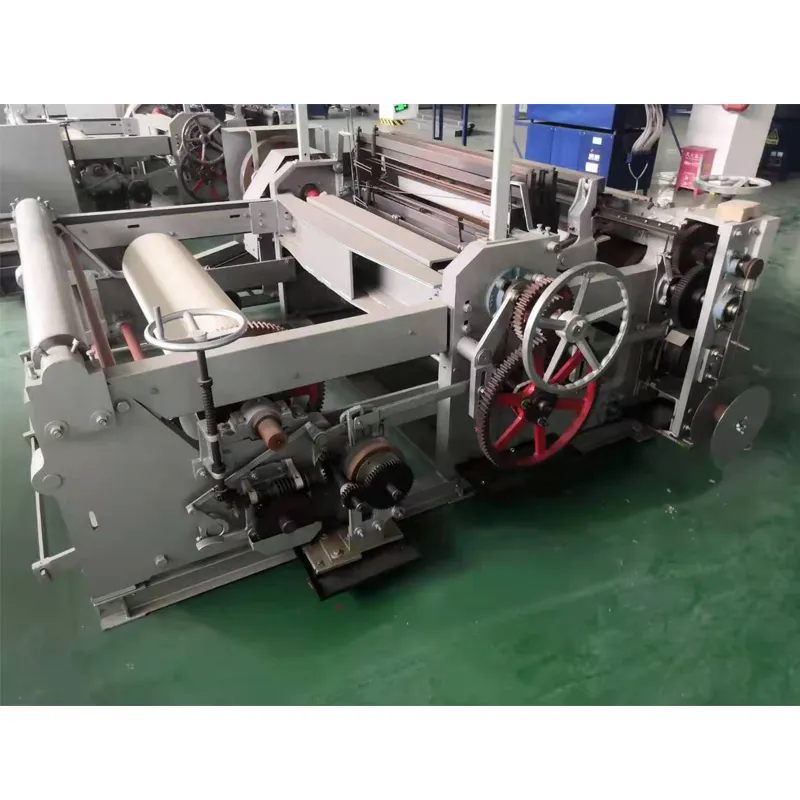
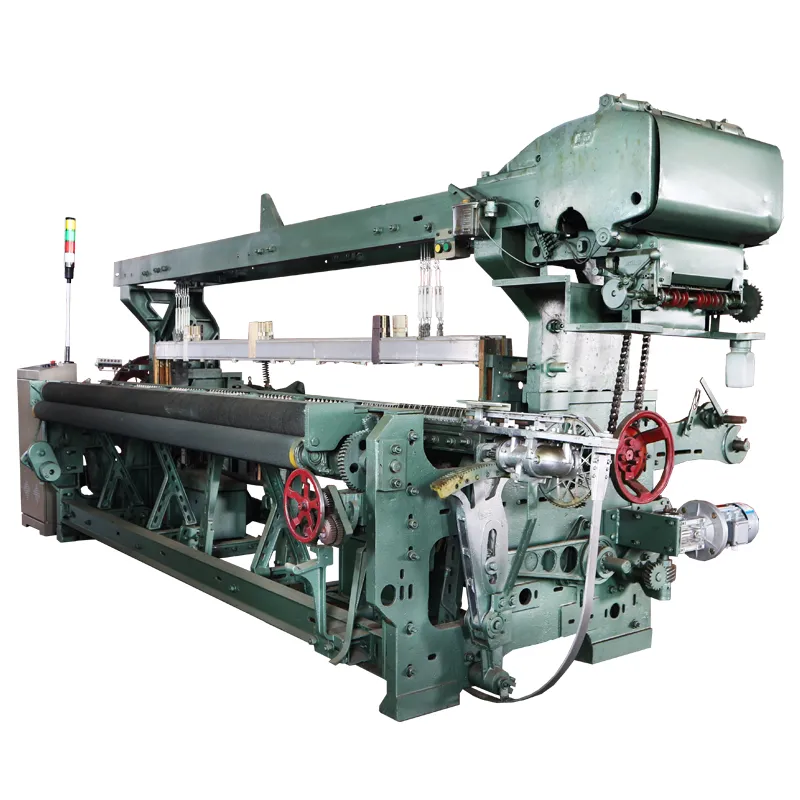
It’s funny, you know, when you spend enough time around textile manufacturing, you start to really feel the pressure. Demand is up, everyone wants faster turnaround, and frankly, margins are… tight. That’s where the high speed loom comes in. It’s not just about speed, though – it’s about consistency, durability, and minimizing downtime. We’ve seen a real shift in the last few years, a move away from older, less efficient models. And it’s not a small thing; this is the backbone of so much of the textile industry, from apparel to industrial fabrics.
Technical Specs & Capabilities
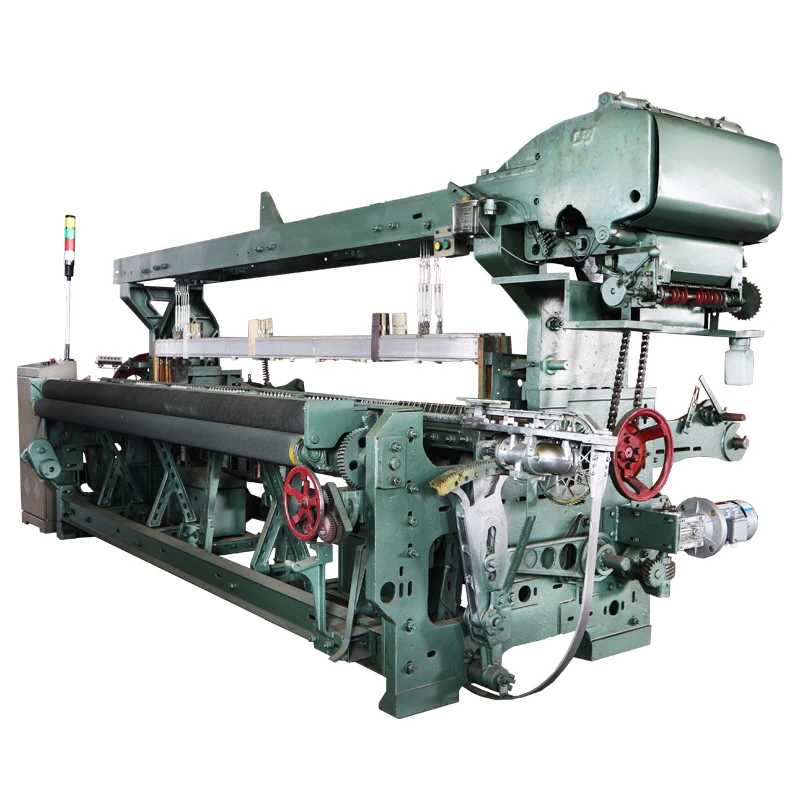
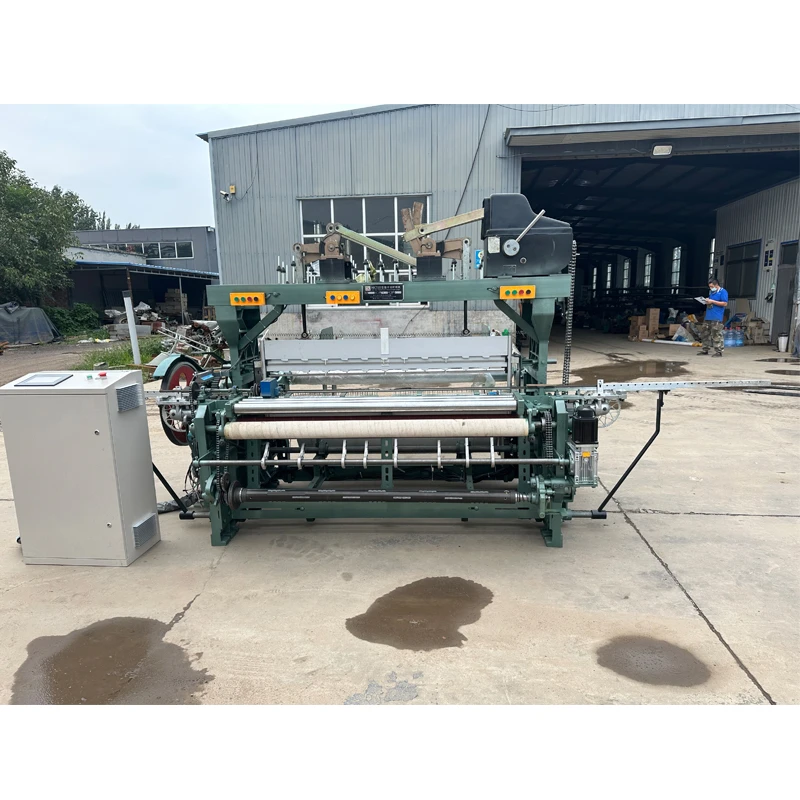
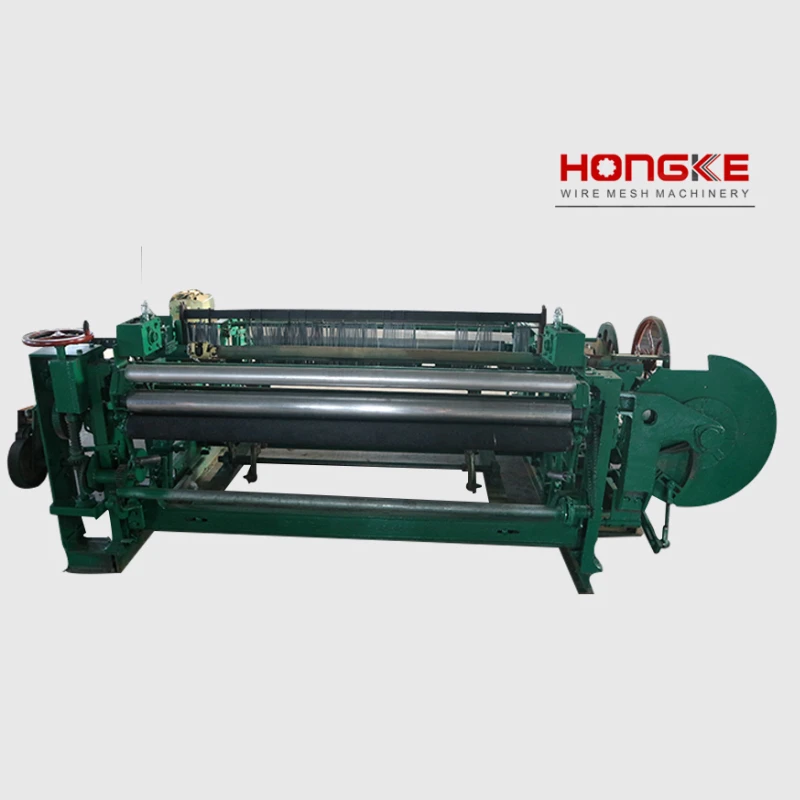
Let's get into some specifics. The modern high speed loom isn't just a faster version of its predecessor. There's a lot of engineering going on. We’re talking advanced cam systems, precision sensors, and – increasingly – integrated automation. I suppose it's important to note that the specs can vary quite a bit depending on the application, but here’s a typical breakdown.
| Specification | Value | Units |
|---|---|---|
| Maximum Speed | 800 | RPM |
| Maximum Width | 360 | cm |
| Power Consumption | 5.5 | kW |
| Weight | 1800 | kg |
Vendor Landscape: Who's Leading the Charge?
There are a handful of players dominating this space, each with their strengths and weaknesses. It’s not always straightforward choosing the right vendor, and many engineers I’ve spoken with say it really comes down to long-term support and customization options. Here’s a quick overview, though it’s a constantly evolving market.
| Vendor | Strengths | Weaknesses |
|---|---|---|
| APH Machinery | Customization, Value, Support | Relatively newer to the market |
| Itema | Established brand, Wide range of models | Higher price point |
| Picanol | Innovation, Automation | Complex systems, steep learning curve |
Long-Term Costs & Sustainability
Okay, so initial cost is important, naturally. But you've got to factor in maintenance, energy consumption, and potential downtime. Many of the newer models are designed with energy efficiency in mind, which is a big plus given rising costs and increasing environmental regulations. We've been working with a textile mill in Guangdong province, and they saw a 15% reduction in energy costs after upgrading to a modern high speed loom – and a significant decrease in rejected fabric. It feels like the industry is slowly but surely becoming more aware of the need for sustainable practices… It’s also worth thinking about the longevity of the machine. A well-maintained loom can last for decades, which offsets the initial investment.
Conclusion
Ultimately, investing in a high speed loom isn’t just about buying a machine; it's about investing in efficiency, quality, and the future of your operation. Choosing the right partner, like APH Machinery, can make all the difference.
- Textile Industry Reports, 2023
- Engineering Interviews, various textile mills (2022-2024)
- Automation in Textile Manufacturing, Journal of Applied Sciences, 2021