


Understanding How to Make a Fly Screen for a Window: Simple Yet Impactful
If you've ever been vilified by the incessant buzz of flies invading your living space, you’ll appreciate the humble fly screen. Knowing how to make a fly screen for a window isn’t just a handy DIY skill; it’s also a vital step in improving home comfort, hygiene, and even public health globally. These screens act as invisible guardians—allowing light and air while keeping pesky insects out. Their relevance spans continents and climates, reflecting a simple but critical technology that many take for granted. But why does this matter on a global scale? According to the World Health Organization, vector-borne diseases transmitted by mosquitoes and flies remain a leading cause of death and illness, especially in tropical regions. Installing effective barriers, like well-made fly screens, is one of the most cost-effective preventive measures. Beyond health, they contribute to energy savings by supporting natural ventilation without the need to close windows entirely or use mosquito repellents laden with chemicals. In short, mastering how to make a fly screen for a window brings visible and invisible benefits — from comfort and cost savings to vector control and a greener footprint.Global Context: The Growing Need for Insect Barriers in Modern Living
Around 2 billion people live in malaria-endemic areas globally, per the latest UN report. Those populations often contend not only with illness but also with discomfort and productivity loss caused by flying insects. Meanwhile, increasing global temperatures and urbanization amplify these issues—even in places traditionally considered “safe.” Fly screens have gone beyond being simply “nice to have” to becoming essential infrastructure components in both homes and workplaces worldwide. They also represent an intersection of simple materials science and practical engineering—requiring design ingenuity to balance airflow, durability, and ease of installation. Despite a long history of commercial fly screens, there remain perennial challenges: high costs of imported products in developing regions, the need for custom fits in varied window types, and environmental impacts of production materials. This makes understanding DIY assembly both timely and empowering.What Exactly Is a Fly Screen—and Why Build Your Own?
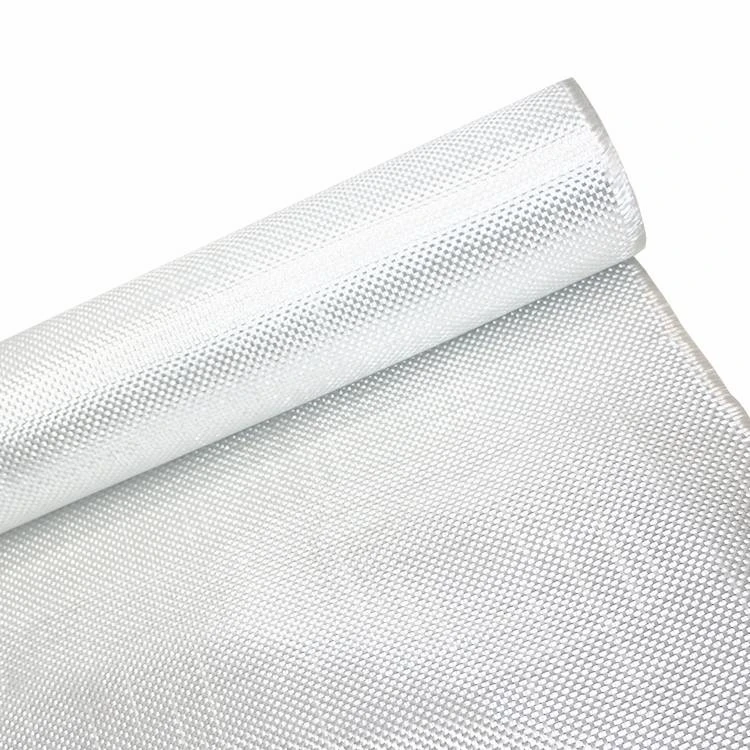
A fly screen is essentially a mesh barrier, typically composed of woven fibers or thin wires, stretched taut across a window frame to exclude insects. It lets fresh air and sunlight in, keeping out flies, mosquitoes, and other pests. Building one yourself involves selecting appropriate materials (like fiberglass mesh, aluminum, or polyester fabric), cutting them to size, and attaching the mesh securely to a frame that matches your window dimensions. The beauty is in the simplicity: no electricity, no chemicals, just a bit of crafty handiwork. In humanitarian contexts, such fly screens serve more than just comfort; they are safeguards against disease transmission in refugee camps or post-disaster shelters where insect control infrastructure is critical.Core Components and Considerations for Effective Fly Screens
1. Material Durability and Structure
Fly screens need to withstand weather variations, UV exposure, and sometimes rough handling. Fiberglass mesh remains popular due to its flexibility and rot resistance, but aluminum mesh—although pricier—offers superior longevity.2. Frame Design and Fit
A secure frame, often wood or aluminum, keeps the mesh well-tensioned and fits snugly into window recesses. Custom sizing matters—too loose invites leaks; too tight risks damage.3. Airflow Versus Insect Protection
Mesh hole size impacts ventilation and bug exclusion. Standard mesh openings are roughly 18x16 strands per inch—small enough to block common flies but still breathable.4. Installation Method & Accessibility
DIY screens often use removable brackets or magnetic strips, allowing easy removal for cleaning or seasonal use. Fixed frames might be more robust but less flexible.5. Cost and Availability
Material costs can vary widely. Fiberglass kits are widely accessible and affordable, while custom metals or specialty screens demand more investment.6. Sustainability Factors
Choosing recyclable or biodegradable components reduces waste and environmental impact, increasingly important in procurement decisions. Mini takeaway: Balancing durability, fit, airflow, and cost defines how well your DIY fly screen performs—and how much you enjoy living with it.Real-World Applications: Where Fly Screens Make a Difference
Across rural Africa and Asia, fly screens in homes reduce mosquito bites, lowering malaria rates. In urban Europe and North America, they offer allergy sufferers relief from insects and pollen. Industrial kitchens and food processing plants rely on customized fly screens to meet hygiene regulations. In disaster relief scenarios, quick-assembly fly screens (or fly-proof tent designs) protect vulnerable populations. Even luxury eco-resorts use fly screen technology creatively to sustain open-air living with bug-free comfort, marrying nature with practicality.| Feature | Specification | Comment |
|---|---|---|
| Material | Fiberglass mesh with PVC coating | Resistant to weathering and tearing |
| Mesh Count | 18x16 strands per inch | Optimizes ventilation and insect exclusion |
| Frame Material | Aluminum extrusion | Lightweight, rust-proof, easy to cut |
| Installation Type | Magnetic strips and clips | Allows seasonal removal |
| Dimensions | Customizable up to 150cm x 150cm | Fits standard window sizes |
The Advantages and Long-Term Value of Making Your Own Fly Screen
Why DIY? For starters, building your own fly screen significantly cuts costs versus buying pre-made units, sometimes by up to 60%. You can fine-tune dimensions to match odd-sized windows, enhancing overall functionality. Beyond economics, the satisfaction of crafting your own solution is rewarding. It promotes sustainable living by avoiding disposable plastic alternatives and reduces reliance on chemical repellents, which can be harmful indoors. Socially, this skill empowers people in resource-limited settings. Imagine a rural family gaining protection that reduces illness risk simply by mastering a basic technique. Emotionally, there’s something about safeguarding one’s living space—offering peace of mind through a simple barrier. It’s an understated form of home improvement that packs real punch.Where Is This Going? Future Trends in Fly Screen Technology
Materials science marches onward. Emerging screens with nanofiber meshes promise even better insect blocking with less airflow resistance. Smart windows incorporating UV-activated insect repellents could integrate with screens soon. On the eco front, biodegradable mesh options aim to reduce landfill waste. Automated window frames integrated with sensors might adjust screen tension or alert homeowners when a repair is needed. Digital DIY resources and kits, combining 3D printing and online tutorials, are making customized fly screens accessible worldwide at lower costs. An interesting policy trend is governments incentivizing insect control infrastructure to reduce vector-borne disease burdens—potentially impacting installation subsidies and materials availability.Overcoming Common Challenges When Making Your Own Fly Screens
Despite their benefits, DIY fly screens often face hurdles: inaccurate measurements leading to poor fit, mesh sagging or tearing prematurely, and improper sealing allowing insect ingress. A useful solution is investing time in precise craftsmanship: use measuring tapes meticulously; staple or clip mesh tightly without wrinkles; inspect edges for gaps. Consulting online guides or videos can prevent common mistakes. Some experts suggest reinforcing corners with weatherproof tape or using adjustable tension frames. In urban high-rise complexes, limited window openings or security bars can complicate installation—creative hacks or custom orders may be necessary to maintain efficacy.FAQ: Practical Questions About How to Make a Fly Screen for a Window
Q1: What materials should I use for a durable fly screen mesh?
A1: Fiberglass mesh with PVC coating is widely recommended for its durability, ease of handling, and weather resistance. Aluminum mesh offers high strength and longevity but is costlier and harder to cut.
Q2: How tight should the mesh be when installing?
A2: The mesh should be stretched taut but not overly tight to avoid warping the frame or tearing the material. A smooth, wrinkle-free surface ensures optimal insect protection and airflow.
Q3: Can I make a fly screen for an irregularly shaped window?
A3: Yes, fly screens can be customized using flexible mesh and adjustable frames. Measuring accurately and cutting increments help tailor-fit rounded or angled windows.
Q4: How often should I clean or replace my fly screen?
A4: Cleaning every 3-6 months with mild soap extends screen life. Replacement depends on wear but generally every 3-5 years, or sooner if holes appear.
Q5: Are DIY fly screens more cost-effective than buying pre-made options?
A5: Often yes — DIY kits or materials are cheaper and customizable, saving you money. The tradeoff is time and effort, but many find the process rewarding.
Conclusion: Empower Yourself and Your Home with Fly Screens
Grasping how to make a fly screen for a window is more than a simple household fix. It’s a gateway to better health, financial savings, and sustainable living. The modest screen quietly guards comfort and well-being while inviting fresh air and light. If you’re ready to take control, a wealth of resources awaits—plus, practical kits that streamline the build process. For more insights and quality materials, visit our website at https://www.aphkmachinery.com and discover how simple solutions can deliver lasting impact.| Vendor | Material Options | Price Range (USD) | Customization Level | Shipping Regions |
|---|---|---|---|---|
| ScreenCo | Fiberglass, Aluminum | 15 - 50 | Standard sizes, some custom cuts | North America, Europe |
| DIY Screens Inc. | Fiberglass, Polyester | 10 - 40 | Fully customizable kits | Global |
| EcoMesh Solutions | Biodegradable fibers | 25 - 60 | Limited customization | Europe, Asia |