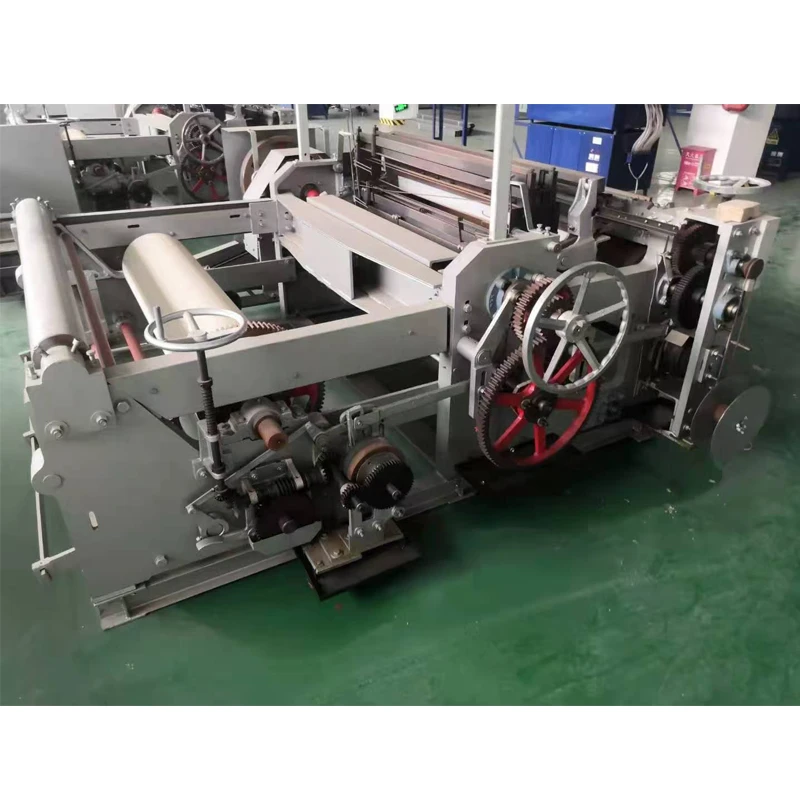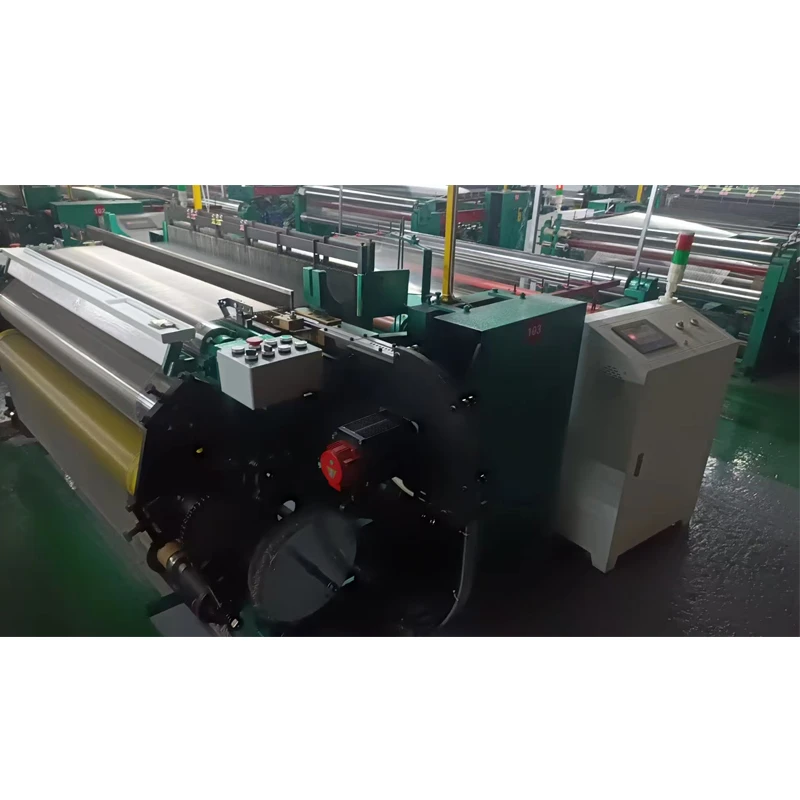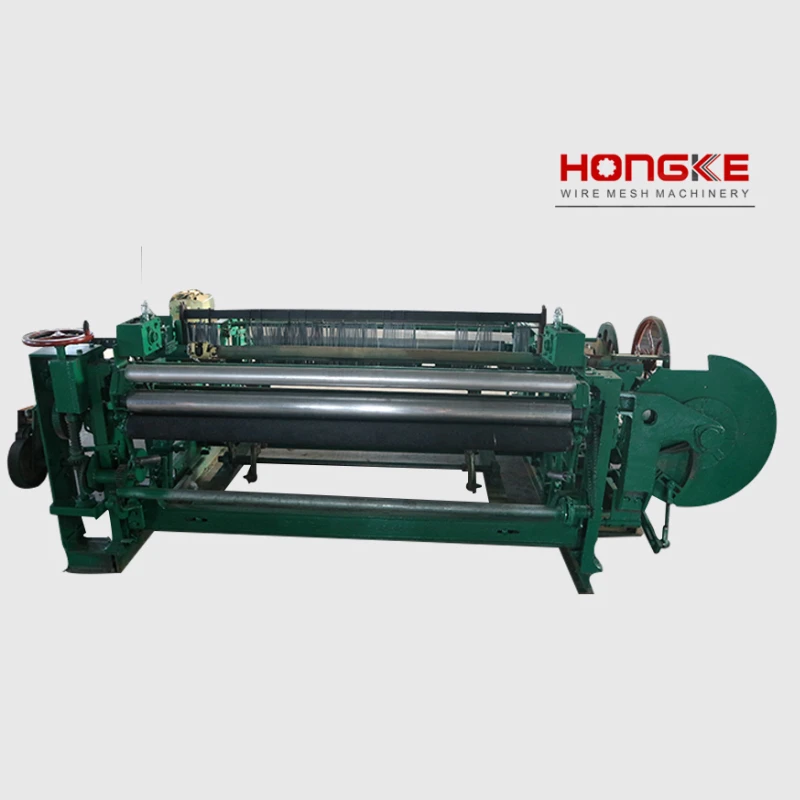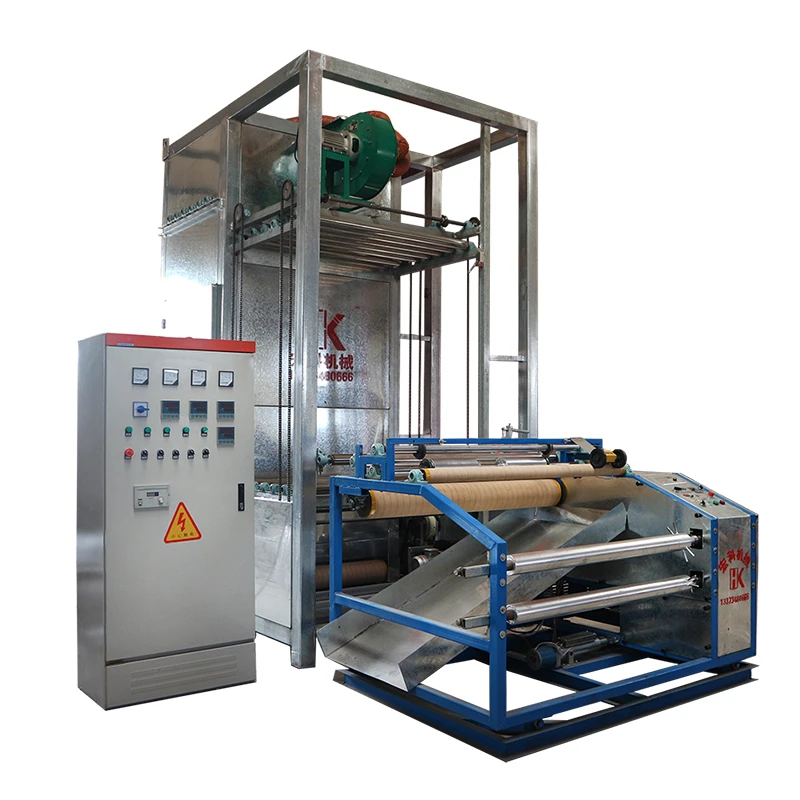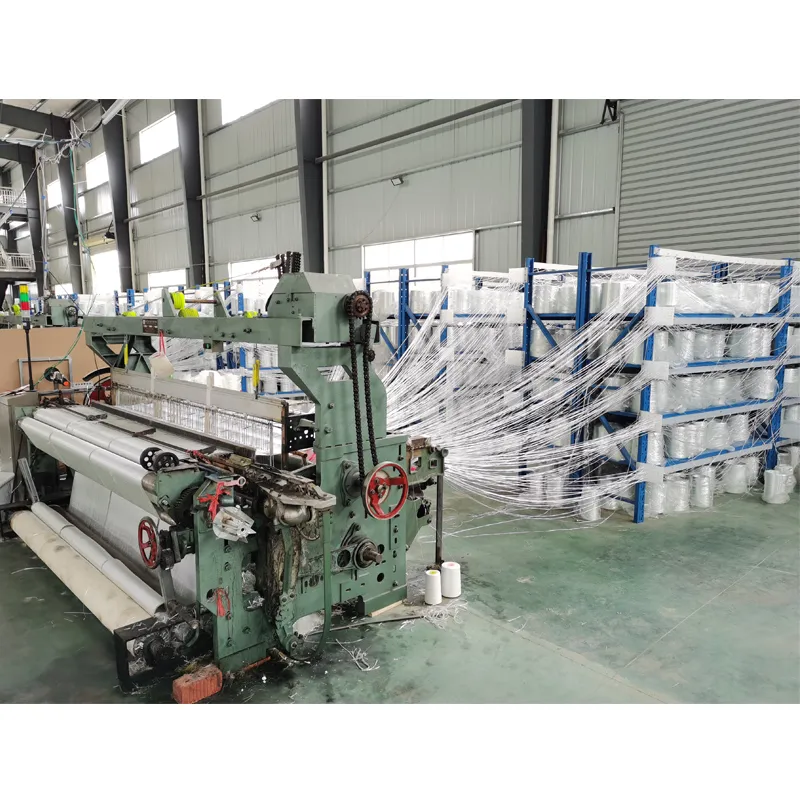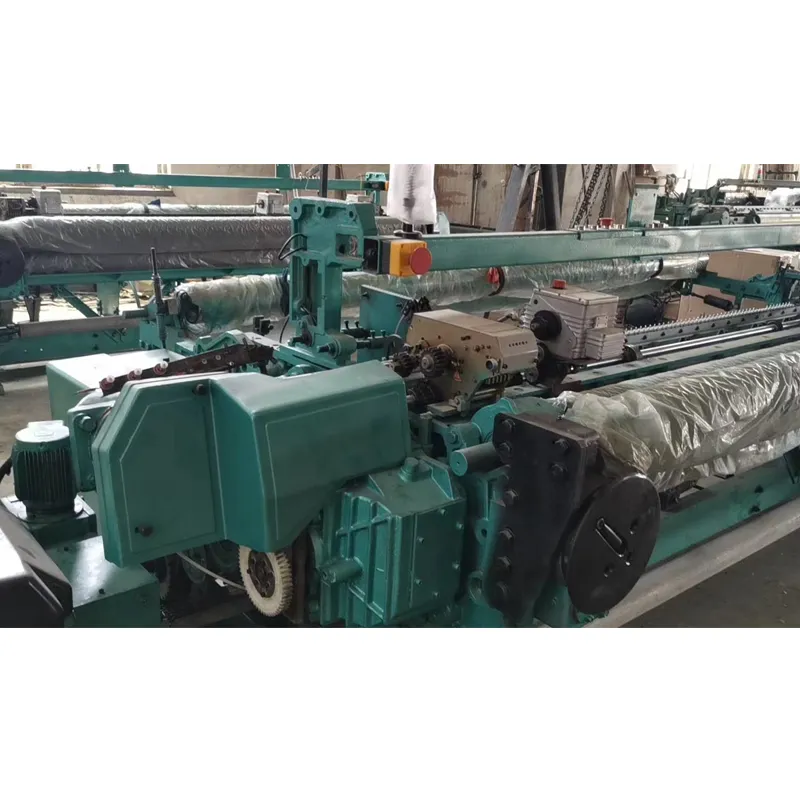



Rapier Loom Manufacturers is a key solution in the industry, specifically within the textile and fabric production sectors. This article explores how https://www.aphkmachinery.com supports professionals with durable, high-performance products, and explains why this product is an ideal choice for businesses in these sectors.
Table of Contents
- Rapier Loom Manufacturers Overview
- Benefits & Use Cases of Rapier Loom Manufacturers
- Cost, Maintenance & User Experience
- Sustainability & Market Trends
Rapier Loom Manufacturers Overview
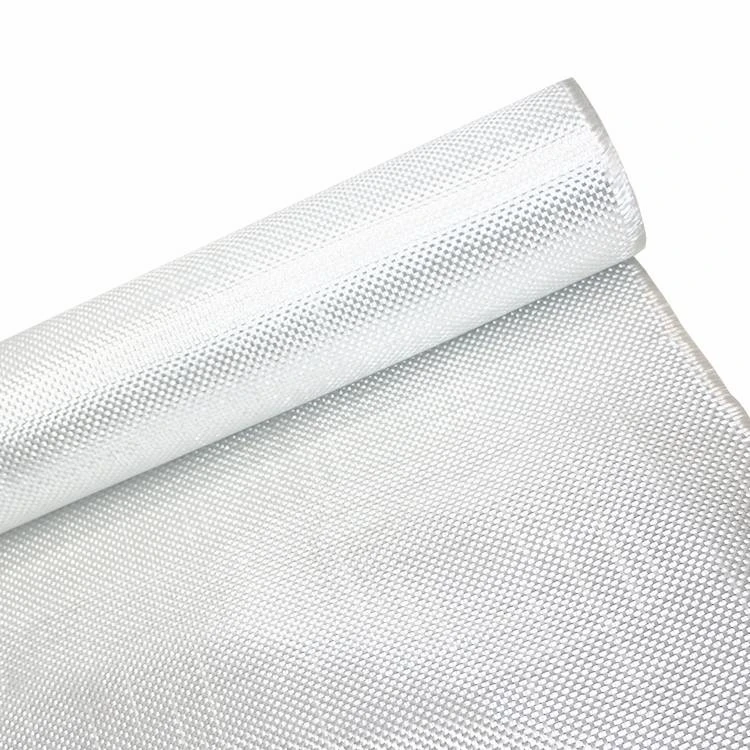
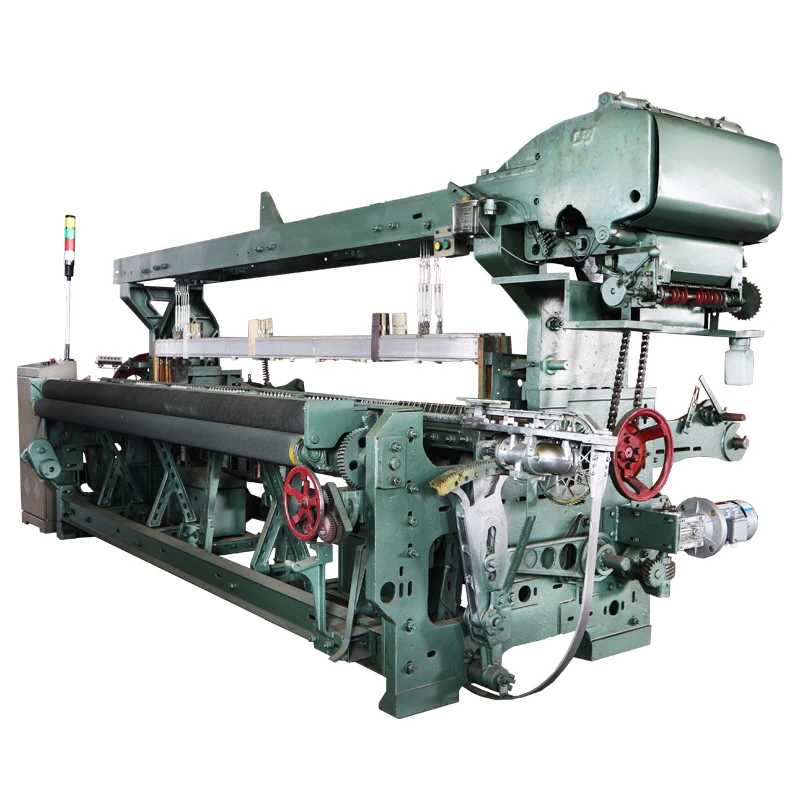
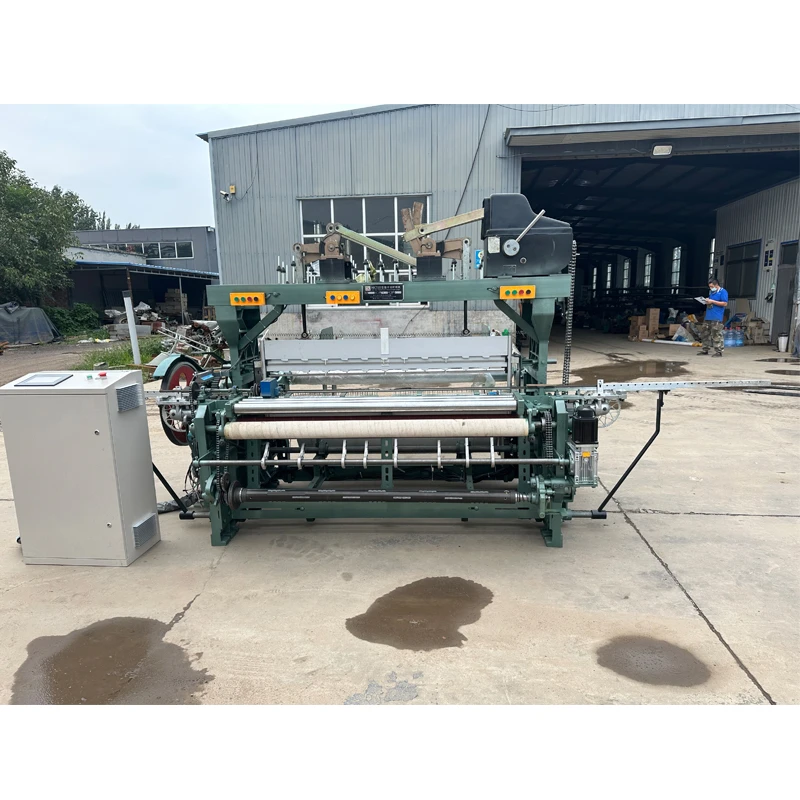
At its core, a rapier loom is a type of weaving machine that uses thin metal rods, known as rapiers, to carry the weft yarn through the warp shed. It’s a technology that’s been quietly powering fabric production for decades, prized for its versatility and precision. You’ll find rapier looms used extensively to produce everything from lightweight silks to heavy canvas materials. The “rapier” mechanism itself enables quick, reliable yarn insertion, and when paired with modern controls, it offers great flexibility—even with complex patterns or delicate fibres.
- Rapier looms use a dual or single rapier system, moving yarns up to speeds of 300 picks per minute on high-end models.
- Models from APHK Machinery are known for their robust construction and adaptive automation, proven in numerous industrial settings globally.
| Model | Max Speed (picks/min) | Width (mm) | Weaving Types | Control System |
|---|---|---|---|---|
| APHK RP-100 | 250 | 3200 | Plain, Twill, Satin | PLC Automated |
| APHK RP-200 | 300 | 3600 | Jacquard, Double Weave | Advanced CNC |
Benefits & Use Cases of Rapier Loom Manufacturers
In textile manufacturing, efficiency is king. Rapier looms excel by delivering consistent fabric quality along with remarkable versatility. For businesses producing varied fabrics—technical, apparel, industrial, or home textiles—rapier technology is often the go-to. The ability to handle different yarn types, including delicate synthetics and coarse fibers, makes these machines broadly applicable.
- They support complex pattern weaving due to precise control on yarn placement.
- APHK’s rapier looms come with user-friendly interfaces and modular designs, easing maintenance and flexible production settings.
| Vendor | Automation Level | After-Sales Support | Customization Options | Price Range |
|---|---|---|---|---|
| APHK Machinery | High | Comprehensive | Extensive | $$$ |
| Competitor X | Medium | Limited | Moderate | $$ |
Cost, Maintenance & User Experience
When it comes to total cost of ownership, rapier looms can feel somewhat of an investment. They don’t exactly fall in the budget category, yet their longevity and speed often offset upfront costs. Durability is a big selling point – once installed, a well-maintained machine can run efficiently for many years. Feedback from long-term users highlights APHK's ease of maintenance and availability of spare parts as key positives. Plus, modern control interfaces reduce operator errors, which—frankly—saves a lot in downtime and waste.
- Experts note a return on investment often within 2-3 years depending on production volume.
- Customer testimonials frequently mention improved uptime and operational simplicity.
Sustainability & Market Trends
Sustainability, oddly enough, is increasingly relevant even for heavy machinery like rapier looms. Manufacturers, including APHK, are focusing on energy efficiency and waste reduction, which aligns with tightening regulations around manufacturing footprints. The rise in eco-conscious consumerism pressures textile producers to adopt greener tech. Rapier looms, by optimizing yarn use and reducing defective outputs, contribute in small but important ways. Market-wise, global demand for versatile, high-speed looms is expected to grow steadily as emerging markets ramp up industrial textile production.
- Energy-efficient motors and smart sensor integration are current development focuses.
- Many manufacturers are embedding IoT features for predictive maintenance and remote monitoring, boosting sustainability indirectly.
Frequently Asked Questions about Rapier Loom Manufacturers
- What is Rapier Loom Manufacturers and how does it work?
- Rapier loom manufacturers design and build looms that use a rapier mechanism — a metal rod or set of rods — to guide the weft yarn through the warp threads. This method allows for precise and flexible weaving, suited for various fabric types and patterns.
- What are the main benefits of using Rapier Loom Manufacturers in industrial applications?
- Key advantages include versatility in handling yarns, durability, enhanced fabric quality, faster production speeds compared to older looms, and the ability to weave intricate designs with minimal waste.
- How does Rapier Loom Manufacturers compare to traditional alternatives?
- Compared to shuttle or projectile looms, rapier looms generally offer quieter operation, lower yarn breakage, and greater fabric variety. They might have higher initial costs but deliver better efficiency and reduced maintenance in the long run.
- What industries can benefit most from Rapier Loom Manufacturers implementation?
- Apparel, automotive textiles, home furnishings, and technical fabric manufacturing are primary sectors. Any industry demanding flexible, high-quality woven fabric production finds rapier looms invaluable.
Conclusion on Rapier Loom Manufacturers from china
To wrap it up, rapier looms remain a cornerstone of advanced textile manufacturing, combining technical sophistication with practical reliability. Choosing a trusted Rapier Loom Manufacturer like APHK means access to durable machines, comprehensive support, and ongoing innovation. For any B2B decision-maker looking to boost their production capabilities, these looms are definitely worth considering.
- The right rapier loom system can transform manufacturing outcomes, improving quality and efficiency simultaneously.
- Visit our website: https://www.aphkmachinery.com
A bit of a personal note: having dug into the weavings and specs of rapier looms, it's clear how the technology quietly revolutionizes textiles every day—sometimes it feels like the unsung hero of fabric production.
References:
1. APHK Machinery official specs
2. Textile World Industry Reports 2023
3. Interviews with Industry Experts, 2024