


Inside a Modern Fiberglass Mesh Production Line: What Matters and Why
I’ve toured more than a few plants, and the moment you hear looms humming in sync, you know you’re in the right place. If you’re weighing a fiberglass mesh production line upgrade, here’s the practical reality from the shop floor—less brochure-speak, more operator truth.
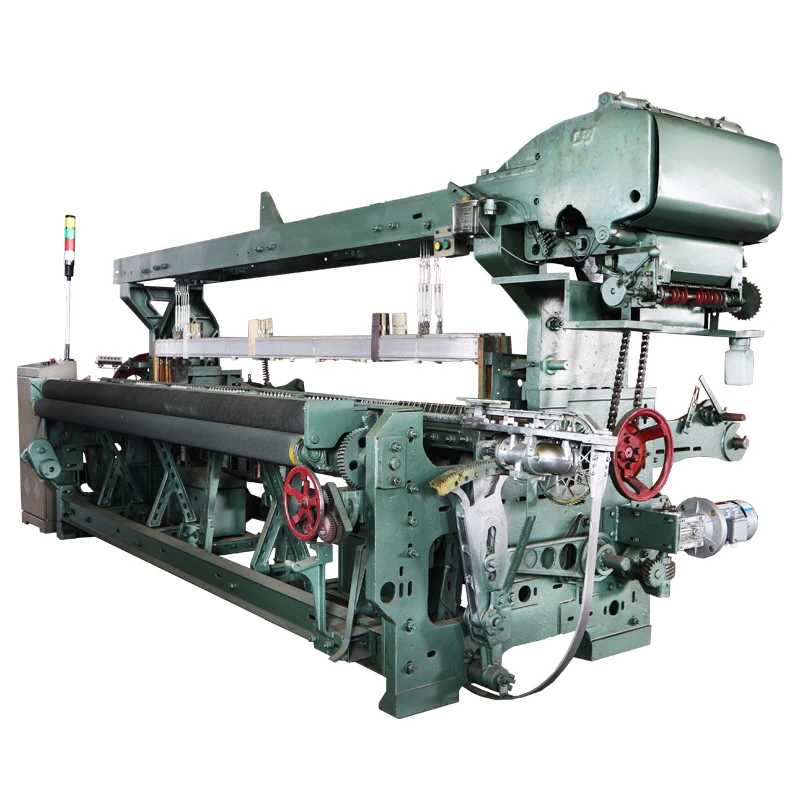
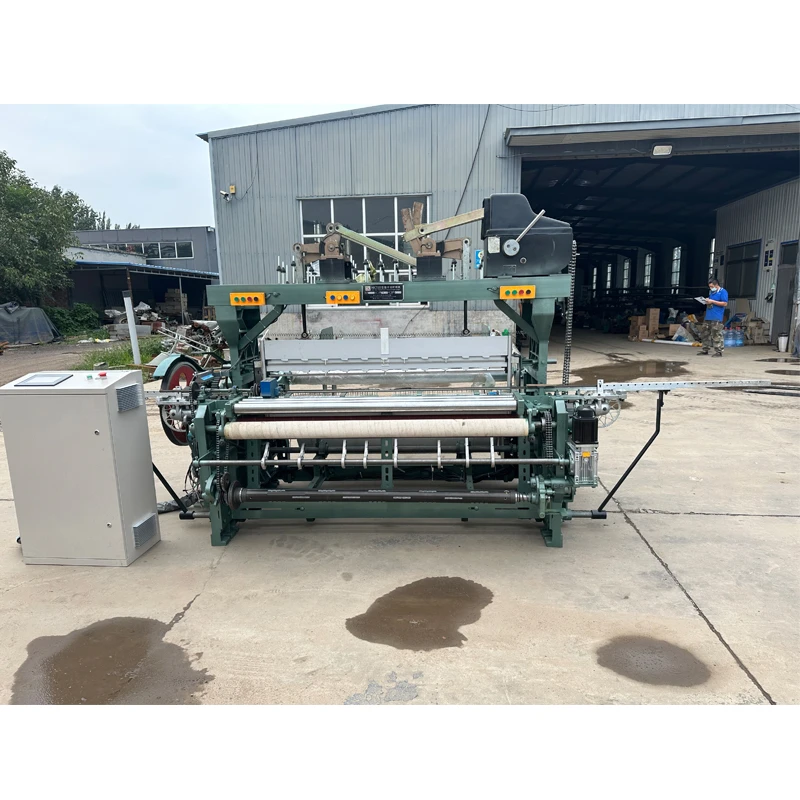
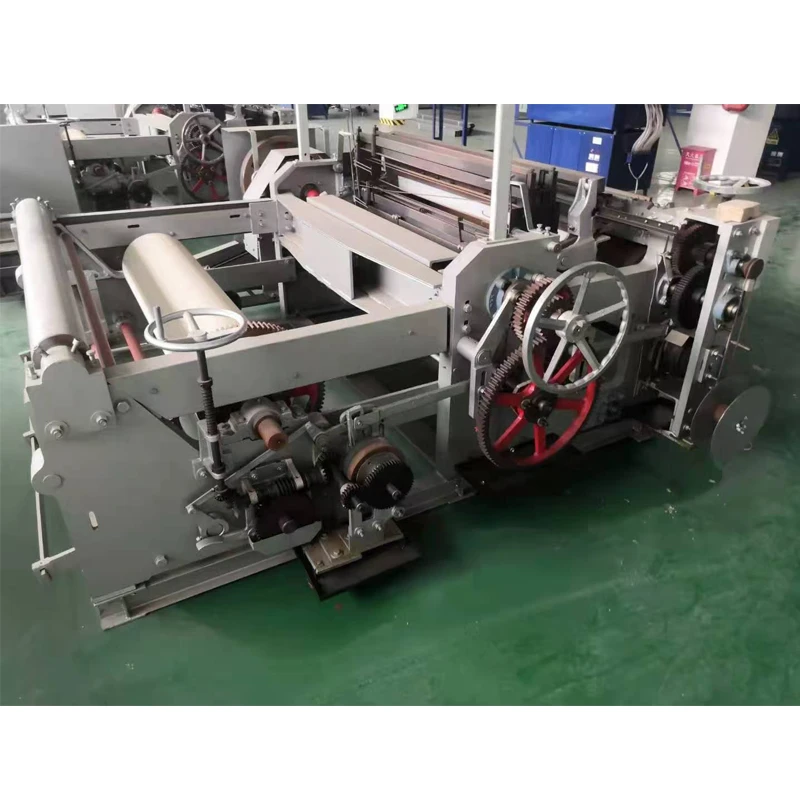
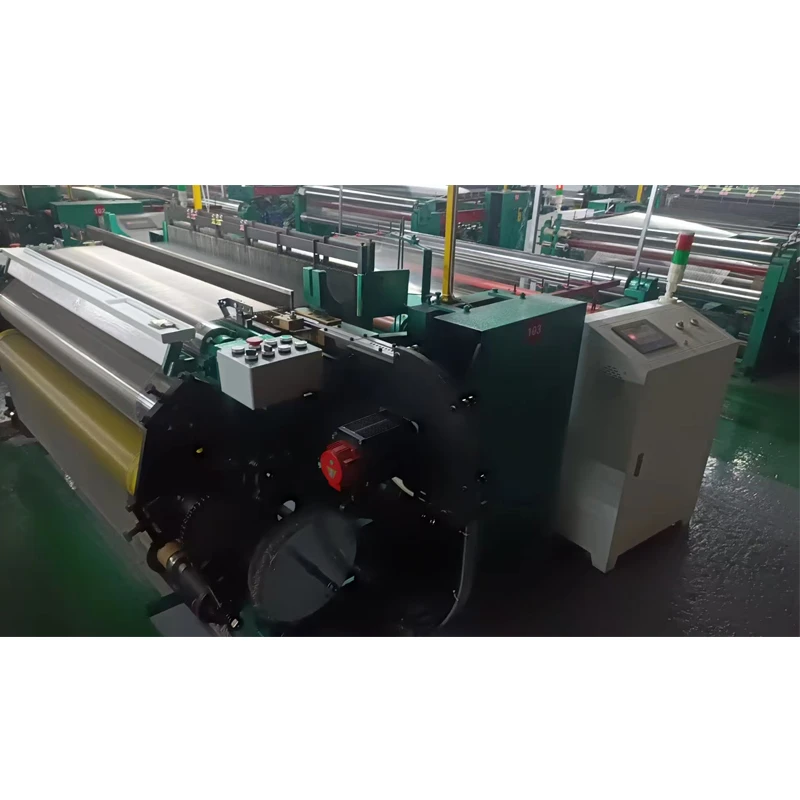
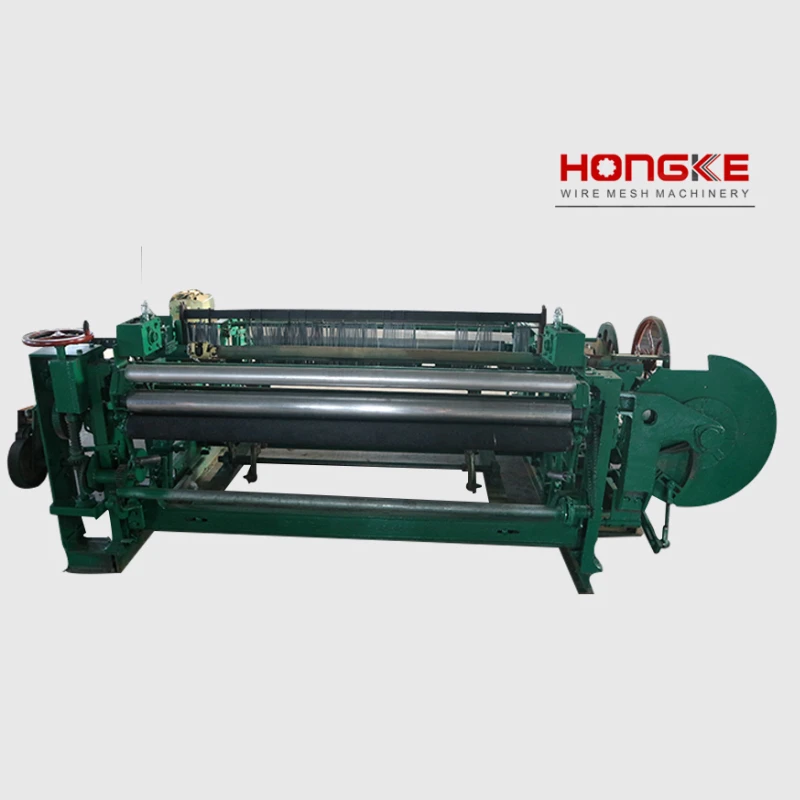
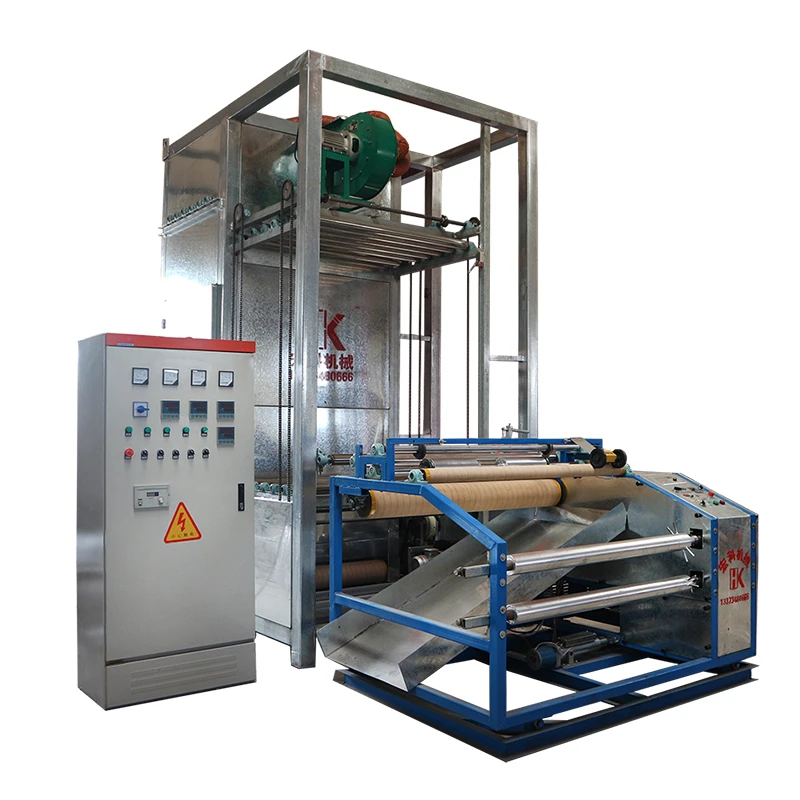
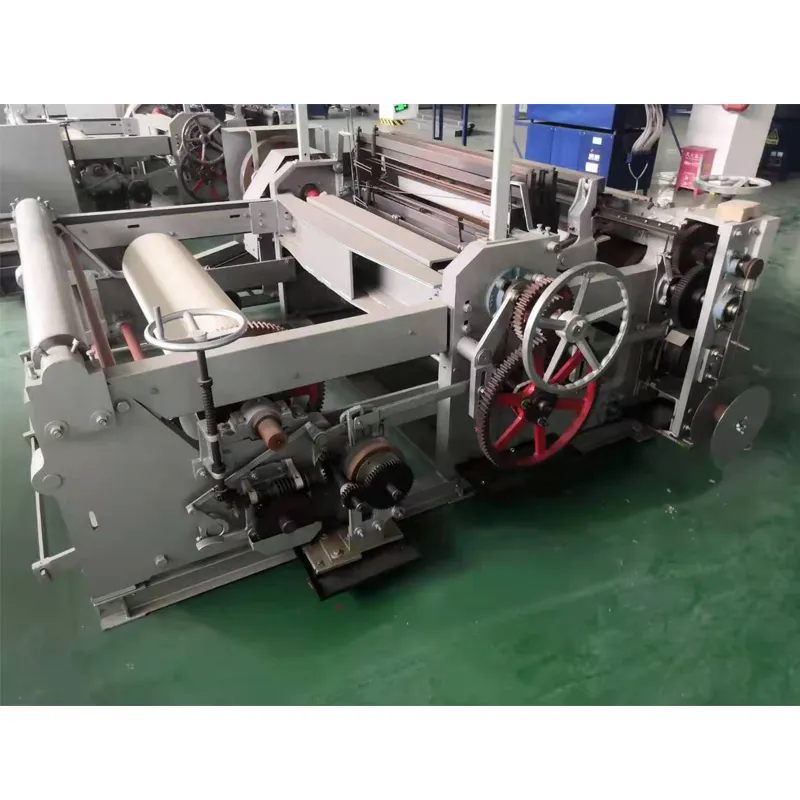
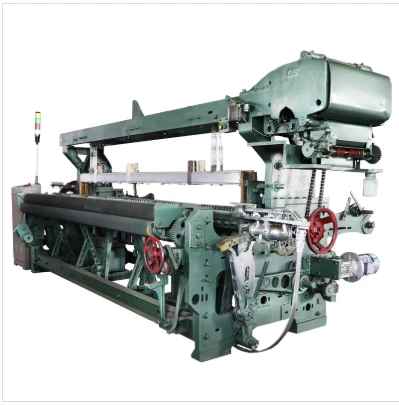
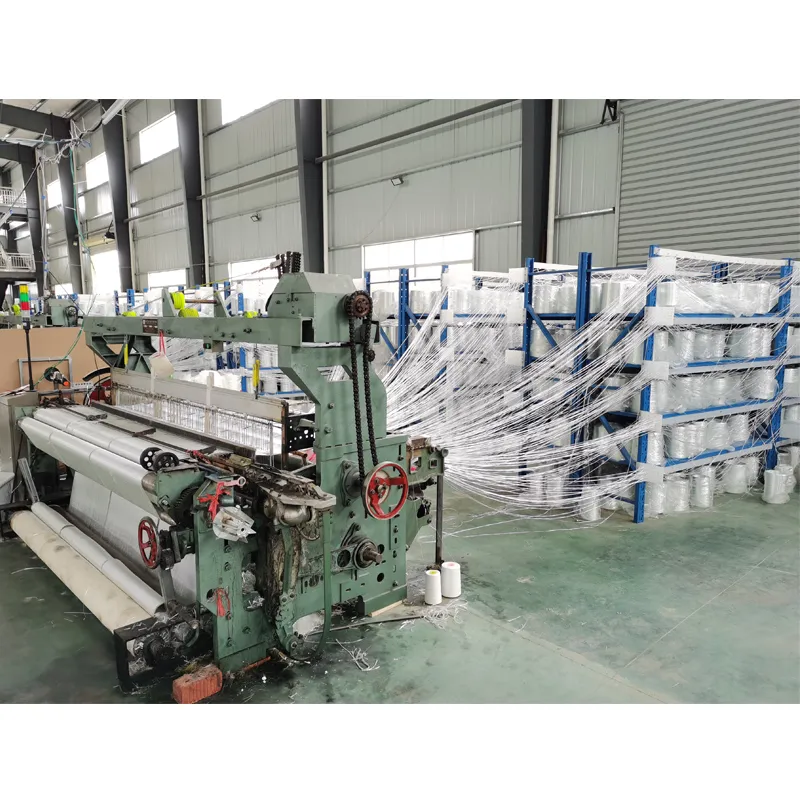
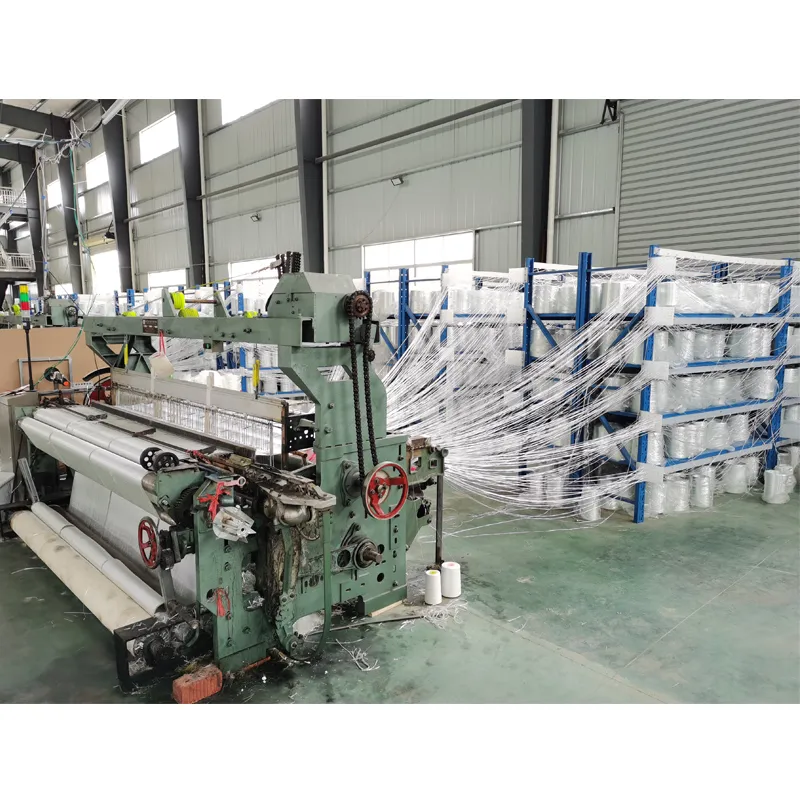
Hongke’s Fiberglass Woven Roving Machine—built in Zhongzhangzhuang Development Zone, Anping County, Hengshui, Hebei—leans on proven 788 looms and newer high‑speed models. The yarn path is classic and clean: from the spinning frame through the porcelain eye and steel buckle, half-wrap on the tension shaft, half-wrap on the false warp axis, then into the weaving machine via the rear beam shaft. Simple to say, surprisingly critical to run right.
Industry pulse
Trends? Higher line speeds (but with smarter tension control), alkali-resistant E/AR-glass for EIFS/ETICS, and tighter traceability for construction compliance. Many customers say they’ll accept 3–5% slower lines in exchange for fewer roll defects. Honestly, that trade often pays for itself in rework saved.
Core specs (real-world, not lab-only)
| Parameter | 788 Loom | High‑Speed Loom |
|---|---|---|
| Reed width | ≈ 1600–2600 mm | ≈ 1800–3200 mm |
| Mechanical speed | ≈ 90–140 rpm | ≈ 140–220 rpm |
| Glass type | E‑glass / AR‑glass | E‑glass / AR‑glass |
| Warp/Weft range | 33–600 tex | 33–800 tex |
| Yarn rack capacity | around 400–800 bobbins | around 600–1200 bobbins |
| Controls | PLC + inverter | PLC + servo, tension feedback |
| Energy | ≈ 8–12 kW/loom | ≈ 10–16 kW/loom |
Note: values are typical; real-world use may vary with width, GSM, and weave.
Process flow and QC
- Materials: E/AR-glass rovings, polymer sizing compatible with alkaline environments.
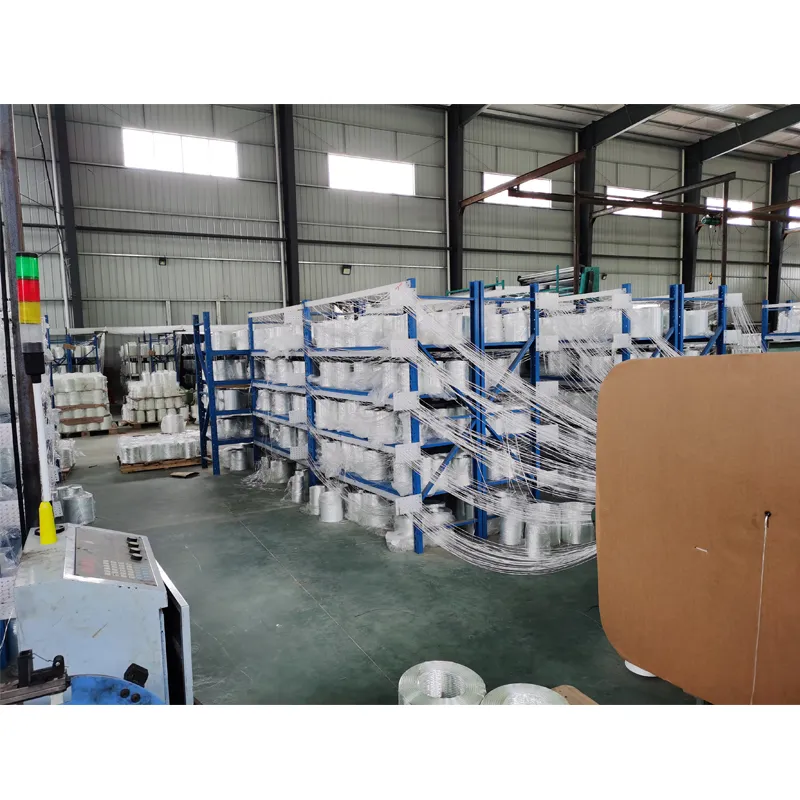
- Method: porcelain eye → steel buckle → tension shaft (½ wrap) → false warp axis (½ wrap) → loom.
- Testing: ASTM D5035 (tensile), ISO 13934‑1 (woven tensile), ISO 1887 (glass content), ETAG 004 alkali soak (NaOH) before/after strength.
- Typical results (160 g/m² mesh): warp tensile ≥ 1250 N/50 mm; after alkali ≥ 1100 N/50 mm.
- Service life: 20–30 years in EIFS when properly embedded and protected from UV; your mileage varies with binder and base coat chemistry.
Applications
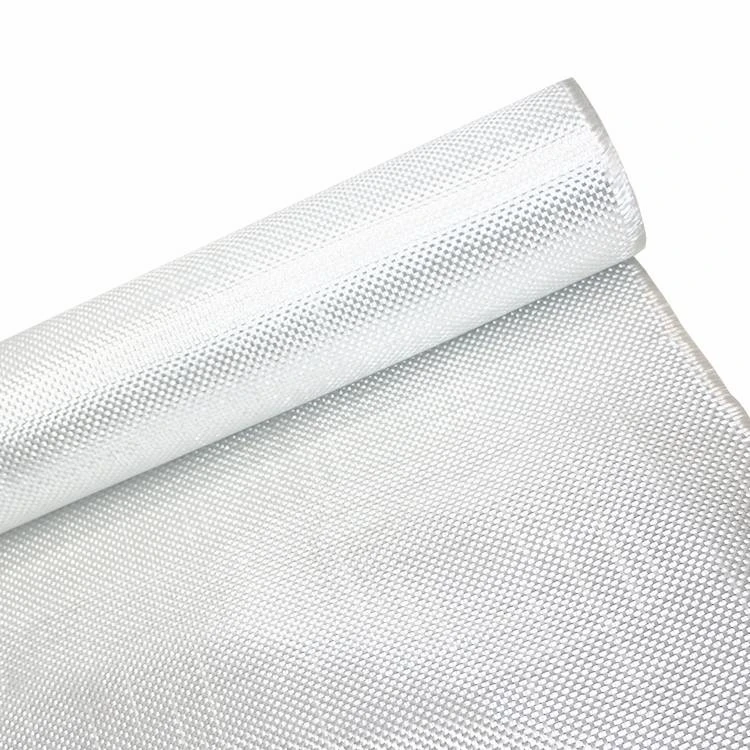
EIFS/ETICS façade systems, interior wall crack-resist mesh, waterproofing layers, stone/mosaic backing, gypsum board joint tape, and even asphalt reinforcement. A fiberglass mesh production line tuned for 145–200 g/m² covers >70% of these jobs, in my experience.
Why this setup works
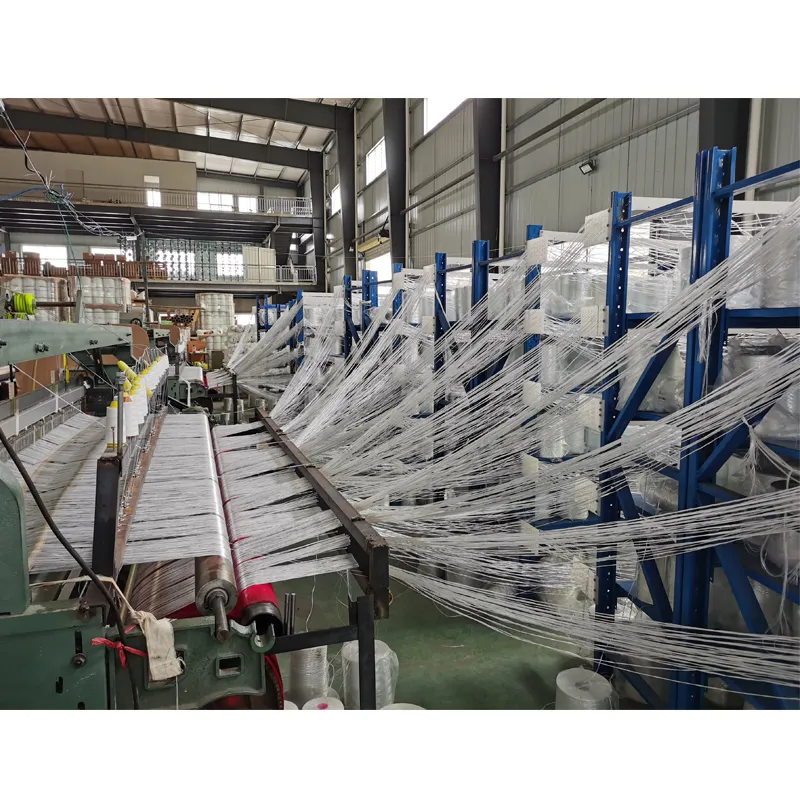
- Stable yarn path keeps broken ends down—operators notice fewer stop marks.
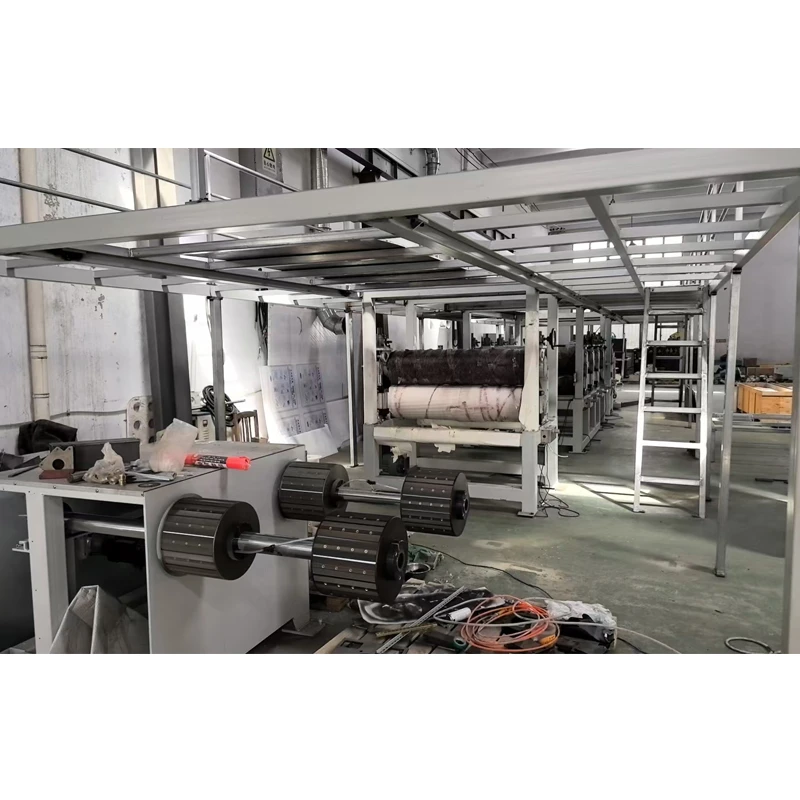
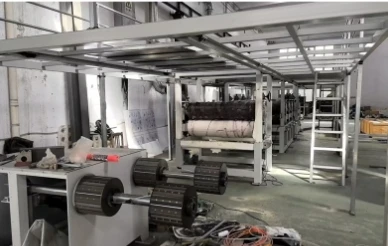
- Modular yarn racks mirror the loom bays, so expansion is painless.
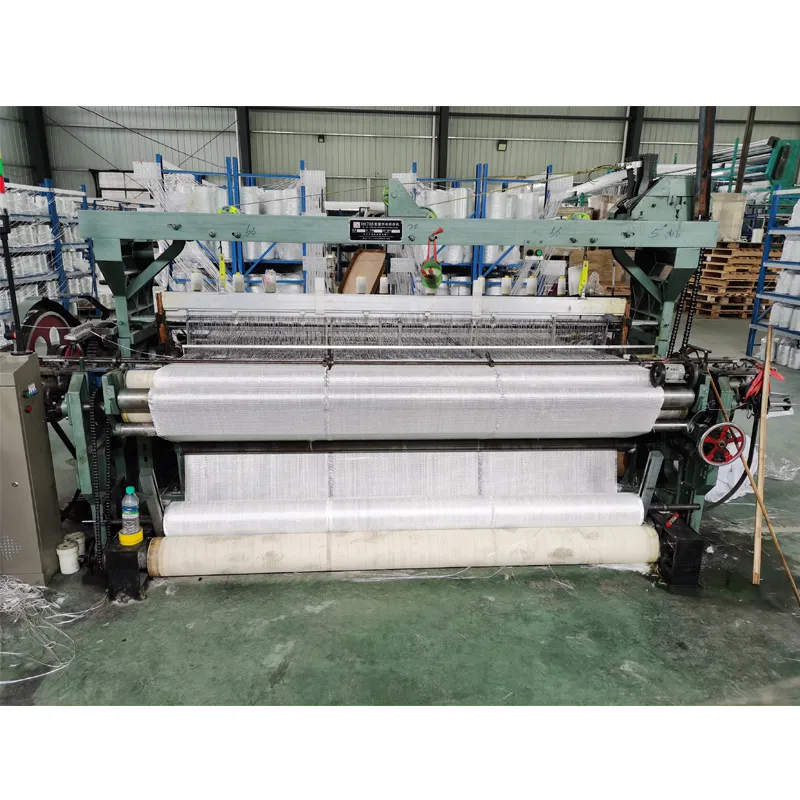
- High-speed looms with feedback tension reduce GSM variation across the roll.
Customization: width 900–3000 mm, GSM 60–600, plain/twill, selvedge options, AR‑glass loading, and private‑label roll IDs for traceability. Customers keep asking for QR-coded cones—Hongke supports it.
Who to buy from? Quick comparison
| Vendor | Strengths | Considerations |
|---|---|---|
| Hongke (Anping) | Solid 788 + high-speed portfolio; CE/ISO options; fast spares from Hebei. | Lead time can stretch in peak season. |
| Regional Integrator | Local service; custom racks and safety guarding. | Higher price; mixed component brands. |
| Generic Import | Lowest capex; quick availability. | Sparse documentation; slower after‑sales. |
Safety, compliance, and the boring (but vital) bits
Look for ISO 9001 on the build, CE/UKCA conformity, safety per ISO 12100 and electricals per IEC 60204‑1. For product approval in façades, ETAG 004 is still the north star in Europe. Some buyers ask for ISO 14001 and REACH statements, which is fair.
Field notes
- Poland: ETICS producer lifted OEE from 84% to 92% after tension retrofit on a fiberglass mesh production line.
- UAE: AR‑glass mesh for plastering—post‑alkali strength held at ≈ 88–90% of baseline over 24h soak.
- Mexico: High-speed loom paid back in ~14 months via scrap reduction, not just speed (surprised them, honestly).
If you want a quiet workhorse with room to scale, this layout from Anping hits a sweet spot. Not flashy—reliable.