


Window Screen Making: More Than Just a Simple Craft
If you've ever paused to think about the little mesh that shields your windows from pesky insects or debris, you’re actually touching on a deceptively essential industry: window screen making. Although it might sound mundane, this craft influences everything from home comfort and health to global supply chains and sustainable building practices.
Understanding the nuances of window screen making matters globally because it blends traditional manufacturing with modern innovation—impacting industries as diverse as construction, disaster relief, and even humanitarian aid. Ultimately, it’s about creating barrier solutions that offer protection without sacrificing airflow, daylight, or aesthetic appeal.
The Global Context: Why Window Screens Matter More Than Ever
According to the United Nations Environment Programme (UNEP), urbanization and climate change together are pushing increased reliance on ventilation technologies that minimize pesticide use and reduce energy consumption for cooling. Sounds niche? Well, in many tropical and subtropical regions—where mosquito-borne diseases remain a public health issue—window screens are frontline defense.
Meanwhile, ISO standards on insect screens and building materials are pushing the sector toward higher quality and environmental responsibility. Yet, despite the clear benefits, many regions still suffer from poorly made or unavailable window screening solutions—highlighting an ongoing need for scalable, cost-efficient manufacturing methods.
In real terms, the window screen making market is evolving to meet these global pressures: balancing affordability with durability, health with comfort. This is no small feat when you consider supply chain disruptions and material sourcing challenges worldwide.
What Exactly is Window Screen Making?
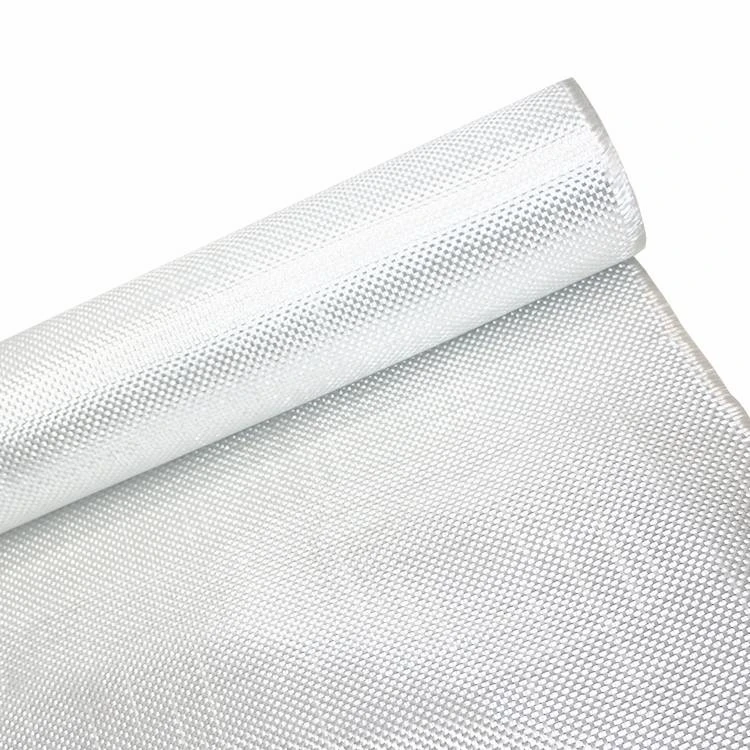
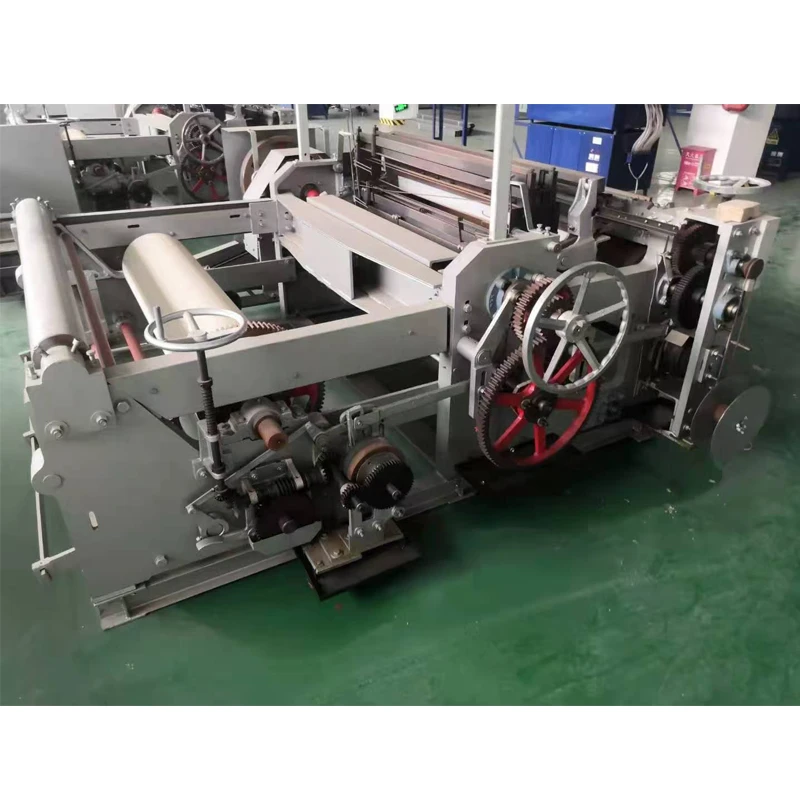
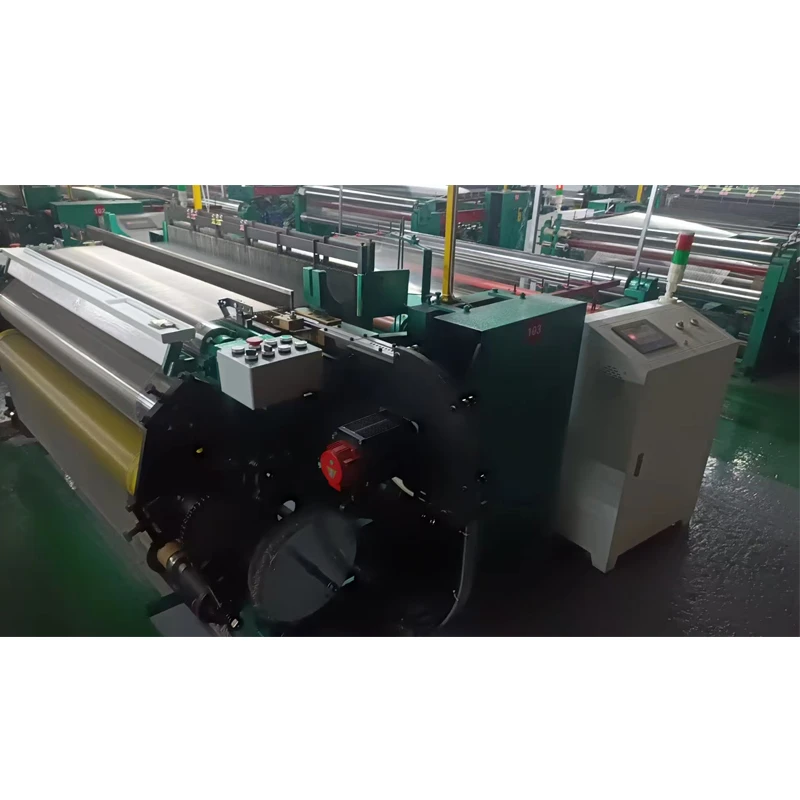
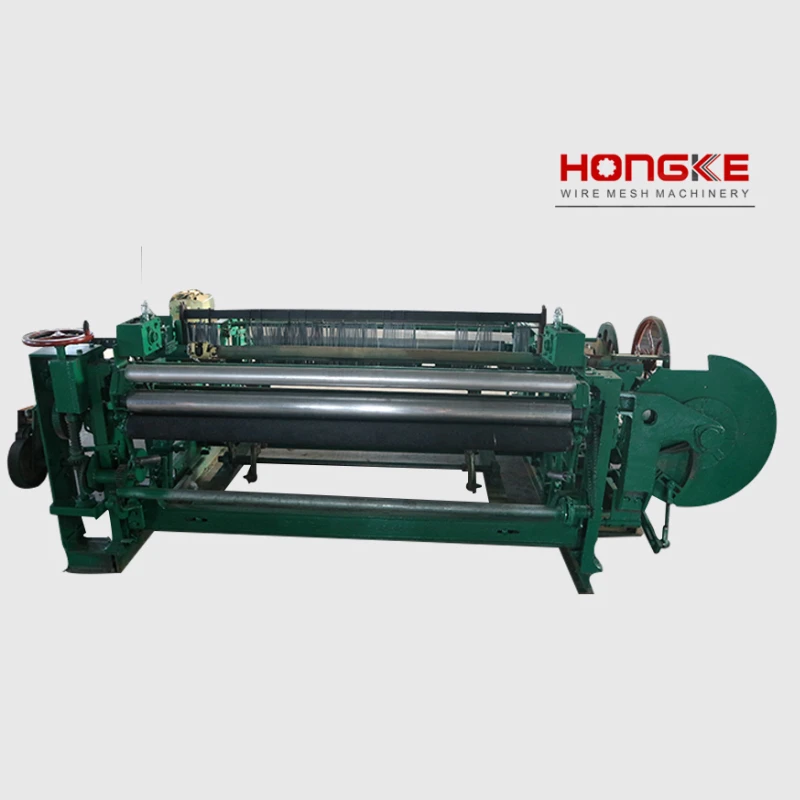
At its core, window screen making is the process of producing mesh frames designed to cover openings like windows and doors. This mesh keeps bugs and particulate matter out while allowing air and light inside. Typically, materials like fiberglass, aluminum, stainless steel, or even advanced composites are woven or perforated to form the screen.
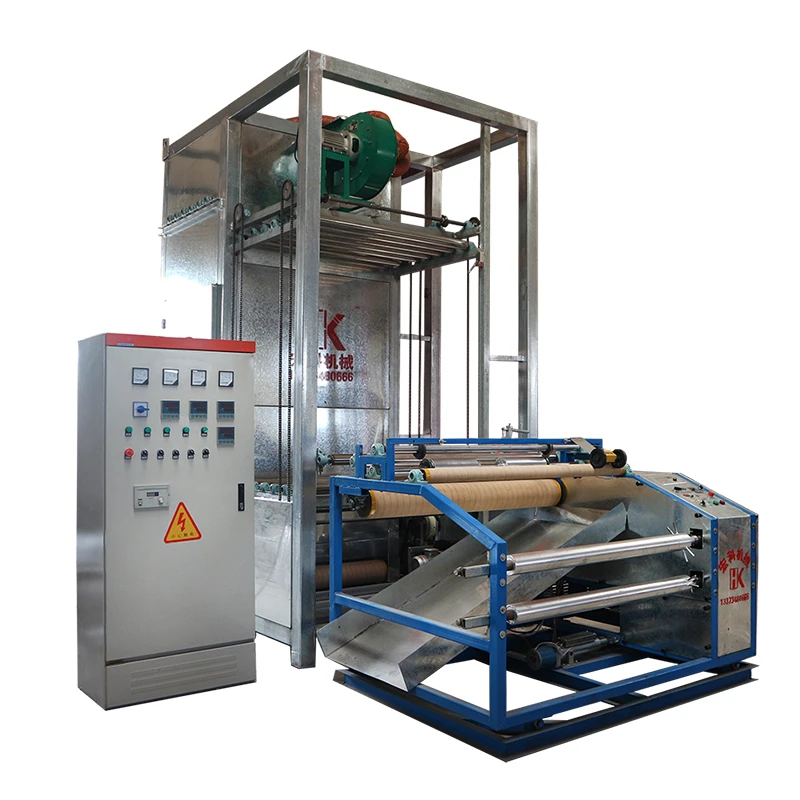
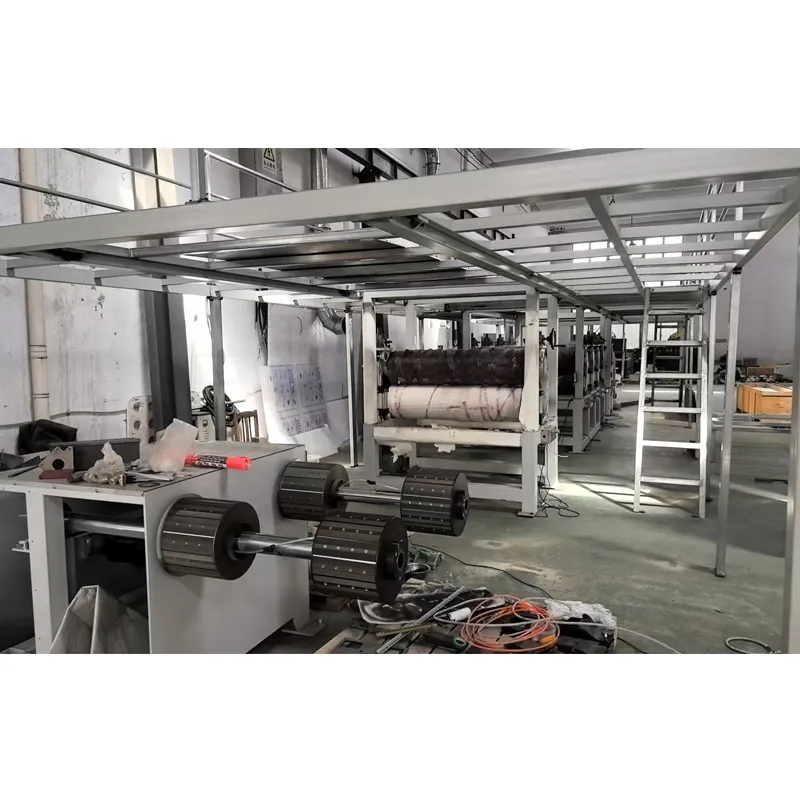
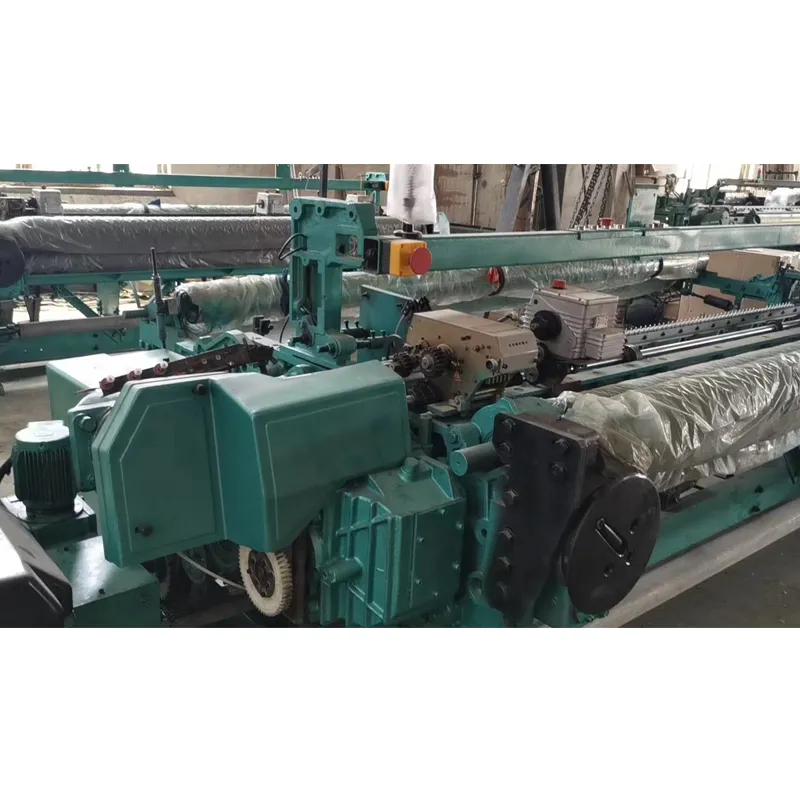
But there’s more to it: modern window screen manufacturing often integrates high-precision cutting, frame extrusion, and even smart coatings that repel water and dust. In humanitarian contexts, quick-deploy screen units can be essential for creating safe, breathable shelter environments—staving off insects in post-disaster camps or remote industrial installations.
Mini Takeaway:
Window screen making is no longer just about a simple net—it's an intersection of materials science, global health, and versatile design.
Key Components in Window Screen Making
Durability
One critical factor is the lifespan of the screen. Fiberglass is common for residential use, but stainless steel or aluminum screens offer superior resistance against corrosion and wear—especially in coastal or industrial environments.
Scalability and Speed
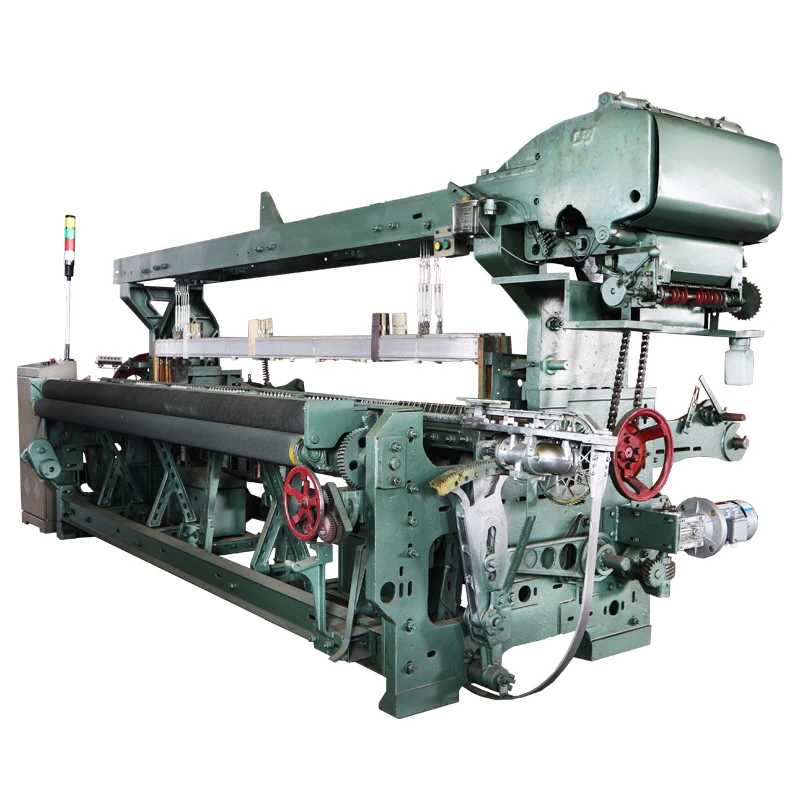
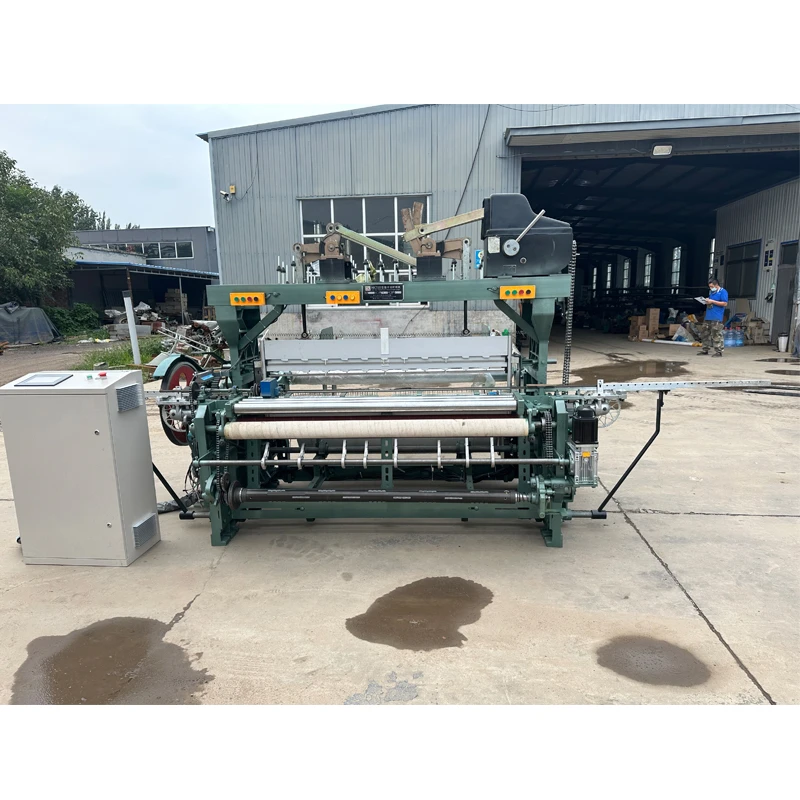
Automated mesh weaving and frame assembly allow factories to boost output quickly—an important feature for regions needing rapid housing solutions or large-scale construction.
Cost Efficiency
Balancing raw material costs and production techniques can drastically affect end prices. Many manufacturers innovate by using recycled materials or hybrid polymers.
Aesthetics and Customization
Nowadays, screens aren’t just functional; they come in colors, textures, and even with optional integrated solar panels for light. This creates an extra layer of product differentiation and user appeal.
Environmental Impact
Sustainability plays a huge role. Low-VOC frames, recyclable meshes, and energy-saving manufacturing reduce the ecological footprint, aligning with ISO 14001 certified processes.
Health and Safety Compliance
The mesh size must meet specific standards to exclude harmful insects yet allow ventilation—vital in healthcare and agricultural settings.
Mini Takeaway:
- Durability and adaptability to environment drive material choice.
- Speed matters in humanitarian and industrial supply chains.
- Eco-friendliness is no longer optional.
Window Screen Making: Worldwide Applications & Real-World Benefits
Across continents, window screens serve vastly different yet equally critical roles. For example:
- In sub-Saharan Africa, window screens with insecticide-treated meshes have slashed malaria rates, saving lives and improving quality of life.
- In industrial zones of Southeast Asia, screens protect factories from airborne particulates, helping maintain machinery and worker health.
- Post-disaster relief organizations in Central America deploy modular shelter screens to prevent disease-carrying mosquitoes in flood zones.
- Commercial buildings in Europe increasingly adopt high-end customized mesh frames as part of sustainability certifications.
It’s not just about keeping bugs out. Or about air circulation. It’s about resilience, public health, and meeting rising environmental regulations.
Product Specifications Snapshot: Typical Window Screen Model
| Feature | Specification | Remarks |
|---|---|---|
| Mesh Material | Fiberglass / Aluminum | Fiberglass for residential; Aluminum for industrial |
| Frame Material | Aluminum alloy | Lightweight, corrosion-resistant |
| Mesh Density | 18x16 strands per inch | Keeps out most insects while allowing airflow |
| Max Size | 48" x 72" | Custom sizes available |
| Special Coatings | Hydrophobic, anti-dust | Optional |
| Warranty | 3 years | Typical for residential products |
Vendor Comparison: Leading Window Screen Providers
| Vendor | Material Range | Customization | Lead Time | Eco-certifications |
|---|---|---|---|---|
| ClearScreen Inc. | Fiberglass, Aluminum | High - color & size | 2-3 weeks | ISO14001 |
| Global Mesh Solutions | Stainless Steel, Fiberglass | Medium — standard sizes only | 4-6 weeks | None |
| EcoScreen Tech | Recycled Composite | Custom color and finishes | 3-4 weeks | LEED, ISO14001 |
The Advantages and Long-Term Value of Efficient Window Screen Making
It might surprise some that window screens have such wide-reaching benefits. For one, they reduce the reliance on chemical insecticides—which benefits not only homeowners but entire ecosystems. The economic savings from fewer chemicals and less energy use in cooling systems add up quickly.
In terms of social impact, imagine the dignity and peace of mind for families protected from malaria or dengue fever by reliable window screens in their homes. It’s not just a product; it’s a barrier to illness and discomfort.
Innovation in this space also builds trust: quality screens last longer, require less maintenance, and enhance property value. For businesses, that kind of reliability means fewer replacements and warranty claims—a win-win all around.
Looking Forward: Trends and Innovations in Window Screen Making
Technology doesn’t pause, even in established fields like window screen making.
Smart meshes infused with nanotechnology — repelling dust, bacteria, or even harvesting solar energy — are emerging. Automation in factories enhances production speed and precision, making custom solutions more affordable.
Environmental policies worldwide are encouraging manufacturers to switch to bio-based materials or recycled components. It's fascinating how a simple screen could one day be part of a building’s overall energy strategy, or a wearable sensor system in tight industrial spaces.
Challenges and How The Industry is Addressing Them
Despite progress, challenges remain. Supply chain volatility impacts raw material availability and cost. Some manufacturers struggle with balancing durability against weight and price.
One solution gaining ground is modular design—sending flat-packed window screens to remote areas for local assembly, lowering shipping costs, and allowing on-site customization. Another is advanced composite materials that reduce corrosion problems without adding cost.
FAQ: Your Window Screen Making Questions Answered
- What materials are best for outdoor window screens in coastal regions?
- Corrosion-resistant materials like aluminum or stainless steel are preferred because they withstand salty air better than fiberglass, which might degrade faster.
- How customizable are modern window screens?
- Many manufacturers offer options ranging from mesh color to frame sizes and coatings like hydrophobic finishes, fitting various architectural needs.
- Can window screens reduce energy costs?
- Yes, by enabling natural ventilation while preventing insects, screens reduce over-reliance on HVAC systems, lowering energy consumption.
- How quickly can large orders of window screens be delivered for disaster relief?
- Lead times vary, but many suppliers can prioritize emergency orders to ship within 2–3 weeks or less, especially when modular designs are used.
- Are eco-friendly window screens significantly more expensive?
- Initially, green materials may cost more, but life cycle savings on maintenance and energy, plus environmental impact benefits, often justify the investment.
Wrapping It Up: Why Window Screen Making Deserves Your Attention
If you think window screen making is just about little meshes, think again. It’s a craft and science touching public health, environmental sustainability, and global supply challenges. With ongoing innovations and growing demand for quality and eco-friendliness, it’s a sector that’s quietly shaping safer, smarter, and cozier spaces worldwide.
Interested in delving deeper or sourcing quality window screen machinery? Visit us at https://www.aphkmachinery.com to discover advanced solutions and expert insight.
Final Thought:
Next time you shut a window screen against the evening bugs, remember—it’s more than just a mesh. It's a global statement of protection, innovation, and care.