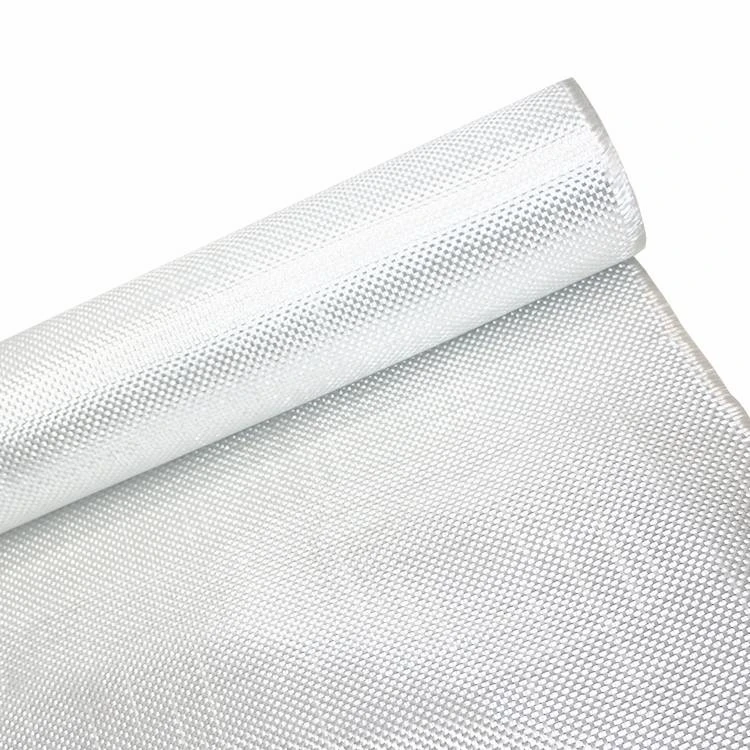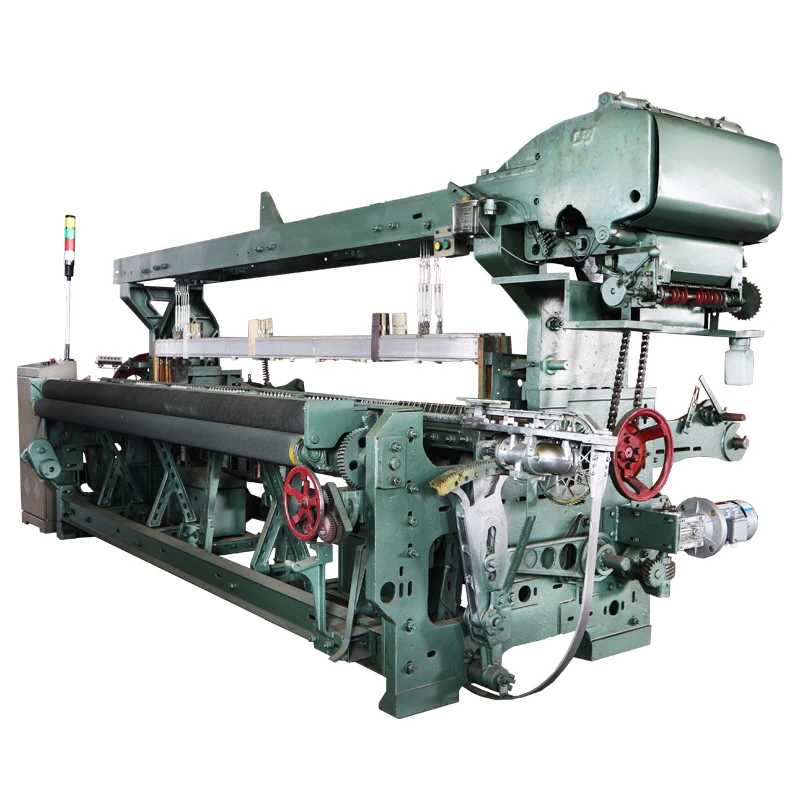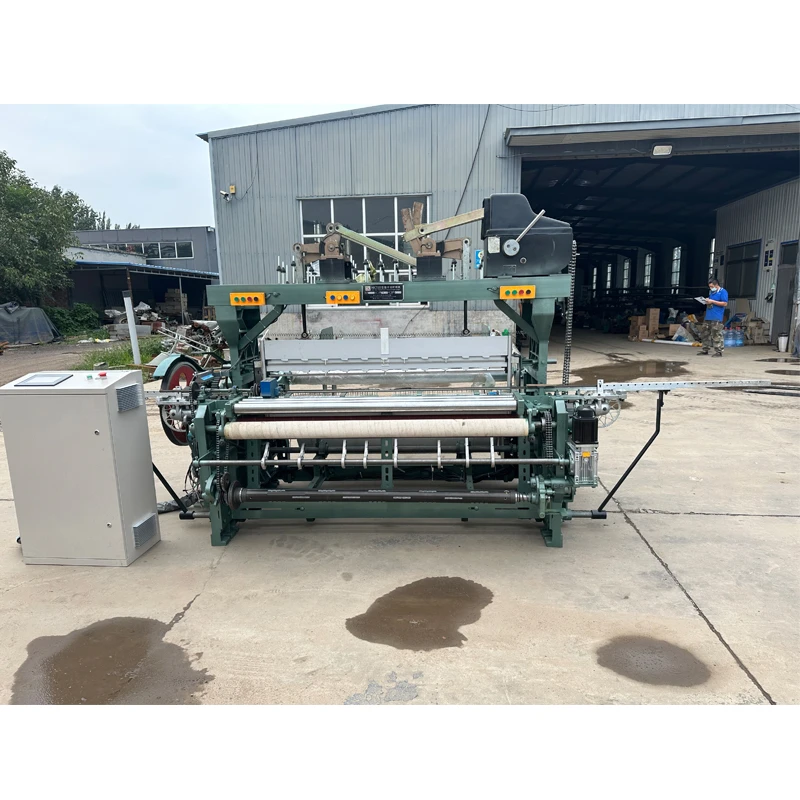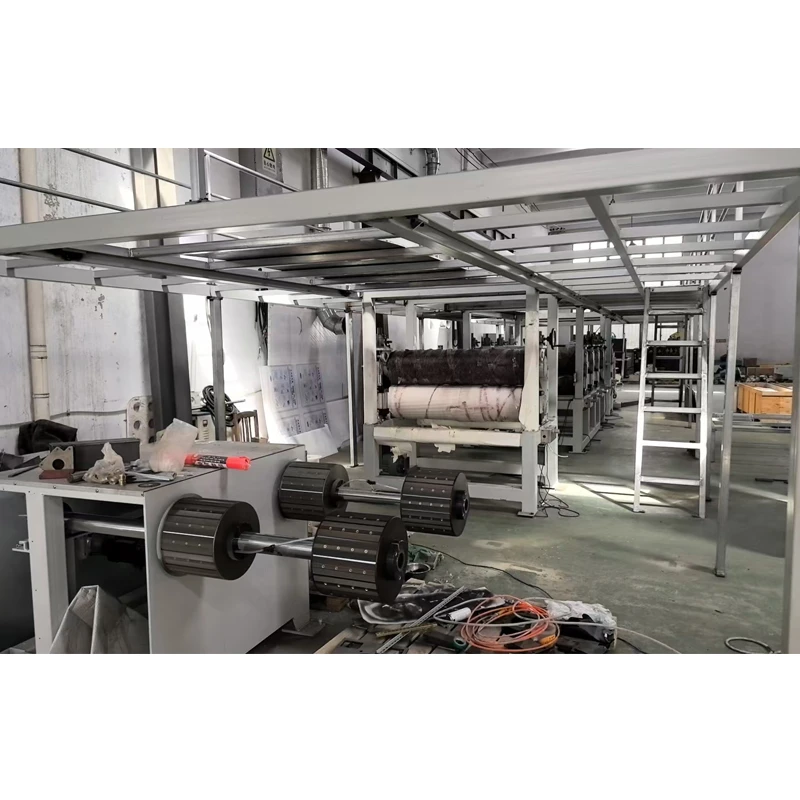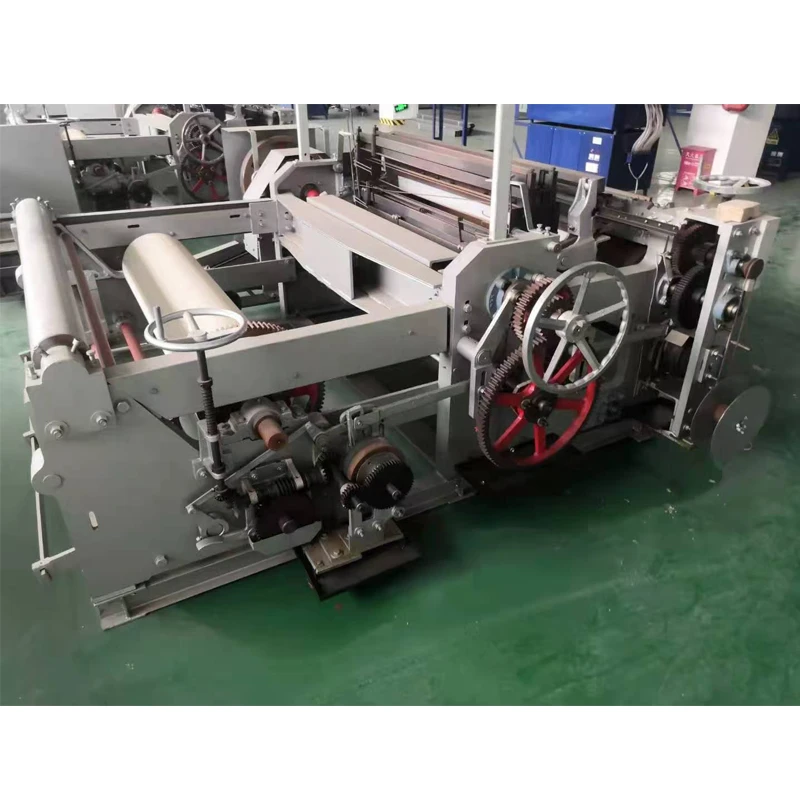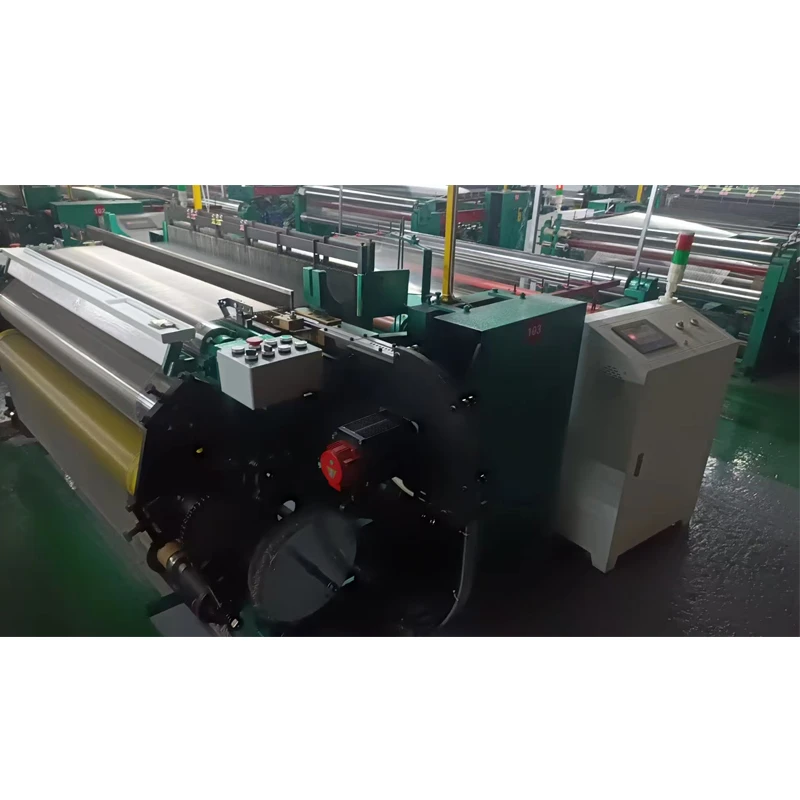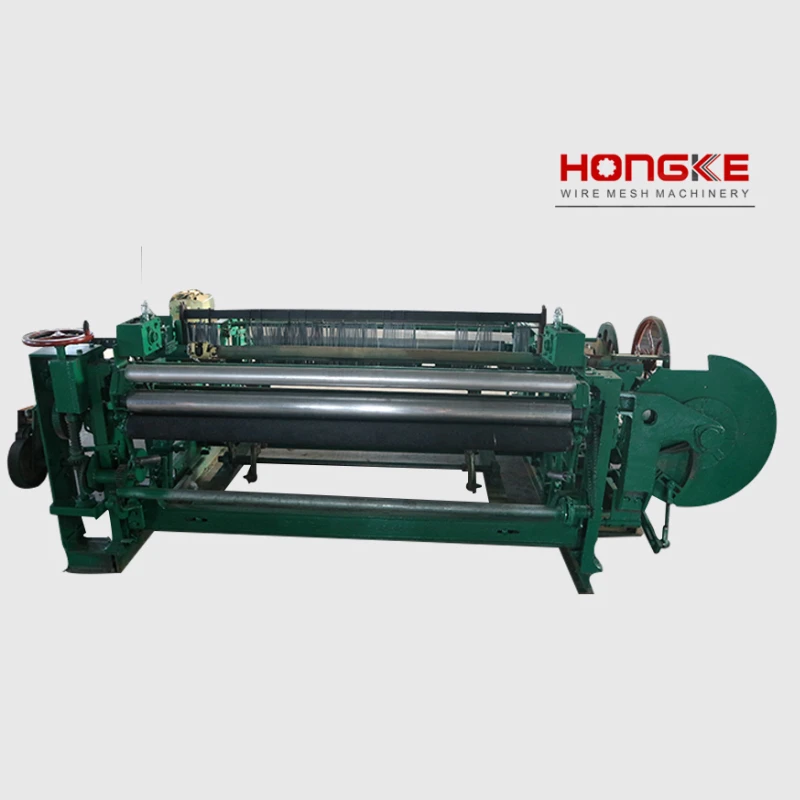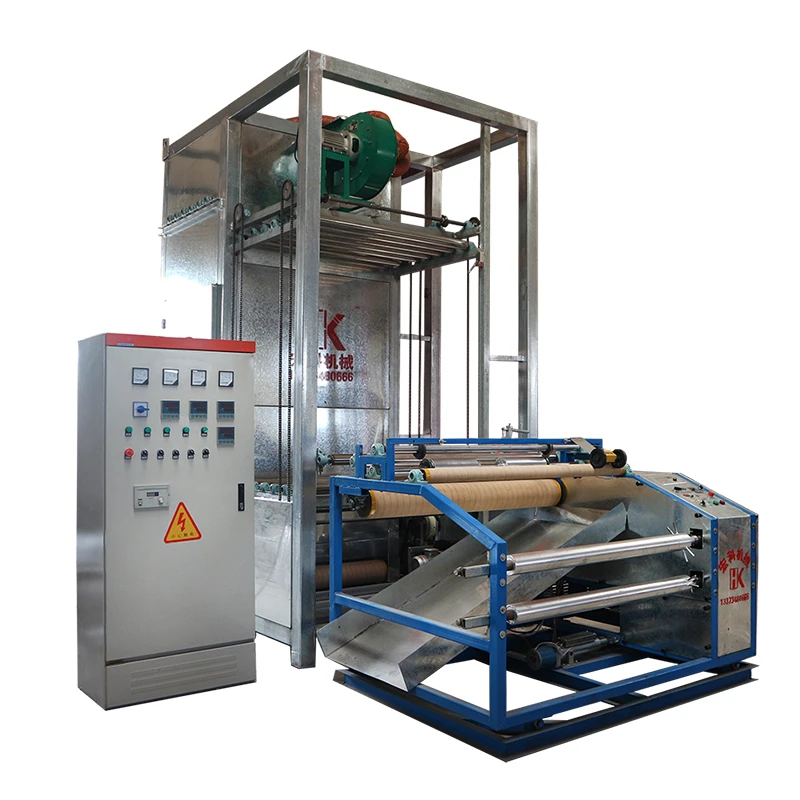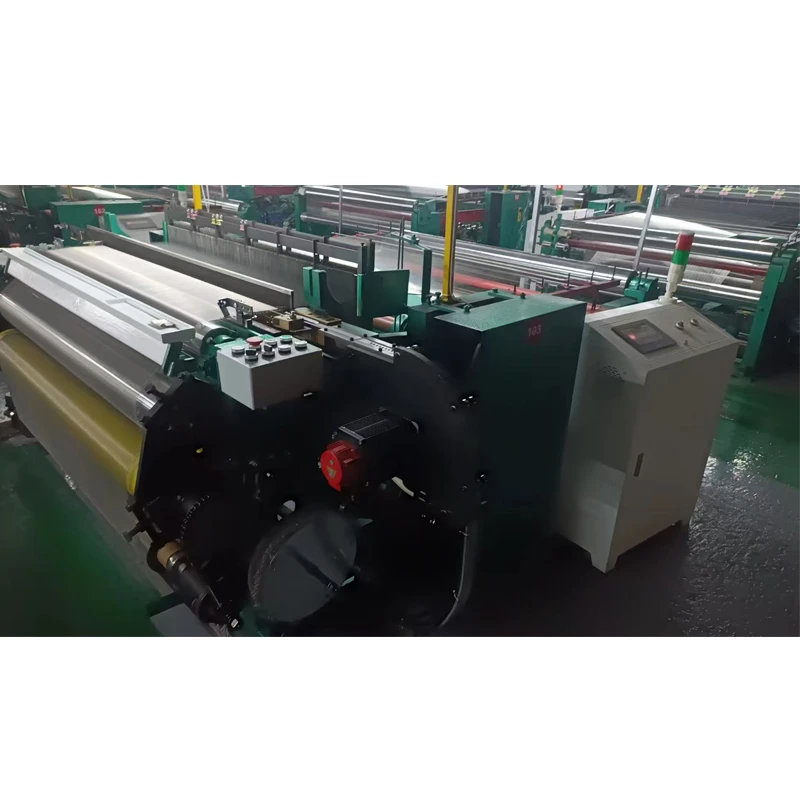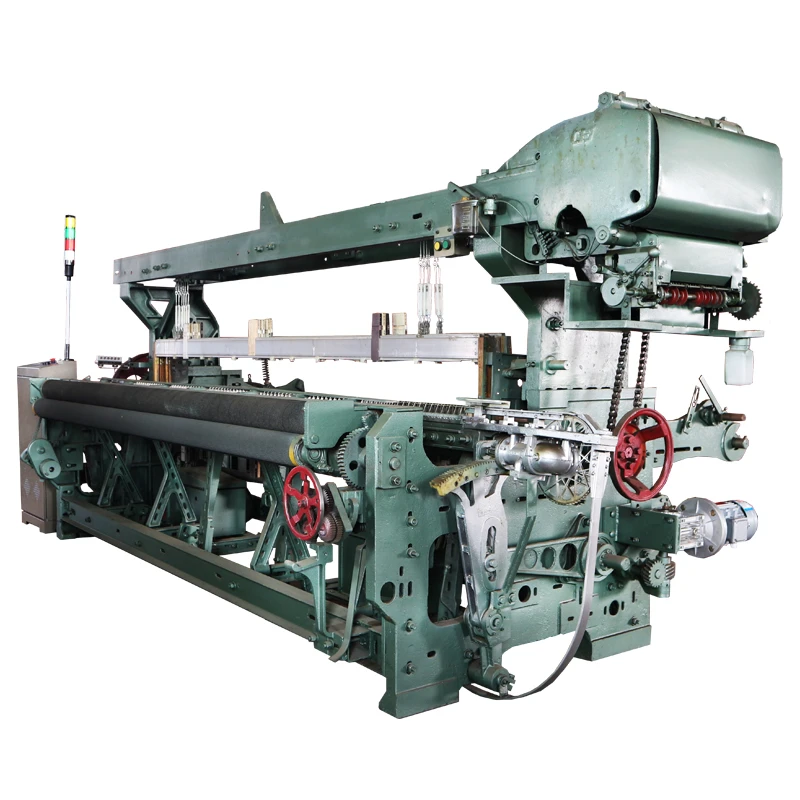



Flexible Rapier Loom is a key solution in the industry, specifically within textile manufacturing and fabric production sectors. This article explores how APHK Machinery supports professionals with durable, high-performance products, and explains why this product is an ideal choice for businesses in these sectors.
Table of Contents
- Flexible Rapier Loom Overview
- Benefits & Use Cases of Flexible Rapier Loom
- Cost, Maintenance & User Experience
- Sustainability & Market Trends
Flexible Rapier Loom Overview
At its core, the Flexible Rapier Loom is a weaving machine that uses two rapiers to insert the weft yarn across the warp threads. Compared to the traditional shuttle loom, this design is, frankly, a lot more versatile and efficient. It excels especially when working with fine yarns or delicate fabrics — it's kind of like choosing a scalpel over a kitchen knife when precision truly matters. APHK’s flexible rapier looms incorporate advanced servo motors and electronic controls to optimize speed and fabric quality across a wide range of textile types.
- Designed for fabric widths from 1900mm to 3400mm
- Max weaving speed up to 550 picks per minute
- Supports various materials: cotton, synthetic fibers, blends, technical textiles
- Integrated fault detection systems for real-time operational monitoring
As an example, a mid-sized textile manufacturer in India reported a 15% increase in throughput after switching to APHK’s flexible rapier loom, partly due to its accelerated pick insertion and reduced yarn breakage. It's notable because downtime costs in this industry can be brutal.
Benefits & Use Cases of Flexible Rapier Loom
In real terms, the Flexible Rapier Loom offers several compelling benefits that many decision makers appreciate. Its ability to adapt on the fly to different yarn types or fabric structures means it can handle everything from fine silk chiffons to dense technical materials used for automotive textiles. This flexibility is a real game changer in manufacturing environments with frequent product changeovers.
- Improved fabric consistency due to precise yarn insertion
- Lower noise and vibration compared to shuttle looms
- Reduced maintenance downtime from fewer mechanical components exposed to wear
- Energy-efficient operation with smart motor controls
For instance, in upholstery and home furnishing industries, the seamless integration of various yarn densities allows manufacturers to experiment with textures and patterns without lengthy setup times. That kind of agility is rare and frankly, a great competitive advantage.
| Specification | Details |
|---|---|
| Weaving Width | 1900mm - 3400mm |
| Max Speed | Up to 550 picks/min |
| Power Consumption | Approx. 5 kW |
| Control System | PLC with touchscreen interface |
| Material Compatibility | Cotton, Polyester, Nylon, Blends, Technical Fibers |
Cost, Maintenance & User Experience
Let’s unpack the whole cost question, which is inevitably top of mind for most B2B decision makers. A Flexible Rapier Loom might look a bit pricier up front than some older shuttle alternatives (and sometimes comparable projectile looms), but its total cost of ownership tends to be lower. Why? Because you’re saving on wear parts, energy, and costly downtime. The build quality of APHK’s units, supported by their comprehensive after-sales service in various markets, helps machines last well beyond 10 years with routine maintenance.
- Long service intervals reduce unexpected repairs
- Operator-friendly touchscreen improves usability and training time
- Real-time diagnostics aid proactive maintenance
Some users have mentioned to me (off the record) that the user interface feels intuitive enough that technicians can focus on optimizing output rather than troubleshooting, which, oddly enough, makes a significant difference in busy factory floors where every minute counts.
Sustainability & Market Trends
The big picture here is that sustainability is not just buzzword anymore. The textile industry faces increasingly stringent regulations about energy consumption and waste. Flexible rapier looms are ahead of the curve by offering lower energy footprints and less material wastage compared to traditional machines. This aligns well with brands seeking greener supply chains and can help manufacturers tap into premium market segments demanding sustainable credentials.
- Energy efficiency via smart motor controls
- Capability to weave recycled or bio-based yarns without frequent machine adjustments
- Increasing demand from automotive, medical, and technical textile markets
Market analysts predict that global demand for flexible rapier looms will grow steadily, especially in Asia and South America, where textile production is rapidly modernizing. So investing in these systems now might mean future-proofing operations to some degree.
| Vendor | Price Range | Energy Efficiency | After-Sales Support |
|---|---|---|---|
| APHK Machinery | $$$ (Mid-high) | High | Global network & 24/7 support |
| Vendor B | $$ (Mid) | Medium | Regional service centers |
| Vendor C | $ (Low) | Low | Limited warranty & support |
Frequently Asked Questions about Flexible Rapier Loom
- What is Flexible Rapier Loom and how does it work?
- In simple terms, a Flexible Rapier Loom is a weaving machine that inserts the weft yarn by means of two flexible metal arms called rapiers. One rapier carries the yarn halfway across the loom’s width, handing it off to the other rapier to complete the pass. This mechanism allows for high-speed weaving of complex patterns and various fabric types.
- What are the main benefits of using Flexible Rapier Loom in industrial applications?
- Key advantages include higher fabric quality, reduced noise, versatility for different yarns, lower maintenance needs, and energy efficiency. It offers better control over fabric defects and allows manufacturers to quickly switch production lines without extensive downtime.
- How does Flexible Rapier Loom compare to traditional alternatives?
- Compared to shuttle looms, flexible rapier looms are faster, quieter, and cause less yarn damage. Unlike projectile or air-jet looms, rapier looms handle delicate fibers more gently and support a wider variety of materials, giving them technological and practical edge for many fabric types.
- What industries can benefit most from Flexible Rapier Loom implementation?
- Industries such as apparel textiles, home furnishings, technical textiles for automotive and medical use, as well as industrial fabrics, all see considerable gains in productivity and fabric quality when adopting flexible rapier looms.
Conclusion on Flexible Rapier Loom from china
Recapping, the Flexible Rapier Loom represents a worthy investment for manufacturers looking to modernize and boost operational efficiency in textile production. With APHK Machinery’s robust design, excellent support network, and proven performance, it stands out as a reliable choice. Whether the aim is versatility, durability, or sustainability, these looms tick many boxes — and you can learn more or get in touch by visiting our website: https://www.aphkmachinery.com.
At the end of the day, embracing this technology could mean smoother production lines and a crisper product quality — a simple win that feels quite smart nowadays.
References:
1. Textile World Reports, 2023 Edition
2. APHK Machinery User Testimonials, 2022
3. Industry Sustainability Trends, Global Textiles, 2023