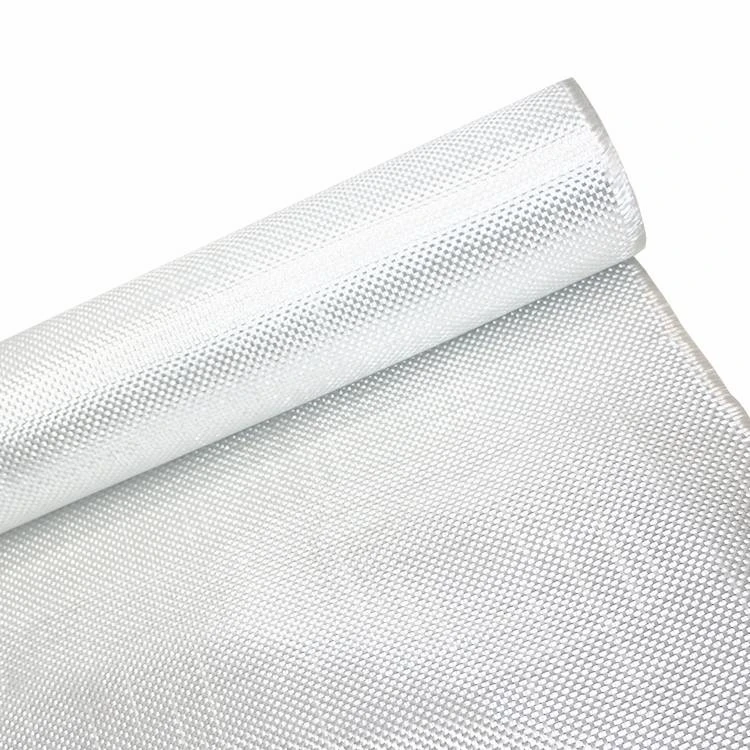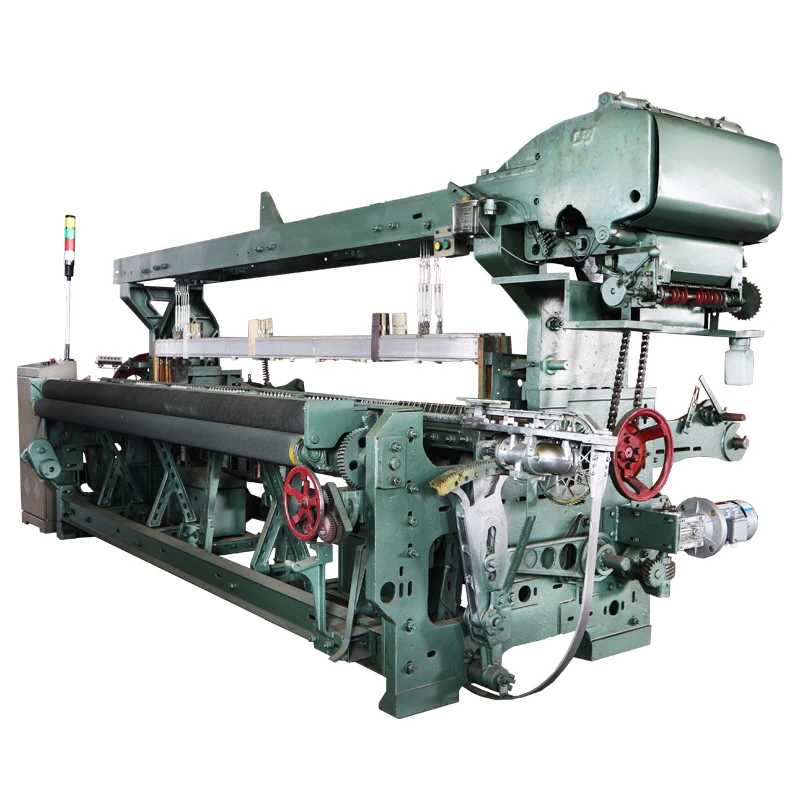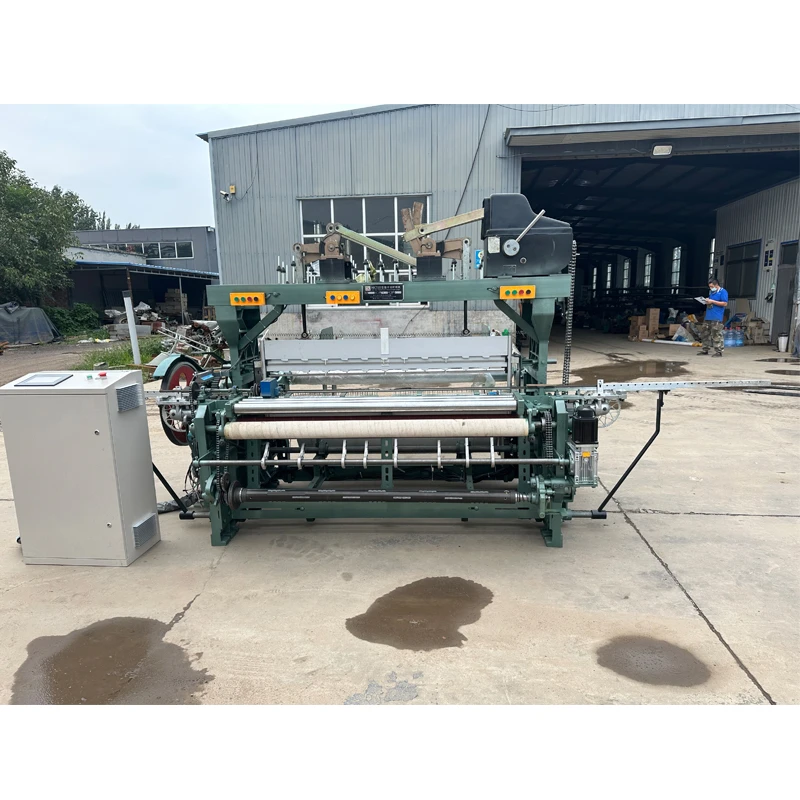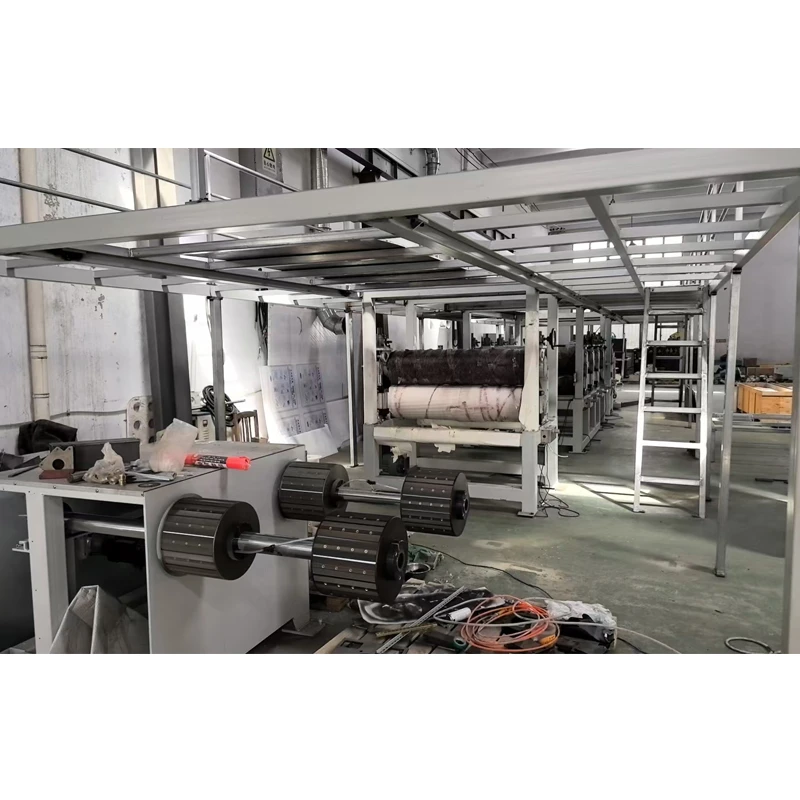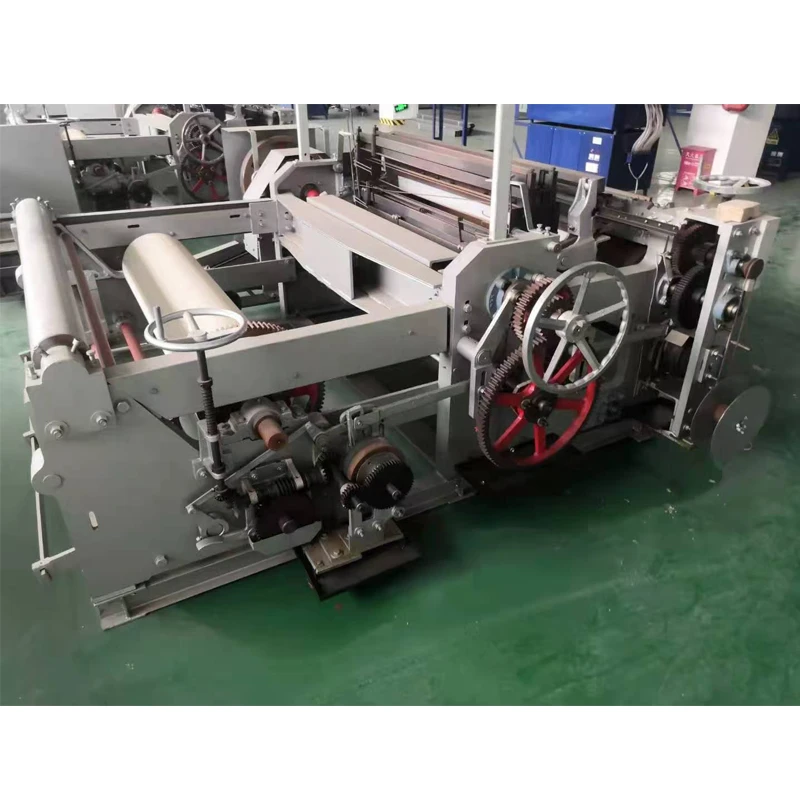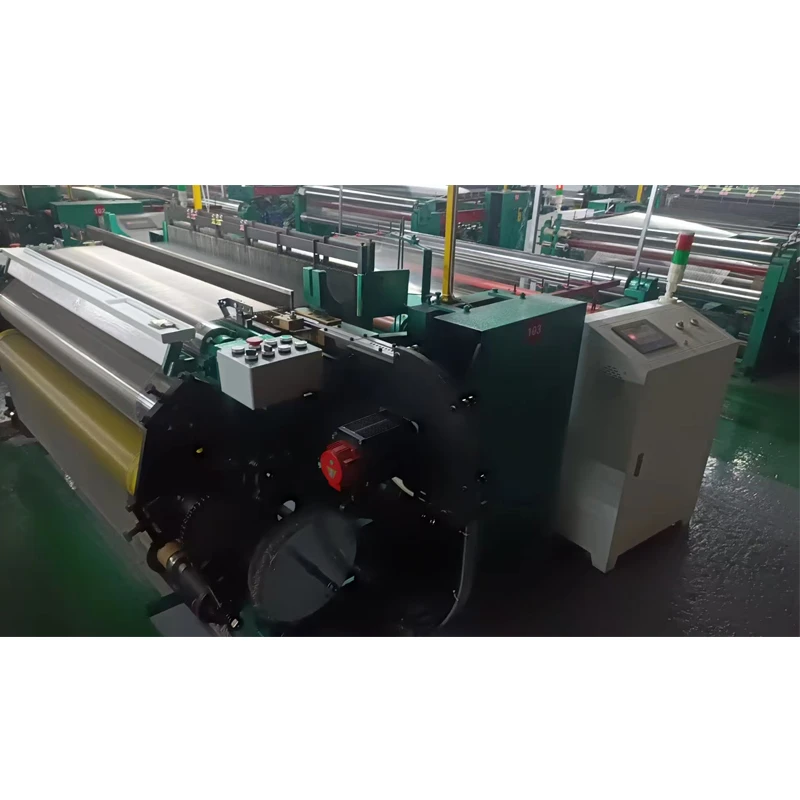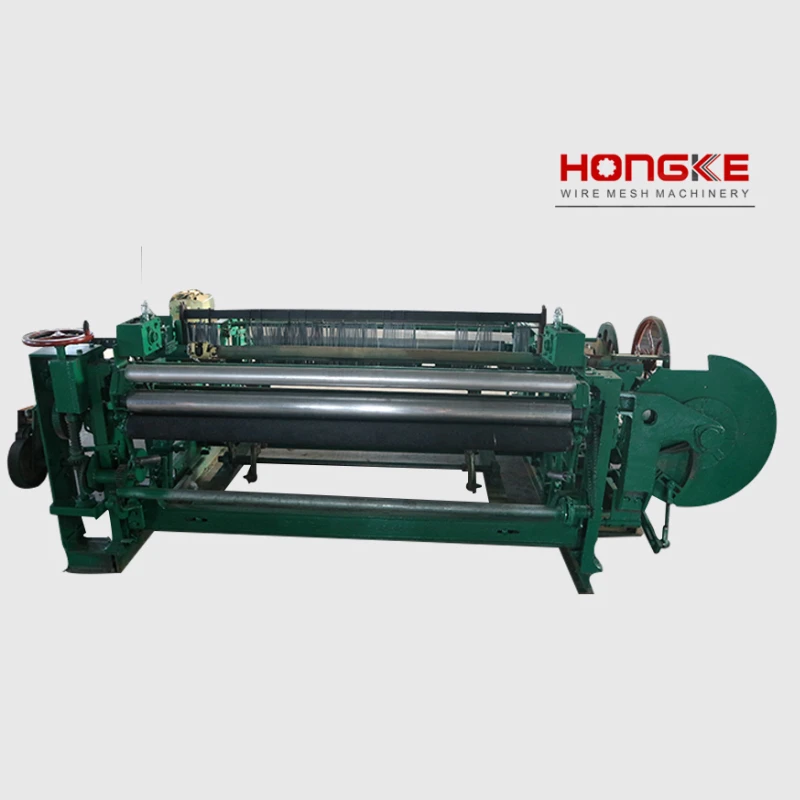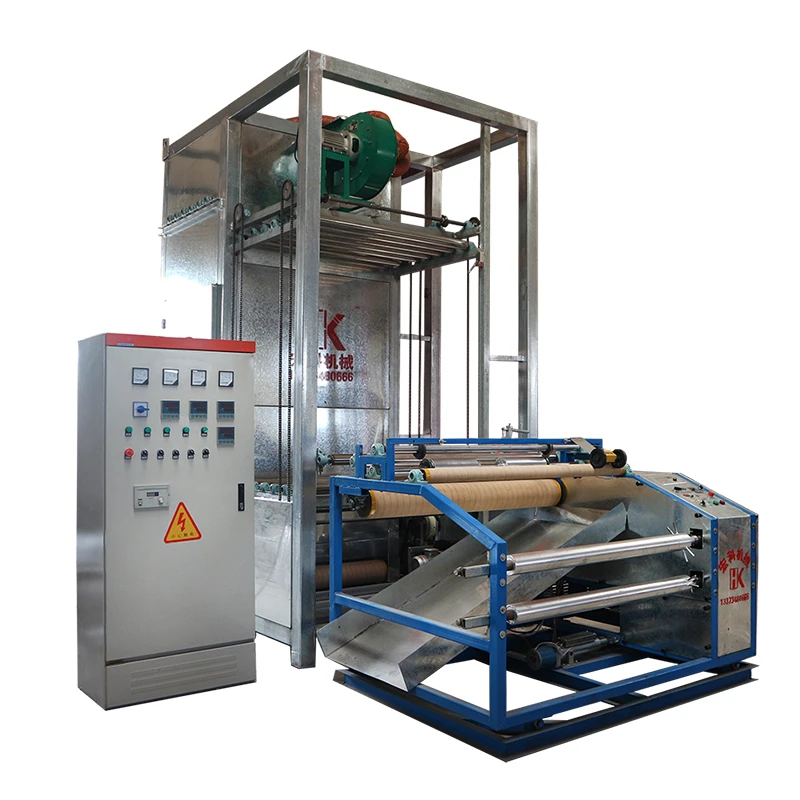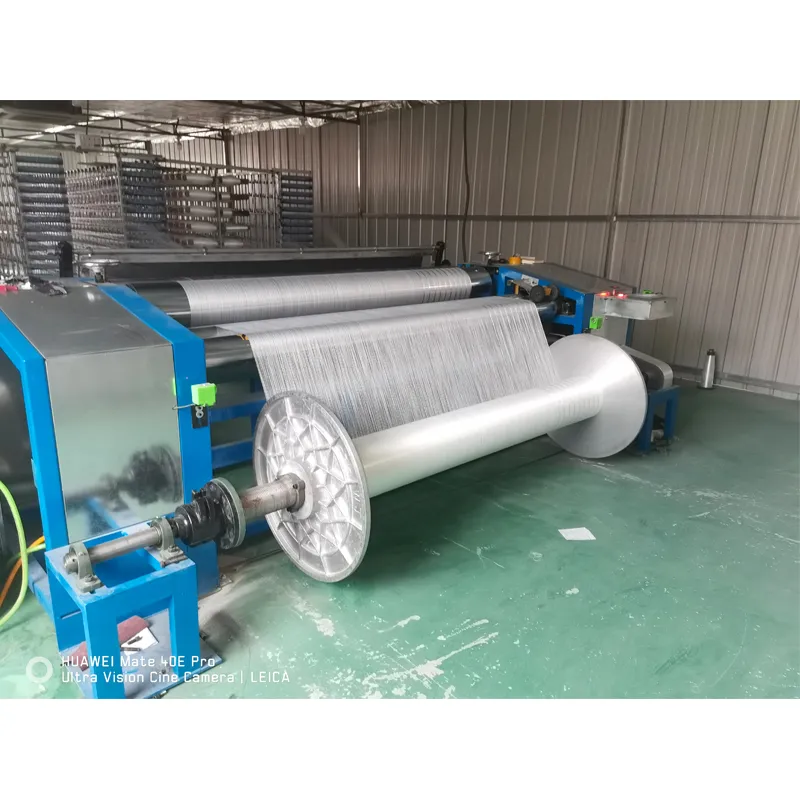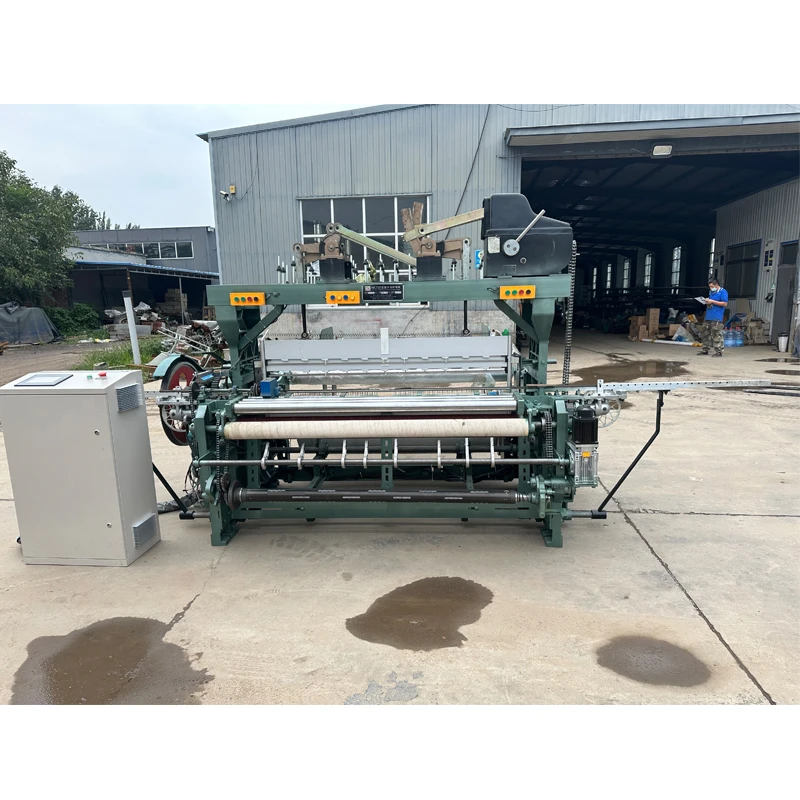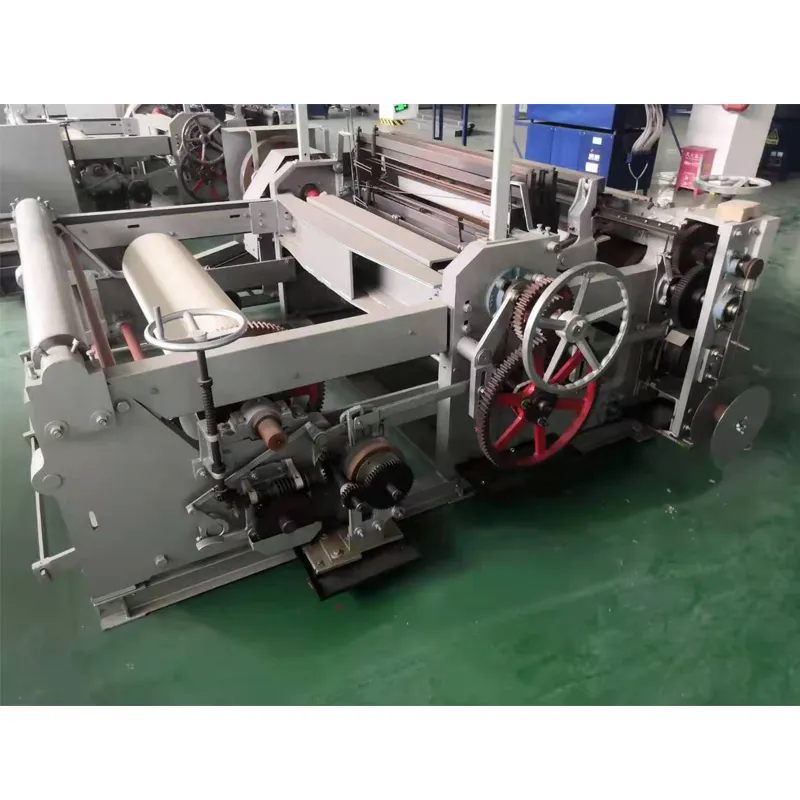



Dynamic Rapier Loom Price is a key solution in the industry, specifically within advanced textile manufacturing sectors. This article explores how https://www.aphkmachinery.com supports professionals with durable, high-performance products, and explains why this product is an ideal choice for businesses in these sectors.
Table of Contents
- Dynamic Rapier Loom Price Overview
- Benefits & Use Cases of Dynamic Rapier Loom Price
- Cost, Maintenance & User Experience
- Sustainability & Market Trends
Dynamic Rapier Loom Price Overview
To put it simply, a dynamic rapier loom is a weaving machine that uses slender, flexible rapiers to insert the weft yarn through the warp yarns. It’s an evolution of traditional loom technology, known for its adaptability and efficiency. Frankly, the Dynamic Rapier Loom Price reflects a sensible investment for textile manufacturers aiming to improve both fabric quality and production speed.
- Technically, these looms operate at speeds up to 400 picks per minute, depending on the model, with electronic jacquard controllers often integrated to allow complex pattern weaving.
- An example: one case study involving a mid-sized textile mill showed a 20% production boost after upgrading to a dynamic rapier loom from conventional projectile looms.
| Spec | Details |
|---|---|
| Weaving Width | 120 cm to 320 cm |
| Max Speed | Up to 400 picks/min |
| Rapier Type | Double dynamic rapier with independent drive |
| Control System | PLC with touchscreen interface |
| Power Consumption | Approx. 5 kW |
Benefits & Use Cases of Dynamic Rapier Loom Price
Industries like sportswear, technical textiles, and upholstery have widely adopted dynamic rapier looms, mainly because of their flexibility to weave various materials — cotton, synthetics, blends — without compromising speed or quality. It’s kind of fascinating when you consider how these looms balance precision and speed.
- They offer excellent control over fabric density and pattern complexity, which is crucial for high-value products like automotive seat covers or fire-resistant fabrics.
- Compared to shuttle or projectile looms, dynamic rapier looms use less energy and produce less noise — a clear operational advantage.
| Feature | Advantage | Competitor Comparison |
|---|---|---|
| Speed & Efficiency | High-speed operation with low downtime | Faster than projectile, smoother than shuttle |
| Energy Consumption | Lower power usage due to optimized rapier mechanism | About 15% less than traditional projectile looms |
| Flexibility | Easily switches yarn types and patterns | More adaptable to complex designs |
| Maintenance | Simplified parts replacement and diagnostics | Less frequent than shuttle looms |
Cost, Maintenance & User Experience
If you’re mulling over the purchase of a dynamic rapier loom, the price is often the sticking point. It’s true that initial costs are not the lowest in the market. However, when you factor in the Total Cost of Ownership (TCO), including energy consumption, maintenance ease, and output quality, the investment quickly becomes justifiable. From conversations with textile engineers, many highlight the rapid return on investment achieved through minimized downtime and consistent fabric quality.
- Durability is often emphasized, with components stress-tested under real production conditions to ensure reliability over years.
- Users appreciate the intuitive control panel, which reduces training time and operator errors, a subtle operational advantage that adds up.
Sustainability & Market Trends
Sustainability is no longer optional in textile manufacturing, and dynamic rapier looms tick quite a few boxes here. Their lower energy consumption translates directly to reduced carbon footprints. Additionally, the precision of these looms reduces waste through fewer defects — which, in real terms, can save a lot of fabric and disposal costs over time.
- Compliance with tightening government regulations on emissions and energy use is easier with these modern looms.
- Market analysts project steady growth in demand for such efficient textile machines, aligned with global shifts toward eco-conscious production.
Frequently Asked Questions about Dynamic Rapier Loom Price
- What is Dynamic Rapier Loom Price and how does it work?
- Basically, it’s the cost you pay for a high-grade rapier loom system that uses flexible rapiers to insert the weft yarn dynamically into fabric. The mechanism allows faster and more accurate weaving compared to older methods, making it central to modern factories striving for quality and performance.
- What are the main benefits of using Dynamic Rapier Loom Price in industrial applications?
- Key advantages include energy efficiency, speed, versatility with materials, and reduced operational noise. Many users also cite lower maintenance frequency and improved fabric consistency as standout benefits.
- How does Dynamic Rapier Loom Price compare to traditional alternatives?
- Compared with shuttle or projectile looms, dynamic rapier looms offer superior speed, quieter operation, and better energy profiles. They also support quicker shifts in fabric design due to programmable control systems.
- What industries can benefit most from Dynamic Rapier Loom Price implementation?
- Sectors such as technical textiles, fashion apparel, home furnishing, and automotive interiors particularly benefit from these looms. Their ability to handle complex patterns and diverse yarns has made them a favorite among large-scale manufacturers.
Conclusion on Dynamic Rapier Loom Price from china
Summing it up, the Dynamic Rapier Loom Price often reflects a smart, future-proof choice for textile manufacturers after weighing operational benefits against upfront investment. Visit our website: https://www.aphkmachinery.com to explore options that combine quality, durability, and competitive pricing tailored for today’s B2B buyers.
From weaving precision to eco-savvy operation, these looms really do stitch together a compelling business case.