


Understanding the Dynamic Rapier Loom: Revolutionizing Textile Production
Oddly enough, few realize how a device like the dynamic rapier loom quietly shapes our daily lives. From the clothes we wear to industrial textiles, this machine is fundamental to modern fabric manufacturing. Globally, the textile industry is worth over $1.5 trillion and supports millions of jobs, so innovations in weaving technologies like the dynamic rapier loom have a profound ripple effect worldwide. Understanding this loom’s role helps appreciate not just industrial efficiency but broader issues like sustainability and economic growth.
Introduction: The Global Context of Dynamic Rapier Loom
Textile production has undergone tremendous advancements, and the dynamic rapier loom plays a pivotal role. According to the International Textile Manufacturers Federation (ITMF), weaving technology improvements enhance output speed by 50-70% compared to older methods. That’s significant when you consider countries like China, India, and Bangladesh—textile powerhouses that rely heavily on efficient weaving to meet global demand. The challenge? Balancing increased productivity with energy efficiency and waste reduction. The dynamic rapier loom tackles this head-on by offering flexible, high-speed weaving while using less power.
Mini takeaway:
Textile industries worldwide invest in dynamic rapier looms to boost speed and energy efficiency, addressing global pressures on resource use and sustainability.
What Is a Dynamic Rapier Loom?
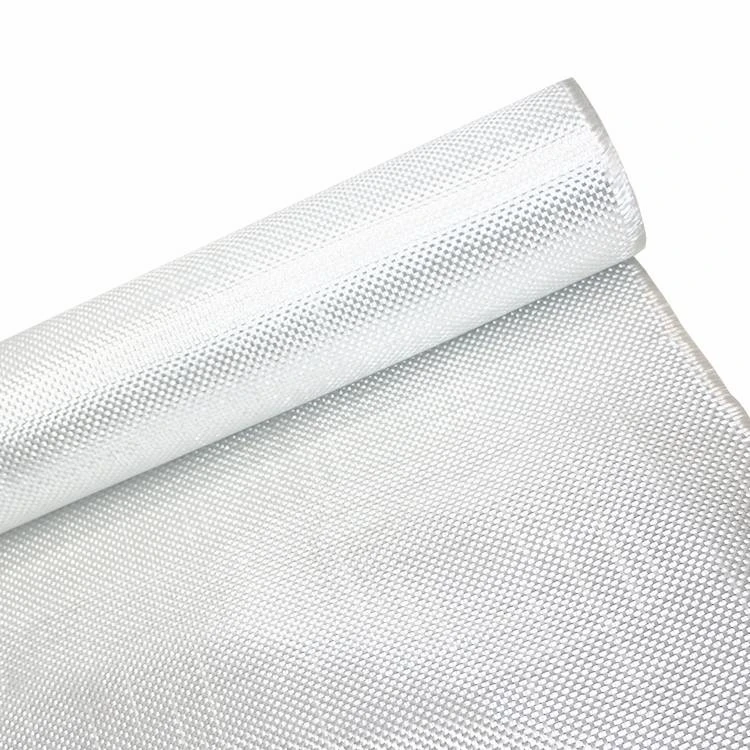
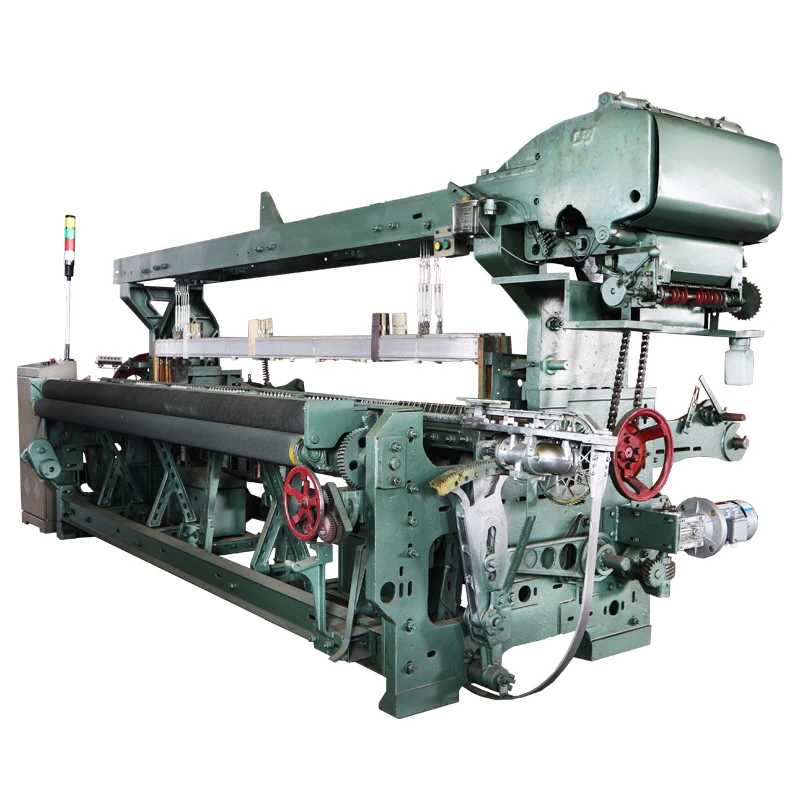
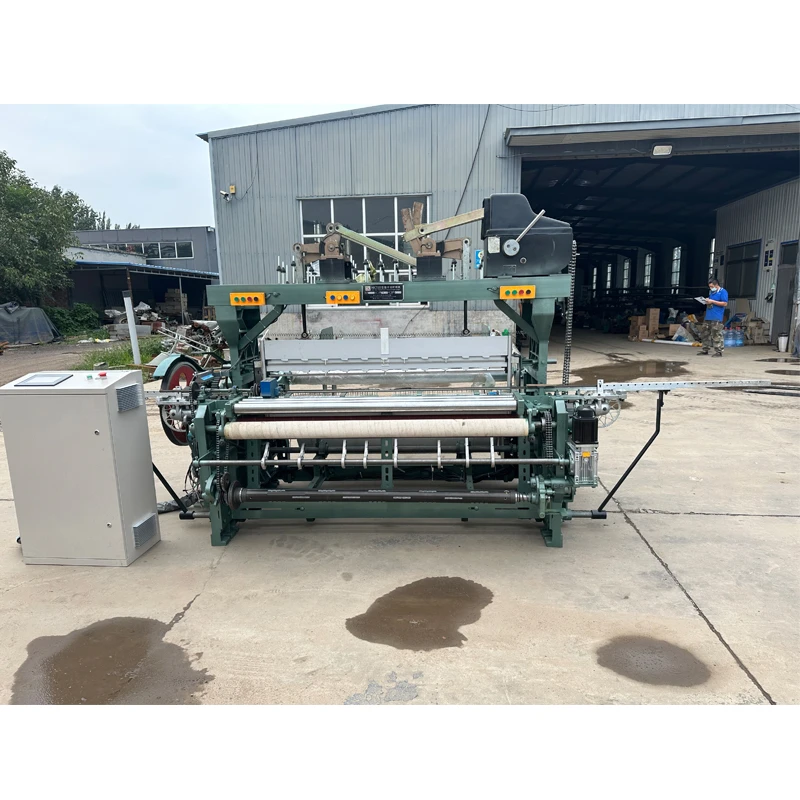
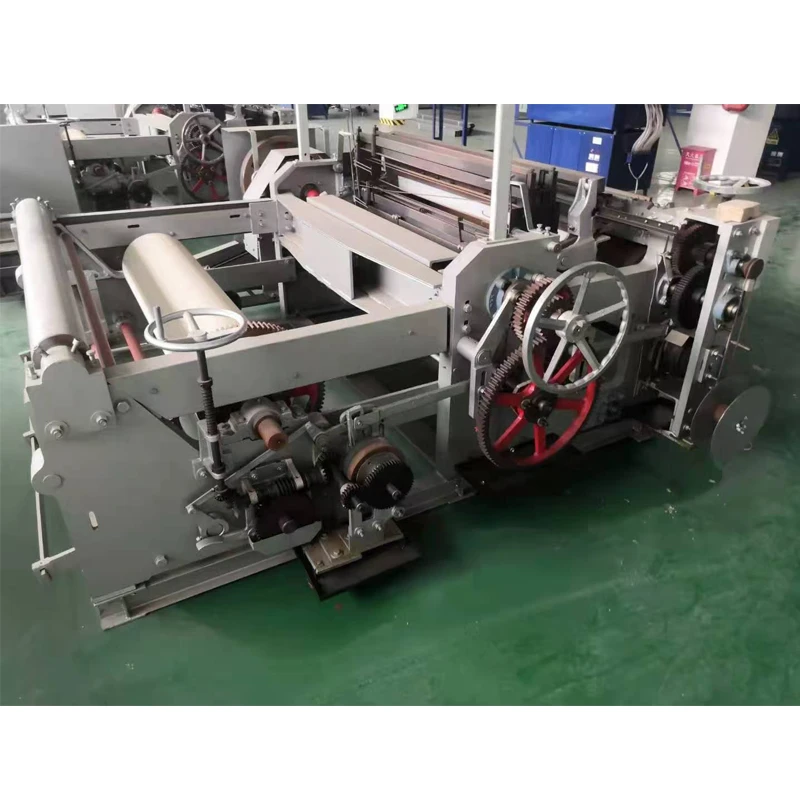
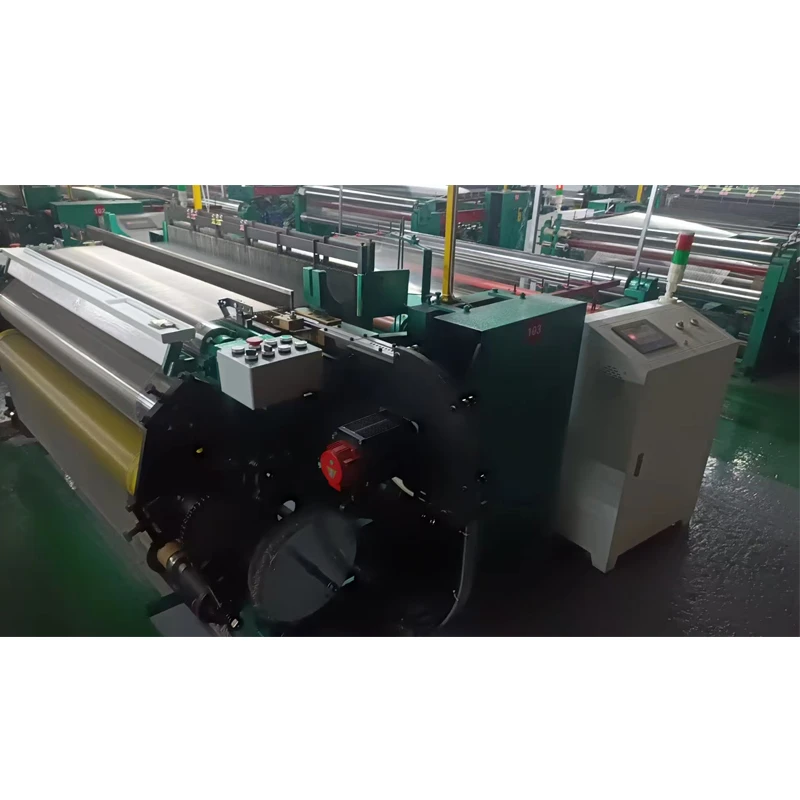
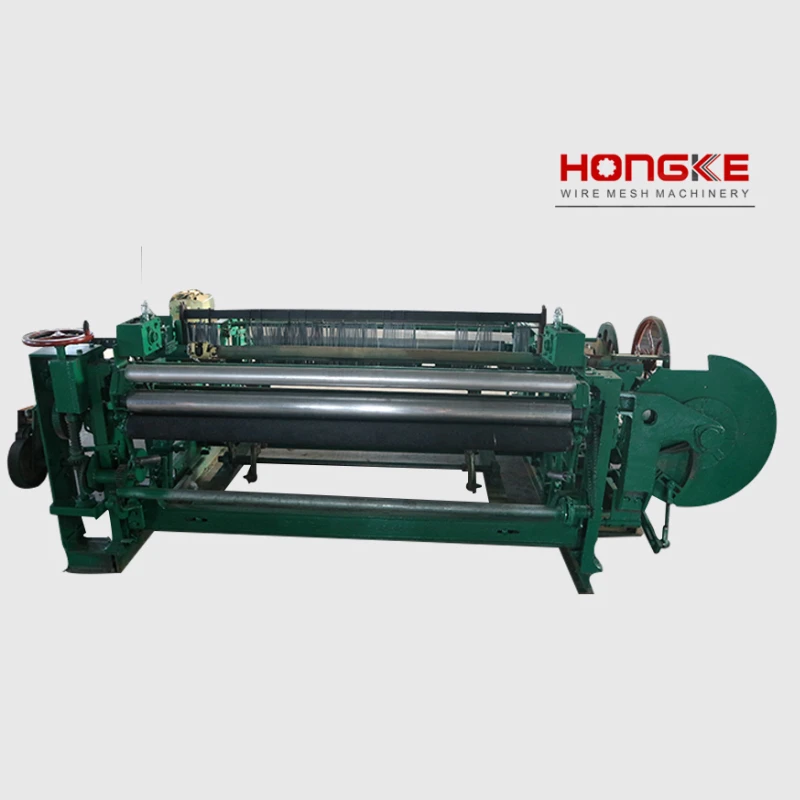
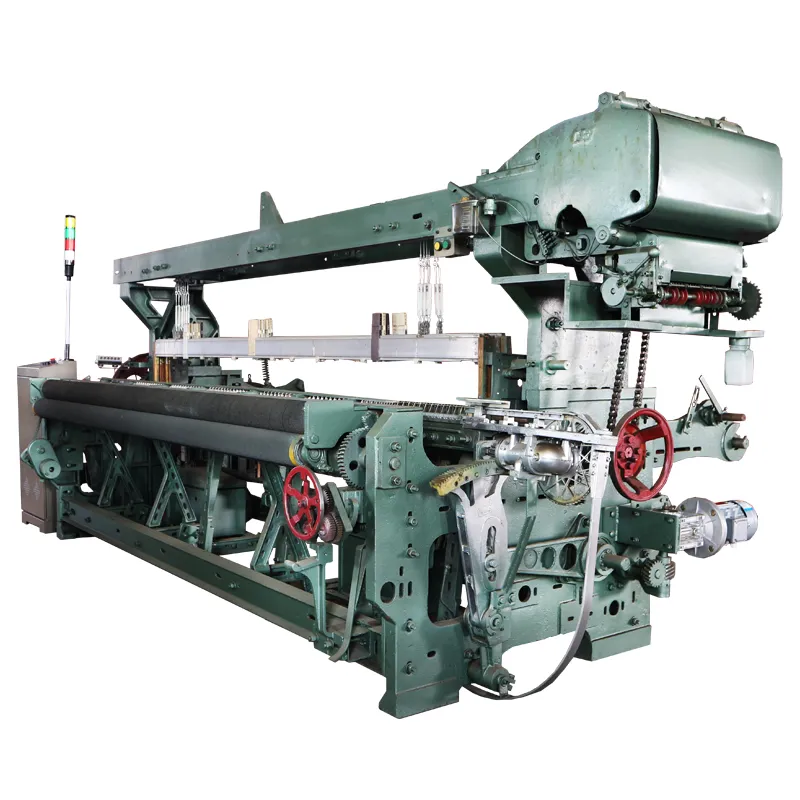
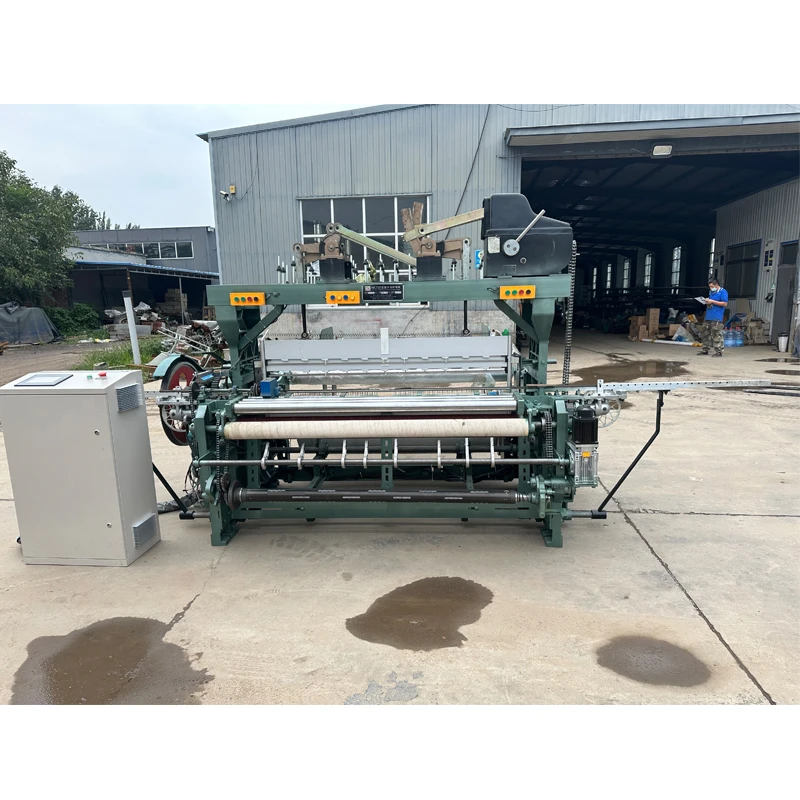
In simplest terms, a dynamic rapier loom is a weaving machine that uses “rapiers” — slender rods or steel tapes — to transport the weft yarn through the warp yarn sheet to create fabric. What makes it “dynamic” is its adaptive weaving process which allows for high-speed operation and intricate patterns across a variety of yarn materials. Unlike older shuttle looms, it’s quieter, faster, and versatile—perfect for modern textile needs ranging from delicate silks to sturdy industrial fabrics.
On a humanitarian level, this means quicker production of essential textiles — think medical bandages, tents, or uniforms — that can support disaster relief or healthcare sectors with agility.
Mini takeaway:
The dynamic rapier loom’s core innovation lies in rapid, flexible fabric weaving applicable to both commercial and emergency textile production.
Key Components and Core Features of Dynamic Rapier Looms
1. Durability and Reliability
These looms are engineered to operate continuously with minimal downtime. They feature solid frames and precision mechanics that reduce wear over extended periods.
2. Scalability
Whether a factory produces thousands of meters of simple cotton fabric daily or intricate technical textiles, dynamic rapier looms adapt well. Changing settings for different yarns or patterns doesn’t require a full reconfiguration, which speeds up batch changes.
3. Cost Efficiency
While initial investment may be higher than older looms, energy savings and reduced maintenance balance out costs, especially in large-scale operations where every watt and minute counts.
4. Precision and Fabric Quality
The dynamic control over rapier movement reduces errors such as yarn breakage or weaving faults, enhancing the final fabric’s uniformity and durability.
5. Flexibility
The machine can handle a range of yarn types, from delicate natural fibers like silk to robust synthetics like polyester blends, making it ideal for diverse textile lines.
| Feature | Specification |
|---|---|
| Weaving Speed | Up to 800 picks/min |
| Fabric Width | Up to 320 cm |
| Power Consumption | 3.5 kW (average) |
| Applicable Yarn Types | Cotton, Silk, Polyester, Nylon, Composite fibers |
| Control System | PLC-based with touchscreen interface |
Mini takeaway:
Dynamic rapier looms combine speed, flexibility, and durability, making them a smart long-term investment for varied fabric production needs.
Global Applications & Real-World Use Cases
The dynamic rapier loom’s versatility means it’s employed worldwide in numerous industries. For example:
- Asia: Leading manufacturers in China and India use these looms extensively to produce textiles for global apparel brands, combining volume with intricate patterning.
- Europe: Specialized textile producers in Italy and Germany rely on these looms for high-quality technical fabrics used in automotive and aerospace sectors.
- Humanitarian Efforts: NGOs use fabrics made on these looms for durable tents, medical textiles, and protective clothing in disaster zones like Southeast Asia and Africa.
- Industrial Zones: Remote textile hubs in Latin America increasingly adopt dynamic rapier technology to increase competitiveness and reduce energy costs.
For a closer look at applications and sourcing, check out this dynamic rapier loom supplier hub.
Mini takeaway:
From fashion runways to emergency camp sites, the dynamic rapier loom equips industries to deliver quality textiles suited for diverse global needs.
Advantages and Long-Term Value
Beyond just manufacturing speed, the real benefit lies in sustainability and trust:
- Lower environmental footprint: Enhanced energy efficiency means fewer emissions.
- Reduced waste: Precise weaving lessens fabric defects and discarded materials.
- Social impact: Supports stable employment and skill development in emerging economies.
- Reliability: Consistent fabric quality fosters brand confidence worldwide.
It’s not just about profits—there’s a human aspect too. The dignity of skilled workers operating well-designed machinery and the safety of consumers wearing durable, reliable products.
Mini takeaway:
Dynamic rapier looms deliver economic, environmental, and social benefits that resonate well beyond the factory floor.
Future Trends and Innovations
Looking forward, developments in automation and smart manufacturing are shaping the next generation of dynamic rapier looms. Some trends to watch include:
- IoT integration: Real-time monitoring for predictive maintenance minimizes downtime.
- Eco-friendly materials: Weaving with recycled or bio-based yarns gaining traction.
- Energy optimization: Advanced motors and power-saving modes reducing electricity use further.
- Artificial Intelligence: Adaptive control systems fine-tuning weaving parameters for maximum efficiency and quality.
Mini takeaway:
The dynamic rapier loom is evolving with digital and green tech, promising even greater sustainability and productivity.
Challenges and Solutions
Of course, no technology is flawless. Common challenges with dynamic rapier looms include:
- Higher upfront costs might deter small manufacturers.
- Training workers to operate complex controls requires time and investment.
- Maintenance can be tricky without skilled technicians in some regions.
Solutions? Modular financing, dynamic rapier loom-centric training programs, and remote support services are making a real difference in overcoming these hurdles.
Mini takeaway:
Challenges are manageable with the right investment in skills and support infrastructure.
FAQ: Frequently Asked Questions About Dynamic Rapier Looms
- How does a dynamic rapier loom differ from a projectile or shuttle loom?
- The dynamic rapier loom uses flexible rapiers to insert the weft, enabling higher speeds and quieter operation compared to traditional shuttle looms or projectile looms which can be slower and noisier.
- What types of fabrics can a dynamic rapier loom produce?
- It can create a wide range of fabrics, from fine silks and cottons to heavy technical textiles like composites, making it versatile for fashion, industrial, and medical applications.
- Is the dynamic rapier loom suitable for small-scale manufacturers?
- While the initial cost is higher, smaller manufacturers benefit from its flexibility and energy savings, especially if they produce varied fabrics or niche products.
- How energy-efficient are these looms compared to older models?
- Dynamic rapier looms consume around 30%-40% less energy per meter of fabric than older shuttle looms, reflecting significant operational savings and environmental benefits.
- Can these looms be integrated with Industry 4.0 systems?
- Yes. Many modern dynamic rapier looms come equipped with PLC controls and IoT-compatible interfaces that support automation and data analytics for smarter production.
Vendor Comparison Table
| Vendor | Machine Speed (picks/min) | Energy Use (kW) | Support & Training | Price Range |
|---|---|---|---|---|
| TexWeave Co. | 750 picks/min | 3.3 kW | Onsite & remote workshops | $$$ |
| FiberTex Solutions | 800 picks/min | 3.7 kW | 24/7 remote support | $$$$ |
| Global Weave Machinery | 720 picks/min | 3.0 kW | Modular training kits | $$ |
Conclusion + Call to Action
From global textile hubs to specialized industrial manufacturers, the dynamic rapier loom stands out as a cornerstone of modern fabric weaving technology. Its blend of speed, energy efficiency, and precision satisfies the growing demand for versatile, sustainable textile production. If you’re exploring options for upgrading or expanding your textile operations, it’s worth diving deeper into what dynamic rapier loom technologies can offer. Embrace innovation today — your fabrics and your future will thank you.
For detailed product inquiries or tailored solutions, visit https://www.aphkmachinery.com.
Final reflection:
In a world where textiles intersect fashion, technology, and even humanitarian aid, the dynamic rapier loom is an unassuming yet powerful instrument shaping a more efficient and sustainable fabric future.