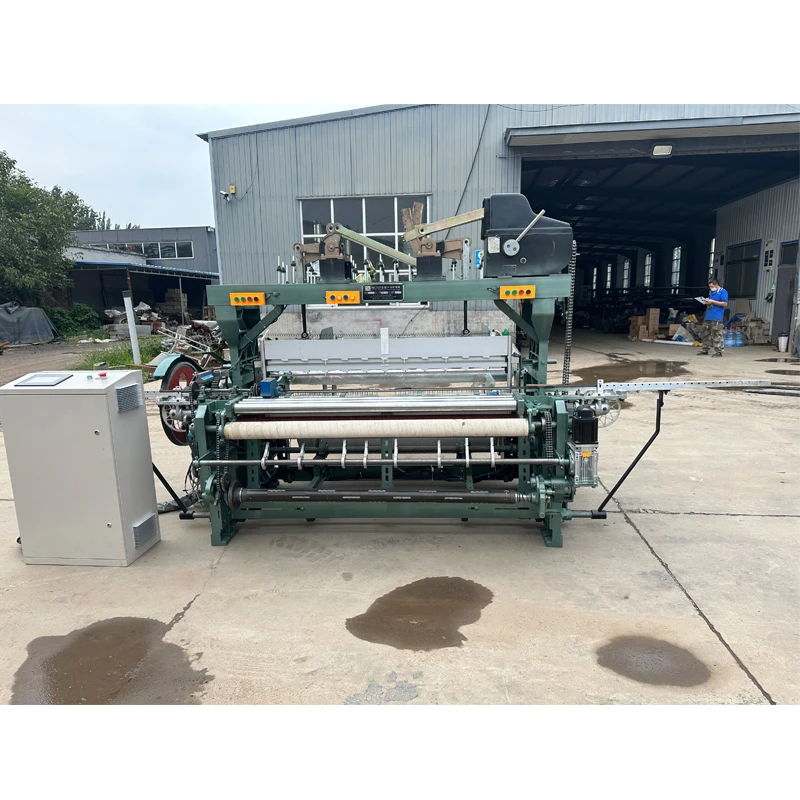



Exploring the Double Rapier Loom: A Veteran’s Take
Having spent well over a decade in the industrial equipment sector, I've seen all kinds of textile machinery come and go, but the double rapier loom holds a special place in my experience. It’s oddly fascinating how this piece of equipment—sometimes overlooked in favor of more modern air-jet or water-jet looms—keeps proving its relevance through sheer versatility and efficiency.
Now, you might wonder why this loom is still a go-to choice in many weaving mills around the world. Frankly, it’s all about reliability and adaptability. The double rapier system smoothly handles a wide variety of yarns—from fine cottons to heavier synthetics—without the fuss some other looms encounter.
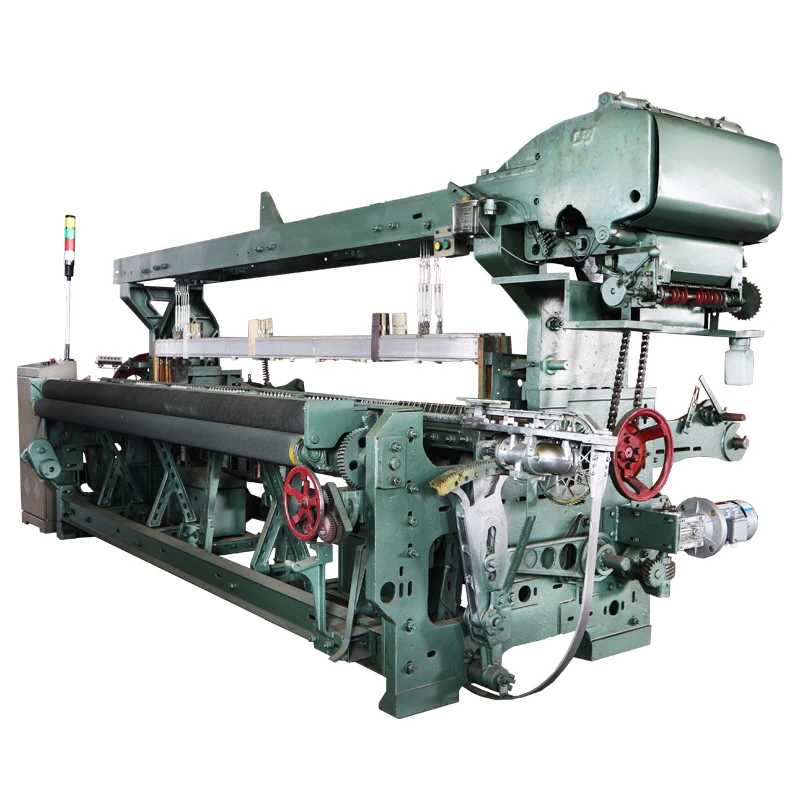
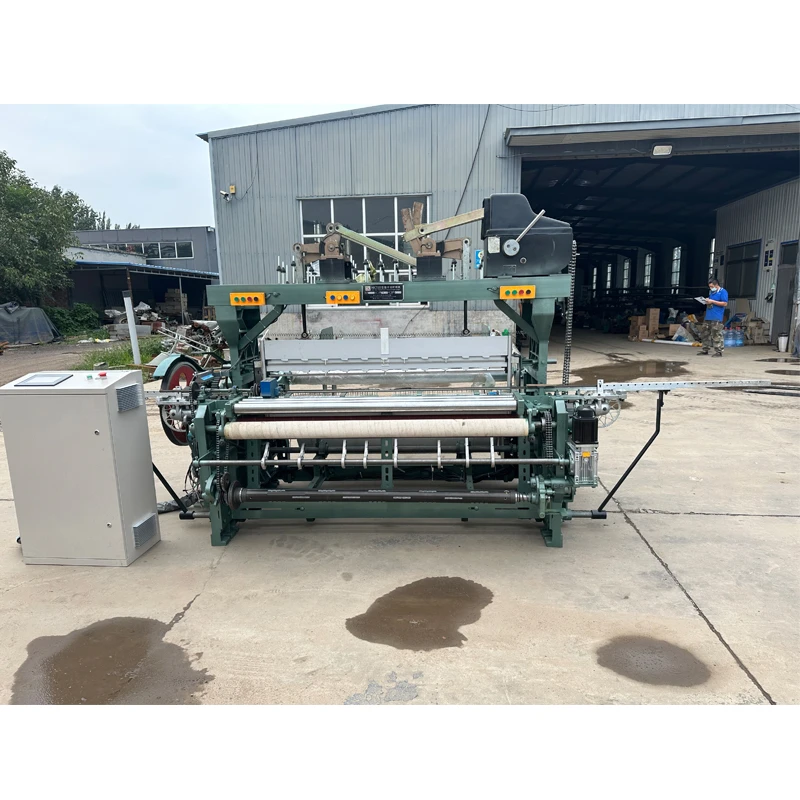
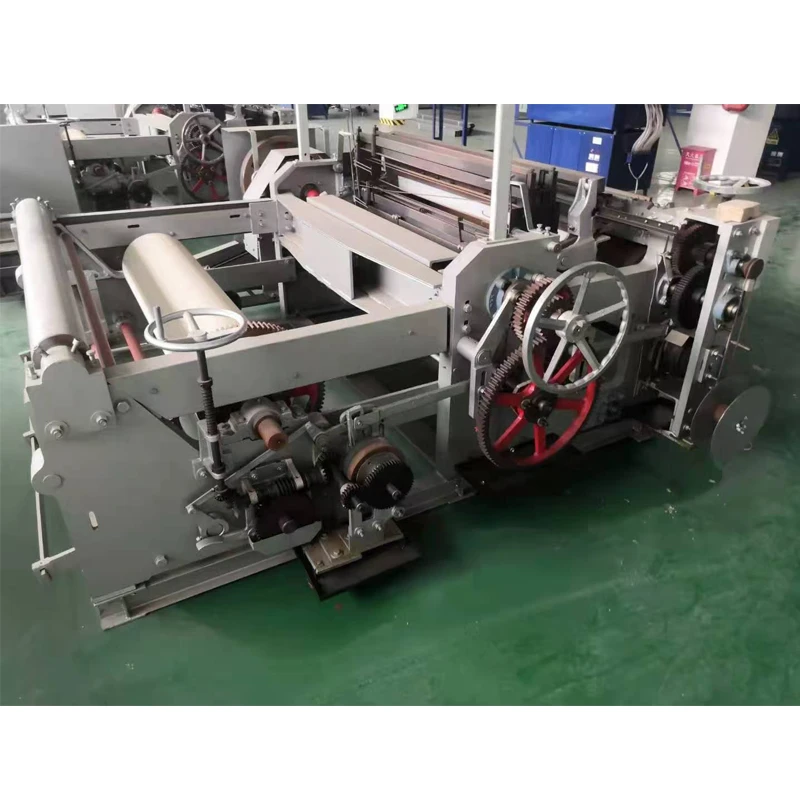
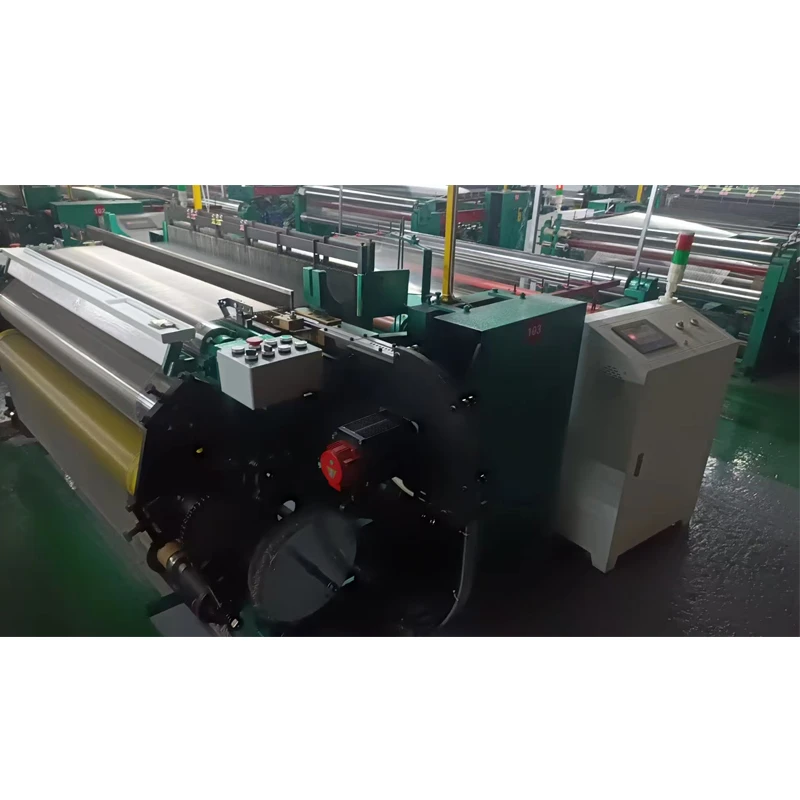
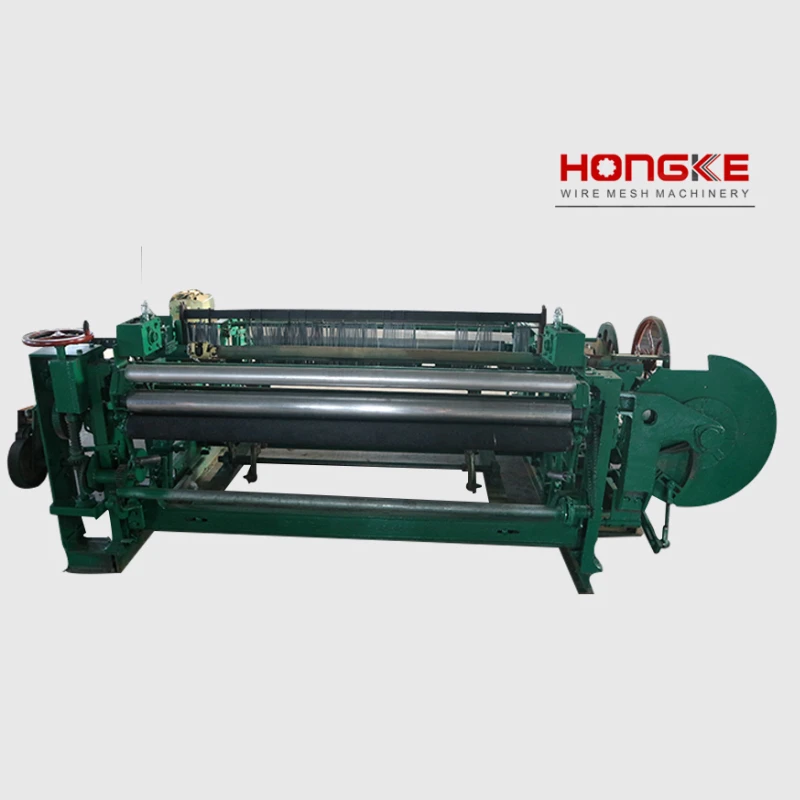
In real terms, double rapier looms use two slender, sword-shaped carriers (the rapiers) that insert the weft yarn through the warp shed by passing it from one side to the other. This bicameral weaving method reduces yarn tension and breakage, which, for operators, means less downtime and better quality fabric. Many engineers I've talked to say it’s a “workhorse” that can run multiple shifts without acting up. I'd add that its design simplicity helps with maintenance too — critical when you don't have hours to spare for repairs.
Here’s a quick overview of some typical specs. What stands out is the balance between speed and flexibility:
| Specification | Details |
|---|---|
| Max Weaving Speed | 600 - 700 picks per minute |
| Weft Yarn Types | Cotton, polyester, wool, blended yarns |
| Fabric Width Capacity | Up to 320 cm |
| Power Consumption | Approximately 2.5 kW per loom |
| Control System | PLC with touchscreen interface |
I remember advising a mid-size mill in Southeast Asia that was switching to double rapier looms for their diverse product lines. They were producing upholstery fabrics one week and lightweight shirting the next. The shift versatility offered by these looms was a game-changer for them—less retooling, less waste. That kind of flexibility means the difference between gaining new clients and just maintaining the status quo.
Customization is quite a selling point too—vendors often tailor power ratings, fabric widths, or add features like automatic selvage formation and weft breakage detection, depending on mill needs. In a sector where every minute of uptime counts, these tweaks really improve operational fluidity.
With so many options in the market today, choosing the right vendor can feel overwhelming. I've scoured many brands, and here’s a side-by-side I find helpful—consider it a starting point rather than gospel:
| Vendor | Price Range | Service & Support | Customization Options | Technology Level |
|---|---|---|---|---|
| APHK Machinery | $$$ | Excellent, worldwide | High – tailored control systems | State-of-the-art PLC controls |
| Vendor B | $ - $$ | Good, regional | Moderate | Basic automation |
| Vendor C | $$ | Fair, limited | Low | Mechanical focus |
Of course, price isn't everything. The after-sales service, ease of getting replacement parts, and the technology built into the loom can mean many months or years of smooth operation—or frustrating stoppages. I suppose that’s why I tend to recommend trusted names like APHK Machinery when clients want a solid balance of quality and support.
To sum it up, if you’re in the textile business and juggling multiple fabrics or yarn types, a double rapier loom may well be your best friend. It’s efficient without being overly complex. Plus, with advances in automation, the traditional double rapier is becoming smarter, easier to control, and even more productive.
In a world largely obsessed with speed, sometimes it’s the steady, reliable workhorses reminding us why they still matter. I’ve learned that firsthand — after all, machinery that earns trust on the factory floor rarely needs fancy marketing to prove itself.
Happy weaving!
References
- Textile World Magazine – Trends in Loom Technologies
- APHK Machinery Product Manuals & Brochures
- Interviews with Industry Engineers (2015-2023)