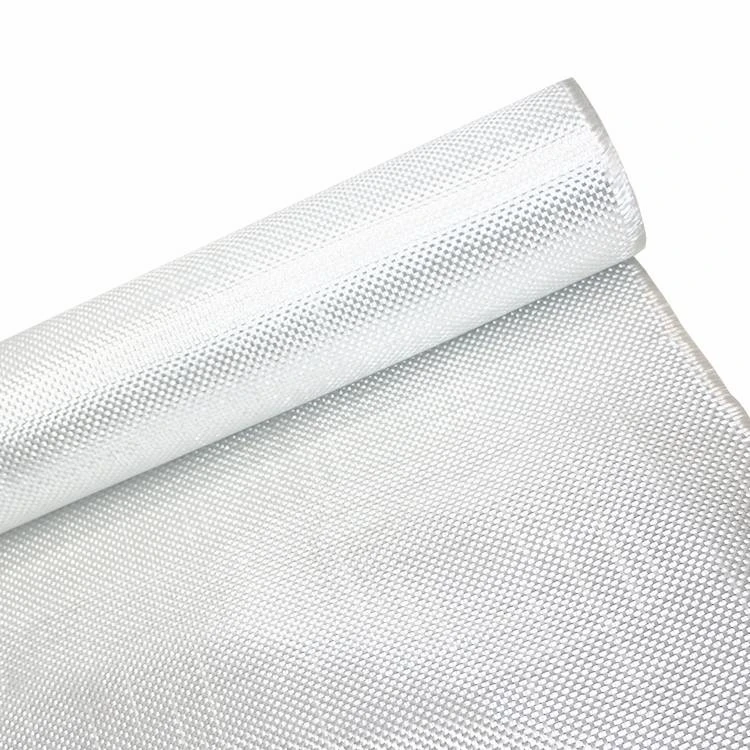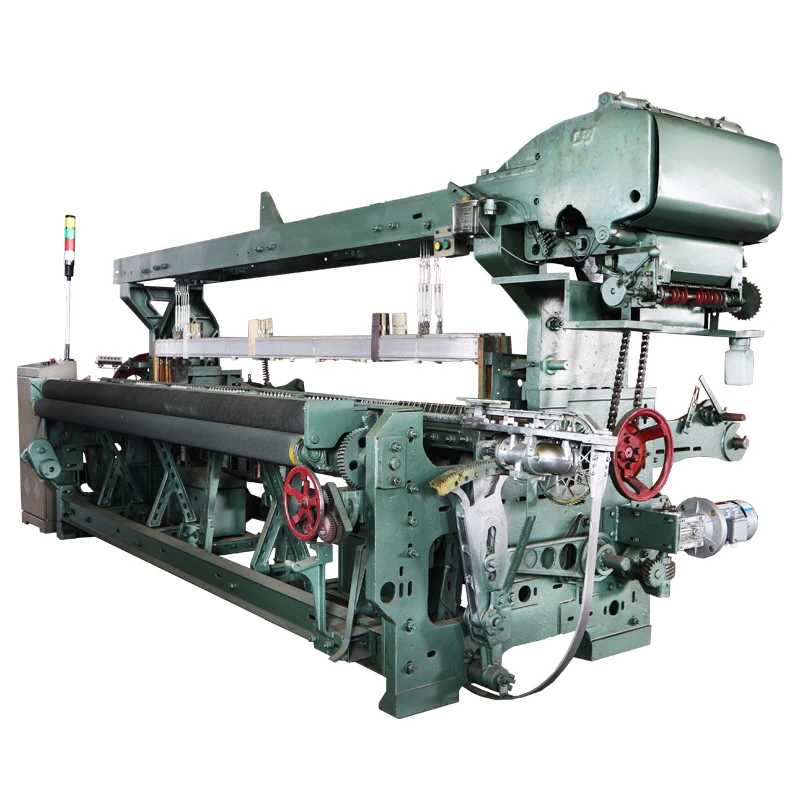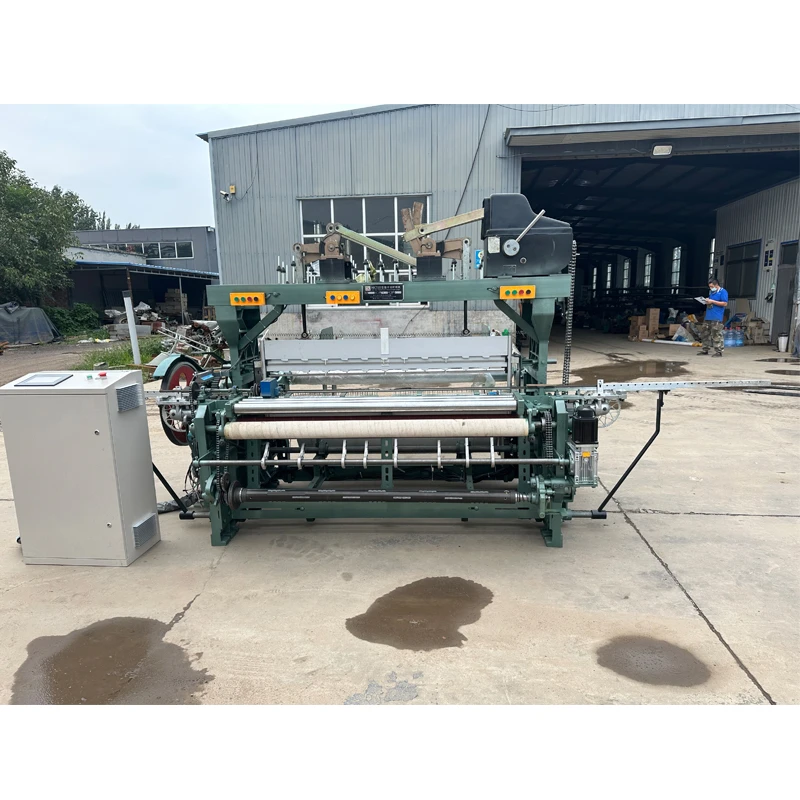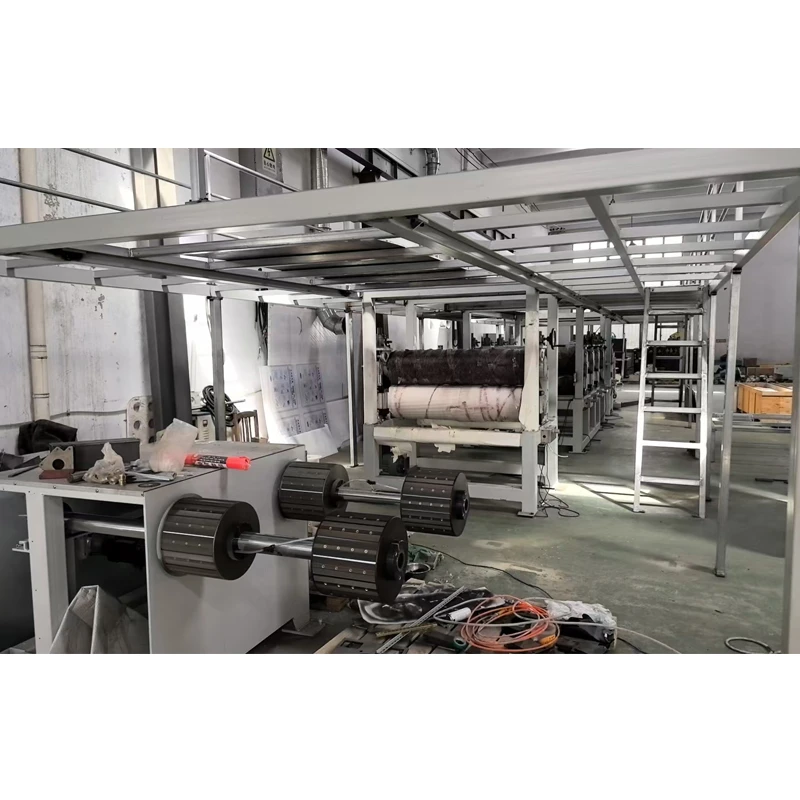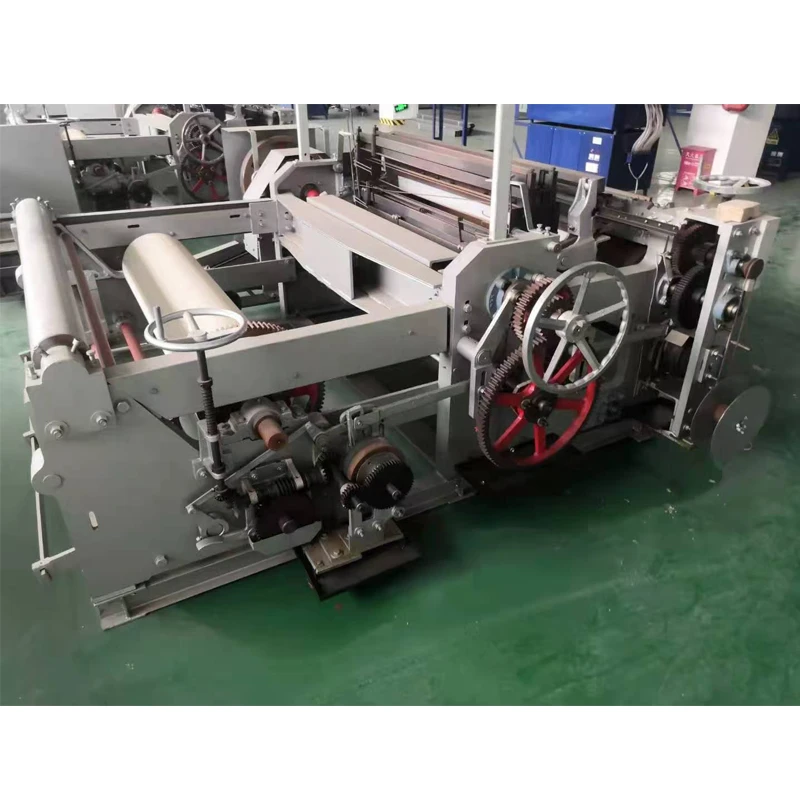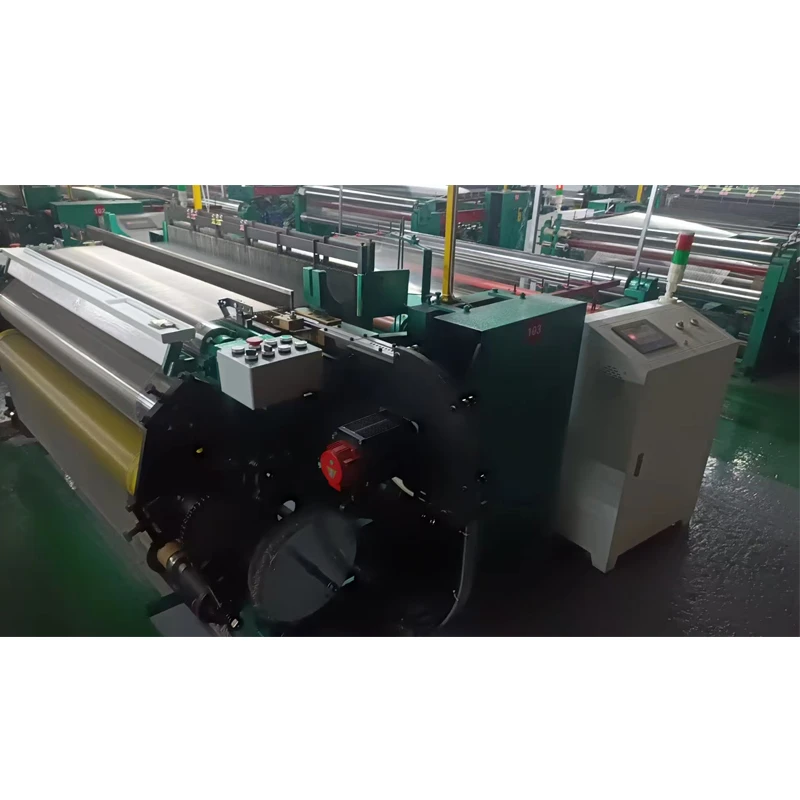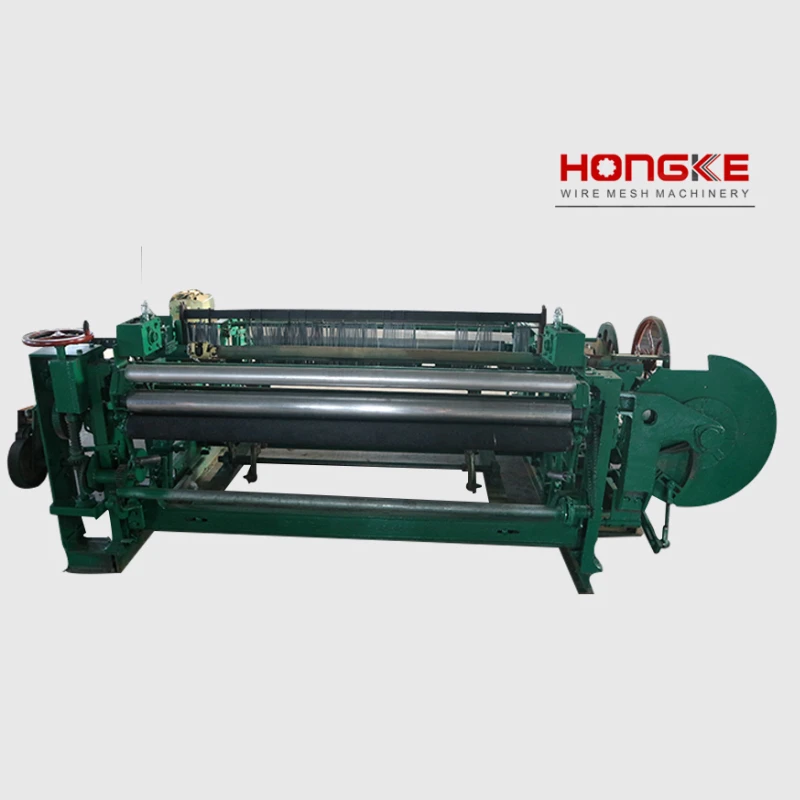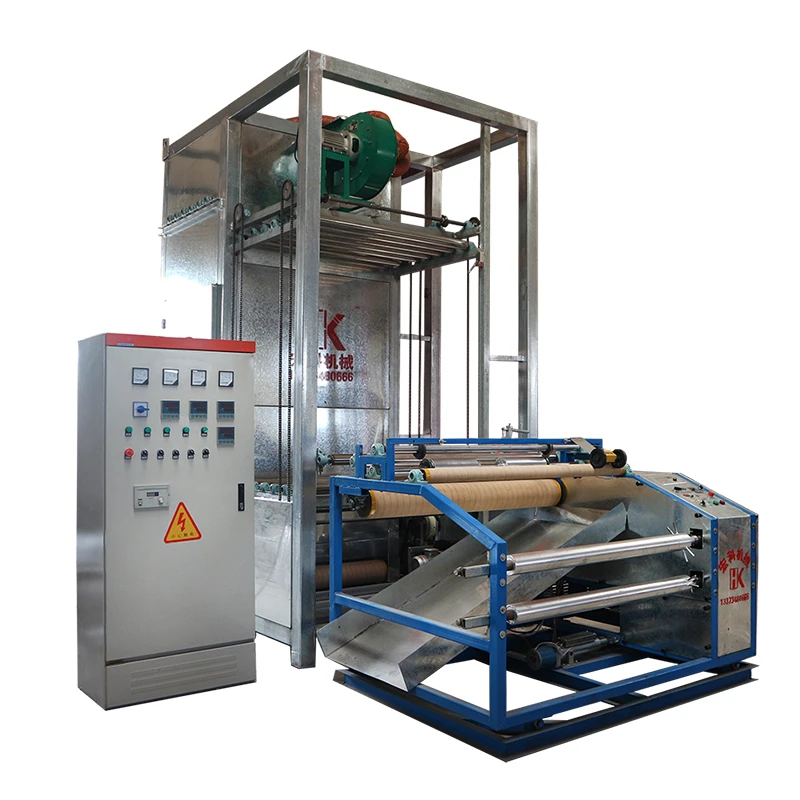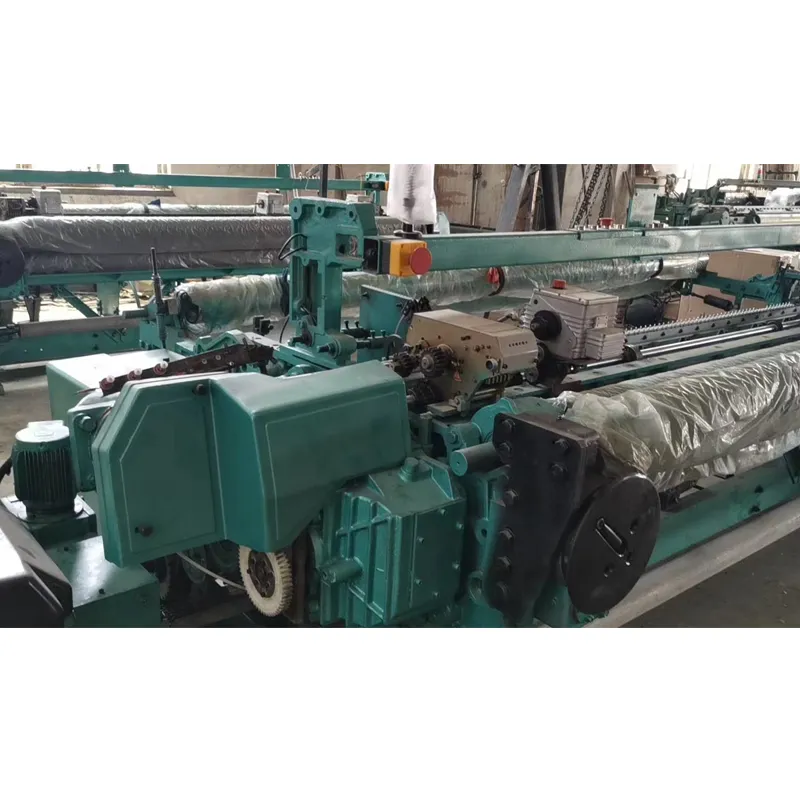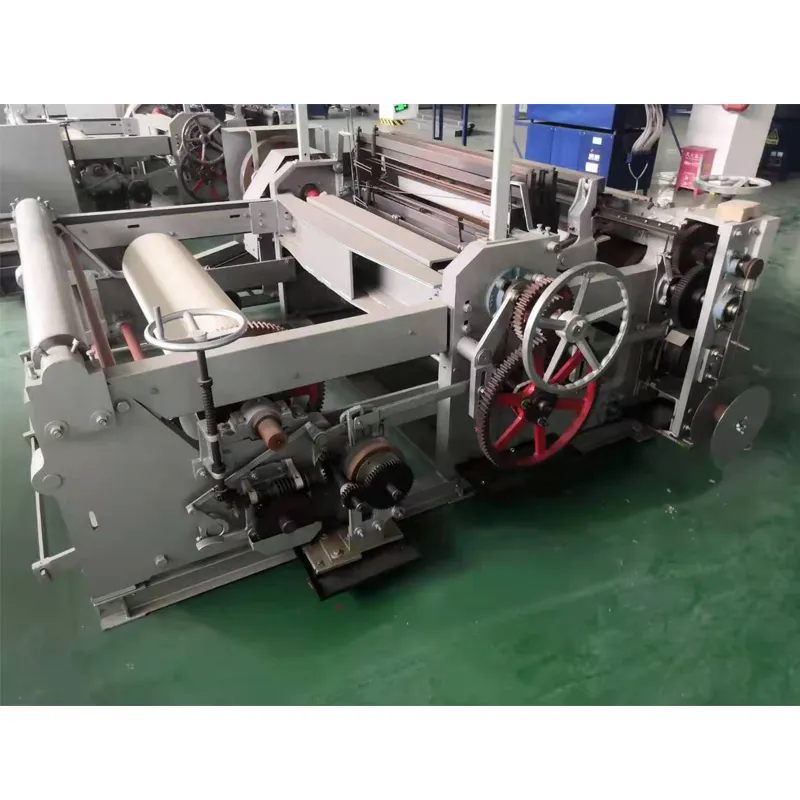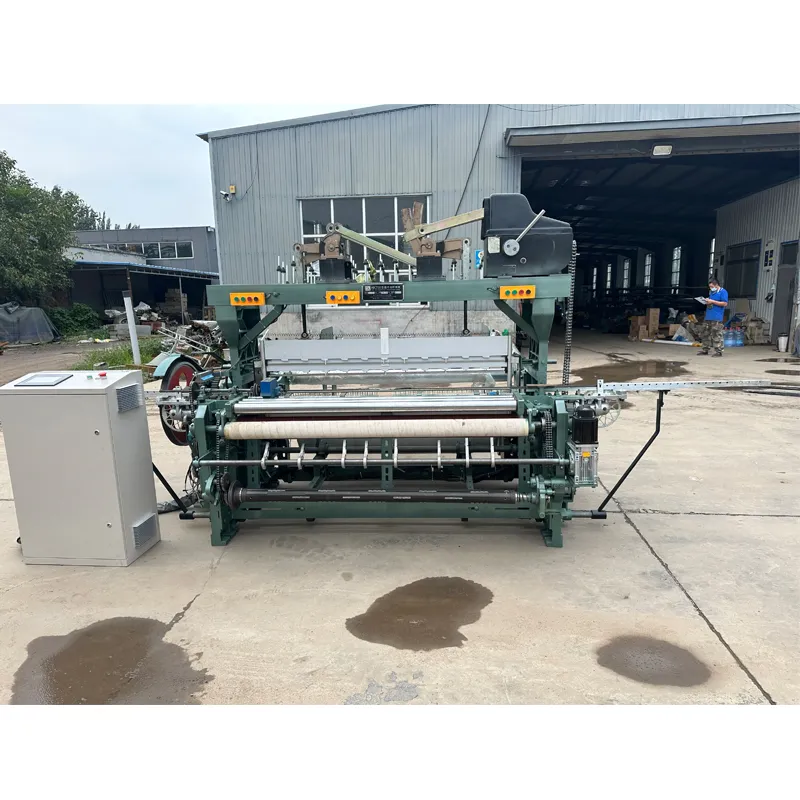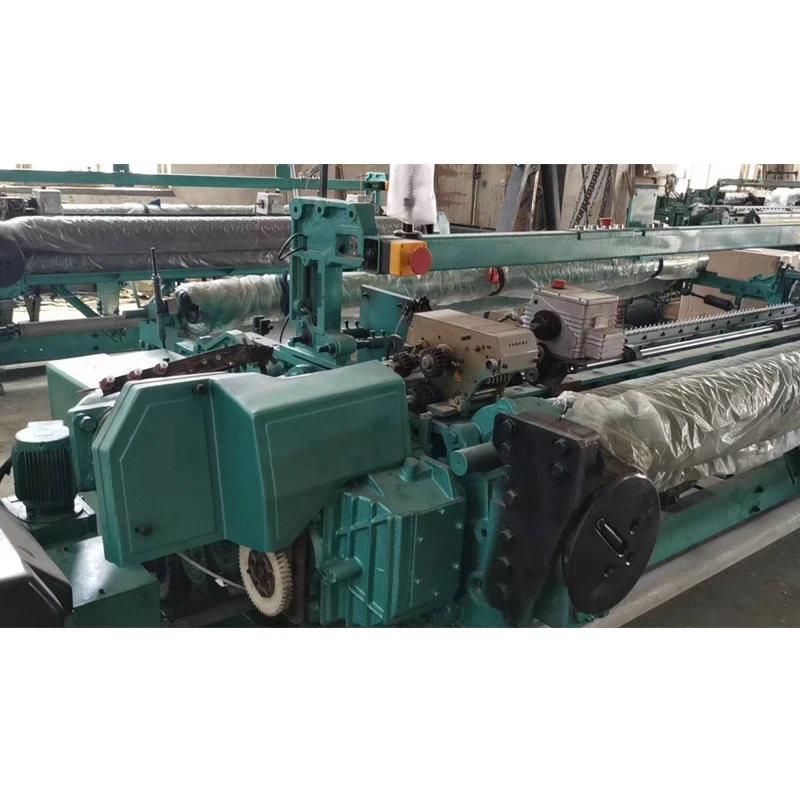



Rapier Power Loom Machine is a key solution in the industry, specifically within textile manufacturing. This article explores how aphkmachinery.com supports professionals with durable, high-performance products, and explains why this product is an ideal choice for businesses in these sectors.
Table of Contents
- Rapier Power Loom Machine Overview
- Benefits & Use Cases of Rapier Power Loom Machine
- Cost, Maintenance & User Experience
- Sustainability & Market Trends
Rapier Power Loom Machine Overview
The Rapier Power Loom Machine is sort of the unsung hero in modern textile manufacturing, especially when quality and versatility matter. It’s designed to weave fabrics using two rapiers to transport the weft yarn through the shed, which gives better control compared to older shuttle looms. Oddly enough, it combines speed with flexibility, adapting well to different yarns and fabric designs — this has made it a favorite for diverse production lines.
Manufactured with precision components, the machine's technical specs often include a weaving width ranging from 1.8 to 3.2 meters and operating speeds up to 250 picks per minute. A case study from a mid-sized textile mill showed a 20% increase in output and notable energy savings after switching to a rapier power loom from conventional alternatives.
| Specification | Details |
|---|---|
| Weaving Width | 1.8 – 3.2 meters |
| Operating Speed | Up to 250 picks/min |
| Power Consumption | Approx. 2.5 kW |
| Yarn Compatibility | Cotton, polyester, blends |
| Control System | PLC-based automation |
Benefits & Use Cases of Rapier Power Loom Machine
In real terms, the rapier power loom shines across a range of industrial textile applications. It’s particularly useful for producing high-quality fabrics where precision weaving is crucial — think upholstery, technical textiles, and fashion fabrics requiring intricate patterns or mixed fibers.
Key advantages include minimal yarn wastage thanks to the smooth weft insertion, greater reliability with fewer mechanical stoppages, and the ability to weave with a variety of complex yarns. What’s spectacular is how the machine balances performance with reduced energy costs, which is something that many factory managers have marveled over after swapping out older models.
Vendor Comparison
| Feature | APHK Machinery | Competitor A | Competitor B |
|---|---|---|---|
| Weaving Speed | Up to 250 picks/min | 230 picks/min | 240 picks/min |
| Energy Efficiency | High, 2.5 kW consumption | Medium | Medium-high |
| Automation Level | PLC-based with user-friendly interface | Semi-automated | PLC-based but complex UI |
| Customer Support | 24/7 technical assistance | Business hours only | Limited support |
Cost, Maintenance & User Experience
Frankly, when making a B2B investment, the total cost of ownership is front and center. The Rapier Power Loom Machine often surprises buyers on the upside here. While the initial cost might be slightly higher than more traditional looms, the durability and reduced downtime create a faster ROI. You know how costly it can get when machines require constant maintenance or frequent part replacements — this machine’s sturdy construction cuts into those costs significantly.
User feedback I've come across highlights how operators appreciate the simplified maintenance routines. The availability of modular parts means servicing isn't a prolonged or complicated affair. Some clients told me that with proper upkeep, their units operate smoothly beyond five years without significant issues. Clearly, the machine has matured in design to account not just for output but the day-to-day realities shop floors face.
Sustainability & Market Trends
Textile industries worldwide are tightening regulations around energy consumption and waste management. Oddly enough, it’s not just the eco-conscious brands pushing this but also cost-conscious enterprises recognizing the advantages of green production. The Rapier Power Loom Machine fits well here as it uses less energy and minimizes yarn wastage compared with shuttle looms.
Market trends also indicate growing demand for technical textiles and smart fabrics, requiring machines that can handle complicated weaves reliably. That’s where rapier looms hold strong. Plus, there’s a shift towards automation and IoT-enabled monitoring — features that aphkmachinery.com incorporates in their latest models to stay on the curve. I suppose embracing this technology is no longer optional but necessary to stay competitive.
Frequently Asked Questions about Rapier Power Loom Machine
- What is Rapier Power Loom Machine and how does it work?
- It’s a weaving machine that uses two flexible arms called rapiers to carry the weft yarn through the warp threads. This method allows more precise control over yarn insertion compared to older shuttle systems, offering flexibility in fabric types and patterns.
- What are the main benefits of using Rapier Power Loom Machine in industrial applications?
- Its durability, ability to handle a wide variety of yarns, reduced energy consumption, and superior fabric quality – all contribute to higher productivity and cost savings in industrial environments.
- How does Rapier Power Loom Machine compare to traditional alternatives?
- Compared with shuttle looms, rapier looms are faster, quieter, and more adaptable to different fabrics. They typically have fewer mechanical failures and produce less waste, boosting efficiency.
- What industries can benefit most from Rapier Power Loom Machine implementation?
- Textile manufacturing industries producing fashion fabrics, home furnishings, automotive textiles, and technical or industrial fabrics gain the most. Many manufacturers in Asia and Europe rely on these machines to modernize their production.
Conclusion on Rapier Power Loom Machine from china
To wrap it up, the Rapier Power Loom Machine stands out as a compelling investment for textile industry leaders aiming to optimize production quality and costs. Its blend of robust engineering, automation readiness, and sustainability alignment makes it a forward-thinking choice. For any decision maker looking to future-proof their manufacturing floor, giving this machine a close look seems more than worthwhile.
- Recap the value of Rapier Power Loom Machine.
- - “Visit our website: https://www.aphkmachinery.com”
It’s always interesting to see how a somewhat niche machine quietly reshapes an entire industry sector. If you ask me, with the fast changes in market demands, embracing these advanced weaving technologies isn’t just smart — it’s necessary.
- Textile World Magazine, Industry Reports 2023
- APHK Machinery Customer Testimonials, 2023
- International Journal of Textile Engineering, Vol 19, 2022