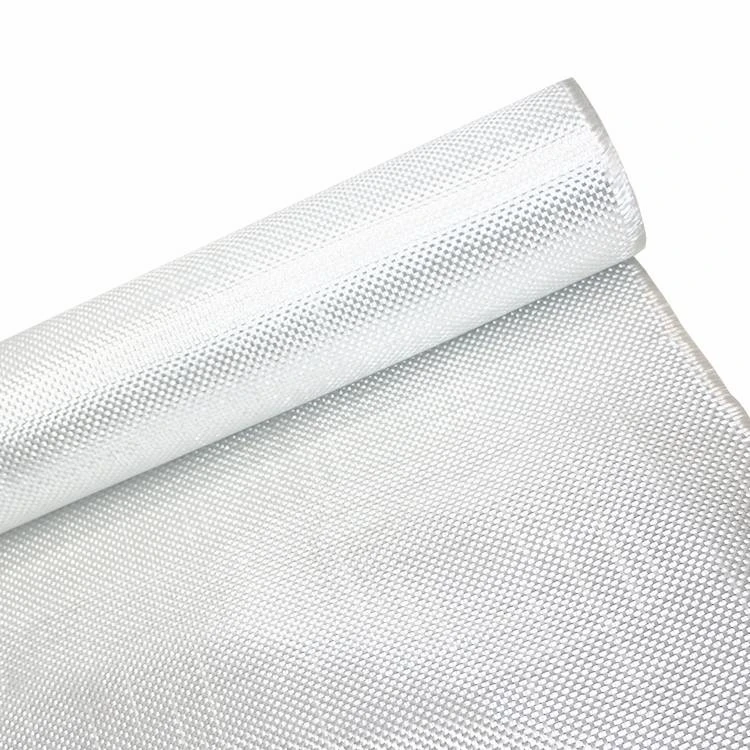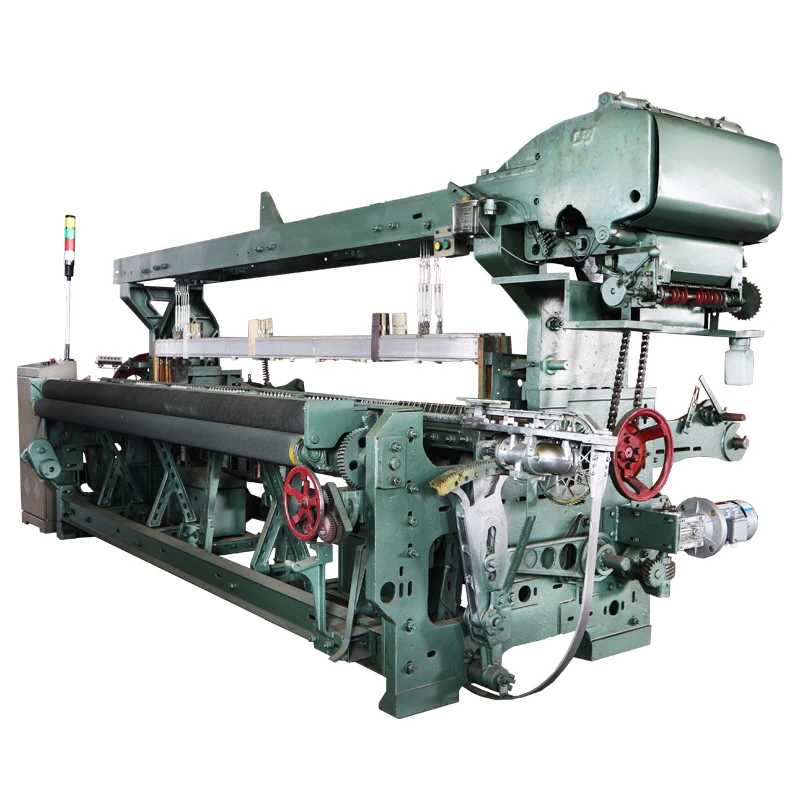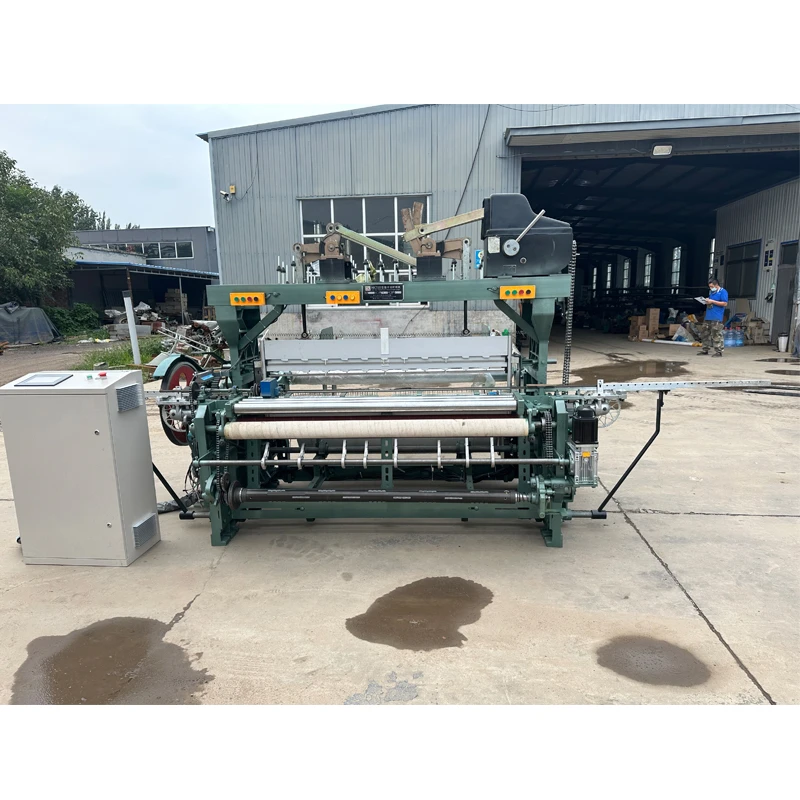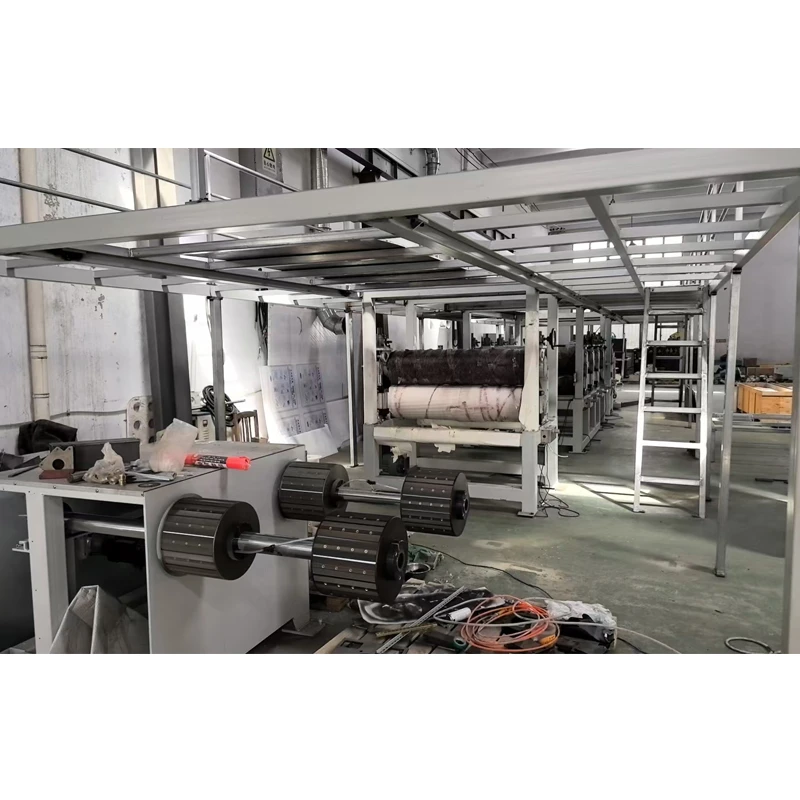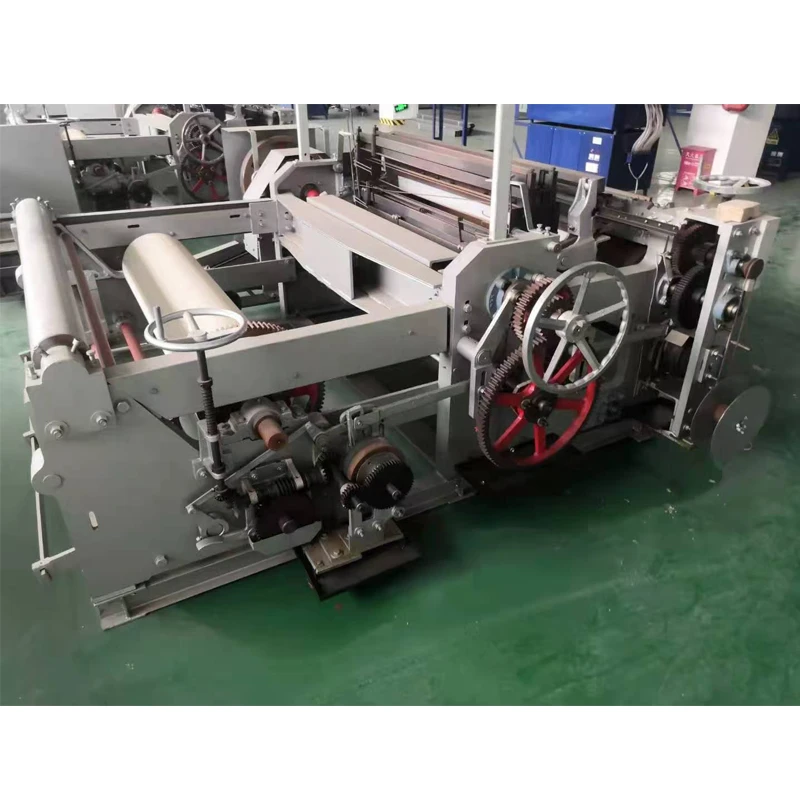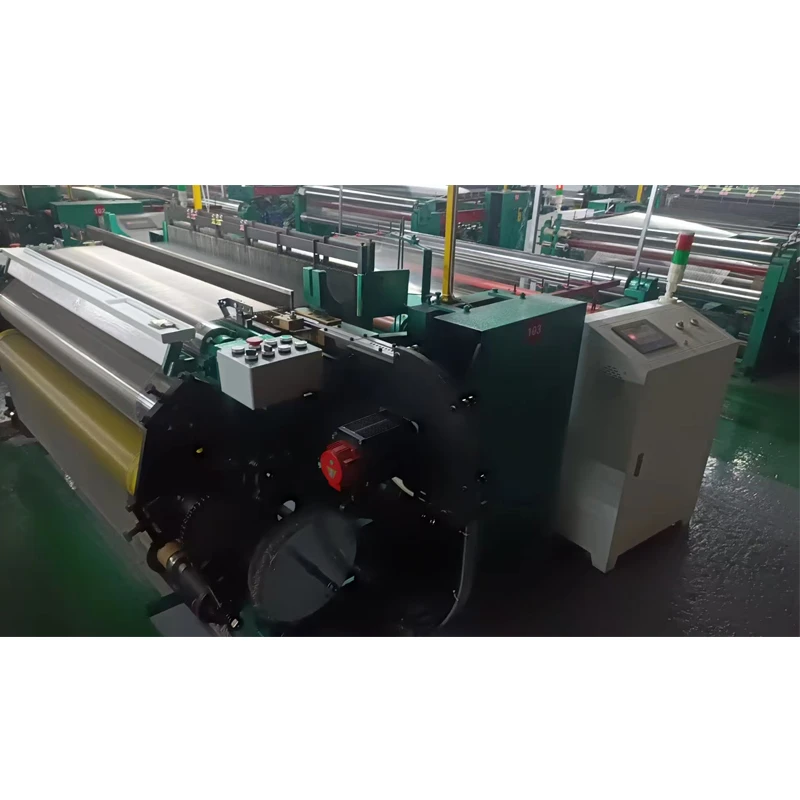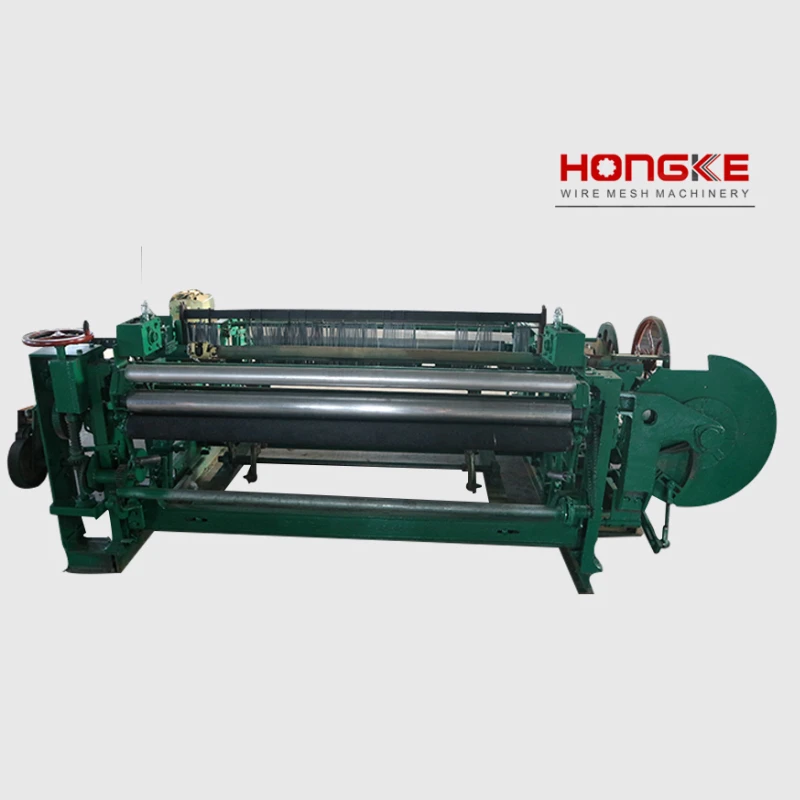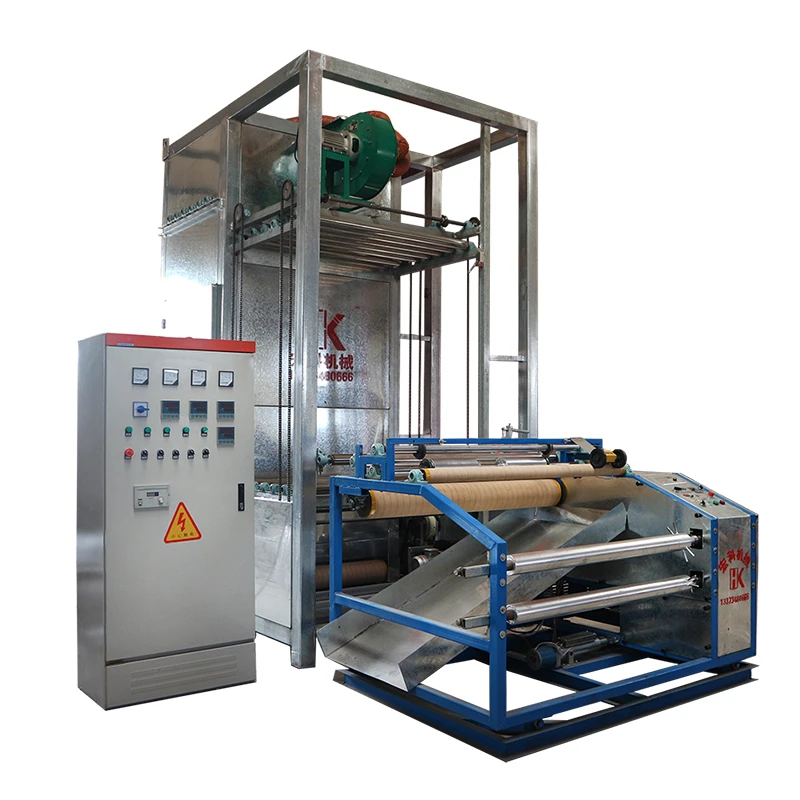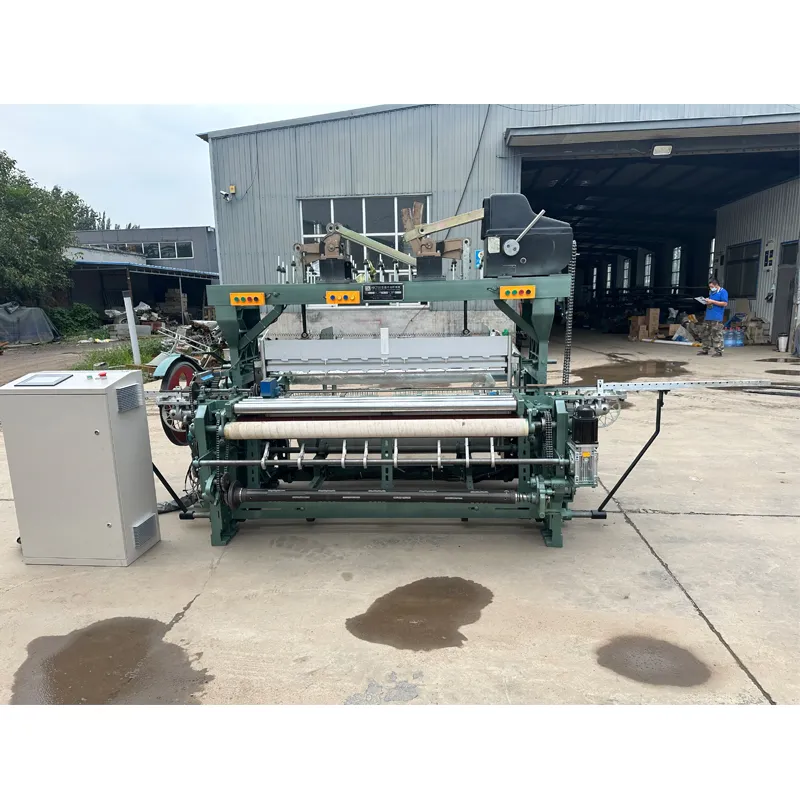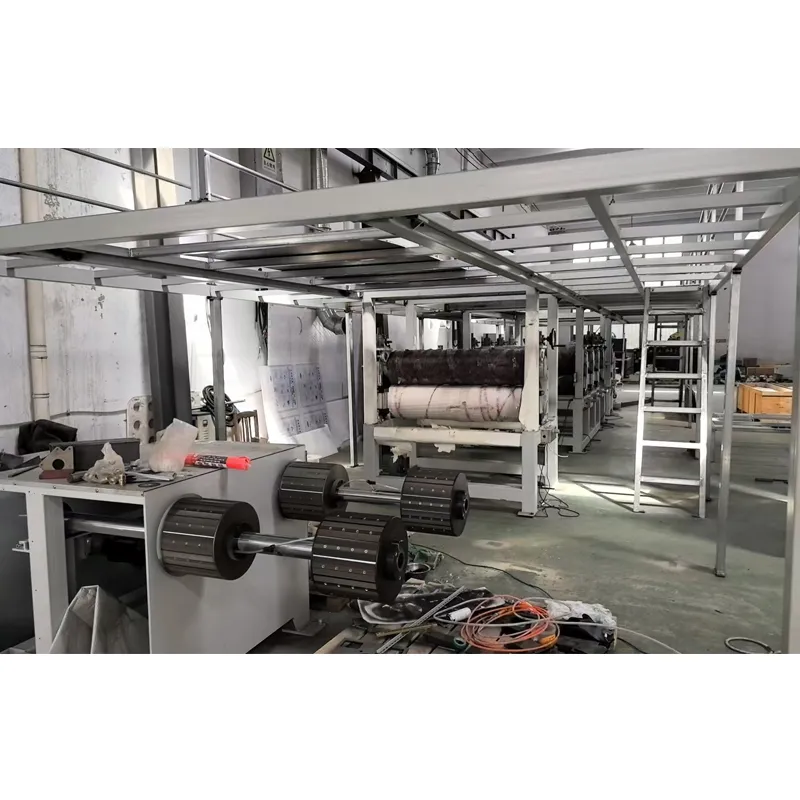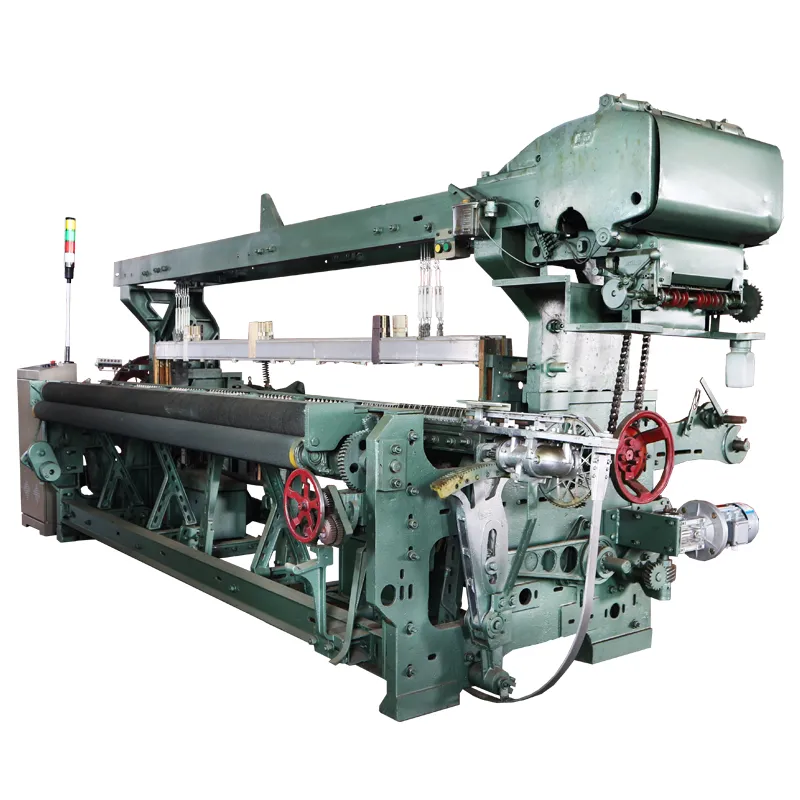



The demand for high-performance composite materials continues to surge across aerospace, automotive, and industrial applications. Carbon Fiber Mesh Rapier Looms and advanced carbon fiber machines are at the forefront of this revolution, enabling manufacturers to produce lightweight, ultra-strong carbon fiber mesh with precision and efficiency. These carbon weaving machines are engineered for high-volume production, ensuring consistent quality for bulk buyers and industrial wholesalers.
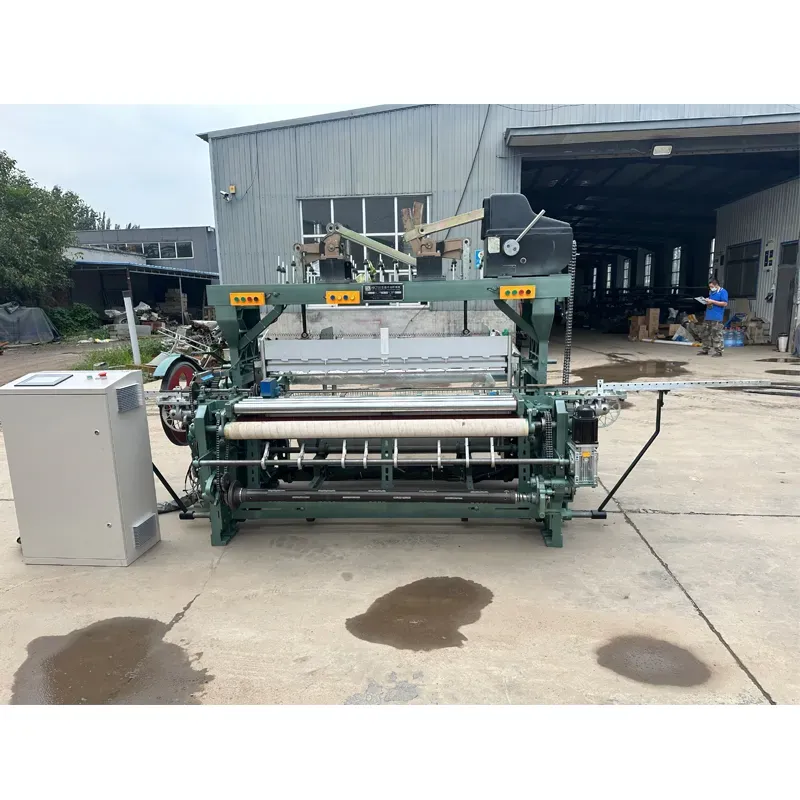
Key Innovations in Carbon Fiber Mesh Rapier Looms and Carbon Fiber Machines and Carbon Weaving Machines
- High-Speed Rapier Weaving:Modern Carbon Fiber Mesh Rapier Looms utilize advanced rapier systems for faster, more efficient weaving without compromising fiber integrity.
· Automated Tension Control: Carbon fiber machines integrate real-time tension adjustment to prevent fiber breakage and ensure uniform weave density.
· Multi-Layer Weaving Capability: Advanced carbon weaving machines can produce complex multi-layered fabrics for reinforced structural applications.
· Energy-Efficient Operation: Optimized motor systems reduce power consumption while maintaining high production output.
Primary Applications of Carbon Fiber Mesh Rapier Looms and Carbon Fiber Machines and Carbon Weaving Machines
- Aerospace:Lightweight structural reinforcement for aircraft panels and interior components.
· Automotive: High-strength composite parts for performance vehicles and electric car chassis.
· Industrial Manufacturing: Reinforced filtration meshes and industrial-grade protective barriers.
· Sports Equipment: Durable carbon fiber weaves for high-end bicycles, helmets, and rackets.
Why Invest in Advanced Carbon Fiber Mesh Rapier Looms and Carbon Fiber Machines and Carbon Weaving Machines?
- Superior Precision:Ensures consistent fiber alignment for maximum material strength.
· Scalable Production: Designed for high-volume output to meet bulk manufacturing demands.
· Low Maintenance Design: Durable components minimize downtime and servicing costs.
· Customizable Configurations: Adaptable to various fiber types and weave patterns.
Installation and Setup Guidelines for Carbon Fiber Mesh Rapier Looms and Carbon Fiber Machines and Carbon Weaving Machines
- Facility Requirements:Stable flooring, adequate ventilation, and proper electrical supply.
· Professional Calibration: Initial setup should include tension testing and alignment checks.
· Operator Training: Essential for maximizing efficiency and preventing fiber damage.
· Preventive Maintenance: Regular lubrication and inspection of critical components.
FAQs: Essential Insights on Carbon Fiber Mesh Rapier Looms and Carbon Fiber Machines and Carbon Weaving Machines
- What production capacity can be expected from Carbon Fiber Mesh Rapier Looms and carbon fiber machines and carbon weaving machines?
Industrial-grade Carbon Fiber Mesh Rapier Loomstypically produce 50-150 linear meters per hour, depending on weave complexity, making them ideal for bulk manufacturing.-
How do carbon fiber machines and carbon weaving machines ensure consistent weave quality?
Automated sensors monitor tension, alignment, and fiber feed in real time, adjusting parameters dynamically to maintain uniformity across production runs.-
Can Carbon Fiber Mesh Rapier Looms and carbon weaving machines handle different fiber thicknesses?
Yes, advanced models support fiber diameters ranging from 3K to 12K tow, with adjustable settings for custom weave densities.-
What maintenance routines maximize uptime for Carbon Fiber Mesh Rapier Looms and carbon fiber machines?
Scheduled cleaning of fiber guides, monthly bearing inspections, and software updates for automated systems ensure optimal performance.-
Are Carbon Fiber Mesh Rapier Looms and carbon weaving machines suitable for small-batch specialty production?
Modular configurations allow for smaller runs while maintaining efficiency, making them viable for niche composite applications.
Investing in high-performance Carbon Fiber Mesh Rapier Looms and carbon fiber machines ensures competitive advantage in the composite materials market. These carbon weaving machines deliver precision, scalability, and durability—critical factors for industrial wholesalers and bulk manufacturers. By integrating advanced weaving technology, businesses can meet growing demand for high-strength carbon fiber mesh across multiple industries.