


Innovations in Carbon Fiber Manufacturing: Current Trends and Future Outlook
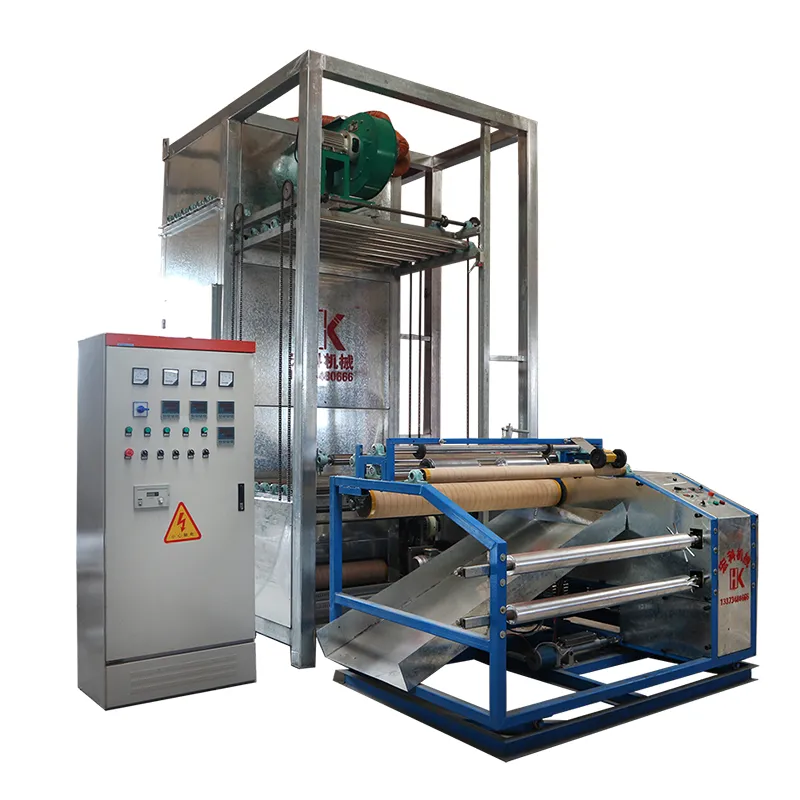
The global market for carbon fiber composites is experiencing robust growth, driven by escalating demand across aerospace, automotive, wind energy, and civil engineering sectors. This surge is primarily attributed to carbon fiber's unparalleled strength-to-weight ratio, superior stiffness, and excellent fatigue and corrosion resistance. Recent industry trends indicate a strong push towards automation, increased production efficiency, and the development of more sustainable manufacturing processes for carbon fiber materials. The advancements in weaving technologies, particularly for intricate 3D structures and preforms, are pivotal in expanding the application scope of these advanced materials, ensuring high performance in critical applications.
Key trends influencing the carbon fiber machine sector include the integration of artificial intelligence and machine learning for predictive maintenance and quality control, the optimization of rapier and shuttleless weaving systems for higher speeds and broader material compatibility, and the adoption of digital twin technologies for process simulation. Furthermore, the increasing focus on cost reduction without compromising performance is leading to innovations in both fiber production and the machinery used to process them into complex textiles. These developments collectively enhance the efficiency and versatility of the entire carbon fiber value chain.
The Manufacturing Process of Advanced Carbon Fiber Textiles
The creation of high-performance carbon fiber textiles using a carbon fiber machine involves a sophisticated multi-stage process, meticulously designed to maintain the integrity and enhance the properties of the delicate carbon filaments. This process ensures the resulting fabric meets stringent industry standards for strength, durability, and uniformity, essential for applications where material failure is not an option. Each step requires precision engineering and advanced control systems to handle the unique characteristics of carbon fibers.
1. Raw Material Preparation and Creeling
High-modulus carbon fiber tows, typically supplied on large spools, are carefully loaded onto the creel system of the weaving machine. Precision tension control at this stage is critical to prevent fiber breakage or deformation, ensuring consistent feeding into the weaving mechanism. Materials used are primarily aerospace-grade PAN-based carbon fibers, characterized by high tensile strength (e.g., exceeding 4.9 GPa for T800 equivalent fibers) and modulus (e.g., >250 GPa). The creeling process is often automated to reduce human error and maintain uniform tension across hundreds, or even thousands, of individual warp ends.
2. Warp Preparation (Warping and Sizing)
The individual carbon fiber ends from the creel are then gathered and wound onto a warp beam, forming the longitudinal threads of the fabric. During this warping process, sizing agents—polymer coatings applied to the fiber surface—may be applied to improve their abrasion resistance, adhesion to matrix resins, and handling characteristics during weaving. This step is crucial for minimizing fuzz, preventing inter-filament damage, and ensuring smooth passage through the loom's components. Modern systems employ advanced laser-guided warping and precise winding tension to achieve perfect alignment and uniform density on the warp beam.
3. Weft Insertion (Rapier Mechanism)
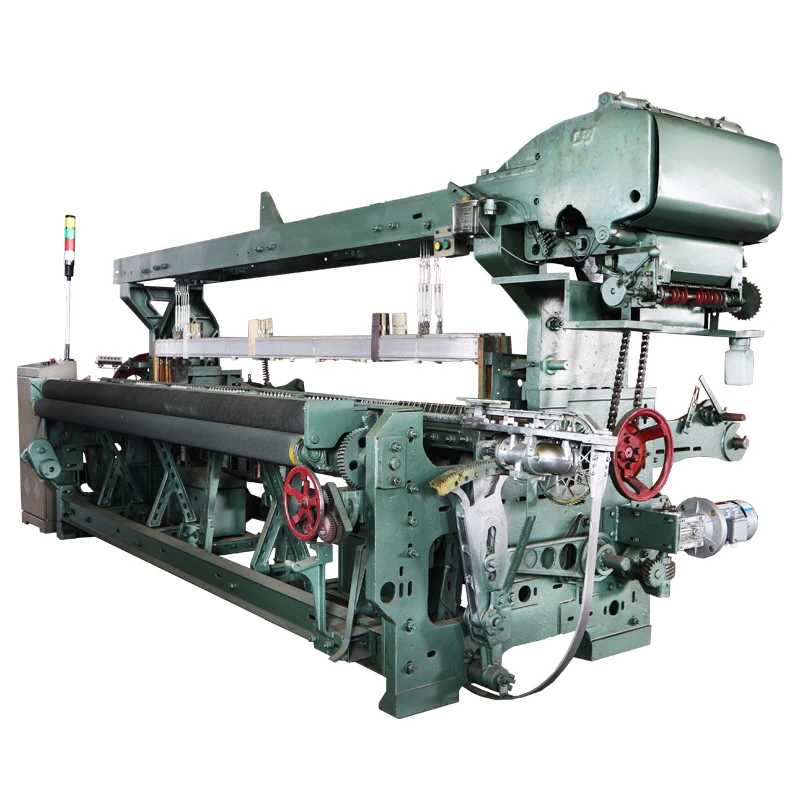
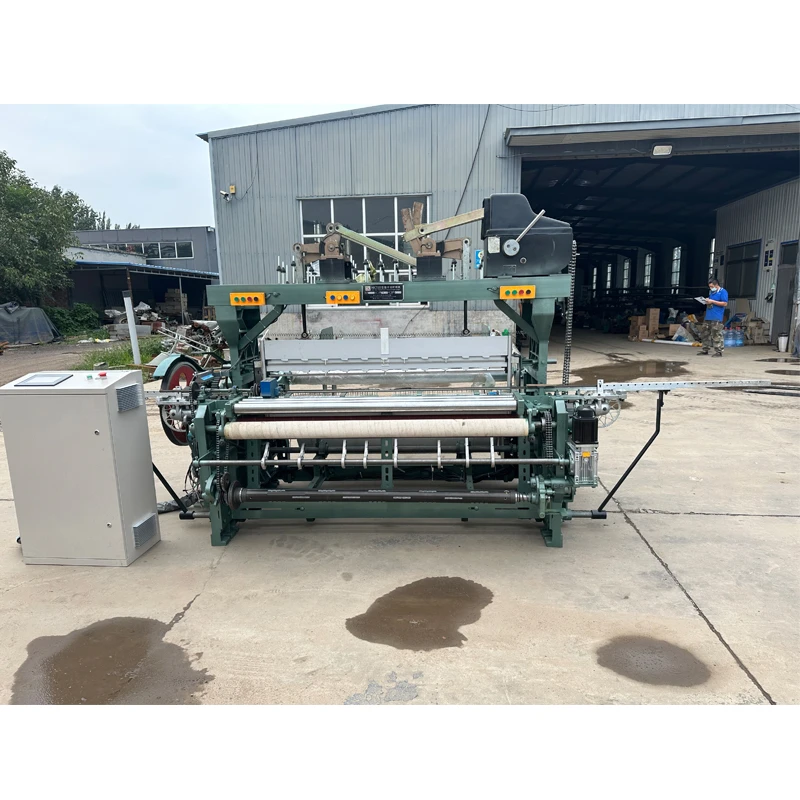
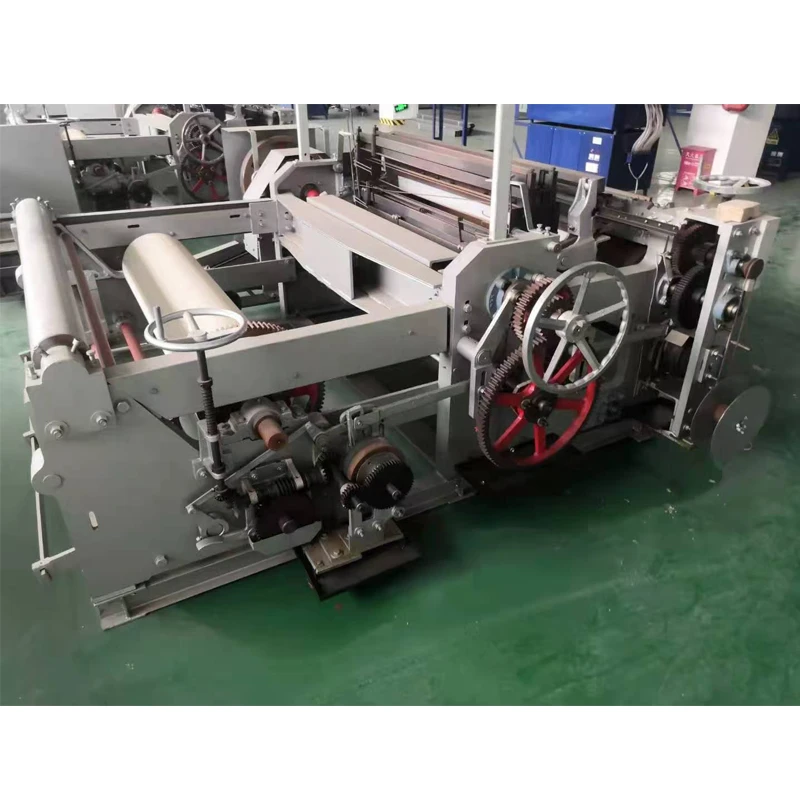
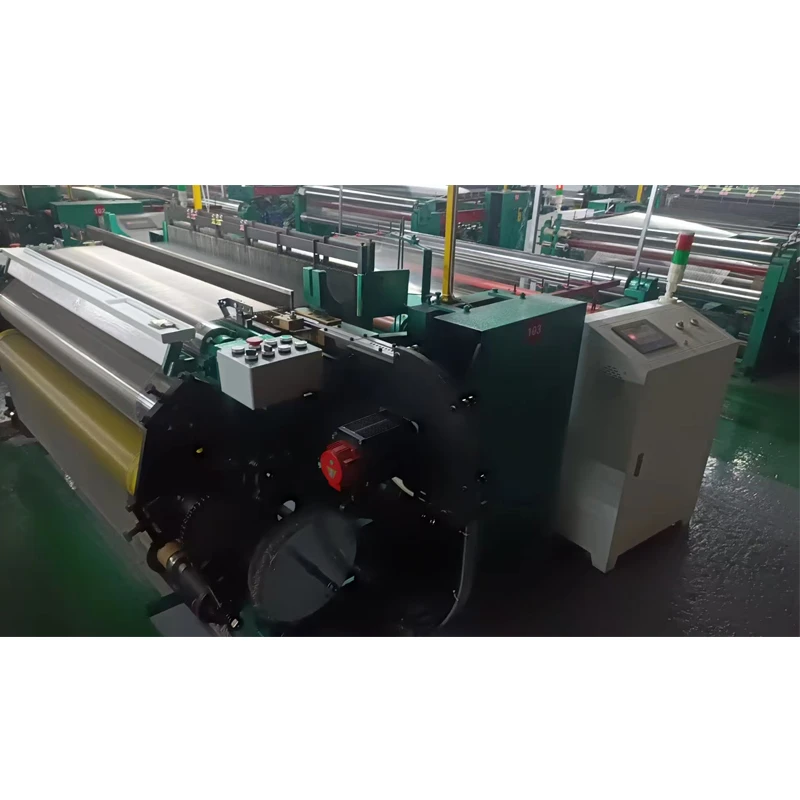
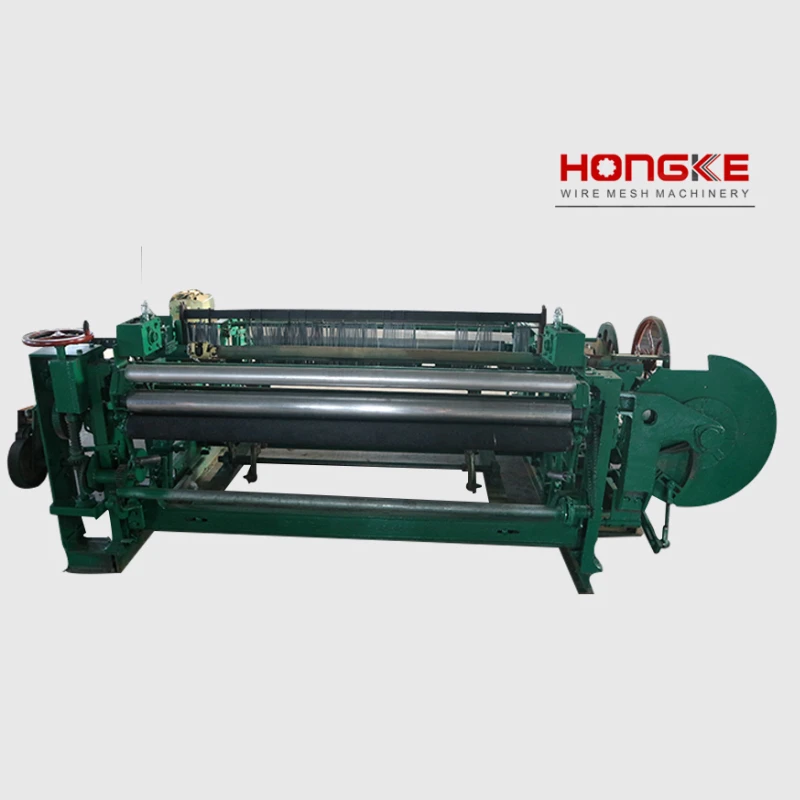
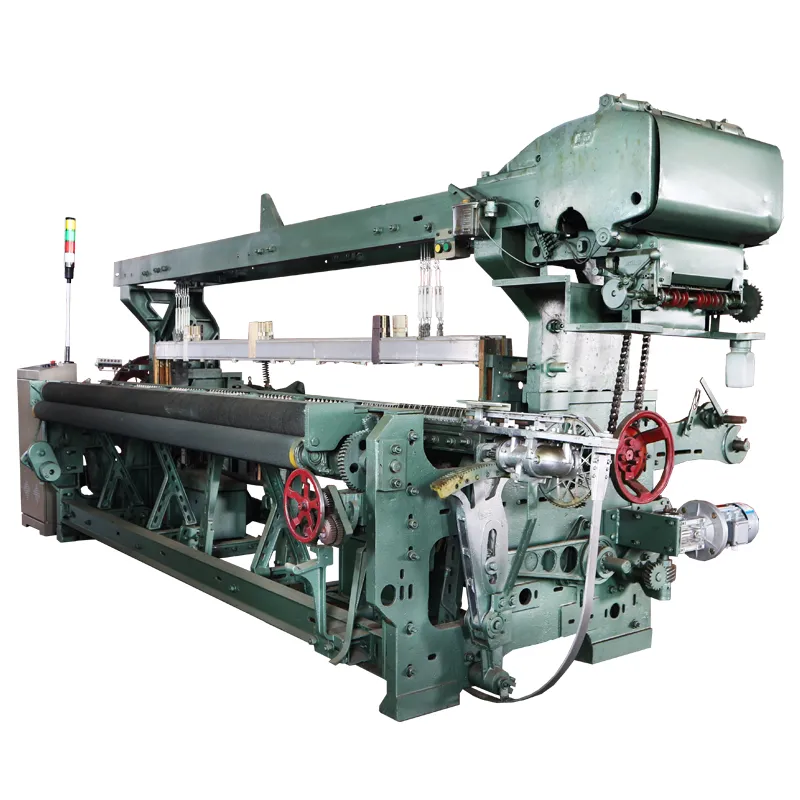
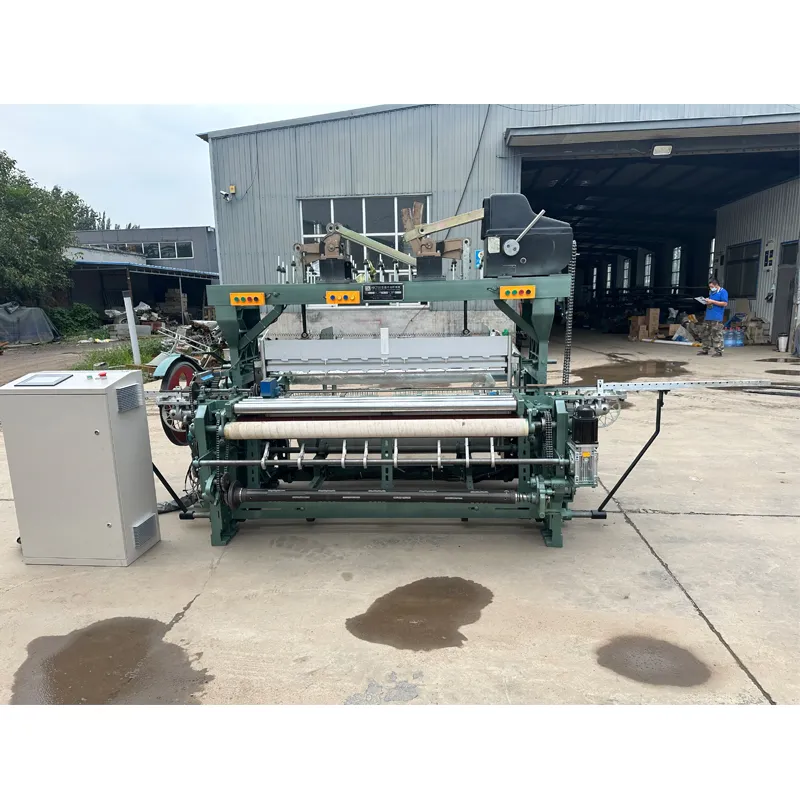
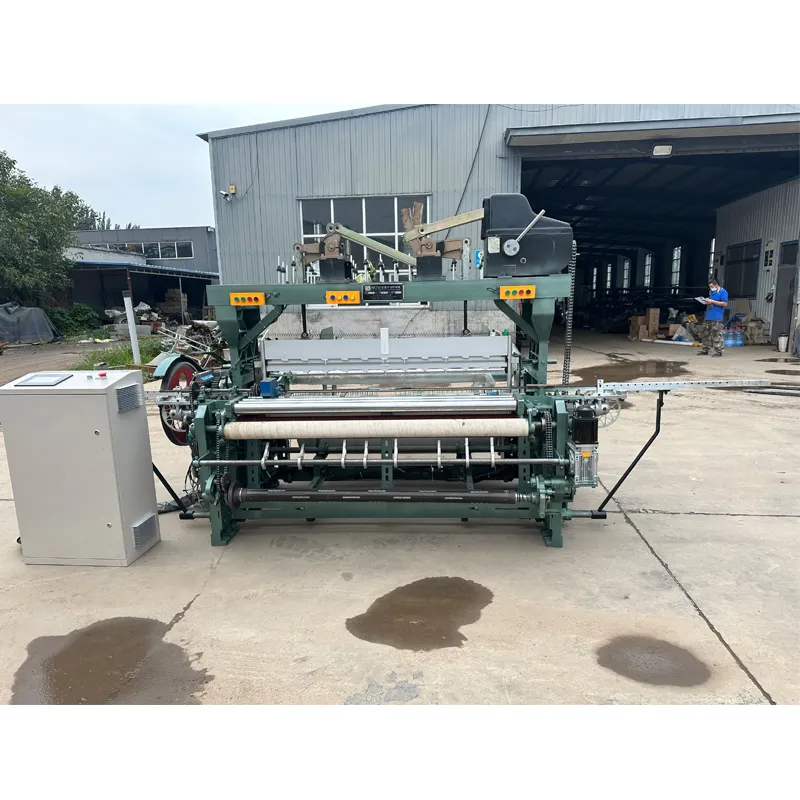
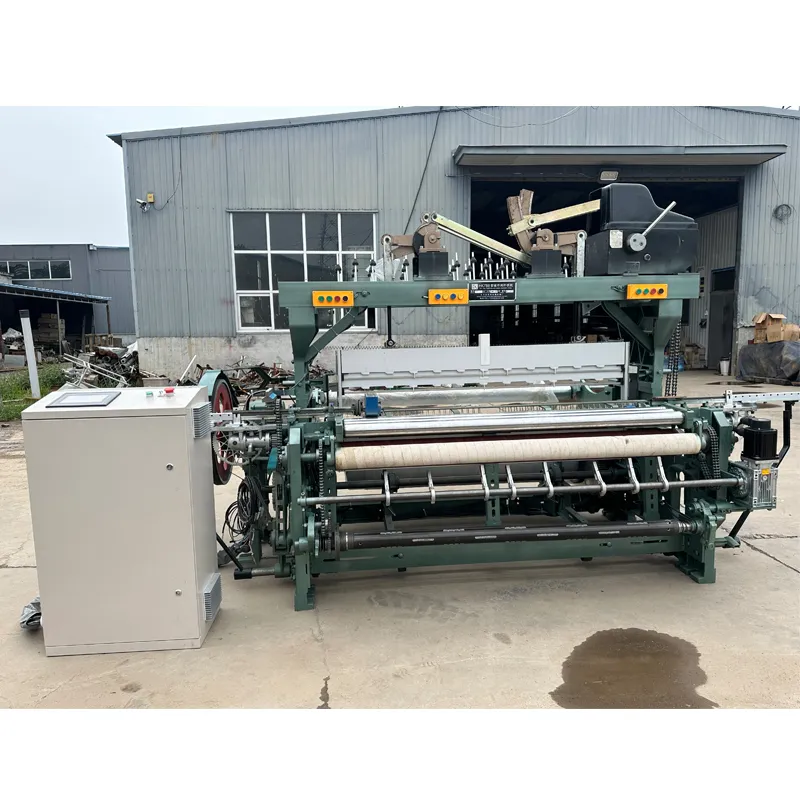
For a carbon fiber weaving machine like the Carbon Fiber Mesh Rapier Loom, the weft (filling) threads are inserted across the warp through a rapier system. This mechanism precisely grips the weft yarn and carries it across the shed (the opening formed by the separated warp threads). The rapier loom offers superior control over weft tension and allows for a wider range of yarn types and counts, which is critical for delicate carbon fibers that are prone to damage. Weft insertion rates can vary significantly based on machine design and fabric complexity, typically ranging from 200 to 650 picks per minute (PPM), directly impacting production throughput and cost efficiency.
4. Beating-Up and Take-Up
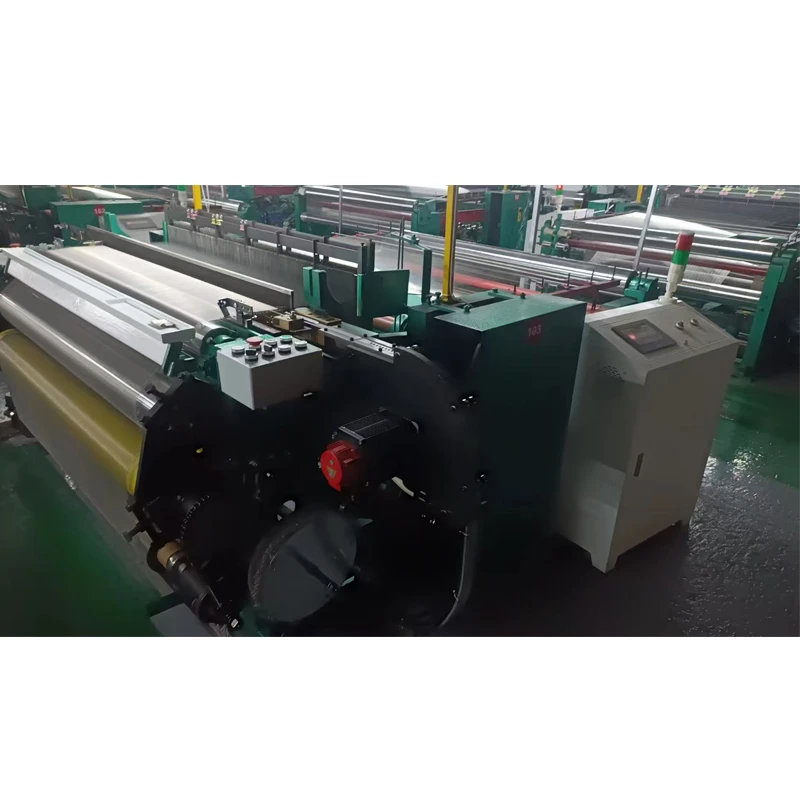
Once the weft yarn is inserted, the reed moves forward to "beat up" the newly inserted weft against the fell of the cloth, compacting the weave and defining the fabric's density. Simultaneously, the take-up motion mechanism continuously pulls the woven fabric onto a cloth roll at a precisely controlled rate, maintaining consistent fabric density and preventing distortion. This synchronized operation, often electronically controlled, is fundamental to achieving high fabric quality and uniformity, especially for technical textiles requiring exact specifications.
5. Finishing and Inspection
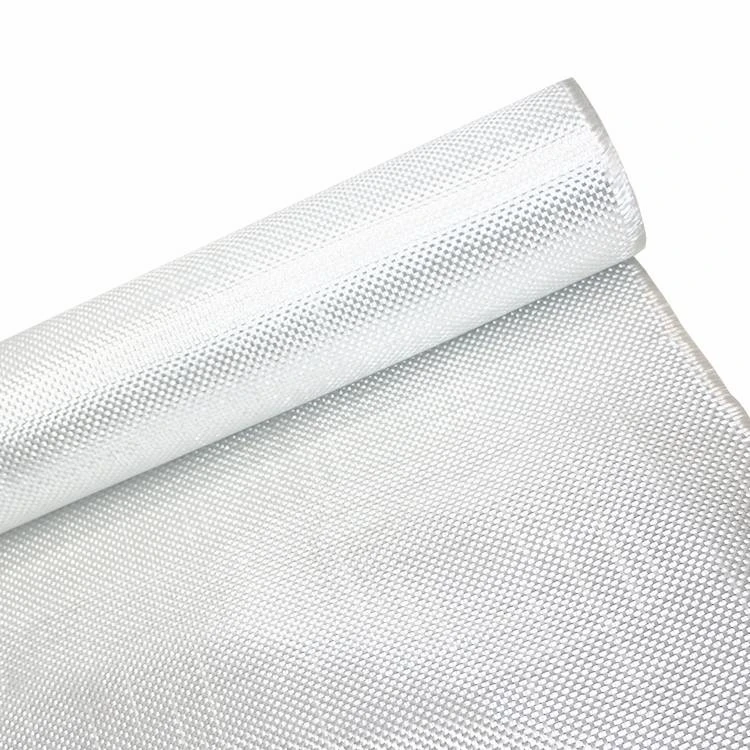
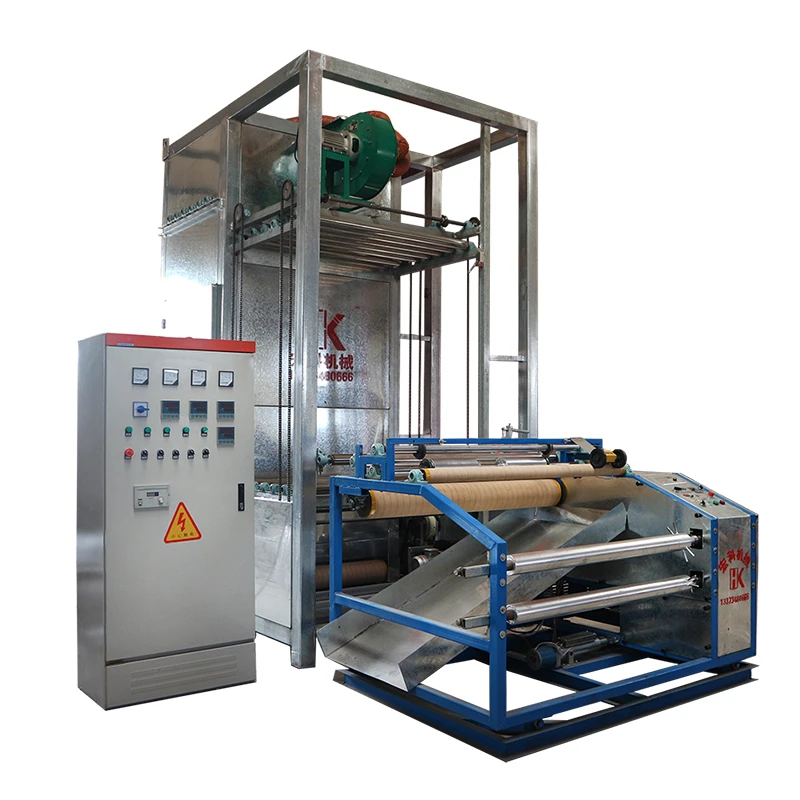
After weaving, the carbon fiber fabric undergoes rigorous inspection for defects such as mispicks, broken ends, or uneven tension. Depending on the application, additional finishing processes like heat setting, pre-impregnation (pre-pregging with resin), or specialized surface treatments may be applied to enhance specific properties or prepare the fabric for composite manufacturing. Testing standards like ISO 10323 (Carbon fibre – Determination of tensile properties of impregnated yarn) and ASTM D3039 (Standard Test Method for Tensile Properties of Polymer Matrix Composite Materials) are routinely applied to ensure material quality, often with third-party verification to meet exacting client requirements.
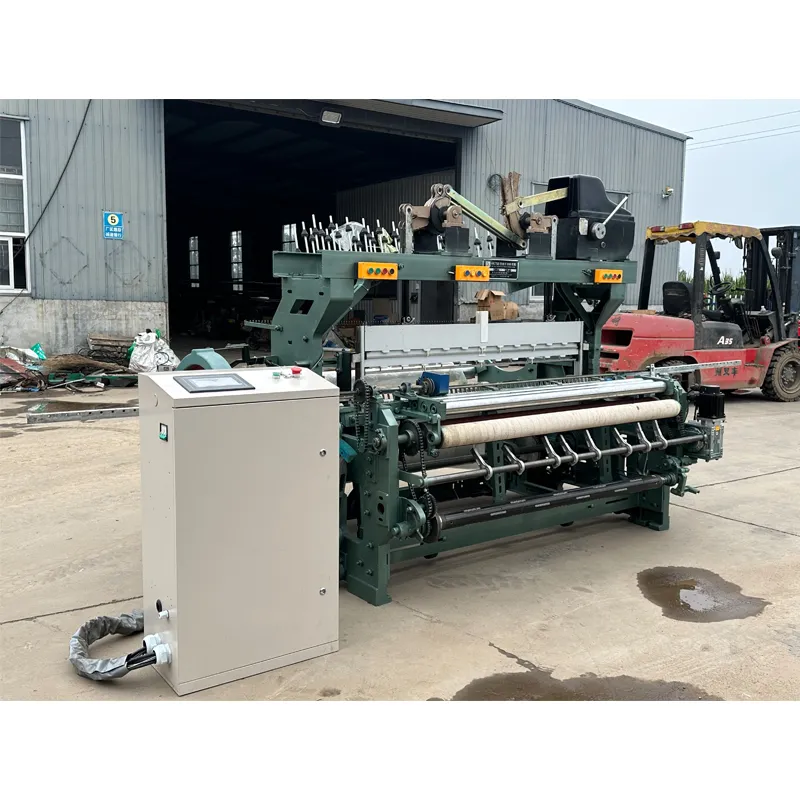
These machines are engineered for exceptional durability, often with a service life exceeding 15 years with proper maintenance, serving critical industries such as aerospace, defense, sporting goods, and infrastructure. Their advantages include significant energy savings through optimized motor systems and superior corrosion resistance due to robust material selection in critical components, ensuring reliable operation in demanding environments like petrochemical and marine applications.
Technical Specifications of a High-Performance Carbon Fiber Weaving Machine
The performance of a carbon fiber machine is defined by a range of critical technical parameters that dictate its efficiency, precision, and versatility. These specifications are crucial for manufacturers to ensure the woven fabric meets the stringent demands of advanced composite applications. Below are typical specifications for a state-of-the-art carbon fiber mesh rapier loom, designed for industrial-scale production of advanced composite materials with high consistency and reliability.
Diverse Applications of Carbon Fiber Textiles in Modern Industries
The versatility and high-performance characteristics of carbon fiber textiles, produced by specialized carbon fiber weaving machines, make them indispensable across a wide spectrum of advanced industries. These fabrics form the backbone of composite materials, offering unparalleled strength, stiffness, and lightweight properties essential for critical applications where performance and durability are paramount.
Aerospace and Defense
- Aircraft Components: Fuselage sections, wing spars, tail assemblies, and interior structures benefit immensely from carbon fiber's low weight, which directly translates to significant fuel efficiency gains and increased payload capacity. This is crucial for both commercial and military aircraft.
- Spacecraft: Satellites, rocket components, and space vehicle fairings extensively utilize carbon fiber for its exceptional thermal stability, resistance to space environments, and superior structural integrity under extreme launch and operational conditions.
- UAVs and Drones: The ultralight yet strong nature of carbon fiber enables longer flight times, higher operational efficiency, and increased payload capacity for unmanned aerial vehicles, enhancing their utility in surveillance, logistics, and exploration.
Automotive Industry
- Lightweight Chassis and Body Panels: High-performance vehicles, electric vehicles, and racing cars leverage carbon fiber extensively to reduce curb weight, which significantly enhances acceleration, handling dynamics, and overall fuel or battery efficiency.
- Structural Reinforcements: Carbon fiber is strategically used in impact zones and critical structural components to improve passenger safety and vehicle rigidity without adding significant mass, contributing to both performance and crashworthiness.
Wind Energy Sector
- Wind Turbine Blades: Carbon fiber significantly reduces the weight of large turbine blades, enabling the design of longer, more efficient blades that capture more wind energy. Its exceptional stiffness helps maintain blade integrity, reduces deflection under aerodynamic loads, and extends operational life in demanding environmental conditions.
Sports and Leisure
- High-Performance Equipment: Bicycles, tennis rackets, golf clubs, skis, fishing rods, and rowing shells all benefit from the lightweight and strong properties of carbon fiber, offering enhanced performance, improved feel, and superior durability compared to traditional materials.
Infrastructure and Construction
- Structural Reinforcement: Carbon fiber reinforced polymers (CFRP) are increasingly used to strengthen and repair bridges, buildings, and other civil structures. They provide excellent corrosion resistance, extending the service life of aging infrastructure, especially in harsh environments like coastal regions or areas prone to seismic activity.
- Architectural Elements: Lightweight panels and aesthetic components for modern architecture that require both high strength and design flexibility.
Key Technical Advantages of Advanced Carbon Fiber Weaving Technology
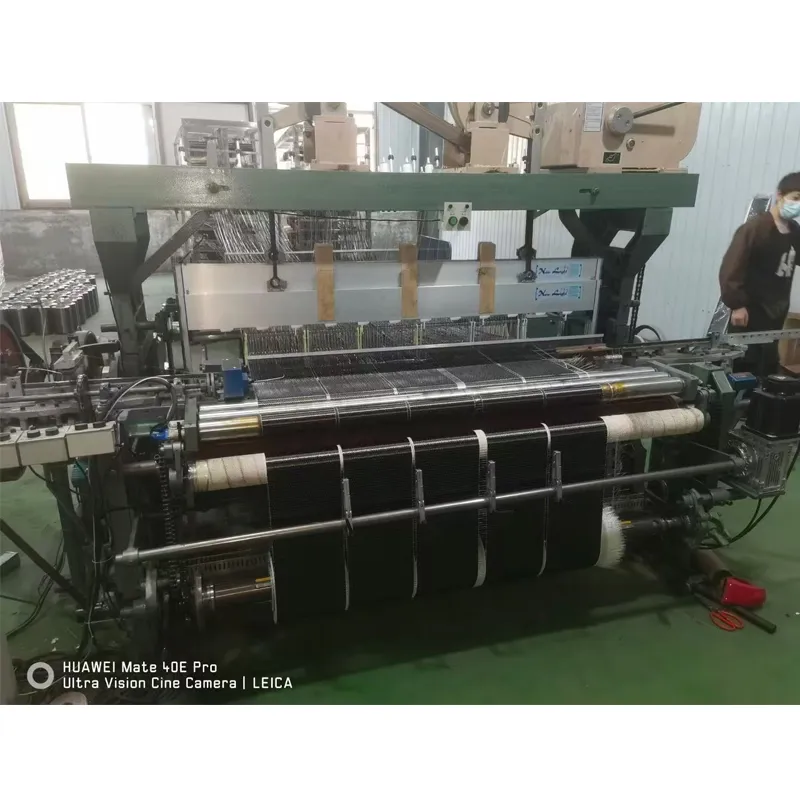
Modern carbon fiber machines are engineered to overcome the inherent challenges of weaving delicate and expensive carbon fibers, delivering significant technical advantages that translate into superior product quality and operational efficiency. These advantages are crucial for manufacturers seeking to produce high-performance carbon fiber fabrics consistently, meeting the demanding specifications of cutting-edge applications.
- Precision Weft Insertion: Advanced rapier systems offer highly accurate and controlled weft insertion, minimizing fiber damage and ensuring uniform fabric density. This precision is vital for maintaining the structural integrity and predictable performance of the final composite material, directly impacting part quality and reliability.
- Optimized Tension Control: State-of-the-art electronic let-off and take-up mechanisms provide precise and consistent tension control for both warp and weft yarns across the entire weaving process. This prevents fiber distortion, breakage, and ensures uniform fabric aesthetics and mechanical properties, a critical factor for successful composite manufacturing where consistency is paramount.
- Versatility in Weave Patterns: Equipped with high-performance electronic jacquard or dobby shedding systems, these machines can produce a wide array of weave patterns—including plain, twill, satin, and complex 3D structures—to meet diverse application requirements, enabling the creation of custom material architectures.
- Reduced Fiber Damage: Specialized components and gentle handling mechanisms are meticulously designed to minimize friction and stress on the brittle carbon fibers, significantly reducing fuzz generation and fiber breakage. This directly improves material yield and reduces waste of expensive raw materials.
- High Production Efficiency: With high picks per minute (PPM) rates, coupled with automated monitoring, fault detection, and rapid response systems, these looms achieve higher throughput and greater cost-effectiveness compared to conventional weaving methods, maximizing return on investment.
- Energy Efficiency: Modern direct-drive servomotors, optimized mechanical designs, and intelligent control systems lead to significantly lower power consumption. This not only contributes to reduced operational costs but also aligns with global sustainability goals by minimizing the environmental footprint of manufacturing operations.
- Enhanced Durability and Reliability: Constructed from high-quality, corrosion-resistant materials (e.g., hardened steel, specialized alloys) and engineered with robust components, these machines ensure long operational life and stable performance even in demanding industrial environments, reducing maintenance overhead and maximizing uptime.
Choosing the Right Carbon Fiber Weaving Solution: A Vendor Comparison
Selecting the optimal carbon fiber weaving loom is a critical decision that significantly impacts production quality, efficiency, and long-term return on investment. While various manufacturers offer weaving solutions, key differentiators often lie in technological sophistication, customization capabilities, after-sales support, and overall value proposition. Here’s a comparative overview highlighting typical considerations when evaluating providers of advanced carbon fiber weaving machinery, offering a transparent look at our competitive advantages.
Tailored Solutions for Your Carbon Fiber Weaving Needs
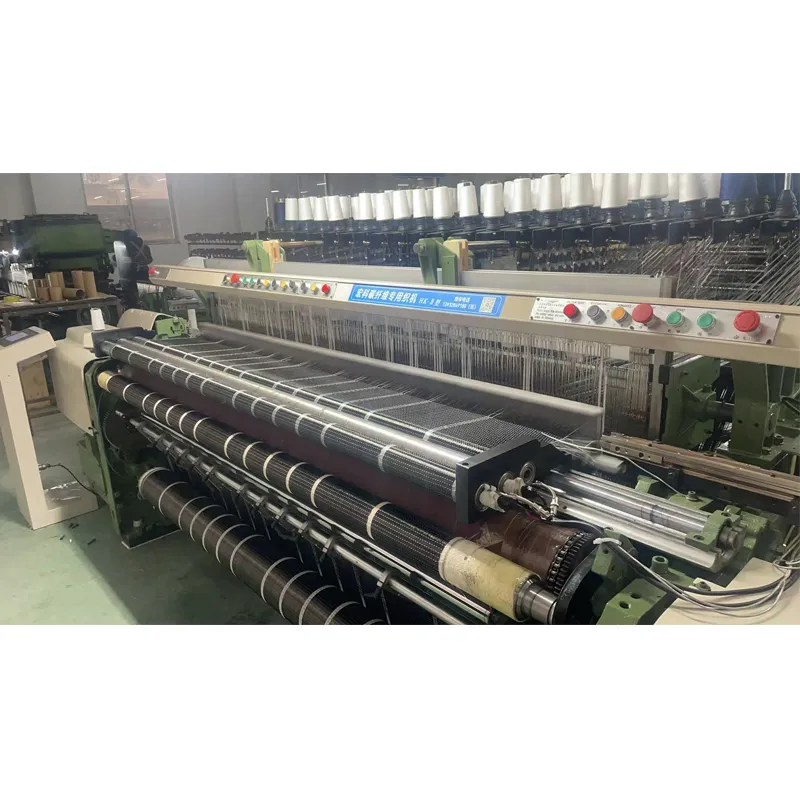
Recognizing that standard machinery may not always meet the unique demands of specialized applications, APH Machinery offers comprehensive customized solutions for our carbon fiber machines. Our engineering team collaborates closely with clients to design and configure weaving looms that perfectly align with their specific material requirements, desired weave patterns, production volumes, and operational environments, ensuring optimal performance and efficiency.
Areas of Customization:
- Reed Width and Weft Insertion: Machines can be specified with varying reed widths (e.g., from 150 cm to 400 cm) and optimized weft insertion systems to accommodate exceptionally wide or narrow fabrics, or specific yarn types and counts (e.g., ultra-fine 1K or heavy-tow 48K carbon fibers, as well as hybrid filament combinations).
- Shedding Mechanism: Clients can choose between Dobby, Electronic Jacquard (for complex patterns), or cam shedding systems to enable the production of simple weaves, complex structural fabrics, or highly intricate patterns, depending on the composite's design requirements.
- Tension Control Systems: We offer bespoke electronic tensioning systems for delicate carbon fibers, including active warp and weft tensioners, to prevent breakage and ensure superior fabric quality, critically important for maintaining the mechanical properties of advanced composites.
- Automation and Integration: Customization includes seamless integration with existing plant automation systems, advanced remote diagnostics capabilities, comprehensive data logging for Industry 4.0 compliance, and automated creeling or doffing solutions to enhance operational efficiency.
- Environmental Adaptations: Special coatings, material selections, or enclosures can be implemented for machines operating in corrosive, dusty, high-temperature, or cleanroom environments, ensuring machine longevity and product integrity under challenging conditions.
Our custom engineering process typically involves detailed consultations, advanced CAD modeling, rigorous prototype testing, and comprehensive quality assurance to ensure the final solution not only meets but consistently exceeds performance expectations. This collaborative approach ensures that clients receive a truly optimized carbon fiber weaving solution that provides a distinct competitive advantage in their respective markets.
Real-World Impact: Carbon Fiber Machine Application Case Studies
The practical application of our advanced carbon fiber weaving machines demonstrates tangible benefits in diverse industrial settings. These case studies highlight how precision engineering and robust performance translate into significant operational advantages for our clients, underscoring our commitment to innovation and reliability in carbon fiber textile manufacturing.
Case Study 1: Aerospace Component Manufacturing
A leading aerospace manufacturer, specializing in satellite components, required a specialized loom capable of weaving ultra-lightweight, high-modulus carbon fiber fabrics. Their primary challenges included maintaining extremely tight tolerances on weave density and minimizing fiber breakage of delicate 3K carbon tows. Our customized Carbon Fiber Mesh Rapier Loom, equipped with an advanced electronic let-off and a specialized rapier head optimized for delicate yarns, delivered exceptional results. Post-installation data showed a 15% reduction in material waste and a 20% increase in production speed for the specific fabric, exceeding the client's stringent quality and efficiency targets. The fabric produced consistently met rigorous aerospace qualification standards (e.g., AS9100 certified processes), demonstrating less than 0.1% defect rate, a critical achievement for mission-critical applications.
Case Study 2: High-Performance Automotive Parts Production
An automotive OEM producing lightweight components for luxury electric vehicles invested in our carbon fiber weaving technology. Their objective was to produce large-format, complex twill weave carbon fiber sheets for chassis and body panels that offered superior impact resistance and aesthetic appeal. Our carbon fiber weaving loom was configured with an extended reed space (320 cm) and a sophisticated multi-phase electronic jacquard system, allowing for rapid and precise production of intricate patterns required for specific structural and visual elements. The client reported a 25% improvement in cycle time for large composite preforms compared to their previous system, alongside a notable 10% decrease in overall operational energy consumption, significantly contributing to their sustainability goals and reducing manufacturing costs.
Case Study 3: Wind Turbine Blade Reinforcement
A major global wind energy company sought to enhance the structural integrity and reduce the overall weight of their next-generation turbine blades, which are continuously growing in size. They required a robust carbon fibre weaving machine capable of weaving thick, heavy-tow carbon fiber fabrics (e.g., 24K and 48K) with exceptional uniformity and minimal voids over extremely long lengths. We provided a heavy-duty rapier loom featuring reinforced beating-up mechanisms, a specialized yarn path designed for higher filament counts, and an advanced electronic take-up system for consistent fabric density. The resulting fabric exhibited superior ply adhesion and mechanical properties, allowing the client to design and manufacture longer blades (up to 90 meters) with increased power generation capacity. Internal tests indicated a 5% increase in blade stiffness-to-weight ratio over previous designs, a critical factor in performance and longevity, validated by industry standards like DNV GL.
Frequently Asked Questions (FAQ) about Carbon Fiber Weaving Machines
Q1: What types of carbon fiber can your machines weave?
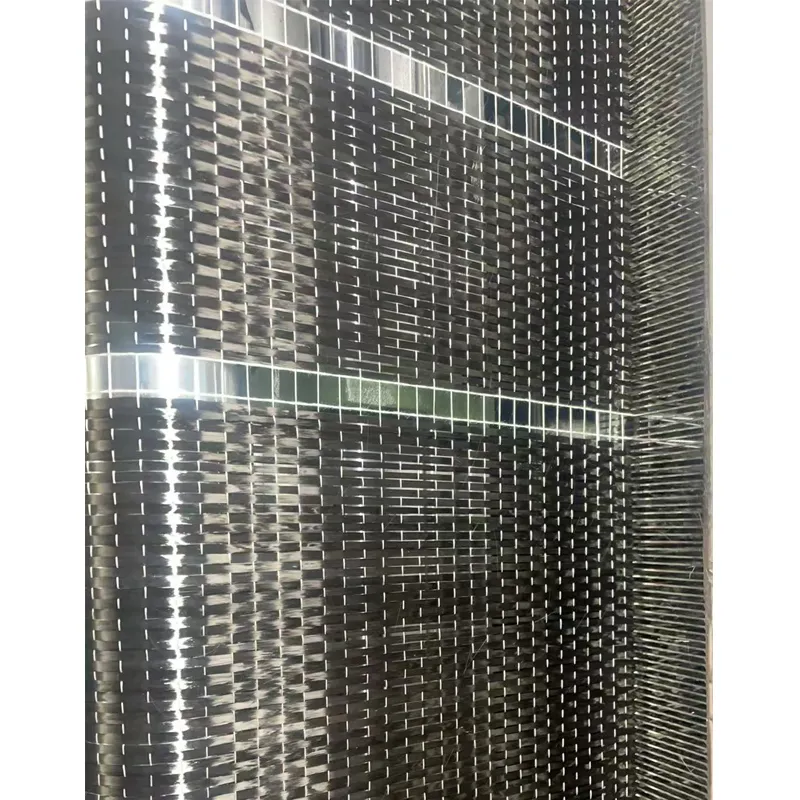
Our machines are highly versatile and capable of weaving various types of carbon fiber tows, including 1K, 3K, 6K, 12K, 24K, and 48K. We can also configure systems for specialized high-modulus or ultra-high-strength carbon fibers, as well as hybrid materials incorporating aramid, glass fibers, or thermoplastic filaments to create custom composite preforms.
Q2: How do your machines minimize fiber damage during weaving?
We implement advanced electronic tension control systems for both warp and weft yarns, specialized rapier grippers with optimized profiles and smooth surfaces, and meticulously designed yarn paths that reduce friction points. This meticulous engineering, often using ceramic guides, ensures minimal fiber breakage and fuzz, preserving the crucial structural integrity and performance of the delicate carbon fibers.
Q3: Can your machines produce complex 3D weave structures?
Yes, with the integration of high-performance electronic jacquard shedding systems, our machines are fully capable of producing complex 2D and pseudo-3D weave patterns. This is critical for advanced composite applications that require specific anisotropic properties, integrated stiffeners, or near-net-shape preforms for reduced manufacturing steps.
Q4: What is the typical lead time for a custom carbon fiber machine?
Standard models typically have a lead time of 10-16 weeks. For highly customized configurations involving unique specifications or extensive engineering, the lead time can range from 16 to 24 weeks, depending on the complexity of the design and component sourcing. We provide a detailed project timeline with clear milestones and expected delivery dates upon order confirmation, ensuring full transparency.
Q5: What kind of warranty and after-sales support do you offer?
All our machines come with a comprehensive 12-month warranty covering manufacturing defects and critical components. Our robust after-sales support includes installation supervision, extensive operator training programs, 24/7 remote technical assistance, and a global network of experienced service engineers available for on-site support and proactive maintenance contracts. Genuine spare parts are readily available from our centralized warehouse, minimizing potential downtime.
Partnership, Fulfillment, and Unwavering Support
At APH Machinery, our commitment extends beyond delivering cutting-edge carbon weaving machines; we strive to establish enduring partnerships built on trust, transparency, and reliable support. Our fulfillment processes and post-sales services are meticulously designed to ensure seamless integration and sustained operational excellence for our clients, providing peace of mind from acquisition through years of operation.
Lead Time and Fulfillment Efficiency
We understand the critical importance of timely delivery in today's fast-paced manufacturing environment. Our standard lead time for a typical Carbon Fiber Mesh Rapier Loom ranges from 10 to 16 weeks, contingent on specific configurations and current production schedules. For highly customized projects, a detailed project plan with specific milestones and expected delivery dates is provided, usually extending to 16-24 weeks, depending on design complexity and material sourcing. Our robust supply chain and efficient manufacturing processes are continuously optimized to ensure on-time fulfillment, minimizing disruption to your operations. We offer comprehensive logistics support, including expert crating, international shipping coordination, and customs clearance assistance, to facilitate smooth and secure delivery to your facility worldwide.
Comprehensive Warranty Commitments
Each new APH Machinery carbon fibre weaving machine is backed by a robust 12-month warranty, commencing from the date of installation and successful commissioning. This comprehensive warranty covers all manufacturing defects and critical components, providing essential peace of mind and safeguarding your significant investment. Extended warranty options are also available upon request, offering prolonged protection and enhanced service coverage tailored to your specific operational needs and risk management strategies. Our unwavering commitment to quality is further underscored by our strict adherence to ISO 9001:2015 standards throughout all our design, manufacturing, and assembly processes.
Dedicated Customer Support and After-Sales Service
Our dedication to client success extends far beyond the point of sale, encompassing the entire lifecycle of your machinery. APH Machinery provides a multi-tiered and highly responsive support system:
- Professional Installation and Commissioning: Our team of highly certified engineers provides expert on-site installation, ensuring proper setup, calibration, and fine-tuning for optimal performance and immediate operational readiness.
- Comprehensive Operator Training: Tailored and thorough training programs are conducted for your technical staff, covering machine operation, preventative maintenance routines, advanced troubleshooting, and safety protocols, ensuring your team is fully proficient and confident.
- Prompt Remote Technical Assistance: Our dedicated support team is available globally via phone, email, and secure remote access to quickly diagnose and efficiently resolve issues, minimizing potential downtime and maximizing productivity.
- Guaranteed Spare Parts Availability: We maintain a substantial, readily accessible inventory of genuine spare parts in our centralized warehouse, ensuring prompt delivery and significantly reducing waiting times for critical components, allowing for swift repairs.
- Proactive Scheduled Maintenance and Service Contracts: We offer flexible proactive maintenance plans and comprehensive service contracts designed to maximize machine longevity, optimize performance, and prevent unforeseen breakdowns, thereby securing your long-term operational efficiency.
We pride ourselves on providing responsive, expert support, empowering you to maintain peak efficiency and continuously maximize the return on your investment in our advanced carbon fiber weaving solutions, fostering a partnership for sustained success.
Authoritative References
- ISO Standards. "ISO 10323: Carbon fibre – Determination of tensile properties of impregnated yarn." International Organization for Standardization.
- ASTM International. "ASTM D3039/D3039M: Standard Test Method for Tensile Properties of Polymer Matrix Composite Materials." ASTM International.
- JEC Composites Magazine. Various issues and technical articles on advanced textile machinery and carbon fiber manufacturing trends, from 2018-2023.
- European Composites Industry Association (EuCIA). Industry reports and market analyses on carbon fiber applications and technological advancements.
- Seshadri, A. "Weaving with High-Performance Fibers." Woodhead Publishing, 2014, ISBN: 978-0857095689.
- DNV GL. "Guidelines for the Certification of Wind Turbines." DNV GL AS, various editions.
- SAE International. "AS9100 Quality Management Systems – Requirements for Aviation, Space and Defense Organizations." SAE International.