


Rapier Loom Production Per Day: Insights from the Industry Floor
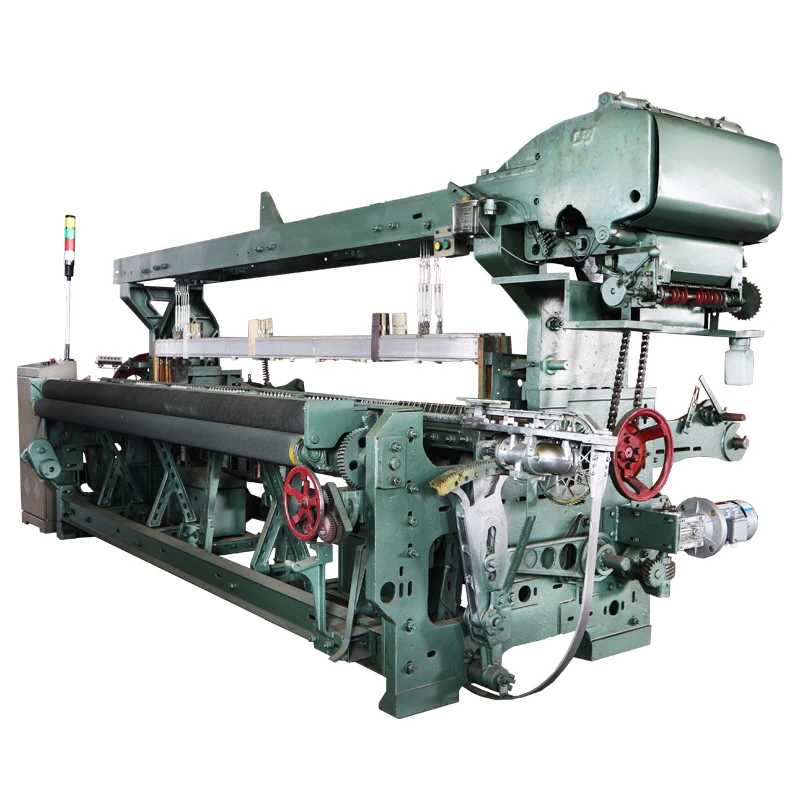
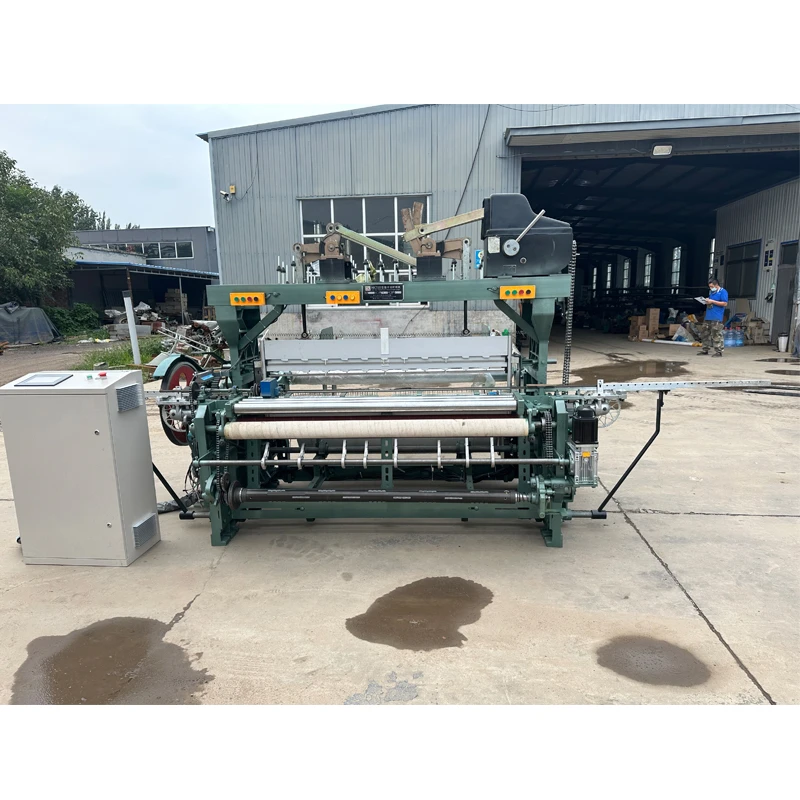
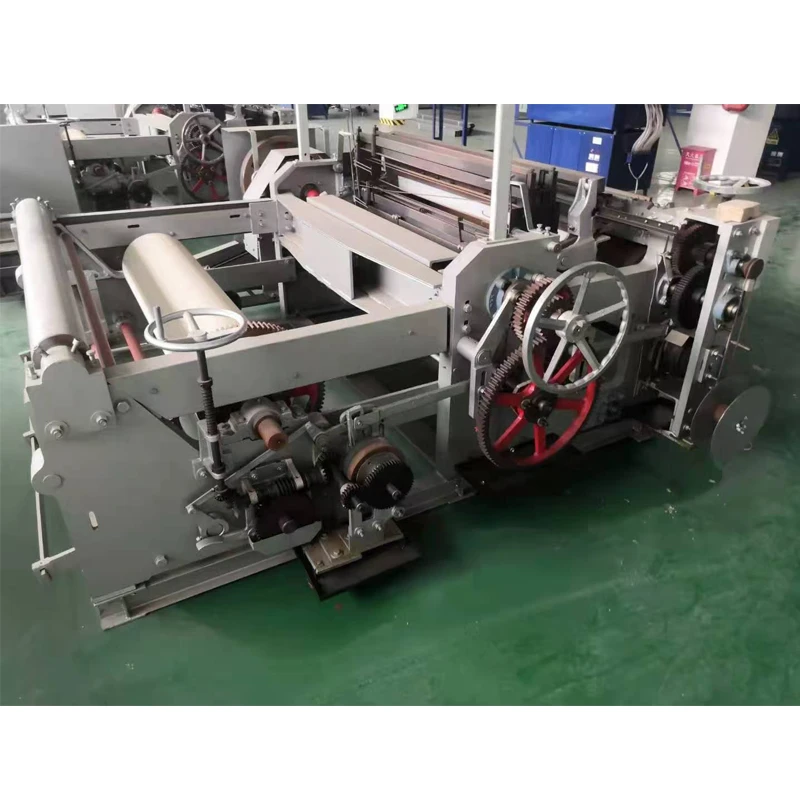
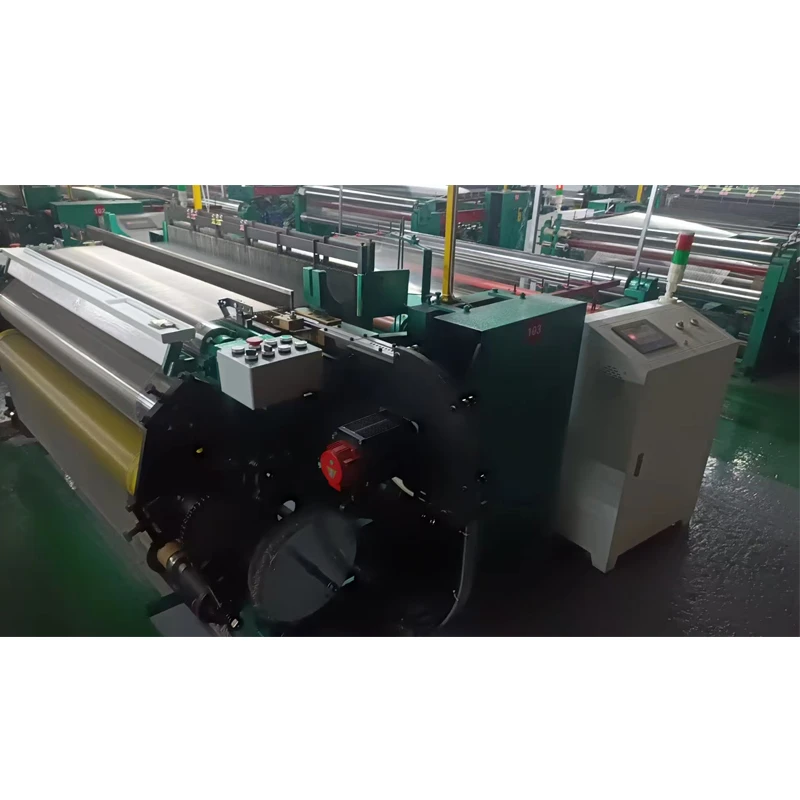
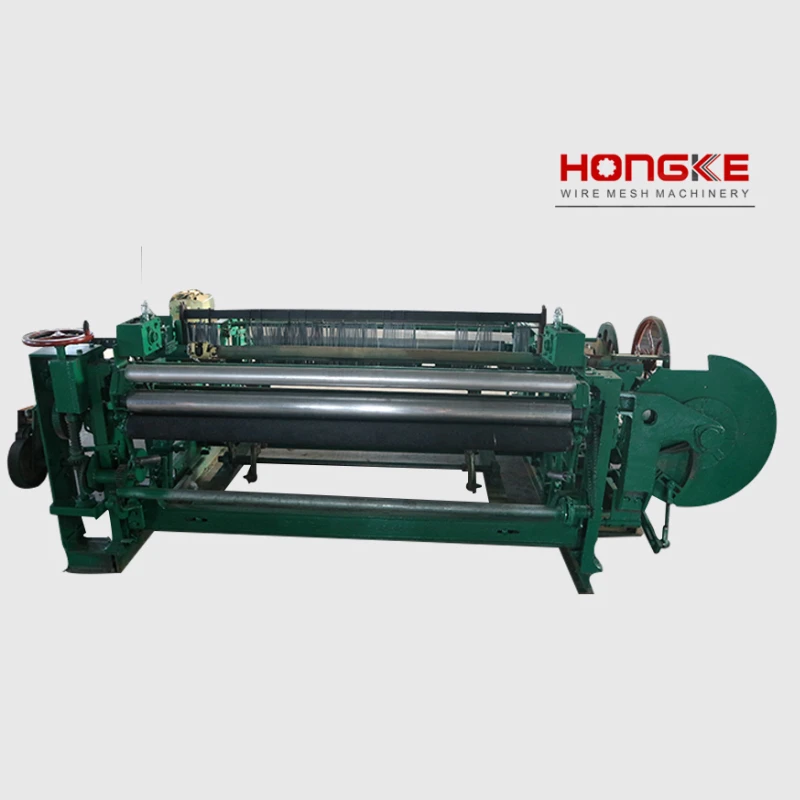
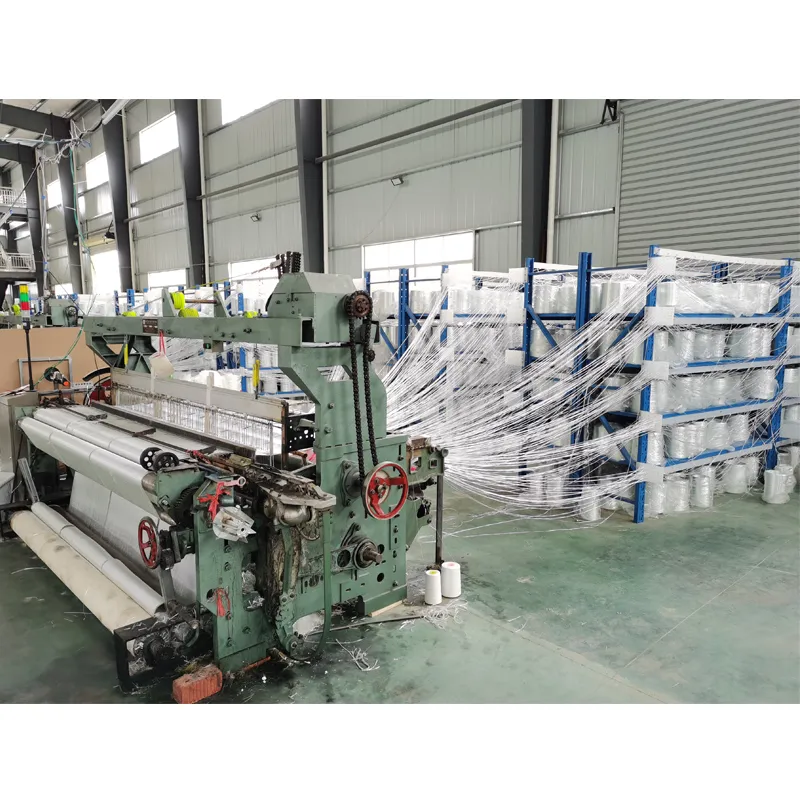
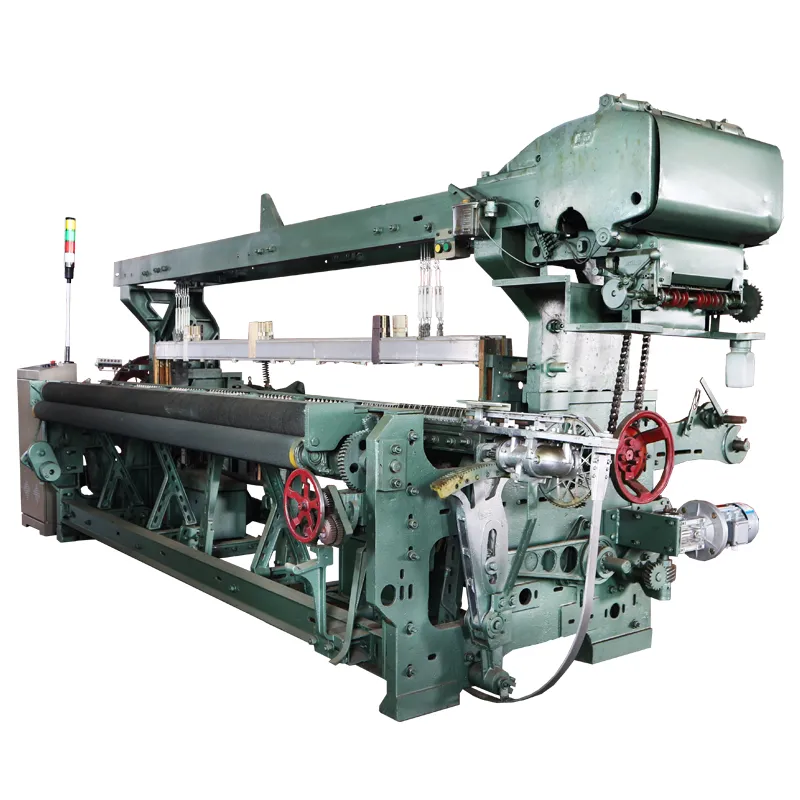
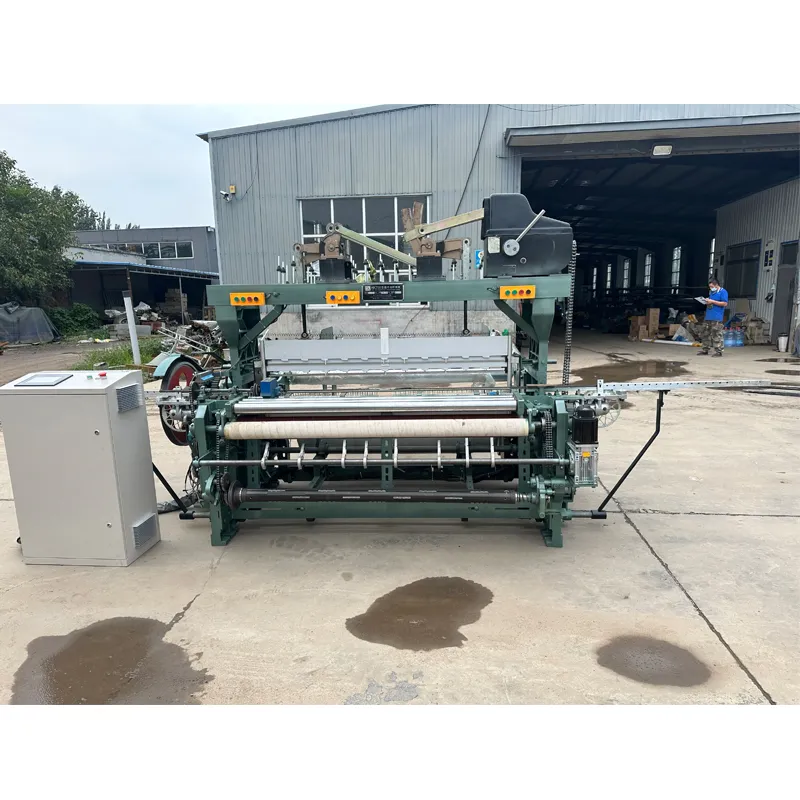
Having spent a good chunk of my career around industrial textile equipment, I can say one thing for certain about rapier loom production per day: it’s less of a cold number and more of a dynamic story shaped by many variables. Now, if you’re new to rapier looms, they’re these intricately designed weaving machines that handle medium to heavy fabrics with remarkable precision. Production outputs? They can vary, but understanding typical daily yields hinges on the right specs, thread materials, and—sometimes unexpectedly—the operator’s know-how.
Frankly, when I first started, I thought output was purely about speed. But no. It’s also about quality, downtime, maintenance routines, even the weaving pattern’s complexity. Rapier looms, due to their design featuring rapiers that carry the weft yarn through the shed, can reach speeds of 200–250 picks per minute on tough fabrics—but real-world conditions rarely let you push those limits every hour.
| Specification | Details |
|---|---|
| Max Weaving Speed | 200 - 250 picks/minute |
| Fabric Types | Cotton, Polyester, Blends, Denim |
| Beam Width | Up to 190 cm |
| Power Consumption | 3.5 - 5 kW |
| Average Production Per Day | 600 - 1200 meters (varies by fabric type) |
It feels like there’s always a bit of “secret sauce” in how particular factories tune their setup. I recall visiting a weaving plant in the outskirts of Dhaka, Bangladesh, where the operators actually ran lean shifts focused on specialized denim fabric. Their daily output was on the lower side—around 700 meters per loom per day—but the quality was so consistent, returns were minimal. Quality over quantity, basically.
Then there’s maintenance—it’s kind of obvious, but the rapier’s intricate moving parts require regular fine-tuning. When neglected, the output tanks, and fabric defects multiply. Some team leads swear by daily lubrication schedules, while others swear by weekly downtime for calibration. I’ve seen both approaches work, oddly enough. This variability means when you ask “how many meters or picks per day?”, a reliable answer must consider all these factors.
| Vendor | Max Speed (picks/min) | Power Usage (kW) | Customization | Typical Fabrics |
|---|---|---|---|---|
| Vendor A | 230 | 4.0 | Standard & Special Orders | Cotton, Polyester |
| Vendor B | 250 | 3.8 | Highly Customizable | Denim, Heavy Fabrics |
| Vendor C | 210 | 5.0 | Limited | Blended Fabrics |
If I were to give some friendly advice to anyone considering rapier loom acquisition or production scaling, it’s pay close attention to your fabric demands and maintenance culture. Efficient production isn’t just about pushing speed but more about how steady and defect-free your yards’ output can stay day-in, day-out.
In real terms, many call it a balancing act—maximum production per day within acceptable quality range. And oddly enough, that balance shifts with experience and the equipment itself. For the curious engineers and production planners out there, the details on rapier loom production per day can offer a leg up in planning smarter workflows and capital investments.
It always feels rewarding when a loom hums steadily through a full shift with minimal stops. That, to me, is the mark of skilled operation and solid machinery selection.
References:
- Textile Machinery Industry Reports, 2023
- APHK Machinery Technical Manuals and Specifications
- Field observations from multiple weaving plants, 2018–2023