


Understanding the Shuttleless Rapier Loom: A Weaving Revolution
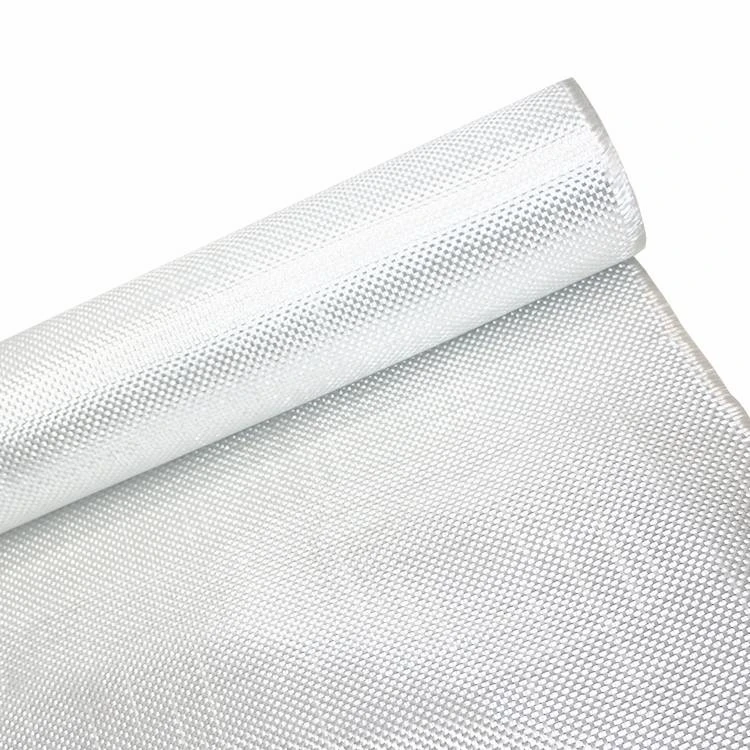
Having spent over a decade in the industrial equipment sector, I've seen plenty of weaving technology come and go, but the shuttleless rapier loom always stands out as a kind of humble champion. I suppose it’s because it strikes a neat balance between innovation, efficiency, and product quality that few other looms can match. If you’re in textile manufacturing, or just curious about how your fabrics are produced, it’s worth diving into what makes this loom tick.
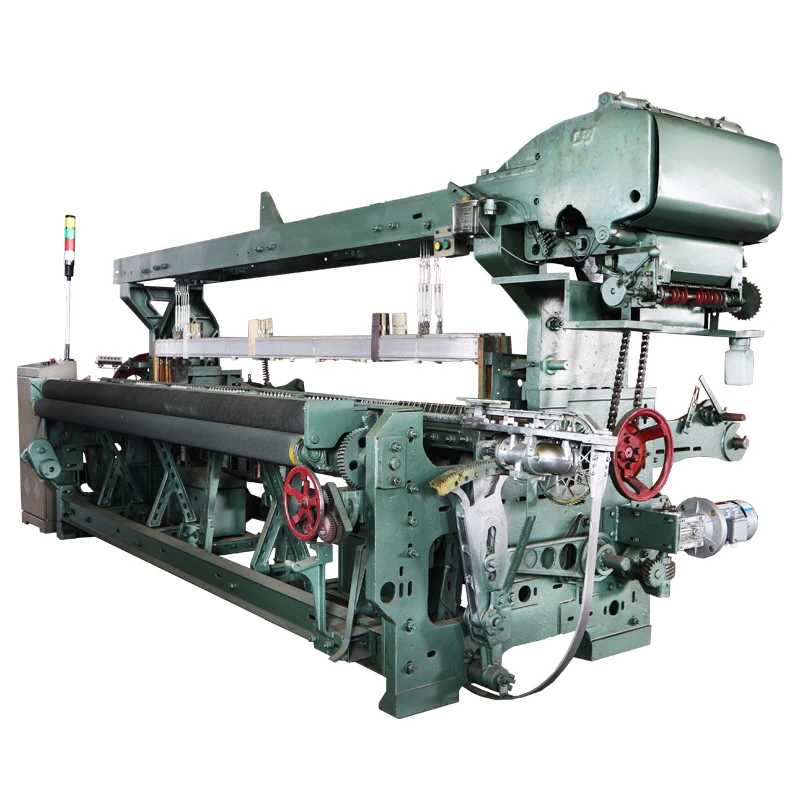
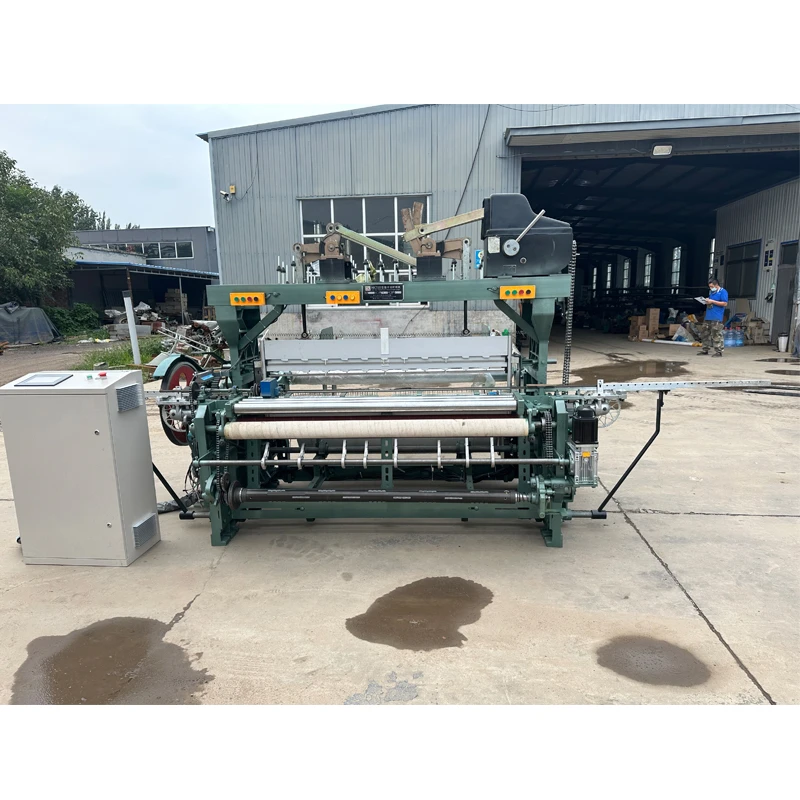
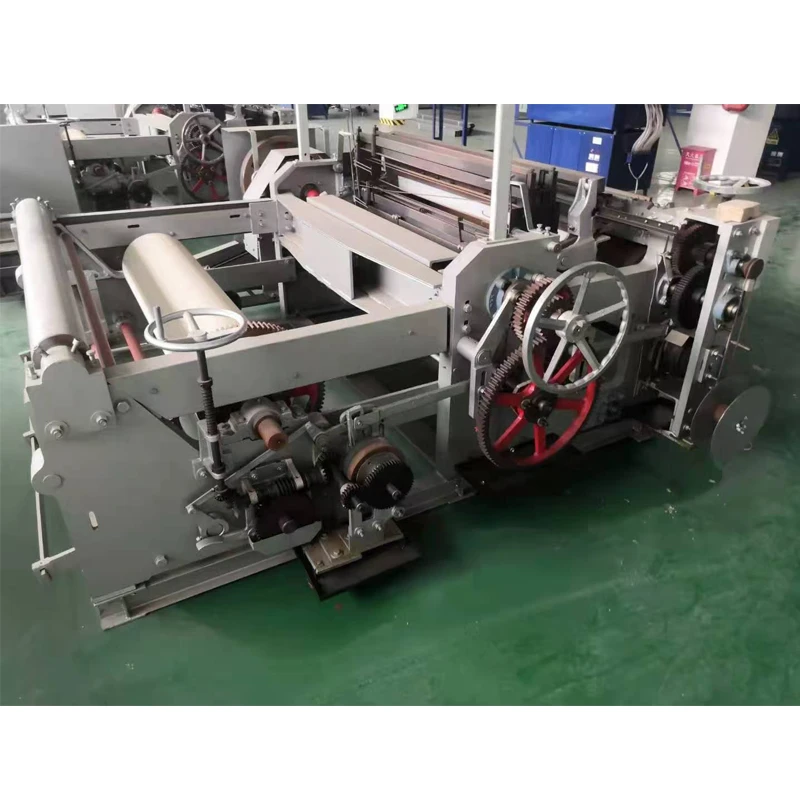
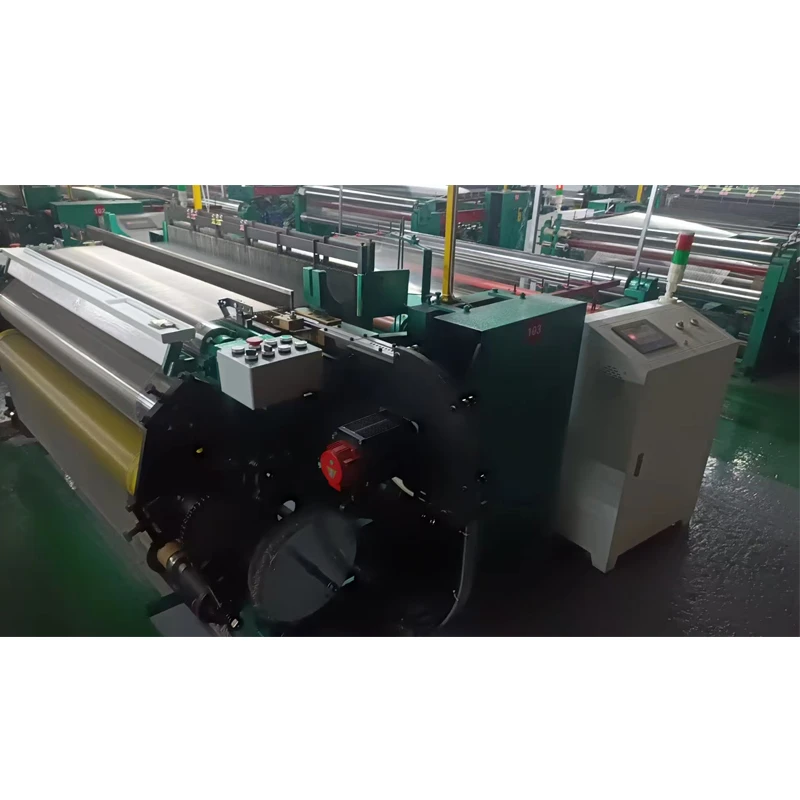
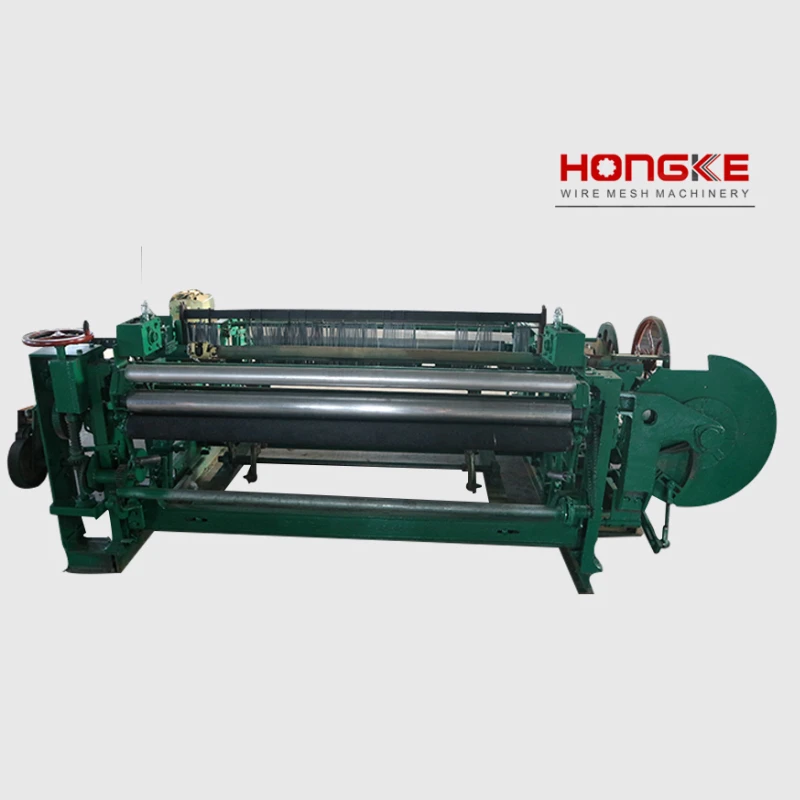
In real terms, the shuttleless rapier loom is a web of precise engineering and smart design. Traditionally, the shuttle was the heart of the weaving machine, carrying the weft yarn through the warp to create fabric. But shuttles can be bulky, cause vibration, and limit speed. Shuttleless rapier looms replaced the shuttle with rapier arms that physically grip and thread the weft through — a compact, lighter method that improves both speed and fabric quality.
Oddly enough, one thing that I personally noticed early on is how quieter these looms run. I remember standing nearby one humming in a textile mill somewhere in Central Europe — it was much less jarring than the old shuttle looms that really shook the floor. Many engineers say that this reduction in noise and vibration doesn’t just make for better working conditions but also prolongs machine life.
Let’s talk specs for a moment. Depending on the model and manufacturer, shuttleless rapier looms can reach impressive speeds and handle diverse yarns — from fine silks to heavy denim — with minimal setup. Below is a snapshot of a generic high-end shuttleless rapier loom I’ve worked with over the years:
| Specification | Details |
|---|---|
| Max Weaving Speed | Up to 550 picks per minute |
| Weft Yarn Types | Cotton, polyester, wool, silk, blended yarns |
| Max Fabric Width | Up to 330 cm |
| Energy Consumption | Approx 30% less than traditional shuttle looms |
| Automation Level | Full electronic control with fault monitoring |
Today, manufacturers prize these machines not just for speed but for their flexibility. That flexibility includes quick changeovers for different fabric types and patterns and the ability to handle sensitive yarns without damage. Really, the rapier loom feels like the perfect middle ground for plants that want a reliable, scalable, and technically sophisticated weaving solution.
Now, if you're eyeing a new loom for your facility, you’re probably weighing options. In my experience, the choice often narrows down to a few leading brands in the shuttleless rapier loom market, each with their own nuances in performance, price, and after-sales support.
| Vendor | Max Speed (picks/min) | Fabric Width (cm) | Price Range (USD) | Notable Feature |
|---|---|---|---|---|
| Vendor A | 520 | 320 | $70,000 - $90,000 | Energy-efficient drive system |
| Vendor B | 550 | 330 | $85,000 - $95,000 | Advanced electronic fault detection |
| Vendor C | 500 | 310 | $65,000 - $85,000 | Modular design for easy upgrades |
I recall a small textile mill owner sharing with me how switching from an older loom to a higher-end shuttleless rapier model cut their waste by nearly half and allowed them to experiment with luxury blends — things they couldn't weave reliably before. That kind of impact on production quality and cost structure is just one reason why many have invested in the technology despite the initial price tag. In a competitive market, quality and efficiency translate directly to profit.
Maintenance-wise, these machines tend to require less downtime, but it’s crucial to keep up with the electronic and mechanical calibrations — oddly enough, even the best machines can falter if left unchecked for months. Routine inspections, proper lubrication, and timely software updates are your friends here. I suppose that’s true for most modern machinery, but it’s worth underlining.
If there's a takeaway I'd offer: shuttleless rapier looms represent more than just a machinery upgrade. They symbolize the industry’s gradual move toward faster, cleaner, and more adaptable textile production. If you want to explore this technology further, you might want to check out the latest models and offerings from manufacturers here — they've got some solid options to consider.
References:
- Textile World: Advances in Shuttleless Loom Technology
- Journal of Industrial Weaving Equipment, 2022 Edition
- Interview with European Textile Mill Operators, 2023