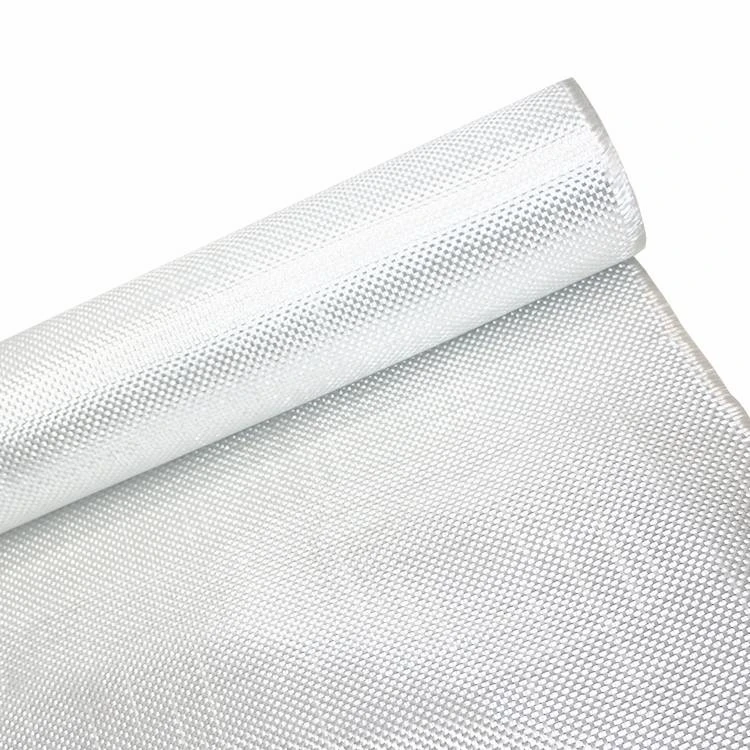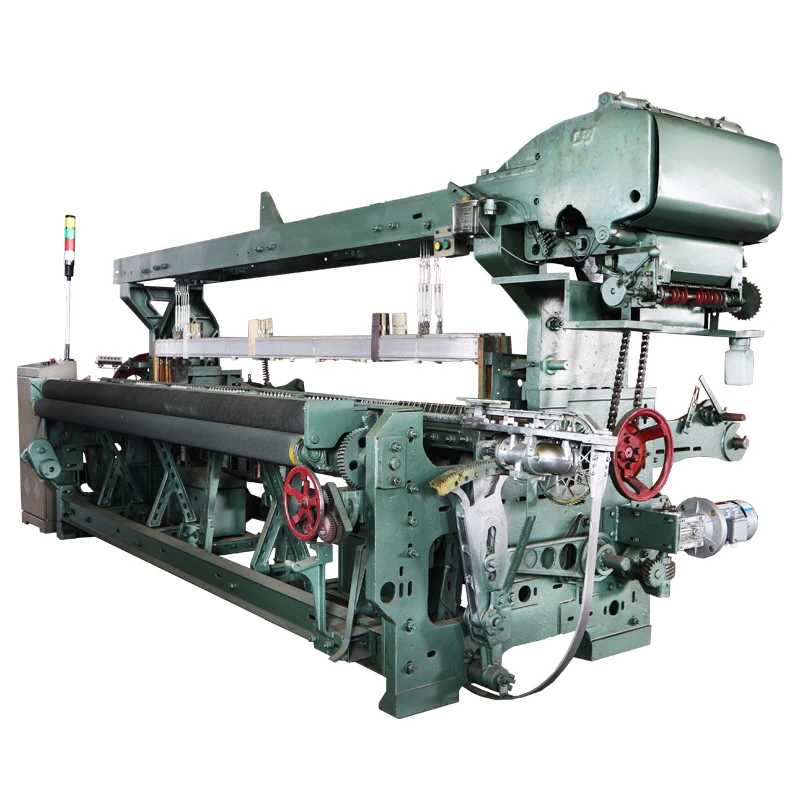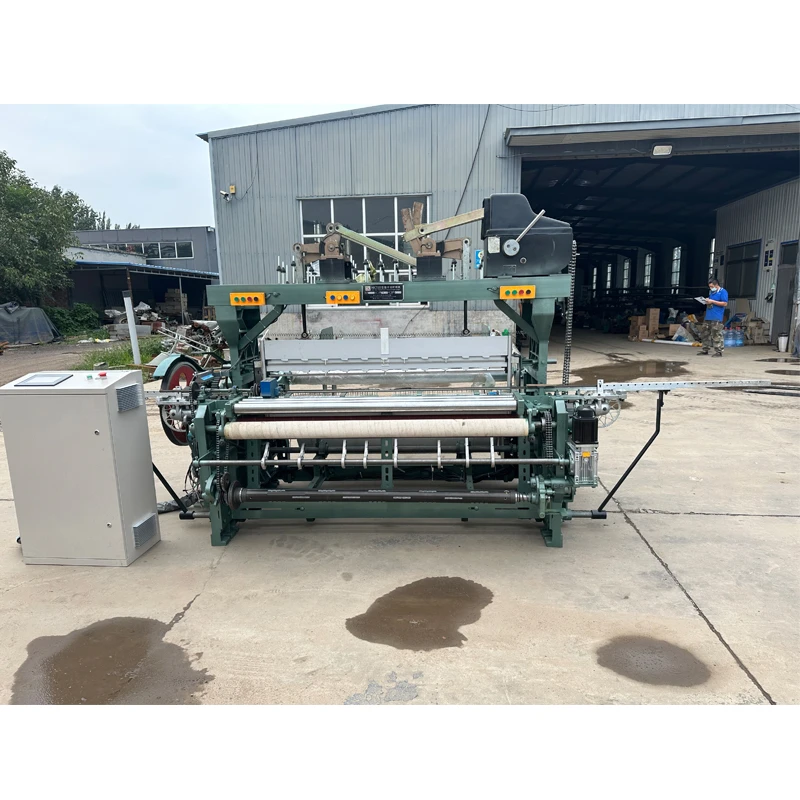



A Close Look at Machines Used for Weaving Fabric
Having spent a good part of my career around industrial equipment, especially machines used in textile manufacturing, I can tell you that weaving fabric is more than just thread through a loom. It’s a sophisticated dance of mechanics, precision, and — frankly — a bit of art.
Now, when we talk about machines used for weaving fabric, people often picture old-fashioned looms churning out fabric. Oddly enough, modern weaving machines have evolved drastically. They combine high-speed electronics, advanced materials, and customizable settings that let manufacturers tailor everything from yarn tension to intricate pattern making.
From early shuttle looms, which are slower but reliable, to the current air jet and rapier looms, the goal has always been the same: produce quality fabric quickly and consistently. But the stakes have risen. Today, efficiency and energy consumption sit alongside quality as huge selling points — not to mention adaptability to new fibers, like recycled polyester or bio-based yarns.
One aspect I appreciate in modern weaving machinery is the modular design approach. You can often upgrade software or swap out parts instead of buying a whole new machine, which makes financial and environmental sense. This modularity also means machines are often easier to maintain, a detail that many engineers I know swear by.
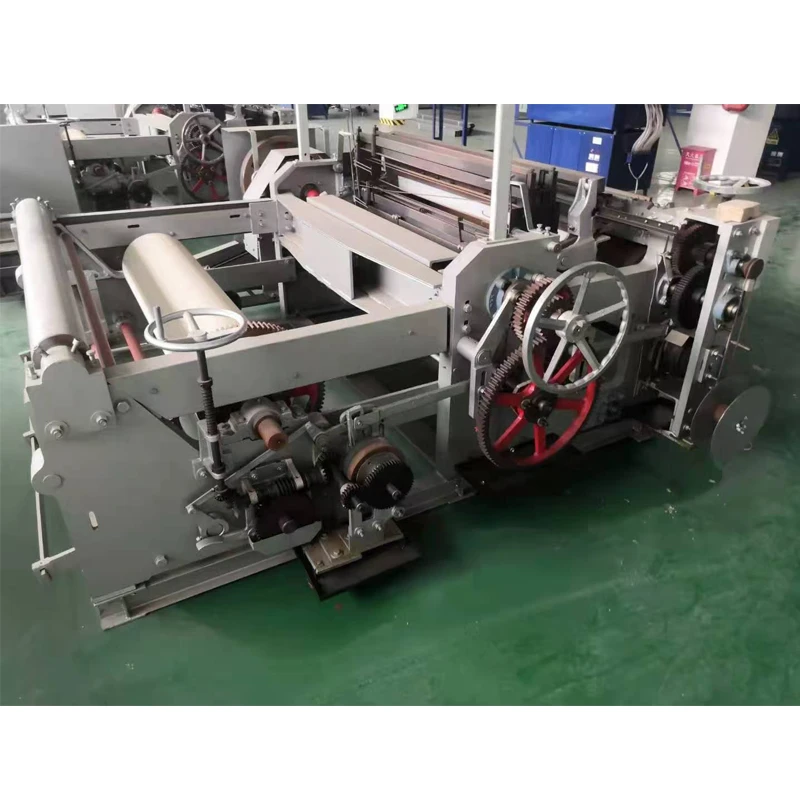
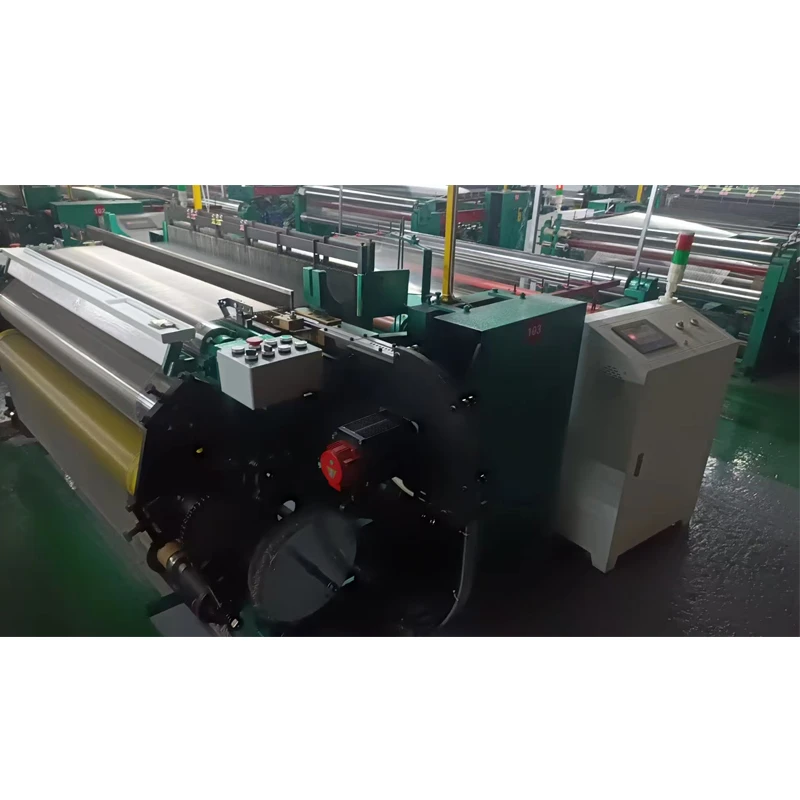
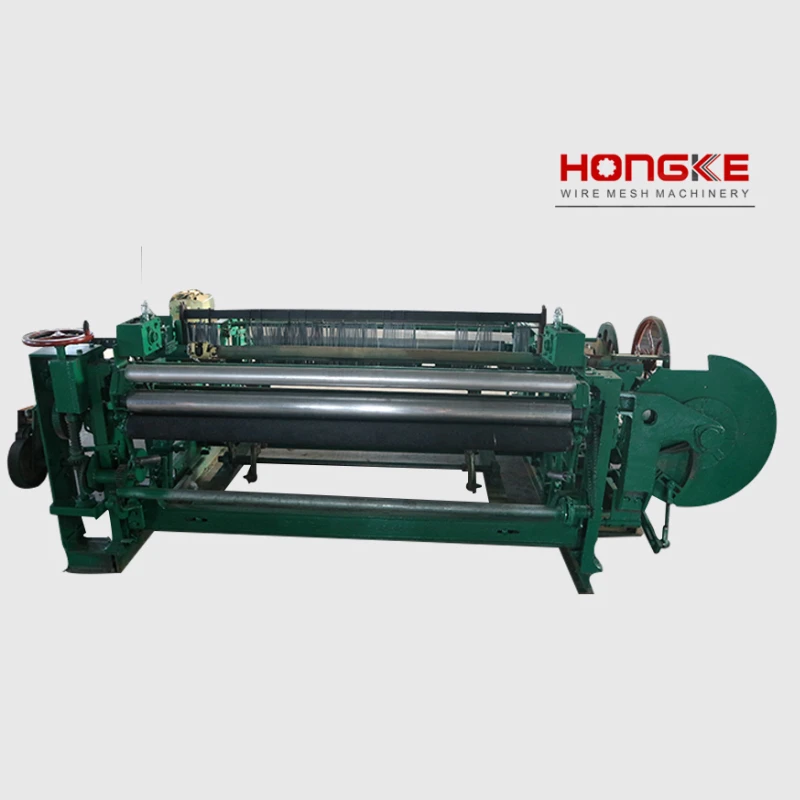
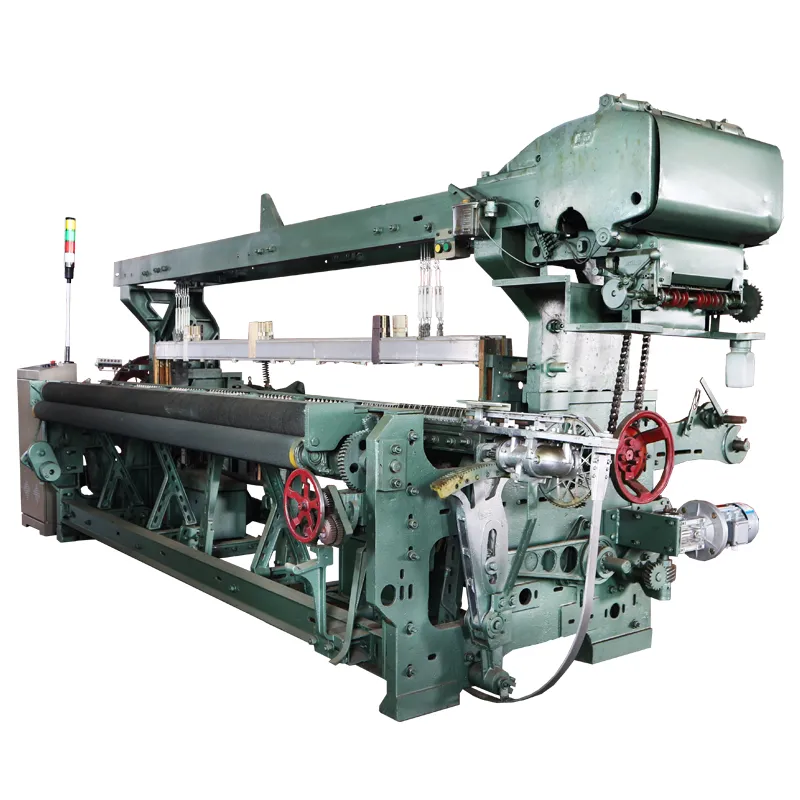
Examining a Typical High-Performance Weaving Machine
| Specification | Details |
|---|---|
| Machine Type | Rapier Loom |
| Max Weaving Speed | 900 picks per minute |
| Fabric Width Range | Up to 3 meters |
| Power Consumption | Average 30 kW |
| Control System | PLC with touchscreen interface |
| Material Compatibility | Cotton, polyester, blends, technical fibers |
When inspecting equipment, I always recommend focusing on the control system. A sensible, user-friendly interface can save hours in training and reduce downtime. Plus, these days automated fault detection is invaluable. Machines tell you what’s wrong before something breaks — a feature that frankly feels like a lifesaver when you’re running large batches on tight deadlines.
Comparing Leading Vendors of Weaving Machines
| Vendor | Max Speed (picks/min) | Energy Efficiency | Customization Options | Price Range |
|---|---|---|---|---|
| Vendor A | 850 | High (low kW consumption) | Extensive software & hardware | $$$ |
| Vendor B | 900 | Moderate | Standard modules, some upgrades | $$ |
| Vendor C | 800 | High | Custom engineering available | $$$$ |
Price often reflects customization and service levels, but it’s important to weigh those against ongoing maintenance and operational costs. A colleague once turned down a seemingly cheaper machine only to spend twice as much on repairs and lost production time.
Let me recount a small example from my experience: a mid-sized manufacturer needed to boost output but had limited floor space. They chose a machine with a surprisingly compact footprint and advanced yarn tension controls, ultimately doubling output without compromising textile quality. It’s that sort of thoughtful machinery choice that pays off in the long run.
In real terms, your choice of the best machine used for weaving fabric should consider the textile you want, your production volume, and technical support availability. Machines are investments — ones where understanding their specs beyond labels really helps.
To sum up, the industry continues to evolve rapidly. New fibers, sustainability pressures, and digital controls are all reshaping what weaving machines look like. For those of us who’ve seen the shift firsthand, it’s an exciting time. Not every machine is perfect, but the ones combining speed, reliability, and flexibility? They’re real game-changers.
Feel free to explore the options and, if you’re curious, see what machines used for weaving fabric on the market today can bring to your production floor.
— Reflections of a textile equipment veteran
- “Advancements in Weaving Technology” - Textile World Journal, 2022.
- “Sustainability Trends in Industrial Textiles” - Industry Review, 2023.
- “Modular Machinery in Manufacturing” - Engineering Today, 2021.