


Understanding the Yarn Warping Machine: A Cornerstone in Textile Production
Having worked in the industrial equipment sector for over a decade, I can say that few machines hold as pivotal a role in textile manufacturing as the yarn warping machine. Oddly enough, it’s a bit of a behind-the-scenes hero — crucial for preparing yarns precisely before weaving or knitting but often overlooked outside our circles.
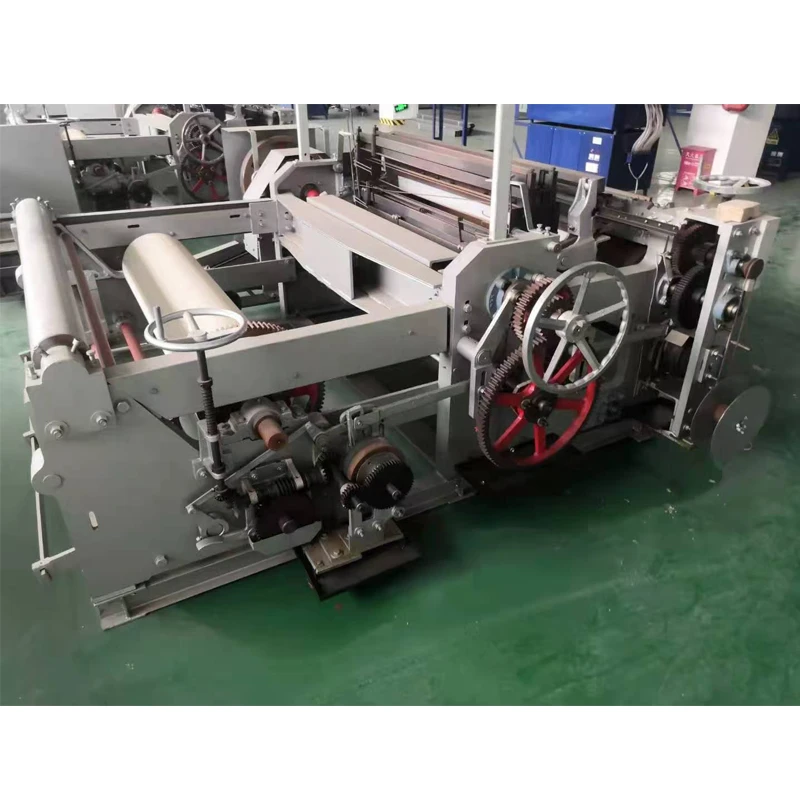
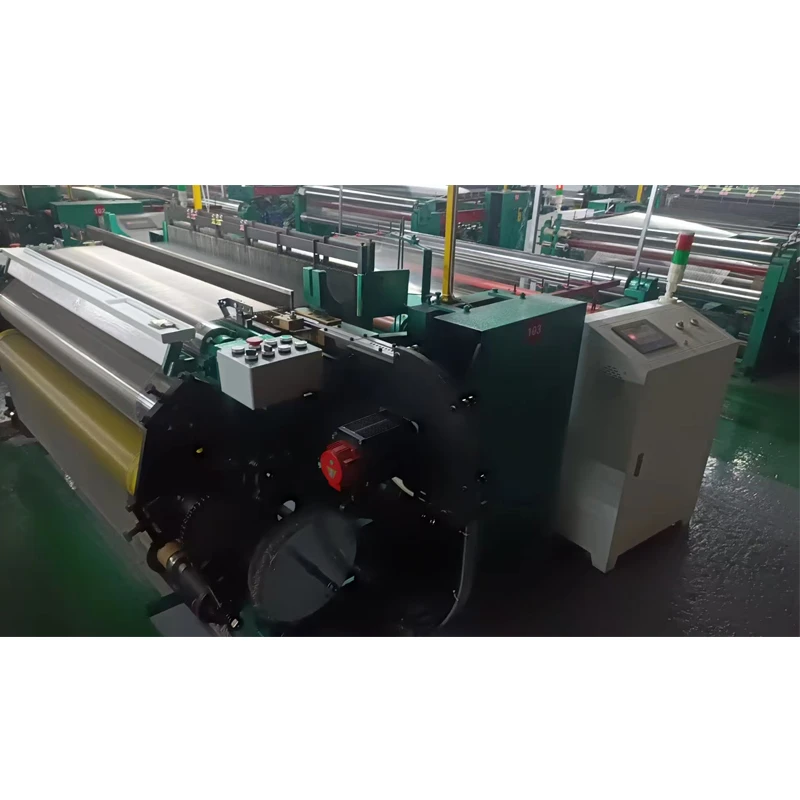
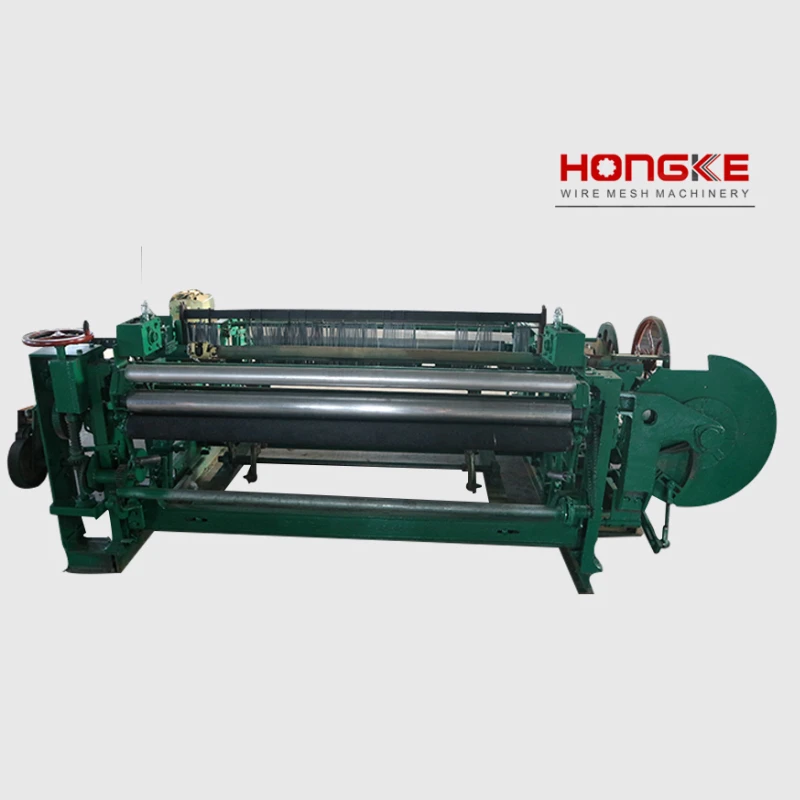
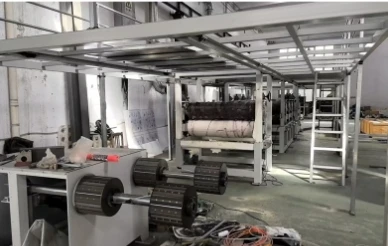
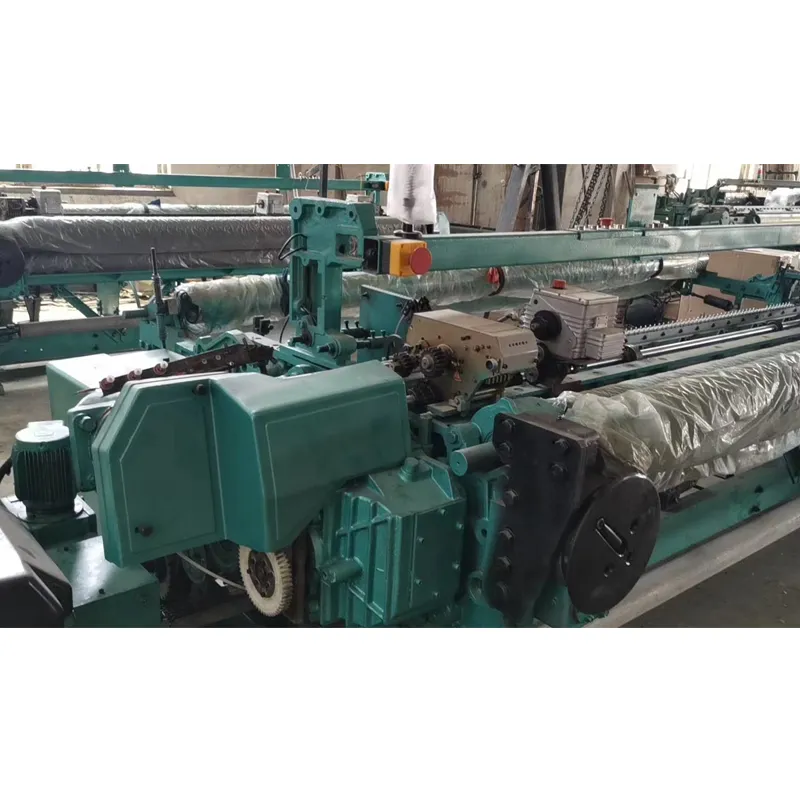
Now, for those new to this world, a yarn warping machine’s core function is to arrange yarns (or ends) in a parallel and uniform manner on a warp beam. This setup is essential for high-quality fabric production. Over the years, I’ve seen how advancements have focused not only on speed and efficiency but also on the gentleness of yarn handling, because yarns are surprisingly delicate — some more than others depending on fiber type.
Back when I first saw one in operation, the complexity was striking. The operator’s skill is part of the equation, sure, but so is the machine’s design and build quality. The modern units now often come with smart controls that adjust tension automatically. I remember many engineers saying that tension management is the single most critical factor to avoid yarn breakage during warping, which can otherwise spiral into costly downtime.
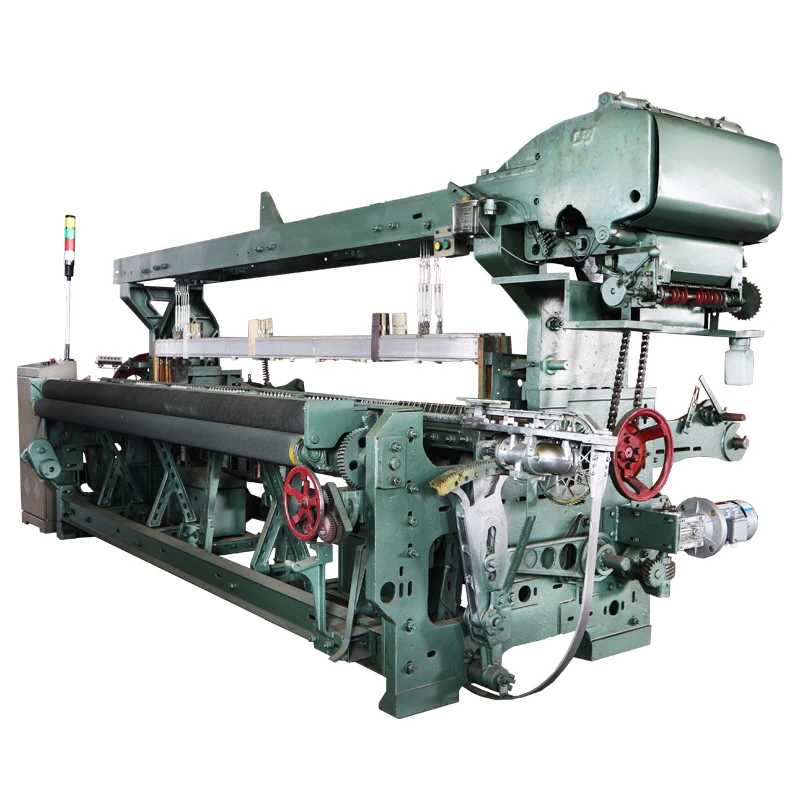
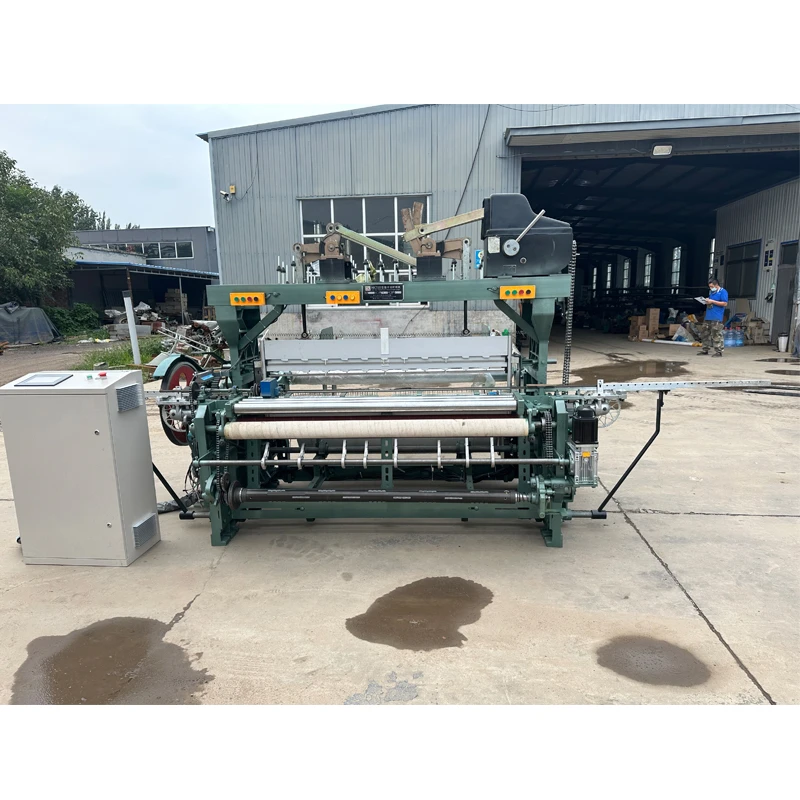
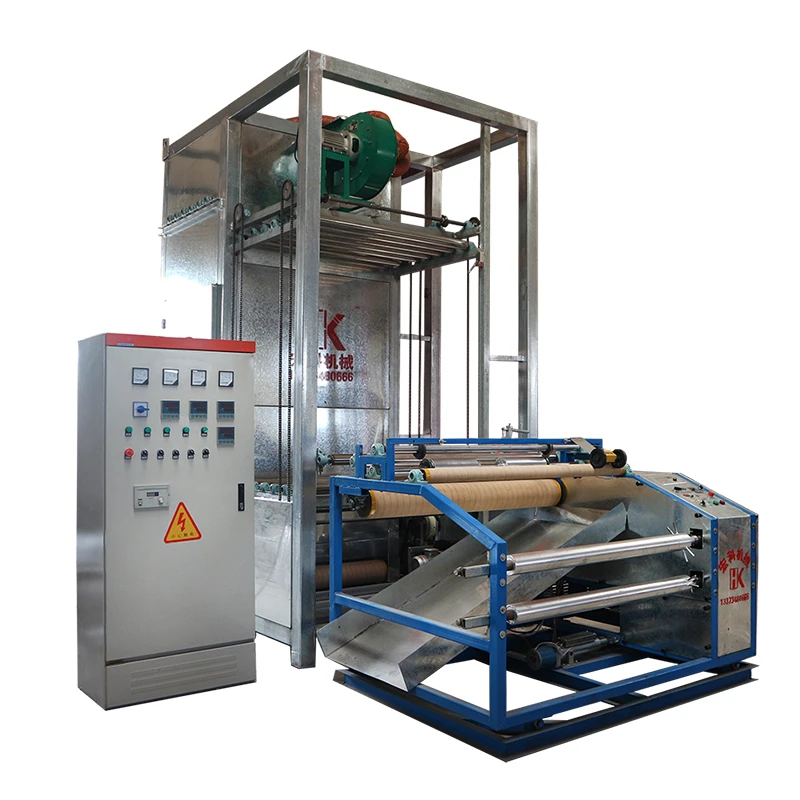
Speaking of design, yarn warping machines from reputed manufacturers often feature modular configurations, allowing customization based on production needs. Something I personally appreciate is how manufacturers balance rugged industrial build quality with ease of maintenance — it’s a tough line to walk.
Before we dive deeper, here’s a compact snapshot of typical specs you might find on a quality yarn warping machine:
| Specification | Details |
|---|---|
| Max Beam Width | 1200 mm |
| Max Speed | 120 m/min |
| Number of Ends | Up to 1600 |
| Power Supply | 3-phase, 380V, 50/60Hz |
| Control System | PLC with Touchscreen Interface |
One thing that fascinates me is how the market offers a spectrum of vendors each with slightly different focus areas. Some lean heavily into automation, others emphasize robust classic designs that are almost indestructible — useful in harsher environments.
| Vendor | Automation Level | Customization | Price Range | After-Sales Support |
|---|---|---|---|---|
| APHK Machinery | High (PLC + touchscreen) | Extensive (modular options) | Mid to High | Excellent (24/7 support) |
| TextilePro Co. | Moderate (semi-automatic) | Moderate | Mid | Good |
| WarpTech Ltd. | Low (manual focus) | Limited | Low | Basic |
In my experience dealing with APHK Machinery’s yarn warping machine, what stands out is the combination of user-friendly digital control with robust mechanical components. I recall a client who upgraded their system with APHK and saw a 20% reduction in yarn breakage rates and significant gains in setup time. That kind of impact really drives home how specialized these machines are — they’re not just “machines”, they’re enablers of quality at scale.
Frankly, deciding on a machine usually boils down to several factors: production volume, yarn types, and budget, but also post-sale service. Machines can last decades if maintained well, so having reliable support is a must. I've always appreciated when vendors provide training onsite — it makes a world of difference.
Before wrapping up, I'm often asked about trends. Well, the textile industry is moving fast toward greater automation and integration of IoT for predictive maintenance. The yarn warping machine is no exception. Smart sensors and real-time monitoring are becoming standard, helping operators catch issues before they disrupt production.
To sum it up — the yarn warping machine sits at a fascinating intersection of mechanical engineering, textile science, and digital controls. It might not get the headlines, but it’s vital. If you’re investing in textile manufacturing or upgrading lines, take a close look at what these machines offer and which vendor aligns best with your long-term goals.
Anyway, I suppose that’s enough from me. But if you want to explore more or get specs, check out APHK Machinery's yarn warping machine — they've been quite reliable from what I see.
1. “Fundamentals of Textile Fabric Production,” Textile Institute, 2018.
2. Interview with Industrial Engineers, Textile Journal, 2022.
3. APHK Machinery Technical Brochure, 2023.