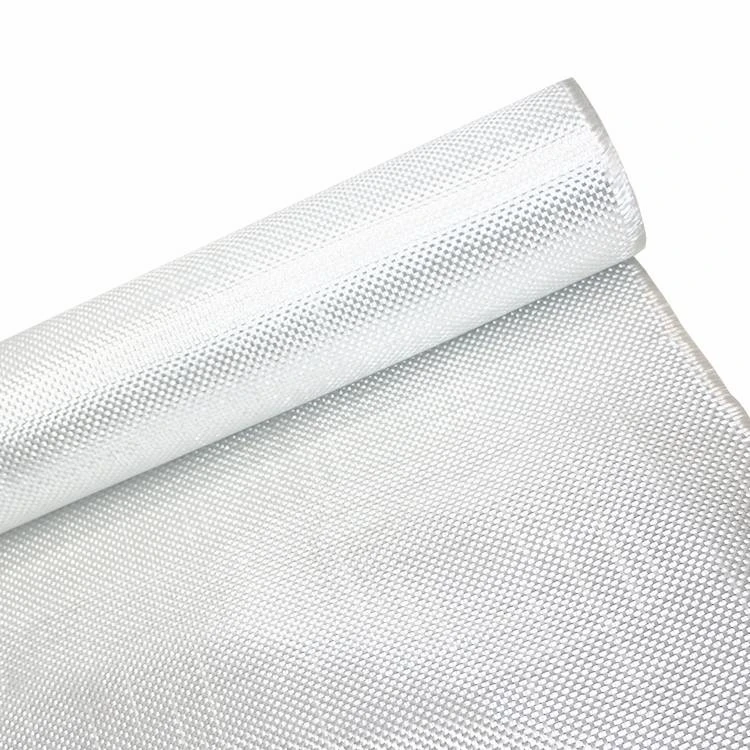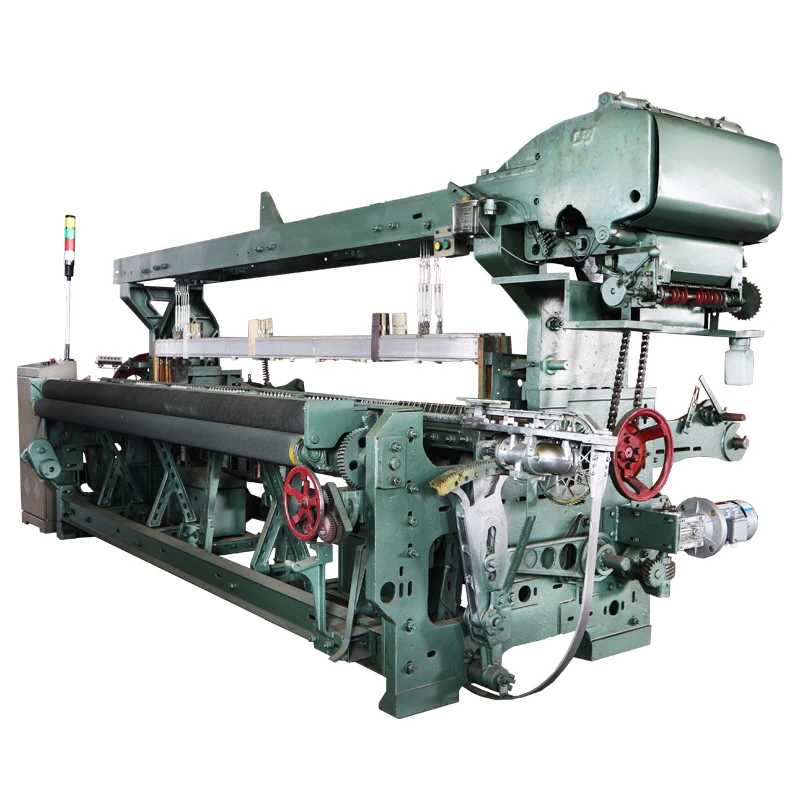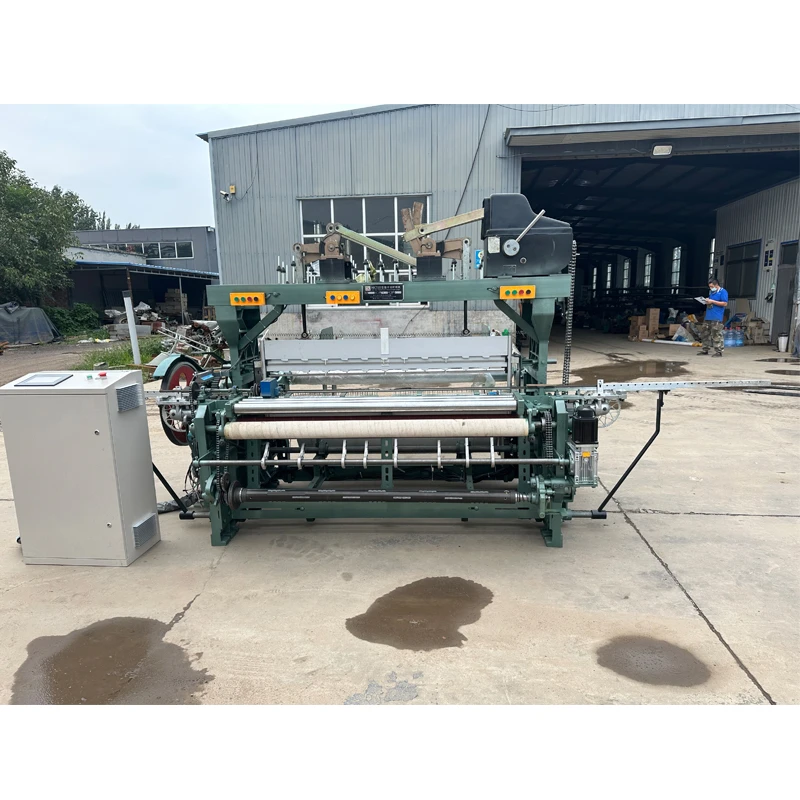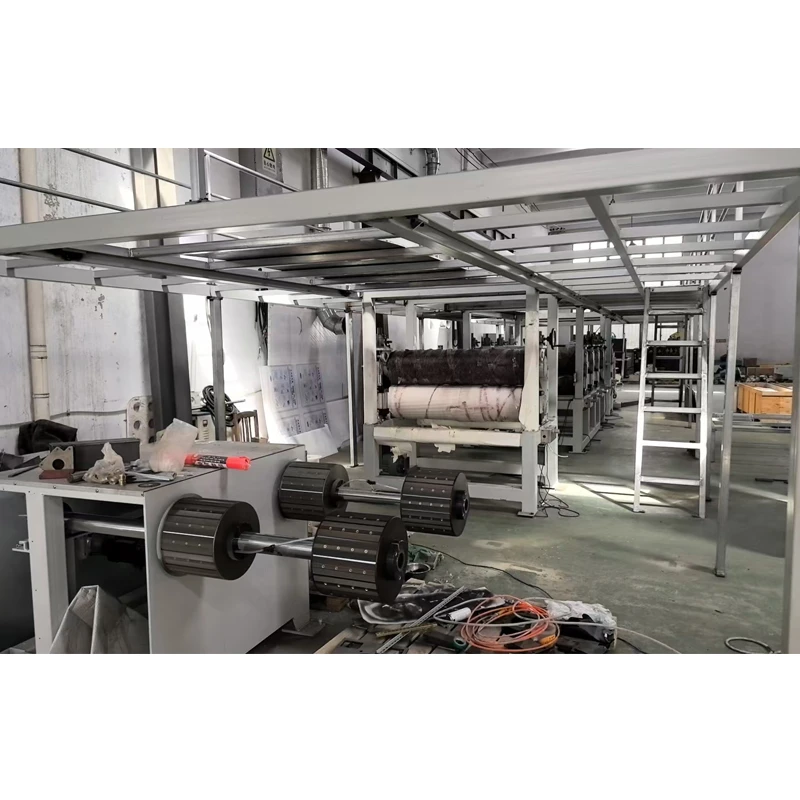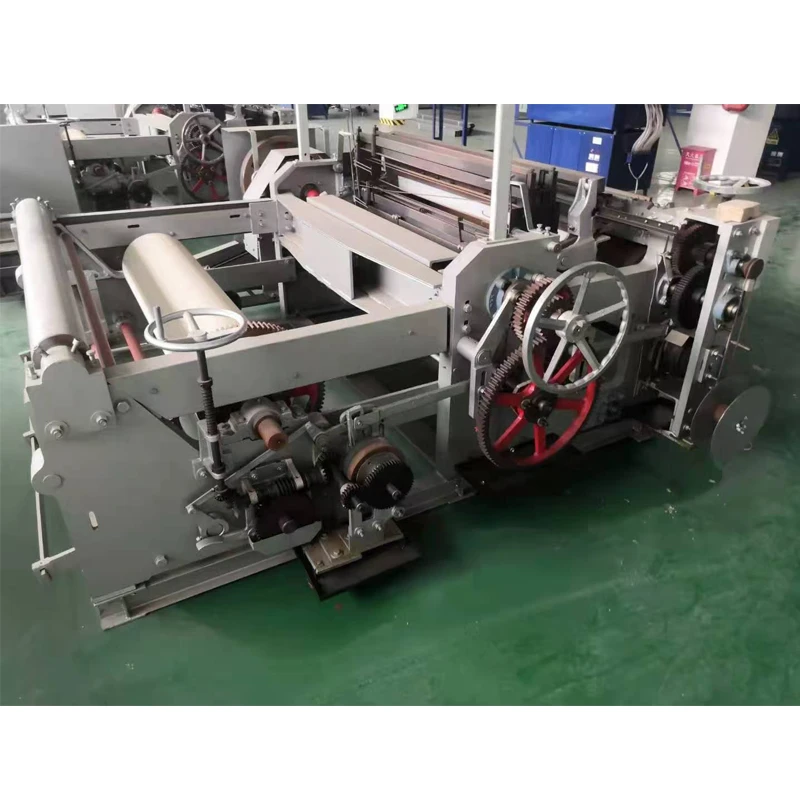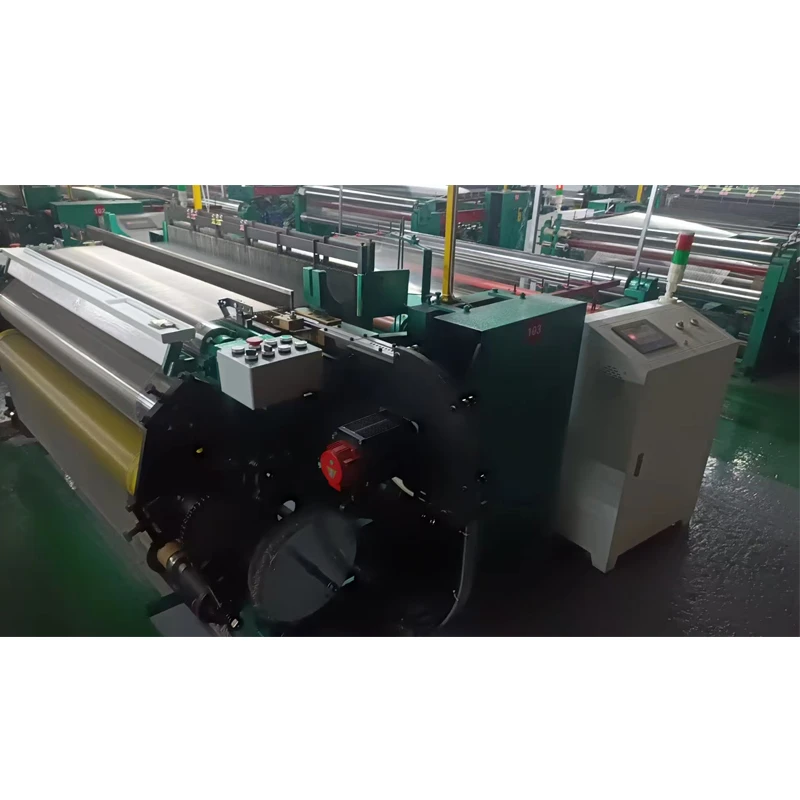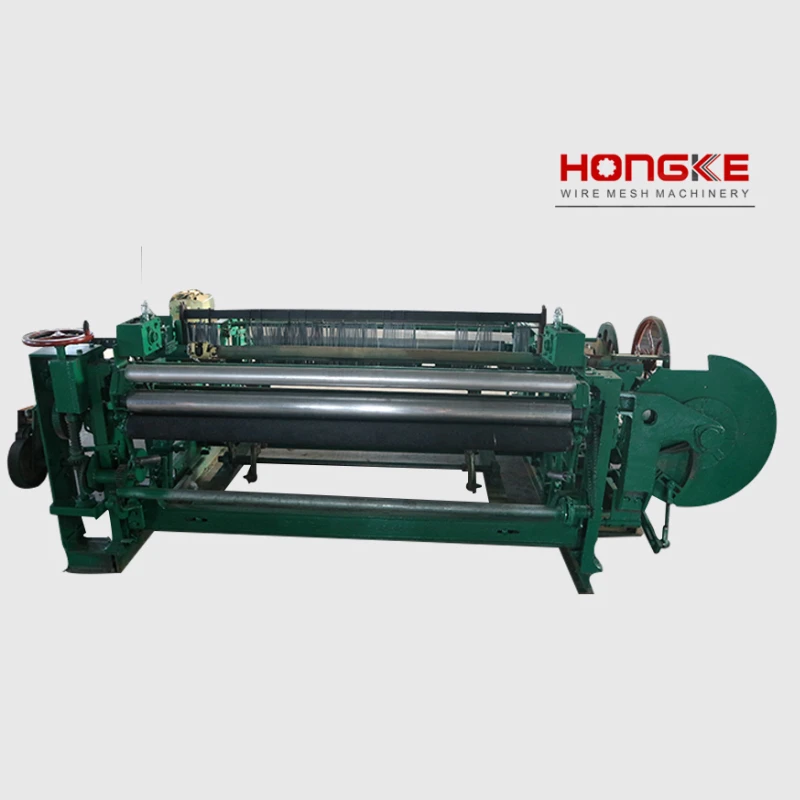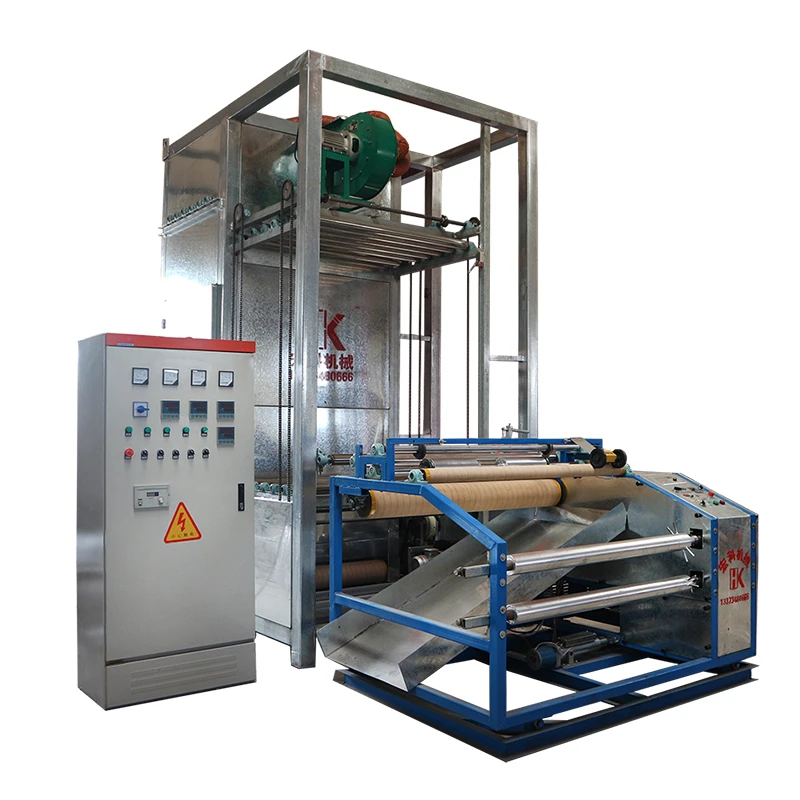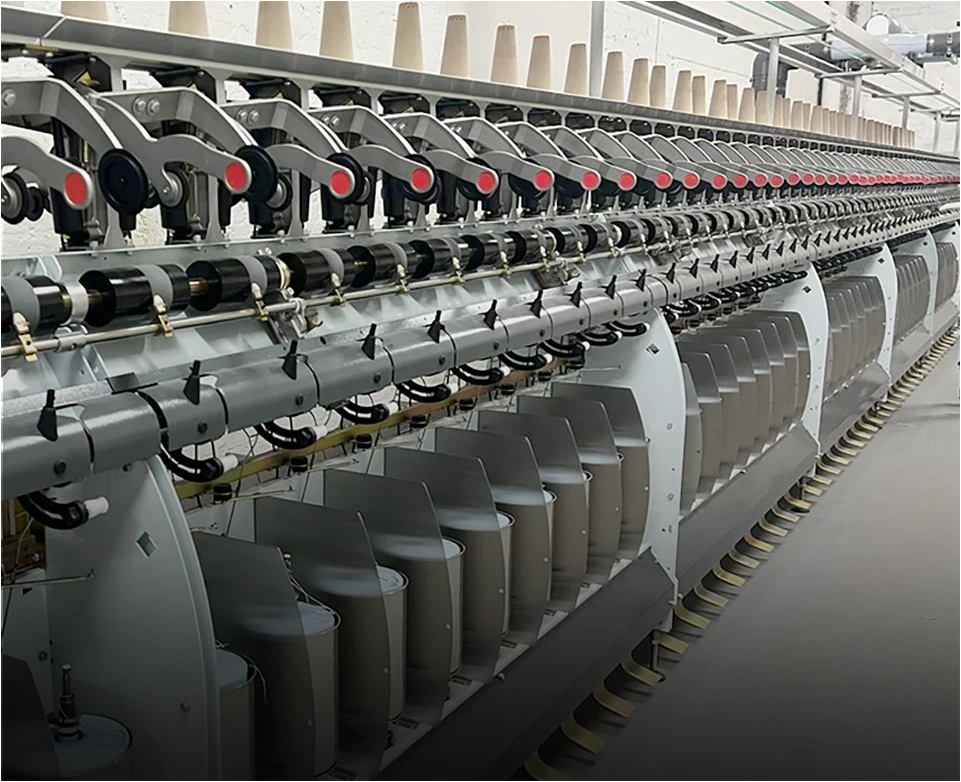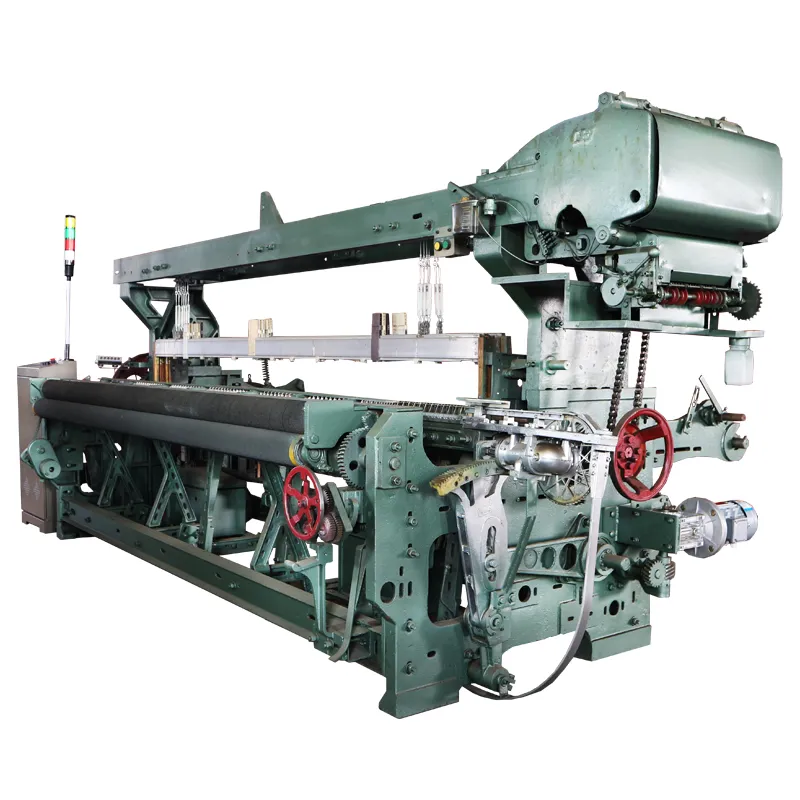



Section Warping Machine is a key solution in the industry, specifically within textile manufacturing and complex fabric preparation. This article explores how https://www.aphkmachinery.com supports professionals with durable, high-performance products, and explains why this product is an ideal choice for businesses in these sectors.
Table of Contents
- Section Warping Machine Overview
- Benefits & Use Cases of Section Warping Machine
- Cost, Maintenance & User Experience
- Sustainability & Market Trends
Section Warping Machine Overview
The Section Warping Machine is a specialized device designed to efficiently prepare warp beams by winding yarn sections systematically. For folks new to textile production, it might sound a bit technical, but essentially, this machine organizes yarn threads onto beams ahead of weaving, ensuring strength and consistency in finished fabric. In real terms, it’s indispensable for industries aiming at high-quality woven textiles, where precision and speed matter.
- The machine adapts to different yarn types and densities, offering customizable tension controls.
- For example, a functional model might handle up to 320 sectional beams simultaneously, with automated section changes and user-friendly controls, reducing manual labor.
| Specification | Details |
|---|---|
| Max Beam Width | 3200 mm |
| Max Warp Count | 320 sections |
| Power Consumption | 3.5 kW |
| Control System | PLC with Touchscreen Interface |
| Weight | 2500 kg |
Benefits & Use Cases of Section Warping Machine
Many B2B decision-makers in textile manufacturing quickly realize the Section Warping Machine’s potential to boost production efficiency. Its automation capabilities reduce workforce dependency on tedious, manual warping tasks. Industries producing denim, canvas, and technical fabrics benefit from its ability to uniformly align warp threads, enhancing fabric durability and aesthetic consistency.
- One big upside is the adaptive warp tension regulation, preventing yarn breakage and minimizing downtime.
- Compared to traditional methods, this machine integrates advanced controls for faster job changeovers—really handy when managing varied production batches.
| Vendor | Pricing | Warranty | Key Features |
|---|---|---|---|
| APHK Machinery | $$$ | 2 years | PLC control, auto-sectional tension adjustment, high durability |
| Competitor A | $$ | 1 year | Basic automation, manual tension control |
| Competitor B | $$$$ | 3 years | Fully automated, smart diagnostics, higher throughput |
Cost, Maintenance & User Experience
When considering a Section Warping Machine purchase, cost of ownership is more than just the upfront price tag. Durable materials and smart automation reduce wear on components, which frankly means fewer repairs and longer intervals between services — a big win for busy factories. Some customers share that APHK Machinery’s models stride ahead here: less downtime means quicker ROI.
- Routine maintenance typically involves lubrication and checking tension sensors; operators find the touchscreen interface intuitive, speeding up training time.
- It’s not uncommon to hear from plant managers that upgraded warping machine tech leads to reduced thread waste and smoother shift workflows.
Sustainability & Market Trends
The global demand for environmentally responsible manufacturing is pushing textile machinery makers to innovate. Section Warping Machines, particularly those from reputed vendors like APHK, are now designed with energy-efficient motors and optimized waste reduction to meet stricter regulations. Oddly enough, automating tension control not only improves fabric quality but reduces yarn breakage, cutting waste significantly.
- With textile markets poised to grow steadily, investing in advanced warping machines aligns well with both sustainability goals and future-proofing operations.
Frequently Asked Questions about Section Warping Machine
- What is Section Warping Machine and how does it work?
- A Section Warping Machine is a piece of textile equipment that prepares warp beams by winding varied yarn sections in a predefined order. It works by pulling yarn from multiple bobbins simultaneously, controlling tension precisely, and stacking the yarn onto beams that feed looms. This process ensures uniformity and fabric strength.
- What are the main benefits of using Section Warping Machine in industrial applications?
- Key benefits include higher productivity due to automation, enhanced yarn tension control improving fabric quality, and reduced manual labor costs. These machines also minimize yarn waste by precise winding, translating into overall cost savings.
- How does Section Warping Machine compare to traditional alternatives?
- Unlike hand-operated or semi-automatic warping processes, Section Warping Machines offer superior consistency, speed, and automation. Technological advancements like PLC controls and automated tension adjustments set them apart, making them more efficient and easier to maintain.
- What industries can benefit most from Section Warping Machine implementation?
- Textile manufacturers across apparel, home furnishings, technical textiles, and industrial fabric sectors benefit greatly. For instance, denim mills and producers of upholstery fabric rely heavily on this technology to ensure strength and uniformity.
Conclusion on Section Warping Machine from China
To wrap it up, the Section Warping Machine from APHK Machinery offers a well-rounded balance of technology, durability, and efficiency that modern textile producers can hardly overlook. If boosting throughput while reducing waste matters to your business, this machine stands out as a practical investment.
- Recap the value of Section Warping Machine.
- Explore further or request a quote — Visit our website: https://www.aphkmachinery.com.
In closing, I'd say that investing in proper warping tech is not just about machines—it's about weaving stronger futures for your business and clients alike.
- Textile Machinery Journals, 2023 Industry Overview
- APHK Machinery Product Manual, 2024 Edition
- Sustainability Reports, Global Textile Manufacturers Association, 2023