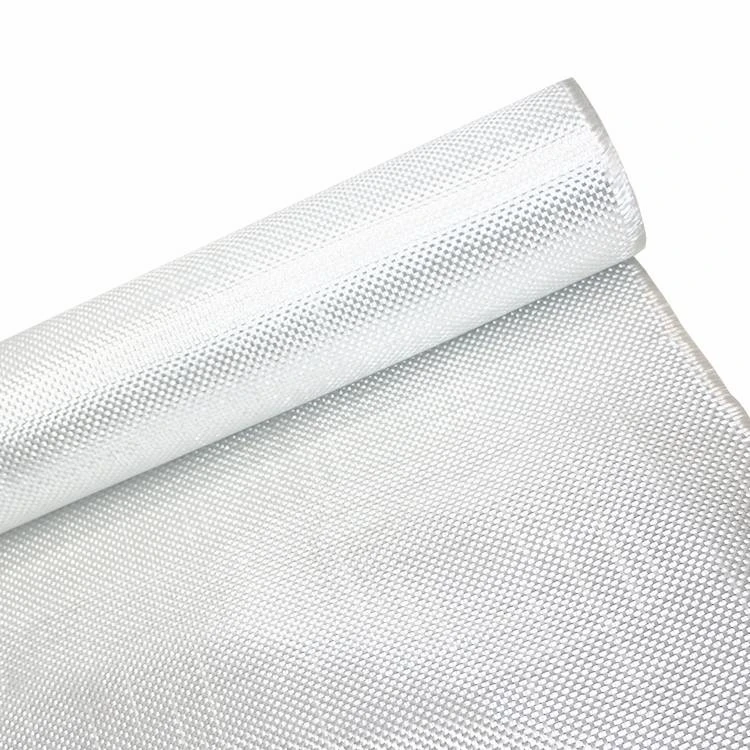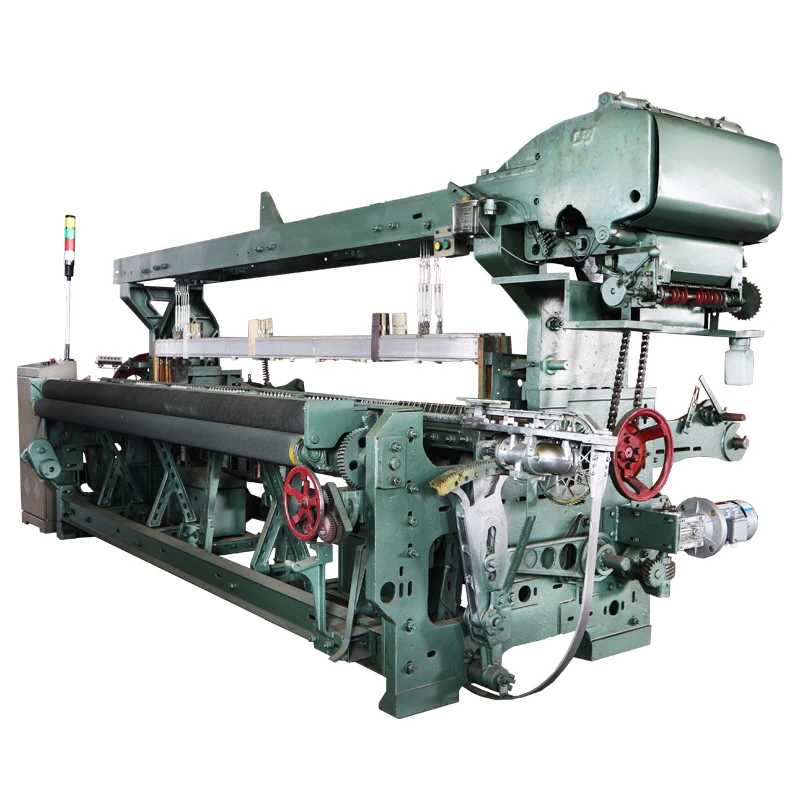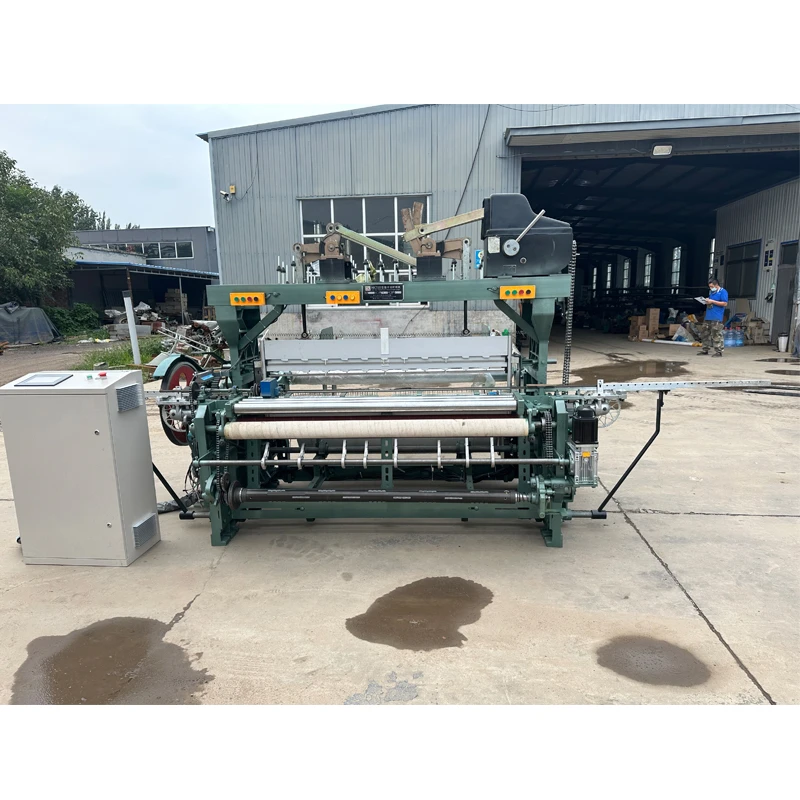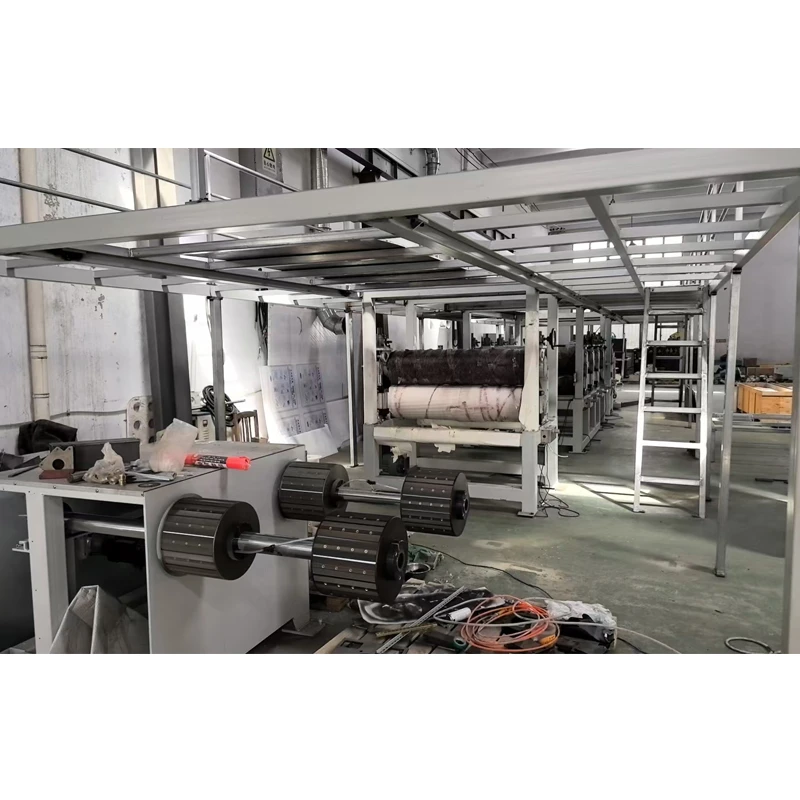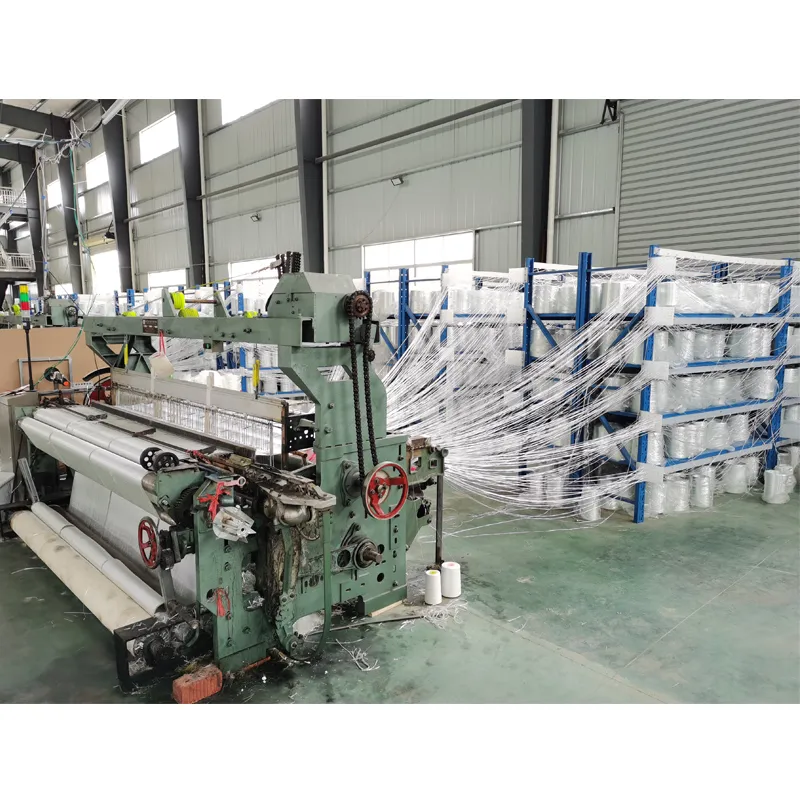



Sectional Warping Machine is a key solution in the industry, specifically within textile manufacturing and related sectors. This article explores how https://www.aphkmachinery.com supports professionals with durable, high-performance products, and explains why this product is an ideal choice for businesses in these sectors.
Table of Contents
- Sectional Warping Machine Overview
- Benefits & Use Cases of Sectional Warping Machine
- Cost, Maintenance & User Experience
- Sustainability & Market Trends
Sectional Warping Machine Overview
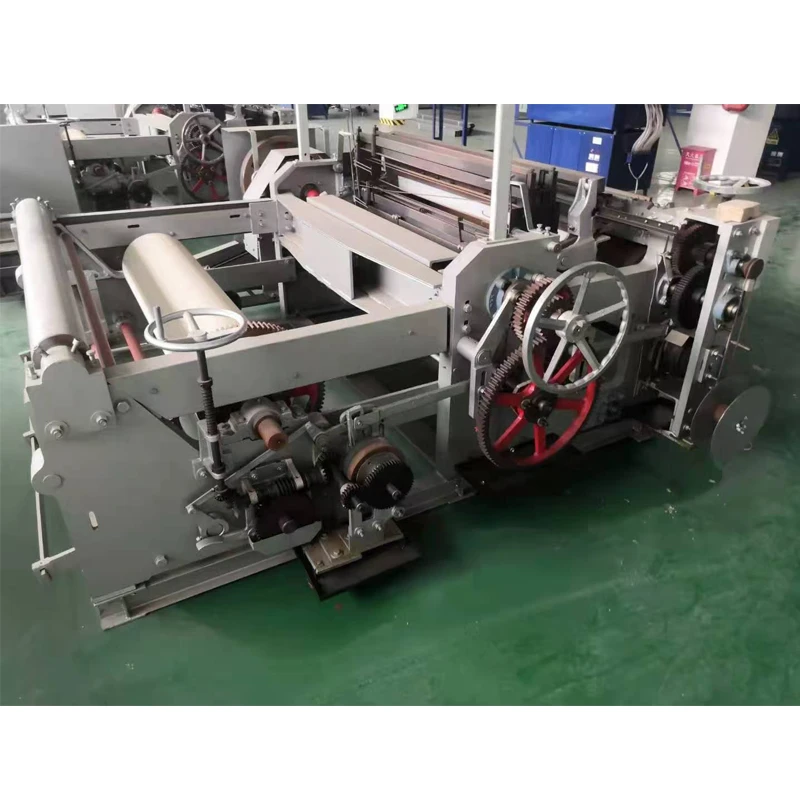
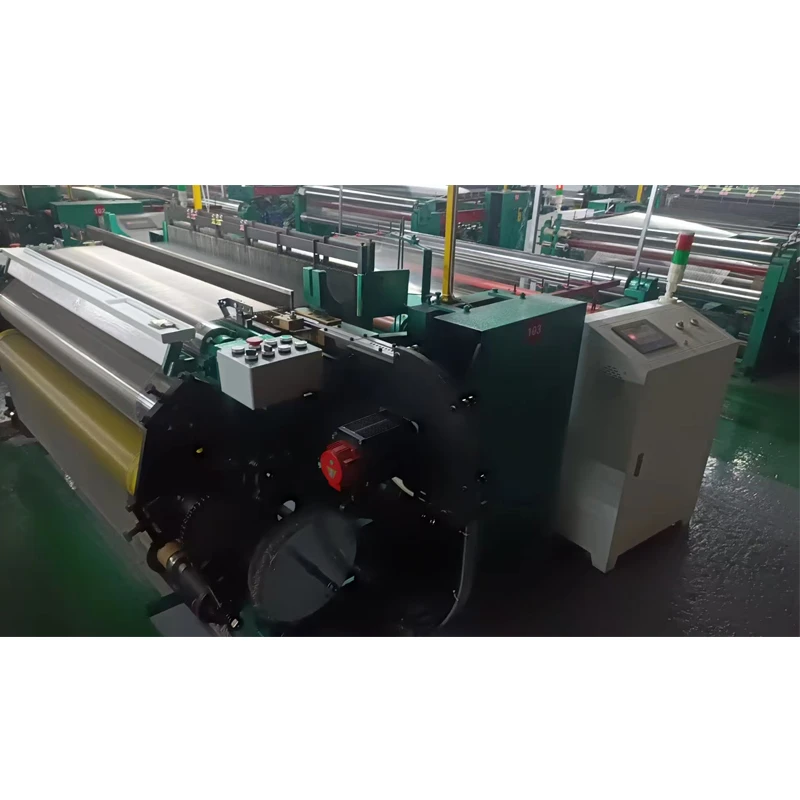
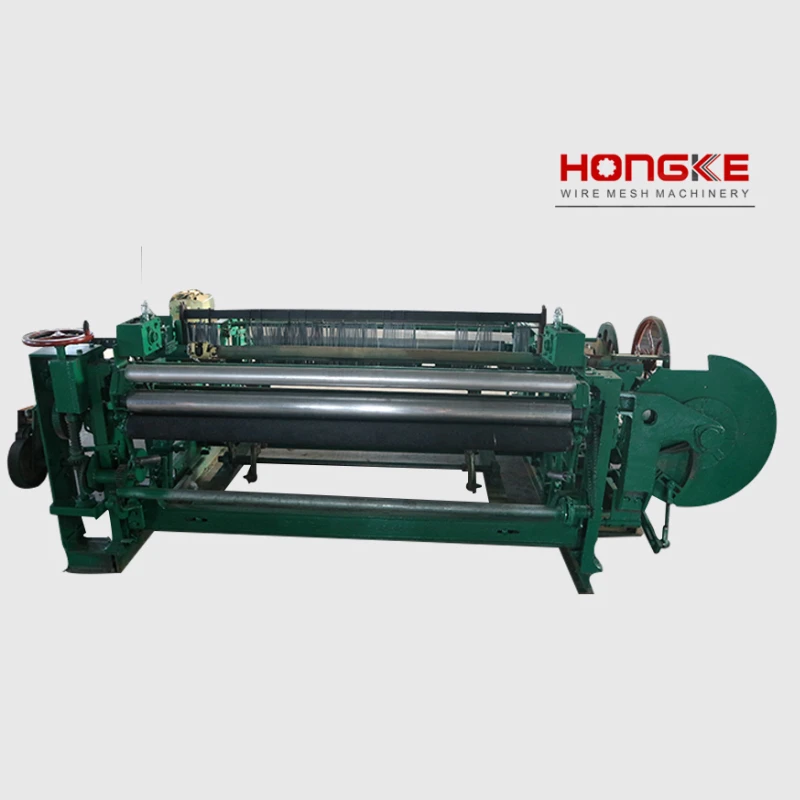
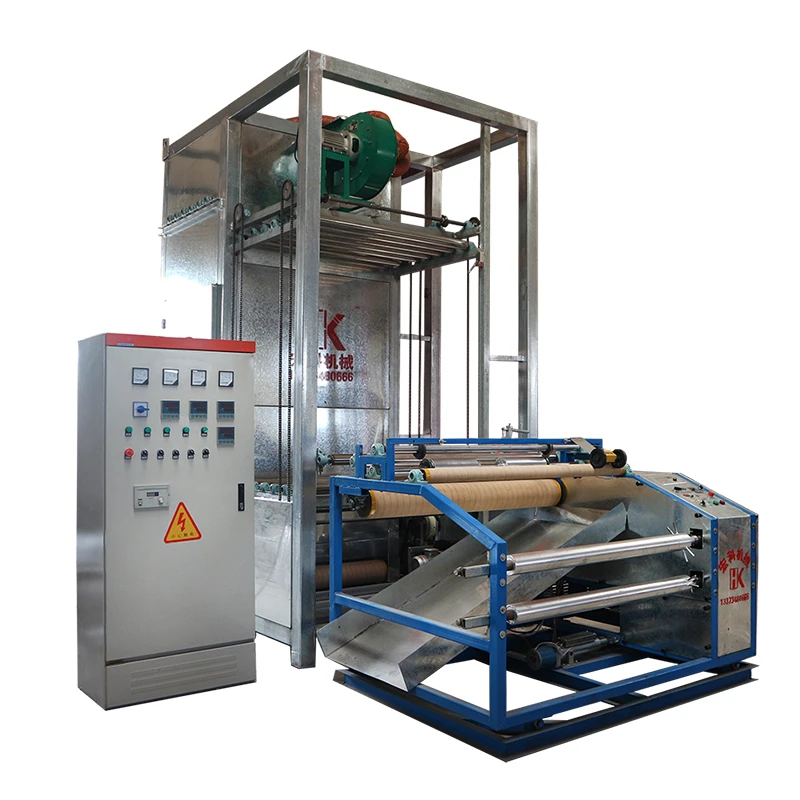
Simply put, a Sectional Warping Machine is a specialized textile equipment designed to prepare warp beams for weaving. Instead of the traditional creel methods where yarns are warped continuously, sectional warping divides the yarns into sections on a frame. This modular approach often leads to enhanced efficiency and better control over yarn tension. Frankly, it feels like the “organized chaos” of yarn handling has been tamed with this technology—perfectly tailored for medium and large-scale fabric production.
Technically, the machine consists of multiple numbered sections, each equipped with precise tension controls, and the ability to handle various fiber types ranging from cotton and wool to synthetic yarns. For instance, a standard model from APHK Machinery offers speeds up to 450 meters per minute and a beam width from 800 to 3600 mm. Often, clients share how the adjustable winding tension dramatically reduces breakage and ensures uniformity—a subtle but critical detail in quality control.
| Specification | Details |
|---|---|
| Max Beam Width | 3600 mm |
| Operating Speed | Up to 450 m/min |
| Yarn Types Supported | Cotton, Wool, Synthetic Fibers |
| Tension Control | Electronic Adjustable |
| Power Consumption | 5.5 kW |
Benefits & Use Cases of Sectional Warping Machine
In real terms, the sectional warping machine shines in textile mills and fabric manufacturers who demand both volume and quality. Industries ranging from apparel to upholstery rely on its precise yarn alignment and consistent tension to significantly reduce flaws during weaving. Many production managers have mentioned a drop in downtime thanks to the machine’s quick sectional setup capabilities, which frankly means faster project turnovers.
What truly sets this machine apart is the ability to customize beam widths and yarn sections depending on fabric specification. Some clients reported improved integration when pairing the sectional warping machine with modern weaving looms, resulting in fewer yarn breakages and higher machine uptime. On top of that, APHK Machinery’s product line offers real-time tension monitoring—oddly enough, something many other manufacturers tend to overlook. These features add up, making it a stand-out option for companies looking to modernize without overhauling entire production lines.
Cost, Maintenance & User Experience
Now, when it comes to cost, the initial investment in sectional warping machines can seem steep. But a deeper dive shows the total cost of ownership is quite reasonable, especially considering the durability and energy efficiency built into APHK’s designs. The machine’s robust steel framework and low-friction rollers lessen wear and tear, translating into decreased maintenance budgets.
From user experience feedback, operators often emphasize how intuitive the control panels are — a small but telling detail — because downtime related to operator error shrinks dramatically. Plus, spare parts are easily available, which is crucial in fast-moving production environments. One regional textile mill manager shared how their first year saw a roughly 15% boost in production yield post-installation, with maintenance complaints down by nearly 40%. Evidently, the machine’s reliability feeds directly into return on investment.
| Vendor | Price Range | Key Features | Warranty |
|---|---|---|---|
| APHK Machinery | $$$ | Electronic tension control, speed up to 450 m/min, modular design | 2 years |
| Vendor B | $$ | Manual tension, slower speed, limited beam sizes | 1 year |
| Vendor C | $$$$ | Fully automated, integrated sensor array, premium build | 3 years |
Sustainability & Market Trends
Sustainability in textile manufacturing often flies under the radar, but it’s crucial as regulations tighten worldwide. The Sectional Warping Machine contributes to this trend by reducing waste yarn and optimizing energy consumption. Its design minimizes threading errors and yarn tension inconsistencies that typically lead to rejected fabrics—so we’re looking at a machine that helps cut down on raw material wastage over time.
Market-wise, growth in Asian and African textile industries has pushed demand for reliable and flexible warping solutions, making sectional machines a hot commodity. Regulatory bodies increasingly favor equipment that supports cleaner production methods, and manufacturers like APHK Machinery are evolving to meet these standards with eco-friendly lubricants and energy-efficient motors. Oddly enough, the conversation about warping technology’s role in sustainability is just starting to gain momentum—but I suppose any tech that slashes waste while improving quality and speed is worth paying attention to.
Frequently Asked Questions about Sectional Warping Machine
- What is Sectional Warping Machine and how does it work?
- It’s a machine that prepares warp yarns for weaving by dividing them into sections on a beam. This segmented approach controls yarn tension and alignment better than older continuous processes. Yarn is wound section by section, ensuring their proper arrangement before weaving.
- What are the main benefits of using Sectional Warping Machine in industrial applications?
- Key benefits include increased efficiency, uniform yarn tension reducing defects, adaptability to different yarn types, and faster changeovers. Plus, it often leads to longer machine life and less maintenance.
- How does Sectional Warping Machine compare to traditional alternatives?
- Unlike traditional creel warping, sectional warping offers better control and flexibility. It’s more modular, enabling handling of complex yarns and fabrics and typically reduces waste and machine downtime.
- What industries can benefit most from Sectional Warping Machine implementation?
- Textile mills producing garments, home textiles, technical fabrics like medical or automotive textiles, and even composite materials benefit widely. Small to large enterprises find uses adapting to their workflow.
Conclusion on Sectional Warping Machine from china
To recap, the Sectional Warping Machine is a smart investment for textile businesses serious about boosting efficiency, improving quality, and staying ahead of sustainability requirements. In my experience, APHK Machinery delivers a balanced offering of durability and cutting-edge features that really suits both traditional mills and modern facilities.
- Recap the value of Sectional Warping Machine.
- - Visit our website: https://www.aphkmachinery.com
References & Notes
- APHK Machinery Official Site – Product Specs and Industry Applications
- Industry Whitepaper on Textile Machine Efficiency, 2023
- Interview with Regional Textile Factory Manager, April 2024