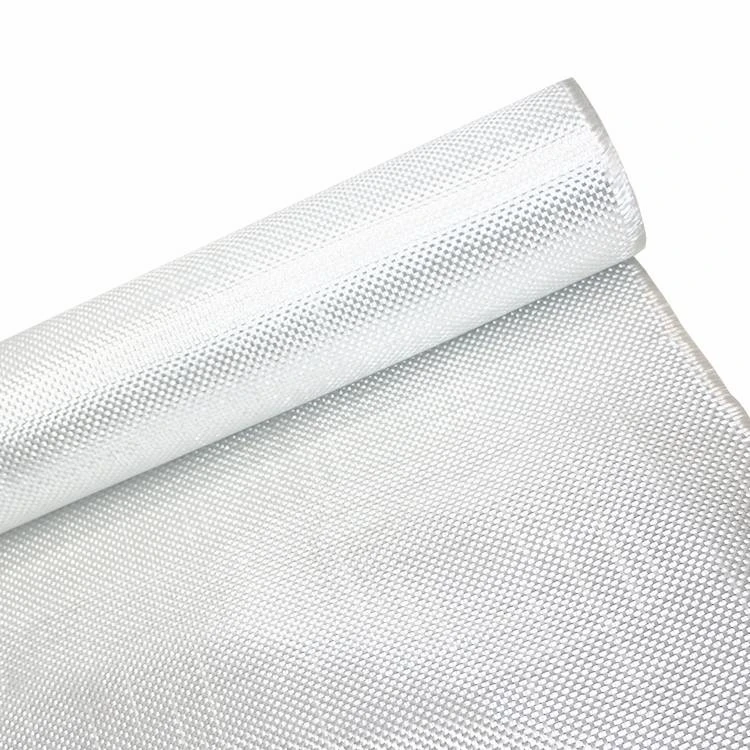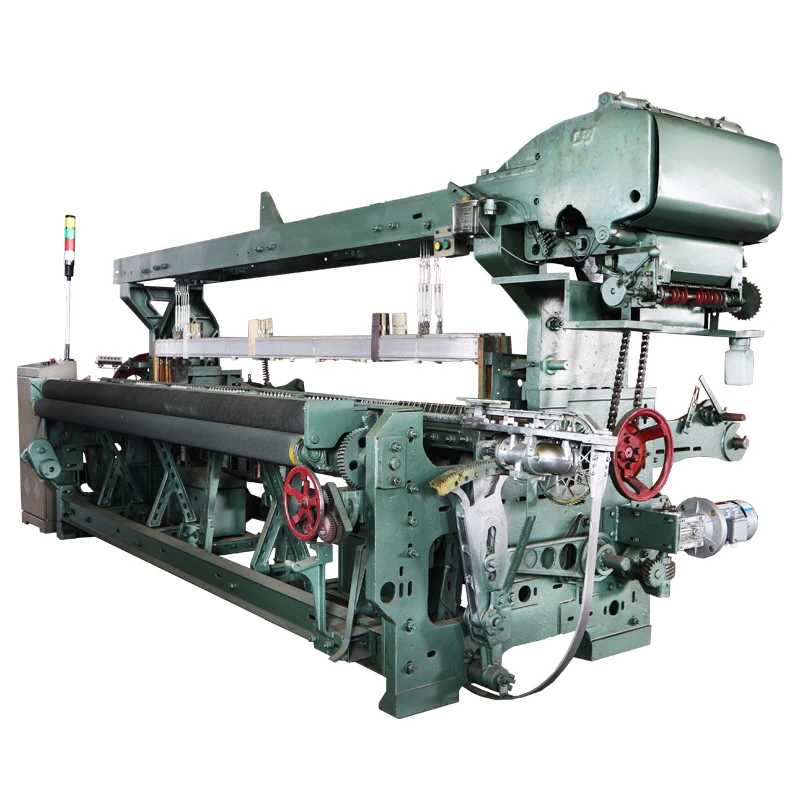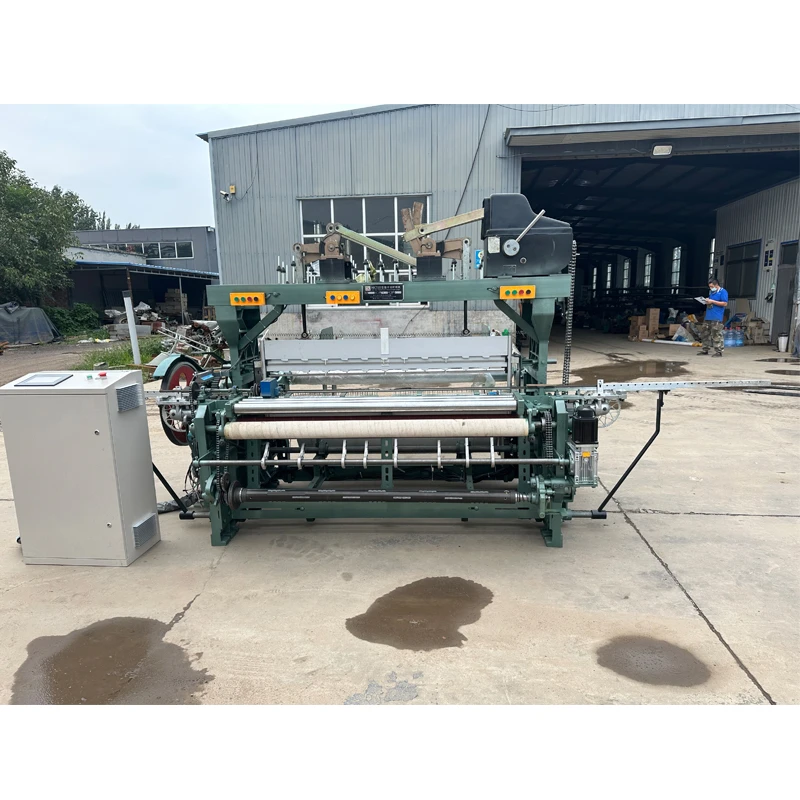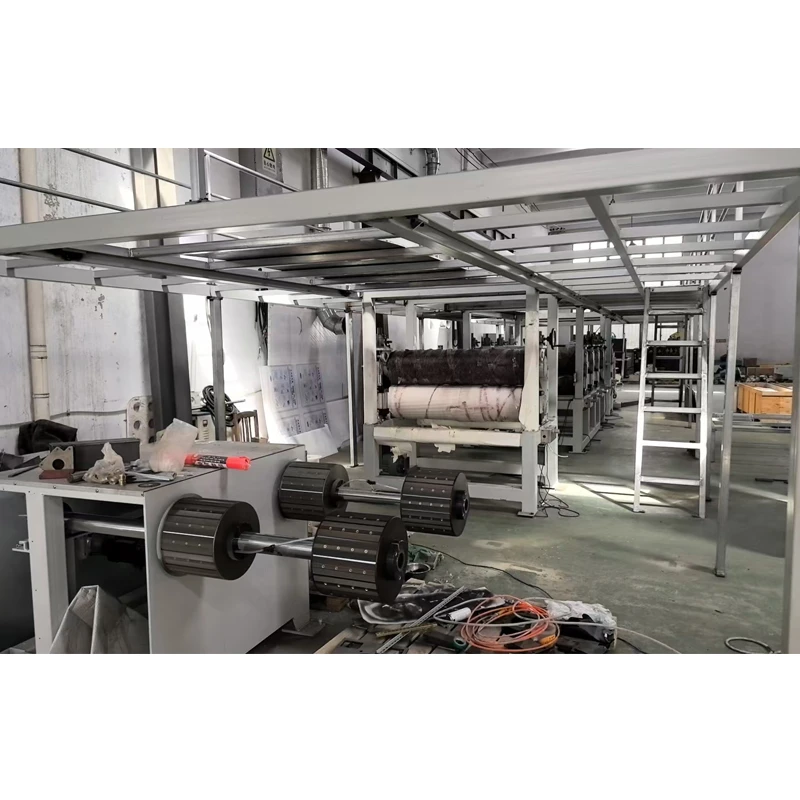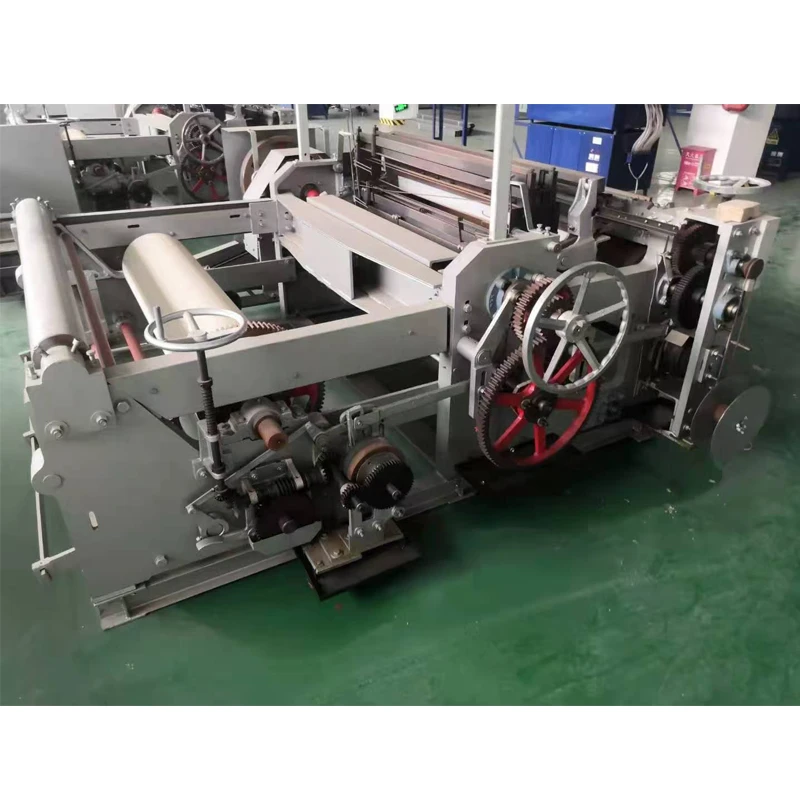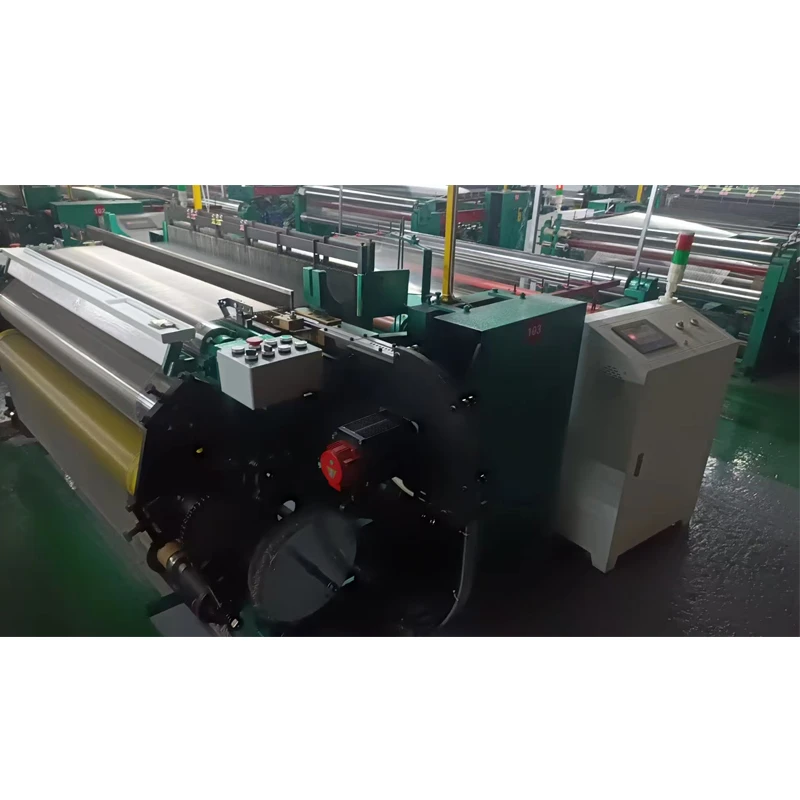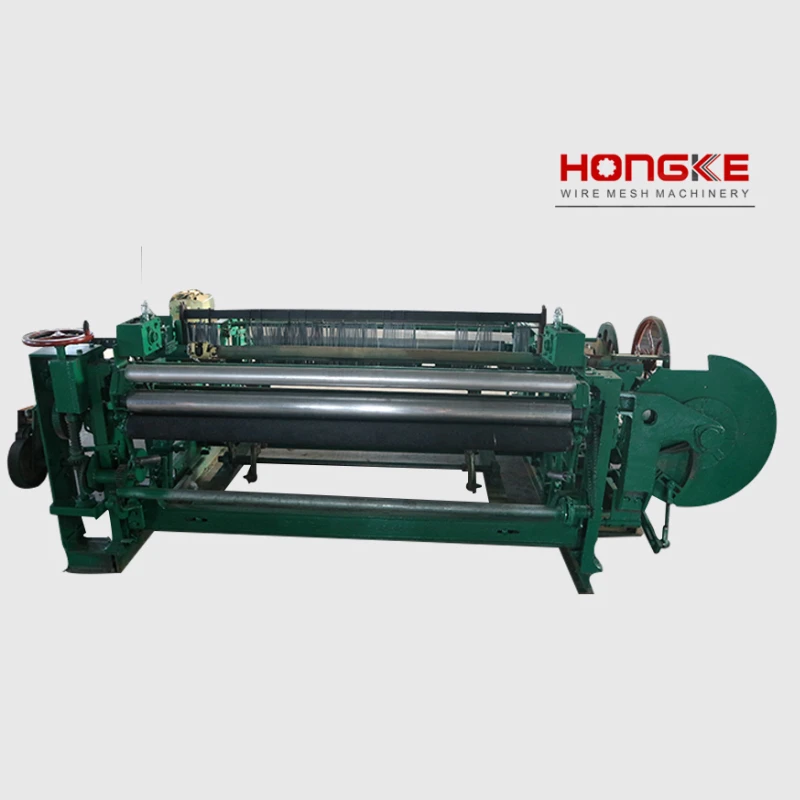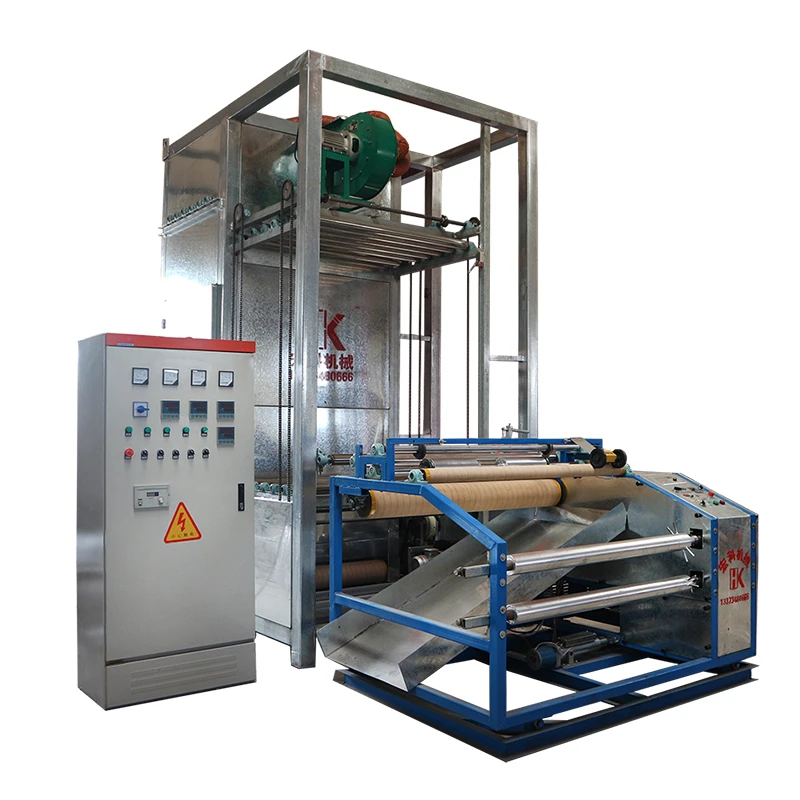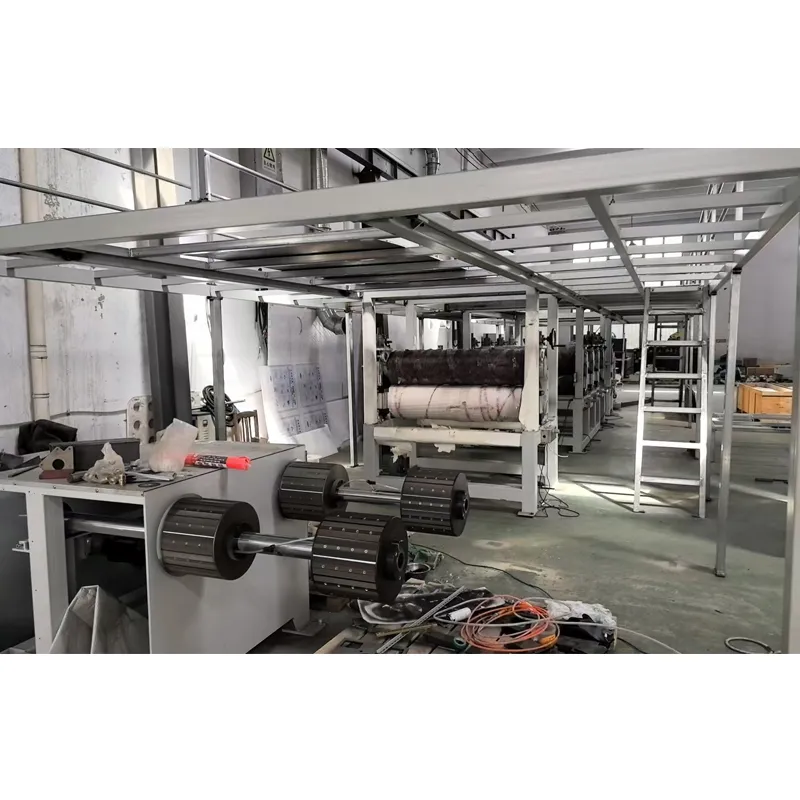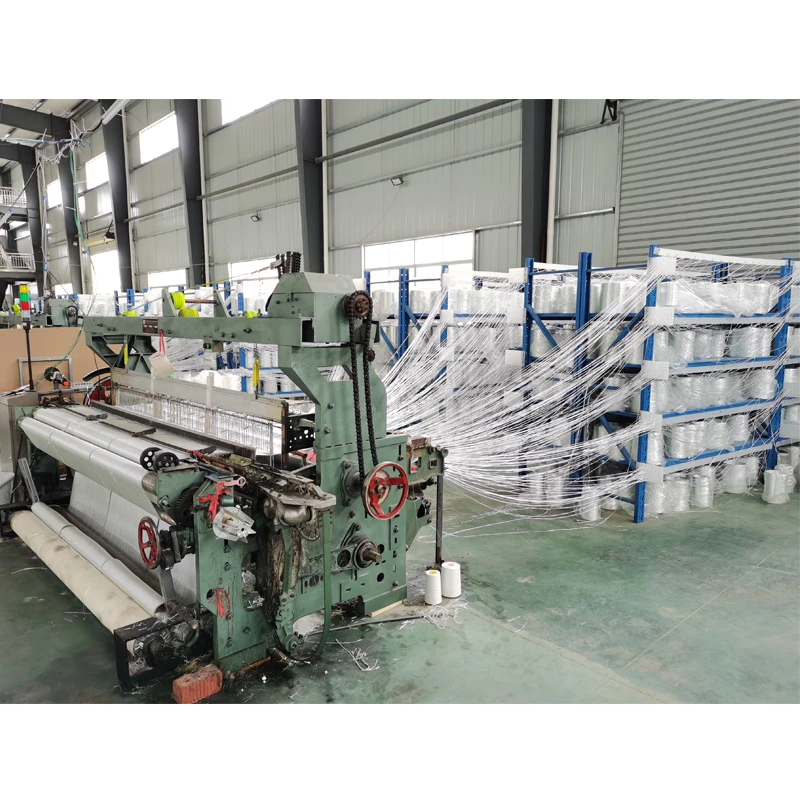



Warping Machine is a key solution in the industry, specifically within textile manufacturing and other related sectors. This article explores how aphkmachinery.com supports professionals with durable, high-performance products, and explains why this product is an ideal choice for businesses in these sectors.
Table of Contents
- Warping Machine Overview
- Benefits & Use Cases of Warping Machine
- Cost, Maintenance & User Experience
- Sustainability & Market Trends
Warping Machine Overview
Warping machines, in a nutshell, are specialized devices used to prepare yarns for weaving by aligning them in parallel on a beam. This process is so fundamental, frankly, that without it, the weaving lines simply can’t run smoothly—it's the first step towards high-quality fabric production. In industrial settings, you’ll find these machines handling high volumes and varying yarn types, so robustness is non-negotiable.
Technically speaking, a warping machine controls tension, speed, and yarn arrangement with precision. I recently dove into specs from aphkmachinery.com, and their machines come equipped with advanced control panels, variable speed drives, and modular designs. This flexibility lets factories adapt quickly to different production runs—something many engineers really appreciate. To illustrate, a case study from a textile plant in Vietnam showed that integrating this warping machine cut setup time by nearly 15%, improving overall throughput.
| Specification | Details |
|---|---|
| Max Warp Width | 3600 mm |
| Max Speed | 120 m/min |
| Control System | PLC with Touchscreen Interface |
| Yarn Types Supported | Cotton, Synthetic, Blends |
| Power Supply | 380V, 50Hz |
Benefits & Use Cases of Warping Machine
Oddly enough, despite being one of the earlier steps in fabric manufacturing, a warping machine’s role is absolutely critical — almost like setting the stage before the main act. Its consistent and accurate yarn alignment reduces problems downstream on weaving machines, which means fewer stoppages and better fabric quality.
In real terms, use cases range from large-scale textile mills to smaller units specializing in niche fabrics. Its versatility is where their models truly shine. Features like automated tension regulation and quick warping beam changes give operators an edge — saving time and reducing skilled labor shortages.
Another advantage is the machine’s robust build quality, making it ideal for continuous operation in demanding environments. I’ve heard from textile plant managers that choosing a warping machine from this supplier means fewer repairs and more predictable maintenance cycles. Plus, intuitive controls make training new operators less of a headache, you know?
Cost, Maintenance & User Experience
Cost-wise, a high-quality warping machine might feel like a serious upfront investment, but the total cost of ownership often tells a more encouraging story. Durability is built into the design to handle thousands of operational hours per year, which reduces unplanned downtime — so there’s a strong return on investment lurking beneath the surface.
Maintenance is relatively straightforward, too. Users report that routine lubrication, calibration checks, and timely replacement of wear parts keep these machines humming reliably. Notably, feedback from customers highlights that the modular construction — where components can be swapped without full disassembly — slashes downtime during upkeep.
Many businesses remark on the user-friendly experience as well. The learning curve is gentle thanks to clear interfaces and hands-on training support from aphkmachinery.com. Some even see it as a morale booster, since operators aren’t constantly troubleshooting. So, longevity plus usability — it adds up.
| Feature | APHK Machinery | Competitor A | Competitor B |
|---|---|---|---|
| Price Range | $$ | $$$ | $ |
| Automation Features | Advanced (PLC, touchscreen) | Basic controls | Intermediate |
| Build Quality | Heavy-duty | Medium | Light |
| User Training & Support | Comprehensive | Limited | None |
Sustainability & Market Trends
Looking at the current market, sustainability is no longer an afterthought but a core concern for B2B decision makers. Warping machines from suppliers like aphkmachinery.com increasingly incorporate energy-efficient motors and materials that can be recycled or reused, which aligns well with tightening environmental regulations worldwide. This transition isn’t always straightforward, but it reflects an industry shift towards greener production lines.
Interestingly, the global textile machinery market is projected to grow steadily, fueled by rising demands for technical textiles and smart fabrics. In this climate, investing in a modern warping machine not only makes operational sense but also strategic sense — it's kind of a hedge against obsolescence. Manufacturers who embrace these trends early can gain a competitive edge by delivering higher-quality products while ticking sustainability boxes.
Frequently Asked Questions about Warping Machine
- What is Warping Machine and how does it work?
- Simply put, a warping machine arranges multiple yarn strands parallel and winds them onto a beam to prepare for weaving. It carefully controls tension and speed to ensure yarns don’t snag or stretch unevenly during fabric production.
- What are the main benefits of using Warping Machine in industrial applications?
- Key benefits include improved yarn alignment accuracy, increased production speed, reduction in yarn breakage, and overall higher fabric quality. Plus, modern machines reduce operator fatigue with automation features.
- How does Warping Machine compare to traditional alternatives?
- Compared to manual or semi-automatic warping, automated warping machines provide better precision, consistent tension control, and faster setup times — all of which translate to less waste and downtime.
- What industries can benefit most from Warping Machine implementation?
- Apart from textiles, industries such as technical fabrics, automotive textiles, and even home furnishings manufacturing benefit significantly from efficient warping machines.
Conclusion on Warping Machine from china
To wrap up, investing in a reliable Warping Machine is more than just buying a piece of equipment—it’s about securing better quality control, operational efficiency, and future-proofing your production line in a fast-evolving textile industry.
Visit our website: https://www.aphkmachinery.com
Reflection: When you think about it, a warping machine might not seem glamorous, but it holds together the entire weaving process. The details — like tension control and automation — really show how far the textile industry has come, and companies like aphkmachinery.com are helping push that forward, one warp at a time.
References:
1. Industry reports on textile machinery trends 2023-2024
2. Customer testimonials from aphkmachinery.com
3. Sustainability studies in industrial manufacturing 2023