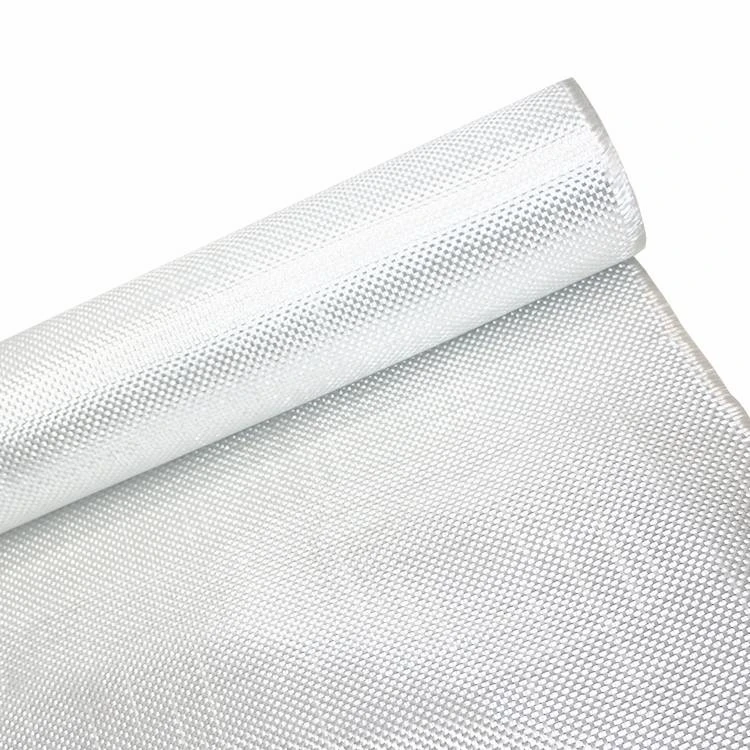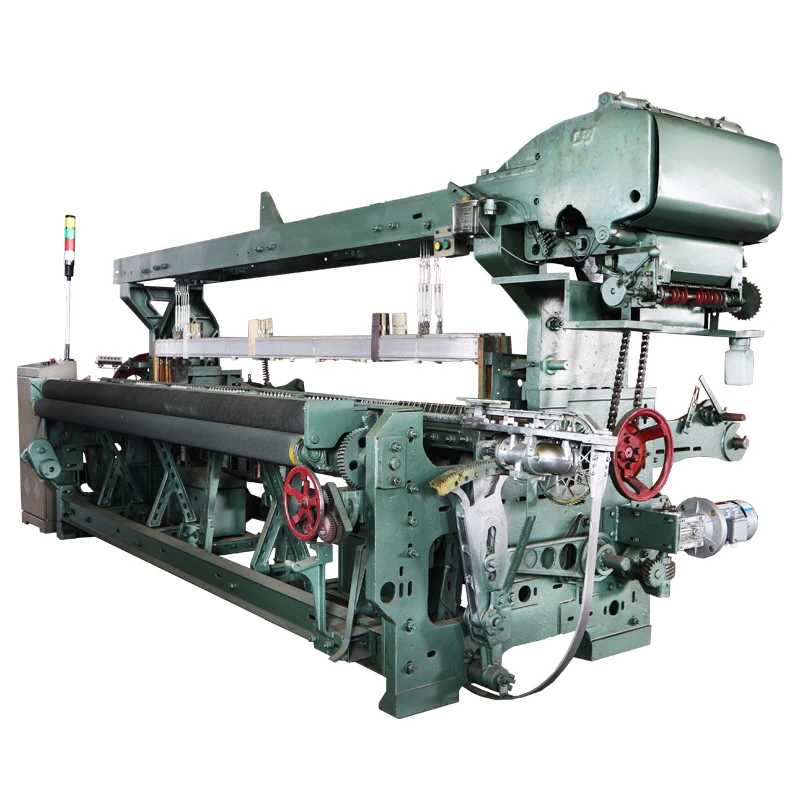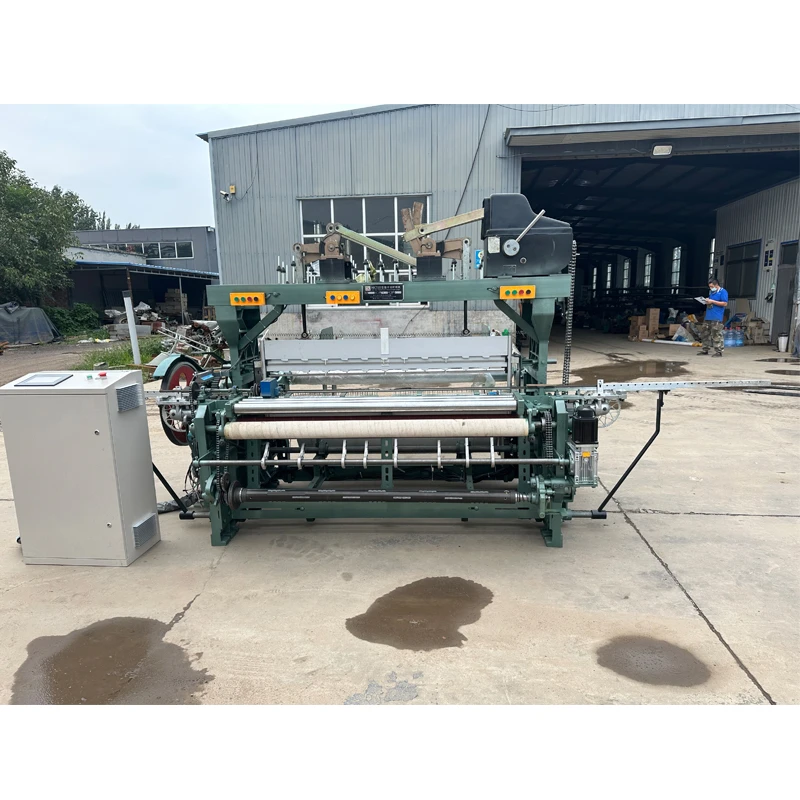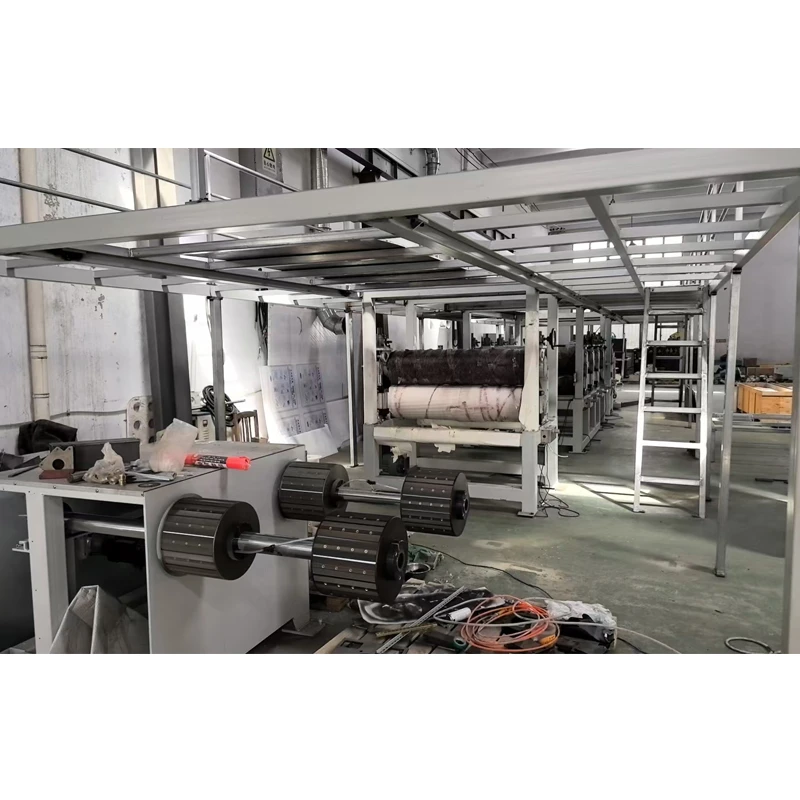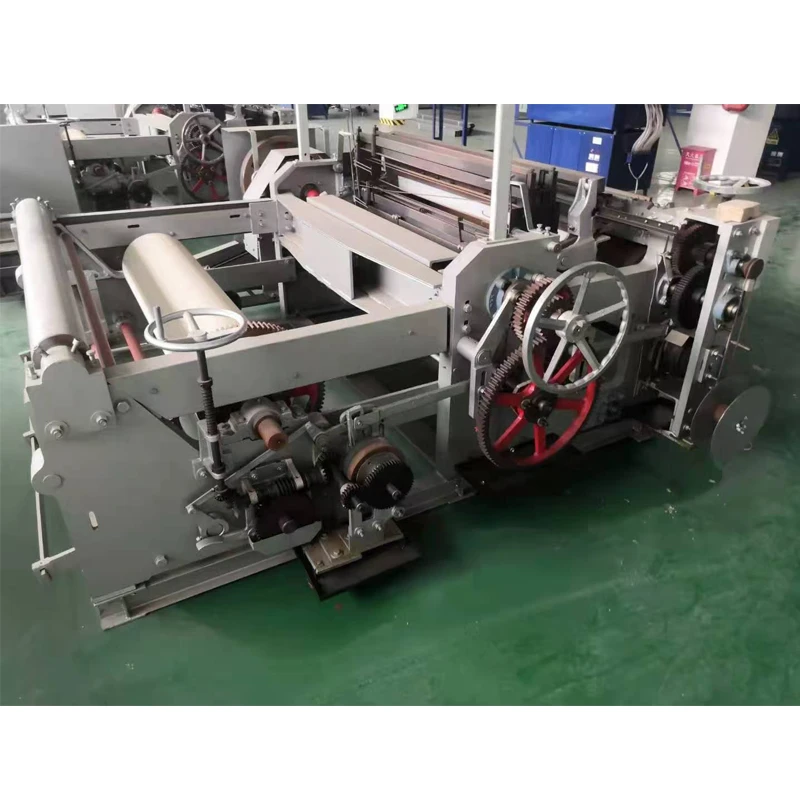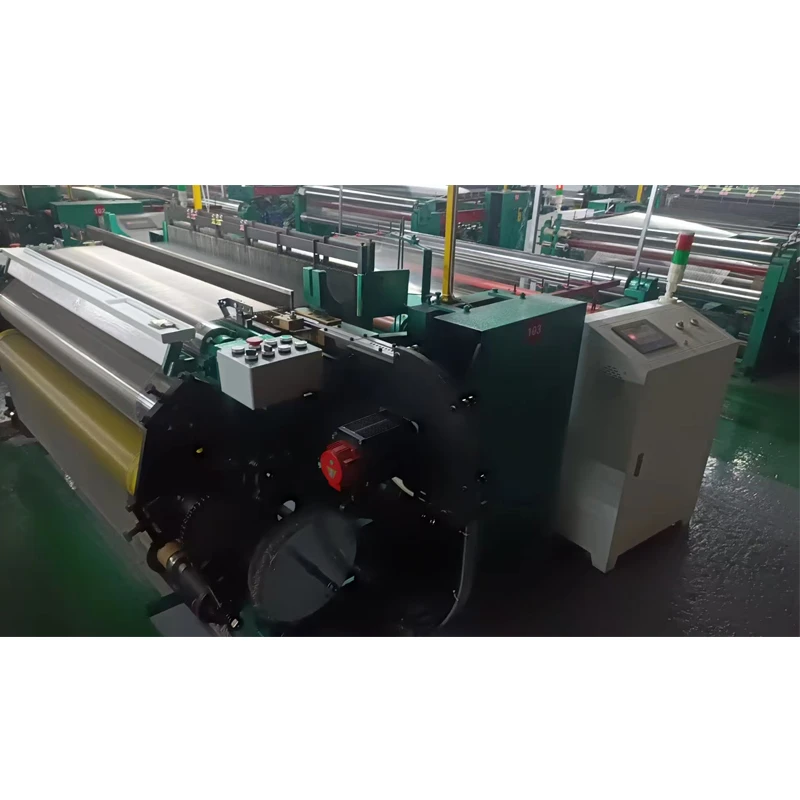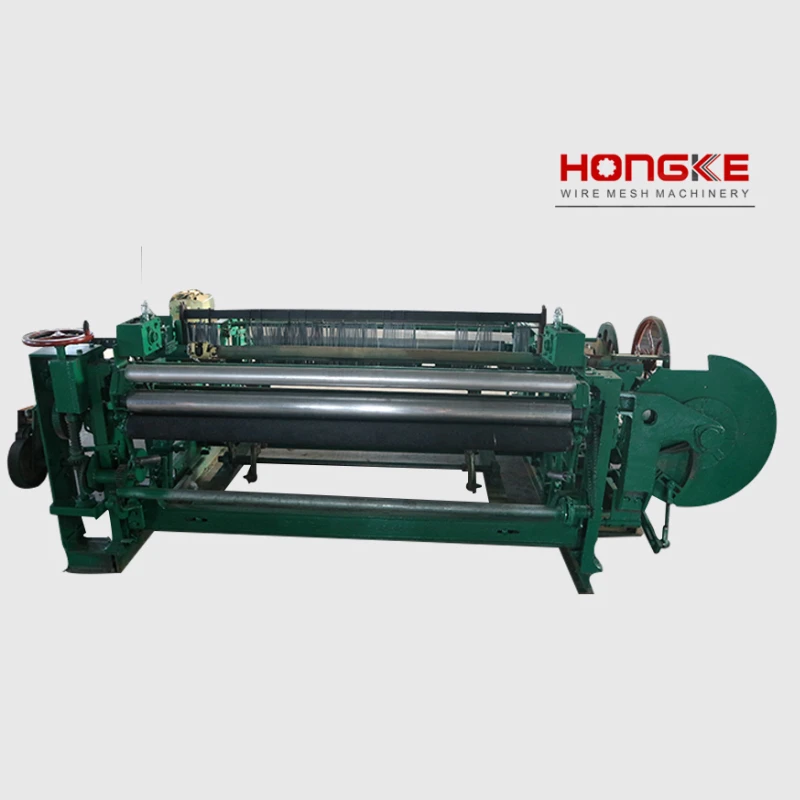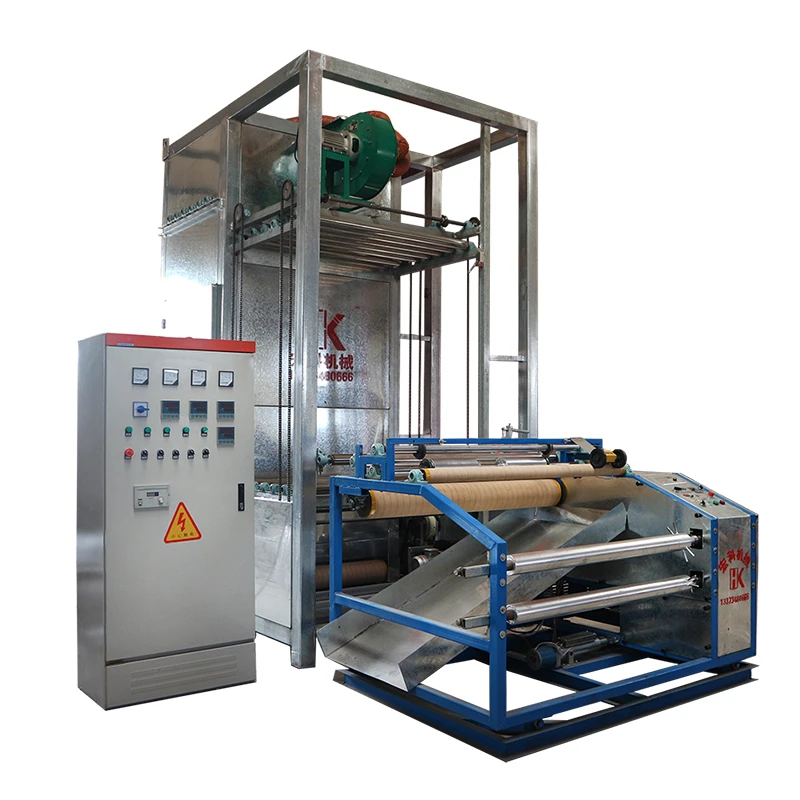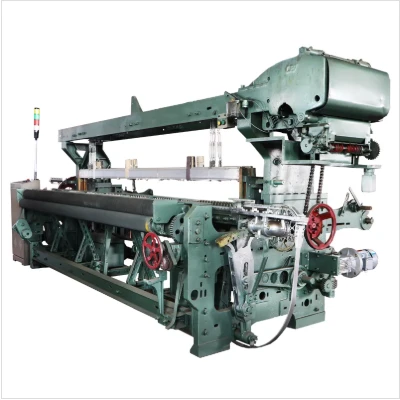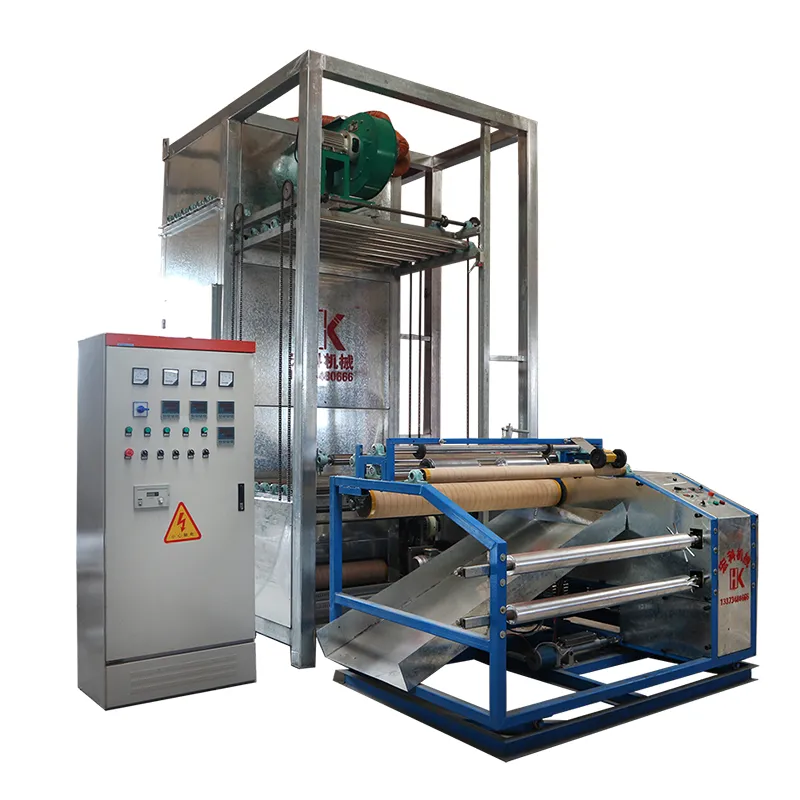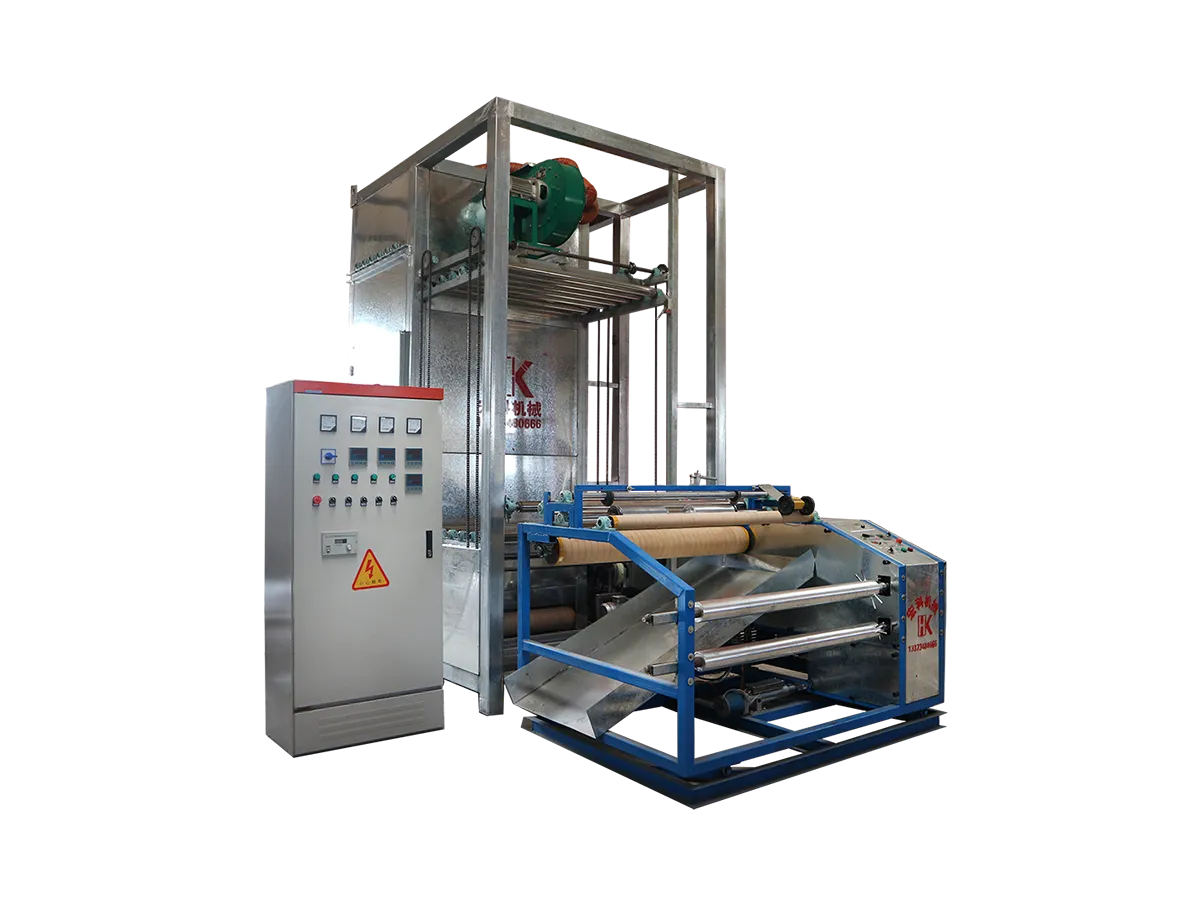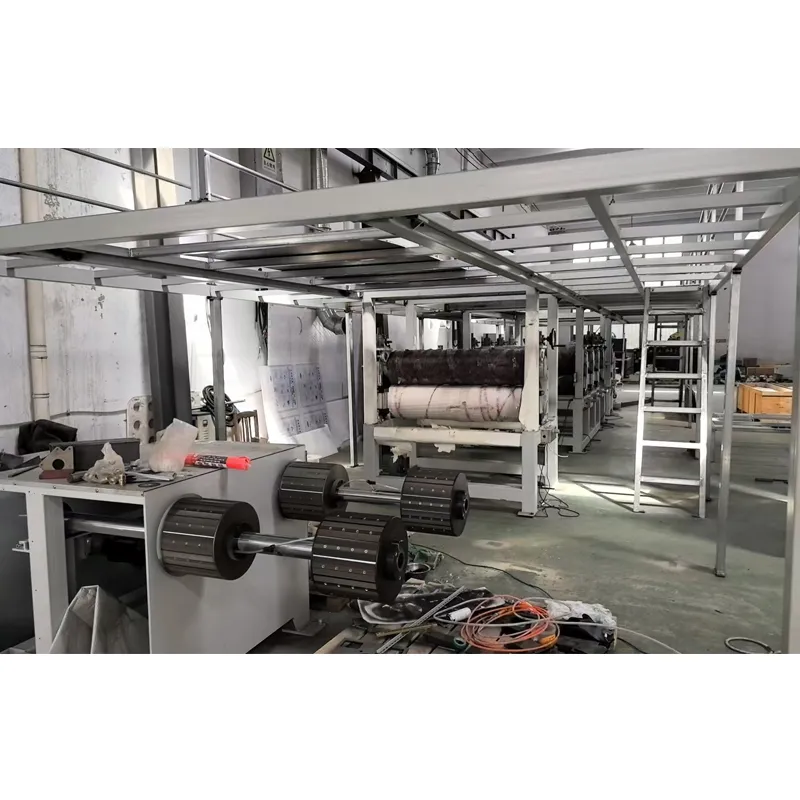



Warping Machine In Textile is a key solution in the industry, specifically within fabric manufacturing and large-scale weaving operations. This article explores how https://www.aphkmachinery.com supports professionals with durable, high-performance products, and explains why this product is an ideal choice for businesses in these sectors.
Table of Contents
- Warping Machine In Textile Overview
- Benefits & Use Cases of Warping Machine In Textile
- Cost, Maintenance & User Experience
- Sustainability & Market Trends
- Frequently Asked Questions
- Conclusion on Warping Machine In Textile from China
Warping Machine In Textile Overview
To kick things off, a Warping Machine In Textile is a specialized apparatus designed to precisely align and arrange yarns onto a warp beam, setting the foundation for effective weaving. Without a properly warped warp beam, the entire fabric production process risks inconsistencies and defects. It’s honestly the backbone of quality textile manufacturing.
More than just winding threads, these machines — including models available through APHK Machinery — focus on controlling yarn tension, improving speed, and minimizing yarn breakage. For example, the APHK-D1800 series warping machine offers 1800 mm width capacity with a working speed of up to 35 meters per minute, making it a solid choice for medium to large textile mills.
| Specification | APHK-D1800 Warping Machine |
|---|---|
| Max Width | 1800 mm |
| Speed | Up to 35 m/min |
| Yarn Type | Cotton, Polyester, Blends |
| Control System | PLC with Touch Screen |
| Tension Control | Electronic Feedback System |
Benefits & Use Cases of Warping Machine In Textile
When you’re in the textile business, reliability means everything. The Warping Machine In Textile shines in applications ranging from denim and technical fabrics to home textiles. For example, weaving mills that handle mixed fibers appreciate how this machine's accurate tension control leads to less waste and smoother production runs.
What I've noticed, especially in conversations with engineers, is that the automated tension adjustment in APHK’s warping machines really cuts down on manual oversight. This means fewer stops and starts — a boon in a fast-paced manufacturing environment. Plus, the machines’ robust frames help them sustain the wear and tear usual in continuous operations.
There’s also versatility — some units can be customized for different beam diameters and yarn counts, making them suitable for small batch runs and mass production alike. This kind of adaptability is a big selling point, especially as customers seek lean but flexible operations.
Cost, Maintenance & User Experience
Total cost of ownership (TCO) for a warping machine can initially seem steep, but don’t let that fool you. From what customers report, machines from APHK Machinery deliver excellent ROI because of low downtime and minimal maintenance needs. The components they use — quality bearings, reliable PLC systems — mean the machine keeps running smoothly for years.
The feedback loop built into their control software allows operators to spot tension issues early, reducing yarn breakage and production losses. One textile mill in Jiangsu province mentioned how switching to an APHK warping machine saved them nearly 15% in consumables annually. So, not only durability but real cost savings — which frankly, is what businesses want.
User experience also tends to be positive. The intuitive touchscreen interface lowers the barrier for new operators — no advanced training needed, which is a nice perk when turnover is high. Plus, the customer service from APHK’s team is often highlighted for responsiveness and technical support.
Sustainability & Market Trends
Sustainability is increasingly steering the textile machinery market. In real terms, this means energy-efficient motors, less material waste, and compatibility with eco-friendly yarns. APHK’s warping machines, for instance, incorporate variable frequency drives that cut energy use and reduce the carbon footprint.
Regulatory pressures globally push mills to optimize their processes, and warping machines that minimize yarn breakage and waste fit squarely into these strategies. Oddly enough, companies adopting these newer machines not only meet compliance but often achieve a marketing edge by promoting greener operations.
Looking ahead, market analysts forecast steady growth driven by rising demand in Asia-Pacific textile hubs. The push toward automation and smart factory integration means warping machines with IoT connectivity or remote diagnostics will become even more sought-after.
| Vendor | APHK Machinery | Competitor X | Competitor Y |
|---|---|---|---|
| Price Range | $$$ | $$$$ | $$ |
| Warranty | 2 years | 1 year | 2 years |
| Energy Efficiency | High (VFD included) | Medium | Low |
| Control Interface | Touchscreen PLC | Basic buttons | Manual |
| Customer Support | Responsive & knowledgeable | Moderate | Limited |
Frequently Asked Questions about Warping Machine In Textile
- What is Warping Machine In Textile and how does it work?
- It’s essentially a machine that arranges yarns side by side and winds them onto a warp beam, maintaining precise tension and alignment to ensure that the weaving process produces uniform fabric. It uses electronic tension control, often managed by a PLC system, which regulates speed and prevents yarn damage during winding.
- What are the main benefits of using Warping Machine In Textile in industrial applications?
- The biggest perks include consistent yarn tension, higher production speeds, reduced yarn breakage, and minimized manual labor. This leads to less downtime, lower waste, and a better-quality fabric output, all of which directly affect operational costs and profitability.
- How does Warping Machine In Textile compare to traditional alternatives?
- Compared with older, mechanical warping devices, modern machines like those from APHK integrate smart control systems, offering precise tension regulation and quicker setup times. This results in improved fabric consistency and significantly less waste, plus energy savings.
- What industries can benefit most from Warping Machine In Textile implementation?
- Primarily, textile mills producing woven fabrics for apparel, upholstery, and technical textiles benefit most. It’s also crucial for medium-to-large weaving operations looking to optimize throughput and fabric quality, like denim producers and home textile manufacturers.
Conclusion on Warping Machine In Textile from china
To wrap this up, the Warping Machine In Textile remains a fundamental piece of industrial machinery, especially for B2B decision-makers aiming for efficiency and quality. APHK Machinery’s offerings bring together reliability, technology, and excellent service, making them a compelling partner in textile manufacturing.
- The right warping machine can significantly impact production costs and output quality.
- Visit our website: https://www.aphkmachinery.com
Reflecting on this, it’s clear that while the technology behind warping machines might seem niche, it’s a silent hero in textile production. Those investing wisely here are the ones who’ll enjoy smoother runs and better fabric consistency.
- Industry Insight Report: Textile Machinery Trends, 2023
- APHK Machinery Official Product Sheet, 2024
- Interview with Jiangsu Textile Mill Manager, 2023