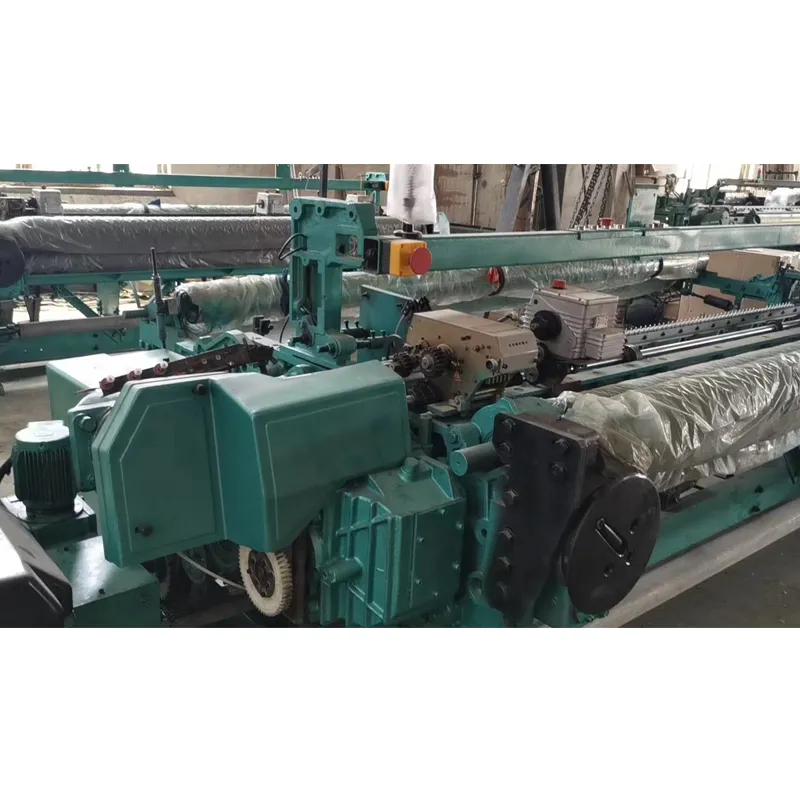



Understanding the Fiberglass Yarn Coating Machine: A Key to Modern Industry
At first glance, a fiberglass yarn coating machine might sound like a niche piece of industrial equipment. But honestly, its role extends far beyond the factory floor. In a world increasingly reliant on strong, lightweight, and durable materials — from aerospace to construction — these machines help produce coated fiberglass yarn that’s at the heart of countless innovative applications. Understanding this technology isn’t just for engineers or manufacturers; it’s about grasping an enabler of modern infrastructure and sustainability initiatives.
Why the Fiberglass Yarn Coating Machine Matters Globally
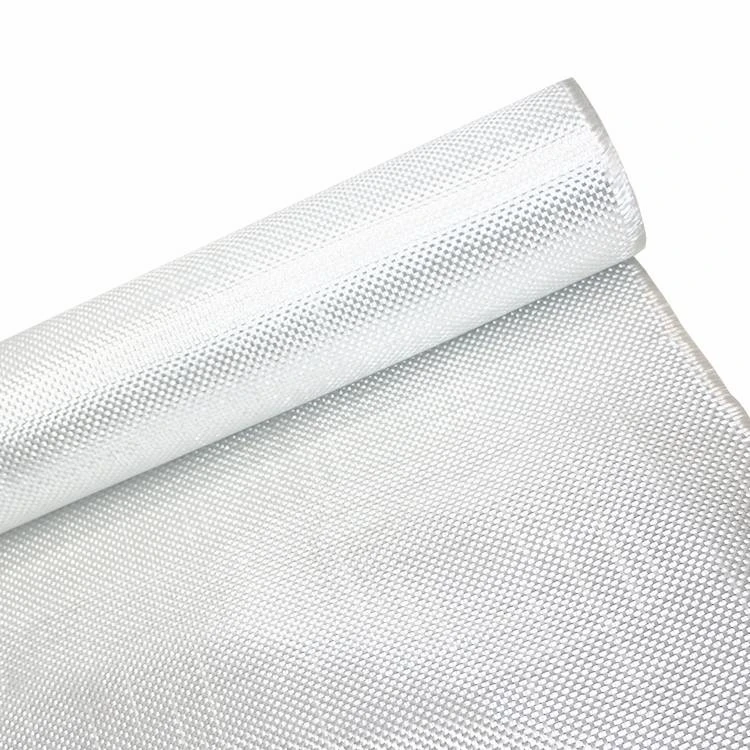
Fiberglass, known for its tensile strength and resistance to corrosion, has become indispensable worldwide. The process of coating fiberglass yarn enhances its usability by adding protective layers, improving adhesion properties, and tailoring it to specific industrial needs. According to a 2022 report by the International Trade Centre, demand for fiberglass products is growing at approximately 5% annually, driven largely by sectors like renewable energy, automotive, and marine industries.
However, the challenge lies in efficiently producing coated yarn that meets rigorous performance standards. That’s where the fiberglass yarn coating machine steps in — automating and refining this essential process to meet increasing quality and volume demands worldwide.
Mini takeaway: Fiberglass yarn coating machines are quietly powering some of the fastest-growing industries globally by enhancing material properties at scale.
What Exactly Is a Fiberglass Yarn Coating Machine?
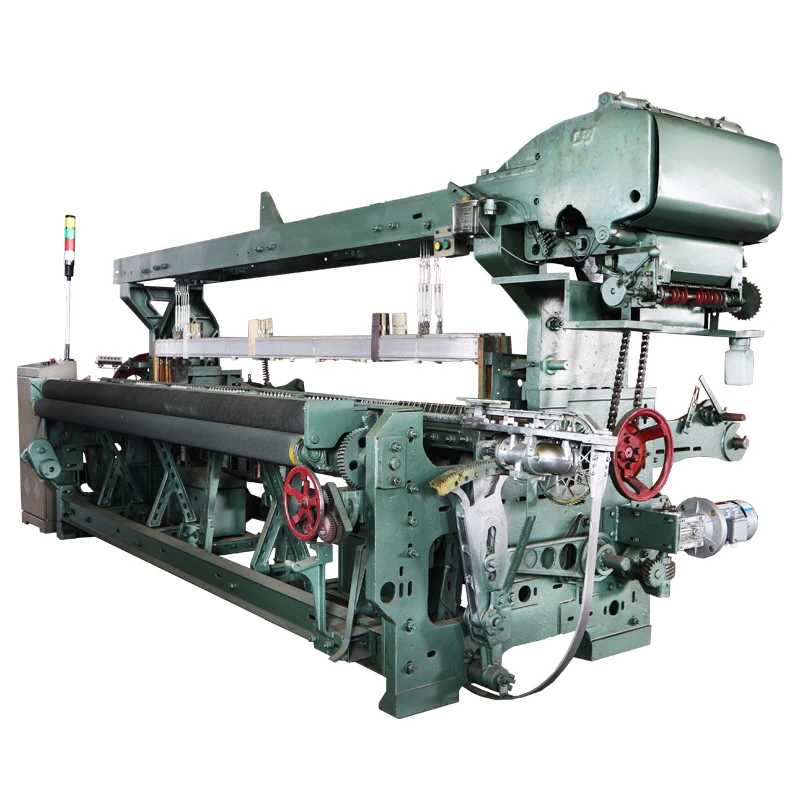
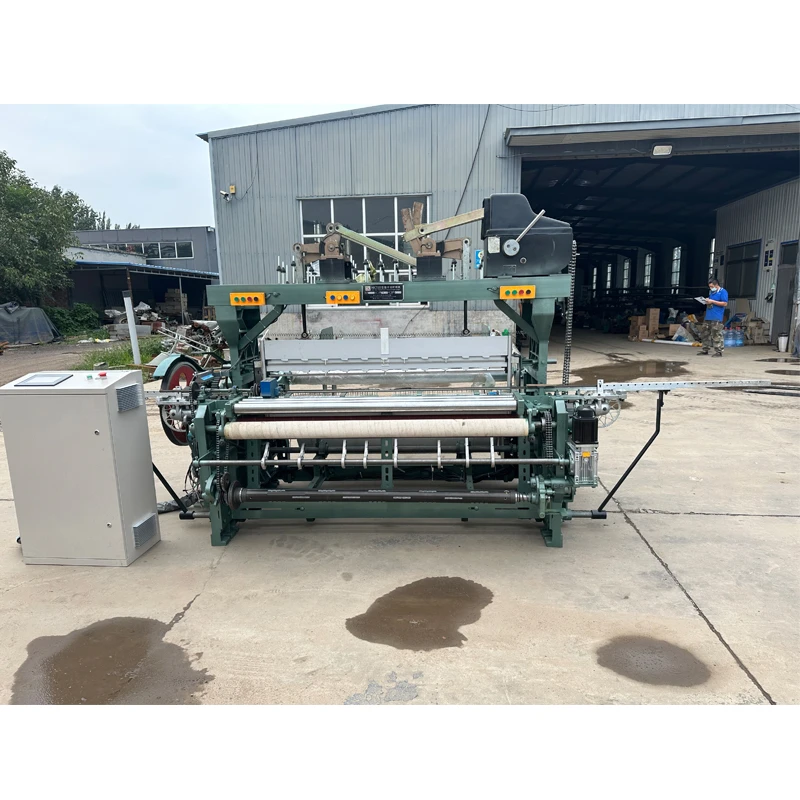
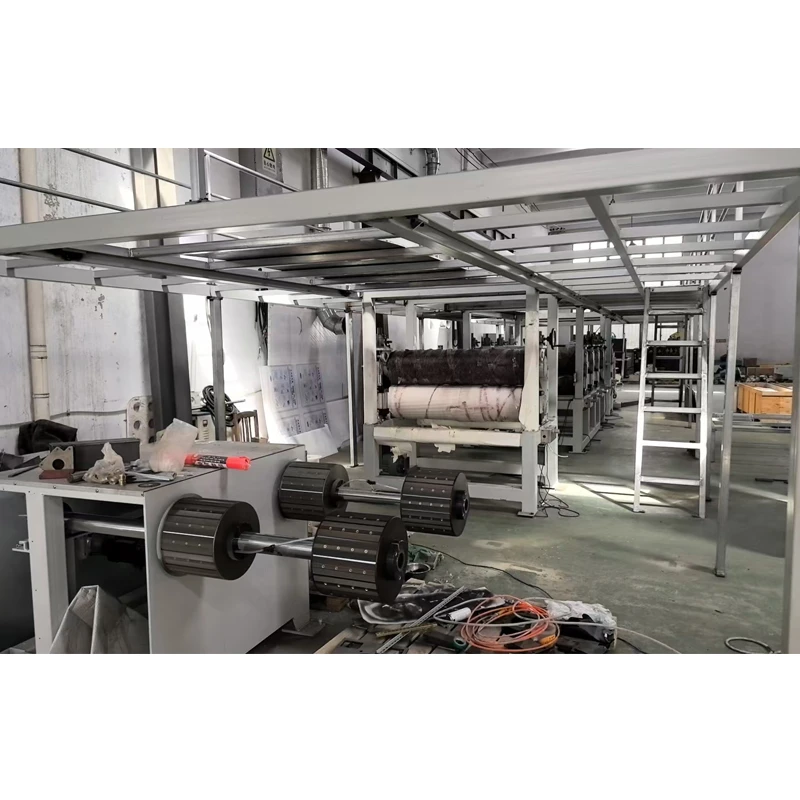
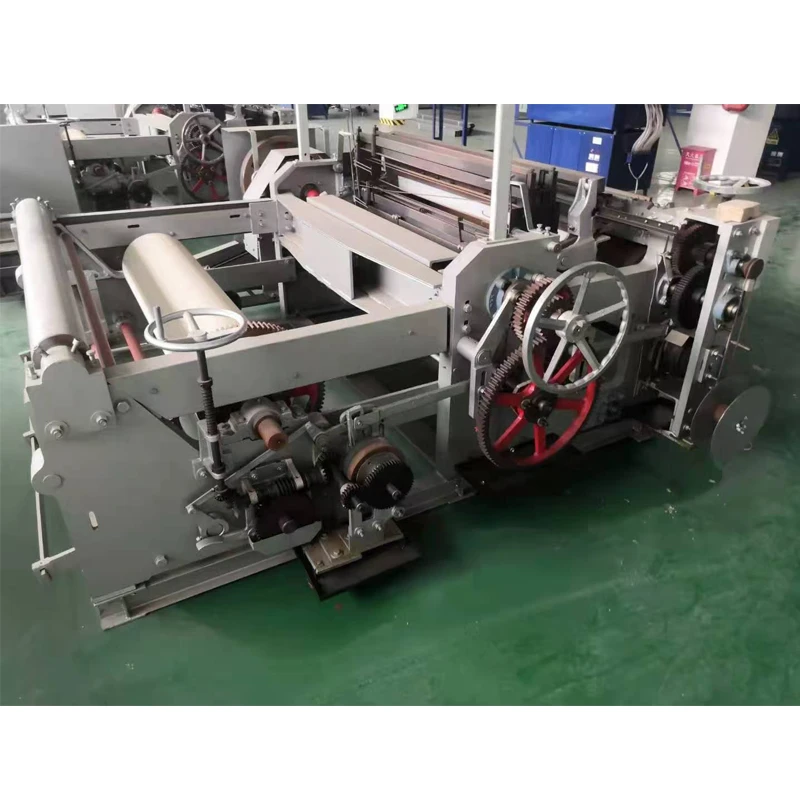
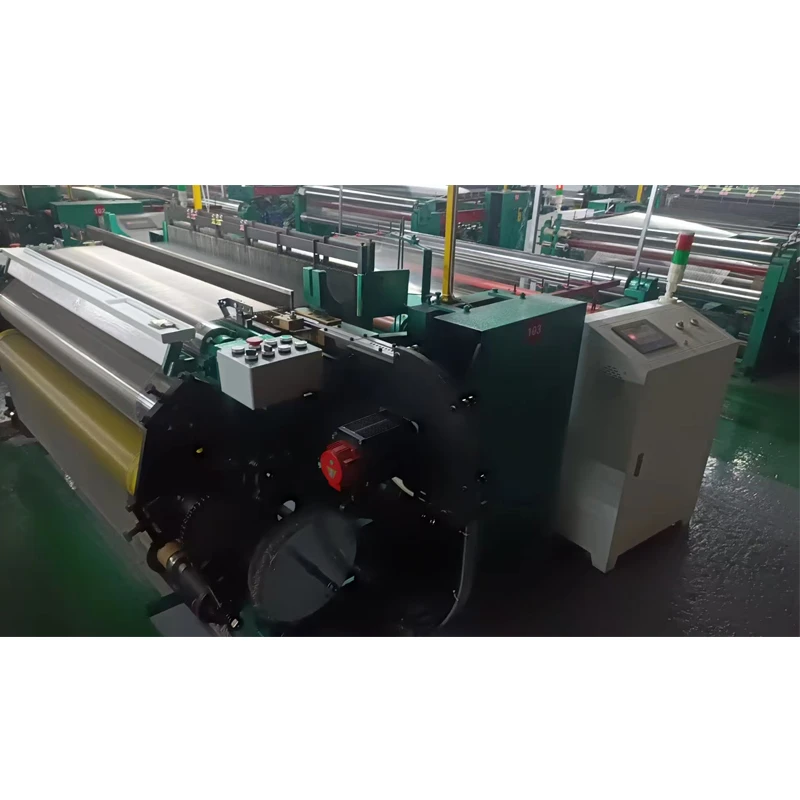
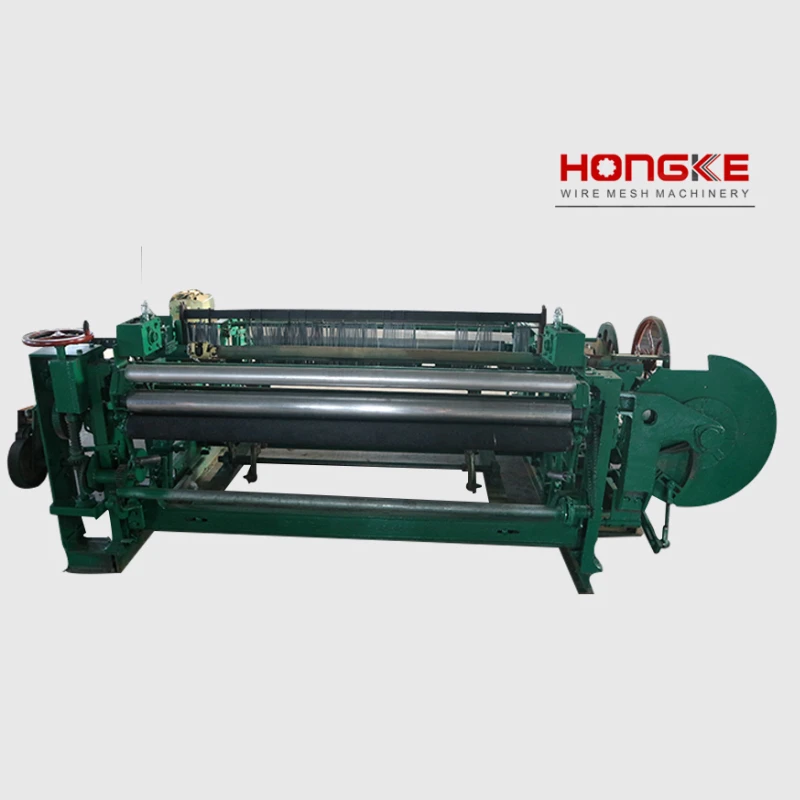
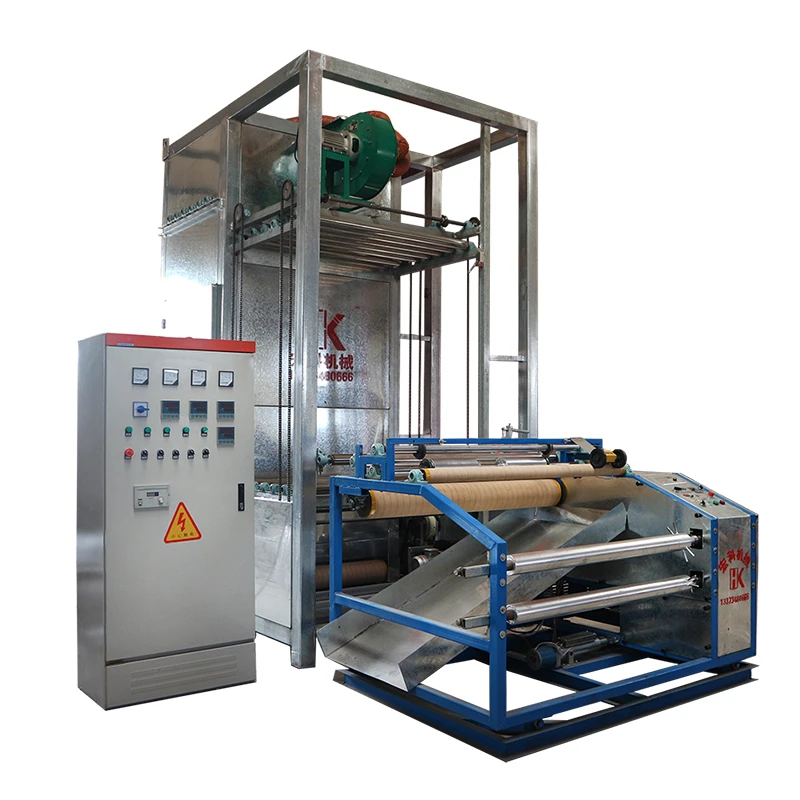
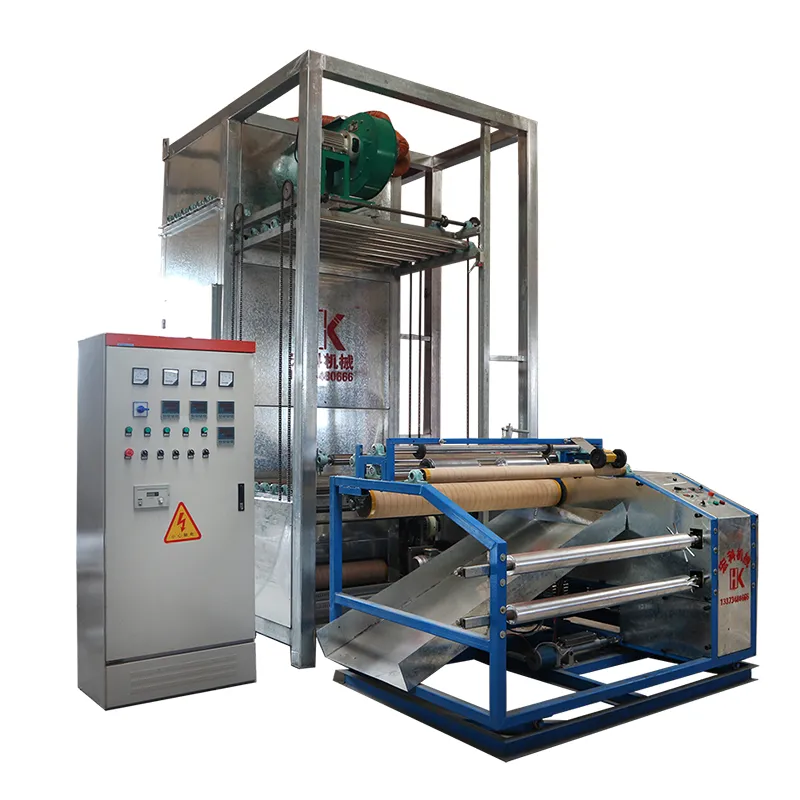
Simply put, a fiberglass yarn coating machine is an industrial system designed to apply protective or functional coatings onto strands of fiberglass yarn. The yarn, spun from fine glass fibers, is fed through this machine where precise layers of resin, lubricant, or other materials are applied to enhance properties such as strength, heat resistance, or water repellency.
This process is pivotal not just for industrial end-products but also for humanitarian applications like producing durable, lightweight textiles for shelter materials or medical devices. In essence, these machines bring raw fiberglass yarn closer to practical, high-performance applications.
Core Components and Key Factors
Durability
The coatings applied improve abrasion resistance and longevity under harsh environmental conditions. Without these layers, fiberglass yarn would degrade faster, limiting its usefulness.
Precision Application
Modern machines use automated controls to ensure uniform coating thickness and consistent application speed, which directly affects product reliability.
Scalability
Whether producing hundreds of meters per hour or thousands, the machines can adjust to meet varying production needs — crucial for industries with fluctuating demand.
Cost Efficiency
Efficient coating reduces waste of expensive raw materials and optimizes curing times, lowering operational expenses.
Technology Integration
Integration with digital monitoring and feedback systems enables real-time process adjustments, enhancing quality assurance.
Fiberglass Yarn Coating Machine Specifications
| Specification | Typical Range | Notes |
|---|---|---|
| Coating Speed | 50–150 m/min | Depends on yarn type and coating thickness |
| Coating Thickness | 5-50 microns | Adjustable based on product specs |
| Yarn Count | 50–4000 tex | Supports a wide range of yarn thicknesses |
| Curing Method | Hot air, UV, or steam | Varies with coating material |
| Power Consumption | 5–15 kW | Energy efficient models available |
Global Applications and Real-World Use Cases
Fiberglass coated yarn is everywhere, but you might not notice it. From aerospace composites used in aircraft skins to electrical insulation wires, this material supports crucial global industries. In Asia’s booming renewable energy sector, wind turbine blades incorporate coated fiberglass yarn for lightweight durability. In North America, the automotive industry increasingly opts for composites reinforced with fiberglass yarn to meet fuel-efficiency regulations.
Oddly enough, humanitarian organizations also benefit. Post-disaster relief operations often need strong yet lightweight fabrics for shelters or medical gear. Coated fiberglass yarn helps manufacture these materials, ensuring durability and weather resistance in challenging environments.
Mini takeaway: The reach of fiberglass yarn coating machines spans luxury aircraft to life-saving emergency shelters — a testament to their versatility.
Advantages and Long-Term Value
- Sustainability: Coated fiberglass yarn contributes to more durable products, reducing waste and resource consumption over time.
- Economic Efficiency: Automated coating reduces labor costs and material wastage.
- Reliability: Uniform coatings enhance product consistency, reducing defects.
- Safety and Innovation: The combination of lightweight strength means safer transport and more innovative product designs.
There’s also a subtle emotional benefit — workers and end-users alike gain trust from materials they know won’t fail them, whether it’s in a car or a medical device. It’s that quiet reassurance of quality that resonates deeply in industry.
The Future of Fiberglass Yarn Coating Machines
The sector is buzzing with developments. Automation is increasing with AI-powered quality control directly linked to coating heads, adapting parameters instantly. Sustainability efforts focus on bio-based resins replacing petrochemical coatings and energy-saving curing techniques. Digitization means better traceability, which is huge for industries like aerospace and medical where compliance is strict.
Furthermore, “smart coatings” embedded with sensors or conductive materials could emerge from next-gen machines, leading to self-monitoring composites. The blending of green technologies and Industry 4.0 trends means these machines will only get smarter and more eco-friendly.
Challenges & Practical Solutions
Despite their advantages, fiberglass yarn coating machines face real challenges. For example, maintaining coating uniformity at very high speeds can be tricky — sometimes leading to uneven finishes. Raw material variability also affects quality consistently.
Experts suggest better integration of real-time sensors and adaptive control software to counter this. Also, modular machine designs allow for easier maintenance and customization to changing product lines, keeping downtime minimal. Choosing suppliers with robust after-sales support is critical here.
Vendor Comparison: Popular Fiberglass Yarn Coating Machine Manufacturers
| Vendor | Automation Level | Price Range | Key Strength |
|---|---|---|---|
| APHK Machinery | High (IoT-enabled) | $$$ | Customization and after-sales service |
| Fiberecotech Inc. | Medium | $$ | Energy-efficient curing systems |
| GlobalFiber Solutions | Basic | $ | Affordable entry-level machines |
Frequently Asked Questions About Fiberglass Yarn Coating Machines
- What makes a fiberglass yarn coating machine important in composite manufacturing?
- Coating improves bond strength between yarn and resin matrices, critical for structural integrity in composites used in aerospace, automotive, and construction. This ensures higher durability and performance of final products.
- How do coating machines adapt to different yarn thicknesses and types?
- Modern machines offer adjustable tension controls, variable coating speeds, and customizable applicators, enabling them to handle a wide range of yarn counts and types for diverse industrial needs.
- Is investing in an automated fiberglass yarn coating machine cost-effective?
- While upfront costs vary, automation typically reduces labor, minimizes material waste, and improves product consistency — leading to better ROI over time.
- Can these machines handle environmentally friendly or bio-based coatings?
- Yes, many newer models support a variety of coating materials, including biopolymers, helping manufacturers meet sustainability goals without compromising quality.
- Where can I find reliable suppliers for high-quality fiberglass yarn coating machines?
- Companies like APHK Machinery are well-known for their customizable solutions and comprehensive support, making them a trusted source globally.
Conclusion: The Long-Term Edge of Fiberglass Yarn Coating Machines
Ultimately, the fiberglass yarn coating machine is much more than an industrial workhorse. It embodies a convergence of precision engineering, sustainability, and global industrial progress. For companies aiming to stay competitive, investing in efficient coating technology means better product quality, adaptability to future trends, and alignment with environmental standards.
Curious to explore the latest models and solutions? Visit APHK Machinery to see how their fiberglass yarn coating machines can elevate your production capabilities and prepare you for tomorrow’s challenges.
Let’s keep an eye on how this technology will weave into our future innovations.