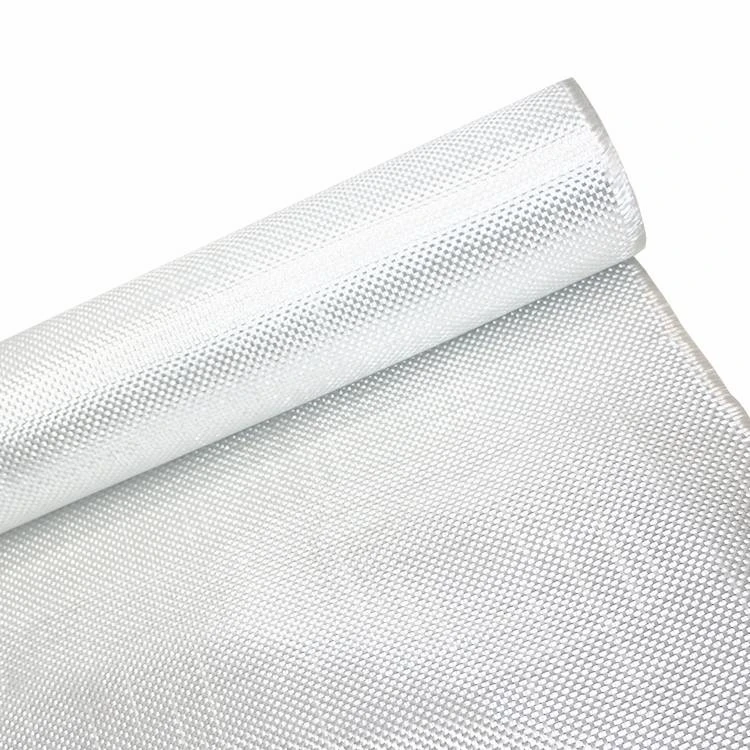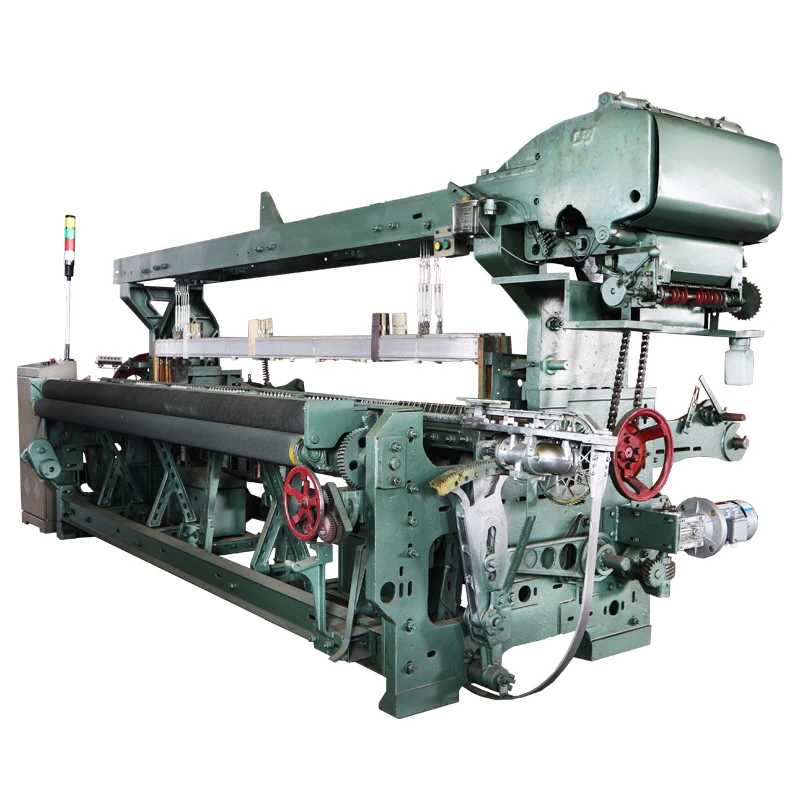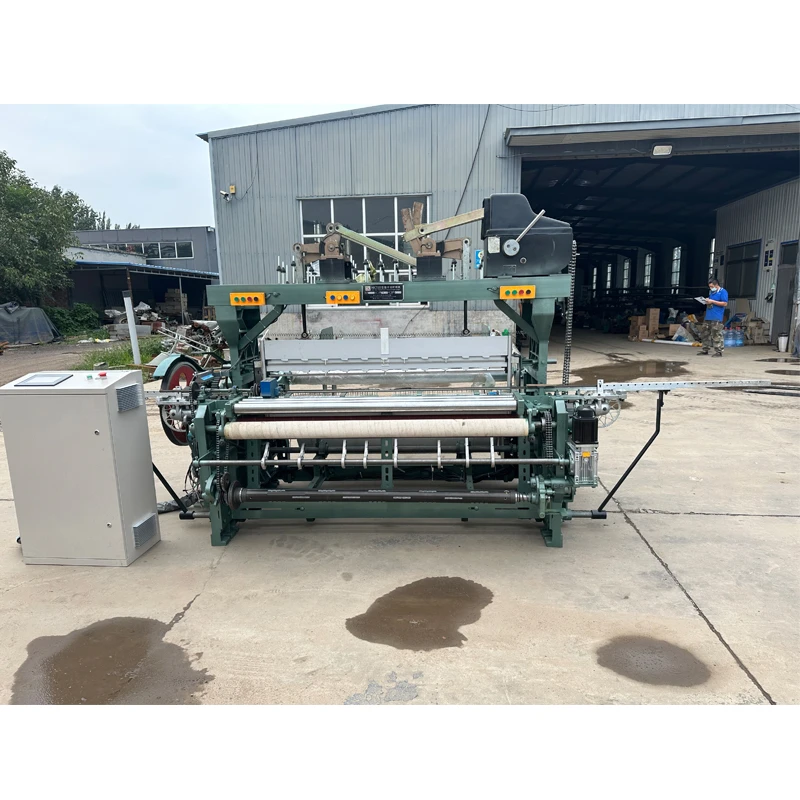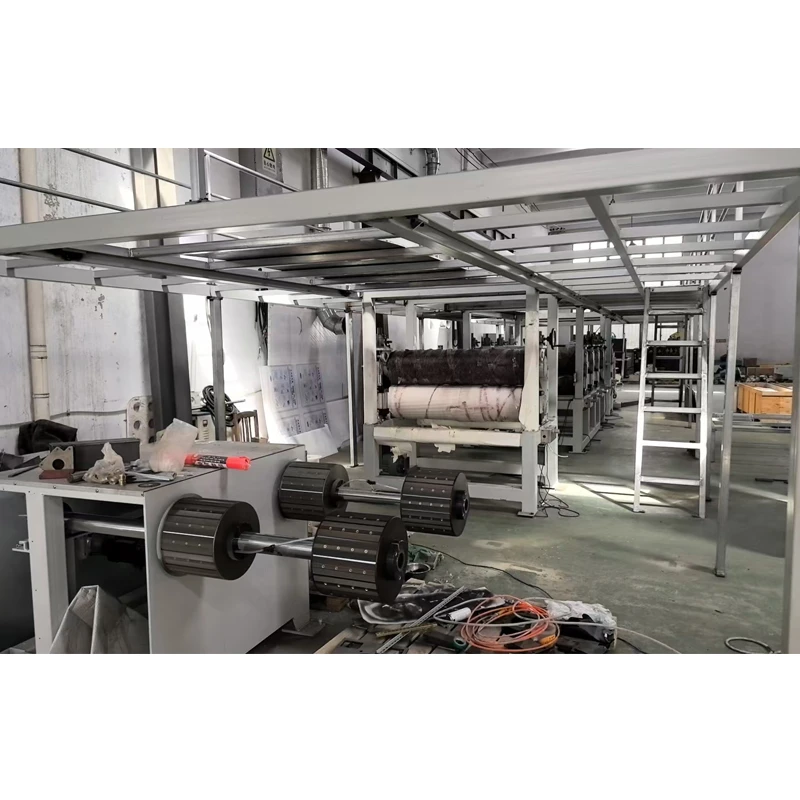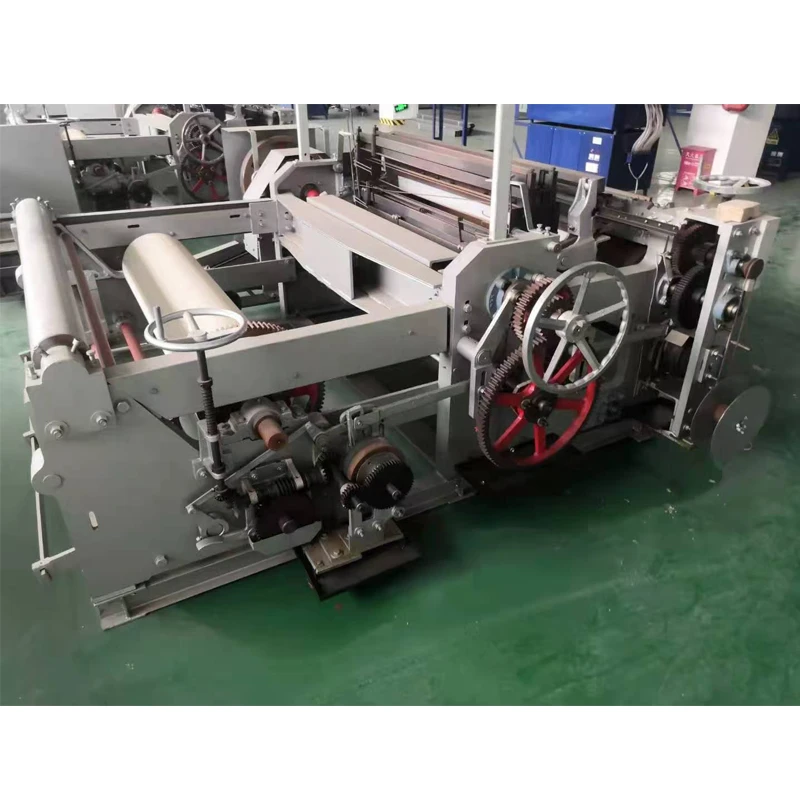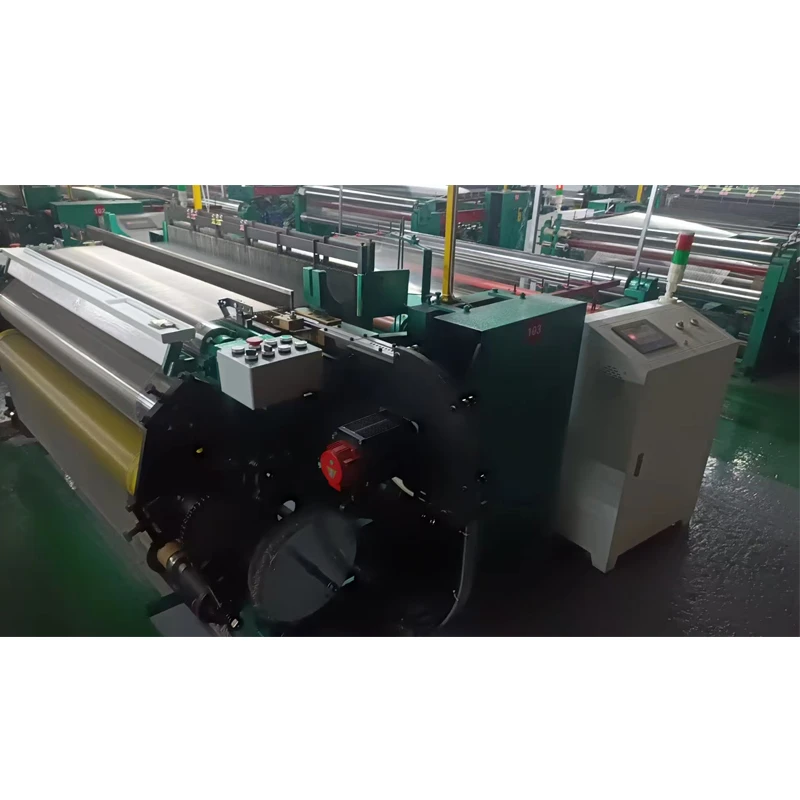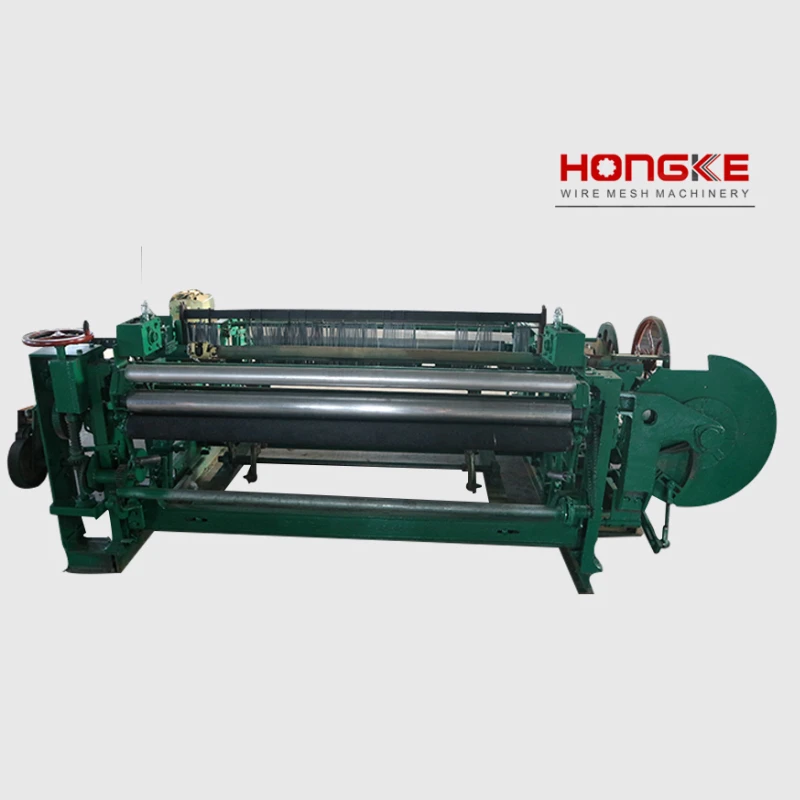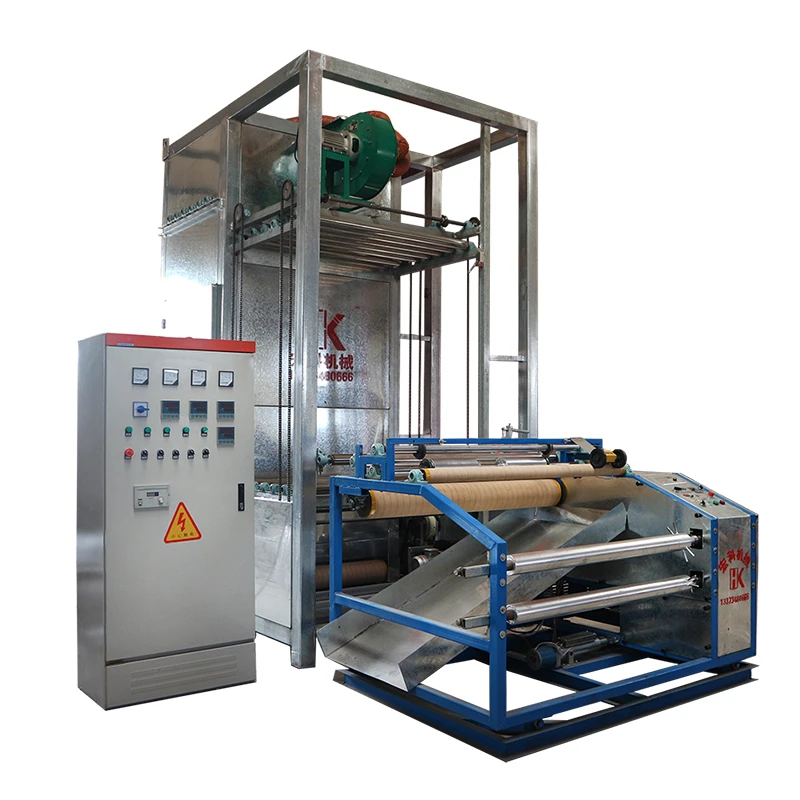



Rapier Weaving Loom is a key solution in the textile industry, specifically within the manufacturing of diverse woven fabrics. This article explores how APHK Machinery supports professionals with durable, high-performance products, and explains why this product is an ideal choice for businesses in these sectors.
Table of Contents
- Rapier Weaving Loom Overview
- Benefits & Use Cases of Rapier Weaving Loom
- Cost, Maintenance & User Experience
- Sustainability & Market Trends
Rapier Weaving Loom Overview
At its core, the Rapier Weaving Loom is an advanced textile machine designed to weave fabrics by transporting weft yarns through the warp yarn shed. Its name, “rapier,” stems from the slender, sword-like rods or tapes used to carry weft threads, enabling weaving of various fabric types with precision and speed. This mechanism is particularly prized in industries requiring a broad spectrum of materials — from sturdy denim to delicate silks.
- The Rapier Loom stands out for its versatility and ability to manage different yarn types simultaneously.
- For example, a recent case study with a medium-sized Chinese textile factory highlighted how upgrading to APHK’s rapier looms increased production efficiency by over 20% while maintaining fabric quality.
Benefits & Use Cases of Rapier Weaving Loom
When you’re in textile manufacturing, flexibility matters — and that’s exactly where the Rapier Weaving Loom shines. It’s not just about weaving; it’s how it adapts to different yarns, speeds, and fabric widths. Industries like upholstery, technical textiles, and clothing manufacturing all find rapier looms invaluable because they balance speed with fabric complexity.
- A standout feature is the dual-rapier system, which minimizes thread breakage and maximizes uptime — a real win for productivity.
- Compared to air-jet or projectile looms, rapier technology offers better energy efficiency and handles fine and coarse yarns without the need for extensive reprogramming.
| Specification | Details |
|---|---|
| Max Width | 360 cm |
| Weft Insertion Speed | Up to 500 rpm |
| Power Consumption | Approx. 15 kW |
| Fabric Types Supported | Cotton, wool, synthetics, technical fabrics |
| Operational Modes | Manual & automated with PLC control |
Cost, Maintenance & User Experience
Honestly, the initial investment in a Rapier Weaving Loom might make a few finance folks do a double take. But if you think in terms of total cost of ownership rather than just upfront cost, the picture brightens. These looms are designed to last, with rugged components that absorb long hours of production without frequent repairs.
- Durability means less downtime — customers report ROI improvements within 1 to 2 years.
- Maintenance routines are streamlined with APHK’s modular design, reducing costs and easing part replacement.
| Feature | APHK Machinery | Competitor A | Competitor B |
|---|---|---|---|
| Energy Efficiency | High | Medium | Medium |
| After-Sales Support | 24/7 Global Service | Business Hours Only | Limited Warranty |
| Customization | Flexible & Modular | Basic Options | Standard Models |
| Price Range | Mid to Premium | Low to Mid | Low |
Sustainability & Market Trends
In today’s market, sustainability isn’t just a buzzword — it’s a necessity. Rapier weaving looms contribute to greener manufacturing by optimizing energy use and reducing waste. APHK designs reflect this with lower power consumption and upgradeable components for longer machine life, aligning well with tightening environmental regulations globally.
- Industry growth is driven by demand for technical textiles and eco-friendly fabrics, areas where rapier looms excel due to their adaptability.
Frequently Asked Questions about Rapier Weaving Loom
- What is Rapier Weaving Loom and how does it work?
- A Rapier Weaving Loom is a loom type that inserts the weft via a slender mechanical arm called a rapier, which moves across the loom to interlace yarns. Unlike older shuttle looms, it offers precision and versatility, weaving complex fabrics efficiently.
- What are the main benefits of using Rapier Weaving Loom in industrial applications?
- Benefits include energy efficiency, reduced yarn wastage, faster production speeds, and the ability to weave a wide range of fabric types, making it great for diverse industrial needs.
- How does Rapier Weaving Loom compare to traditional alternatives?
- Compared to shuttle or air-jet looms, rapier looms combine moderate speed with excellent fabric diversity and lower energy use, which often translates to better cost-effectiveness over time.
- What industries can benefit most from Rapier Weaving Loom implementation?
- Textile manufacturing for home furnishings, technical textiles (like composites), apparel production, and industrial fabric sectors all leverage rapier looms for their flexibility and output quality.
Conclusion on Rapier Weaving Loom from china
In real terms, choosing a Rapier Weaving Loom from APHK Machinery means investing in technology that balances innovation, reliability, and eco-conscious operation. It’s an investment that pays off by boosting production quality, efficiency, and adaptability to future market needs.
- The value of integrating APHK’s Rapier Weaving Loom technology can hardly be overstated for manufacturers looking to stay ahead.
- Visit our website: https://www.aphkmachinery.com
A quick takeaway: In a sector where machinery sets the pace for innovation and efficiency, rapier looms are quietly revolutionizing fabric production worldwide.
References:
1. APHK Machinery Product Brochure, 2024
2. Industry Textile Journal, “Rapier Looms and Modern Manufacturing,” March 2024
3. Case Study: Efficiency Upgrade in Jiangsu Textile Factory, 2023