


Rapier Power Loom Price: What You Need to Know
Having spent a couple of decades in the industrial equipment sector, I’ve seen entire lines of looms come and go. Yet, the rapier power loom price remains a hot topic every time someone’s looking to invest in mid- to high-range weaving machinery. Oddly enough, what might look like a straightforward purchase can quickly turn into an exercise in balancing cost with quality, customization, and after-service support—letters on a contract you really want to read carefully.
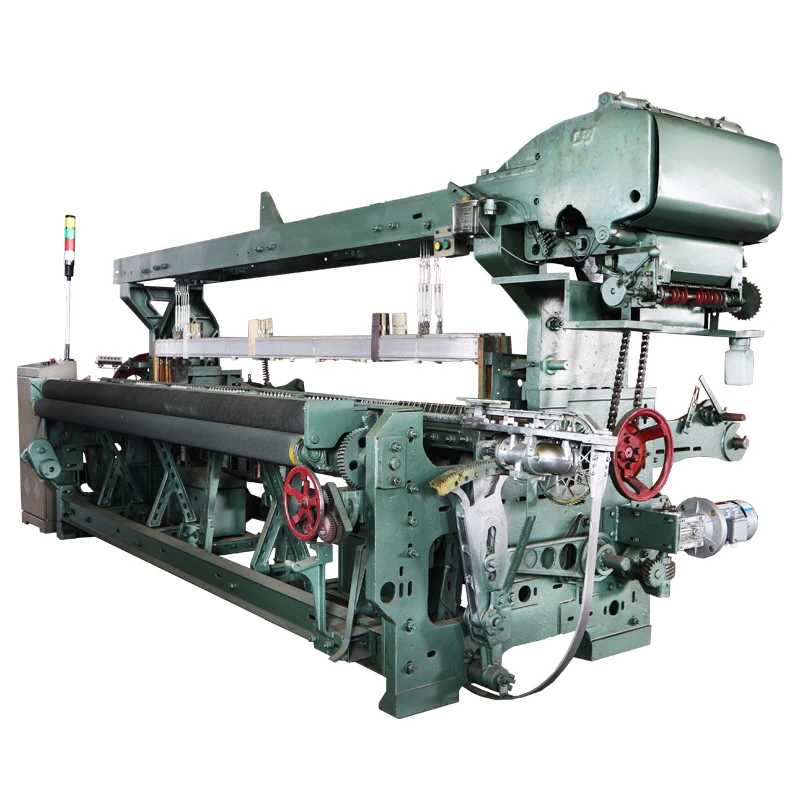
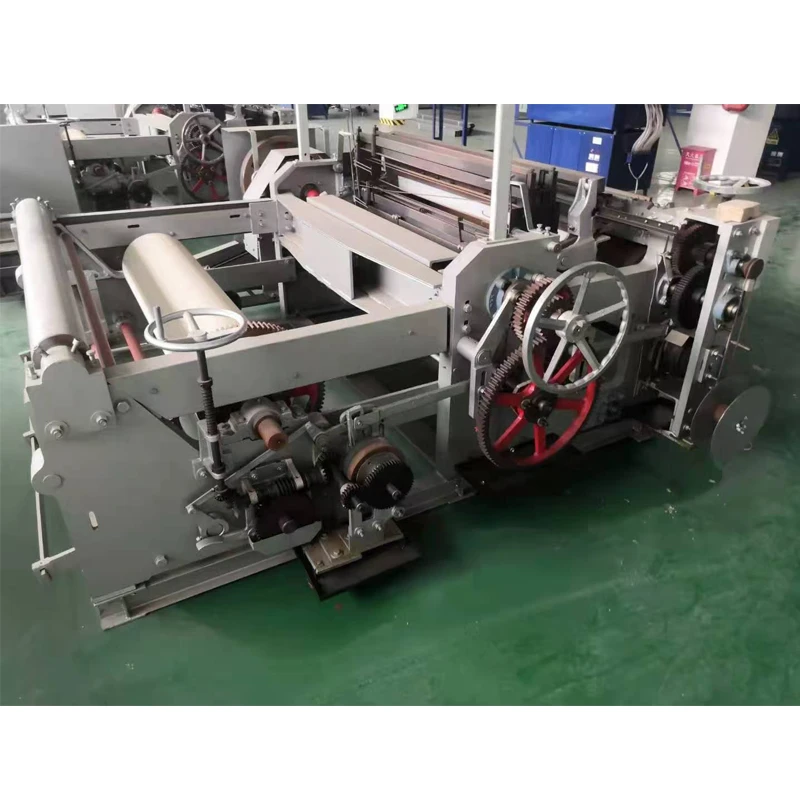
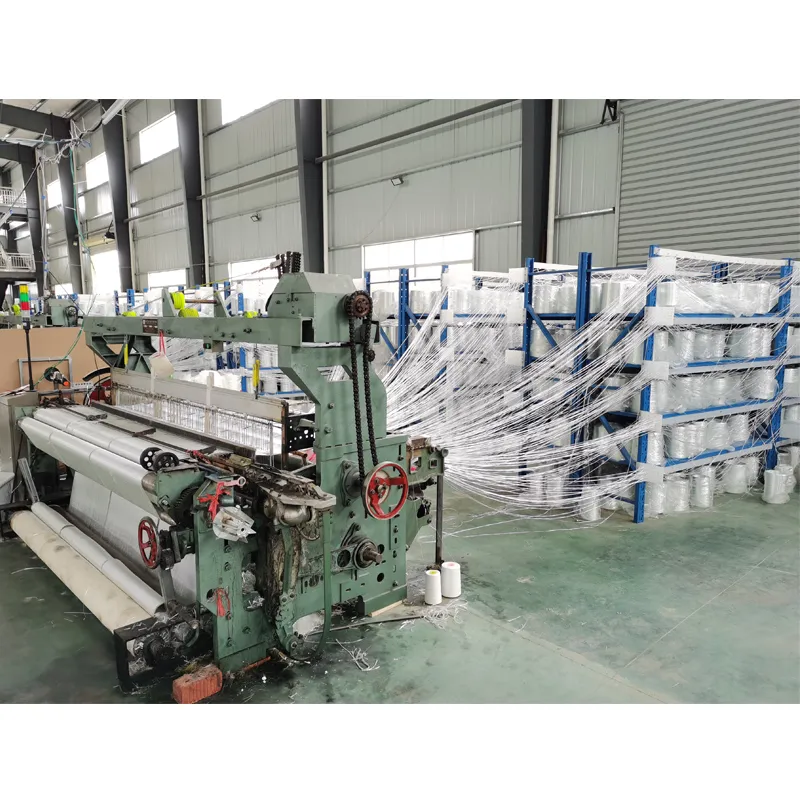
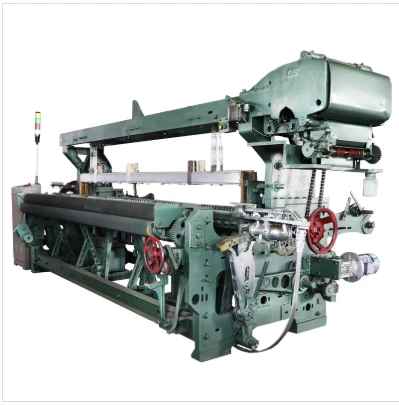
You see, rapier looms are prized for their versatility in weaving complex fabrics; they handle silk, cotton, and synthetic blends with a delicate yet firm touch. That’s largely because of the rapier mechanism that inserts the weft yarn through the shed with finesse. But pricing? It’s more than just a sticker on the machine; it reflects materials used, the machine’s build quality, automation level, and, importantly, the vendor’s reputation.
What Drives the Rapier Power Loom Price?
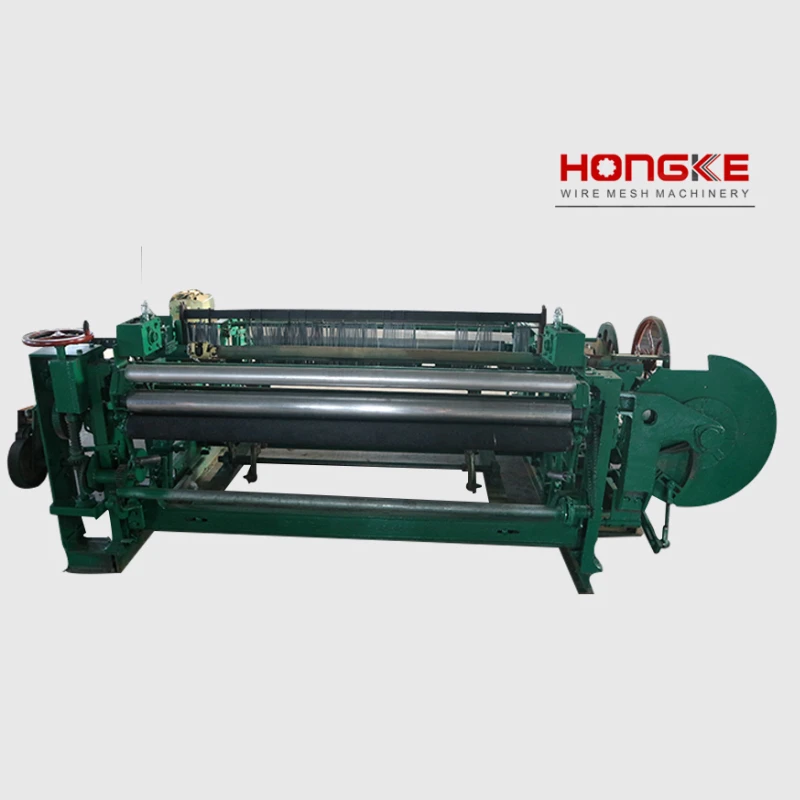
From my on-the-floor experience, several factors nudge the price. First, the frame material—stainless steel or heavy-duty cast iron—affects durability and operating noise. Cast iron tends to be noisier but robust, while stainless steel models are quieter but cost a bit extra upfront. You know, the kind of thing that really shows up if your factory’s on a tight floor plan.
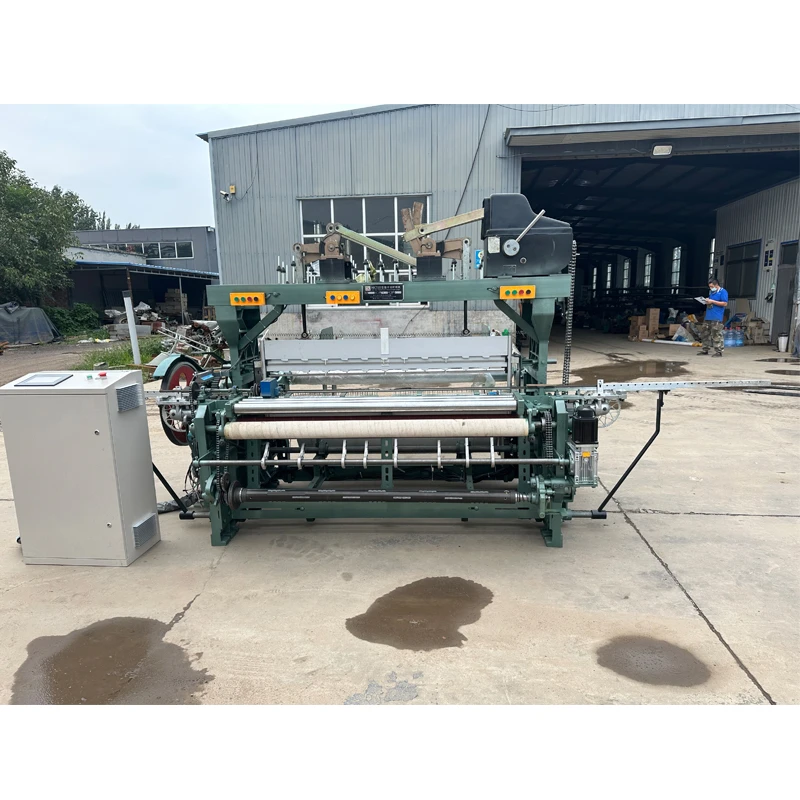
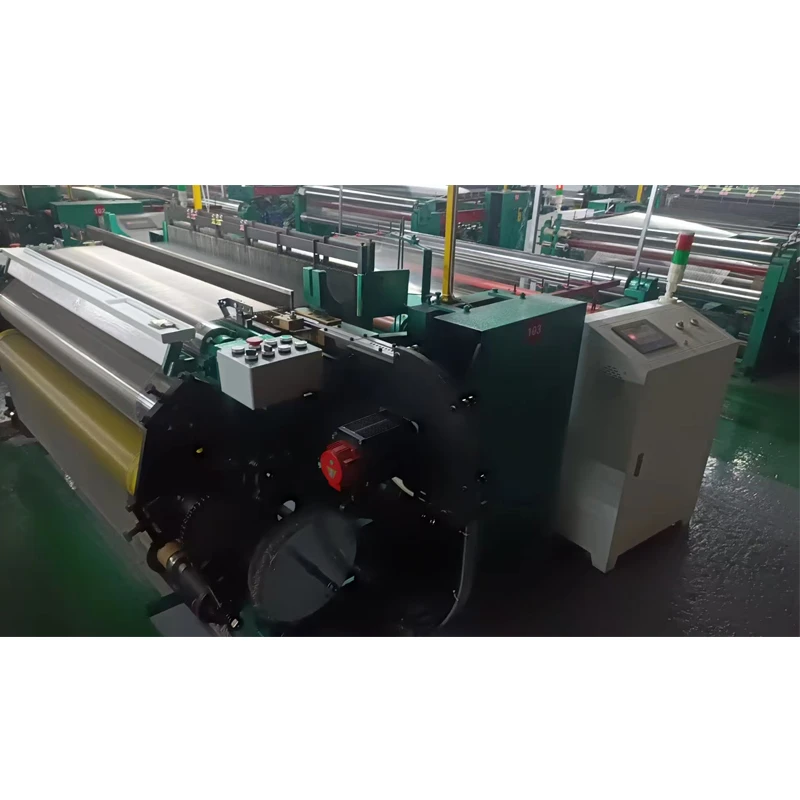
Then there's the control system. Newer models often feature PLC (Programmable Logic Controller) interfaces, which frankly make life easier for operators and reduce downtime. Many engineers say this pays off in the long run, even if it bumps the price slightly. Automation also increases efficiency and fabric quality, making rapier looms a favorite for premium textile production.
| Specification | Details |
|---|---|
| Weaving Width | 180-320 cm |
| Max Speed | 200-450 RPM |
| Power Consumption | 4-7 kW |
| Material Frame | Cast Iron / Stainless Steel |
| Control System | PLC / CNC Options |
Choosing Your Vendor: A Quick Comparison
Frankly, pricing is only one part of the story when considering rapier power looms. Vendor reliability, spare parts availability, warranty terms, and training programs play crucial roles. I once worked with a mid-sized mill that thought the lowest bid was the way to go—only to spend triple on repairs after six months. So, learn from others’ mistakes; invest in support.
| Vendor | Price Range (USD) | Warranty | After-Sales Support | Customization |
|---|---|---|---|---|
| APHK Machinery | $25,000 - $45,000 | 2 years | Excellent, 24/7 hotline | High flexibility |
| Vendor B | $22,000 - $40,000 | 1 year | Limited support | Standard |
| Vendor C | $28,000 - $50,000 | 3 years | Good, business hours only | Moderate |
Customization and Real-World Usage
One thing I’ve noticed is how customers really appreciate the option to tweak their machines. Maybe it’s adding a feeder for specialty yarns or integrating digital monitoring to catch faults sooner. At one factory visit, I saw how simple adaptations made their operations incrementally faster and less prone to human error. In real terms, small investments here pay dividends in uptime and fabric quality.
In weaving, like in any mature industrial sector, you get out what you invest. The “rapier power loom price” feels complex because the machine is a blend of old craftsmanship and new technologies. You’re buying reliability, efficiency, and sometimes peace of mind—qualities that don’t always come with the lowest bid.
If you want to check a supplier that’s been consistent in price and quality, I encourage you to take a look at APHK Machinery. They strike a pretty good balance and understand what a seasoned mill operator values.