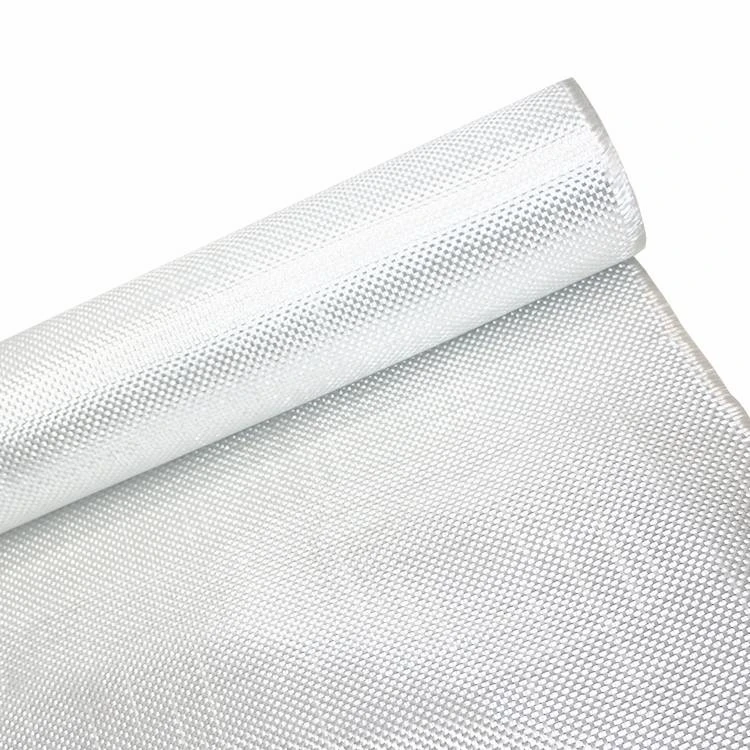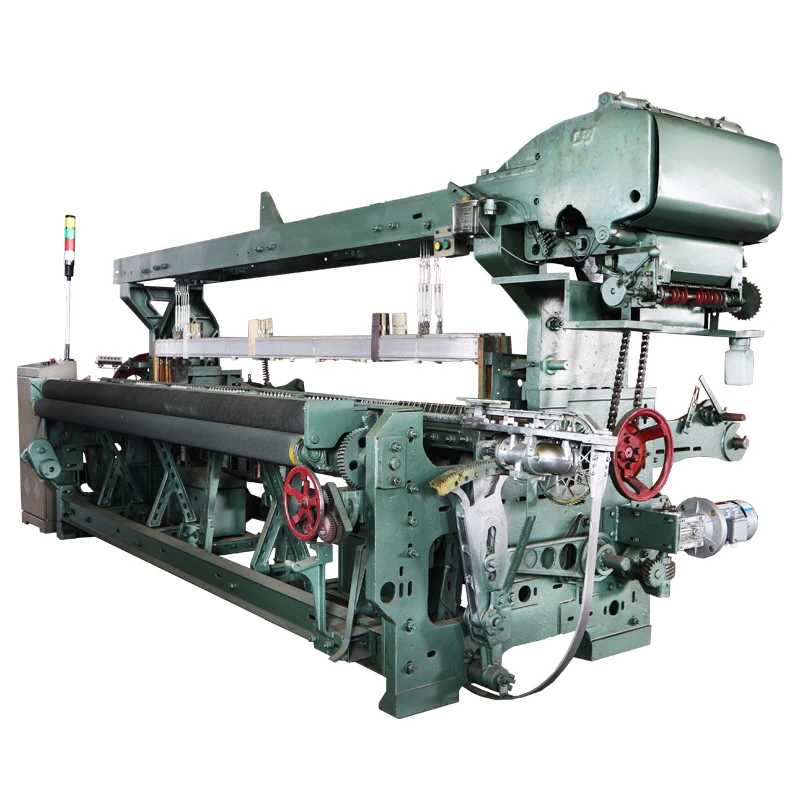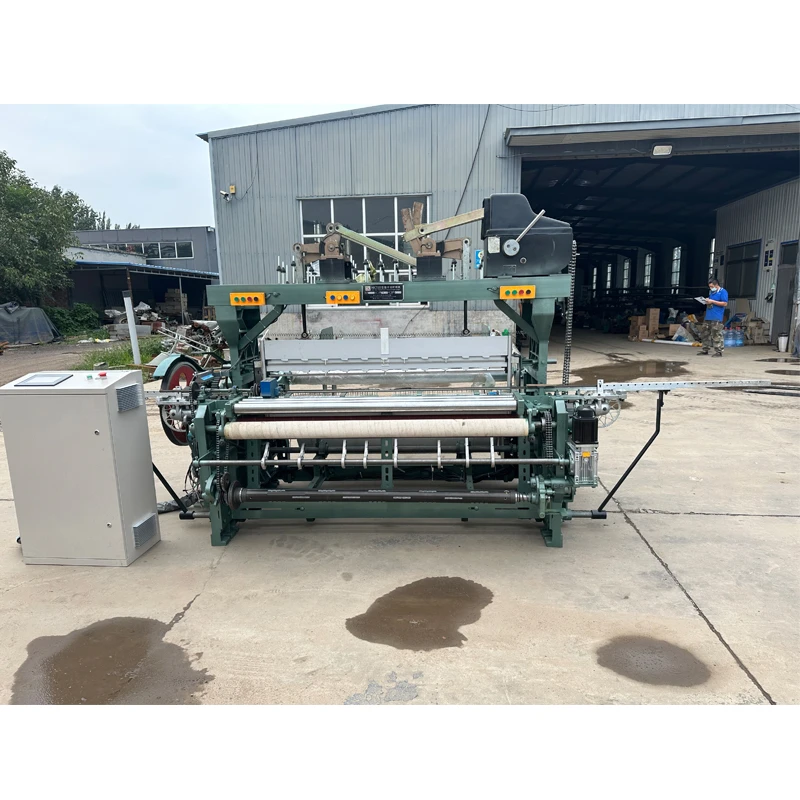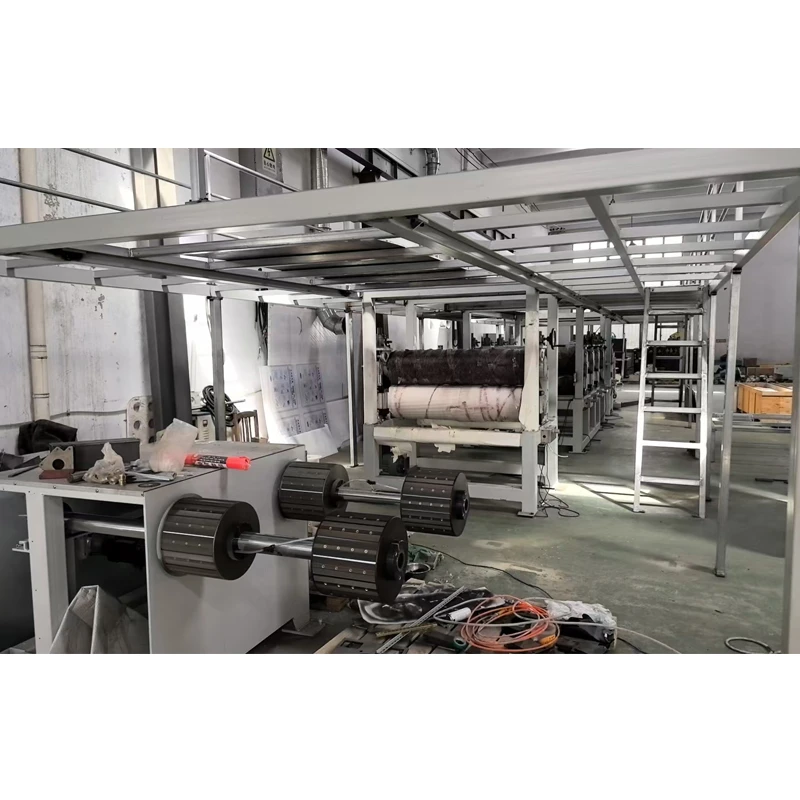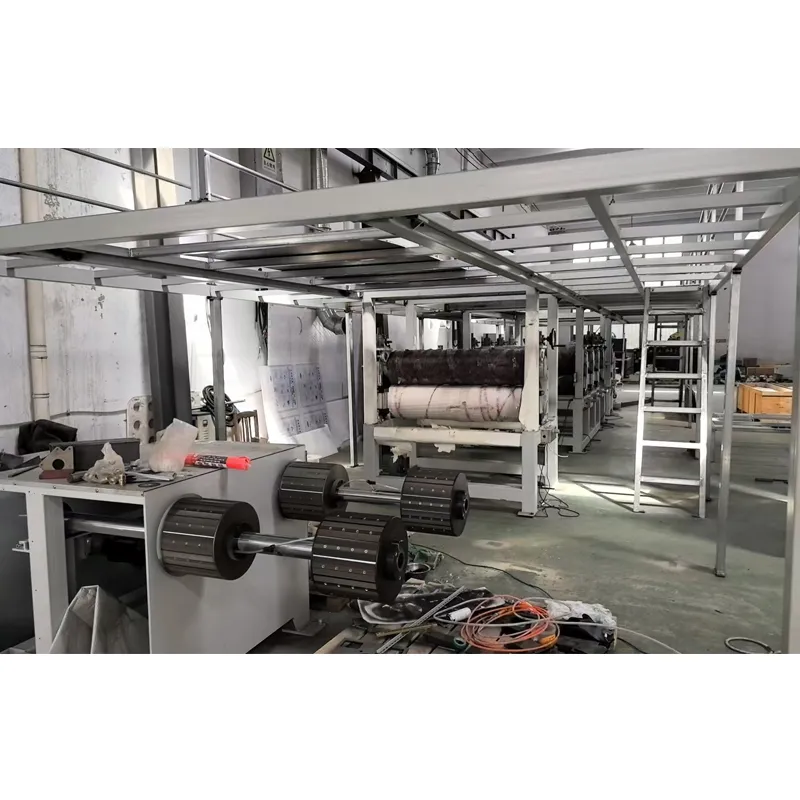



Rapier Weaving is a key solution in the industry, specifically within the textile manufacturing sector. This article explores how APHK Machinery supports professionals with durable, high-performance products, and explains why this product is an ideal choice for businesses in these sectors.
Table of Contents
- Rapier Weaving Overview
- Benefits & Use Cases of Rapier Weaving
- Cost, Maintenance & User Experience
- Sustainability & Market Trends
Rapier Weaving Overview
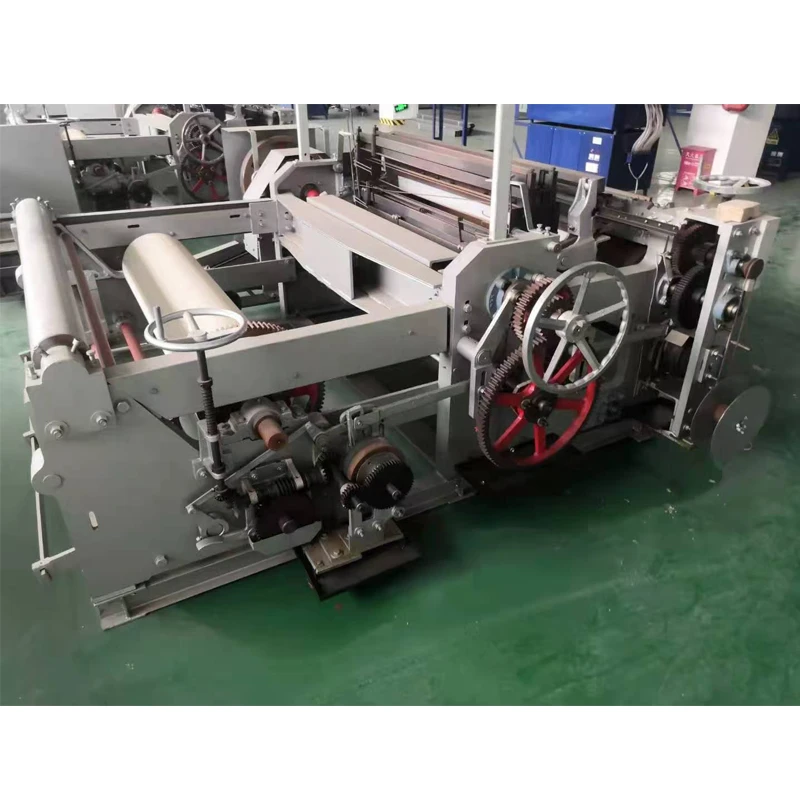
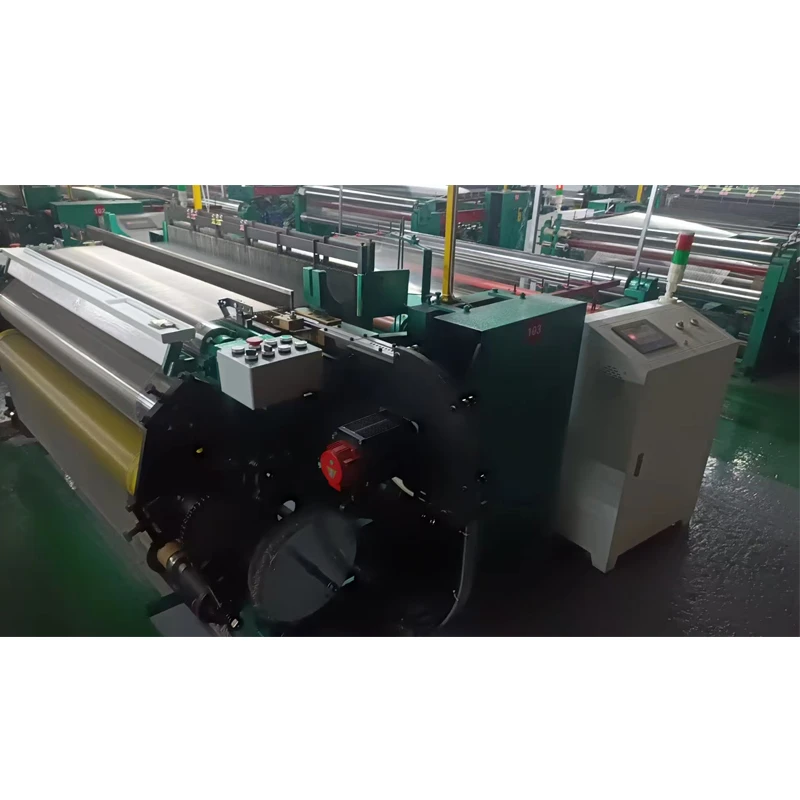
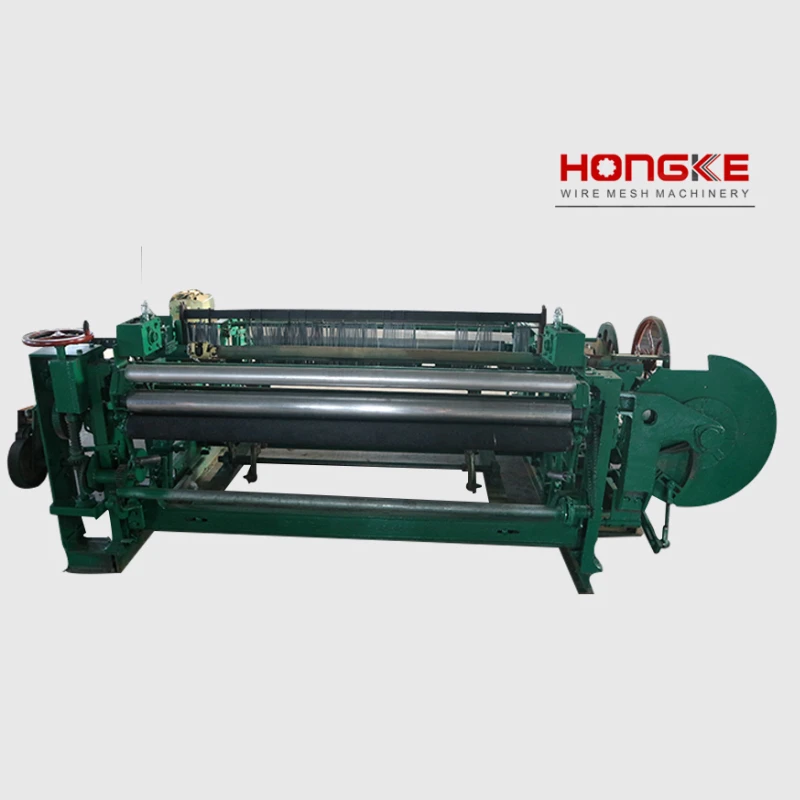
Rapier weaving is a pivotal technology within modern textile production, bridging the gap between traditional shuttle looms and high-speed projectile systems. It works by using a slender rapier, or “carrier,” to transfer the weft yarn through the shed, enabling wide width fabrics and complex patterns. The flexibility of rapier weaving supports various yarn types, from delicate silks to sturdy industrial fibers. Frankly, it feels like the engine room of many advanced textile factories — robust yet adaptable.
- Essential for fabric industries producing diverse textiles, including technical and fashion fabrics.
- For example, APHK Machinery’s latest rapier weaving machines boast high shuttle speed, lower noise, and precision control.
| Specification | APHK Rapier Loom | Industry Standard |
|---|---|---|
| Max Weaving Width | 360 cm | 300 cm |
| Weft Speed | Up to 220 m/min | 180 m/min |
| Energy Consumption | 15 kW | 18 kW |
| Noise Level | 68 dB | 75 dB |
Benefits & Use Cases of Rapier Weaving
Industries leveraging rapier weaving gain versatility in product offerings—it’s kind of like the Swiss army knife of weaving. From upholstery and technical fabrics to apparel and automotive textiles, rapier looms handle a range of yarn materials and fabric constructions. The capacity to weave wide widths while maintaining precision and efficiency makes it a go-to choice.
- APHK’s rapier machines offer programmable controls allowing tailoring to niche fabric demands.
- Their durable build reduces downtime—a huge win in fast-moving production lines.
| Vendor | Weaving Width (cm) | Automation Features | After-sales Support |
|---|---|---|---|
| APHK Machinery | Up to 360 | Fully programmable PLC controls | 24/7 technical hotline, on-site service |
| Competitor A | Up to 320 | Semi-automated | Limited warranty, remote support |
| Competitor B | Up to 300 | Manual operation with optional upgrades | Standard warranty |
Cost, Maintenance & User Experience
Total cost of ownership is often the elephant in the room. Initially, rapier weaving machines—especially high-end models like those from APHK—may have a higher capital cost. But, when you start tallying downtime avoided, energy savings, and superior output quality, that picture changes. Many manufacturers report an ROI within 18–24 months thanks to minimized yarn waste and faster changeovers.
- APHK’s design focuses on low-maintenance components, with modular parts easy to replace or upgrade.
- User feedback highlights intuitive interfaces, making training quicker and operators more confident.
Sustainability & Market Trends
Sustainability in textile manufacturing isn’t just a buzzword—it’s driving real change. Rapier weaving machinery plays a part by enabling precise yarn usage and reducing energy consumption compared to older technologies. APHK is actively developing eco-friendly components that lower carbon footprints. Plus, regulatory pressures in global markets encourage adoption of cleaner, more efficient equipment.
- Growing demand for technical textiles related to healthcare and automotive sectors propels rapier weaving innovation.
Frequently Asked Questions about Rapier Weaving
- What is Rapier Weaving and how does it work?
- Rapier weaving uses a slender, rod-like carrier called a rapier to pull the weft yarn through the warp yarn shed. This system alternates between rapiers, each grabbing and handing off the yarn to the other side, resulting in high efficiency and fabric versatility.
- What are the main benefits of using Rapier Weaving in industrial applications?
- Key advantages include adaptability to a wide variety of yarns, the ability to produce complex fabric patterns, and reduced waste. It also offers a quieter, energy-efficient option over traditional shuttle weaving.
- How does Rapier Weaving compare to traditional alternatives?
- Compared to shuttle looms and projectile systems, rapier weaving is faster, consumes less power, and can handle wider fabric widths more effectively. While projectile looms may have higher speeds, rapiers provide better fabric quality and less yarn breakage.
- What industries can benefit most from Rapier Weaving implementation?
- Apparel, upholstery, technical textiles (like medical or automotive fabrics), and home textiles are some sectors where rapier weaving shines. APHK customers report success across these applications due to the machines' precision and flexibility.
Conclusion on Rapier Weaving from China
Choosing the right rapier weaving machinery is a strategic investment for businesses ready to innovate and increase productivity. APHK Machinery’s offerings deliver durability, performance, and thoughtful design, making them an excellent partner for fabric producers aiming to future-proof operations. For more information, visit our website.
- Rapier weaving integrates innovation with practicality for versatile textile production.
- Visit our website: https://www.aphkmachinery.com
Oddly enough, in my experience, rapier weaving never feels outdated. It’s like the quiet workhorse that keeps pace with evolving demands — and that reliability? That’s priceless.
References:
1. Textile World Magazine, “Advances in Rapier Loom Technology,” 2023
2. APHK Machinery Product Manuals, 2023
3. Industry Experts Interview, Textile Tech Symposium, 2024