


Understanding the Rapier Textile Machine: An Industry Perspective
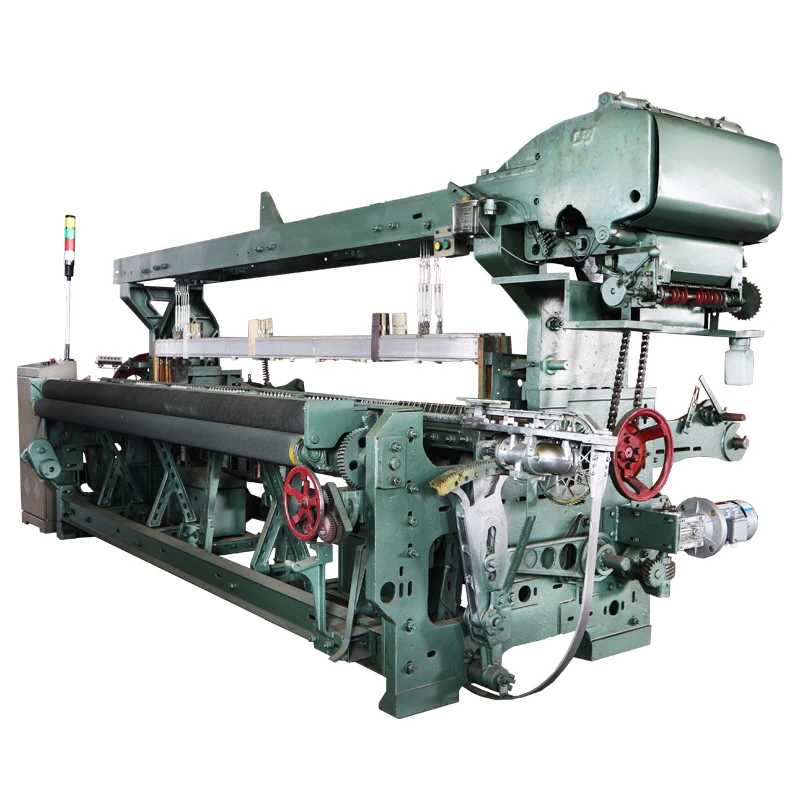
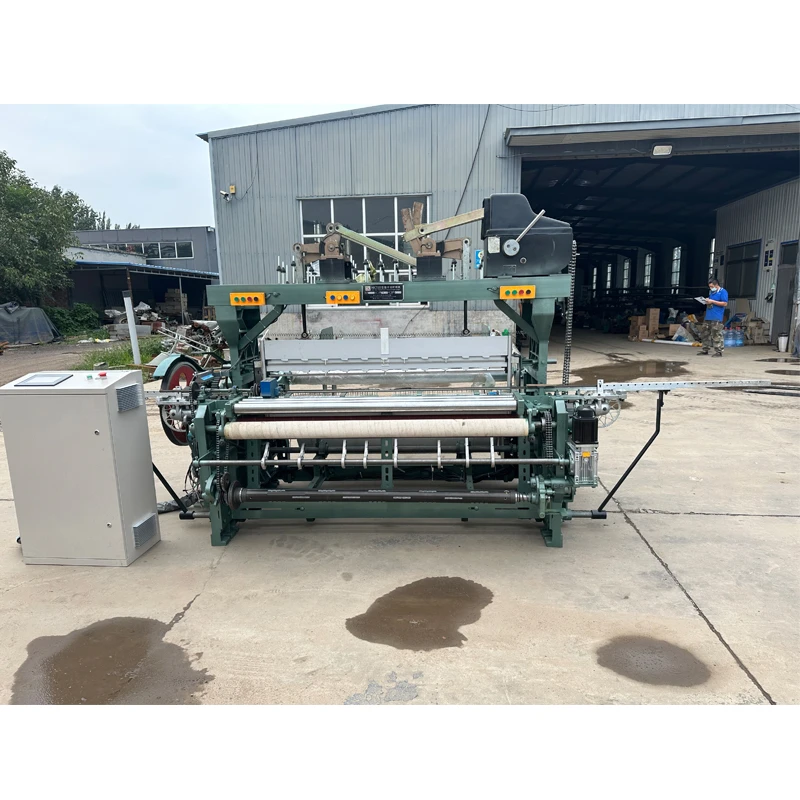
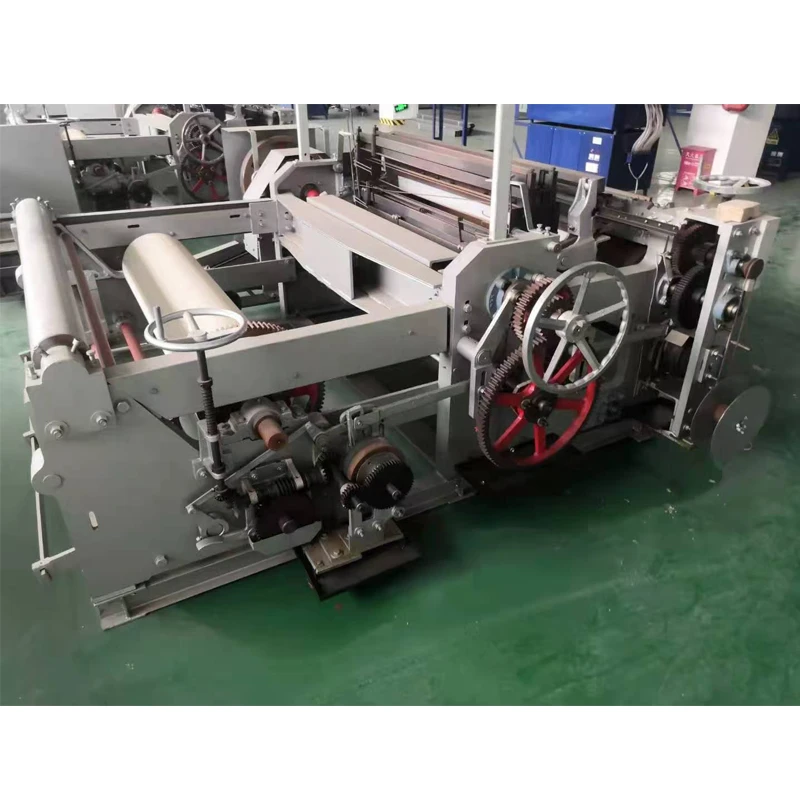
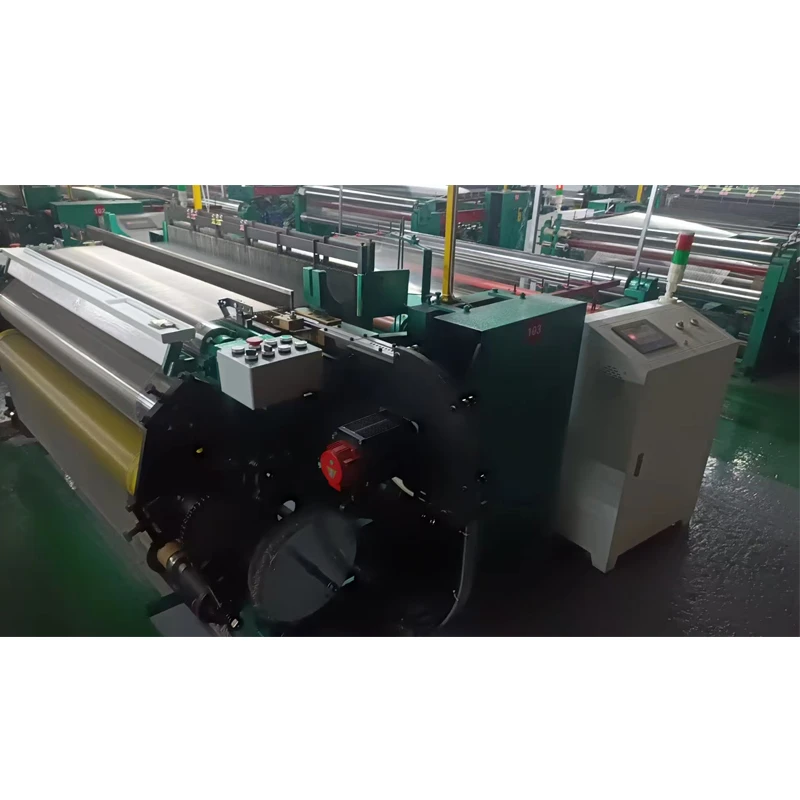
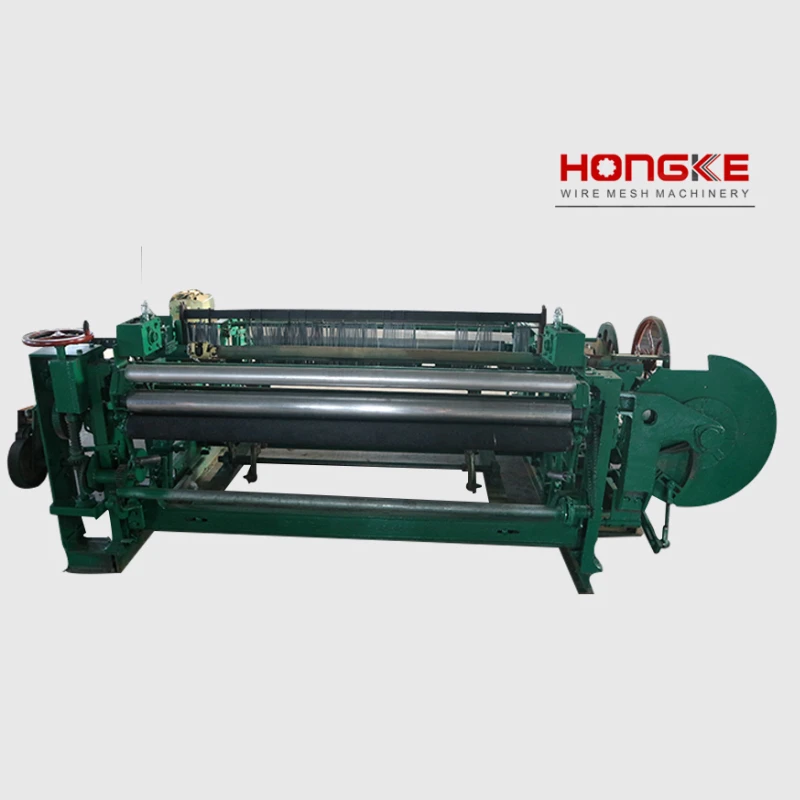
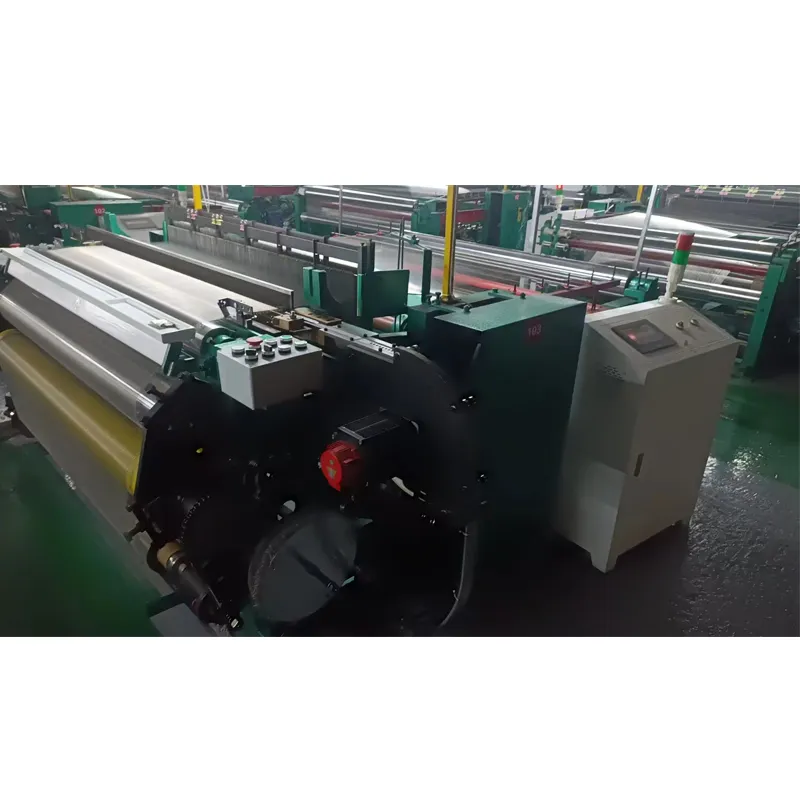
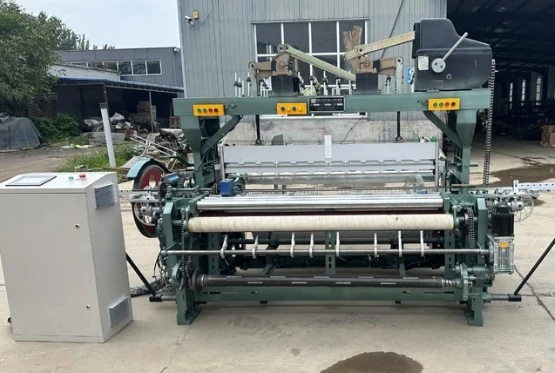
You know, having spent a good chunk of my career around weaving floors and textile plants, I’ve seen first-hand how rapier textile machines quietly revolutionized fabric production. These machines are often the unsung heroes behind the high-quality weaves we take for granted. Unlike their shuttle or air-jet counterparts, rapier looms operate with a unique mechanism that uses slender rods or “rapiers” to carry the weft yarn through the warp shed.
Frankly, their precision and adaptability caught my attention years ago. I recall visiting a mill where a rapier loom was customized to handle some tricky synthetic yarns, notoriously prone to fraying and breaking. The engineers managed to tweak the tension and speed settings so finely that breakage rates dropped dramatically. Oddly enough, it felt more like a collaboration between human and machinery, rather than just cold automation.
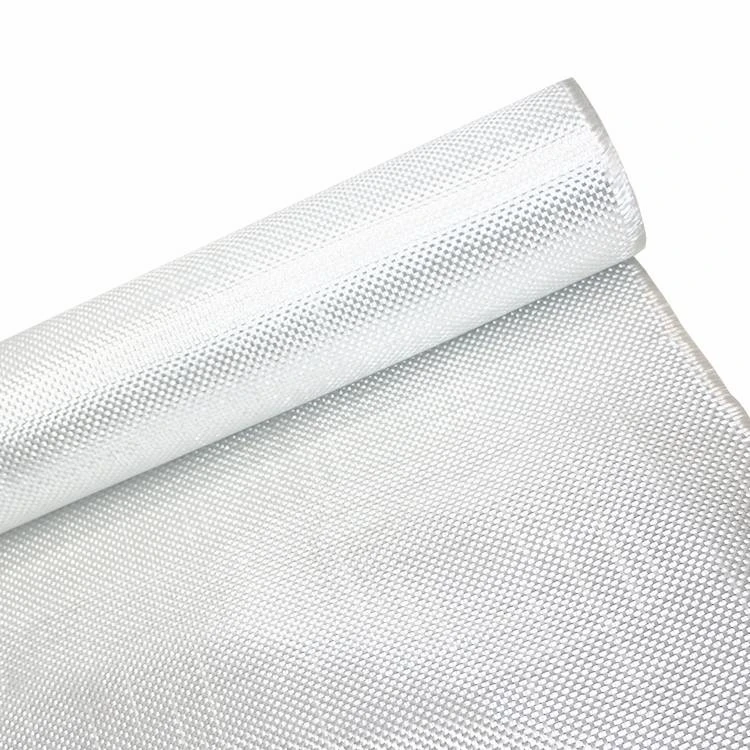
Rapier textile machines shine in flexibility—they can handle a wide range of yarn types and fabric widths, which makes them popular for producing complex patterns and technical textiles. And while they don’t quite reach the blistering speed of air-jet looms, their weaving accuracy is often superior, reducing waste and improving fabric quality. Many manufacturers appreciate that balance, especially when producing upholstery, denim, or even delicate silk fabrics.
Key Specifications of a Typical Rapier Textile Machine
| Specification | Details |
|---|---|
| Weaving Speed | Up to 600 picks per minute |
| Max Fabric Width | Up to 3.5 meters |
| Weft Yarn Type | Synthetic & natural fibers |
| Control System | PLC with touchscreen interface |
| Energy Consumption | Approx. 4.5 kW per machine |
One thing that tends to get overlooked is how essential regular maintenance and precise calibration are for these machines. I once worked with a plant where the rapier looms were gathering dust because operators didn’t fully grasp the nuances of their control systems. After a few refresher workshops, uptime soared and product defects practically halved. It’s a reminder that these machines, while high-tech, still thrive on experienced hands and smart upkeep.
Choosing Your Rapier Textile Machine Vendor
| Vendor | Strengths | Price Range | Support Network |
|---|---|---|---|
| APHK Machinery | High customization & solid tech backup | $$$ (mid to upper) | Global service hubs |
| TexWeave Corp. | Affordable, good for standard fabrics | $ (lower) | Regional partners |
| LoomTech Industries | Cutting-edge automation features | $$$$ (premium) | 24/7 dedicated tech support |
In my informal chats with machine operators and plant managers, APHK Machinery often comes up. They’ve built a reputation not just on tech specs but on truly listening to their clients’ needs. If you’re hunting for a rapier textile machine that feels kind of like a bespoke suit—customized and reliable—it’s worth checking them out.
Wrapping up, rapier textile machines offer a sweet middle ground between speed, precision, and versatility. They’re not flashy, but in terms of steady, dependable fabric production? They’re the backbone. And frankly, it feels satisfying when you see a mill owner’s face light up because the machine just works for their unique setup.
Maybe one day, I’ll tell you about the odd little maintenance hacks operators invent when things go sideways — but for now, I hope this was useful.
References:
- Textile Industry Journal, 2023 - “Weaving Technology Trends”
- APHK Machinery Product Brochure, 2024
- Interviews with Plant Managers, 2022-2023