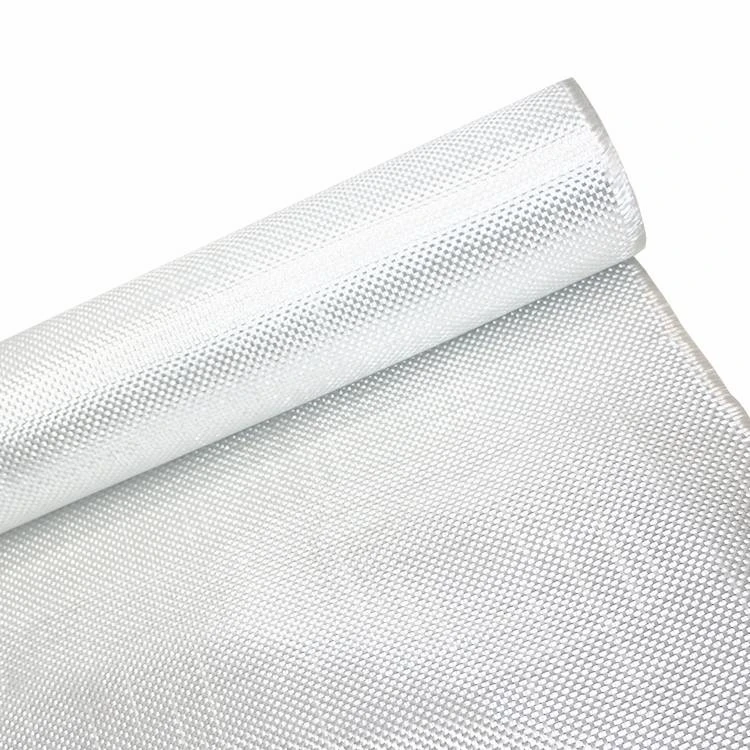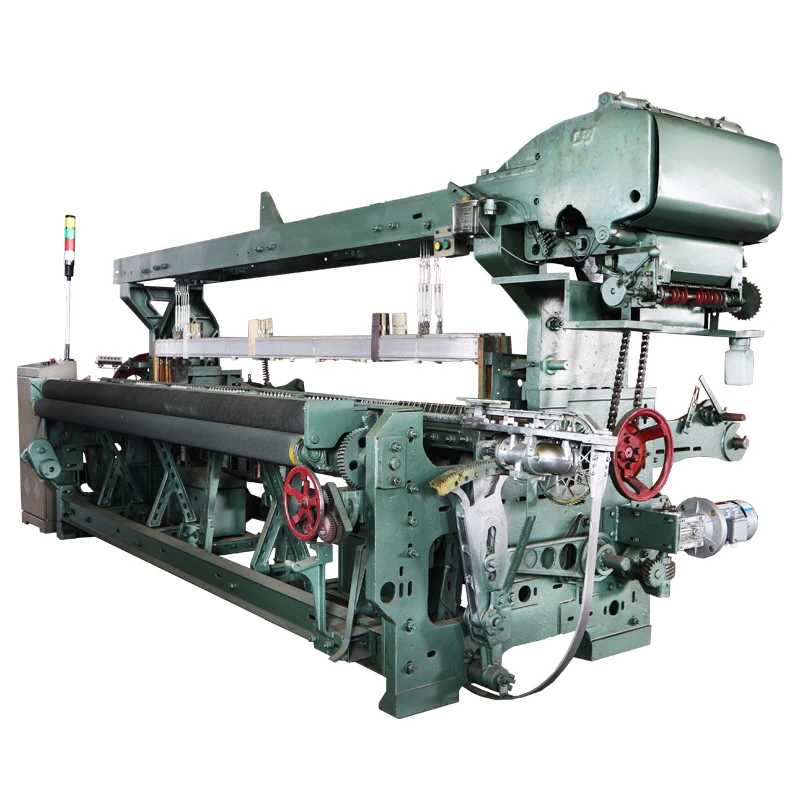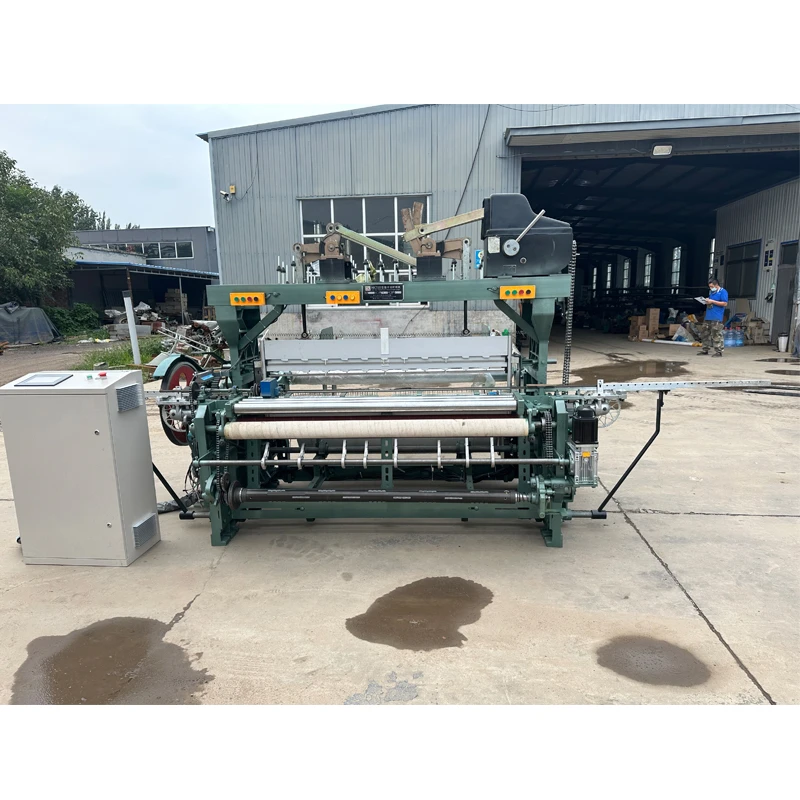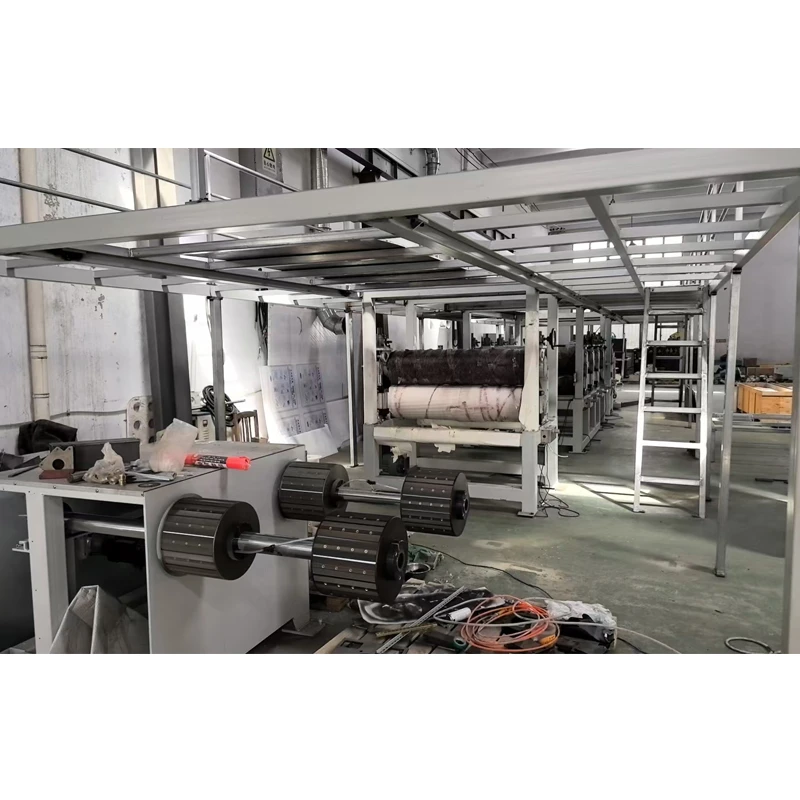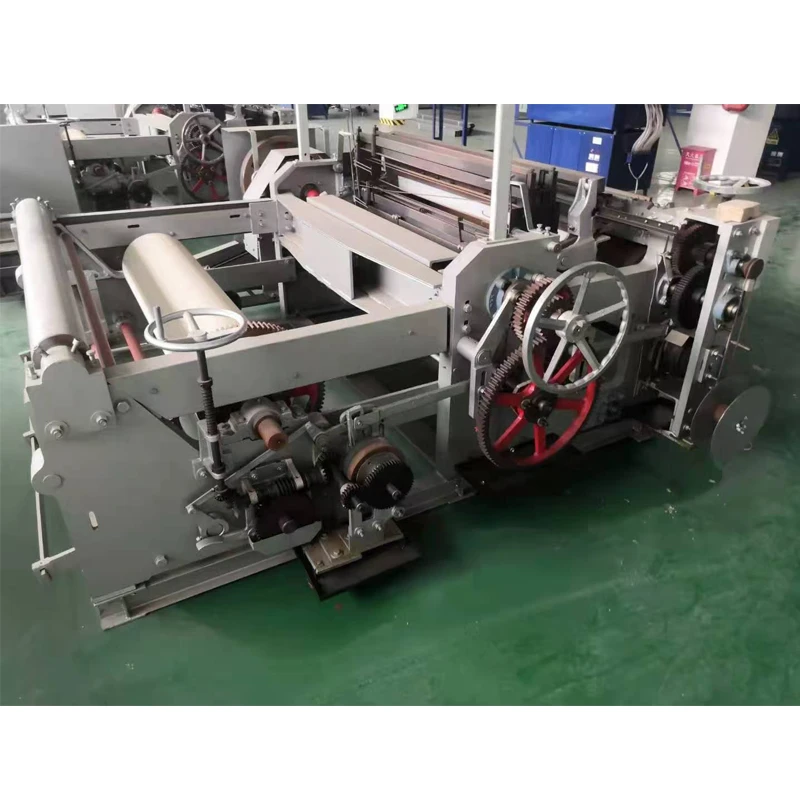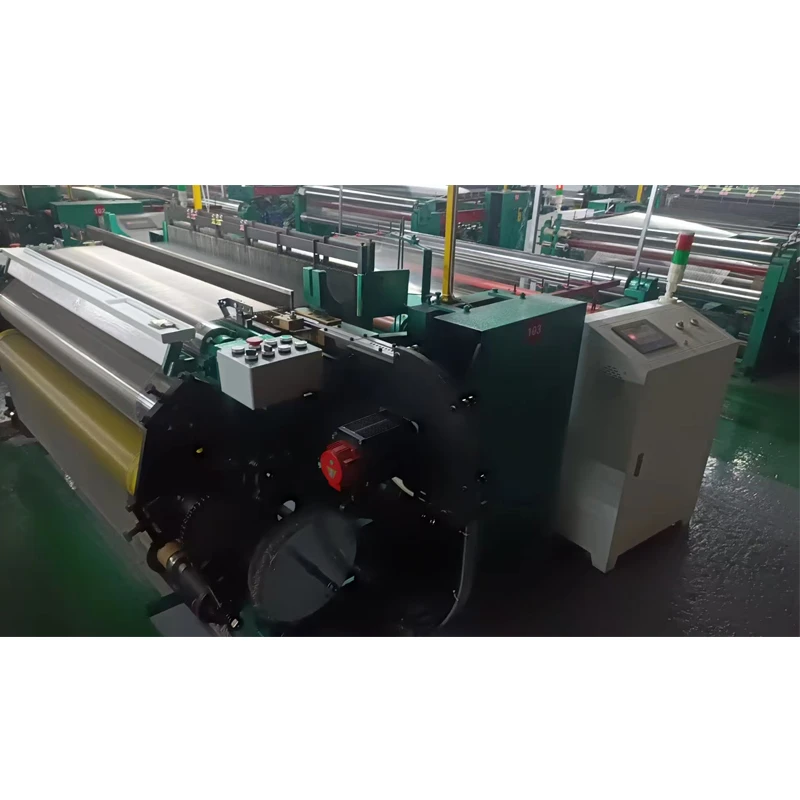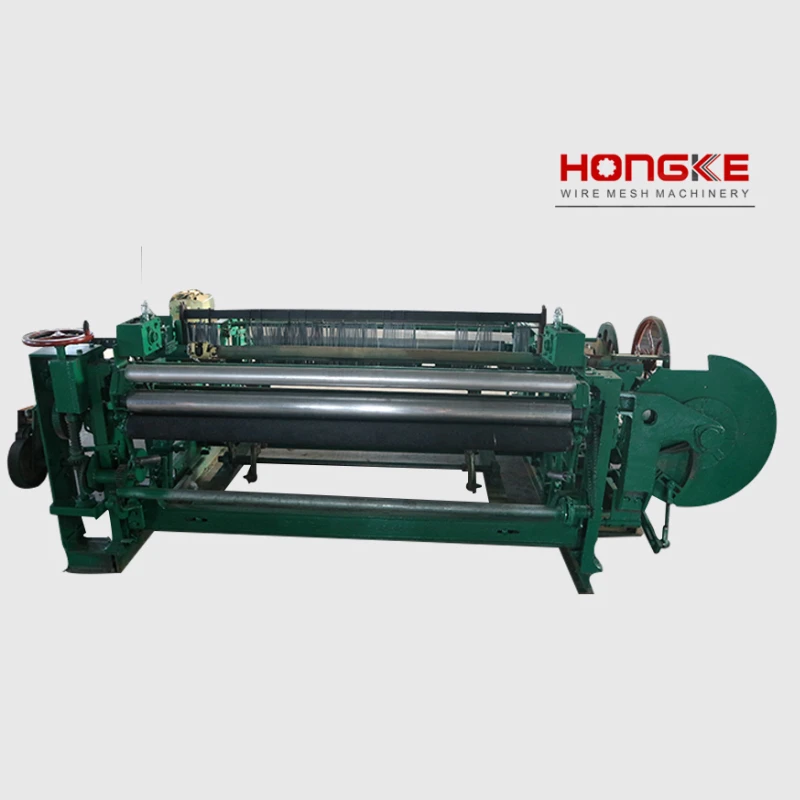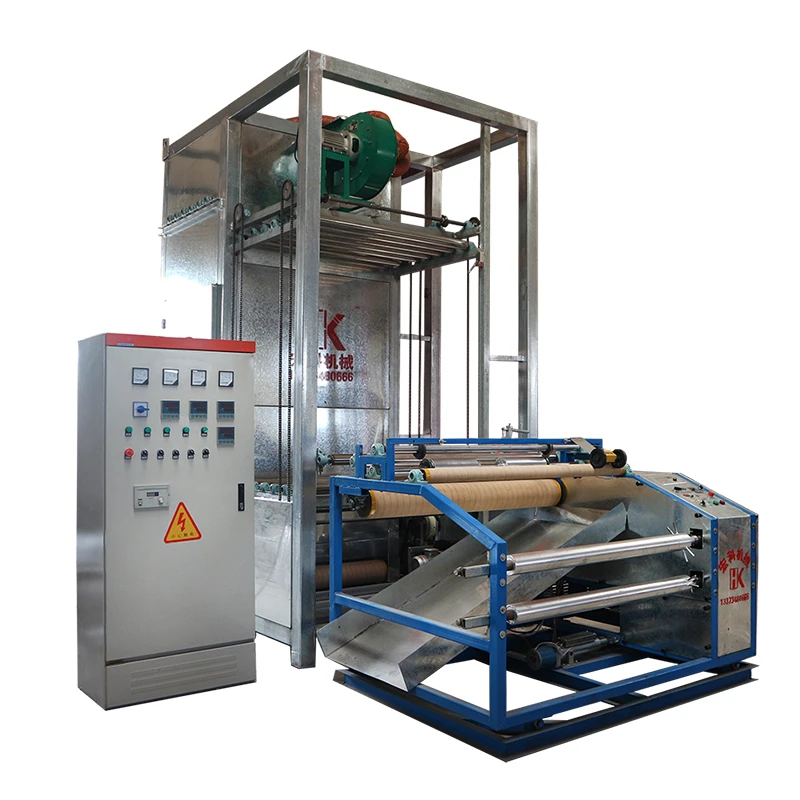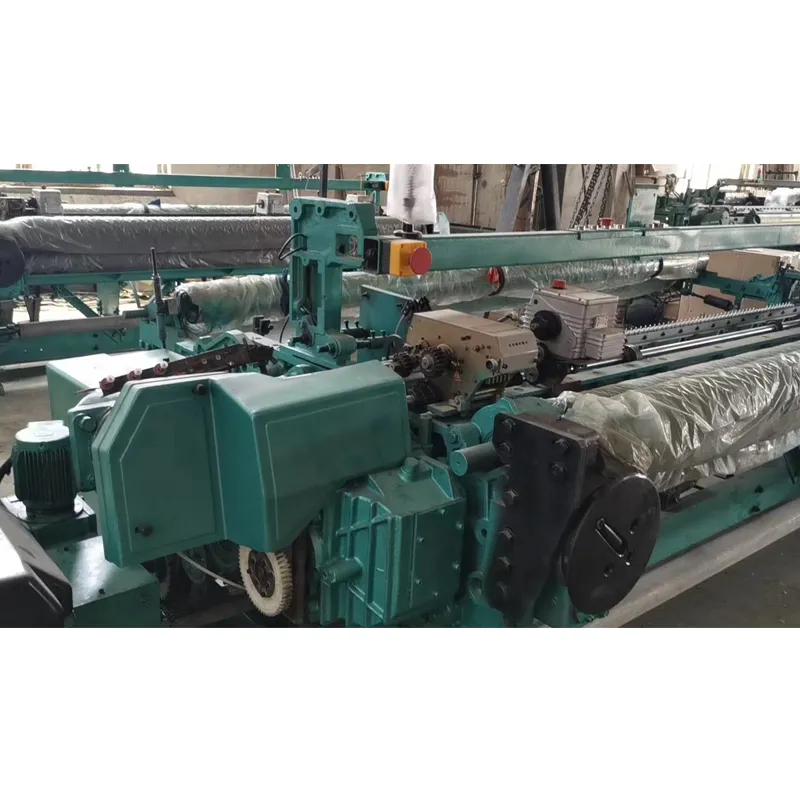



Rapier Machine Price is a key solution in the textile industry, specifically within weaving and fabric manufacturing. This article explores how APHK Machinery supports professionals with durable, high-performance products, and explains why this product is an ideal choice for businesses seeking efficiency and reliability in their weaving operations.
Table of Contents
- Rapier Machine Price Overview
- Benefits & Use Cases of Rapier Machine Price
- Cost, Maintenance & User Experience
- Sustainability & Market Trends
Rapier Machine Price Overview
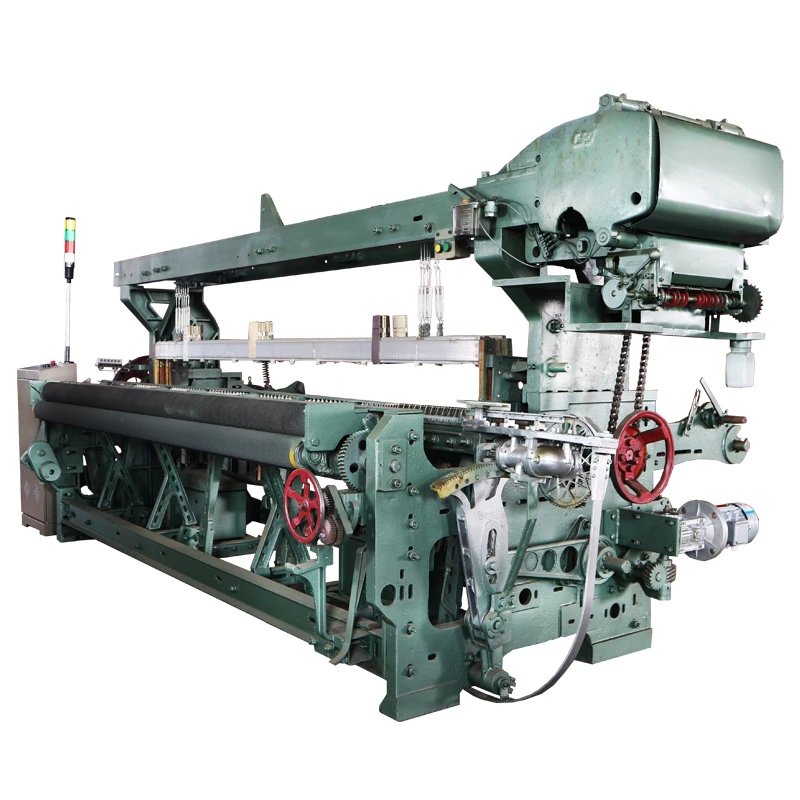
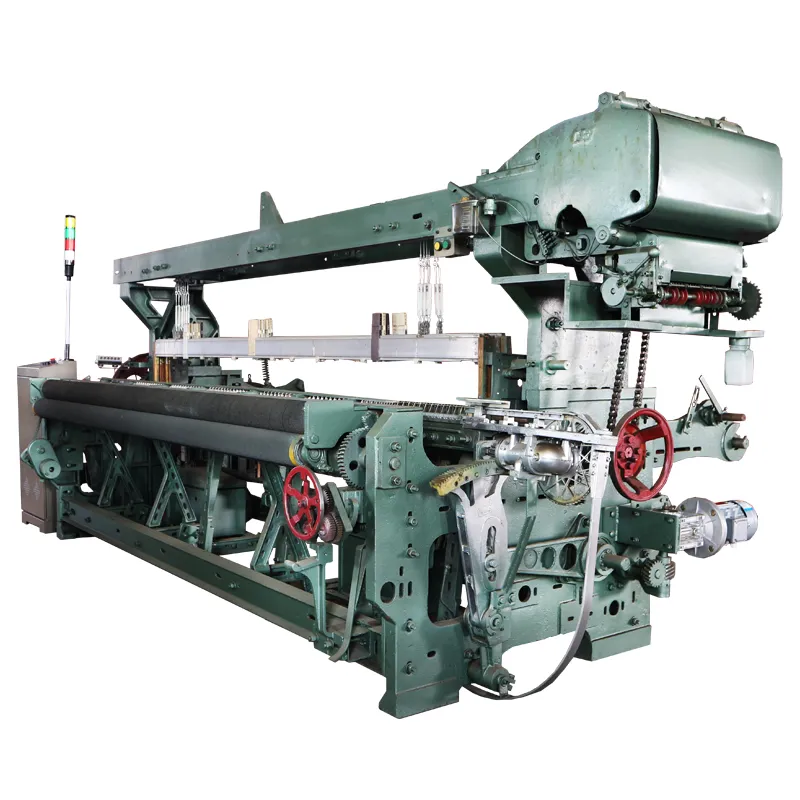
To put it simply, a rapier machine is a type of weaving loom that uses a rapier – a slender, metal arm – to carry the weft yarn across the warp threads. It’s a pivotal piece of equipment for textile manufacturers, offering remarkable versatility with different fabrics, from delicate silks to heavy industrial textiles. Finding the right Rapier Machine Price is crucial because price often reflects quality, durability, and after-sales support.
APHK Machinery’s rapier looms come equipped with advanced control systems and precision engineering geared for demanding production schedules. Frankly, the technical specs are what caught my eye: variable rapier speed control, up to 550 picks per minute, and fabric widths scaling from 1800 mm up to 3200 mm – which covers most industrial needs.
| Specification | Details |
|---|---|
| Max Weaving Speed | Up to 550 picks/min |
| Fabric Width | 1800mm - 3200mm |
| Power Supply | 380V / 50Hz / 3 Phase |
| Control System | PLC with touch screen interface |
| Weight | Approx. 3000 kg |
Benefits & Use Cases of Rapier Machine Price
Rapier machines aren’t just about speed, though that’s certainly a selling point. They offer extraordinary adaptability, especially for companies juggling a variety of fabrics and designs. For instance, technical textiles for automotive interiors and home furnishings both benefit hugely from the precision of rapier looms. Oddly enough, it feels like these machines can weave nearly anything that needs accuracy and finesse.
Compared to alternatives like shuttle looms, the rapier design reduces yarn breakage and wastes far less material. Many manufacturers I talked to note that downtime for rethreading is significantly less, saving both time and money. Plus, APHK's machines have features like double rapier delivery and energy-saving drives — competitive advantages that help firms boost output while managing costs.
Cost, Maintenance & User Experience
Many decision makers I’ve spoken with wonder about the full game: what’s the real Rapier Machine Price, considering upkeep and ROI? The initial investment may seem steep, but the machines are designed for long lifecycles — and frankly, the reduced waste and downtime almost pay for themselves.
Maintenance routines at APHK focus on accessibility; key components can be serviced without dismantling the loom. Customers report less downtime and minimal unexpected repairs. One mid-sized weaving company shared they saw a 15% production increase within six months of switching to an APHK rapier model, praising both the machine’s stability and responsive support.
Sustainability & Market Trends
In today’s market, sustainability is no longer optional — it’s essential. Rapier machines contribute by enhancing fabric quality, reducing waste, and lowering energy consumption. APHK’s recent models incorporate energy-saving motors and optimized designs aligning with tightening environmental regulations.
The global textile market's growth, particularly in technical and smart fabrics, means demand for flexible weaving solutions like rapier machines continues to rise. It’s fascinating how the industry moves toward greener practices without sacrificing efficiency, and machines like those from APHK play a subtle but important role in that transition.
| Vendor | Base Price (USD) | Warranty | Key Feature | After-sales Support |
|---|---|---|---|---|
| APHK Machinery | $38,000 | 2 years | Energy-saving drives, PLC control | 24/7 Technical hotline, on-site support |
| Competitor A | $35,000 | 1.5 years | Basic servo system | Email support only |
| Competitor B | $40,500 | 2 years | Fast rapier exchange mechanism | Phone and email support |
Frequently Asked Questions about Rapier Machine Price
- What is Rapier Machine Price and how does it work?
- Rapier Machine Price refers to the cost associated with purchasing a rapier loom, a weaving machine that uses a rapier arm to insert the weft yarn across warp threads. It works by pushing or pulling the rapier arm horizontally across a shed, delivering the yarn with precision and speed.
- What are the main benefits of using Rapier Machine Price in industrial applications?
- The key benefits include versatility to handle various fabric types, higher weaving speeds compared to older loom types, better yarn usage with less waste, and reduced downtime. Also, improved technological features give businesses a competitive edge.
- How does Rapier Machine Price compare to traditional alternatives?
- Rapier machines are generally more flexible and faster than shuttle looms, with less yarn breakage and greater adaptability for diverse fabrics. While the initial price might be higher, the operational savings and quality gains often balance that out.
- What industries can benefit most from Rapier Machine Price implementation?
- Textile manufacturing sectors focusing on apparel, technical textiles, automotive fabrics, and home furnishings gain the most. Their production demands suit the rapier machine’s efficiency and fabric versatility.
Conclusion on Rapier Machine Price from china
All told, Rapier Machine Price might look like just another line item, but in reality, it signals a valuable investment — one that boosts efficiency, reduces waste, and opens doors to new product ranges. For businesses ready to upgrade or expand, APHK Machinery’s offerings stand out for their quality and support. You can see more specifics or request a quote at https://www.aphkmachinery.com.
It’s fascinating how a well-chosen rapier loom really transforms production — you can almost feel the difference on the factory floor.
- Technical details sourced from APHK Machinery official specifications.
- Customer testimonials via industry trade forums and interviews.
- Market trends referenced from Textile World News and sustainability reports.