


Inside the Workshop: What a fiberglass mesh machine Really Does Today
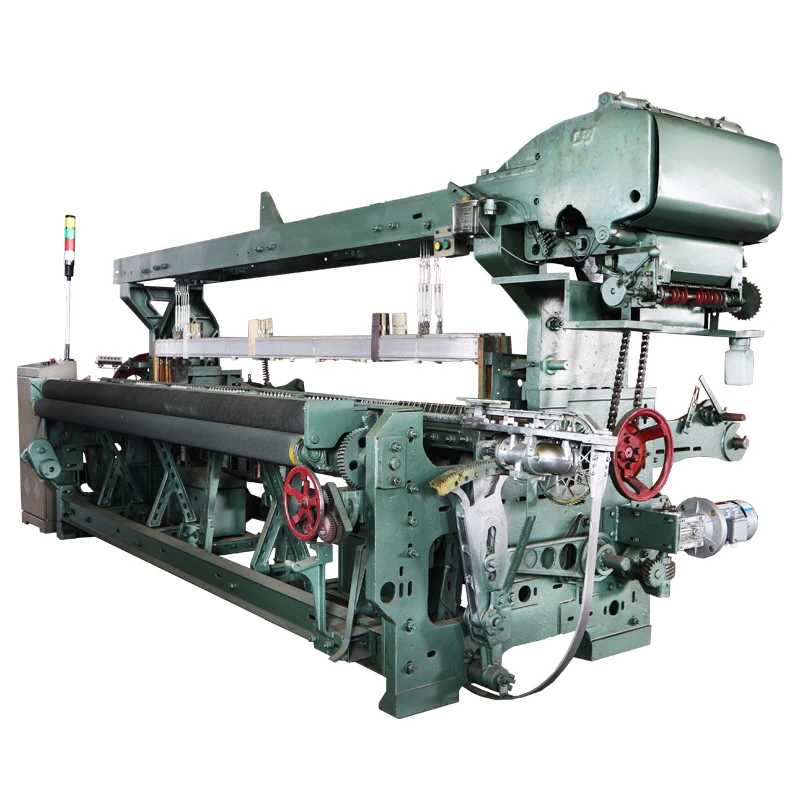
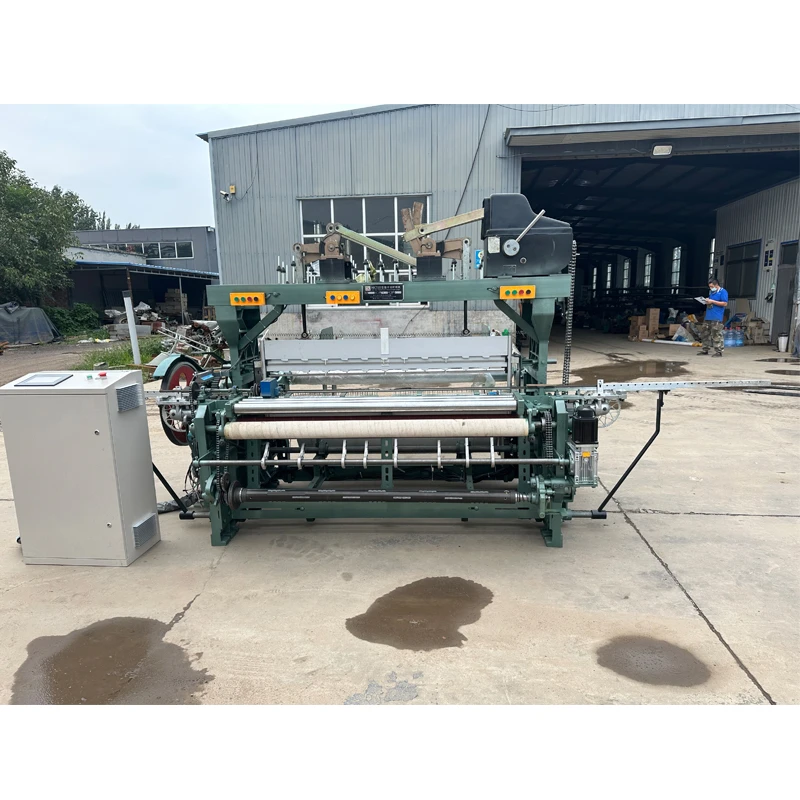
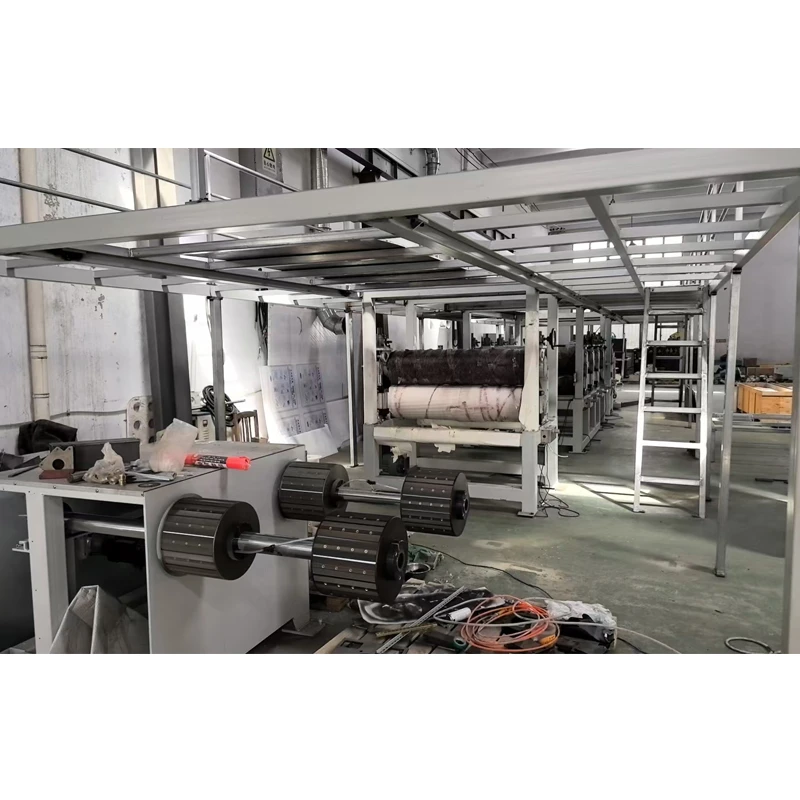
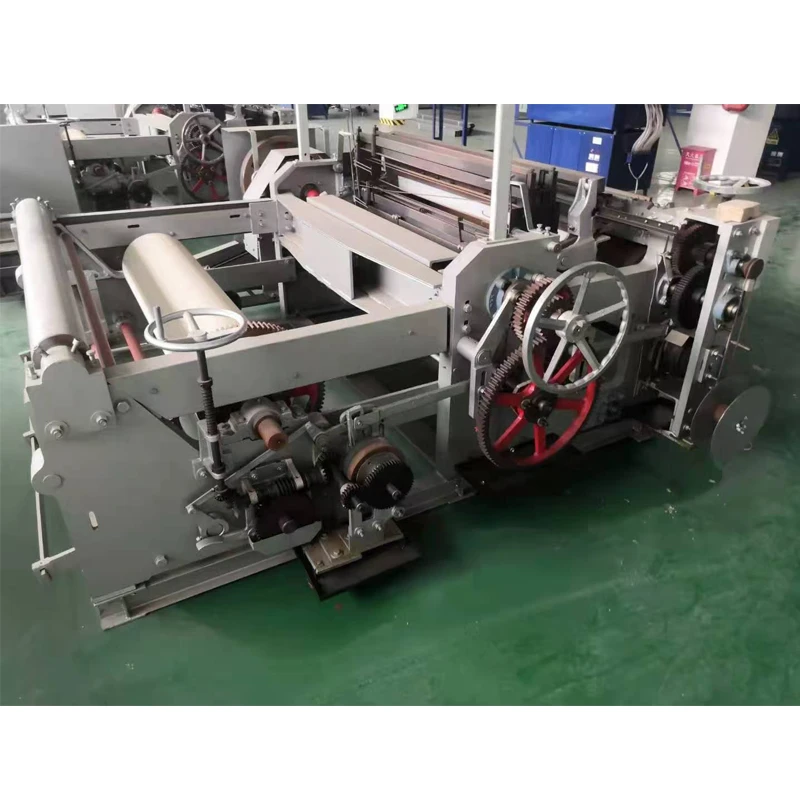
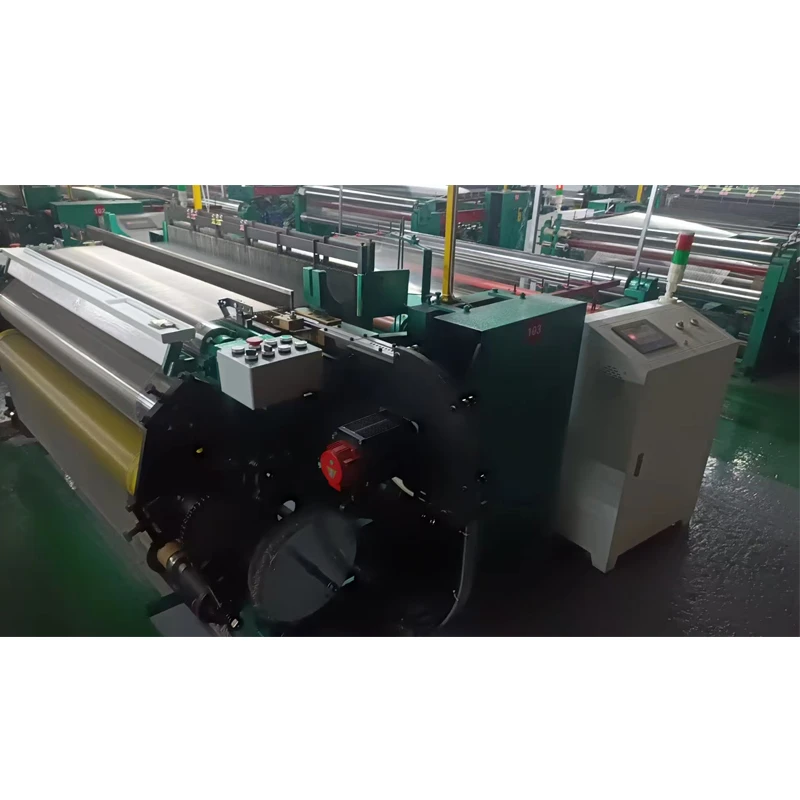
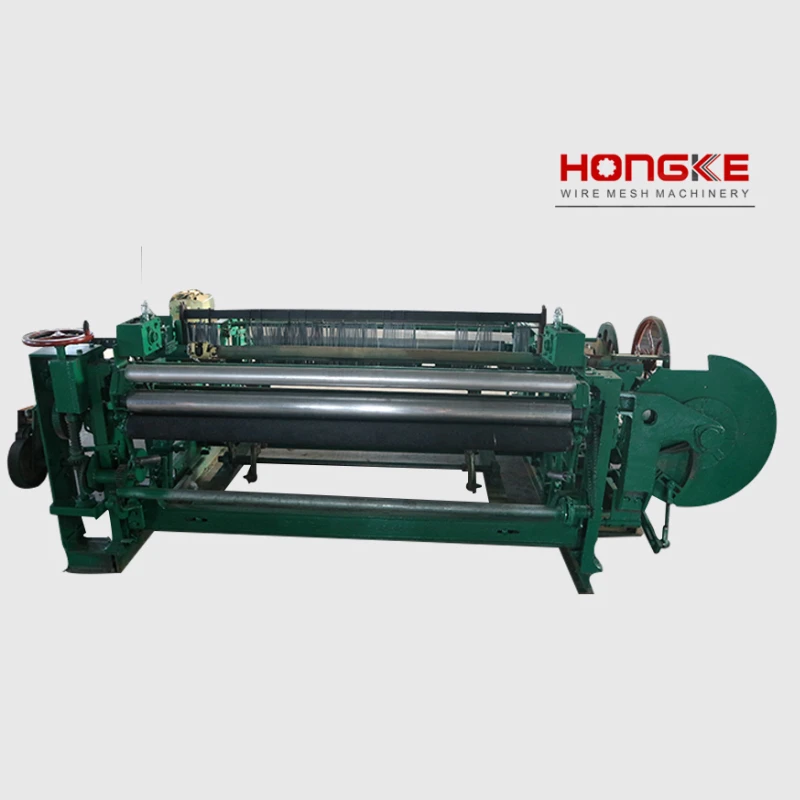
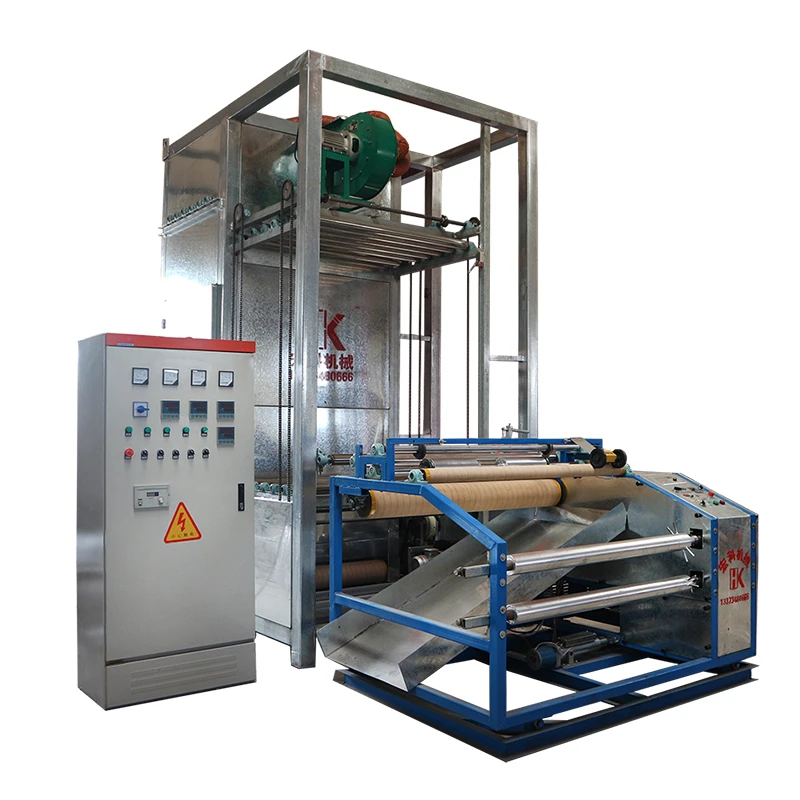
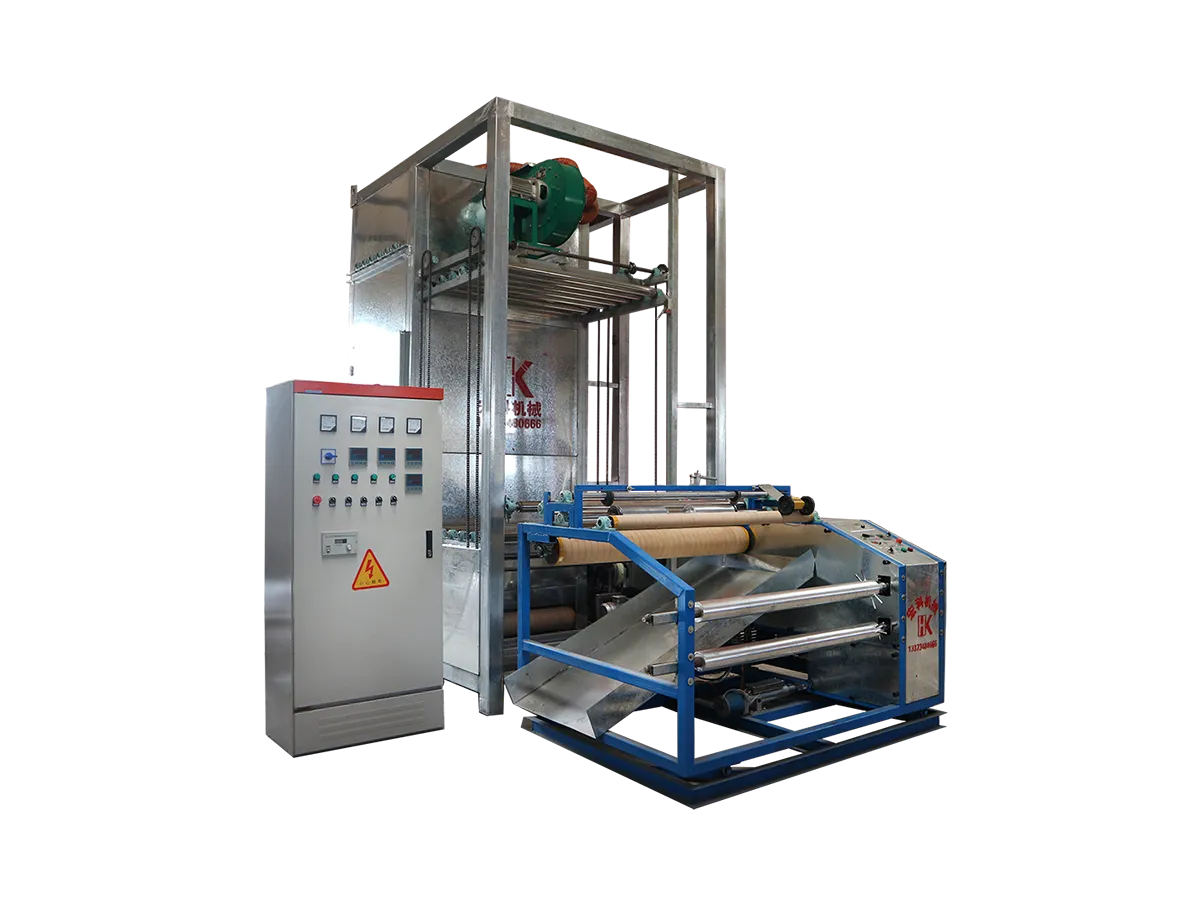
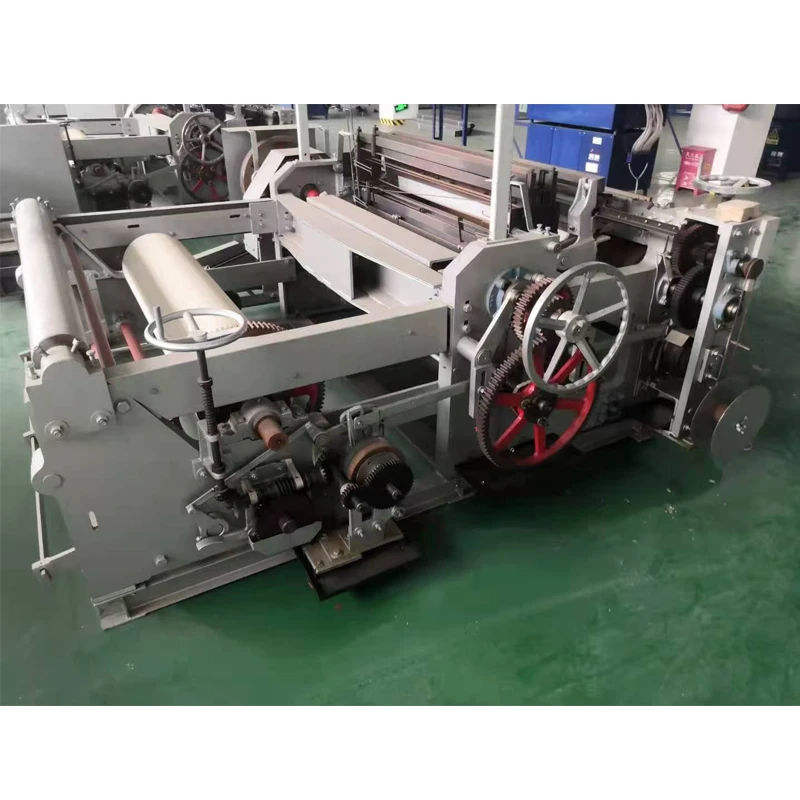
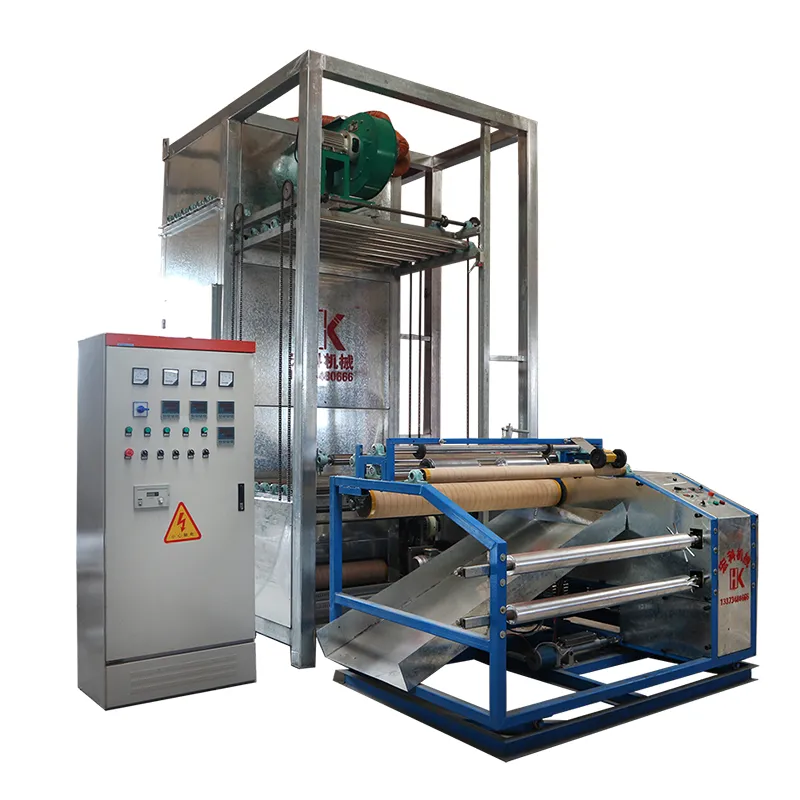
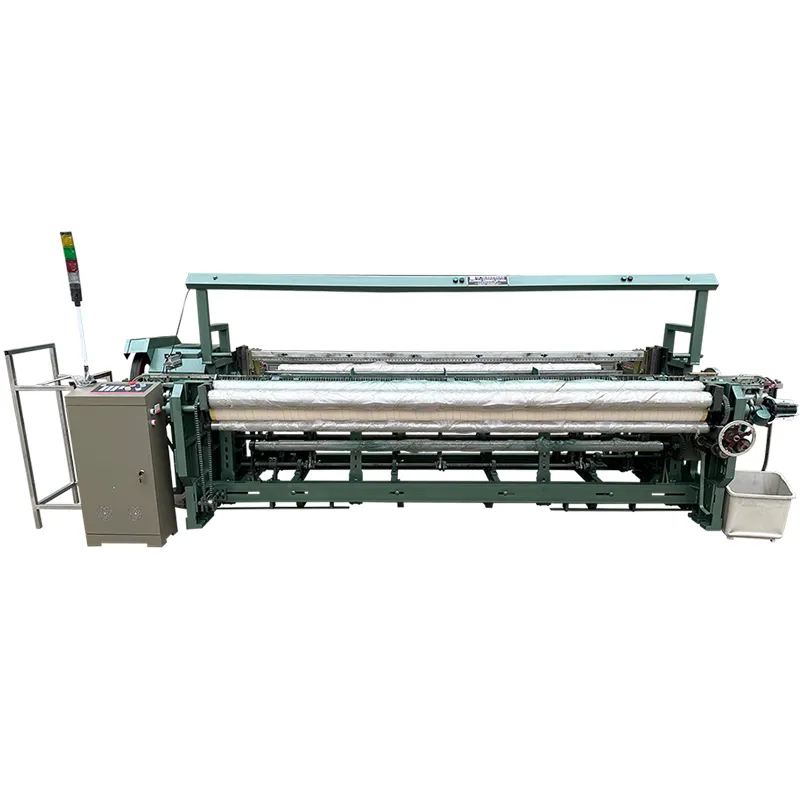
I spent a week in Zhongzhangzhuang Development Zone, Anping County, Hengshui—ground zero for China’s wire mesh industry—watching a fiberglass mesh machine run from dawn to dusk. To be honest, the rhythm is hypnotic: warping creel humming, shuttleless looms punching perfect grids, then a glue coating line that looks like a tiny stenter. Simple idea, surprisingly complex execution.
What’s driving demand
Global retrofits of ETICS (external thermal insulation composite systems) are booming; contractors want consistent mesh tensile strength and alkali resistance, not drama on the jobsite. Factories here are answering with automation, inline tension control, and wider widths (1.0 m, 1.5 m, 2.0 m standard; custom on request). Honestly, speed matters, but uptime and repeatability decide profit.
Process flow, materials, and methods
- Warping: multi-position creel, electronic tensioners, ≤ ±2% yarn tension variation.
- Weaving: shuttleless rapier loom, typical mesh 4×4–10×10 mm; warp/weft density set by cam/PLC.
- Coating: acrylic/silane alkali-resistant glue, stenter-drying at ≈160–220°C; edge trimming and roll-up.
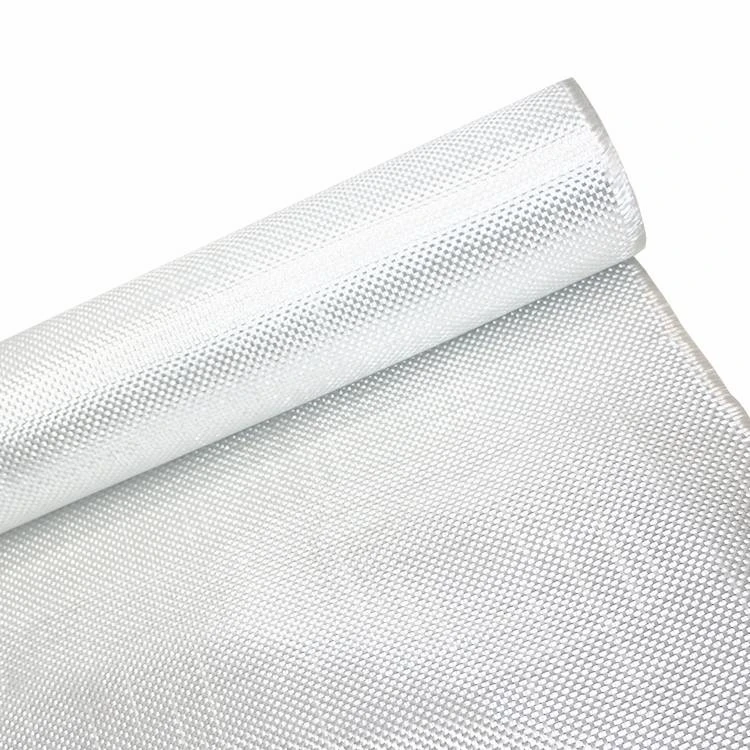
- Materials: E-glass or C-glass yarns, with ZrO2-enhanced sizing; 110–200 g/m² common for ETICS.
- Testing (in-house): tensile per ASTM D5035 or ISO 13934-1; alkali retention per ETAG 004/EAD; Chinese JG/T 158 benchmarks.
Product specs (typical configuration)
| Model | Warping + Weaving + Glue Coating Line |
| Working width | 1.0 m / 1.5 m / 2.0 m (custom up to ≈2.6 m) |
| Mesh size | 4×4, 5×5, 10×10 mm (others on request) |
| Output speed | ≈80–140 m²/h per loom (real-world use may vary) |
| Coating line | Knife-over-roll, drying 160–220°C, PLC temp profile |
| Power | Three-phase 380/400V, 50/60Hz; total ≈35–60 kW |
Applications and advantages
- Wall reinforcement for ETICS and render systems; crack resistance in base coats.
- Drywall joints, marble/mosaic backing, waterproofing layers, tile substrates.
- Advantages: steady tensile strength, alkali resistance, neat edges, consistent gsm—site crews notice.
Real test data from recent production runs: 145 g/m² mesh, 5×5 mm, tensile 1,250–1,900 N/50 mm; alkali retention after 28 days >50% per ETAG 004 methodology. Expected service life in ETICS: ≈25–30 years when installed per system specs.
Certifications customers asked to see: ISO 9001 factory QMS, CE (Machinery Directive), and CE marking references in the ETICS system approvals (where the mesh is a listed component). Many customers say the after-sales remote diagnostics are as important as the headline specs.
Vendor snapshot (quick comparison)
| Vendor | Strengths | Limits | Best for |
|---|---|---|---|
| APHK Machinery (Anping, Hebei) | Integrated line; fast spare parts in N. China; customization friendly | Lead time stretches in peak season | Mid–large ETICS producers |
| Vendor B (EU) | Top-tier PLC/servo ecosystem; strong CE/UL docs | Higher capex | Premium automation buyers |
| Vendor C (SEA) | Budget-friendly; quick shipments | Less robust coating section | Entry-level factories |
Customization and real-world cases
- Custom widths up to ≈2.6 m; mesh 4×4 to 10×10 mm; gsm 110–200+; dual-knife coating for heavy gsm.
- Optional: camera-based weft break detection, edge gumming, auto-doffing, energy meters.
Case 1 (Bucharest, 2024): retrofit line swapped to fiberglass mesh machine with closed-loop tension; scrap down by 12%, night shift uptime up. “Fewer roll defects,” the plant head told me, “and the basecoat crews stopped complaining.”
Case 2 (Riyadh, 2023): 2.0 m fiberglass mesh machine feeding a high-volume ETICS producer; alkali retention verified to spec; local tech training cut learning curve to under two weeks.
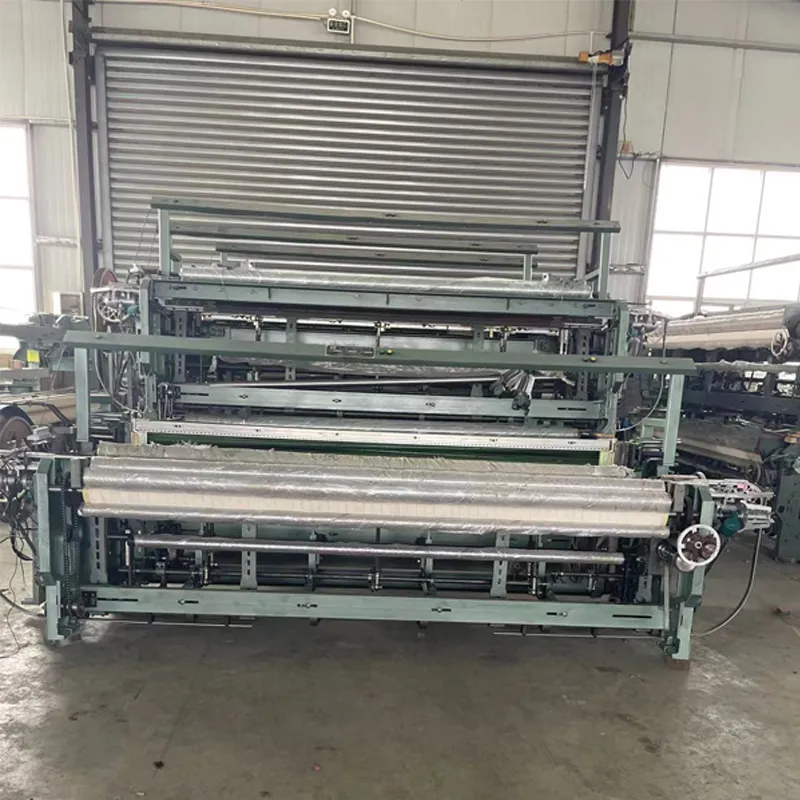
Origin: Zhongzhangzhuang Development Zone, Anping County, Hengshui City, Hebei Province.
References
- ETAG 004 / EAD 040083-00-0404: External Thermal Insulation Composite Systems
- JG/T 158-2013: Alkali-Resistant Glass Fiber Mesh for Wall Reinforcement
- EN 13496: Thermal insulation products—Reinforced base coat mechanical properties
- ASTM D5035: Standard Test Method for Breaking Force and Elongation of Textile Fabrics
- ISO 9001: Quality management systems—Requirements