


Insider’s Look: Choosing a Fiberglass Mesh Weaving Machine That Actually Pays Off
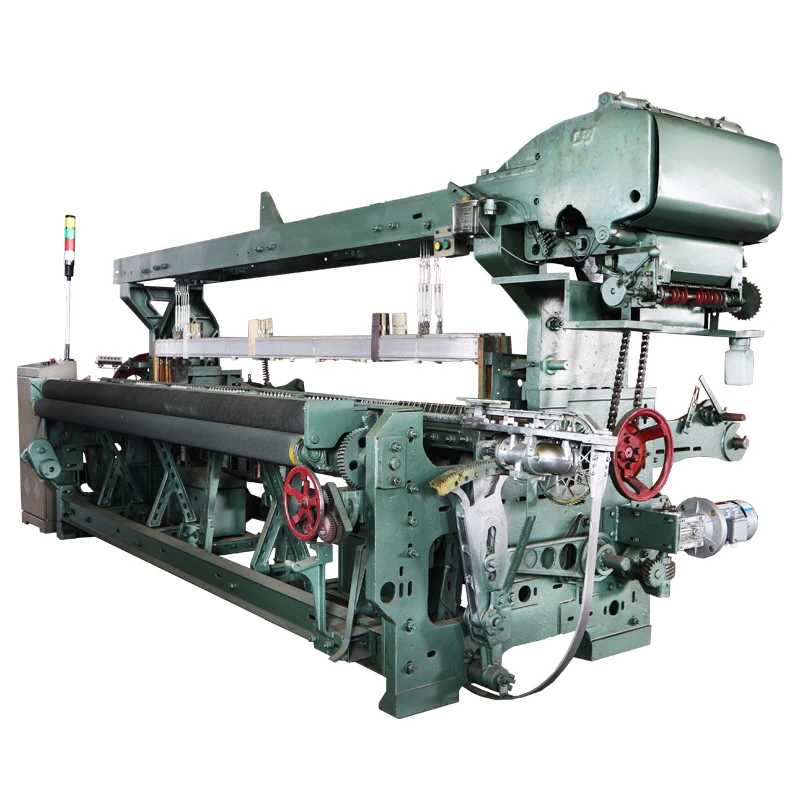
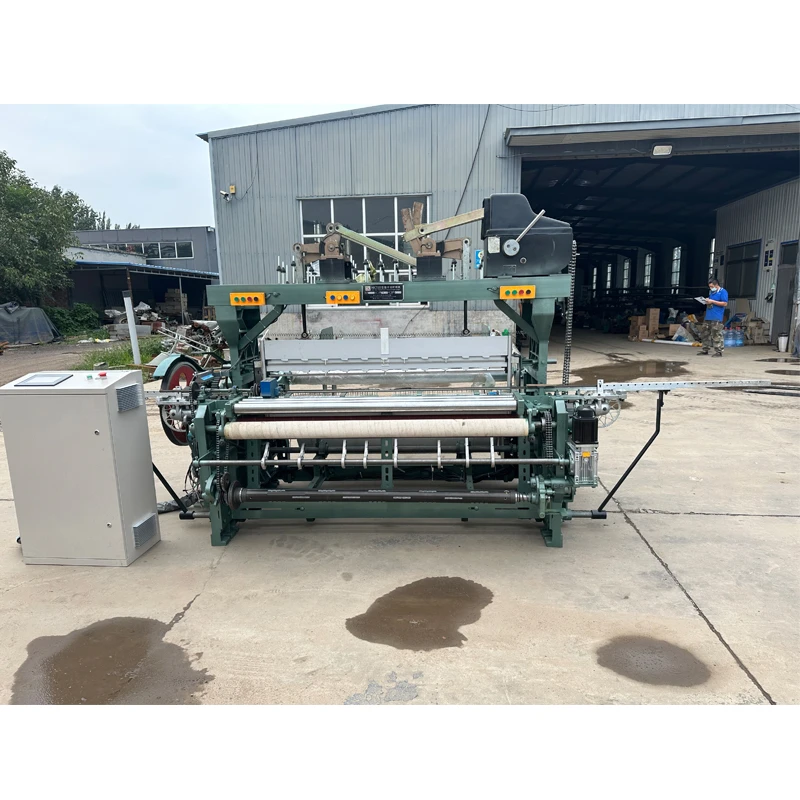
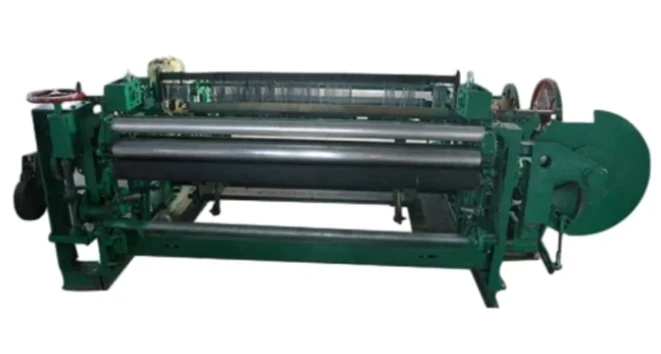
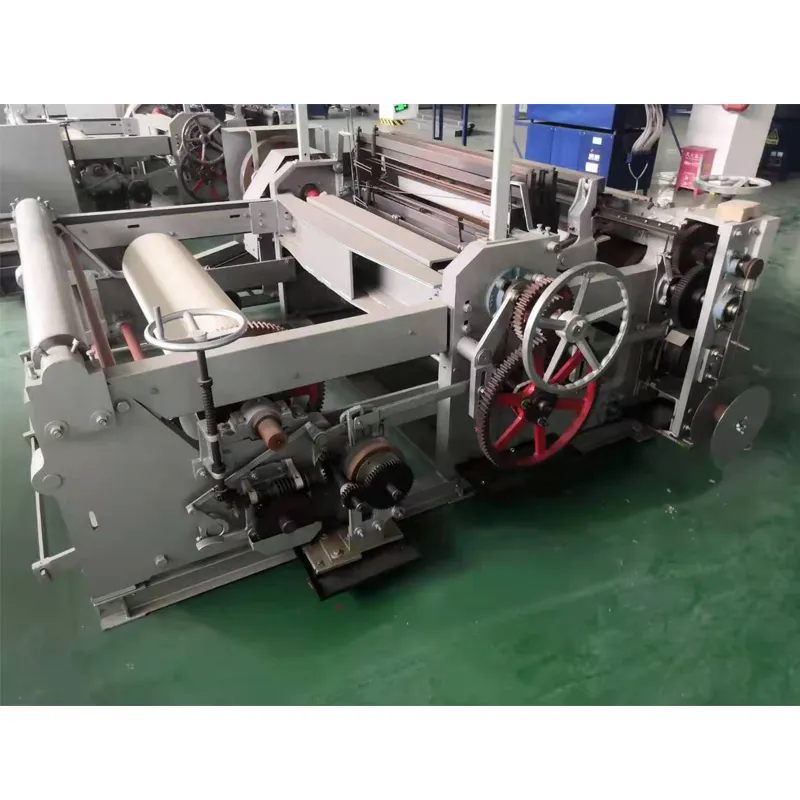
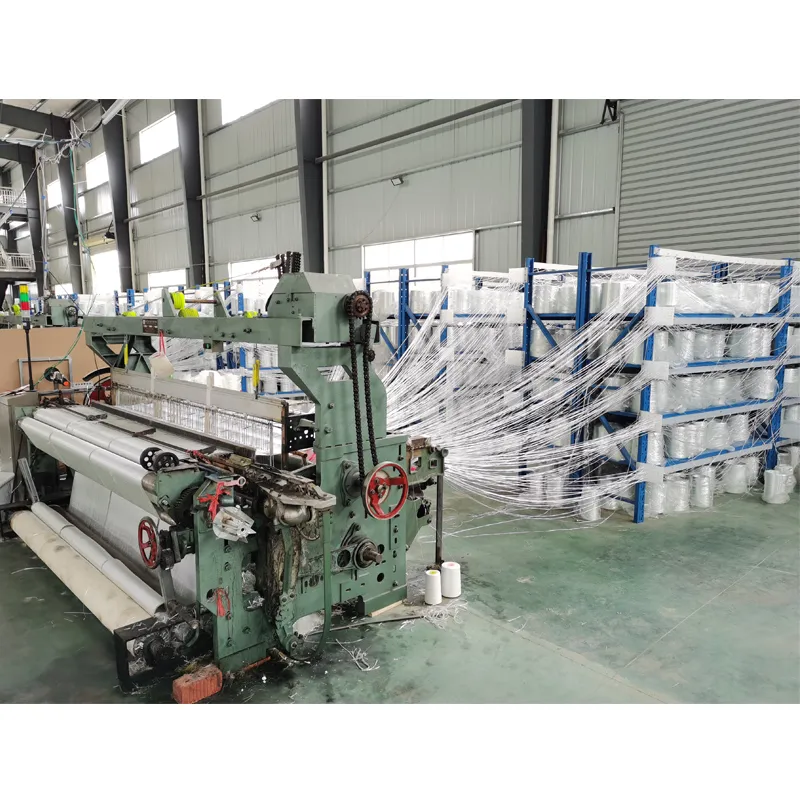
If you’re scanning the market for a fiberglass mesh weaving machine for sale, you’ve probably noticed two things: specs can be confusing, and real production numbers don’t always match brochures. I’ve walked a few shop floors lately—from small drywall tape lines to full ETICS mesh plants—and, to be honest, the gap between a “good” and a “great” line is often software, not steel.
What’s Trending in the Industry
Three themes keep coming up: smarter tension control (for fewer broken ends), consistent alkali-resistant coating, and data logging for audits. Many customers say they also want faster changeovers—mesh size switches that don’t eat half a shift. Interestingly, Chinese-built lines from Hebei (yes, Anping County remains the fiberglass capital) now include servo-driven upgrades that used to be “European-only.”
Product Snapshot: Fiberglass Mesh Tape Machines (Anping Origin)
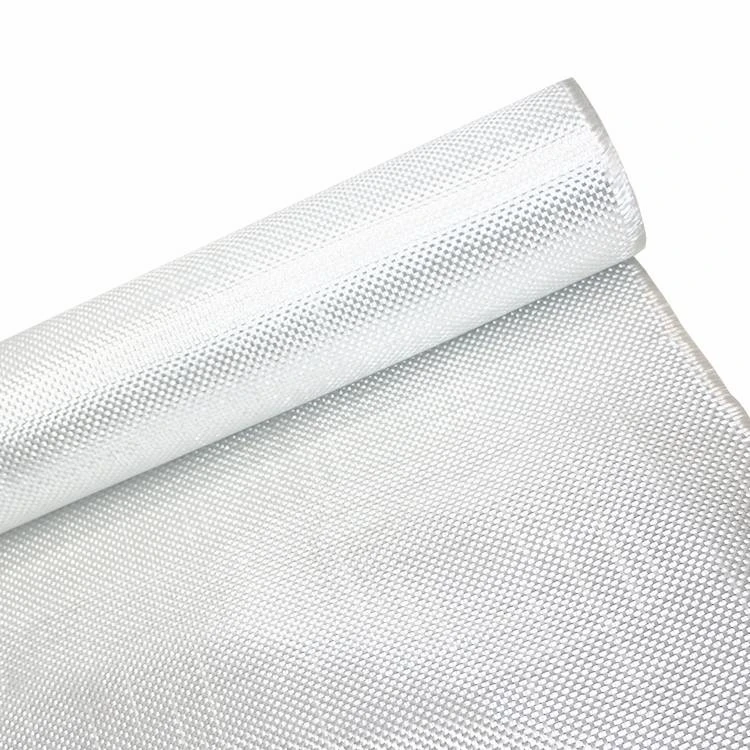
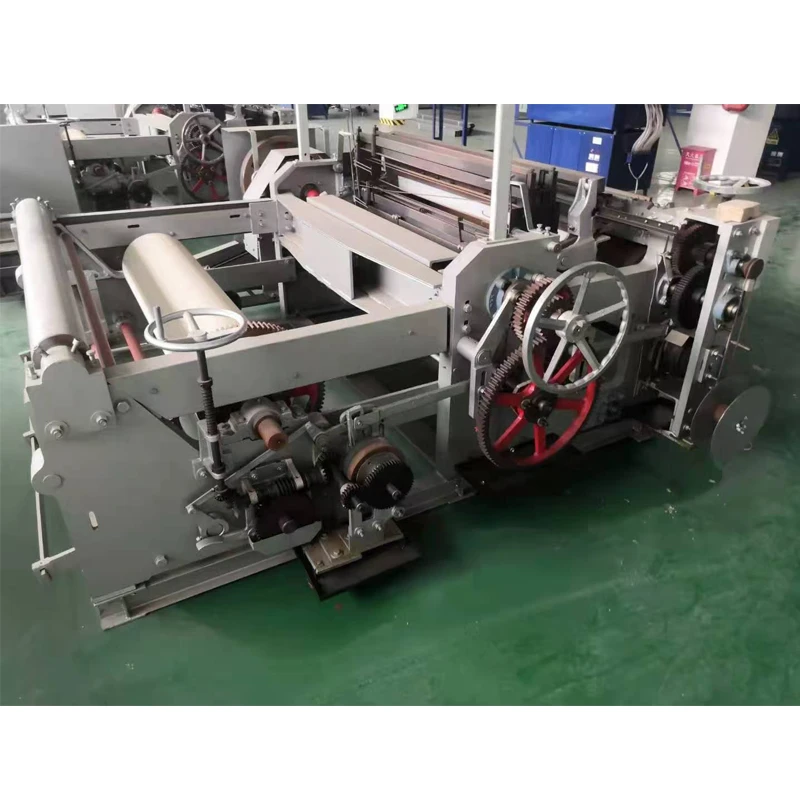
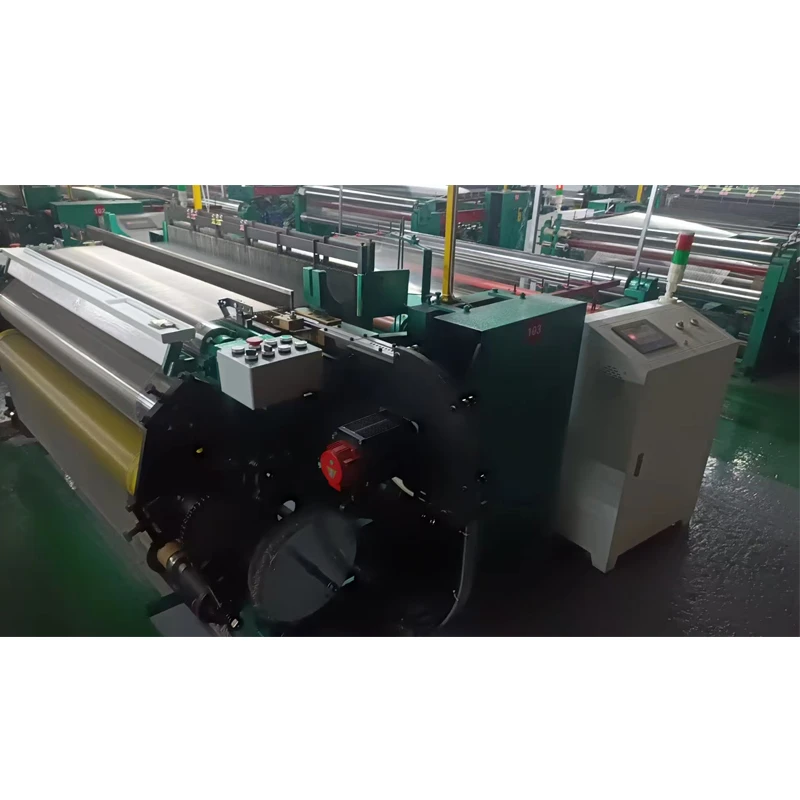
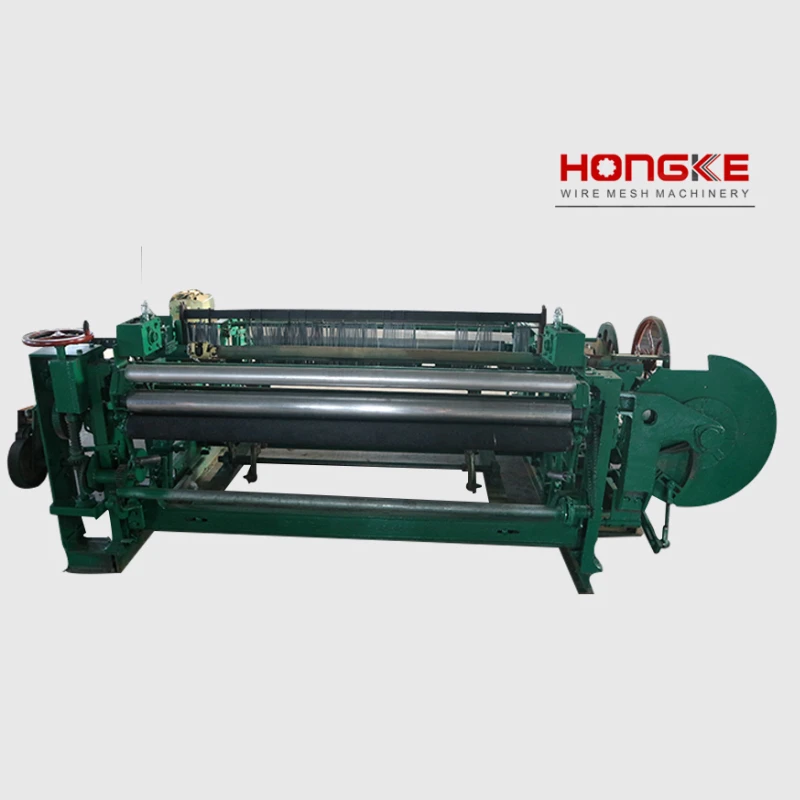
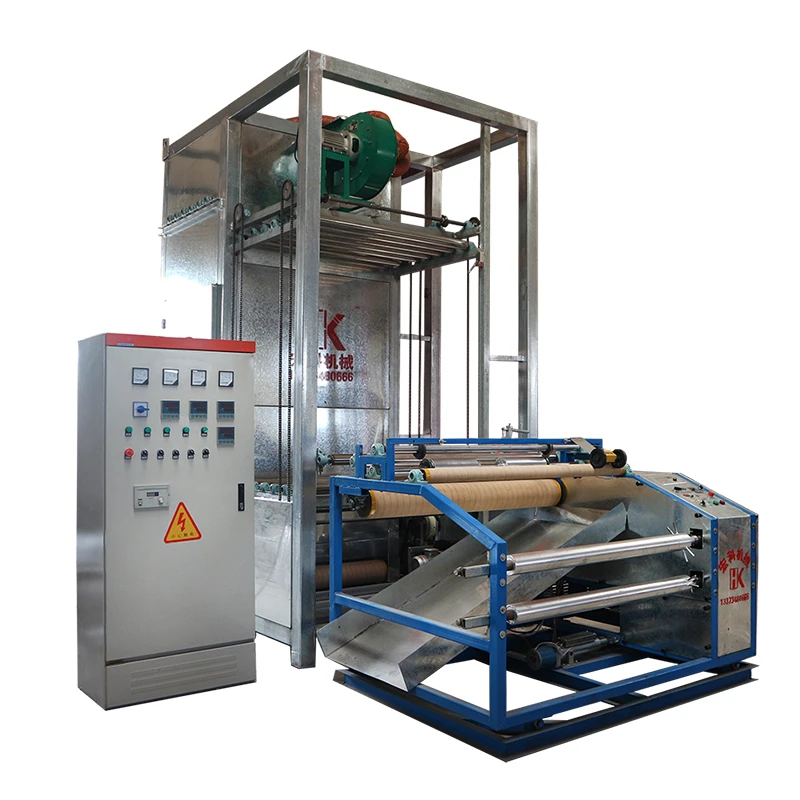
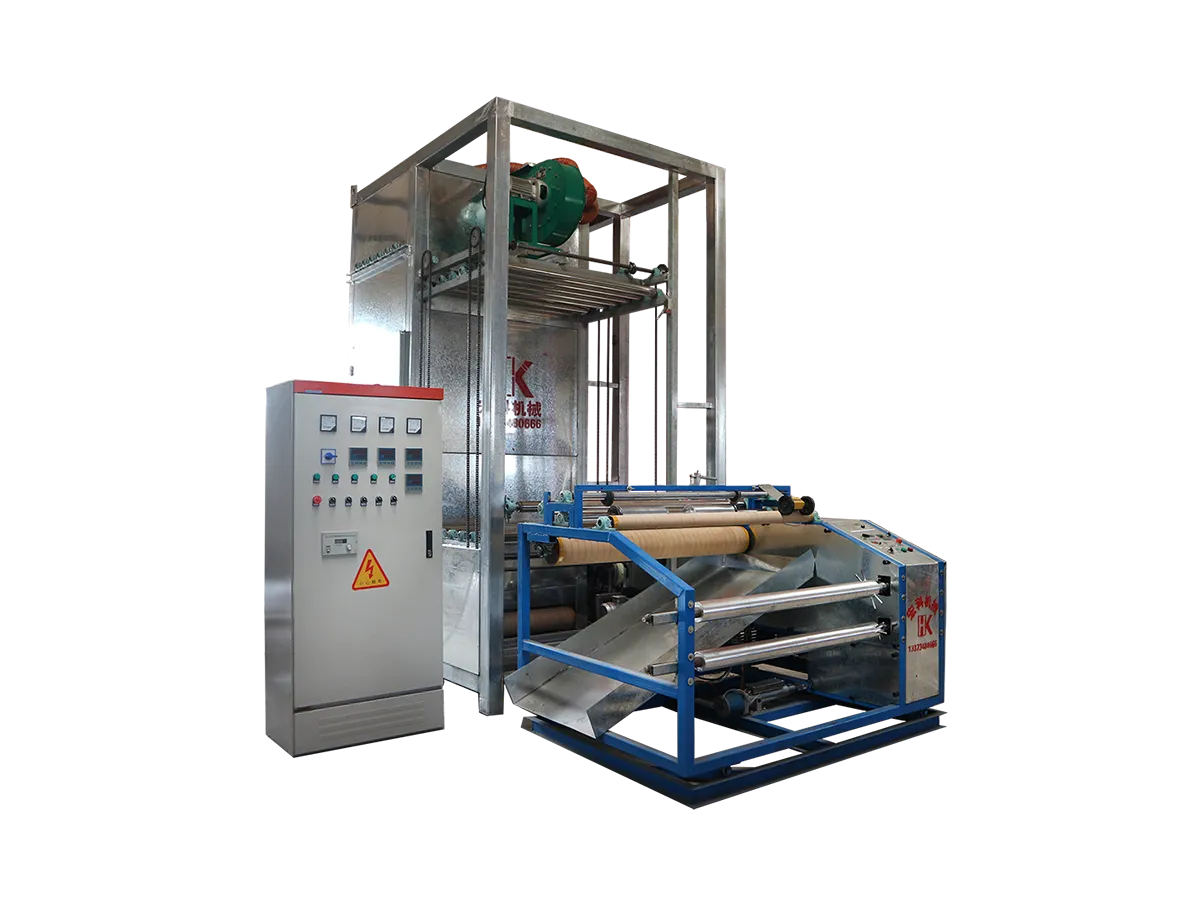
Built in Zhongzhangzhuang Development Zone, Anping County, Hengshui, these lines focus on drywall tape and small-width reinforcement. The manufacturer calls the series “Fiberglass Mesh Tape Machines,” but the core weaving-plus-coating architecture is what you’d expect in a modern fiberglass mesh weaving machine for sale.
| Spec | Typical Value (≈, real-world may vary) |
|---|---|
| Working width | 100–300 mm (tape); optional up to 1.2 m |
| Mesh range | 2×2 to 10×10 mm |
| Speed | ≈60–110 m/min (coated output) |
| Yarn | AR-glass yarn, ZrO₂ ≥ 14% for ETICS-grade |
| Coating | Acrylic/SBR; alkali-resistant formulation |
| Power/Air | ≈18–28 kW; 0.6–0.8 MPa clean air |
| Options | Servo warp let-off, auto doffing, inline inspection |
Process Flow (What Actually Matters)
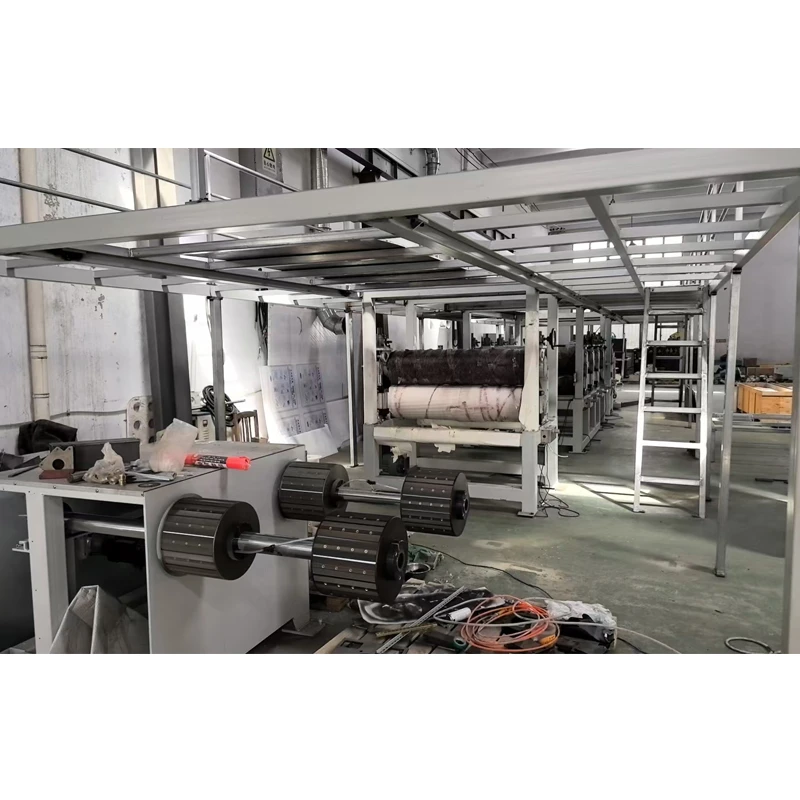
Materials: AR-glass yarn (typically 75–300 tex) with high zirconia content for alkali resistance. Methods: warping → shuttleless weaving/leno weaving → coating (acrylic/SBR) → drying/curing → slitting → roll winding. Testing: tensile per EN 13496 or ASTM D5035; alkali resistance per ETAG 004 exposure; mass per ISO 3374; mesh size caliper check; UV aging per ISO 4892 (some clients add this). In normal façades, service life is around 10–20 years; drywall joint tape often exceeds that because of lower alkali load.
Applications and Advantages
- Drywall joint tape: clean edges, stable leno lock, fewer bubbles under compound.
- ETICS/EIFS façade mesh: alkali-resistant, consistent coating weight.
- Waterproofing/backing mesh: stable apertures for bitumen or cementitious layers.
Advantages we’ve observed: steadier warp tension (fewer line stops), easier parameter recall via PLC recipes, and a coating section that doesn’t drift after lunch break—sounds trivial, but it saves rolls.
Vendor Comparison (shortlist-worthy)
| Vendor | Strengths | Considerations |
|---|---|---|
| APHK Machinery (Hebei) | Good price-performance; ETICS-grade coating; fast spares from Anping | UI translation can be quirky; request FAT videos |
| Zhejiang Maker B | High throughput; wider widths | Lead times stretch in peak season |
| EU Vendor C | Top-tier safety and traceability | Price ≈2–3×; service contracts required |
Customization and Real Test Data
Custom widths (50–300 mm), brand-color coatings, logo printing, and reel core sizes are common. A recent FAT showed 145–160 N/50 mm tensile after alkali exposure (EN 13496) on 5×5 mm mesh, 145 g/m² target—decent for EIFS. Certifications: ISO 9001 for QMS; CE for electrical safety; some buyers also ask for REACH compliance on coating.
Case Notes (field reality)
Turkey, ETICS line: switched to servo let-off; scrap dropped ≈12% month one. Mexico, drywall tape shop: auto doffing and recipe presets cut changeover to 18 minutes—surprisingly big morale boost. Feedback sounded like: “not perfect day one, but dialed-in by week three.”
If you’re shortlisting a fiberglass mesh weaving machine for sale, ask for raw test reports, a live coating-weight check, and a spare-parts map. It seems obvious, yet it’s what separates smooth launches from midnight phone calls.
Authoritative references
- EN 13496: Thermal insulation systems—Determination of tensile properties of glass fibre meshes.
- EAD 040083-00-0404 (ETAG 004): External Thermal Insulation Composite Systems with rendering.
- ASTM D5035: Standard Test Method for Breaking Force and Elongation of Textile Fabrics (Strip Method).
- ISO 9001: Quality management systems—Requirements.