


Understanding the China Jacquard Machine: Why It Matters Globally
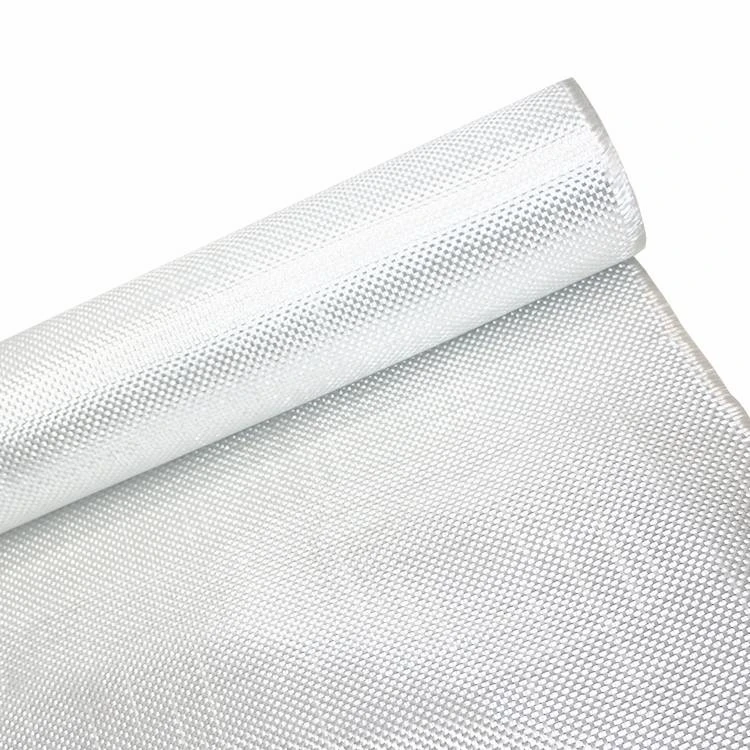
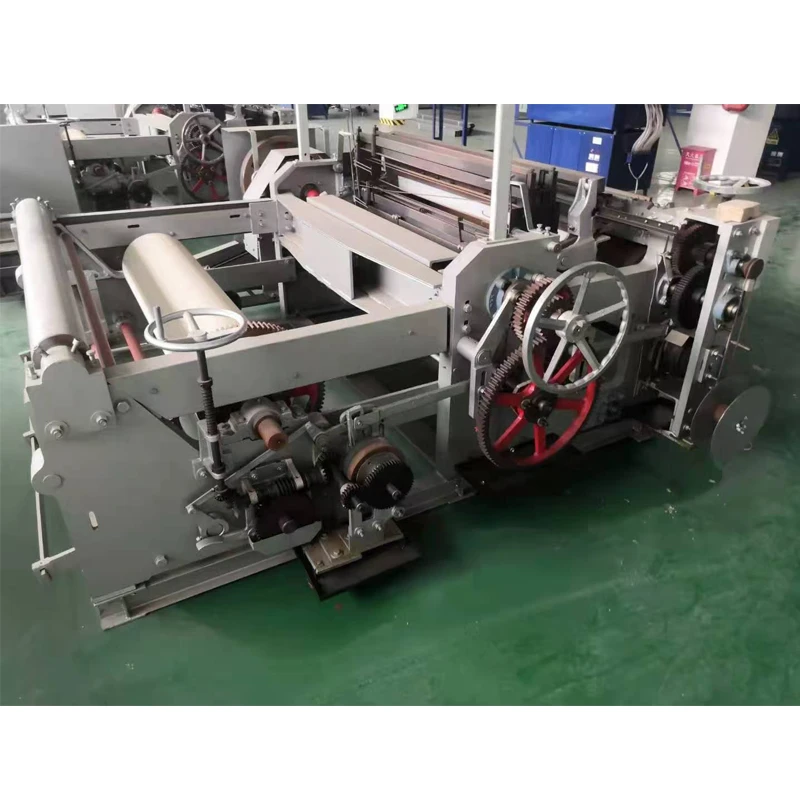
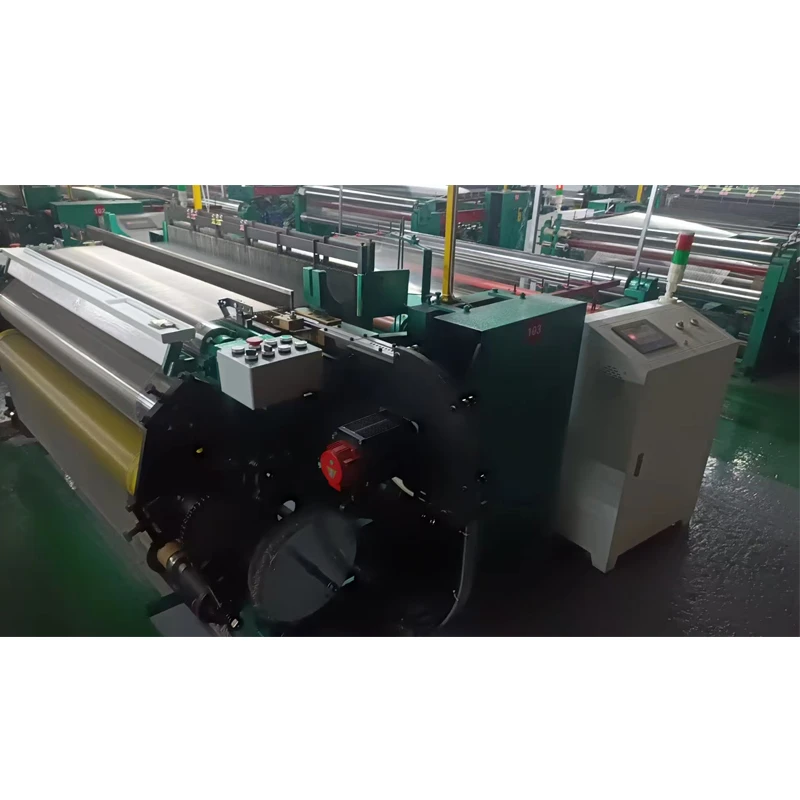
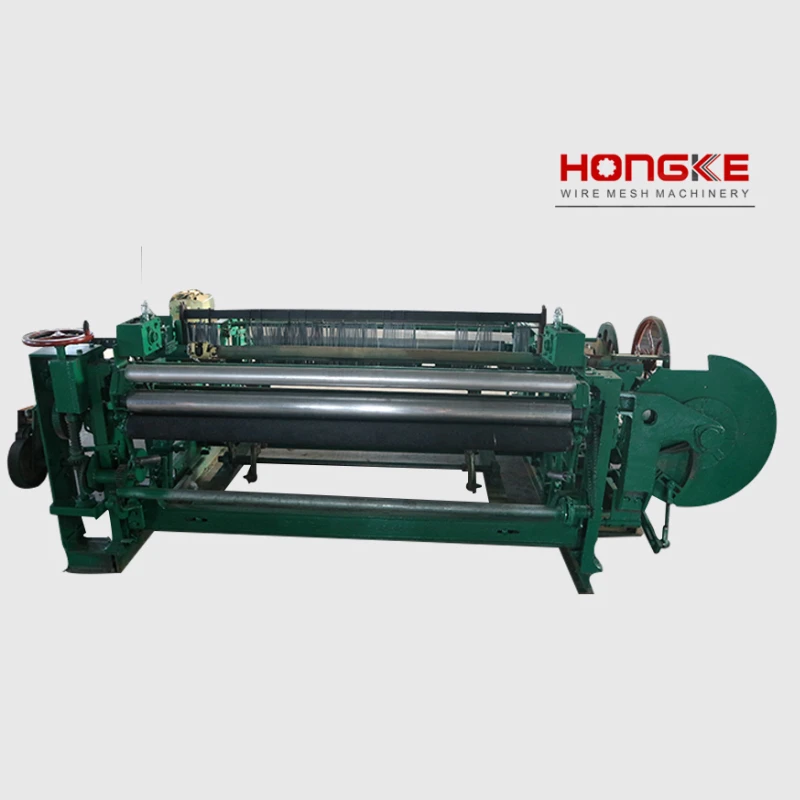
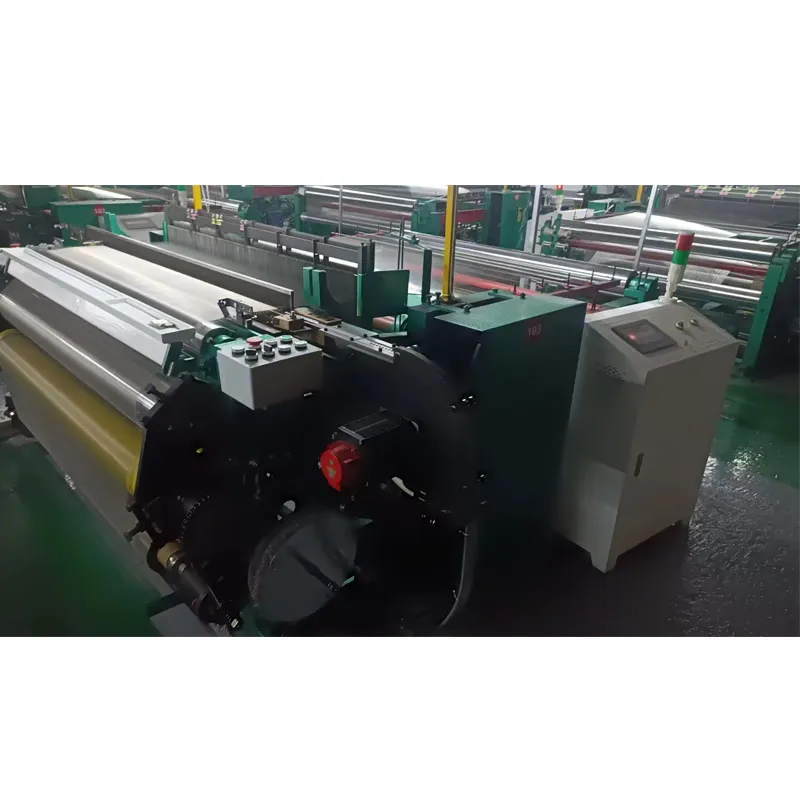
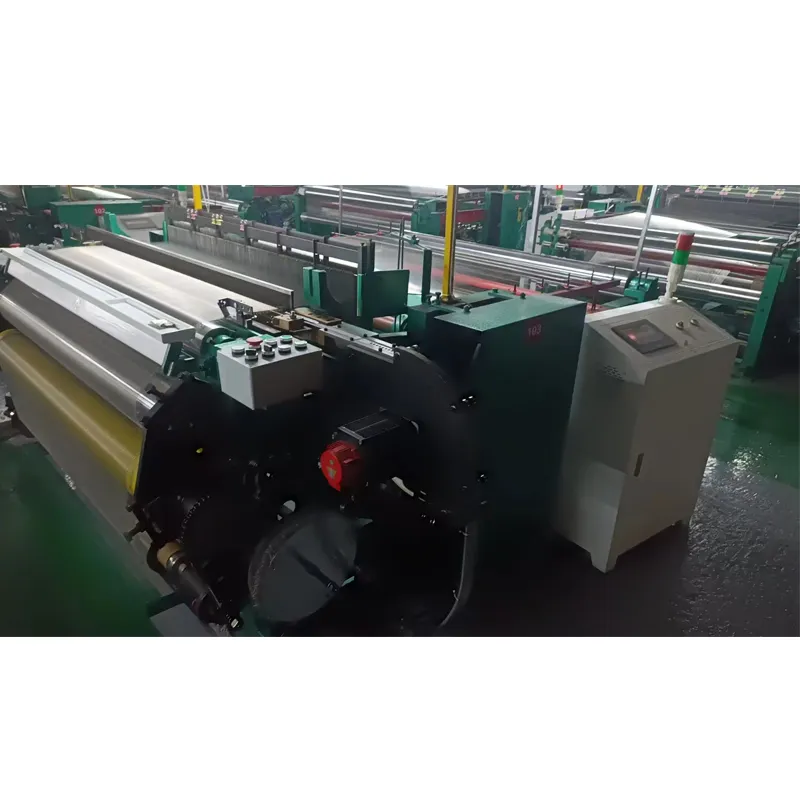
The China Jacquard machine is a key player in the global textile manufacturing landscape. From the bustling mills in Zhejiang provinces to export facilities supplying high-end fabrics worldwide, this piece of technology is far more than just a woven pattern maker. It symbolizes the crossroads where industrial innovation meets cultural craftsmanship. Frankly, the China Jacquard machine has redefined how patterning on fabrics happens — faster, cleaner, and more versatile than ever before.
Considering the textile industry’s significant role in global trade—accounting for roughly 1% of worldwide GDP and employing over 60 million people (according to the International Textile Manufacturers Federation)—understanding how jacquard machinery works and evolves is essential. It impacts everything from fashion to automotive textiles, home furnishings, and even technical fabrics used in protective gear.
The Global Context: Why the China Jacquard Machine Is a Game-Changer
When you browse through reports from the International Organization for Standardization (ISO) or data from the United Nations, you find that textile innovation is critical for sustainable development and economic growth. China’s industrial output alone makes up nearly 30% of the global textile machinery market, earning the China Jacquard machine a pivotal role. At the same time, the industry wrestles with challenges like environmental regulations, labor costs, and the need for automation.
This is where the China Jacquard machine steps in—helping manufacturers increase efficiency and reduce waste while delivering the complex fabric patterns that modern consumers demand. It tackles the challenge of creating intricate textile designs without slowing production or hiking costs.
What Exactly Is a China Jacquard Machine?
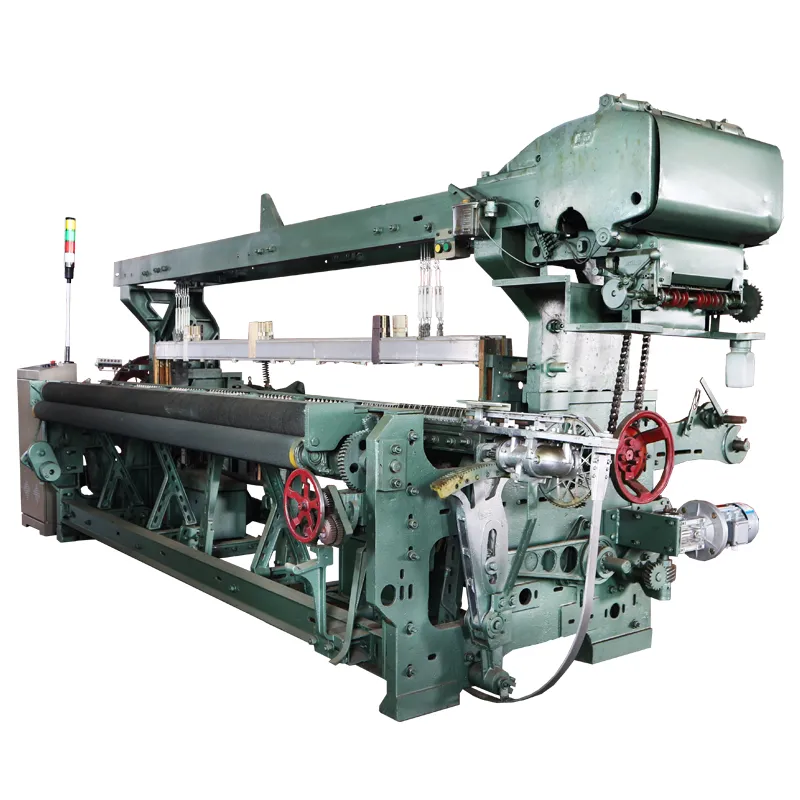
At its core, a Jacquard machine is a loom attachment mechanism developed in the early 19th century, famously attributed to Joseph Marie Jacquard. It uses a system of punched cards — or in modern versions, electronic controls — to individually control warp threads, enabling the weaving of complex patterns in one pass.
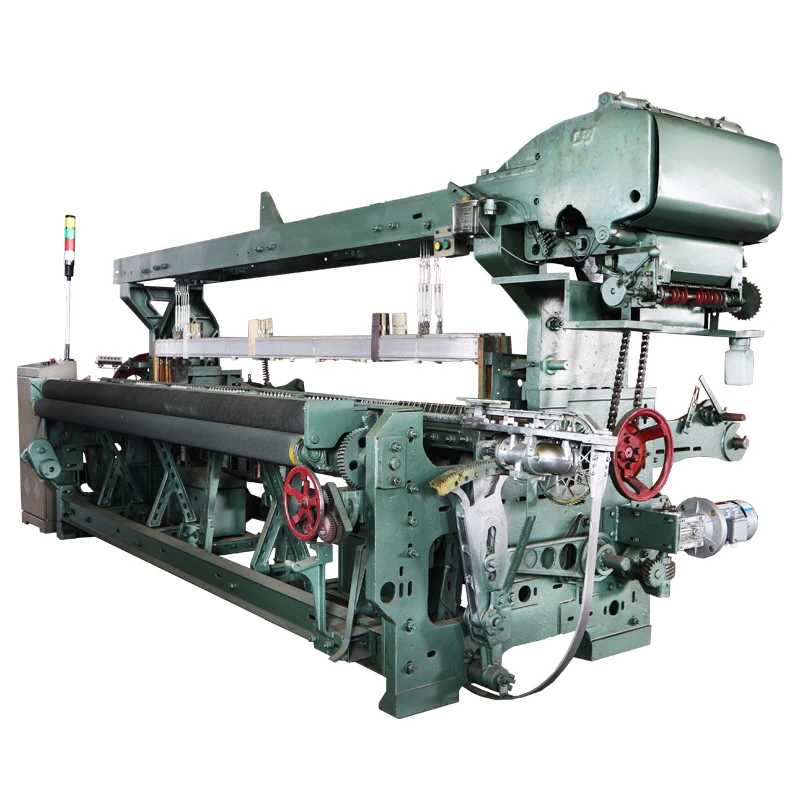
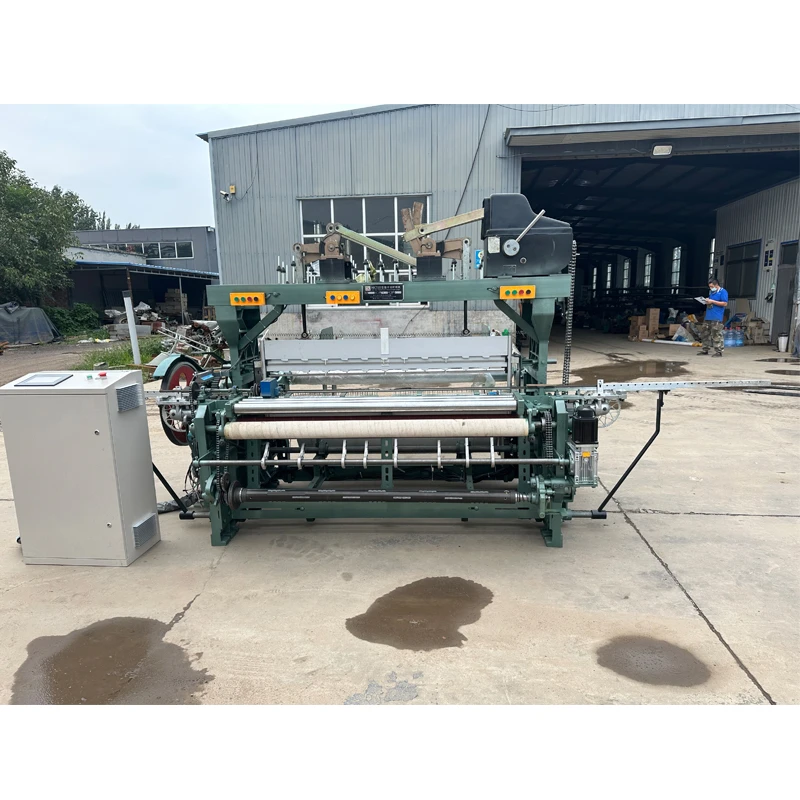
The “China Jacquard machine” typically refers to the models manufactured by Chinese companies that combine traditional principles with modern CNC or computer-controlled technologies. The result? Machines capable of weaving intricate designs like brocades, damasks, and tapestry fabrics at scalable volumes.
Core Components That Define Its Performance
1. Durability & Build Quality
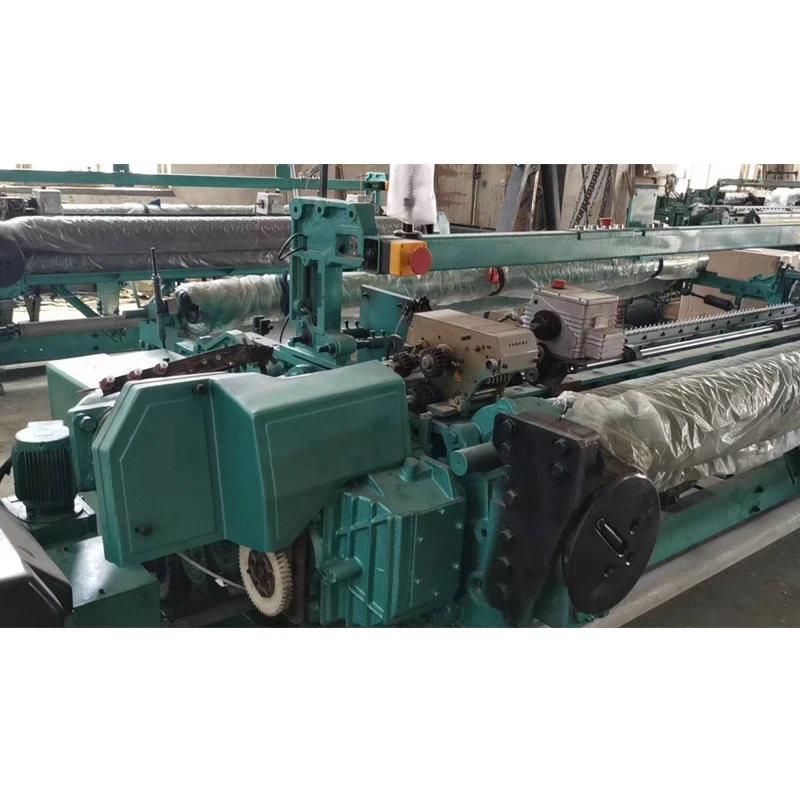
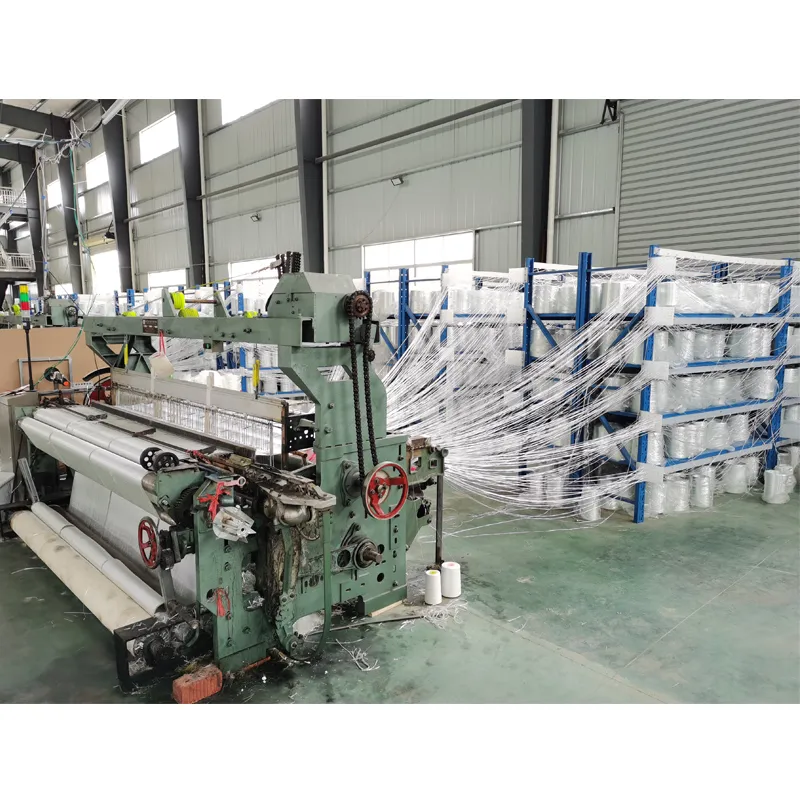
Chinese jacquard machines are often constructed using high-grade steel frames and precision parts designed to operate continuously in industrial environments. Many engineers I've chatted with praise the machines’ endurance even under 24/7 production schedules.
2. Scalability
From small workshops to large factories, these machines can be customized to scale their output. Some offer modular designs which allow easy expansion or retrofit to latest electronics.
3. Cost Efficiency
Roughly speaking, while European jacquard machines can be prohibitively expensive, Chinese models offer a practical balance between price and performance without compromising key features.
4. Technological Flexibility
Modern China Jacquard machines integrate computerized jacquard heads, enabling detailed pattern control and remote operation, making the production process far more agile.
5. Maintenance & Support
Local availability of spare parts and skilled technicians in China reduces downtime. Plus, many vendors provide training and after-sales service, which is vital for maintaining uptime.
Mini Takeaway:
In real terms, these factors combined mean manufacturers can weave customized fabrics faster and cheaper, with less waste—a win-win for business and the environment.
Product Specification Table: Typical China Jacquard Machine
| Feature | Description |
|---|---|
| Max Weaving Width | 220 - 280 cm |
| Number of Hooks | 600 - 1200 hooks |
| Speed | 230 - 350 picks/min |
| Control System | Computerized Jacquard Control |
| Power Supply | 380V/3 Phase/50Hz |
| Weight | ~1500 kg |
How Are These Machines Used Around the World?
The versatility of china jacquard machines means they fit a range of industries and applications. In the fashion hubs of Milan and Paris, jacquard fabrics produced in China form the base for luxury dresses and upholstery. In emerging economies like Bangladesh and Vietnam, these machines support local textile factories powering exports.
Oddly enough, they're even part of efforts to boost sustainability: companies looking to reduce waste integrate jacquard weaving for precise pattern cutting, thereby reducing fabric scraps. Furthermore, in remote industrial zones, simpler electronic jacquard models enable craftspeople to tap into global markets without buying pricey machinery.
Mini Takeaway:
The reach of China Jacquard machines is widespread — it’s about democratizing design capabilities and expanding industrial capacity worldwide.
Comparing Leading Vendors of China Jacquard Machines
| Vendor | Price Range (USD) | Tech Level | Customer Support | Warranty |
|---|---|---|---|---|
| Zhejiang Textile Machines Co. | $35,000 - $50,000 | Advanced CNC | On-site & Remote | 2 Years |
| Shanghai Jacquard Industries | $30,000 - $45,000 | Digital Control | Online Support | 1.5 Years |
| Cixi Huaguan Textile Machinery | $28,000 - $40,000 | Semi-Automatic | Local Service Partners | 1 Year |
Advantages & The Long-Term Value of Investing in These Machines
The benefits of incorporating a China Jacquard machine in your production line aren't just about the immediate output quality. Over time, the savings on labor, reduced waste, and faster production cycles add up. I’ve noticed some companies mention improved employee confidence because the machines reduce manual errors, allowing more creative work. That’s a rare blend of emotional and logical value in industrial tools.
On the sustainability front, these machines help reduce fabric waste by precise pattern arrangement, aligning well with ISO standards on environmental management systems (ISO 14001). That’s a big selling point for brands pushing green credentials.
Looking Ahead: Trends Shaping the Future of China Jacquard Machines
The future of jacquard weaving looks promising with the integration of AI-driven pattern recognition and Industry 4.0 connectivity. Imagine machines that can self-correct or adjust tension dynamically to ensure perfect weave quality every time. Plus, as energy efficiency becomes non-negotiable, manufacturers working on greening their jacquard models through low-power motors and recyclable materials are already in the pilot phase. Integration with digital systems also means remote diagnostics, reducing downtime considerably.
Challenges to Watch & Practical Solutions
Despite advances, there are hurdles: initial high investment, need for trained operators, and compatibility issues with legacy systems. Still, some progressive suppliers now offer leasing and training packages, which soften the upfront cost. Others bundle compatibility software that works with older looms to ease modernization.
In my opinion, the key for most enterprises lies in balancing technology upgrades with skilled human oversight—not just going full automation too fast. That middle ground is where productivity and quality flourish.
FAQ: Quick Answers to Common Questions About China Jacquard Machines
-
Q: How does the China Jacquard machine differ from traditional looms?
A: It allows individual warp threads to be controlled automatically, enabling complex woven patterns in one pass — a huge leap from manual or mechanical looms that require multiple steps. -
Q: Are these machines suitable for small-scale textile businesses?
A: Absolutely. Many models offer scalable and modular functions perfect for smaller workshops looking to upgrade their production without overspending. -
Q: What kind of maintenance do China Jacquard machines require?
A: Regular lubrication, software updates, and periodic inspections — luckily, spare parts are widely accessible, and many vendors provide comprehensive after-service. -
Q: Can the machines handle synthetic and natural fibers equally well?
A: Yes, these machines are designed to weave a broad range of yarns including silk, cotton, polyester, and blends — which is why they are popular in diversified textile production. -
Q: How can international buyers ensure smooth import and installation?
A: Partnering with reputable vendors who offer installation support or working through trade facilitators specializing in textile machinery can reduce common headaches.
Wrapping It Up: Why Investing in a China Jacquard Machine Makes Sense
In the long run, these machines aren’t just industrial tools; they’re enablers of creativity, efficiency, and sustainability in textile manufacture. If your business is looking to tap into quality jacquard fabric production with a solid return on investment, the options coming out of China should be at the top of your list.
For more details and the latest models, don't hesitate to visit china jacquard machine specialists who keep their finger on the pulse of advancing technologies.
Final Mini Takeaway
Whether you’re a seasoned mill or a new entrant in textile production, staying updated on China Jacquard machine trends can shape your ability to compete globally. They’re practical, innovative, and indispensable—just like the intricate fabrics they help create.