


Introduction to Advanced Carbon Fiber Manufacturing
In the rapidly evolving landscape of advanced materials manufacturing, the precision and efficiency of machinery play a pivotal role in producing high-performance composites. At the forefront of this innovation is the carbon fiber weaving loom, a sophisticated apparatus integral to creating the foundational textiles for carbon fiber composites. This technology underpins the development of prepreg materials, which are crucial for industries ranging from aerospace and automotive to sports equipment and infrastructure. Understanding the intricacies of these machines, their operational processes, and market dynamics is essential for stakeholders looking to leverage the full potential of carbon fiber technology.
This article delves into the technical specifications, application scenarios, and broader industry trends surrounding this critical manufacturing equipment. We will explore the detailed process flow, highlight key technical advantages, offer a comparative analysis of vendor solutions, and present real-world application case studies. Our aim is to provide B2B decision-makers and engineers with a comprehensive resource, grounded in expertise and supported by data, to inform strategic investments and operational enhancements in carbon fiber production.
Industry Trends in Carbon Fiber Prepreg and Weaving Technologies
The global demand for carbon fiber composites continues its upward trajectory, driven by the increasing need for lightweight, high-strength materials across various sectors. The prepreg machine market, a direct beneficiary of this trend, is projected to grow significantly. Market analysis indicates a Compound Annual Growth Rate (CAGR) of approximately 8-10% from 2023 to 2030, with substantial growth in Asia-Pacific due to expanding manufacturing capabilities and increased adoption in automotive and wind energy industries [1]. This growth is spurring innovation in both the prepreg manufacturing process and the associated weaving technologies.
Key trends influencing the development of carbon fiber weaving technologies and prepreg production include:
- Automation and Digitization: The integration of Industry 4.0 principles, including AI-driven process control, IoT connectivity, and robotic handling, is enhancing efficiency, reducing human error, and enabling predictive maintenance for both weaving and prepreg production lines.
- Sustainability: Increasing focus on reducing energy consumption, optimizing material utilization to minimize waste, and exploring recyclable resin systems and bio-based carbon fiber precursors.
- High-Speed Production: Demand for faster production cycles without compromising quality is pushing manufacturers to develop looms capable of higher weaving speeds and prepreg machines with accelerated impregnation and curing processes.
- Tailored Architectures: Growing interest in complex 3D weaving, non-crimp fabric (NCF) production, and multi-axial weaving to create advanced preforms directly from advanced weaving systems, offering greater design flexibility and improved mechanical properties for specific applications.
- Advanced Resin Systems: Development of novel thermoset and thermoplastic resin systems that offer faster cure times, enhanced toughness, and improved environmental resistance, directly impacting the capabilities required from a prepreg machine.
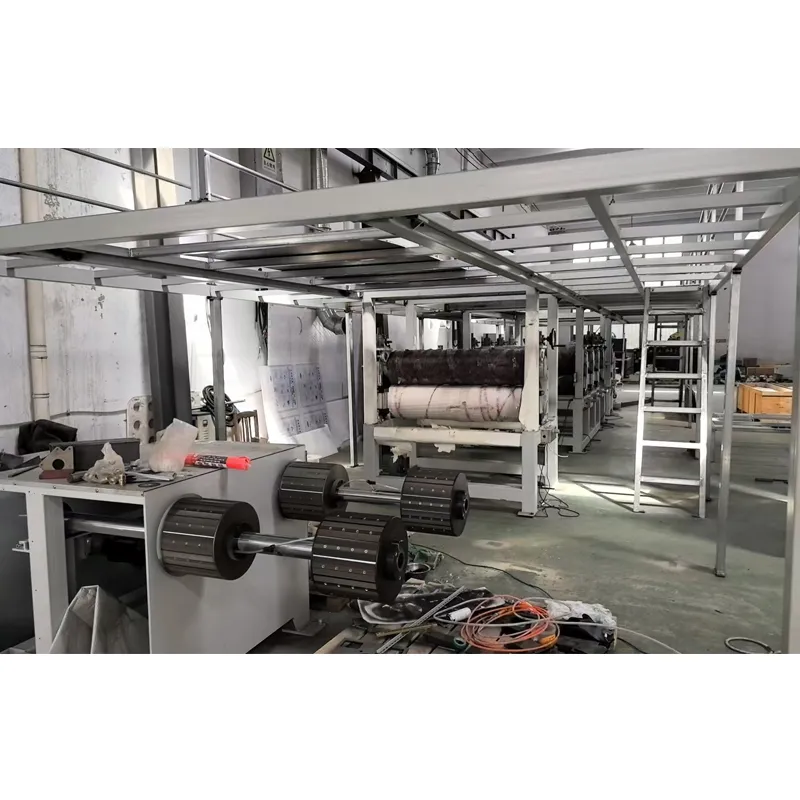
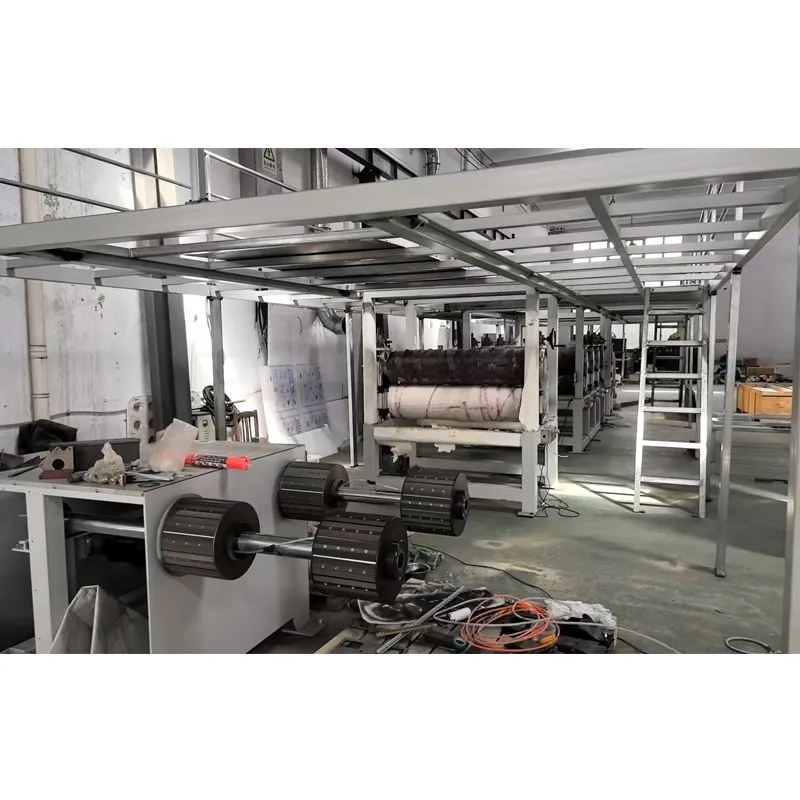
These trends collectively underscore the critical need for advanced and adaptable manufacturing solutions, highlighting the strategic importance of investing in state-of-the-art machinery like the carbon fiber prepreg cutting machine and the associated weaving infrastructure.
Detailed Process Flow: Manufacturing with a Carbon Fiber Weaving Loom
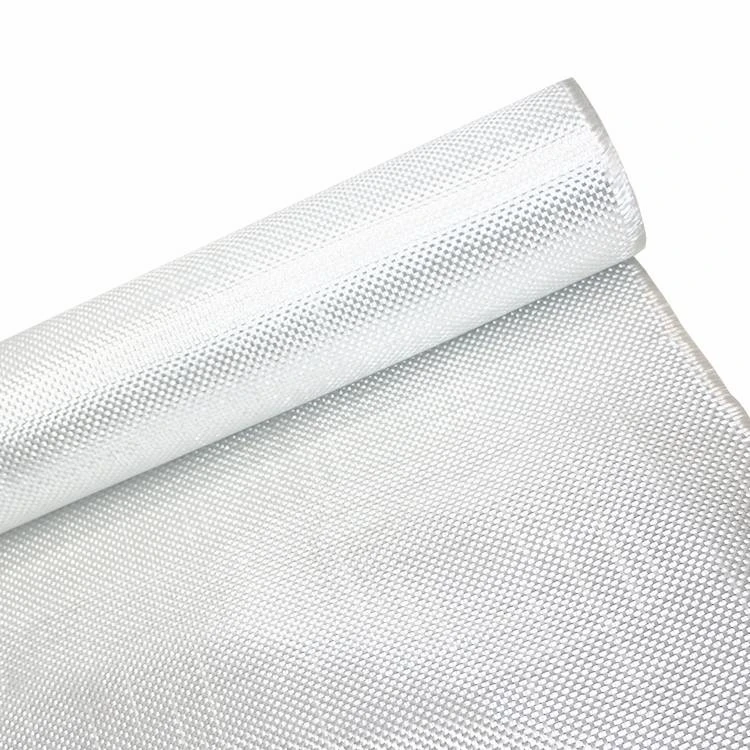
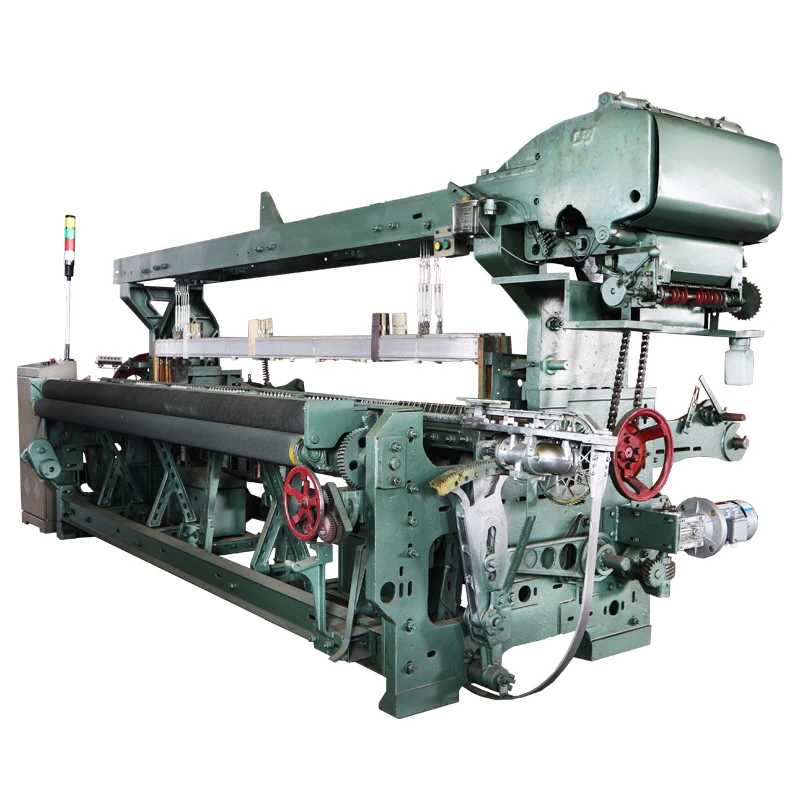
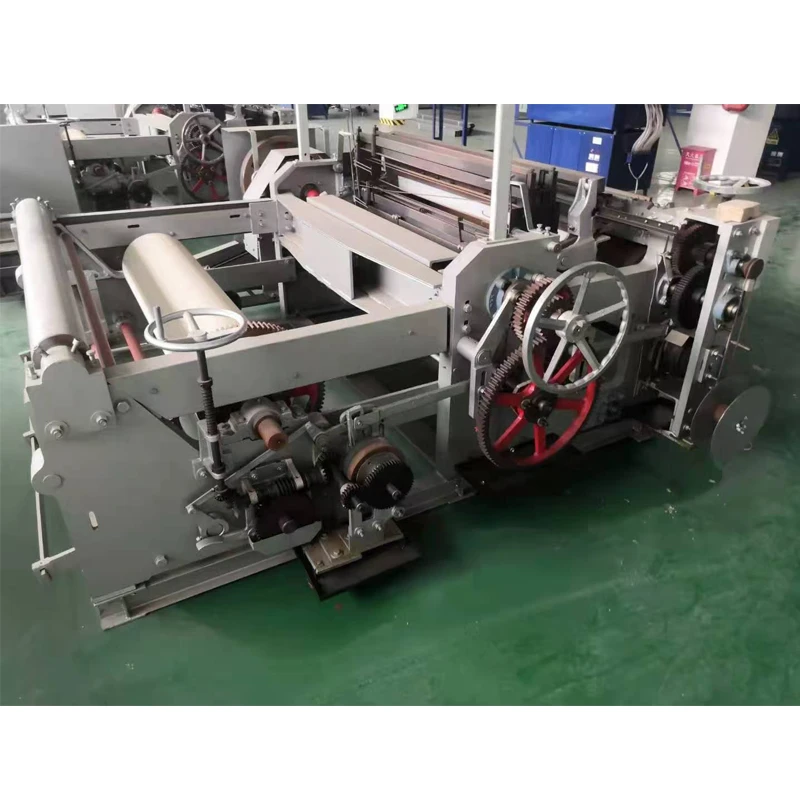
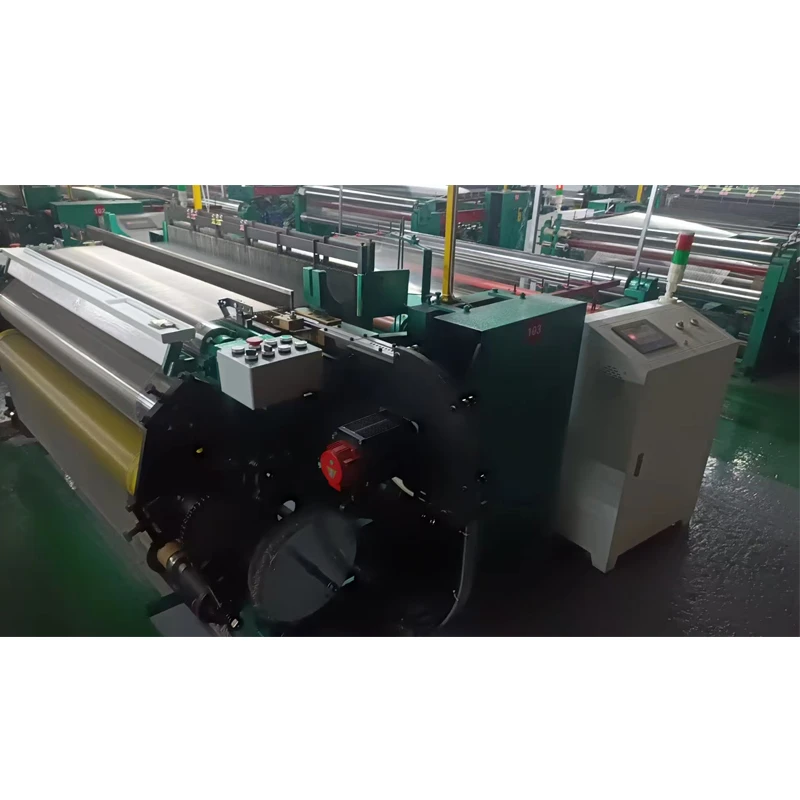
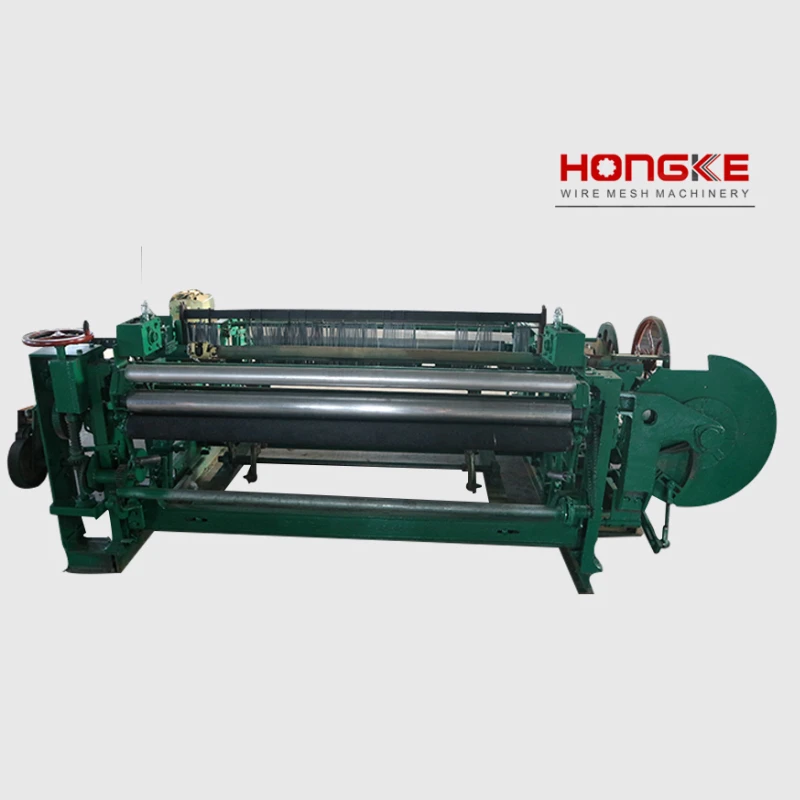
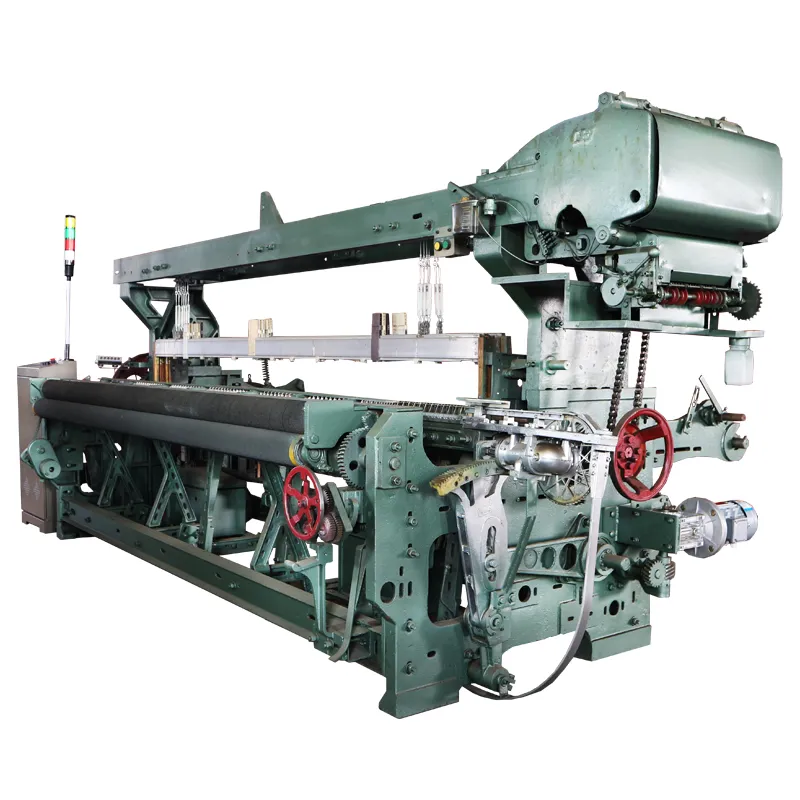
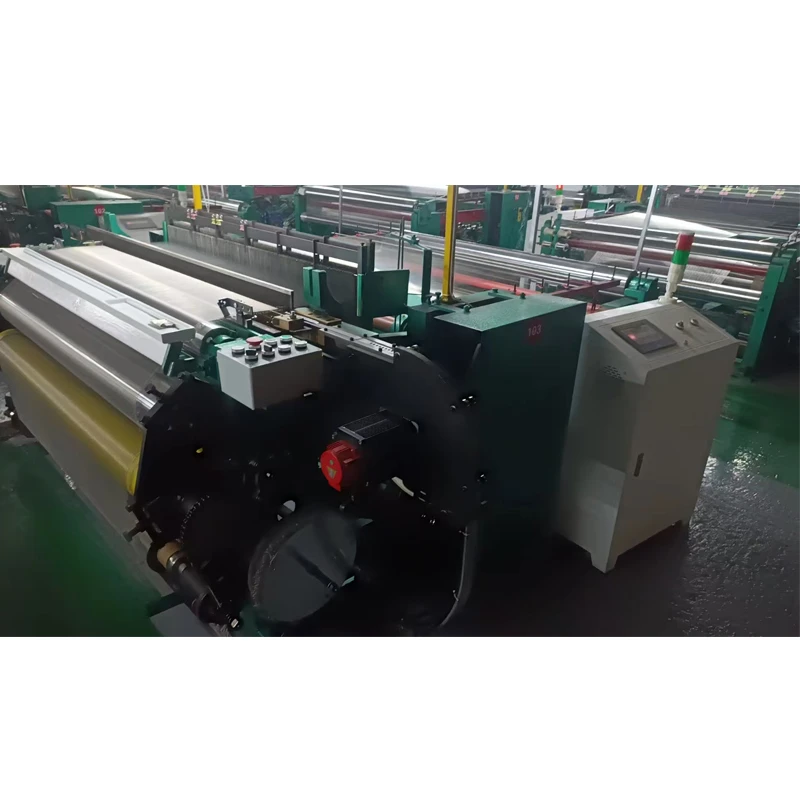
The production of carbon fiber textiles, which serve as the reinforcement for prepreg materials, involves a meticulous process starting with raw carbon filaments. The carbon fiber weaving loom is at the heart of transforming these individual fibers into woven fabrics with precise architectural designs.
Key Steps in the Weaving Process:
-
Fiber Preparation (Warping & Weft Winding):
High-tensile carbon fiber tows are first prepared. For warp yarns, multiple spools of carbon fiber are unwound and wound onto a large beam, ensuring even tension across all fibers. For weft yarns, individual bobbins are prepared, ready for insertion into the loom's shuttle or gripper mechanisms. Material quality, such as Toray T300 or T700 carbon fiber, is critical here.
-
Loom Threading (Drawing-in & Tying-in):
The warp yarns from the beam are carefully threaded through the heddles (which control yarn separation to form the shed) and then through the reed (which pushes the weft yarn into place). This step requires precision to prevent fiber damage and ensure correct pattern formation.
-
Weaving Operation:
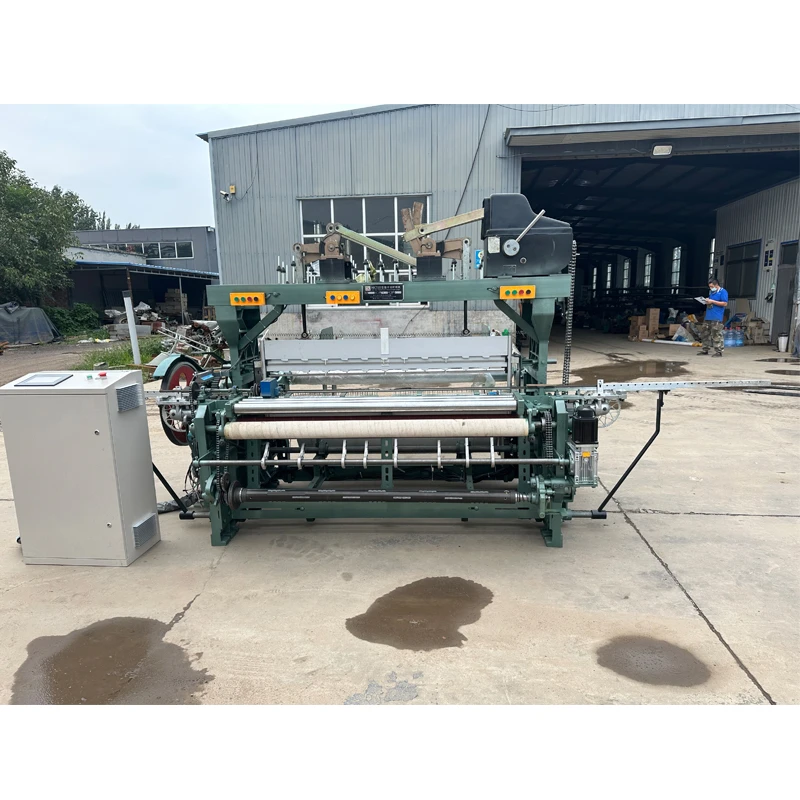
The advanced weaving machine then begins its automated sequence: shedding (lifting and lowering warp yarns), weft insertion (propelling weft yarn across the shed), beating-up (compacting the weft yarn), and take-up (winding the woven fabric onto a roll). Modern looms employ air-jet, rapier, or projectile mechanisms for weft insertion, chosen based on fabric width, fiber type, and desired speed. CNC machining ensures the precision of loom components, contributing to high-quality output.
-
Quality Control & Inspection:
Throughout the weaving process, integrated sensors monitor yarn tension, detect broken filaments, and identify weaving defects. Post-weaving, the fabric undergoes stringent quality checks to ensure uniform weave density, absence of flaws, and adherence to specified dimensions. Testing standards such as ISO 10548 for textile fabric properties are rigorously applied.
-
Fabric Finishing & Roll-up:
The woven carbon fiber fabric is then carefully rolled onto large bobbins, ready for the next stage in the composite manufacturing process, often impregnation into a prepreg machine.
Schematic Steps (Simplified):
Carbon Fiber Tow → Warping/Winding → Loom Threading → Weaving (Shedding, Weft Insertion, Beating-up, Take-up) → Quality Control → Woven Fabric Roll
Manufacturing Processes: Emphasis on precision engineering (casting, forging, CNC machining) for loom components to ensure minimal vibration and accurate yarn handling.
Testing Standards: Adherence to ISO 9001 for manufacturing quality, ANSI standards for machinery safety, and specific ASTM/ISO standards for carbon fiber and fabric properties.
Service Life: A well-maintained modern industrial weaving loom can have a service life exceeding 15-20 years, provided regular calibration and replacement of wear parts.
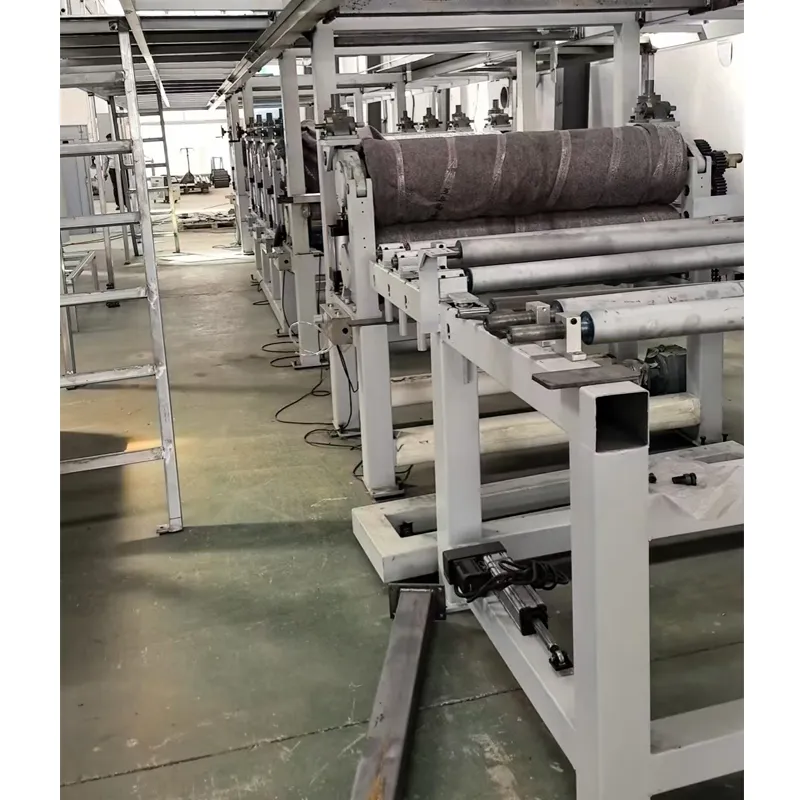
Technical Specifications of a Carbon Fiber Weaving Loom
Modern carbon fiber weaving loom systems are engineered for high precision and reliability, handling delicate and expensive carbon fibers with utmost care. The specifications outlined below represent typical advanced features found in leading industrial looms.
Product Specification Table: Advanced Carbon Fiber Weaving Loom
These advanced specifications enable the production of high-quality carbon fiber fabrics, which are then often processed further using a prepreg machine to create ready-to-mold composite materials. The precision of the loom directly impacts the final structural integrity and performance of the composite part.
Application Scenarios and Technical Advantages
The versatility and performance of carbon fiber fabrics produced by advanced industrial weaving equipment make them indispensable across a multitude of high-tech industries.
Target Industries:
- Aerospace & Defense: Components for aircraft (wings, fuselage, empennage), satellites, and rockets demand exceptionally high strength-to-weight ratios. The consistent quality of woven carbon fiber is critical for structural integrity.
- Automotive: Lightweighting initiatives in electric vehicles (EVs) and high-performance cars drive the adoption of carbon fiber for chassis, body panels, and structural elements to improve fuel efficiency and performance.
- Wind Energy: Large wind turbine blades benefit immensely from carbon fiber's stiffness and strength, enabling longer and more efficient blades.
- Sports & Leisure: High-performance equipment such as racing bicycles, tennis rackets, golf clubs, and fishing rods rely on carbon fiber for optimal weight, stiffness, and durability.
- Civil Engineering & Infrastructure: Reinforcement for concrete structures, seismic retrofitting, and lightweight bridge components.
- Marine: High-performance yachts and other marine vessels utilize carbon fiber for reduced weight and increased speed/efficiency.
Technical Advantages:
- Exceptional Precision & Repeatability: Advanced loom controls ensure consistent weave patterns and fiber orientation, critical for predictable composite performance.
- Material Efficiency: Optimized tension control and waste reduction mechanisms minimize expensive carbon fiber scrap, leading to cost savings.
- Versatility: Ability to produce a wide range of fabric types (uni-directional, bi-directional, multi-axial, 3D woven) to suit specific mechanical property requirements of the final composite part.
- High Throughput: Modern looms offer impressive production speeds, enabling cost-effective manufacturing for large-scale projects.
- Reduced Labor Costs: High levels of automation reduce the need for manual intervention, optimizing operational expenditure.
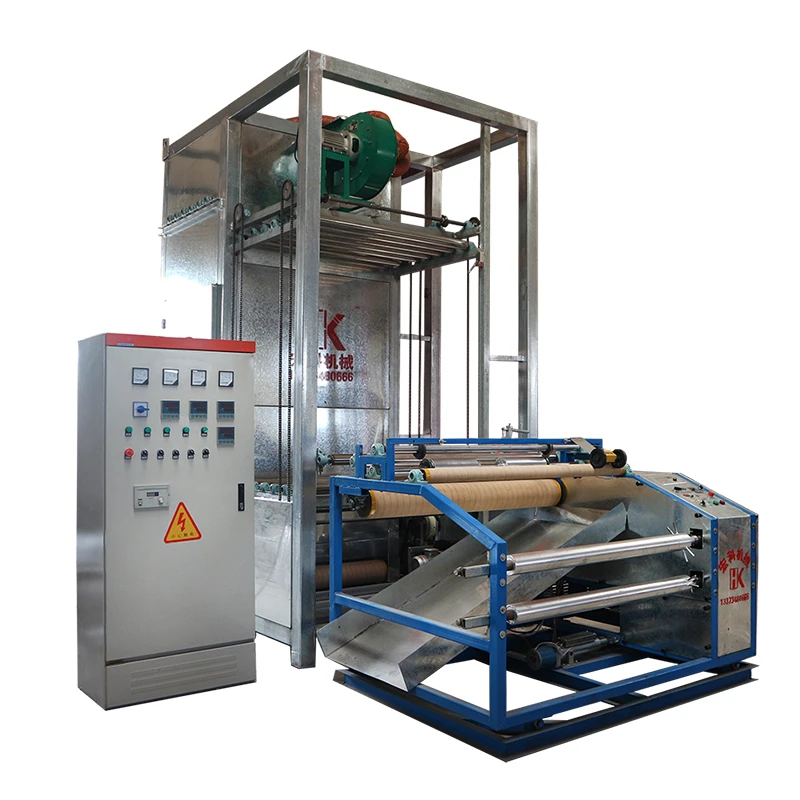
Typical Application Scenario - Aerospace: Consider the manufacturing of an aircraft wing spar. The carbon fiber weaving loom produces precisely woven carbon fiber fabric, often a multi-axial non-crimp fabric (NCF), which is then fed into a prepreg machine for resin impregnation. This prepreg is then cut by a carbon fiber prepreg cutting machine into specific shapes and laid up to form the spar. The loom's ability to produce consistent, high-quality fabric directly translates to:
- Energy Saving: Optimized process control and high-speed operation minimize energy consumption per unit of fabric produced.
- Corrosion Resistance: While the loom itself doesn't offer corrosion resistance, the quality of the carbon fiber fabric it produces is foundational for manufacturing composite parts that inherently offer superior corrosion resistance compared to metals, a critical advantage in aerospace.
- Enhanced Structural Performance: Consistent fiber alignment and weave integrity from the loom ensure the final composite part achieves its intended mechanical properties, such as high fatigue resistance and stiffness.
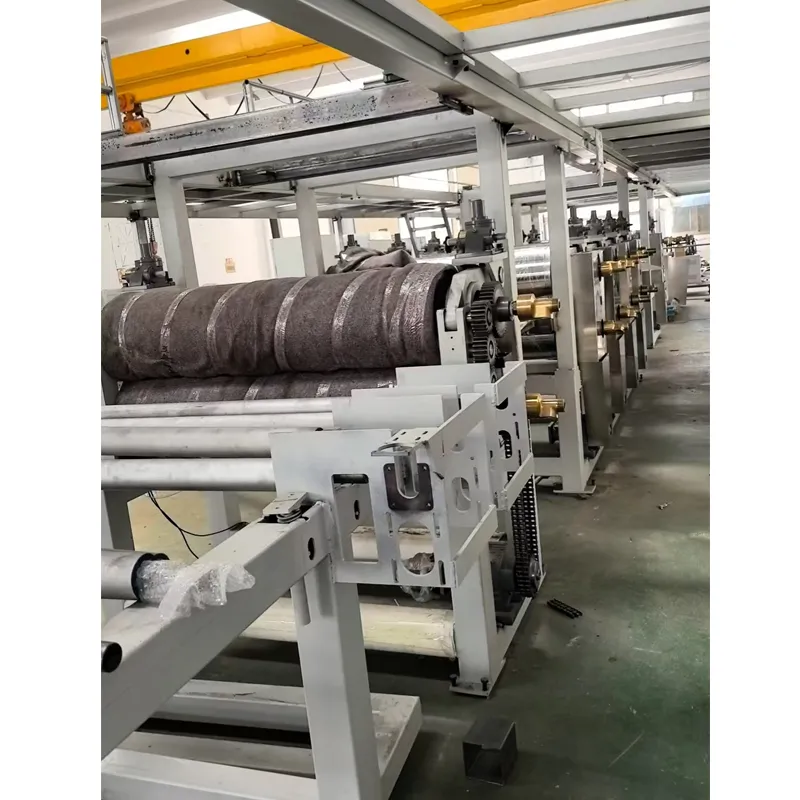
Vendor Comparison: Leading Carbon Fiber Weaving Loom Manufacturers
The market for industrial carbon fiber weaving loom machines is served by several specialized manufacturers, each offering unique strengths in technology, service, and customization. When selecting a vendor, key considerations include machine precision, production speed, automation level, customer support, and total cost of ownership (TCO).
Comparative Analysis of Key Features:
APHKMachinery, with its focus on robust engineering and customer-centric solutions, provides cutting-edge carbon fiber weaving technology. Our extensive experience, evidenced by successful installations with leading composite manufacturers over 15+ years, ensures reliable performance and high-quality output. We hold ISO 9001 certification and comply with all relevant European CE standards, underlining our commitment to quality and safety. Our partner clients include major aerospace suppliers and automotive OEMs, relying on our machines for consistent, high-precision carbon fiber textile production.
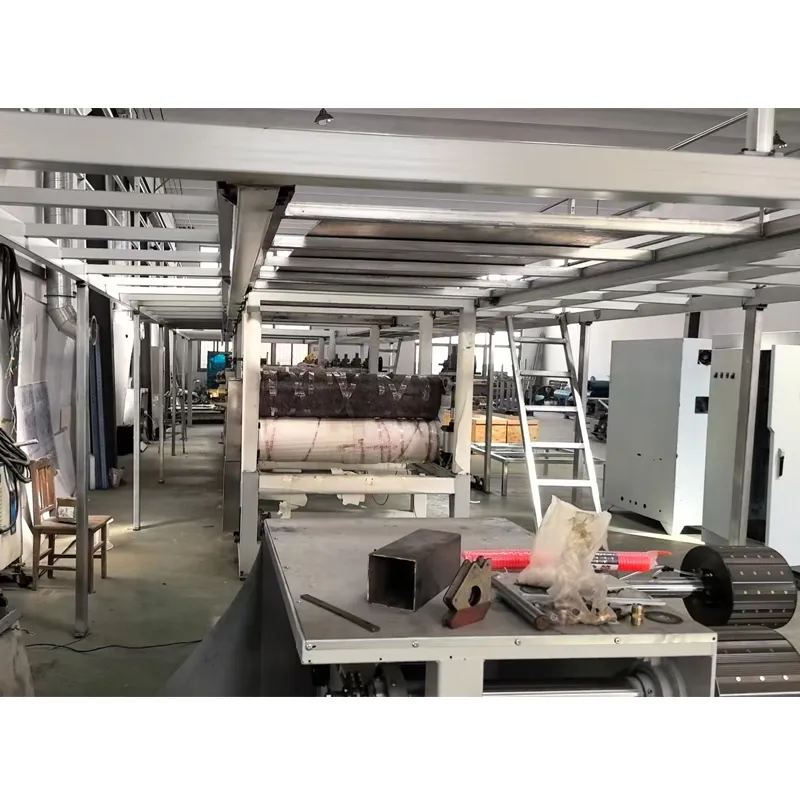
Customized Solutions and Application Case Studies
Recognizing that each industrial application presents unique challenges, we offer comprehensive customized solutions for our carbon fiber weaving equipment. This includes tailoring weaving width, optimizing for specific fiber types (e.g., ultra-high modulus carbon fiber), integrating with existing production lines (e.g., directly feeding a prepreg machine), and developing bespoke software for advanced pattern generation or real-time process monitoring. Our engineering team works closely with clients from initial concept to final commissioning, ensuring seamless integration and optimal performance.
Application Case Study 1: Aerospace Component Manufacturer
- Client: Leading Tier 1 supplier for commercial aircraft.
- Challenge: Needed to produce high-tolerance, multi-axial carbon fiber fabrics for primary structural components, requiring precise fiber orientation and minimal defect rates. Existing looms lacked the necessary control and versatility.
- Solution: We delivered a customized industrial weaving system featuring advanced electronic let-off and take-up mechanisms, coupled with a bespoke tension control system accurate to ±0.5N. The loom was configured to produce both ±45° and 0/90° fabrics with integrated flaw detection.
- Outcome: The client achieved a 30% reduction in material waste due to improved precision and a 20% increase in production throughput. The defect rate for woven fabric decreased by 40%, directly translating to higher quality prepregs and final composite parts, meeting stringent aerospace standards (e.g., AS9100). Customer feedback highlighted the exceptional repeatability and robust build quality.
Application Case Study 2: High-Performance Automotive OEM
- Client: Manufacturer of lightweight chassis components for electric hypercars.
- Challenge: Required rapid production of complex 2x2 twill carbon fiber fabrics for aesthetic and structural parts, along with integration into an automated prepreg manufacturing line. Speed and aesthetics were paramount.
- Solution: We provided a high-speed rapier weaving loom optimized for fine-denier carbon fibers, capable of weaving at over 700 picks per minute. The loom featured an advanced HMI for quick pattern changes and was designed for seamless material transfer to a high-volume prepreg machine.
- Outcome: The client successfully ramped up production of their carbon fiber components, reducing lead times by 25%. The consistent visual quality and mechanical properties of the woven fabric contributed significantly to the premium finish of their vehicles. They reported substantial operational efficiency gains due to the loom's reliability and integration capabilities.
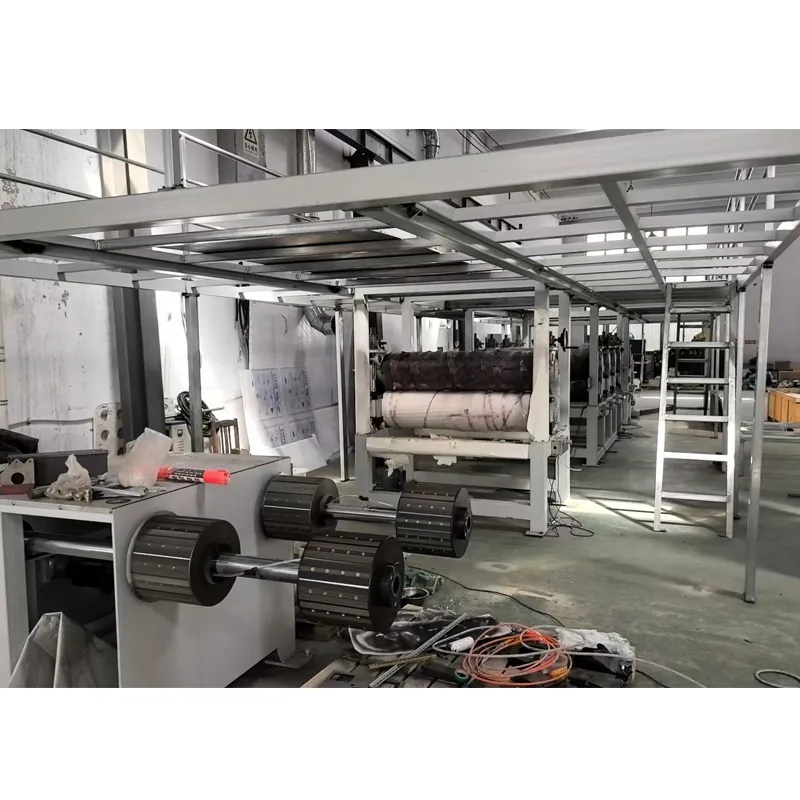
Frequently Asked Questions (FAQ)
Q1: What types of carbon fiber can your weaving looms process?
Our carbon fiber weaving loom systems are designed to handle a wide range of carbon fiber types, including standard modulus, intermediate modulus, high modulus, and ultra-high modulus fibers from various suppliers (e.g., Toray, Hexcel, Mitsubishi). We can process tows from 3K up to 50K and beyond, depending on the specific machine configuration and weaving requirements.
Q2: What is the typical lead time for a custom carbon fiber weaving loom?
Lead times for our custom carbon fiber weaving solutions typically range from 6 to 12 months, depending on the complexity of customization, current order backlog, and material availability. Standard models may have shorter lead times. We provide a detailed project timeline upon order confirmation, including manufacturing, testing, shipping, and installation phases.
Q3: What kind of warranty and after-sales support do you offer?
We offer a standard 12-month warranty on all mechanical and electrical components of our carbon fiber weaving machinery, effective from the date of installation. Our comprehensive after-sales support includes remote diagnostic assistance, telephone and email support, on-site technical service by our global team of engineers, and readily available spare parts. We also offer maintenance contracts for extended support and preventative care.
Q4: Can your looms integrate with a carbon fiber prepreg machine?
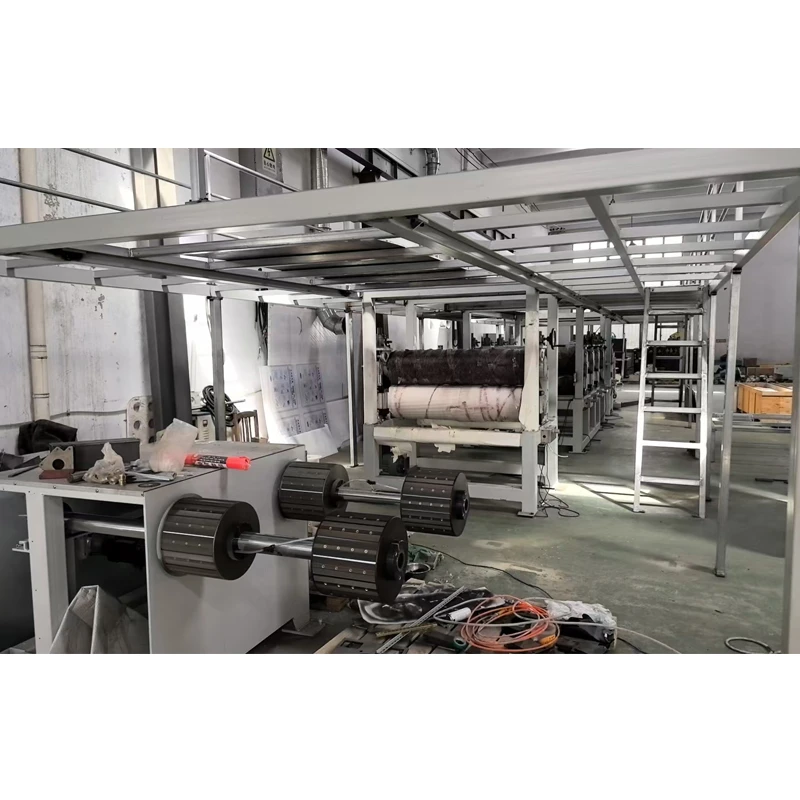
Absolutely. Our looms are designed with modularity and interoperability in mind. We can configure systems for direct integration with downstream processes, including unwinding and feeding woven fabric directly into a prepreg machine for continuous production. This seamless integration optimizes material handling and reduces processing time, enhancing overall efficiency.
Q5: What are the primary advantages of your looms in terms of material efficiency and energy consumption?
Our looms feature advanced electronic tension control systems and precision yarn guides that significantly reduce fiber breakage and waste, leading to substantial material savings for expensive carbon fibers. Furthermore, we utilize energy-efficient servo motors and optimized operational cycles, reducing overall power consumption per unit of woven fabric, contributing to lower operational costs and a smaller environmental footprint.
Logistics & Support
Lead Time & Fulfillment:
For standard carbon fiber weaving loom models, lead times typically range from 4-6 months, covering manufacturing, rigorous in-house testing, and preparation for shipment. Custom configurations and complex integrations may extend this to 8-12 months. We manage global logistics, ensuring safe and timely delivery to your facility, coordinating with trusted freight partners and handling all necessary customs documentation. Our fulfillment process includes pre-shipment inspections by qualified third parties if required by the client.
Warranty & Commitment:
APHKMachinery stands by the quality and durability of its equipment. All our industrial weaving machines come with a comprehensive 12-month warranty on all parts and labor, effective from the date of final commissioning. This warranty covers manufacturing defects and ensures peace of mind. We are committed to providing reliable machinery that meets or exceeds industry standards.
Customer Support:
Our dedicated customer support team is available globally to assist with installation, training, maintenance, and troubleshooting. We offer multi-channel support including 24/7 online portal access, phone, and email, ensuring quick response times. On-site technical support is available worldwide from our network of skilled engineers. We also provide comprehensive training programs for your operators and maintenance staff, empowering them with the knowledge to maximize the efficiency and longevity of your investment.
Conclusion
The advanced carbon fiber weaving loom is a cornerstone technology in the production of high-performance composite materials. Its continuous evolution, driven by demand from aerospace, automotive, and other cutting-edge industries, underscores the importance of precision engineering, automation, and adaptability. By understanding the detailed process flow, technical specifications, and a vendor's commitment to quality and support, B2B stakeholders can make informed decisions to enhance their manufacturing capabilities and maintain a competitive edge in the rapidly expanding composites market. Investments in state-of-the-art weaving and prepreg machinery directly contribute to superior product quality, operational efficiency, and sustainable manufacturing practices.
References
- 1. Grand View Research. (2023). Prepreg Market Size, Share & Trends Analysis Report By Resin Type (Thermoset, Thermoplastic), By Fiber Type (Carbon, Glass, Aramid), By Application, By Region, And Segment Forecasts, 2023 - 2030. Available at: grandviewresearch.com
- 2. ISO Standards Official Website. (Latest Revision). ISO 9001: Quality Management Systems – Requirements. Available at: iso.org
- 3. ASTM International Official Website. (Latest Revision). Standard Test Methods for Carbon Fiber and Advanced Composites. Available at: astm.org
- 4. Composites World Magazine. (Various Issues). Articles on Advanced Weaving Technologies and Prepreg Manufacturing. Available at: compositesworld.com