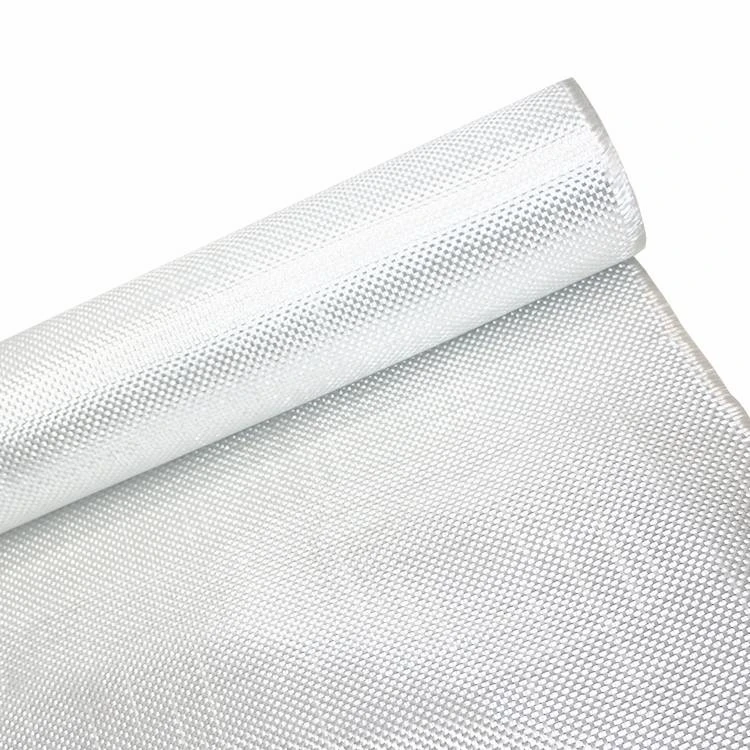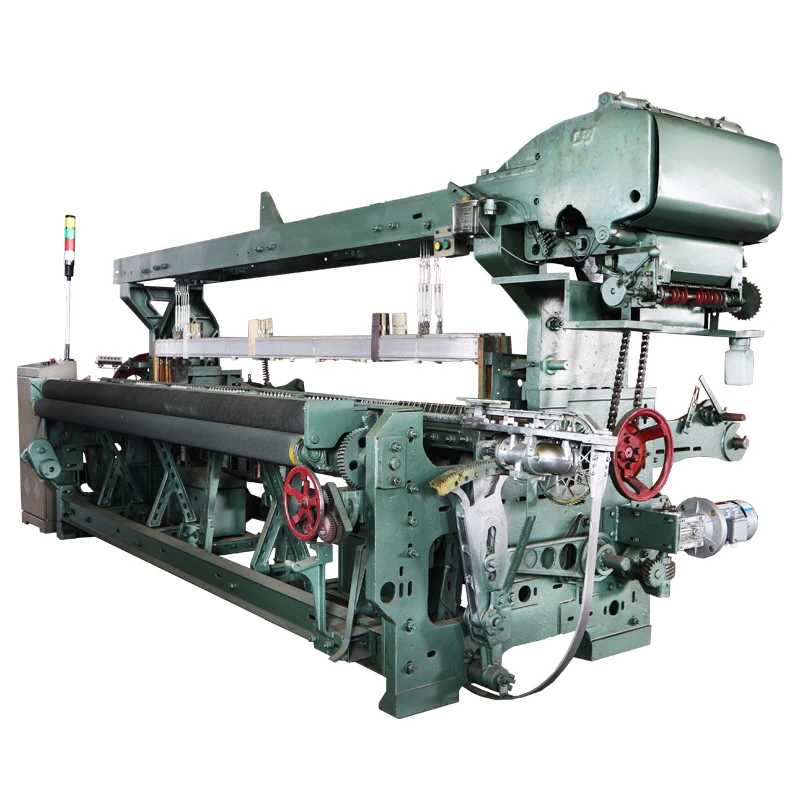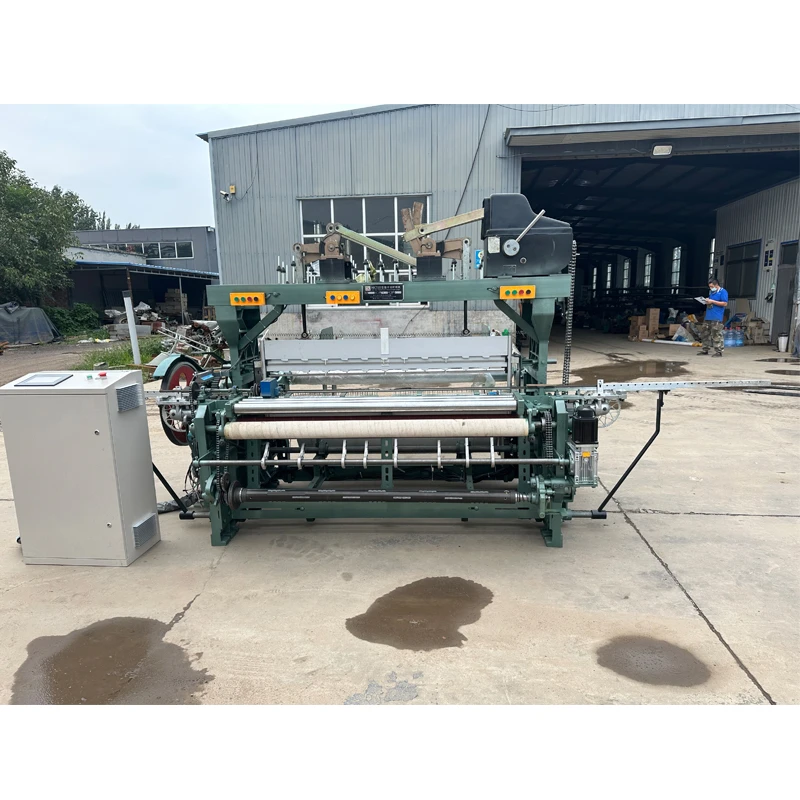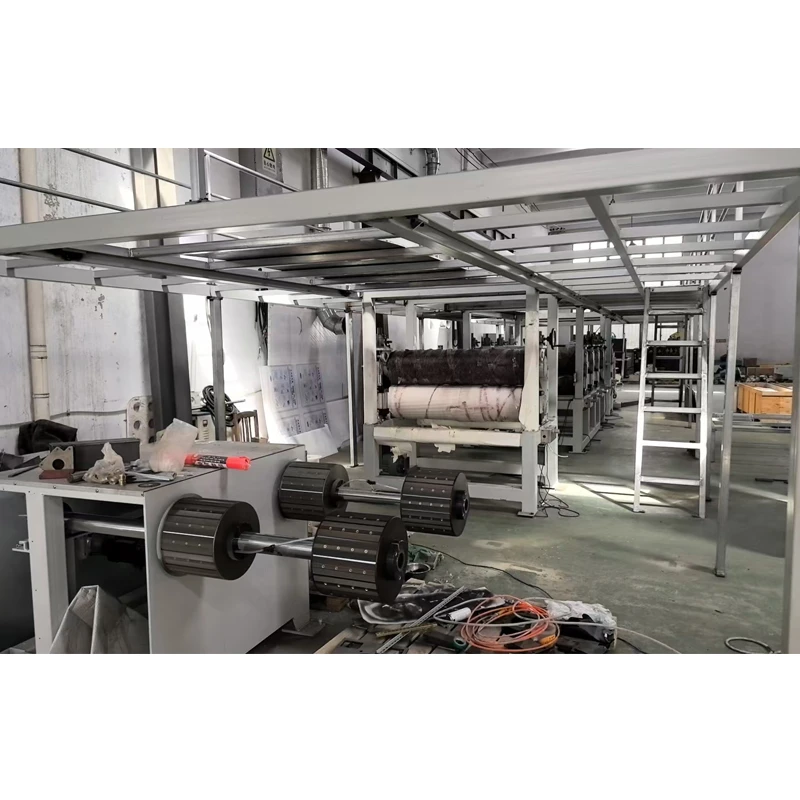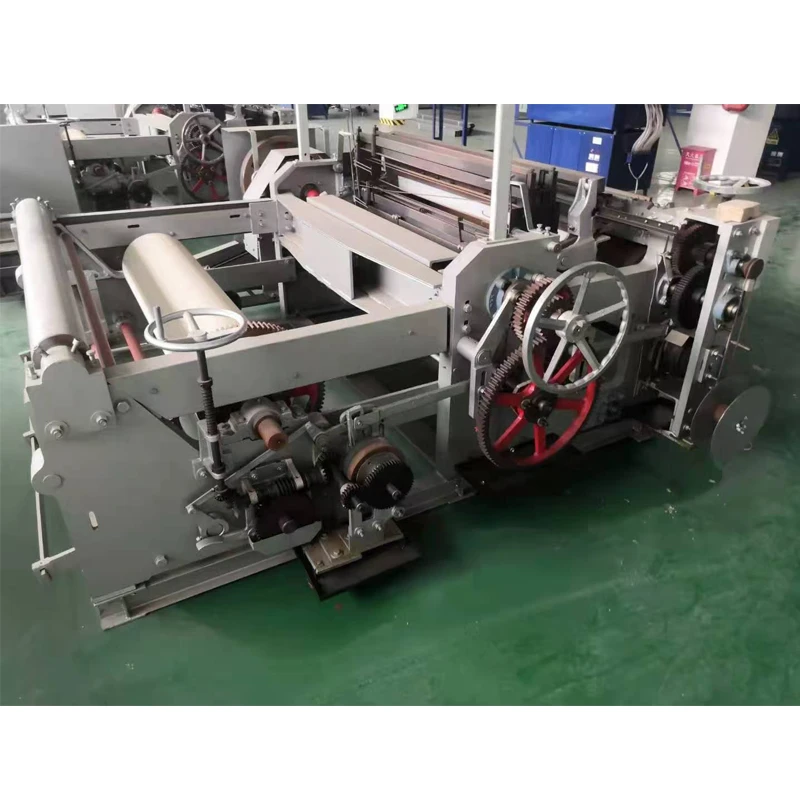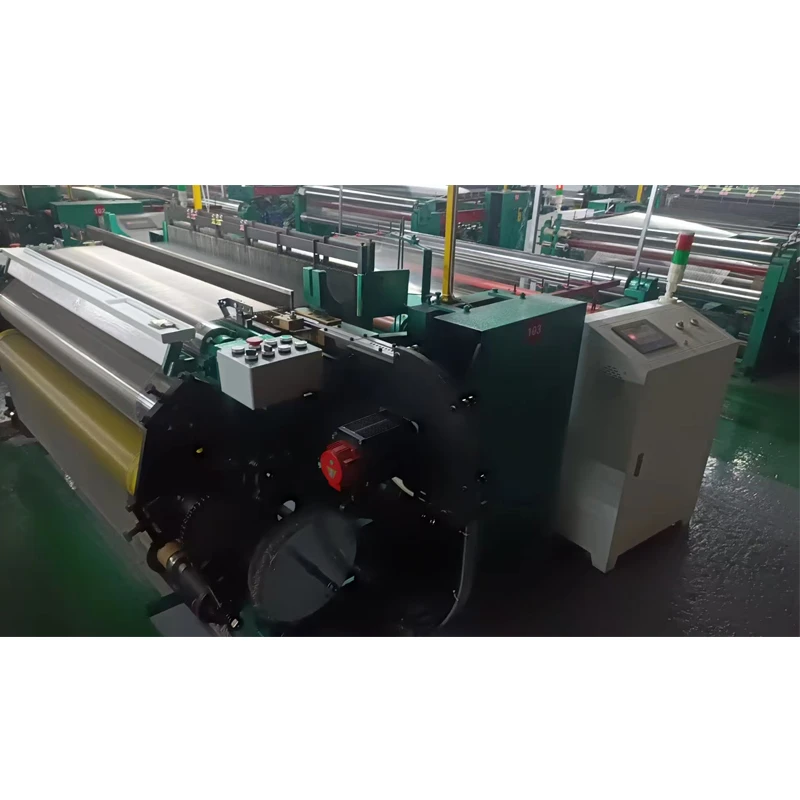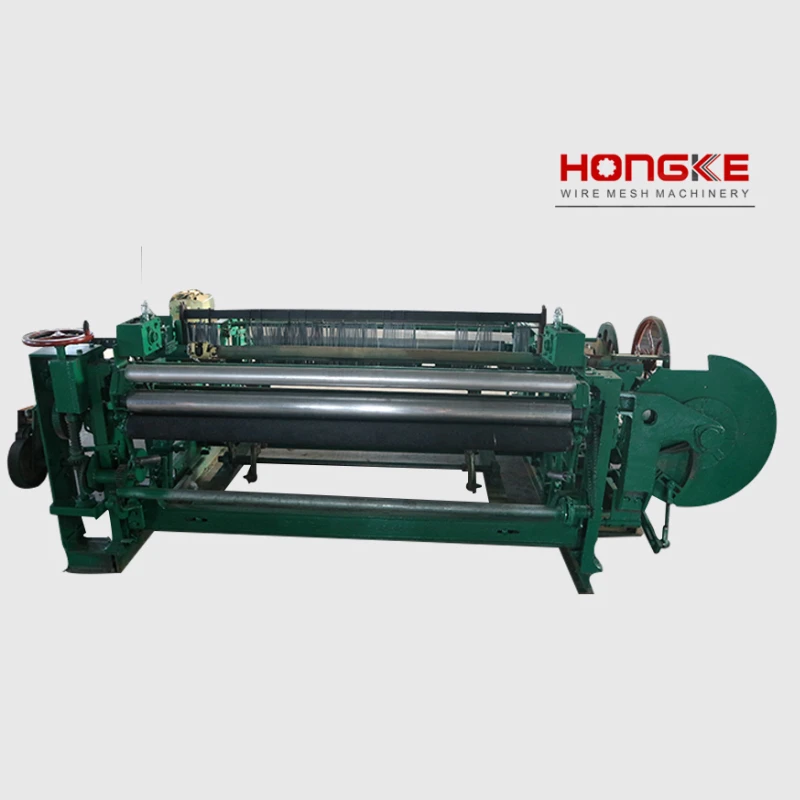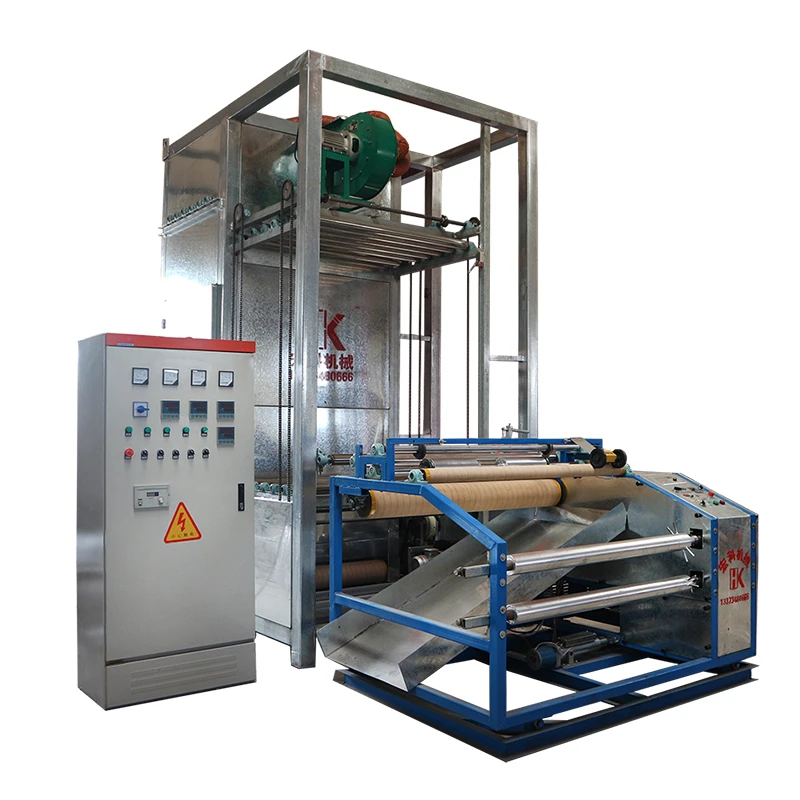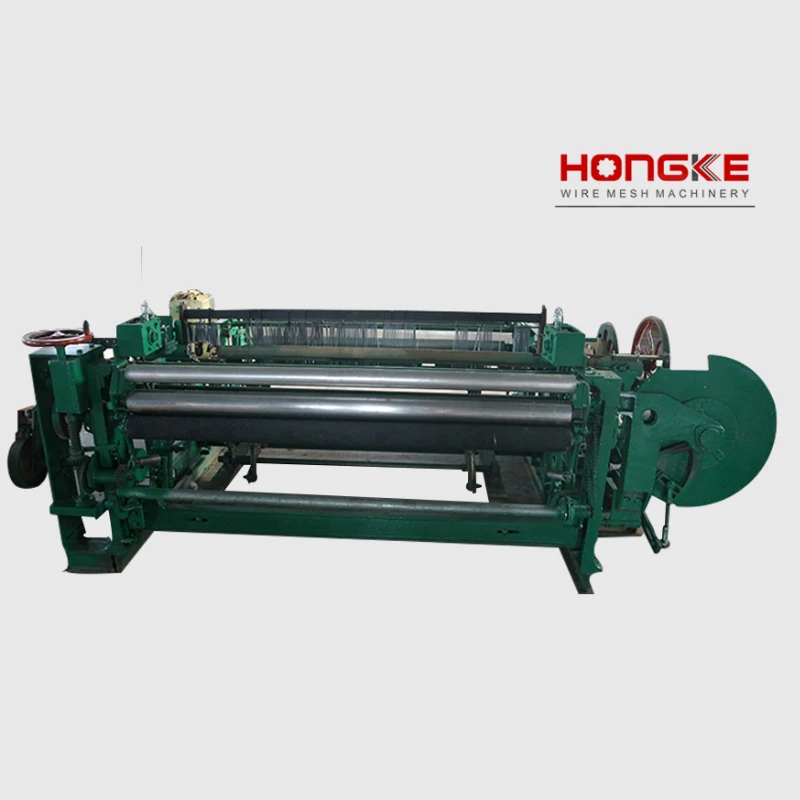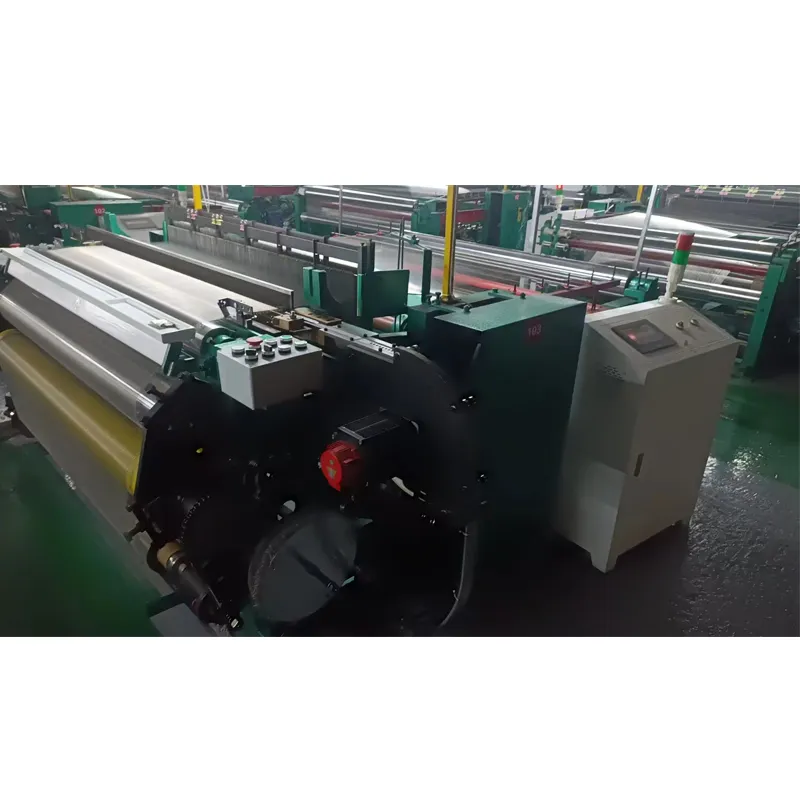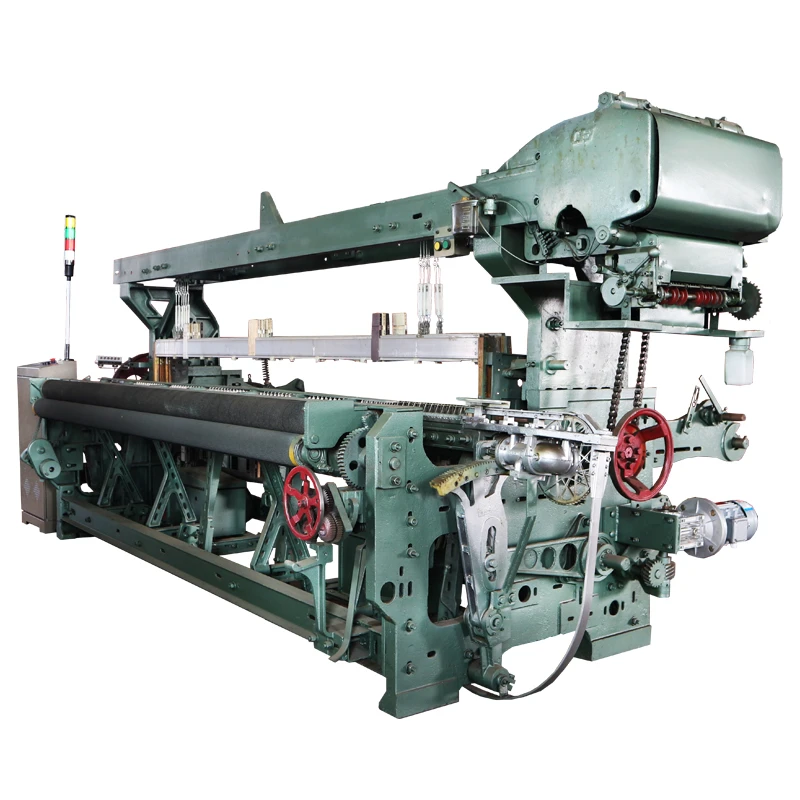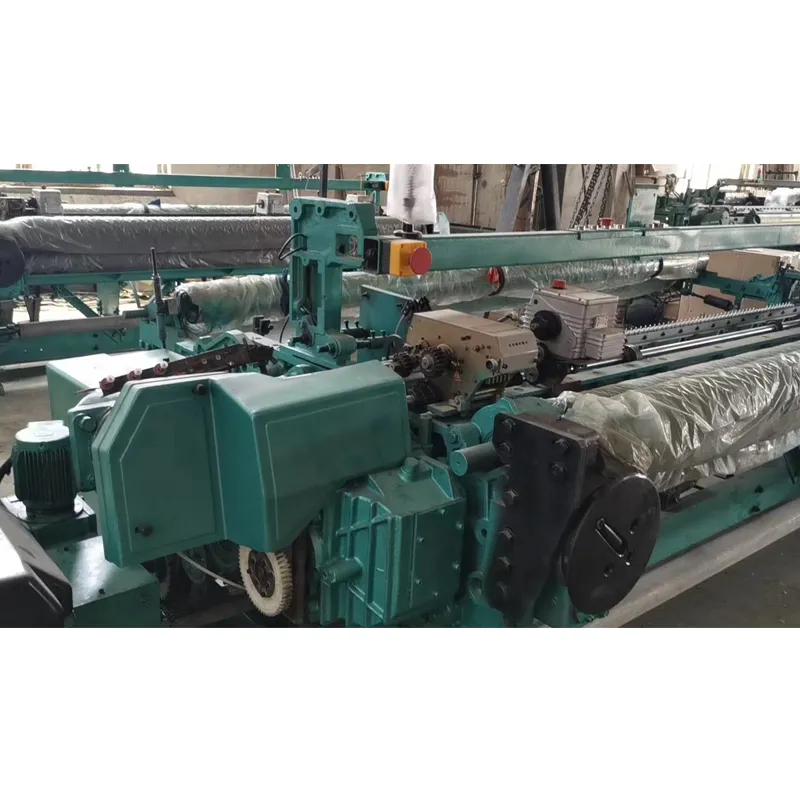



Automatic Warping Machine: Streamlining Industrial Textile Production
Having spent a good amount of time in the industrial equipment world, occasionally stepping onto the textile floor, I’ve come to appreciate how crucial automatic warping machines really are. They’re the unsung heroes, quietly transforming yarns into beams that power the weaving process—speeding things up, improving quality, and frankly reducing headaches.
Warping, for those outside the biz, is essentially the first logical step in preparing yarns for weaving or knitting. It’s a delicate balancing act of tension, speed, and precision, and doing it automatically avoids the usual pitfalls: inconsistent tension leading to defective fabric, or the time-consuming manual labor that frankly often falls short of today's production standards.
Over the years, I’ve noticed a shift in design priorities for these machines. Earlier models were beasts—you could feel the weight of metal and hear the rattling gears—but today’s automatic warping machines blend robust engineering with sophisticated control systems. Some incorporate tension sensors, servo motors, and computerized controls that adapt in real-time. It feels like the machines have an awareness of their own performance, which is kind of impressive.
In real terms, companies look for machines that can handle different yarn types—from coarse industrial threads to delicate cottons—without frequent changeovers. I remember a midsize mill that switched to an automatic warper with flexible beam size options; the uptime improvements were remarkable. They cut setup times by nearly 40%, which in a high-volume industry like textiles, frankly, makes a big difference on the balance sheet.
Now, not all automatic warping machines are built equal. They differ not just in capacity but also in the level of automation (like do they have auto threading?), ease of maintenance, and of course, cost. Some vendors also offer customization to fit specific weaving schedules or integrate directly with ERP systems—features that savvy production managers swear by.
| Specification | Details |
|---|---|
| Max Width | 3200 mm |
| Beam Diameter | 1000 mm (max) |
| Yarn Types Supported | Cotton, Polyester, Nylon, Blends |
| Tension Control | Automatic Servo Motor Regulation |
| Speed Range | 0 – 400 meters/min |
| Automation Features | Auto Threading, Fault Detection, Remote Diagnostics |
| Power Consumption | 5 kW (average operation) |
Since you might be evaluating your options, here’s a quick rundown comparing notable vendors I’ve encountered on the floor:
| Vendor | Automation Level | Customization | Price Range | Support & Training |
|---|---|---|---|---|
| APHK Machinery | High (Full Auto Threading + Remote Monitoring) | Extensive (Custom Beam Sizes & Yarn Types) | $$$ | Comprehensive (On-site & Online) |
| WeaverTech | Medium (Semi-Automatic Threading) | Moderate (Standard Configurations) | $$ | Good (Limited On-Site) |
| TextilePro | Low (Manual Threading) | Low (Off-the-Shelf Models) | $ | Basic (Remote Support) |
Oddly enough, the most successful outfits I’ve seen aren’t always the ones chasing the fanciest automation but those who understand their production flow and select machines that truly fit their operational needs. One textile plant manager I met liked to say, “It’s about consistency and reliability, not bells and whistles.” Totally fair point.
From my experience, the key advantages of moving to an automatic warping machine include less downtime, better quality control, and significant labor savings. Plus, many manufacturers now design machines with ergonomics in mind, so operators don’t end up sore or strained—which you quickly come to appreciate.
All in all, if your facility’s looking to enhance productivity while maintaining fabric quality, investing in a solid automatic warping machine like those offered by APHK Machinery could be the game-changer. I suppose it’s one of those pieces of equipment where you really get what you pay for — and sometimes a little extra peace of mind.
Before I wrap up, here’s a quick takeaway I’ve noticed time and again: don’t overlook after-sales service. A good vendor sticks around long after delivery, helping troubleshoot and optimize performance. That can save countless headaches down the road.
References:
1. Textile Machinery World Reports, 2023
2. Interview with Production Manager, CottonWorks Ltd., 2022
3. APHK Machinery Product Documentation, 2024