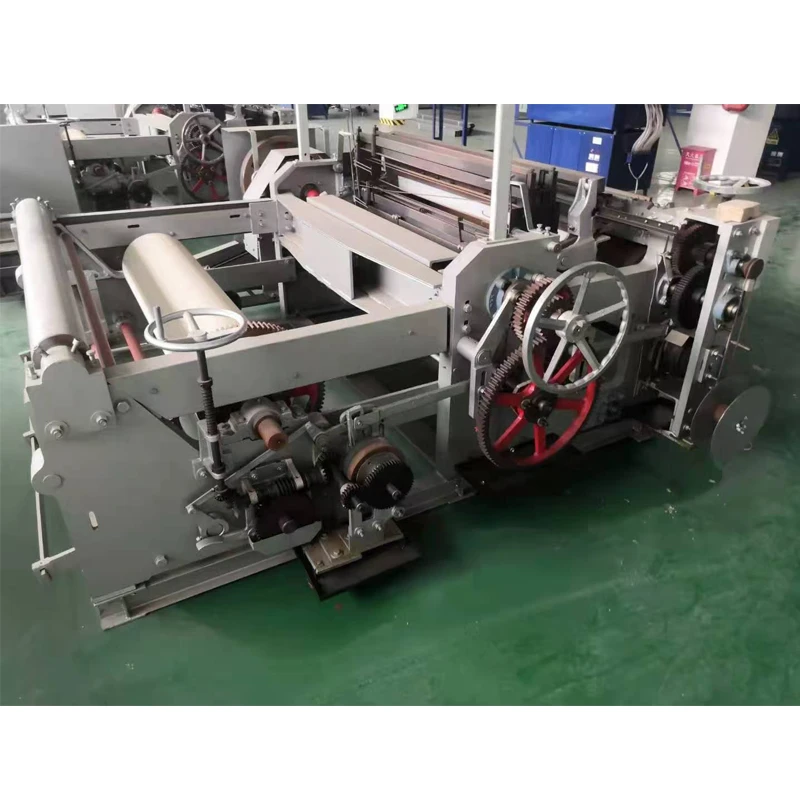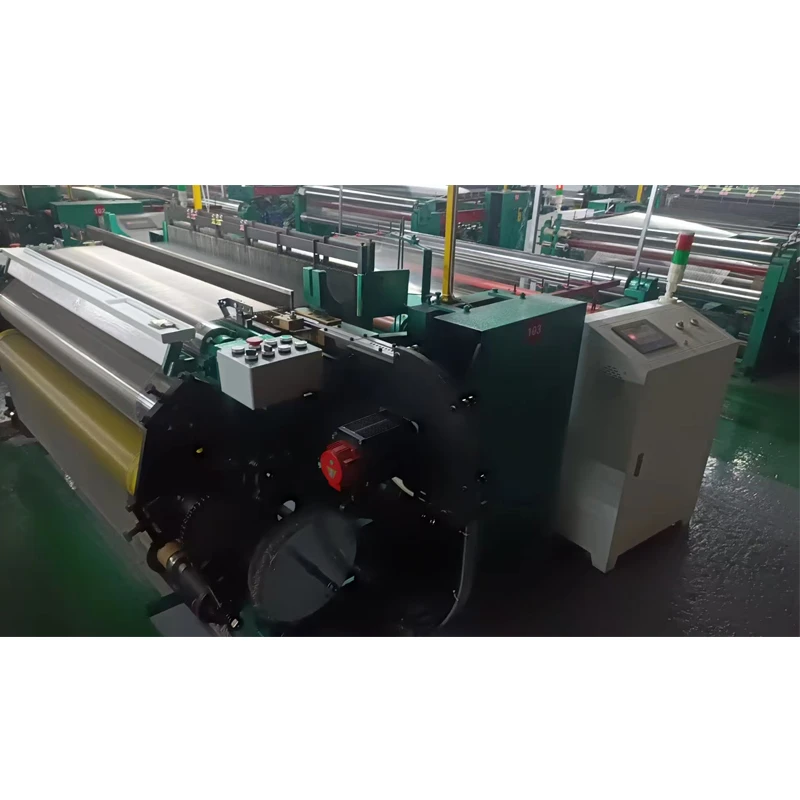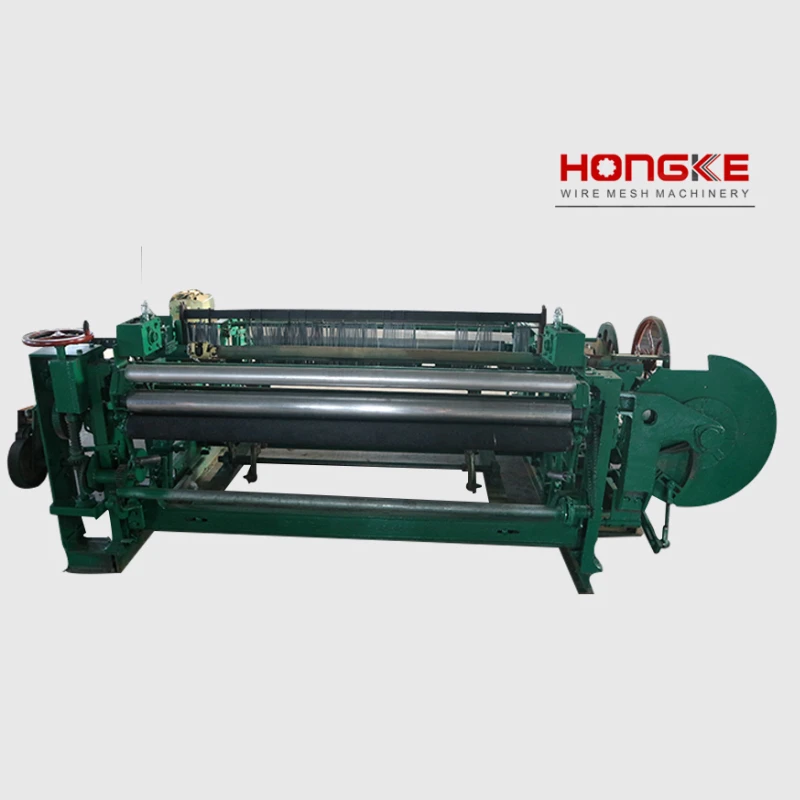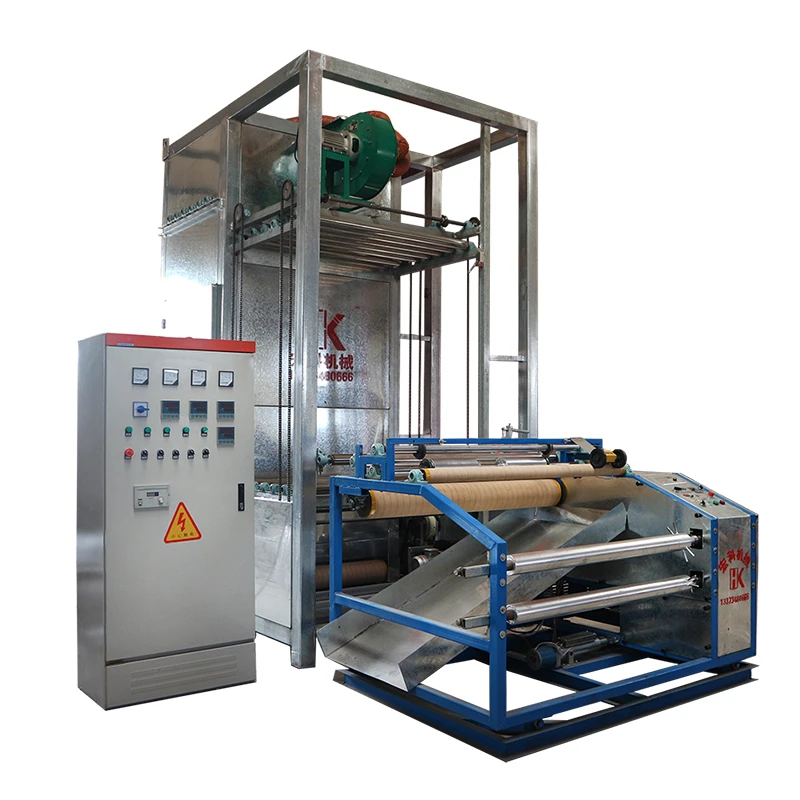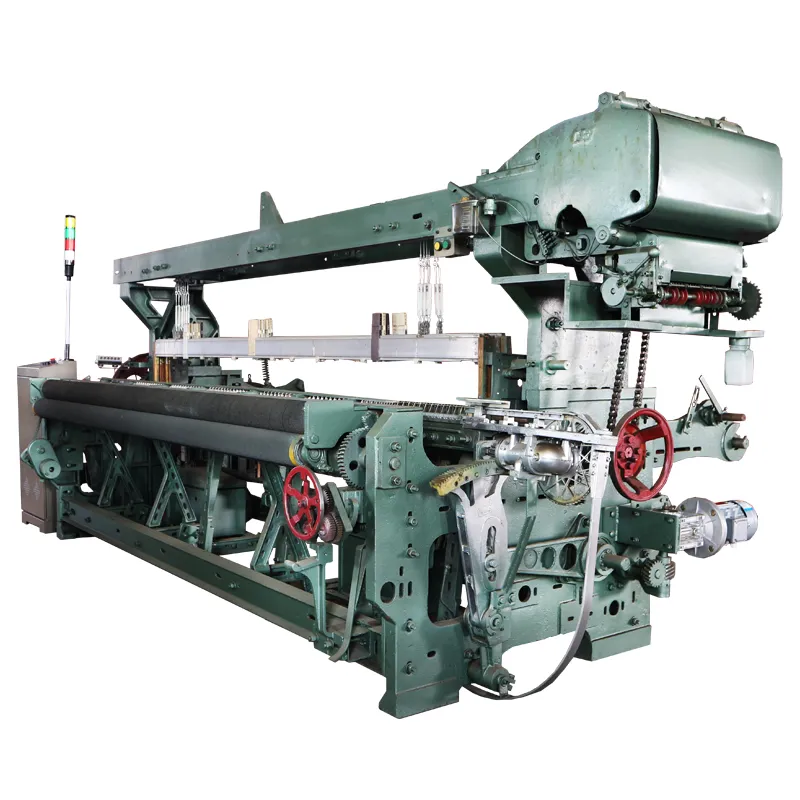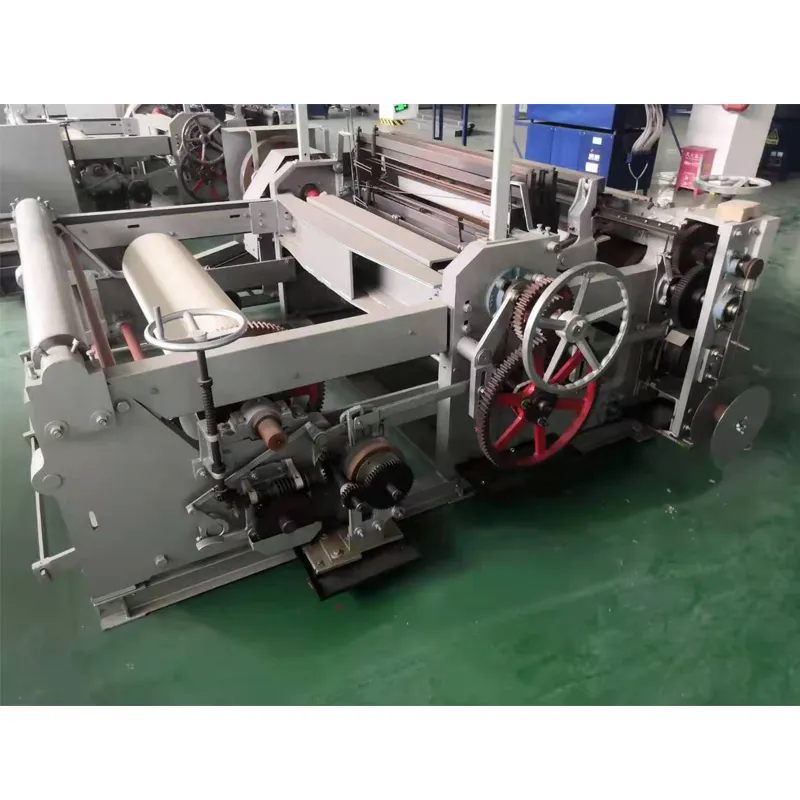



Getting to Know the Direct Warping Machine
Having spent over a decade in industrial equipment—especially textile machinery—I’ve come to appreciate machines that balance efficiency with reliability. The direct warping machine is one such asset, quietly transforming the way yarn preparation happens on many floors.
Now, if you’re new to textile manufacturing or just dipping your toes in weaving processes, “warping” itself might sound a bit abstract. Essentially, it’s the preparation of yarns wound on beams, arranged in parallel, so weaving looms can operate efficiently. The direct warping machine simplifies this prep step by converting yarn cones directly into beams, skipping many intermediate spooling stages. It feels like a shortcut, but with precision.
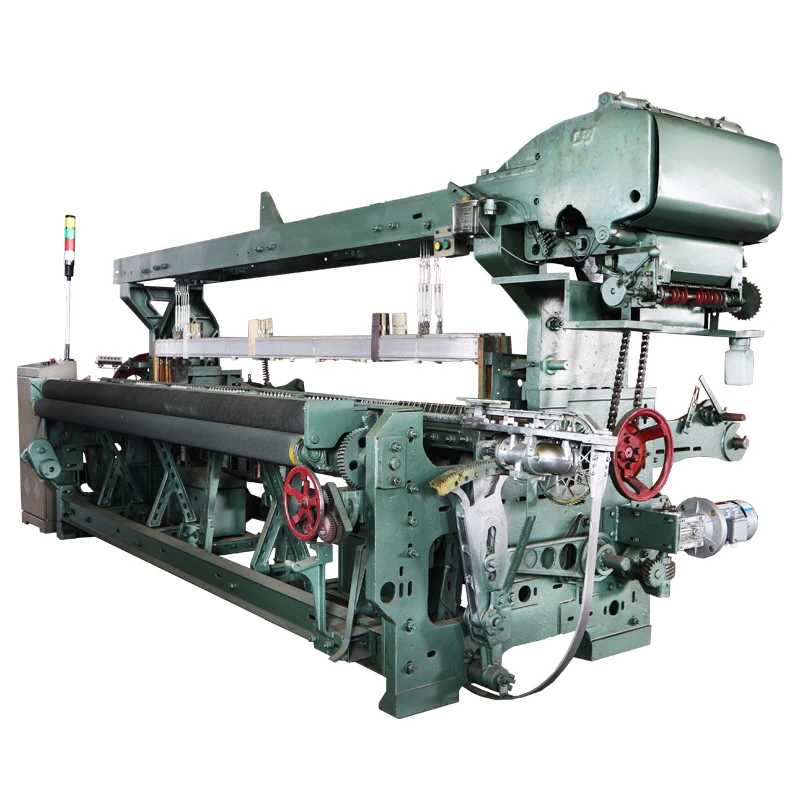
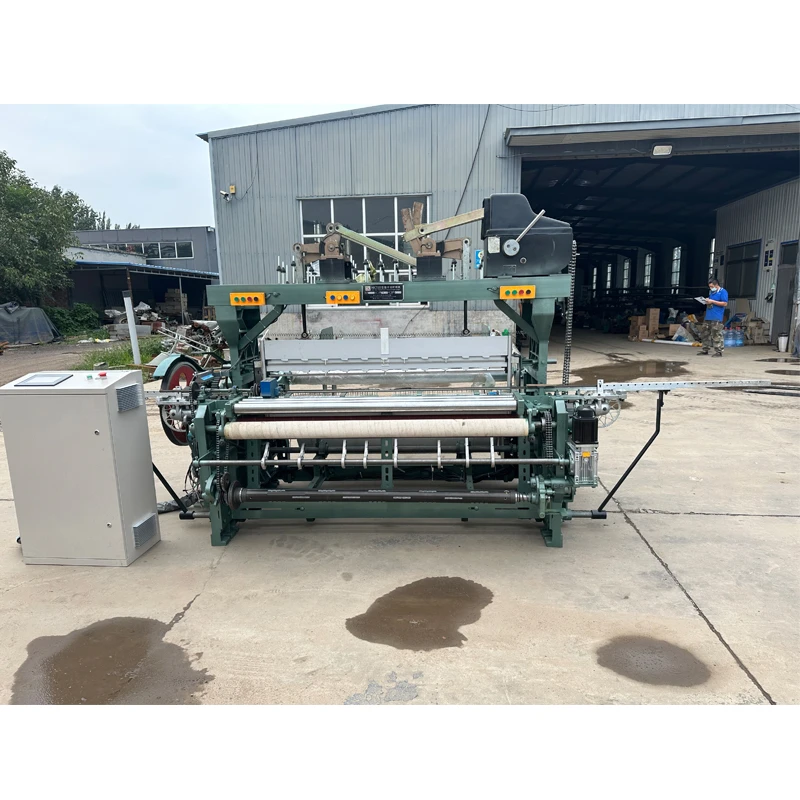
What’s striking about these machines is their design philosophy. Most manufacturers build them to accommodate variable yarn counts, tension controls, and beam widths. This flexibility caters to different fabric specs, from denim to fine linens. Frankly, this versatility can be a lifesaver on a busy production line where product specs constantly shift.
| Specification | Typical Range / Value |
|---|---|
| Max Beam Width | 1300 – 1800 mm |
| Yarn Count Range | 10s – 80s (Ne) |
| Warping Speed | 300 – 600 m/min |
| Control System | PLC with Touchscreen Interface |
| Power Requirement | 3 Phase, 4 kW approx. |
I recall a mill I worked with in South India—traditionally tied to older warping methods, where preparing yarn beams was a multi-step, time-consuming affair. After upgrading to a direct warping machine, the workers told me they cut setup times nearly in half. Not just that, but consistency improved so visibly that fabric defects dropped. It’s an anecdote I find myself repeating because it shows that reliability isn't just about specs, it’s real-life impact.
Interestingly, direct warping machines have evolved to include options for automatic tension control based on yarn type and even digital beam length pre-setting. These days, even mid-size factories can afford to invest without breaking their budget—though, truth be told, wise procurement is key. You want a vendor who not only supplies a robust machine but also supports ongoing maintenance.
| Vendor | Machine Durability | After-Sales Support | Price Range | Customization Options |
|---|---|---|---|---|
| APHK Machinery | High – Rigid frames, premium parts | Responsive 24/7 | Mid-Range | Extensive (yarn types, widths) |
| East Textile Corp. | Moderate – good machining | Business hours only | Affordable | Limited |
| Global Warp Solutions | High – industrial quality | Full Support Contracts | Premium | Advanced options |
Subtle but vital features often make the difference in real operational contexts—things like ease of cleaning, noise levels during operation, and even where you position your control panel. It feels a little like ergonomics in heavy machinery—overlooked but impactful. Many engineers in the sector keep hammering on usability, particularly with machines that run long shifts.
All in all, if you’re seriously looking into a direct warping machine, take your time testing the options, talk to current users if possible, and keep an eye on the support promise from the vendor. These machines are more than metal and motors—they're the backbone for smooth, high-quality textile production.
It’s odd, but something as simple as changing your warping method can feel like trading in a bicycle for a car, with all the improvements that come with it.
Reflection: Investing in equipment isn’t just a line item—it’s a long-term relationship. That usually wins out when the machines and vendors demonstrate real history of quality and care.
- Jay, M. “Textile Machinery Trends,” Industrial Fabric Review, 2022.
- Chen, Y. “Warper Machine Upgrades in Asia,” Textile Tech Today, 2023.
- Interview with textile plant manager, South India, 2021.