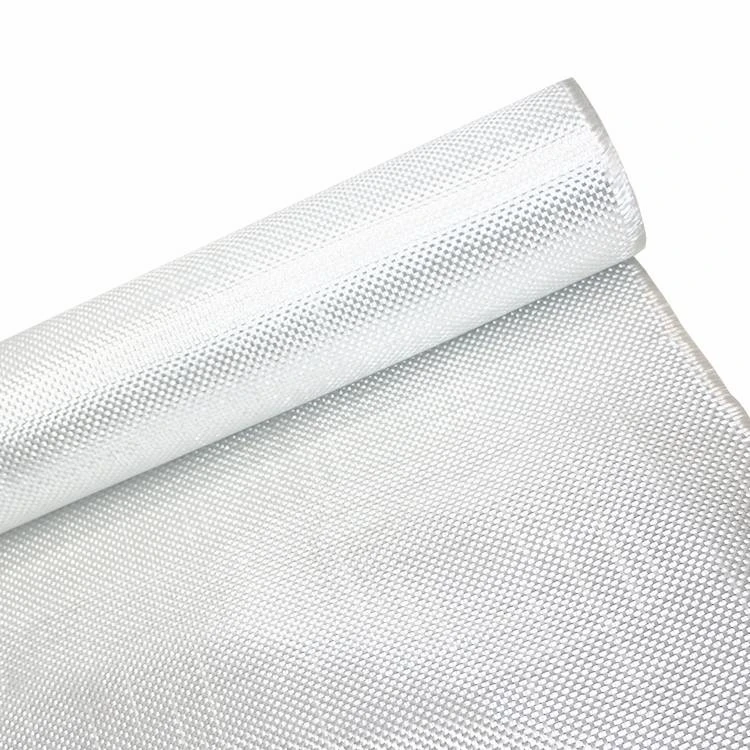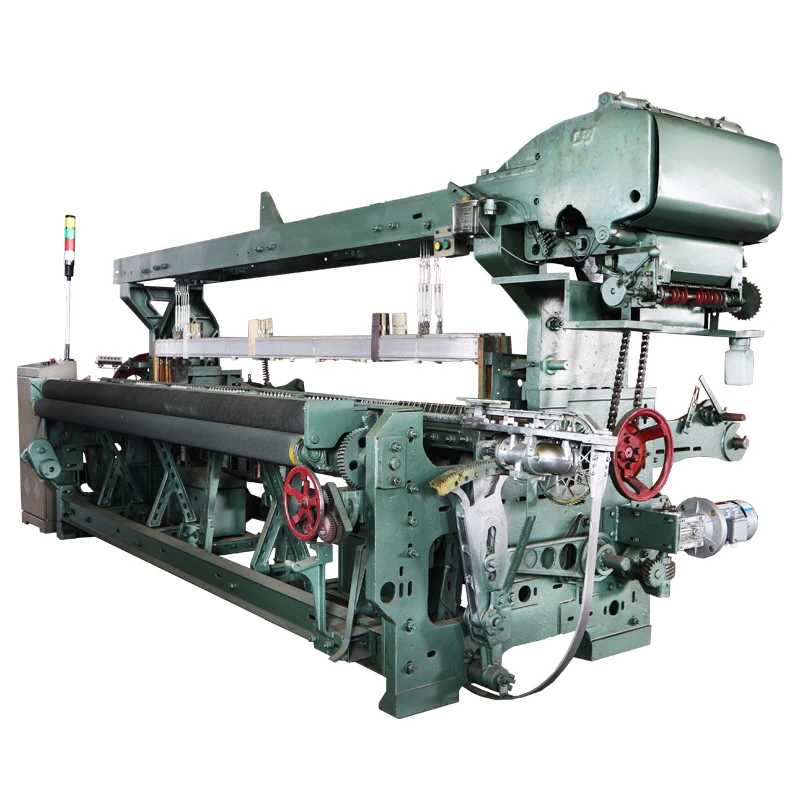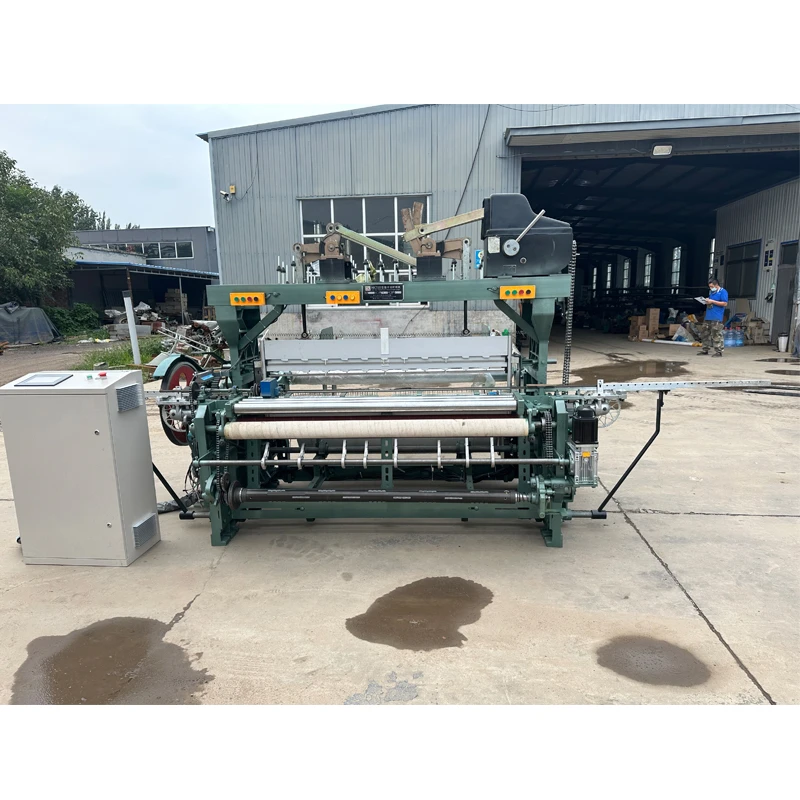



Weaver's Machine is a key solution in the industry, specifically within textile manufacturing and industrial weaving sectors. This article explores how https://www.aphkmachinery.com supports professionals with durable, high-performance products, and explains why this product is an ideal choice for businesses in these sectors.
Table of Contents
- Weaver's Machine Overview
- Benefits & Use Cases of Weaver's Machine
- Cost, Maintenance & User Experience
- Sustainability & Market Trends
- Frequently Asked Questions about Weaver's Machine
- Conclusion on Weaver's Machine from China
Weaver's Machine Overview
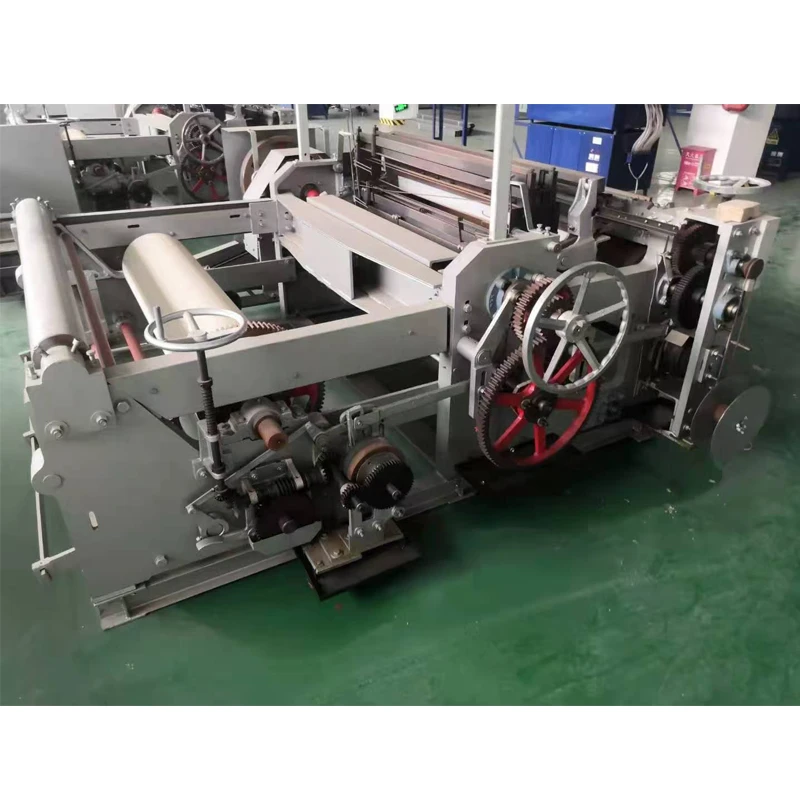
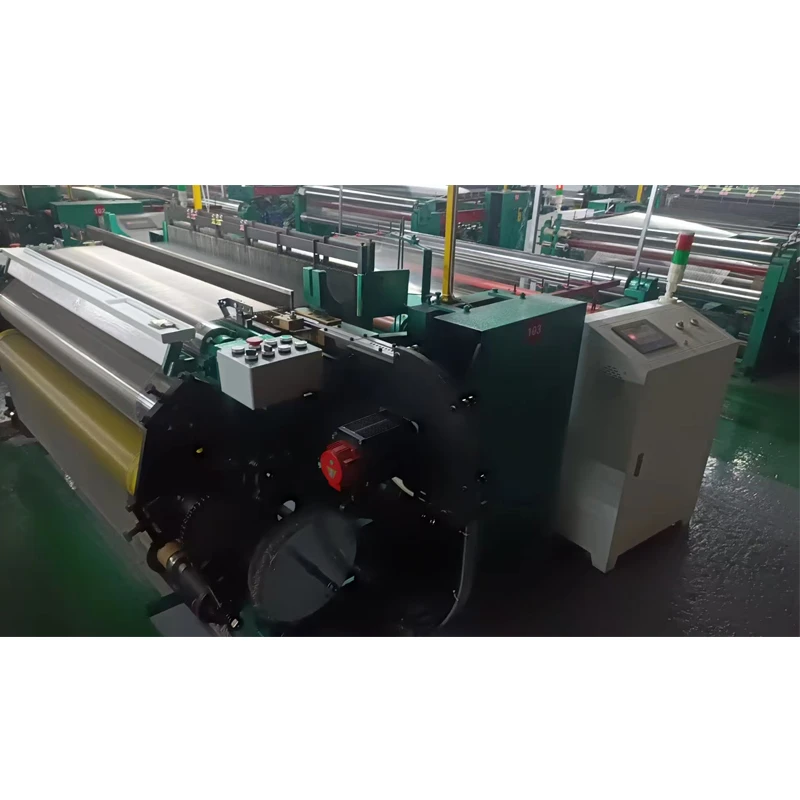
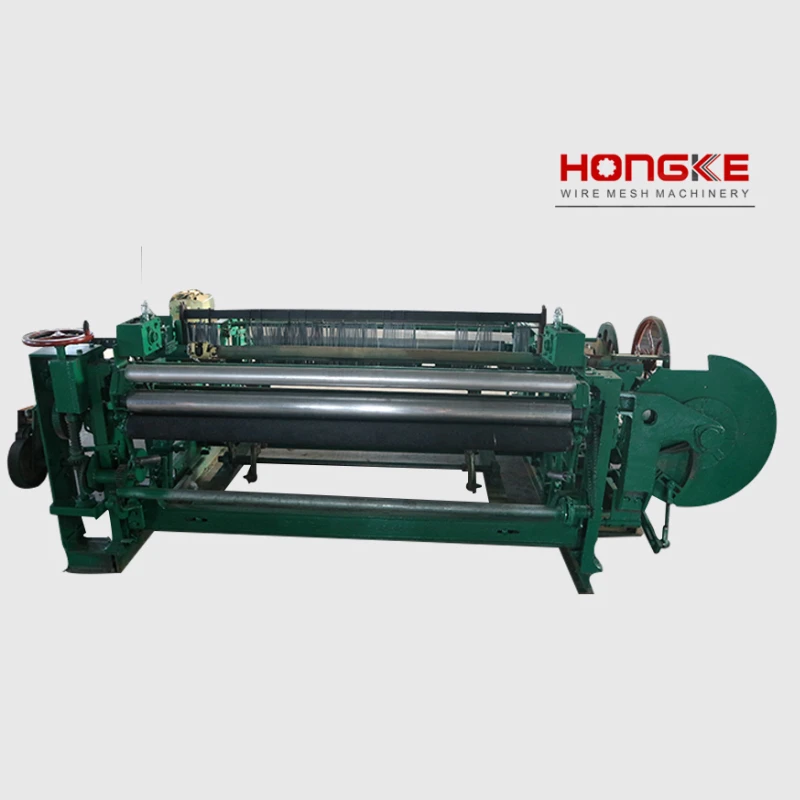
At its core, a Weaver's Machine is a sophisticated piece of industrial equipment designed to interlace threads efficiently to create fabric. While weaving as a craft has ancient roots, modern weaver’s machines—especially those from trusted manufacturers like Aphk Machinery—represent a leap in engineering precision and automation. Frankly, these machines are the backbone of textile production plants, from small-scale bespoke workshops to giant industrial factories.
Technically speaking, a typical weaver's machine integrates a series of components including a warp beam, heddles, reed, and take-up rolls all coordinated through computerized or mechanical controls. The specs, unsurprisingly, vary widely depending on capacity and application. For instance, Aphk’s flagship model boasts a high-speed weaving capacity of up to 400 picks per minute with optional electronic dobby control—features that translate into both speed and flexible pattern weaving. It’s no surprise that a recent case study showed a textile company improving production efficiency by over 25% after upgrading to one of these machines.
| Feature | Specification |
|---|---|
| Max Speed | 400 picks/min |
| Control System | Electronic Dobby / Mechanical Options |
| Warp Width | Up to 260 cm |
| Power Consumption | Approx. 5.6 kW |
| Weight | 1500 kg |
Benefits & Use Cases of Weaver's Machine
In real terms, the benefits of installing a state-of-the-art weaver's machine can be tremendous. Businesses specializing in apparel, home textiles, technical fabrics, and even automotive materials stand to gain considerably. One big advantage Aphk’s machines offer is their ability to handle a variety of yarn types—from cotton blends to advanced synthetic fibers—without compromising on fabric quality. This versatility helps manufacturers diversify their product offerings without extra capital investment.
Oddly enough, engineers often point to the machines' user-friendly interface and quick changeover times as game-changers on the factory floor. This means shorter downtime and more responsiveness to shifting market demands. Plus, the robust construction ensures that even in demanding environments, the machines keep humming with minimal breakdowns. Because of these features, many companies have seen a noticeable reduction in waste and rework, which kind of speaks for itself.
Cost, Maintenance & User Experience
Now, cost is always a factor, especially for B2B buyers juggling tight budgets. Though the upfront investment in a weaver’s machine might seem steep, it’s really about the total cost of ownership. Durability and reliability directly influence ROI. These machines, frankly, are built to last with premium materials, which means fewer unexpected expenses over time. That said, routine maintenance remains essential, and Aphk provides thorough guidance plus support packages to keep machines optimized.
From user feedback, especially from mid-sized textile plants, we hear the same themes: less downtime, fewer replacements, and steady, high-quality production. One facility I visited reported annual savings in repair costs near 30% compared to older equipment. They also noted that operators appreciated the ergonomic controls, which reduce fatigue during long shifts—a detail that too often gets overlooked but matters a lot on a human level.
Sustainability & Market Trends
In today's world, sustainability is not just a buzzword but a strategic imperative. Weaver’s machines that minimize energy consumption and waste have a competitive edge. Regulations are tightening globally on textile manufacturing’s environmental impact, pushing companies to adopt greener technologies. Aphk’s latest models emphasize lower power usage and integrate waste-reducing features—both relevant for businesses looking to align with sustainability goals without sacrificing performance.
Market-wise, demand for technical textiles is growing rapidly, driven by industries like automotive and healthcare. Weaver’s machines that can adapt to complex weaves and specialty fibers position manufacturers well for future trends. So, investing now feels a bit like betting on a fertile field—there’s not just immediate value but long-term growth potential. It really is a fascinating time for weaving tech.
| Feature | Aphk Machinery | Competitor A | Competitor B |
|---|---|---|---|
| Max Speed (picks/min) | 400 | 350 | 380 |
| Energy Efficiency | High | Medium | Medium |
| Maintenance Support | Comprehensive | Standard | Basic |
| Price Range | $$$ | $$ | $$ |
Frequently Asked Questions about Weaver's Machine
- What is Weaver's Machine and how does it work?
- Weaver's Machine is an industrial apparatus designed to interlace warp and weft threads systematically to create woven fabric. It operates by feeding longitudinal warp yarns securely while inserting crosswise weft yarns through various mechanisms like shuttles, rapiers, or air jets, controlled either mechanically or electronically.
- What are the main benefits of using Weaver's Machine in industrial applications?
- Key benefits include enhanced production speed, improved fabric consistency, the ability to work with diverse yarns, and reduced manual labor. The durability and precision control systems significantly lower downtime and waste, translating into better cost-effectiveness.
- How does Weaver's Machine compare to traditional alternatives?
- Compared to older manual or semi-automated looms, modern Weaver’s Machines offer greater automation, reliability, and flexibility. These advancements result in higher output rates, better fabric quality, and easier maintenance.
- What industries can benefit most from Weaver's Machine implementation?
- Textile manufacturing for apparel, technical textile producers, automotive textile suppliers, and home furnishing manufacturers are prime beneficiaries, each leveraging the machine’s adaptability and performance for specialized fabric production.
Conclusion on Weaver's Machine from china
Summing up, the Weaver's Machine offered by Aphk Machinery is a solid investment for any textile-related business aiming to boost performance and flexibility. The combination of robust design, advanced controls, and solid support from a China-based manufacturer makes it difficult to ignore for B2B decision makers. If you're looking to upgrade your weaving capabilities, it’s definitely worth a look.
- Recap the value of Weaver's Machine.
- - Visit our website: https://www.aphkmachinery.com
Reflecting on this, it seems the future of weaving is pretty tightly linked to smart automation and sustainable practice. If you’re in the B2B space, keeping tabs on machines like these isn’t just smart—it’s practically essential.
References:
- Industry Report on Textile Machinery Efficiency, 2023
- Aphk Machinery Product Brochure, 2024
- Case Study: Upgrading Textile Plants with High-Speed Looms, Journal of Manufacturing, 2023