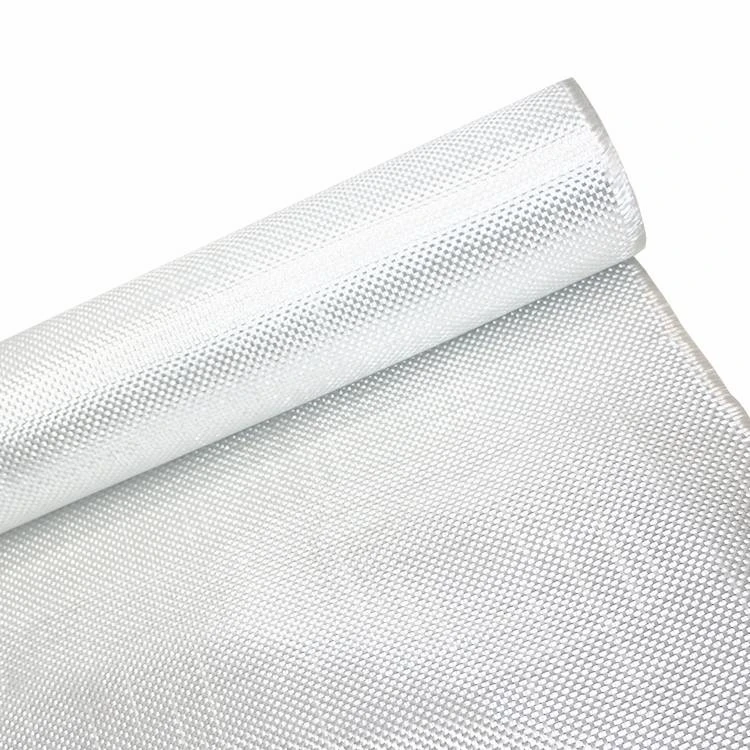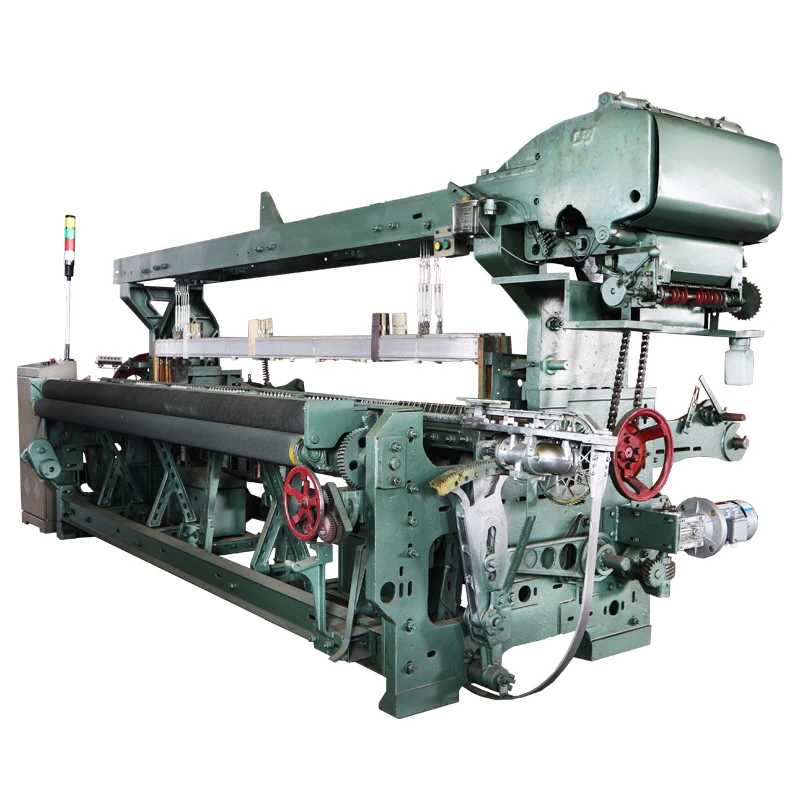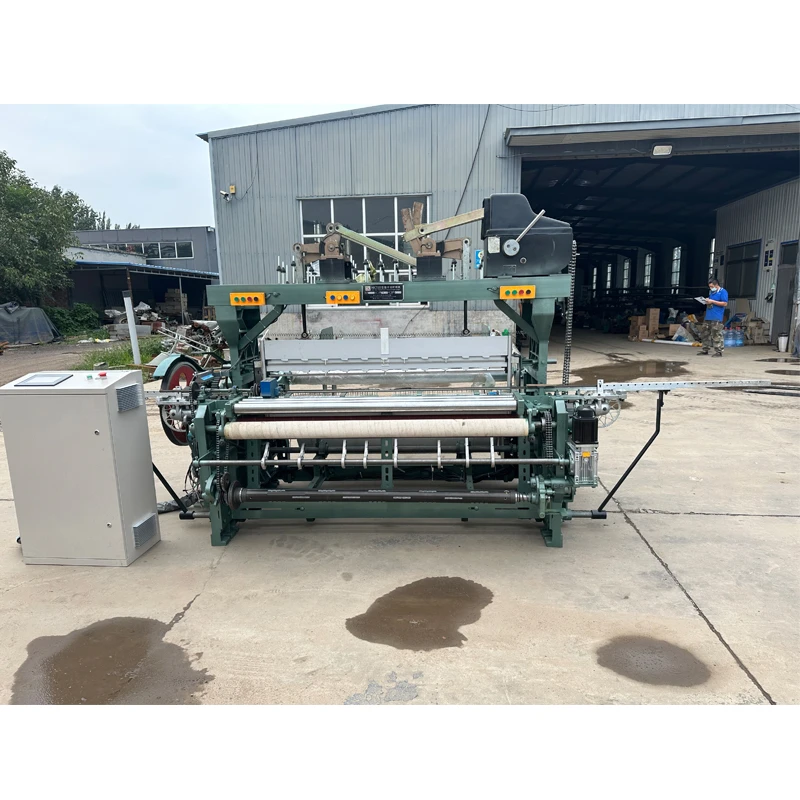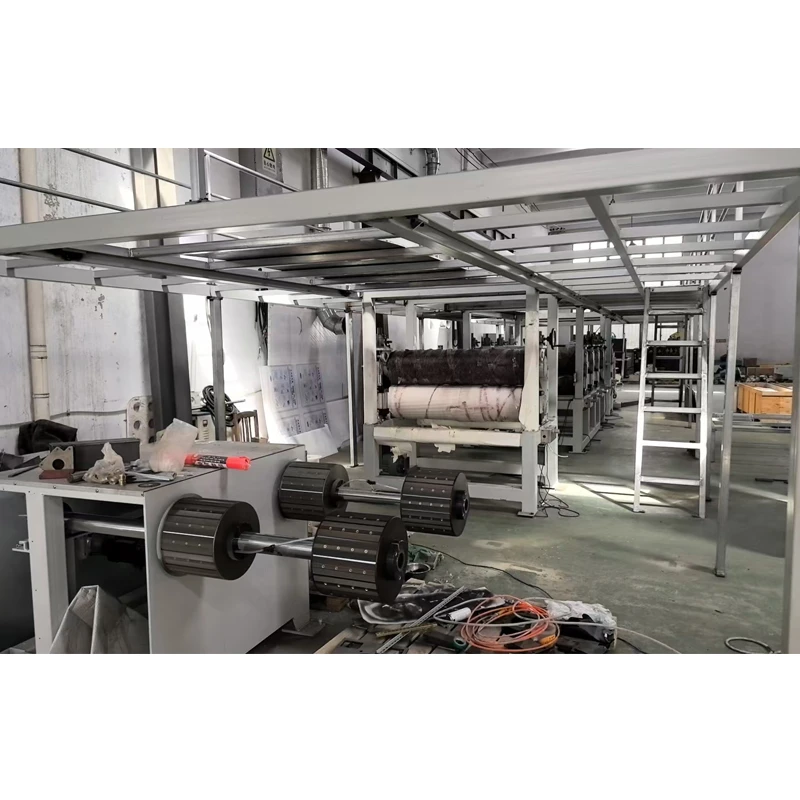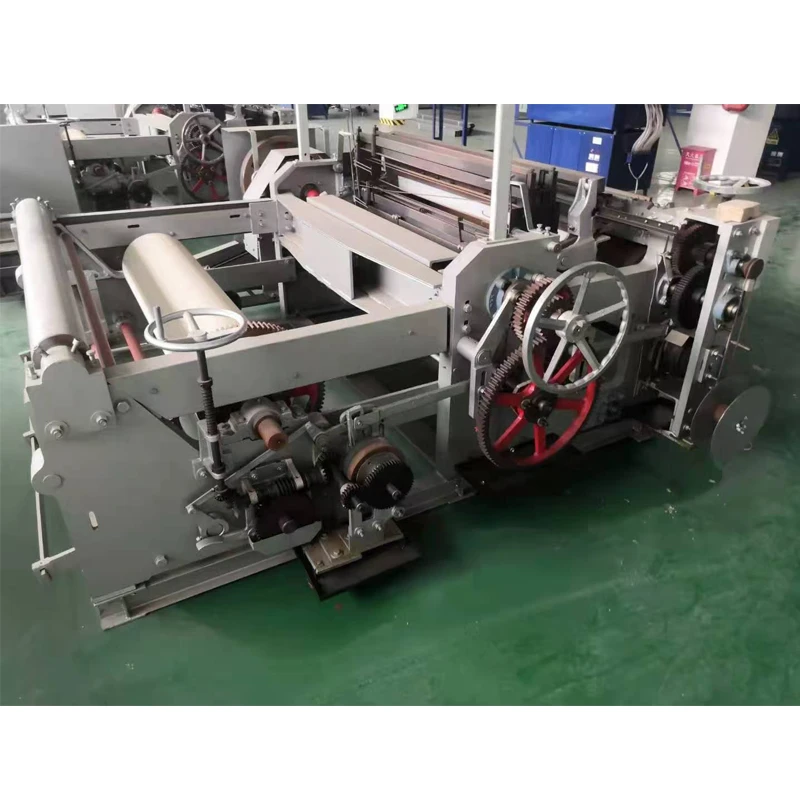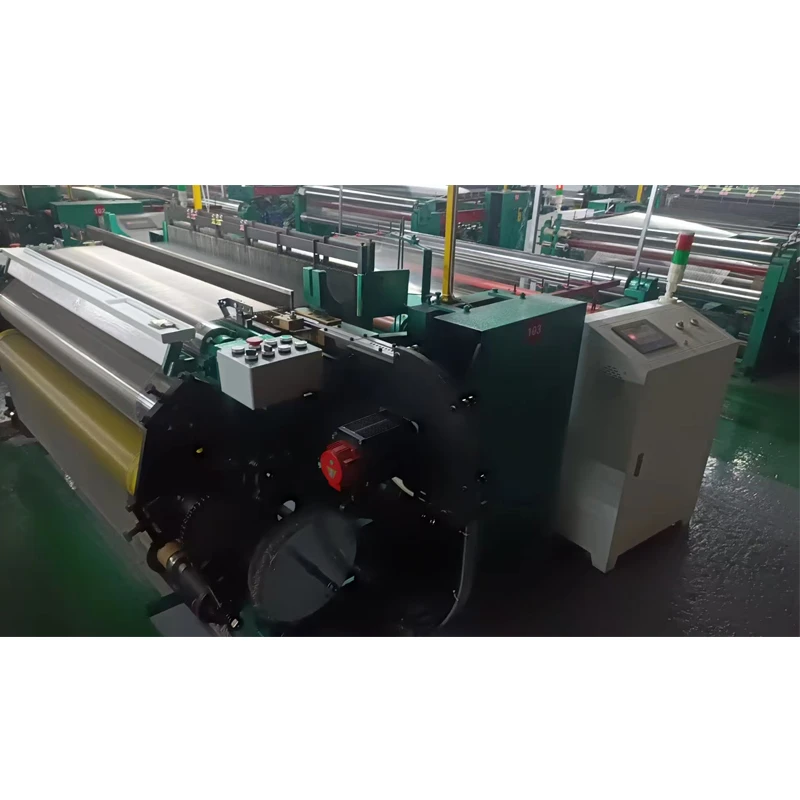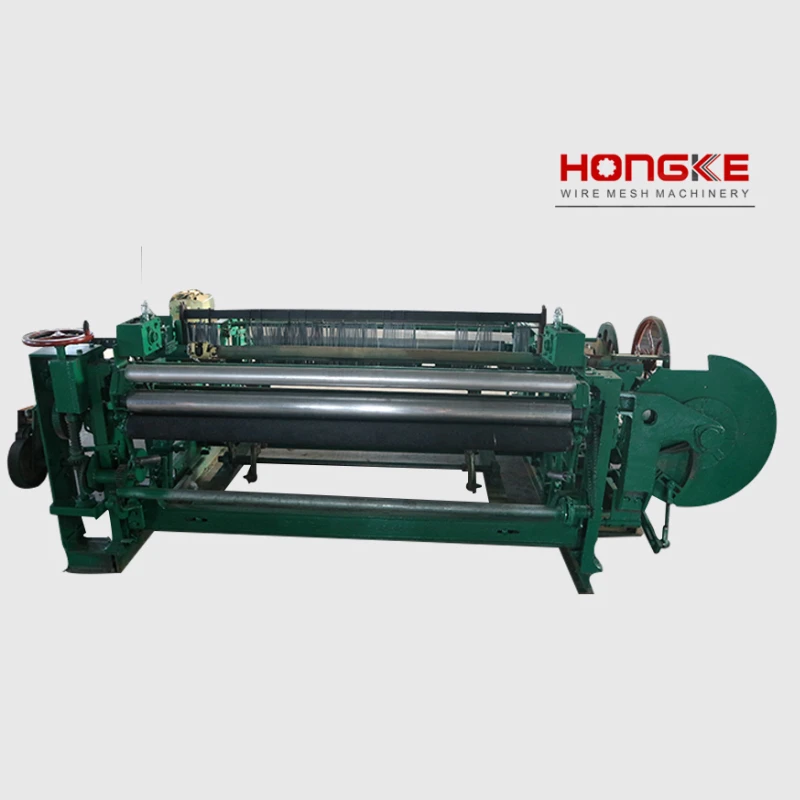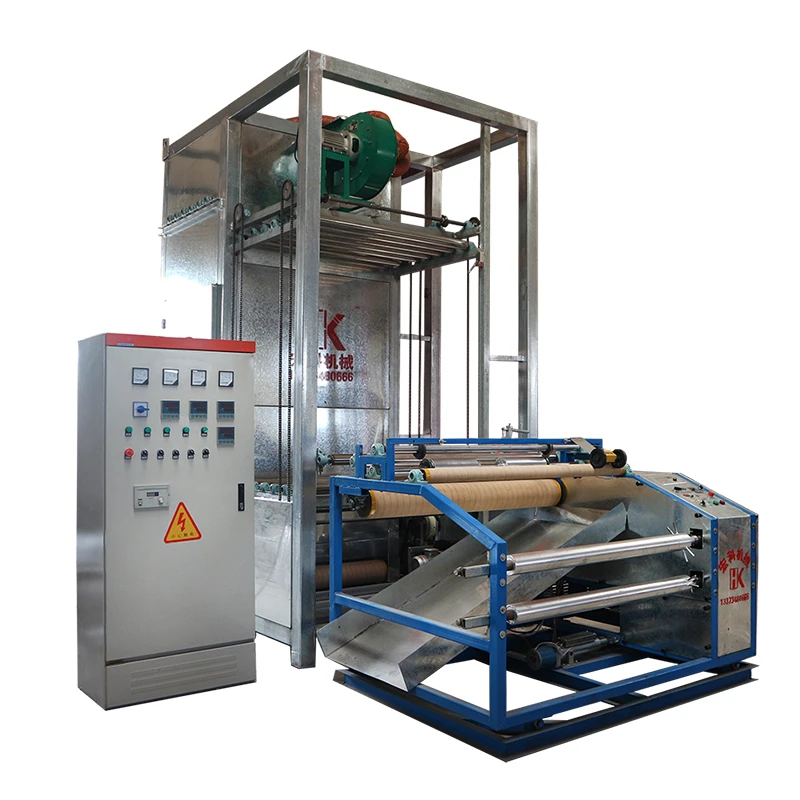



Weaver Machine is a key solution in the industry, specifically within textile manufacturing, industrial fabrics, and automated production lines. This article explores how https://www.aphkmachinery.com supports professionals with durable, high-performance products, and explains why this product is an ideal choice for businesses in these sectors.
Table of Contents
- Weaver Machine Overview
- Benefits & Use Cases of Weaver Machine
- Cost, Maintenance & User Experience
- Sustainability & Market Trends
Weaver Machine Overview
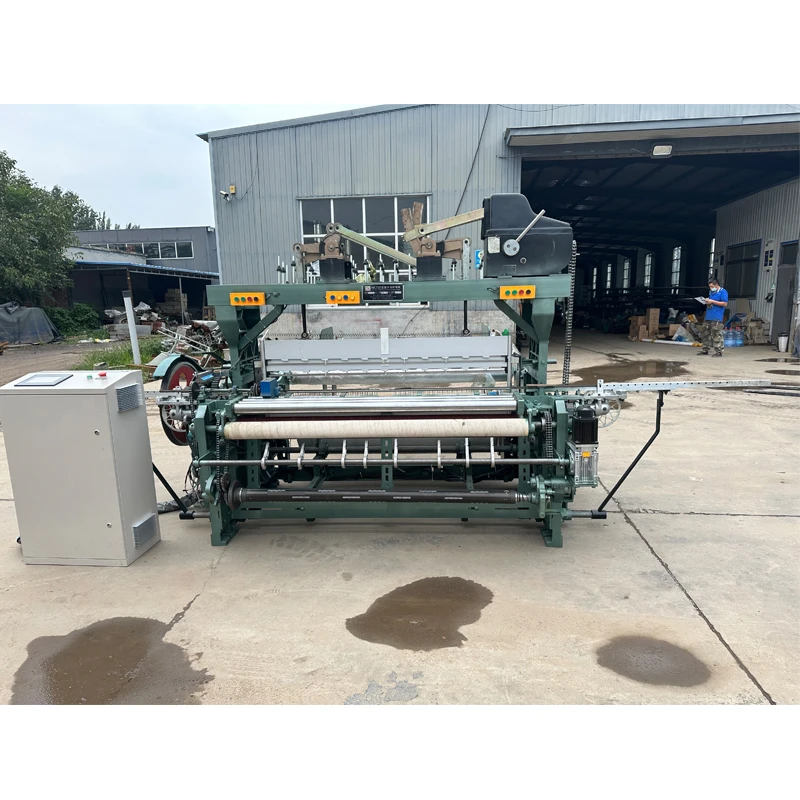
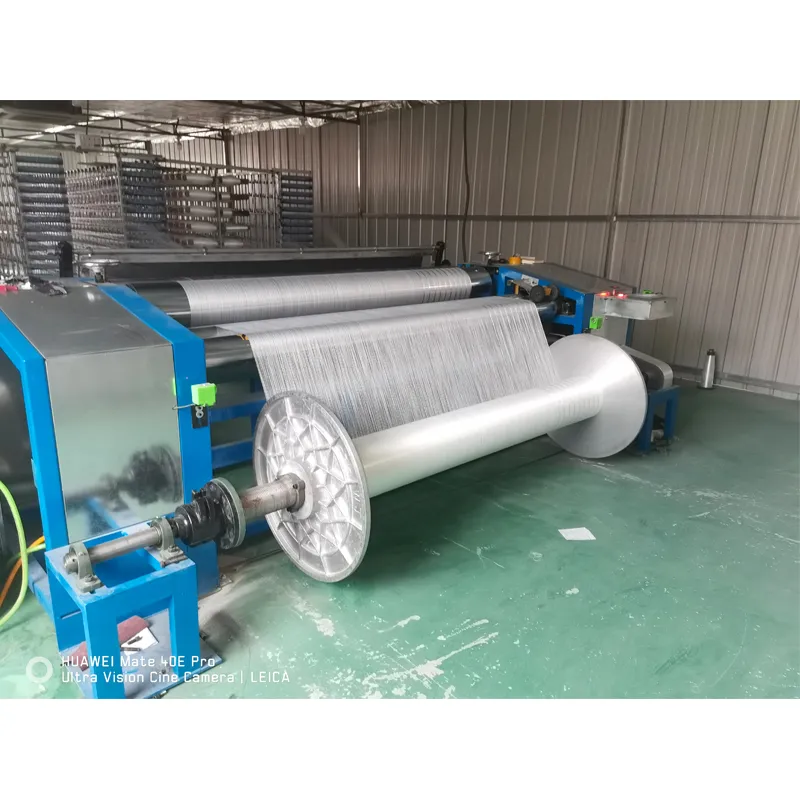
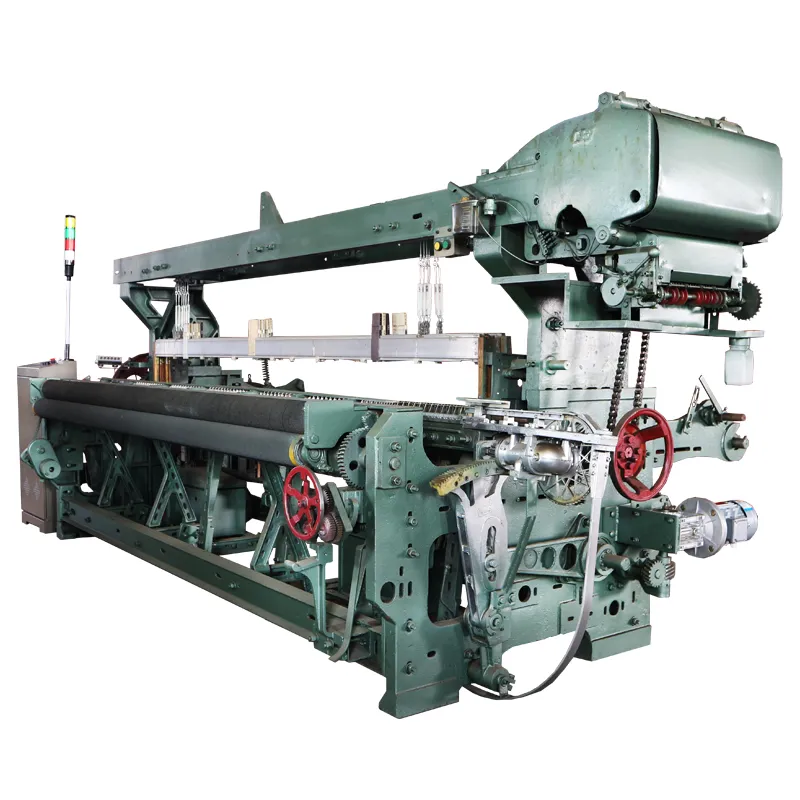
Frankly, the Weaver Machine is the unsung hero of modern textile and industrial fabric industries. It's essentially a sophisticated mechanical or electronic loom designed to interlace warp and weft threads precisely and efficiently. Now, you might wonder — isn’t weaving old school? Not quite. Weaver Machines offered by companies like APHK Machinery bring automation, reliability, and adaptability that traditional handlooms simply can't match. These machines handle complex weave patterns, high-speed operation, and large production volumes in relatively compact footprints. For a typical Weaver Machine, you’re looking at specifications that include shuttleless operation, micro-processor controls, and versatile yarn compatibility.
- Weaving width: 1.5 to 3.2 meters
- Speed: up to 1200 picks per minute
- Power consumption: approx. 5 to 8 kW depending on model
- Control: PLC based touchscreen interface
- Materials supported: cotton, polyester, nylon, blends
| Specification | Value |
|---|---|
| Max Weaving Width | 3.2 meters |
| Operating Speed | Up to 1200 picks/min |
| Energy Consumption | 5-8 kW |
| Control System | Touchscreen PLC |
| Supported Materials | Cotton, polyester, nylon, others |
Benefits & Use Cases of Weaver Machine
In real terms, what makes a Weaver Machine so valuable? Well, for starters, it’s the sheer efficiency and precision you get in fabric production. Industries ranging from automotive textiles to upholstery, from technical fabrics to home décor, rely on these machines to maintain tight tolerances and consistent quality. One thing I noticed chatting with factory engineers is how the adaptability to different yarn types and patterns sets these machines apart.
Features like automatic tension control, quick pattern change ability, and minimal setup times make the Weaver Machine a competitive edge. It reduces manual labor, which means fewer errors and faster turnaround. Also, the modular design of many models means you can expand or customize based on production needs — that’s a big plus when markets evolve or your product mix changes unexpectedly.
| Vendor | Speed (picks/min) | Control System | Price Range | Warranty (years) |
|---|---|---|---|---|
| APHK Machinery | Up to 1200 | PLC Touchscreen | $50,000 – $80,000 | 2 years |
| Vendor B | Up to 1000 | Basic PLC | $45,000 – $70,000 | 1 year |
| Vendor C | Up to 900 | Manual controls | $30,000 – $55,000 | 1 year |
Cost, Maintenance & User Experience
Of course, no machine is worthwhile if it doesn’t check out on cost and upkeep. Weaver Machines might feel like a significant upfront investment, but many decision-makers say the total cost of ownership is surprisingly reasonable. You get solid durability that keeps downtime low (no one likes stoppages mid-production, right?), and maintenance routines are fairly straightforward with components that are readily sourced.
Several clients highlighted that the ROI kicks in fast – the speed alone boosts output, and quality consistency lowers waste. APHK Machinery’s focus on user-friendly control interfaces means operators don’t need to be rocket scientists, but still have all the functional tools at their fingertips. That kind of access goes a long way in reducing human error and training costs. Plus, customer feedback often mentions the responsive service network as a subtle yet critical benefit.
Sustainability & Market Trends
Oddly enough, sustainability is starting to weave its way — pun intended — into machinery choice. With growing environmental regulations, businesses want equipment that minimizes waste and energy use while maximizing output. Weaver Machines, especially the newer models from market leaders like APHK Machinery, are designed with energy efficiency in mind, often featuring variable frequency drives and smart sensors that optimize power consumption.
Industry growth is solid, fueled by increasing demand for technical textiles that serve automotive, healthcare, and protective gear applications. Such applications require advanced weaving technology that can handle specialty yarns and strict quality standards. It's encouraging to see that providers like APHK are innovating to stay ahead in this market — sustainability included.
Frequently Asked Questions about Weaver Machine
- What is Weaver Machine and how does it work?
- It's essentially a machine designed to weave threads (warp and weft) into fabric. Modern Weaver Machines use computerized controls and advanced mechanical parts to automate this process, achieving fast, consistent fabric production.
- What are the main benefits of using Weaver Machine in industrial applications?
- Benefits include higher production speed, greater product consistency, reduced manual labor, flexibility in fabric designs, and better energy efficiency compared to traditional looms.
- How does Weaver Machine compare to traditional alternatives?
- Compared to handlooms or older shuttle looms, Weaver Machines offer vastly improved speed, reliability, and ease of use. They also handle complex weaving patterns more easily and require less operator skill.
- What industries can benefit most from Weaver Machine implementation?
- Key sectors are textiles for apparel, home furnishings, automotive fabrics, industrial technical textiles, and protective materials. Many businesses see success stories where quality and throughput increased substantially after adopting modern Weaver Machines.
Conclusion on Weaver Machine from china
To sum up, the Weaver Machine is a versatile, reliable, and increasingly sustainable technology that brings great value to production lines worldwide. If you’re weighing options, APHK Machinery’s offerings definitely warrant a closer look — they blend modern controls, robust engineering, and sensible pricing that’s hard to beat. For any B2B decision maker looking to invest in weaving technology, the information and products at https://www.aphkmachinery.com could be your next best step.
- Recap: Durable, efficient, and flexible weaving tech
- Visit our website: https://www.aphkmachinery.com
A quick reflection: in this fast-changing industrial landscape, investing in proven, adaptable technology like the Weaver Machine feels more like a necessity than a luxury. The balance of cost, performance, and sustainability is critical—and APHK Machinery seems to be paying attention.
References:
- Industry Textile Reports 2023 – Sustainable Practices in Fabric Production
- APHK Machinery Product Documentation 2023
- Textile Machinery Journal – Innovations in Automated Weaving