


Understanding the Weave Making Machine: A Veteran’s Take
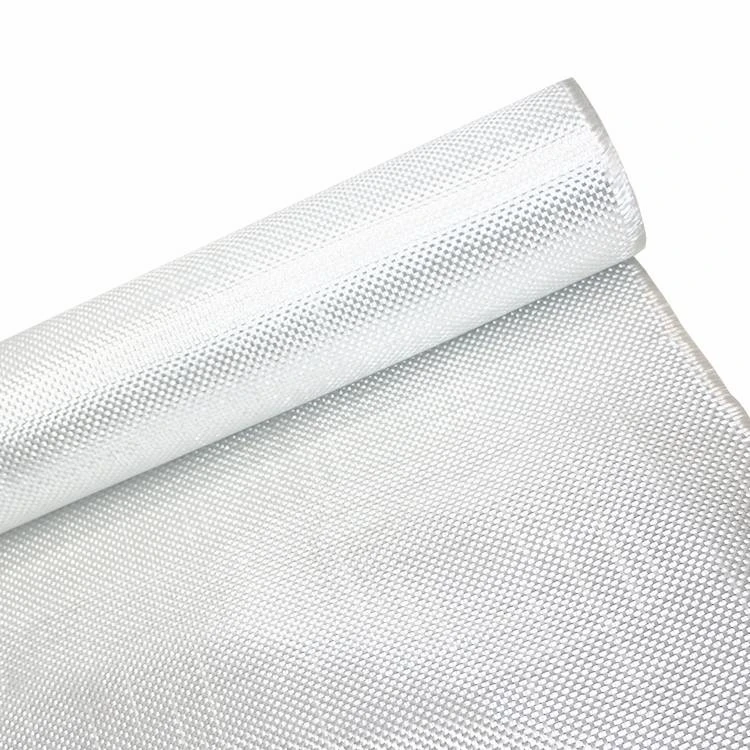
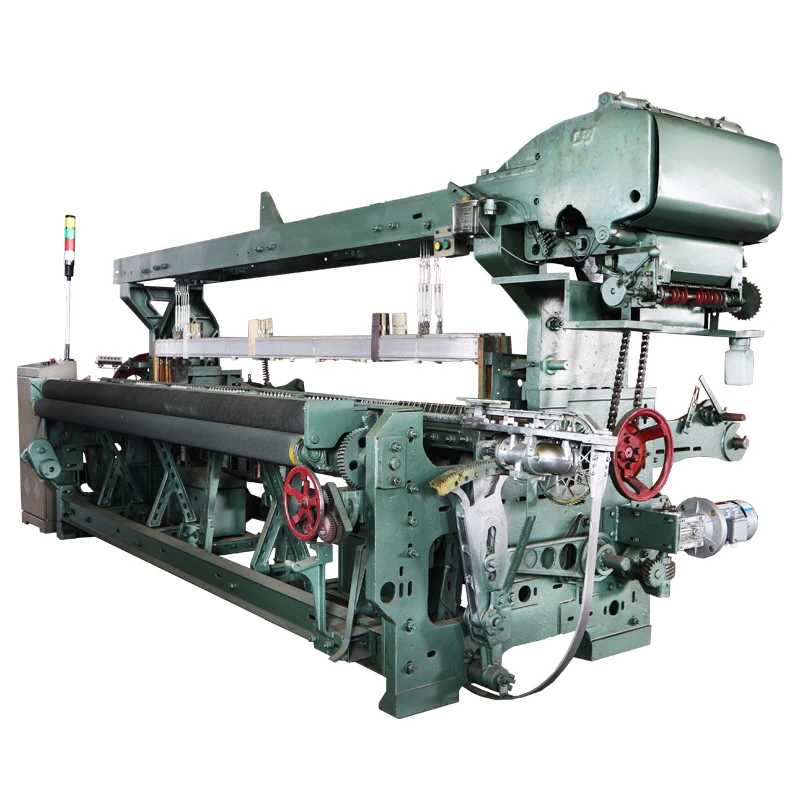
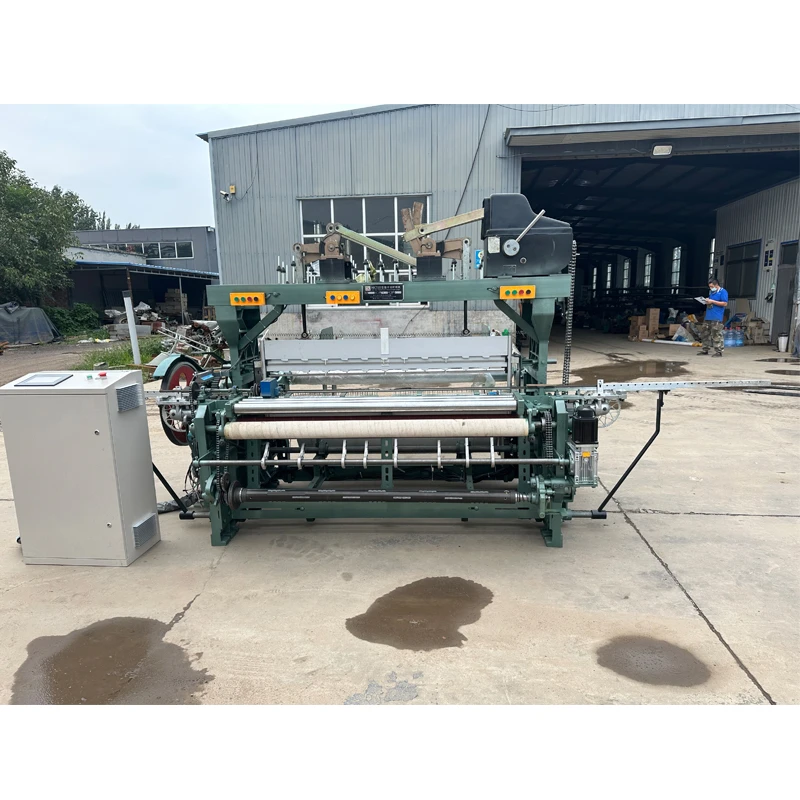
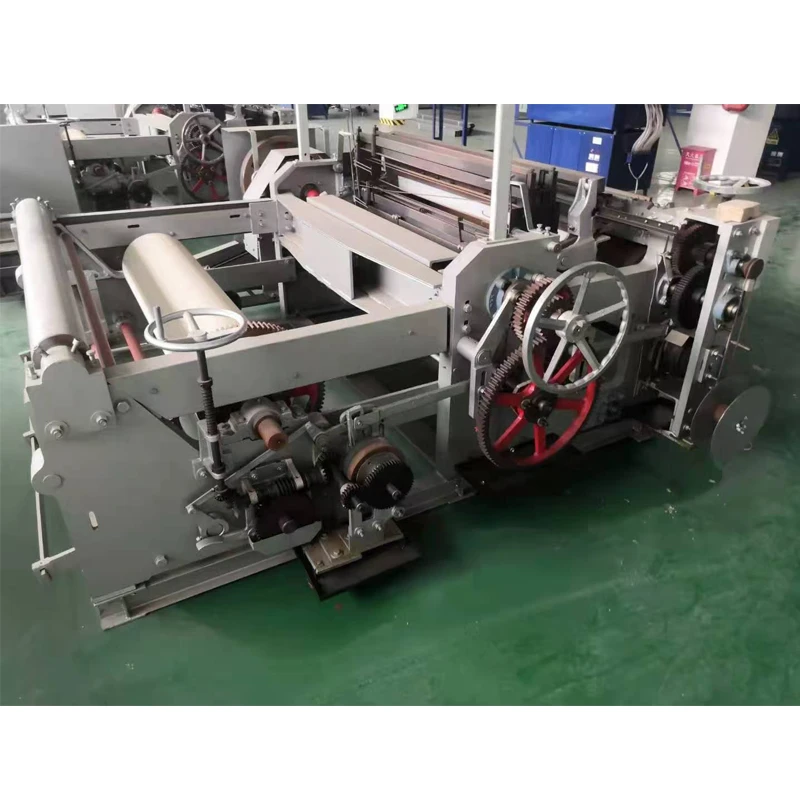
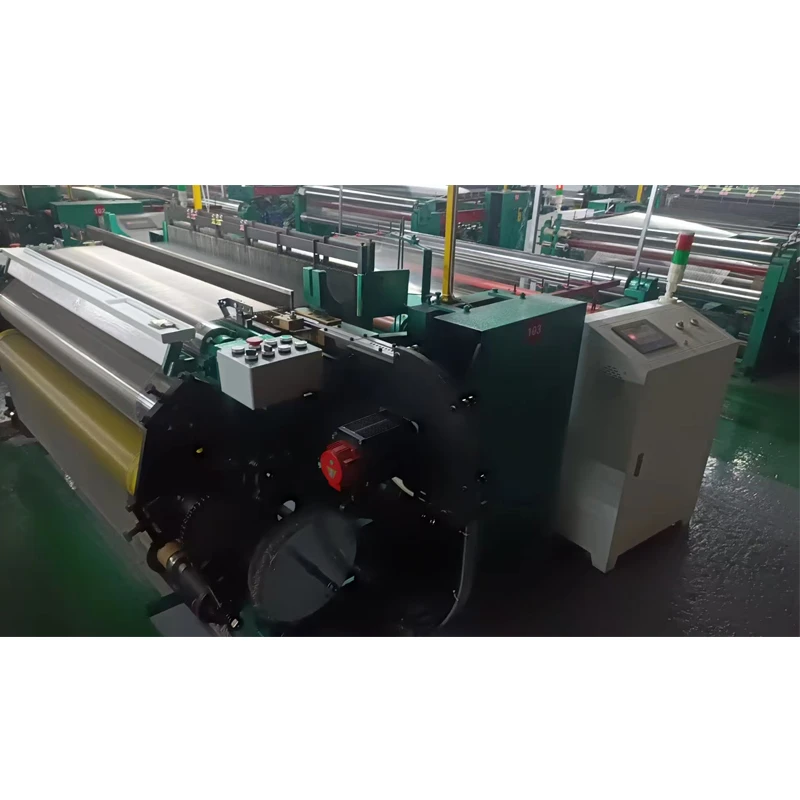
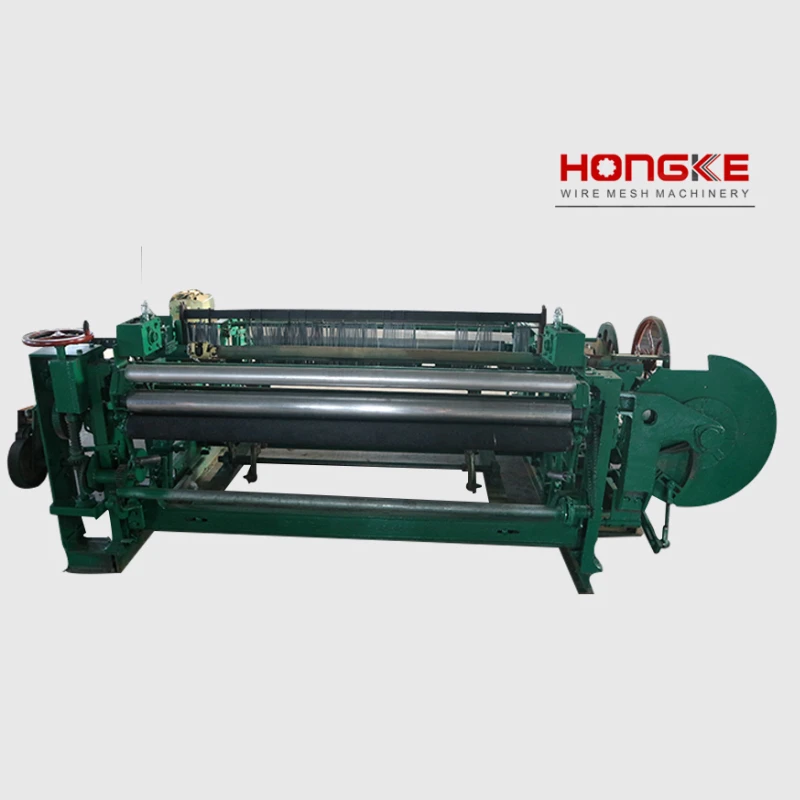
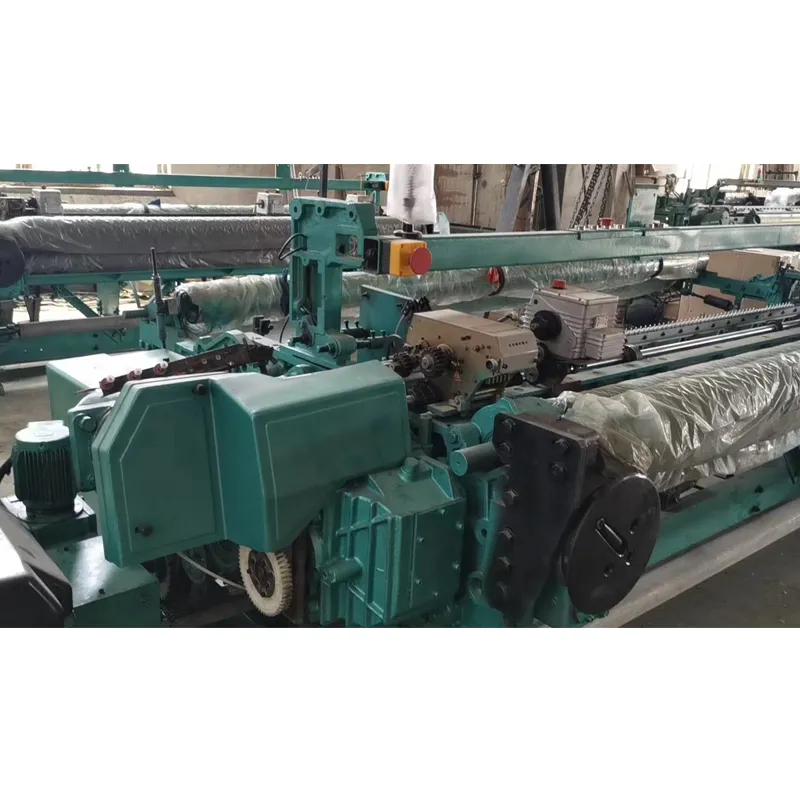
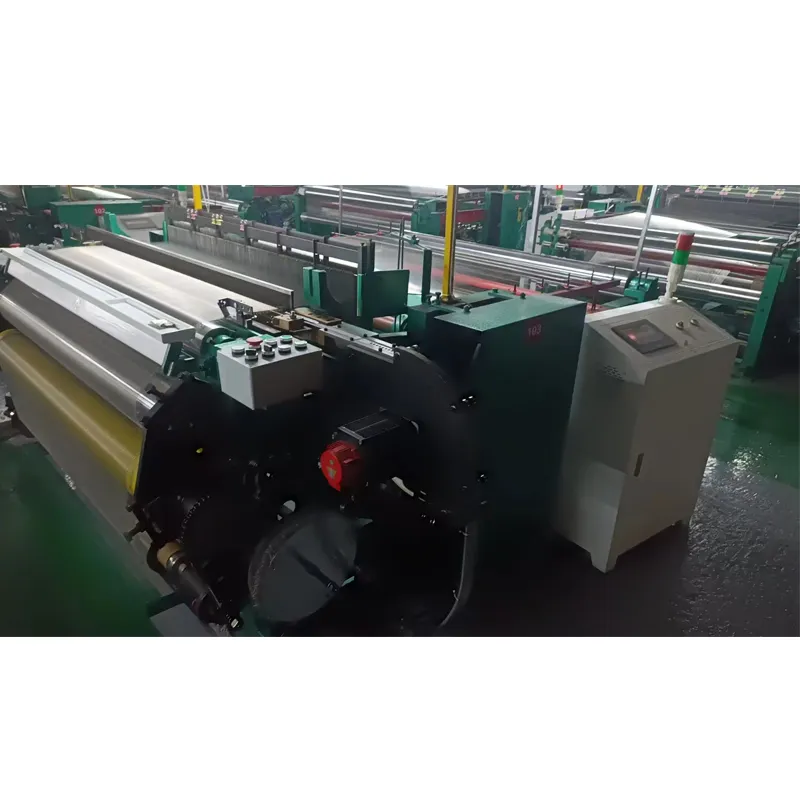
If you ever had the chance to step inside a textile factory, you’ve likely caught a glimpse of the mighty weave making machine in action. From the rhythmic hum to the rhythmic clatter of shuttle looms, these machines weave the backbone of countless fabrics we all take for granted. Frankly, having worked around these machines for years, I can say they’re not just complex pieces of equipment but fascinating marvels of industrial design and precision engineering.
The industrial sector often overlooks just how critical the design of a weave making machine is. You want reliability and adaptability. For instance, whether you’re producing dense industrial fabrics or delicate fashion textiles, your machine must accommodate diverse yarn types and tension settings without fuss.
Oddly enough, what always stuck with me was the delicate dance between speed and accuracy. Push a machine too fast and you risk defects, slow it down too much and the production bottlenecks. The best machines, in my experience, find a balance — thanks to smart servo motors and precision rollers.
| Specification | Details |
|---|---|
| Machine Type | Electronic Jacquard Loom |
| Max Weave Width | 3200 mm |
| Speed Range | Up to 400 picks per minute |
| Yarn Types Supported | Cotton, Polyester, Wool, Nylon |
| Control System | PLC with Touchscreen Interface |
| Power Consumption | Approx. 5.5 kW |
| Weight | ~1500 kg |
Many engineers I’ve worked with emphasize how crucial customization options are. Changing patterns on the fly, adjusting tension, or switching yarn types can spell the difference between meeting tight client deadlines or falling behind. That’s why machines with modular components and advanced software controls have become industry favorites.
It’s also worth noting the rugged build quality that withstands long operational hours and harsh factory environments. One memorable project I was part of aimed at retrofitting older weaving machines to extend lifespan without compromising output, and the results were eye-opening. A little engineering, when applied wisely, solves a lot of costly downtime issues.
| Feature | APHK Machinery | Competitor A | Competitor B |
|---|---|---|---|
| Max Speed | 400 picks/min | 350 picks/min | 380 picks/min |
| Customization | Wide modular options | Limited presets | Basic adjustments |
| Control Interface | Full-color touchscreen | Monochrome LCD | Physical buttons |
| Energy Efficiency | Low power consumption | Moderate | Less efficient |
| Price Range | $$$ (mid-high) | $$ (mid) | $ (budget) |
Before I forget, one of the more humbling experiences I had was assisting a mid-sized textile factory deal with a stubborn threading issue. The APHK weave making machine made the difference, mostly because it had better diagnostics and easier warp tension adjustment than what they previously used. Sometimes, it’s the small technical edge that saves hours of troubleshooting.
To sum this up: if you're on the market for a dependable, flexible weave making machine with a solid support system behind it, it’s really worth looking into manufacturers like APHK. Their blend of durability, modernization, and production efficiency reflects what many years in the field have taught me to value most.
— Just a few thoughts from someone who's seen looms twist yarns and time alike.
References:
- Industrial Weaving Solutions Journal, 2021 Edition
- Textile Machinery World Magazine, “Trends in Automated Control,” 2022
- Interview notes with APHK Machinery technicians, 2023