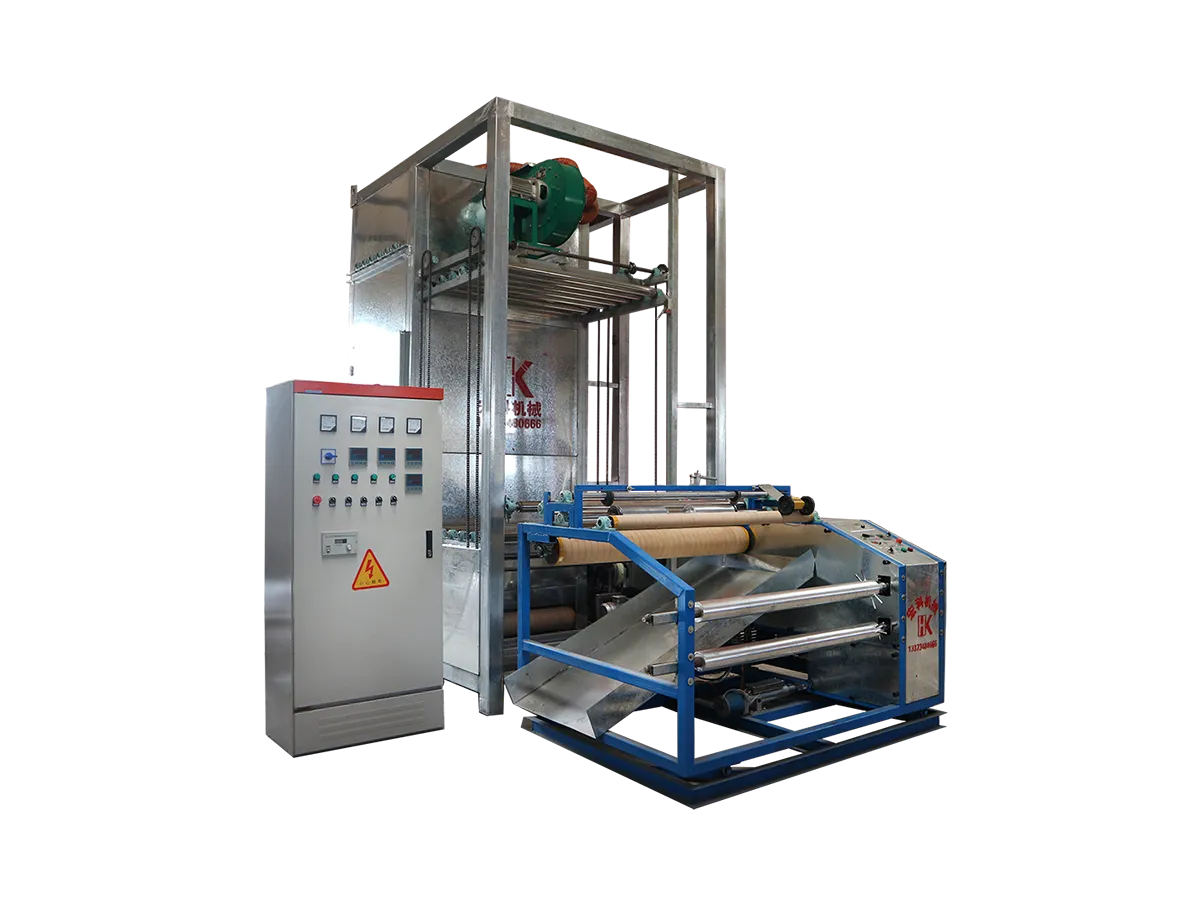



Weave Machine: The Heart of Modern Textile Production
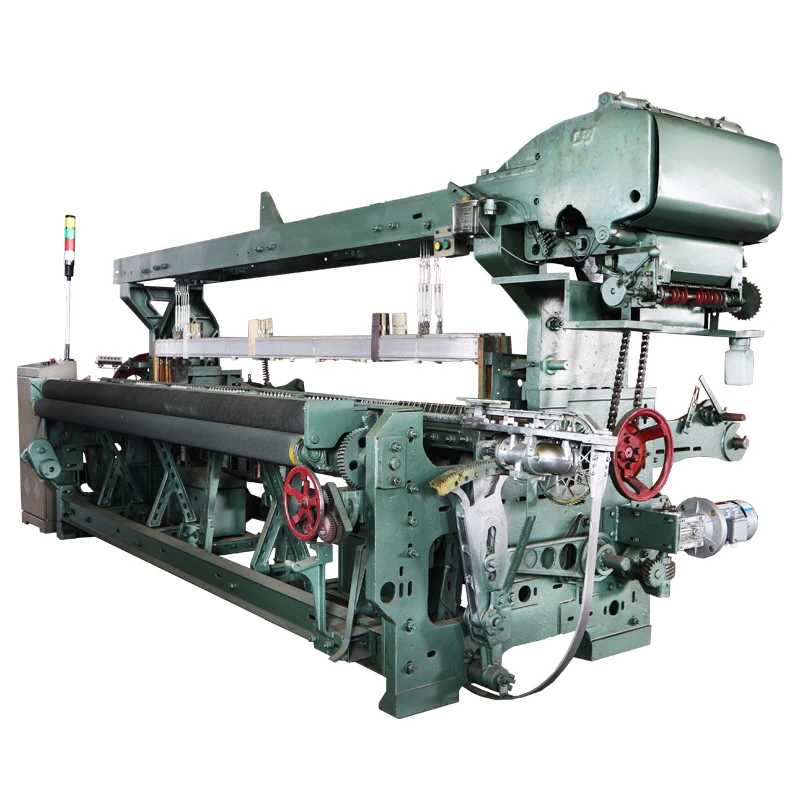
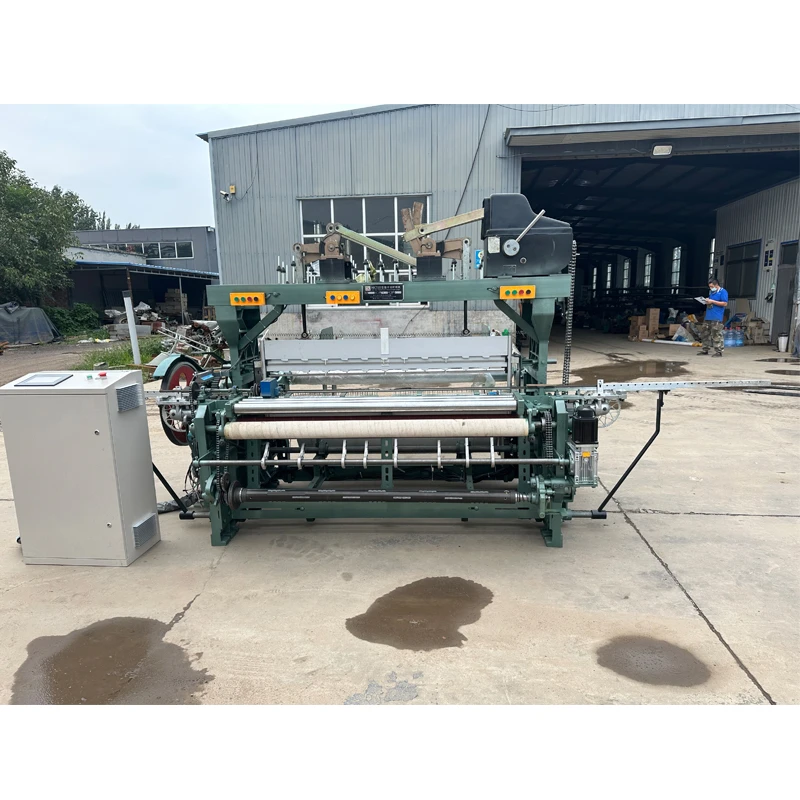
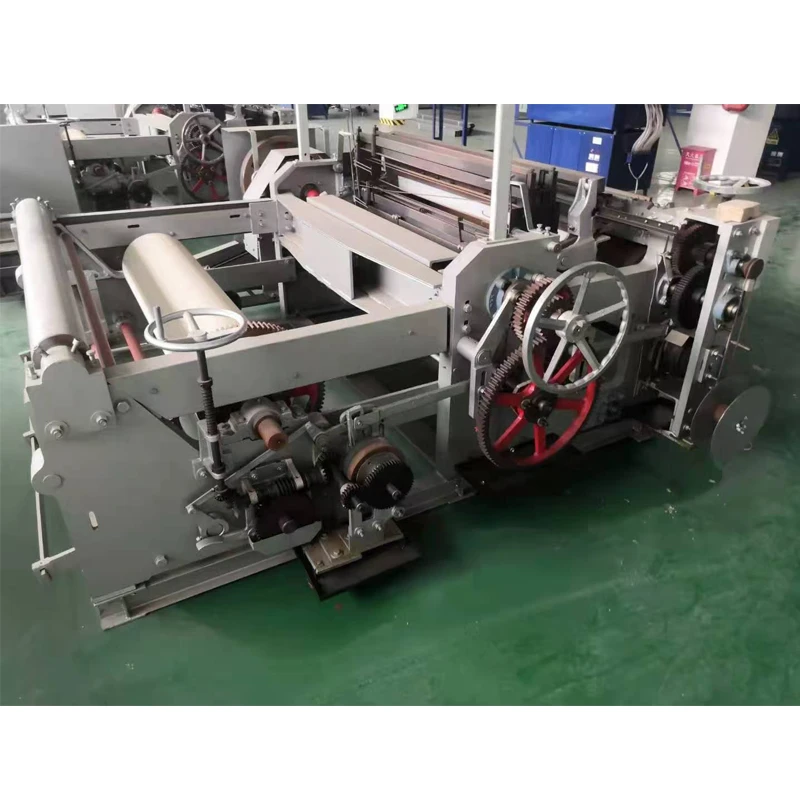
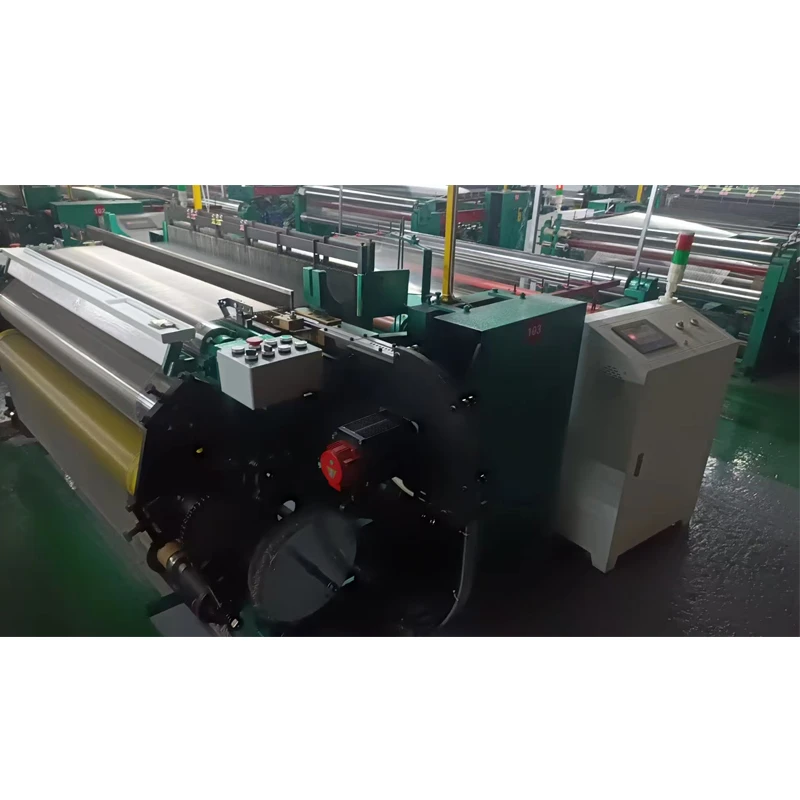
If you've ever peeked behind the scenes of a textile factory, you’d know that the weave machine is truly where the magic happens. Having spent well over a decade working with industrial equipment — yes, including quite a few weaving systems — I can tell you it’s a fascinating blend of precision, tradition, and innovation all rolled into one chunky but elegant beast.
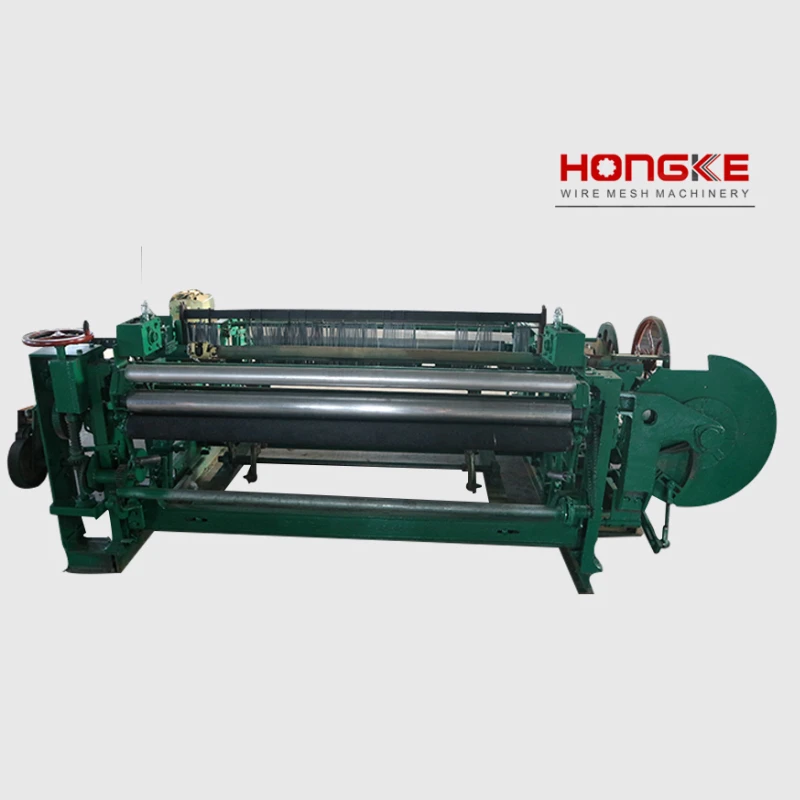
Now, weaving is a craft that dates back thousands of years, yet today's machines have evolved dramatically. Modern weave machines are engineered for exceptional speed and accuracy, balancing durability with adaptability. You get this oddly satisfying rhythm as the loom interlaces warp and weft threads, almost like a mechanical heartbeat humming through the factory floor.
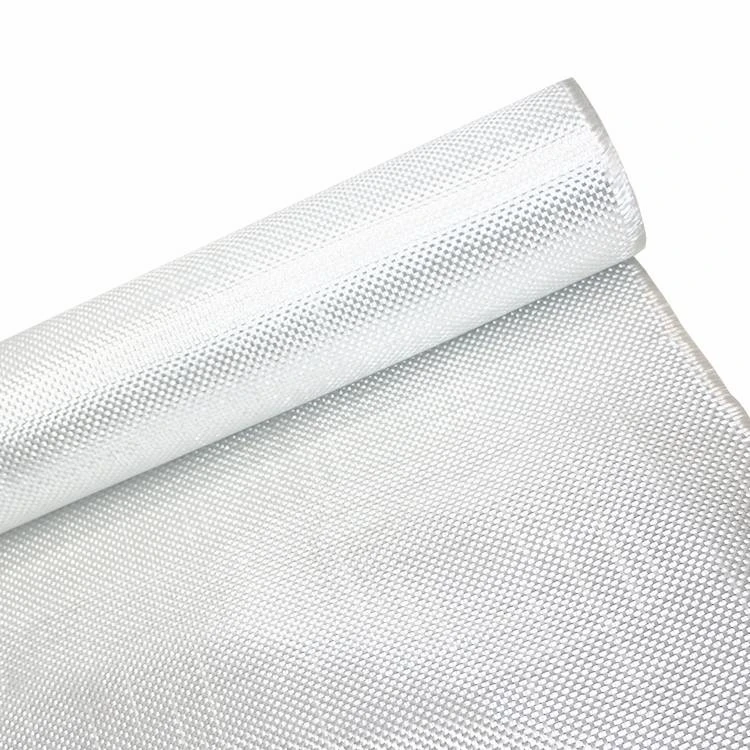
Frankly, I suppose what always surprises newcomers is how much customization goes into these machines. Depending on the fabric type — whether it's denim, silk, or technical textiles used for automotive interiors — the machine may need tweaks to tension controls, shuttle types, or even the controlling software for electronic looms.
Key Specifications of a Typical Industrial Weave Machine
| Specification | Details |
|---|---|
| Weaving Width | Up to 220 cm (approx. 87 in) |
| Max Speed | 1200 picks per minute |
| Power Consumption | 5–7 kW depending on model |
| Control System | PLC with touchscreen interface |
| Weight | About 1500 kg (depending on configuration) |
| Material Compatibility | Natural & synthetic fibers |
Now, to be honest, there’s more to selecting a weave machine than just specs on paper. You really want a vendor that stands behind their product with solid after-sales support, spare parts availability, and software upgrades. I recall a client who once went for a cheaper alternative — and, well, downtime shot through the roof. Lessons learned the hard way.
Weave Machine Vendor Comparison
| Vendor | Machine Type | Support & Parts | Price Range | Notable Feature |
|---|---|---|---|---|
| APHK Machinery | Rapier & Air-Jet | Excellent, worldwide network | Mid-to-high | Customizable electronic controls |
| Vendor B | Air-Jet | Good, regional focus | High | Energy-efficient motors |
| Vendor C | Projectile | Average, limited parts stock | Low-to-mid | Simpler mechanical design |
One anecdote I like sharing is how one weaving plant incorporated APHK’s machines into their workflow and instantly noticed a cut in waste. Apparently, the precise tension controls meant fewer thread breakages, which in real terms translates to less downtime and better fabric quality. It’s these nuanced improvements that stack up over time and keep competitive mills thriving.
Of course, maintenance is key. I always tell folks not to overlook the importance of regular servicing — even the slickest electronics and strongest frames wear down. Listen, weave machines might look intimidating, but when cared for properly, they can stay productive for decades. And honestly, that’s something worth investing in.
So, whether you’re an industrial buyer, plant manager, or just a textile geek like me, knowing the quirks and strengths of a weave machine helps you make savvy decisions. Plus, it never hurts to have a good vendor relationship — you know, someone who’s responsive when a technical hiccup emerges.
After all, it's the combination of machine, maintenance, and human expertise that keeps the looms running and fabrics coming off bright and flawless on the other side.
References & Further Reading
- Krishna, P. "Industrial Weaving Technology." Textile World Publications, 2019.
- Weaving Equipment Manufacturers Association. Annual Report, 2023.
- Aphk Machinery Product Brochure, 2024 edition.