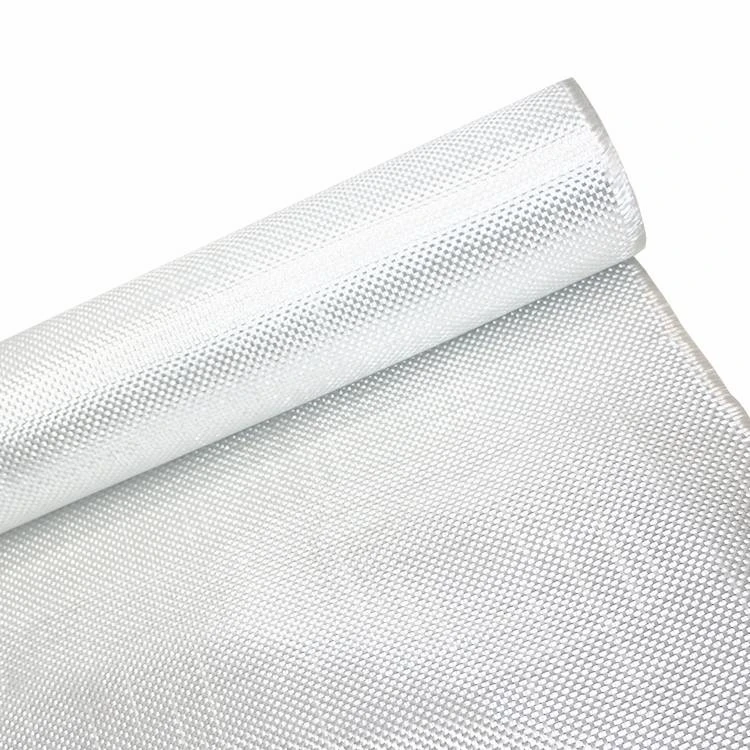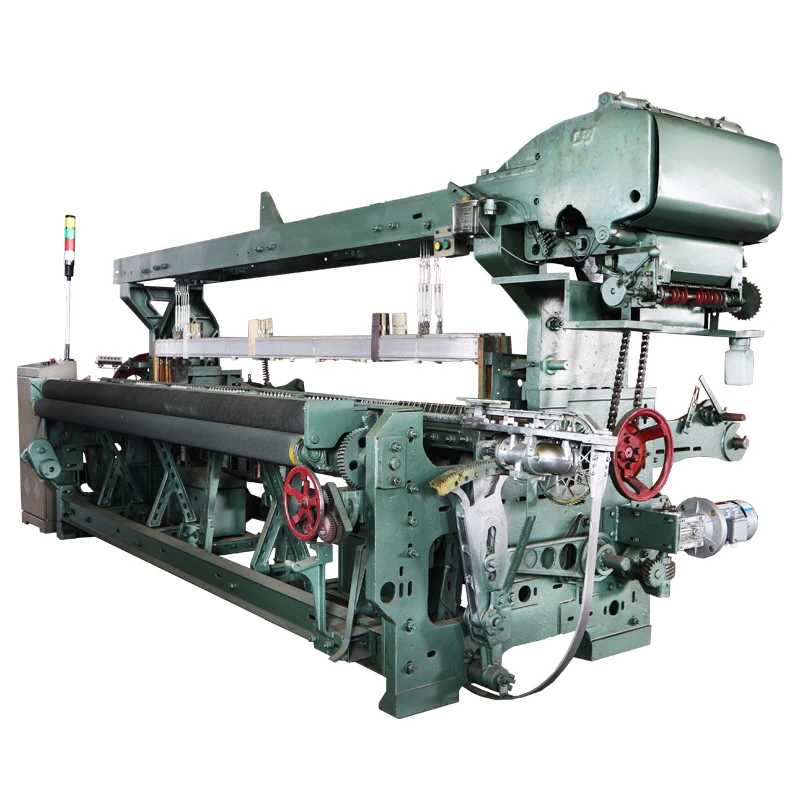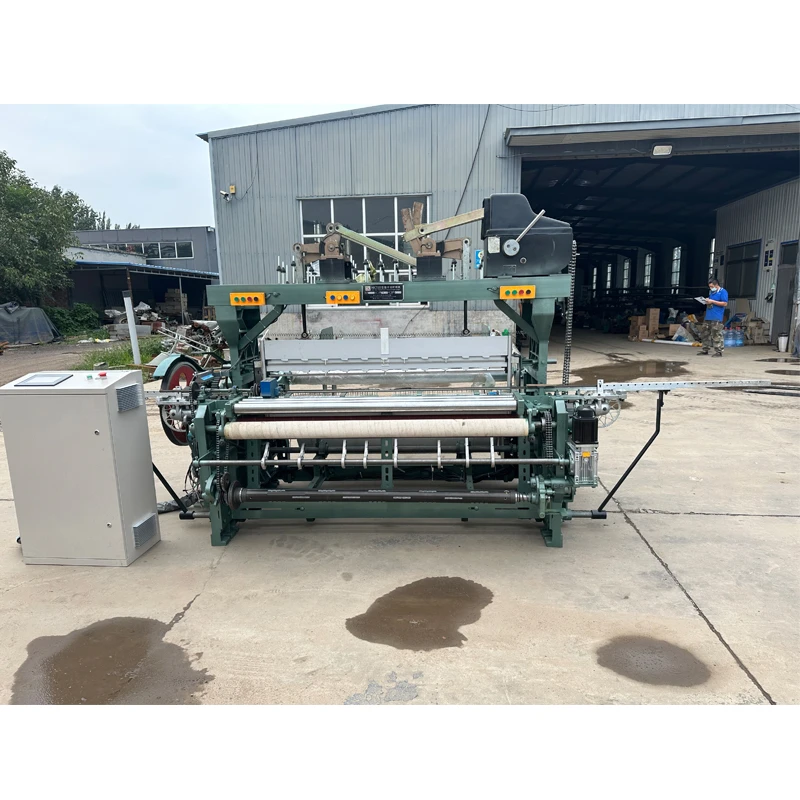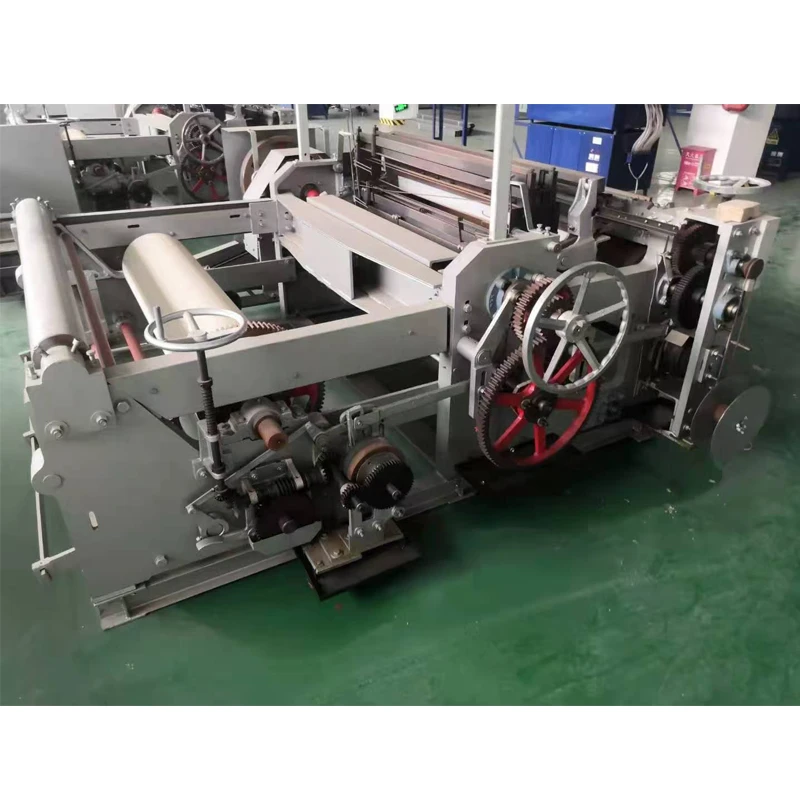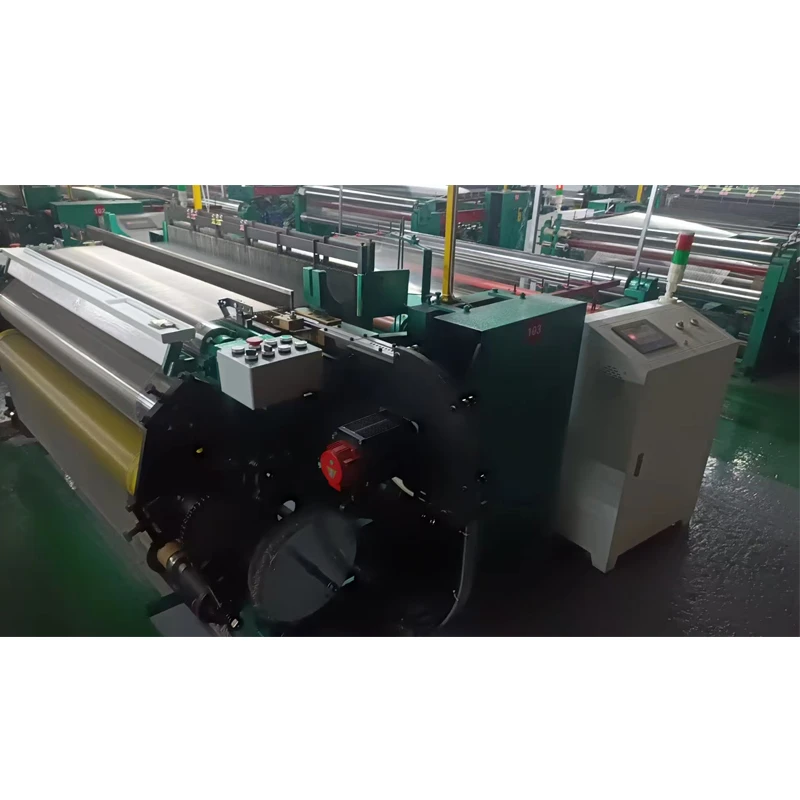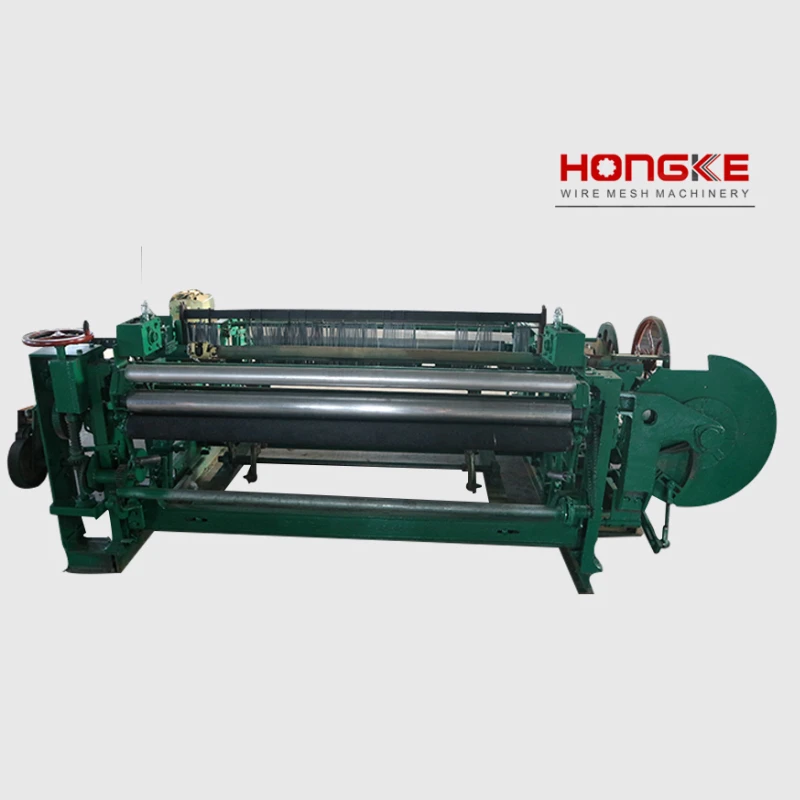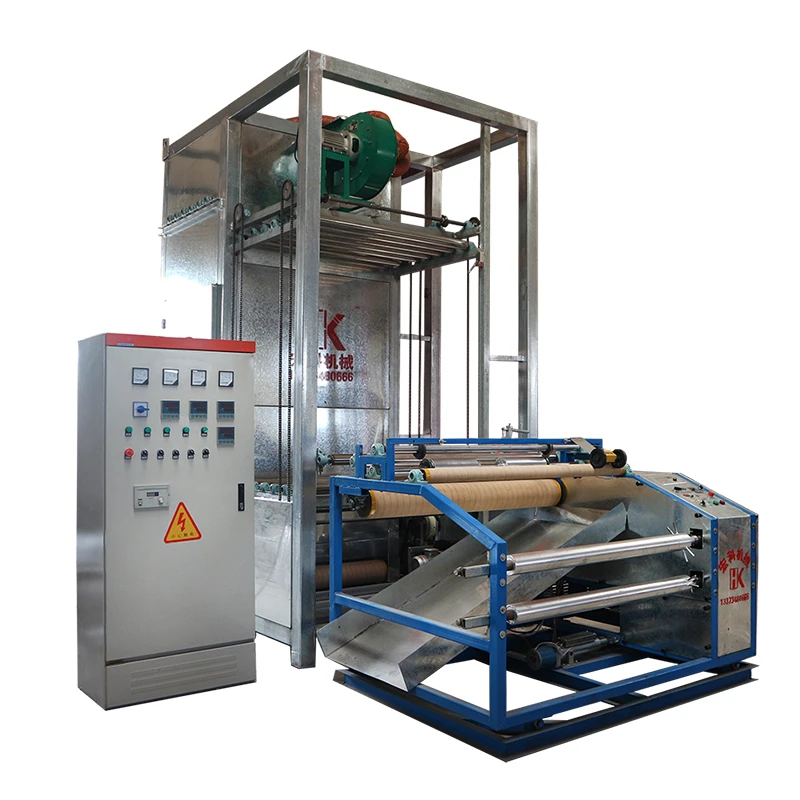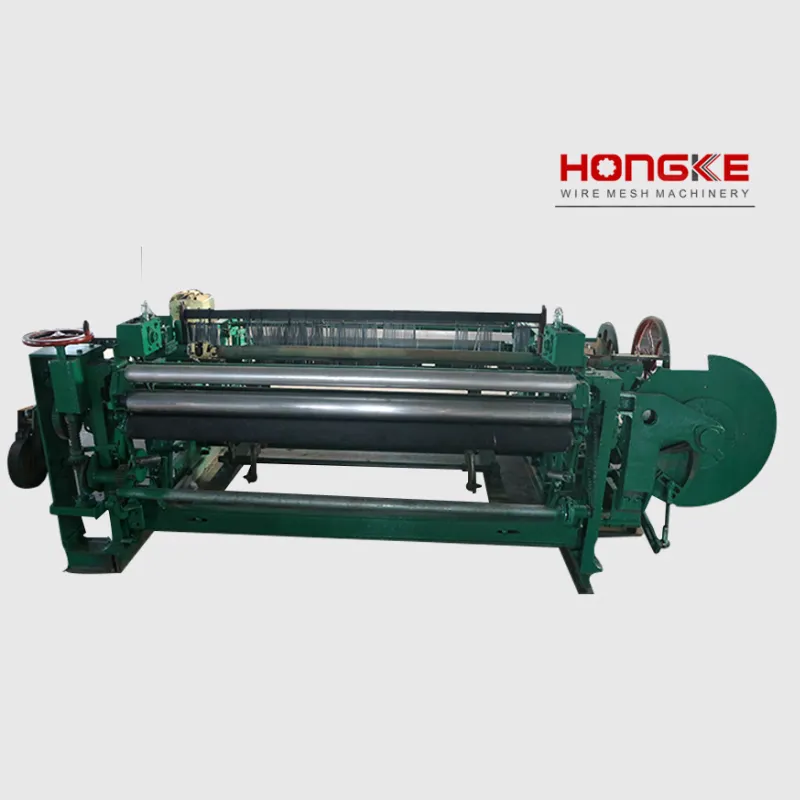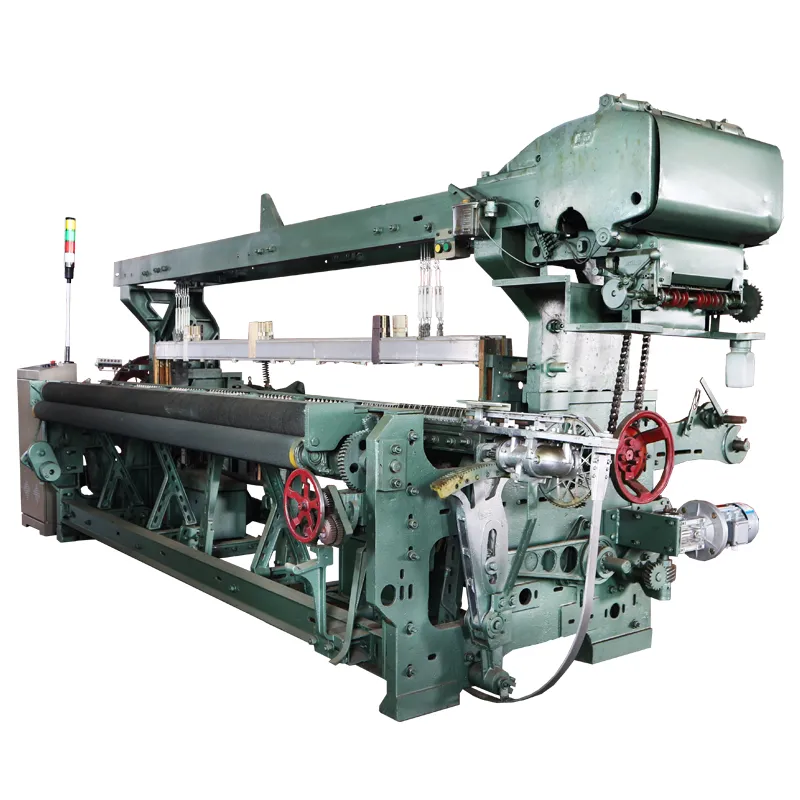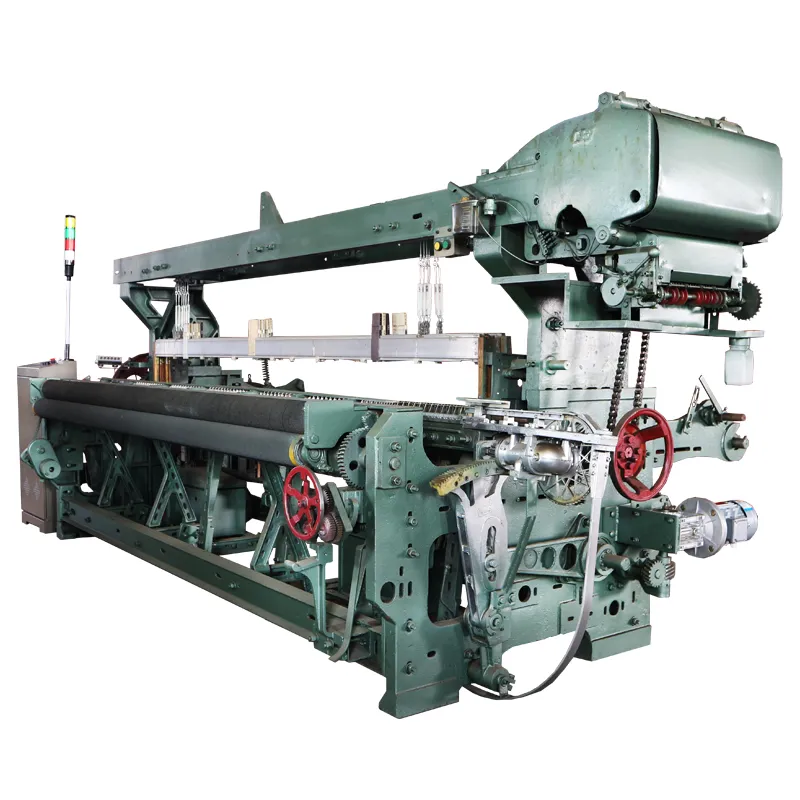



Rapier Loom Price is a key solution in the industry, specifically within textile manufacturing sectors. This article explores how APHK Machinery supports professionals with durable, high-performance products, and explains why this product is an ideal choice for businesses in these sectors.
Table of Contents
- Rapier Loom Price Overview
- Benefits & Use Cases of Rapier Loom Price
- Cost, Maintenance & User Experience
- Sustainability & Market Trends
Rapier Loom Price Overview
If you’re in textile manufacturing, you’ve likely grappled with equipment choices that balance cost with capability. The Rapier Loom, well known for its precision and versatility, represents a significant upgrade from older weaving technologies. But, frankly, when it comes to the Rapier Loom Price, it’s a blend of affordability and advanced tech that makes it stand out. This piece of gear uses a rapier—basically a slender shaft—to insert weft yarns across the warp, allowing complex fabric constructions at impressive speeds.
Technically speaking, these looms often support speeds up to 400 picks per minute, depending on model and material. The precise weft insertion supports a greater variety of yarns, from delicate silks to rugged industrial threads, with minimal waste during production. I’ve seen specs ranging across APHK’s popular models that cater to widths from about 1.5 meters up to 3 meters—useful for everything from apparel to heavy-duty industrial fabric weaving.
| Specification | Details |
|---|---|
| Max Weaving Speed | Up to 400 picks/min |
| Weaving Width | 1.5m - 3.0m |
| Yarn Types Supported | Cotton, Silk, Synthetic, Industrial fibers |
| Drive System | Servo motor control |
Benefits & Use Cases of Rapier Loom Price
Industries from fashion textiles to technical fabrics swear by rapier looms for good reason. What’s fascinating is how this technology manages to weld efficiency and flexibility in one device. For example, producers of denim and upholstery fabrics find that rapier looms handle heavy yarns gracefully without sacrificing speed. You can even weave mixed yarn compositions—maybe a polyester blend alongside cotton floss—in the same run, which boosts the output for manufacturers who juggle multiple uses.
APHK Machinery’s rapier looms, in particular, come with handy features like user-friendly control panels, quick-change weft systems, and smart diagnostics for downtime prevention—a real bonus to factories where every minute counts. It’s no surprise many in the industry cite these looms’ superior fabric quality and reduced material waste as strong competitive edges. Oddly enough, the maintenance teams often mention how the modular design makes repair and part replacements less of a headache.
Cost, Maintenance & User Experience
Weaving machinery isn't just about upfront costs — it’s the full picture of lifecycle expenses, downtime, and output quality that matters. When discussing Rapier Loom Price, it’s tempting to focus on the sticker, but APHK’s clients report that the durability and relatively low power consumption balance the initial investment remarkably well. You might say it’s an investment with a pleasant ROI curve. The heavy build quality, paired with efficient energy use, means that these looms can easily run 16+ hours a day in busy factories without major repairs.
Plus, customers frequently share that once their teams get past the (fairly intuitive) learning curve, the control systems make operations smooth and even enjoyable—oddly enough, this reduces operator errors and fabric defects, which nobody complains about. The company’s local spare parts distribution and support network also get a thumbs-up, which is crucial when uptime directly affects revenue.
| Vendor | Average Price Range (USD) | Support & Service | Energy Efficiency |
|---|---|---|---|
| APHK Machinery | $20,000 - $35,000 | Excellent, 24/7 support | High (Servo motor-driven) |
| Vendor B | $18,000 - $30,000 | Moderate, business hours | Moderate |
| Vendor C | $22,000 - $40,000 | Good, with onsite visits | High |
Sustainability & Market Trends
Sustainability has nudged its way front and center in textile machinery discussions. It’s not just a buzzword — compliance with emerging regulations on energy use and waste reduction is increasingly non-negotiable. Rapier looms, with their precision insertion and minimal yarn breakage, inherently reduce waste, which is great news for manufacturers looking to trim their carbon footprint. The trend toward digitalization also means these machines can be integrated with monitoring systems to optimize energy consumption in real time.
Industry reports suggest that demand for rapier weaving machinery is poised for steady growth, especially in regions pivoting toward advanced textile production rather than low-cost mass. So there’s a kind of “premium product” positioning happening here—those who choose these machines often enjoy not only quality advantages but future-proofing against tougher regulations.
Frequently Asked Questions about Rapier Loom Price
- What is Rapier Loom Price and how does it work?
- The Rapier Loom Price refers to the cost of rapier loom machines, a type of weaving equipment where a rapier (a thin, needle-like arm) carries weft yarn through the warp yarns. This allows faster, more precise weaving on a range of fabric types. It’s valued for versatility and output speed.
- What are the main benefits of using Rapier Loom Price in industrial applications?
- Key benefits include versatility across yarn types, high production speeds, reduced fabric defects, and relatively low energy consumption. These looms typically also require less maintenance than older models.
- How does Rapier Loom Price compare to traditional alternatives?
- Compared with shuttle looms or projectile looms, rapier looms offer greater precision, less yarn waste, ability to handle diverse yarns, and higher speed. While upfront investment might be higher, long-term efficiency gains often compensate.
- What industries can benefit most from Rapier Loom Price implementation?
- Primarily, garment manufacturing, technical textiles, upholstery, and industrial fabrics benefit from rapier looms due to their versatility and quality output. Some customers have successfully used these machines for specialty fabrics and mixed-fiber materials.
Conclusion on Rapier Loom Price from china
The Rapier Loom Price strikes a solid balance between upfront affordability and long-term value. Its features and adaptability to various textile sectors make it a durable choice for businesses steering toward efficiency and sustainability. APHK Machinery’s offerings stand out with solid customer backing and robust support.
- Rapier looms ensure higher efficiency and versatile fabric production.
- Sustainability and energy saving are embedded in modern designs.
- Visit our website: https://www.aphkmachinery.com
In real-terms, investing in a rapier loom from a trusted supplier like APHK isn’t just buying a machine—it's stepping into a more reliable, sustainable future for textile manufacturing.
References:
1. Textile World, "Weaving Technologies in 2023"
2. APHK Machinery Product Manual 2024
3. Industry Analysts Report, "Sustainability in Textile Machinery"