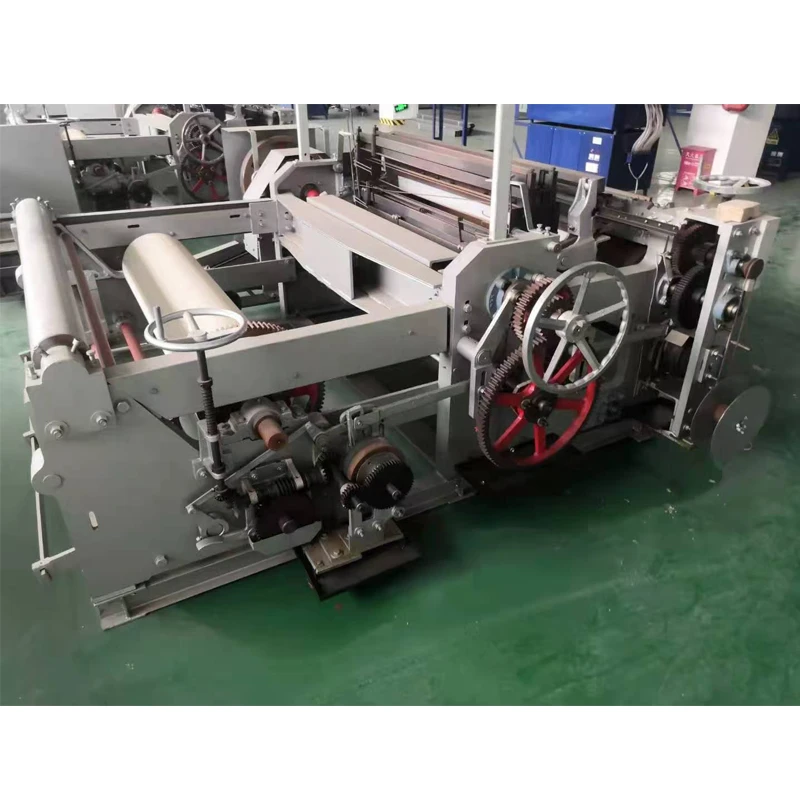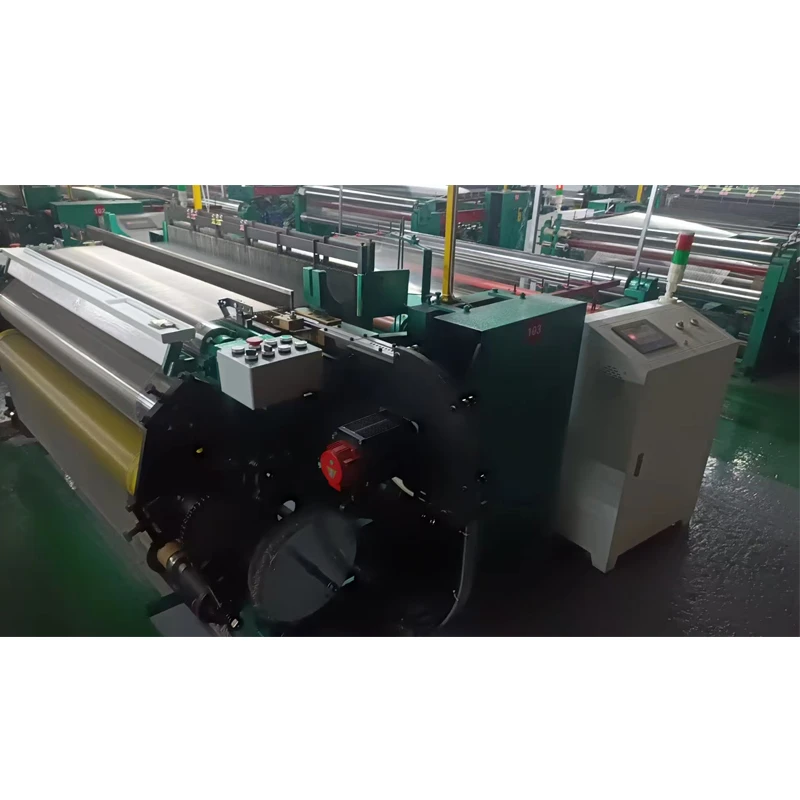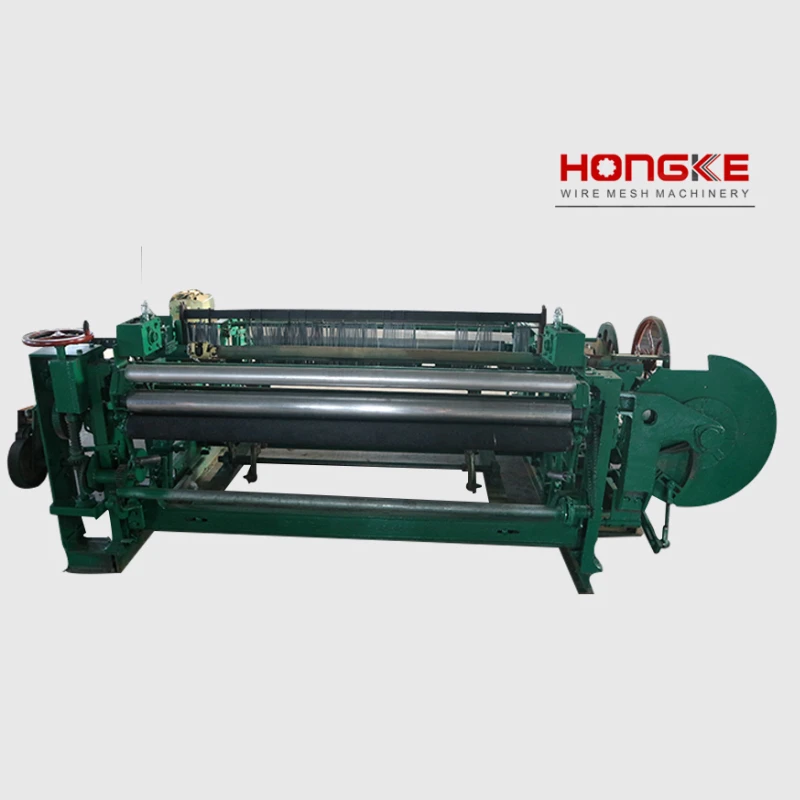



Exploring the Rapier Loom: A Veteran’s Take on a Classic Industrial Workhorse
Having worked on industrial machinery floors for over 15 years, I've seen my fair share of weaving equipment — from stubborn shuttle looms to the sleek, modern power looms. Among these, the rapier loom stands out as an impressive blend of speed, accuracy, and versatility. If you’ve ever walked into a textile mill buzzing with activity, odds are you’ve caught a glimpse of these machines humming along to the rhythm of fabric production.
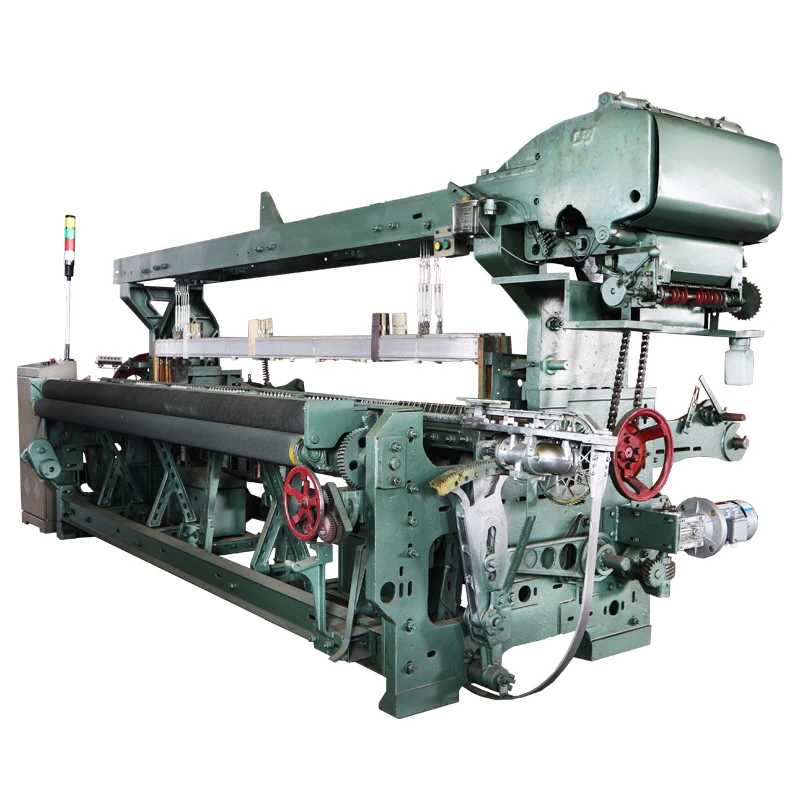
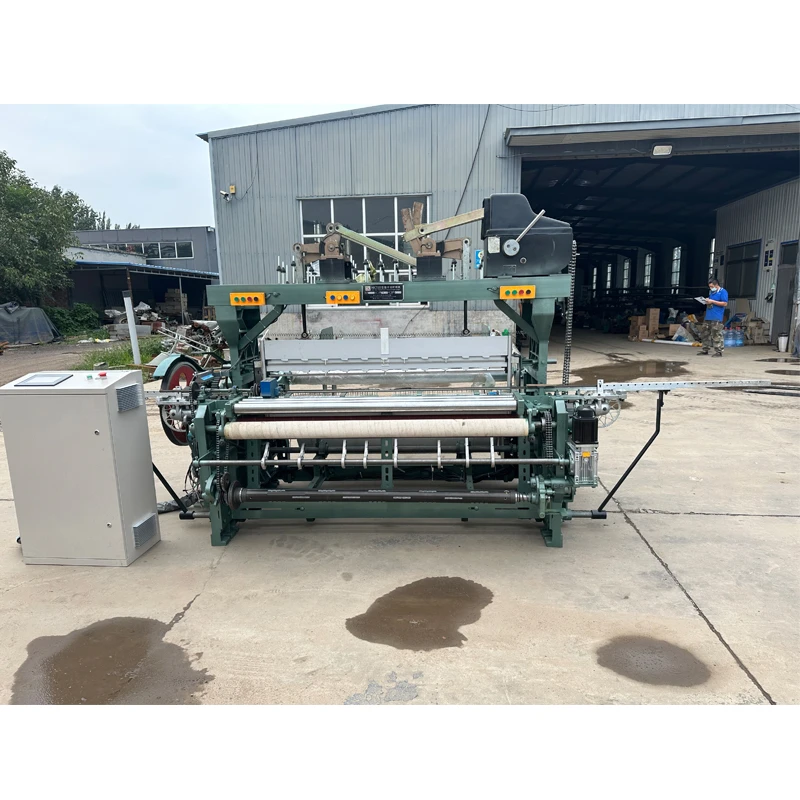
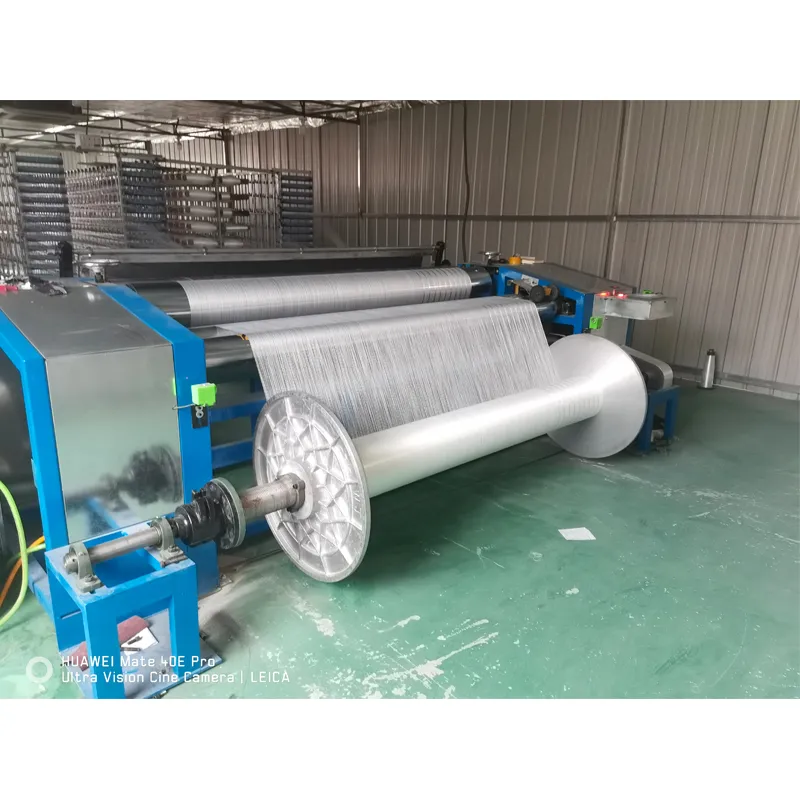
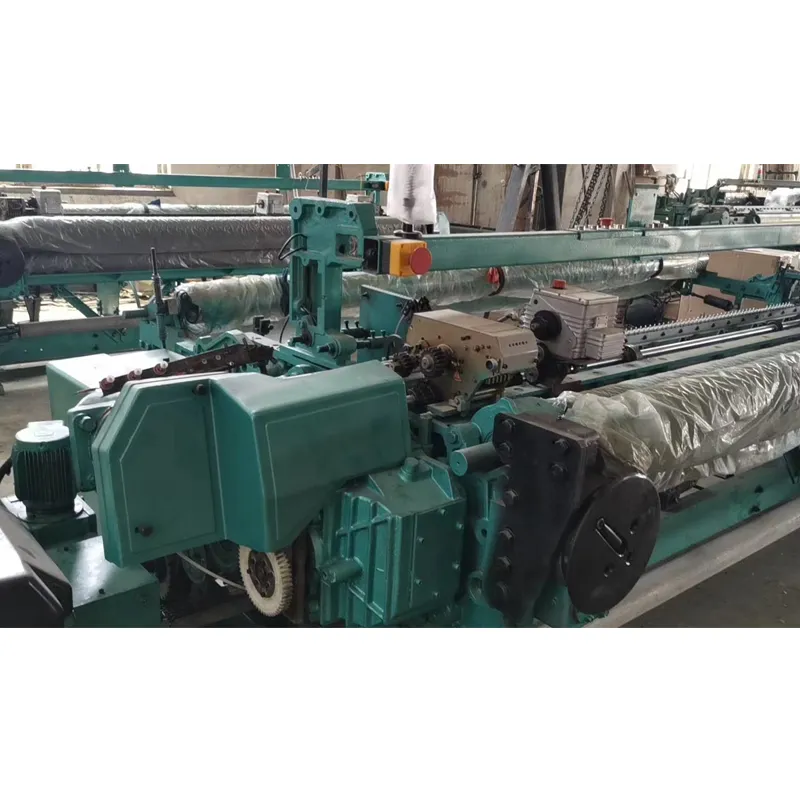
What’s fascinating about the rapier loom is its unique shuttle-replacement method for weaving. Instead of a heavy shuttle carrying the weft yarn, it uses slender 'rapiers' that carry the yarn through the shed. Frankly, this design reduces the mechanical stress and noise in the system, which, in my experience, translates to longer machine life and less maintenance fuss. Oddly enough, it also gives operators a better line of sight while running the loom, which I suppose helps catch weaving faults earlier.
Over the years, the industry has leaned toward rapier looms mainly because of their adaptability to a wide range of yarn types — from delicate silks to heavy denims — without sacrificing speed. I recall a project with a fabric mill that switched to rapier looms and saw a 20% uptick in productivity simply because the machine could handle multiple fabric widths and textures on the same line. The flexibility is one reason many engineers I’ve met advocate for rapier systems in their plants.
| Parameter | Details |
|---|---|
| Max Weaving Width | 3.5 meters (approx. 11.5 feet) |
| Max Speed | Up to 700 picks per minute |
| Power Consumption | Approximately 10 kW per machine |
| Yarn Types Compatible | Cotton, wool, synthetics, blended yarns |
| Weaving Patterns | Plain, twill, satin, jacquard variations |
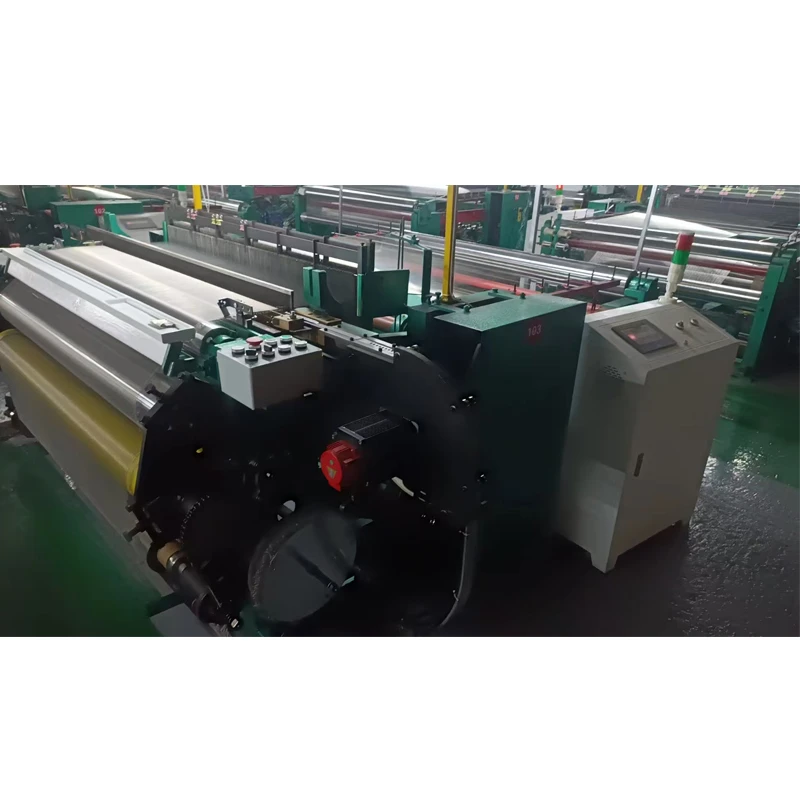
Another point worth noting is the gradual improvements vendors have made on control systems. Today’s rapier looms come equipped with advanced PLC-based controls, allowing more precise tensioning and synchronization. Having seen earlier models, where operator intuition was king, I appreciate how digital controls reduce human error without sacrificing that hands-on “feel” that seasoned operators cherish.
| Vendor | Strengths | Typical Applications | Price Range |
|---|---|---|---|
| APHK Machinery | High customizability, robust build, energy efficient | Medium to heavy textiles, denim, jacquard weaving | $40,000 – $70,000 |
| Brand X Textiles | Innovative control panels, compact models | Lightweight fabrics, fashion textiles | $30,000 – $55,000 |
| WeaveTech | Durability, strong after-sales support | Industrial and technical textiles | $45,000 – $75,000 |
To bring some real-life color, I once worked on a setup where we switched from a traditional shuttle loom to a rapier model from APHK Machinery. Not only did the downtime for repairs drop significantly, but operators reported less fatigue because the noise and vibration levels were noticeably lower. Plus, cleaning and maintenance became more straightforward, which, in a busy mill, makes a world of difference.
In real terms, that means while the upfront investment is not exactly pocket change, the long-term payback through stable output and reduced operational hiccups is persuasive. As a side note, many textile plants are also incorporating IoT sensors on rapier looms to monitor performance in real-time, which I suppose will become standard practice before long.
So, if you’re considering adding a rapier loom to your production line or upgrading an existing setup, I’d say it's one of those gear investments that marries traditional mechanical ingenuity with modern cutting-edge control. You kind of get the best of both worlds — dependability and flexibility.
In the end, rapier looms feel like the quiet champions of textile weaving — steady, adaptable, and always ready to keep the fabric rolling.
- Textile World Magazine, "Rapier Looms in Modern Mills" (2021)
- Industry Interviews with Weaving Engineers, 2019-2023
- APHK Machinery Technical Brochures & User Manuals