


Revolutionizing Production: What’s New in Textile Machinery?
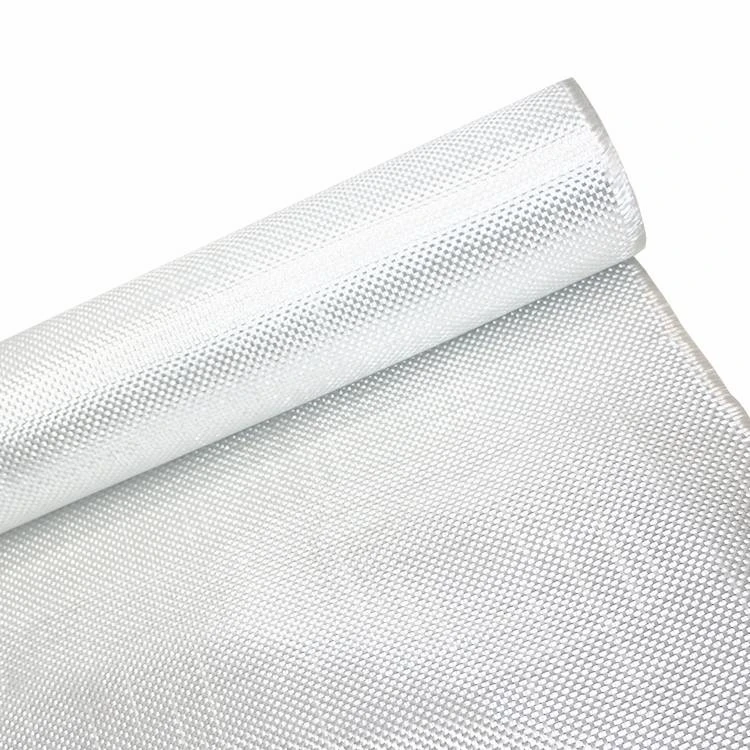
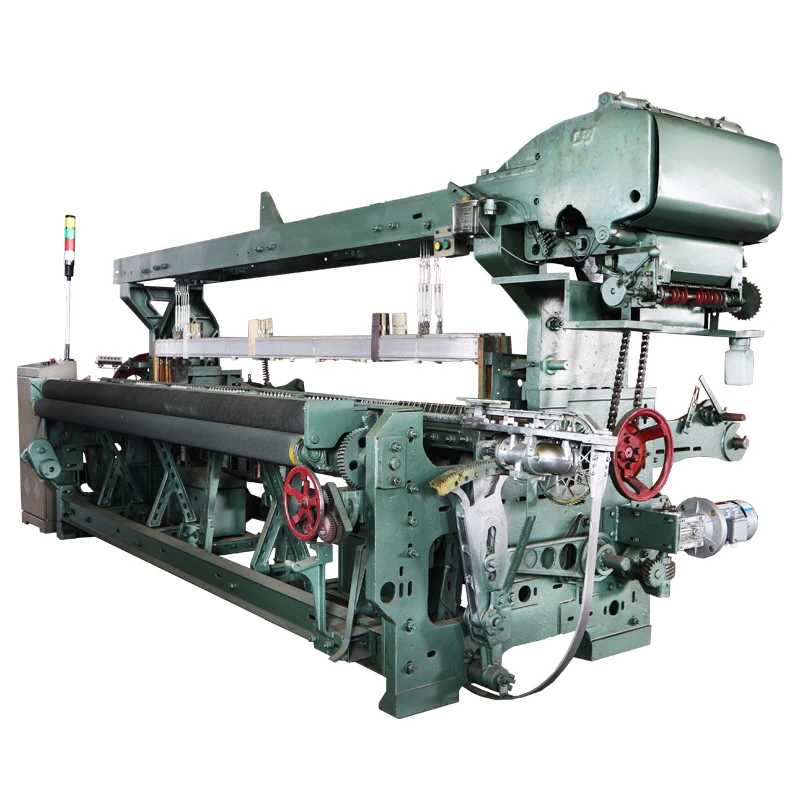
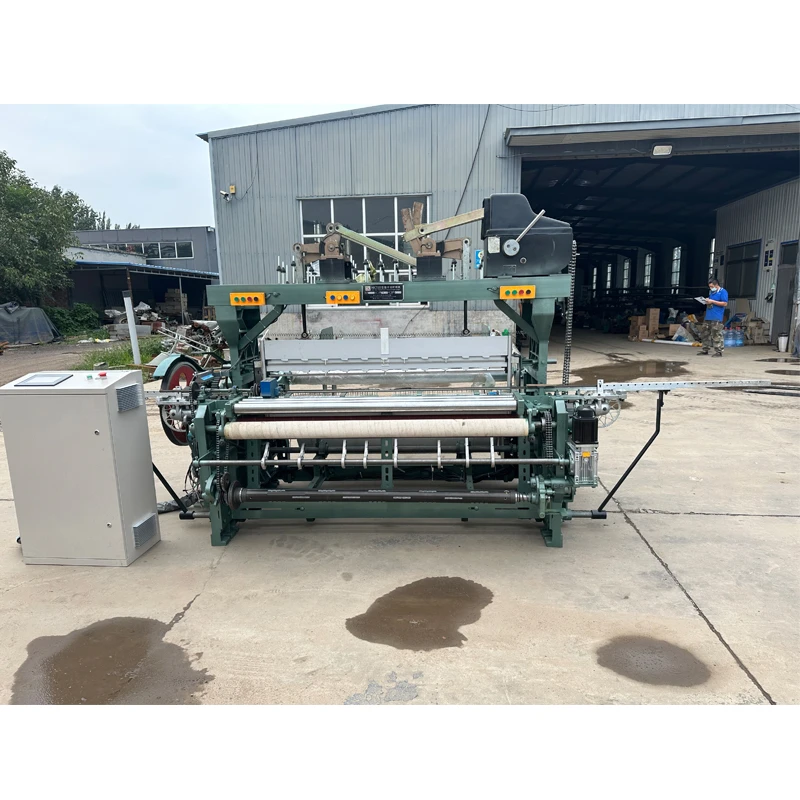
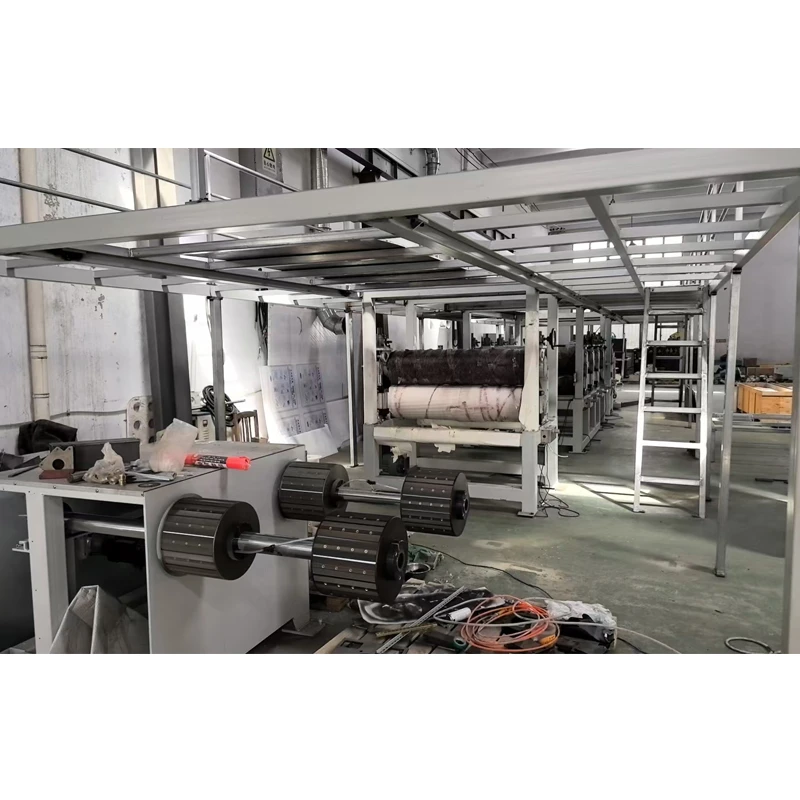
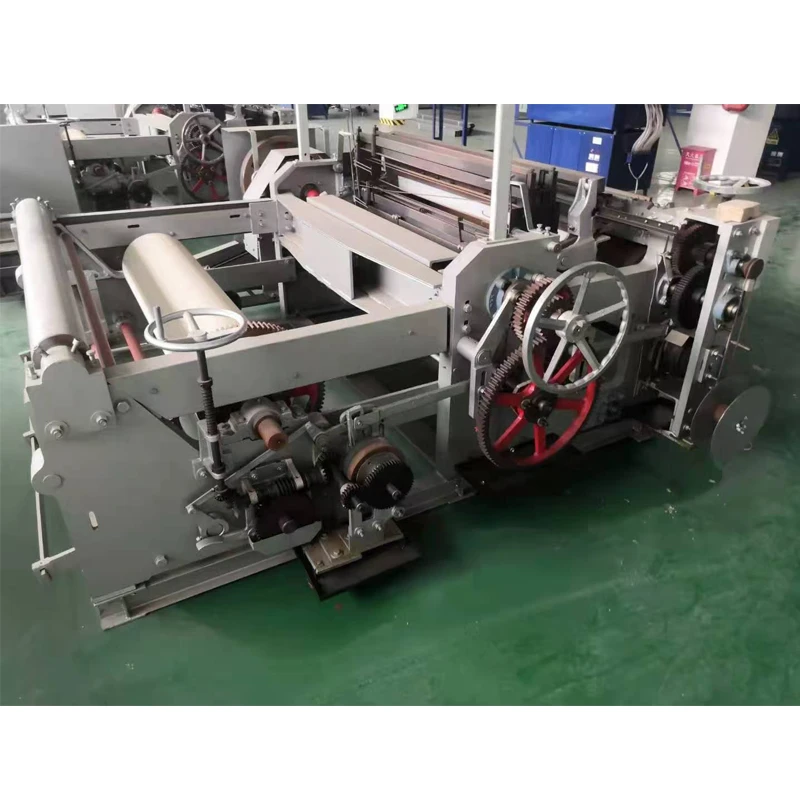
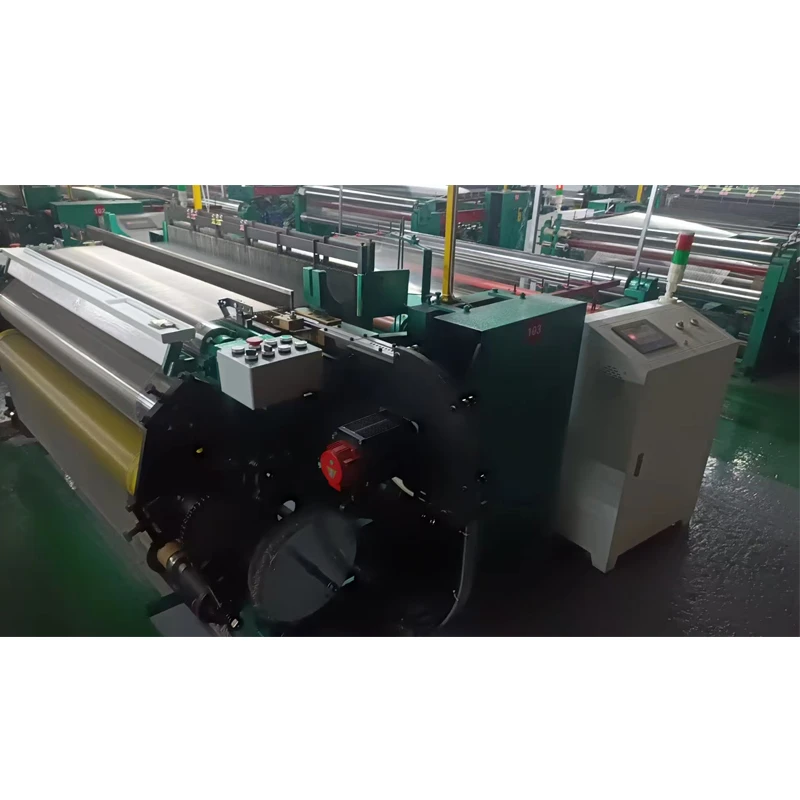
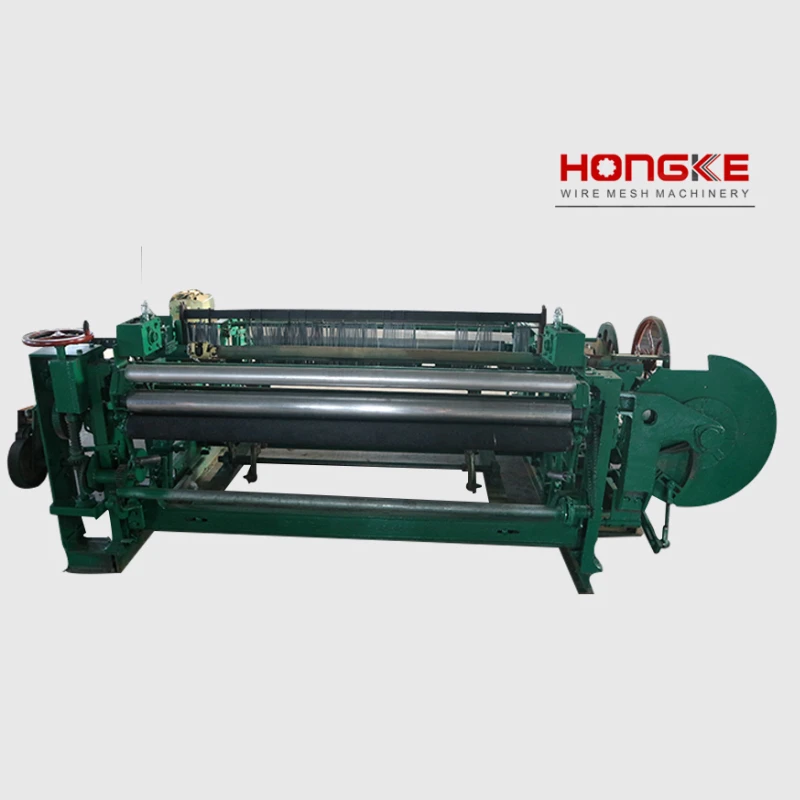
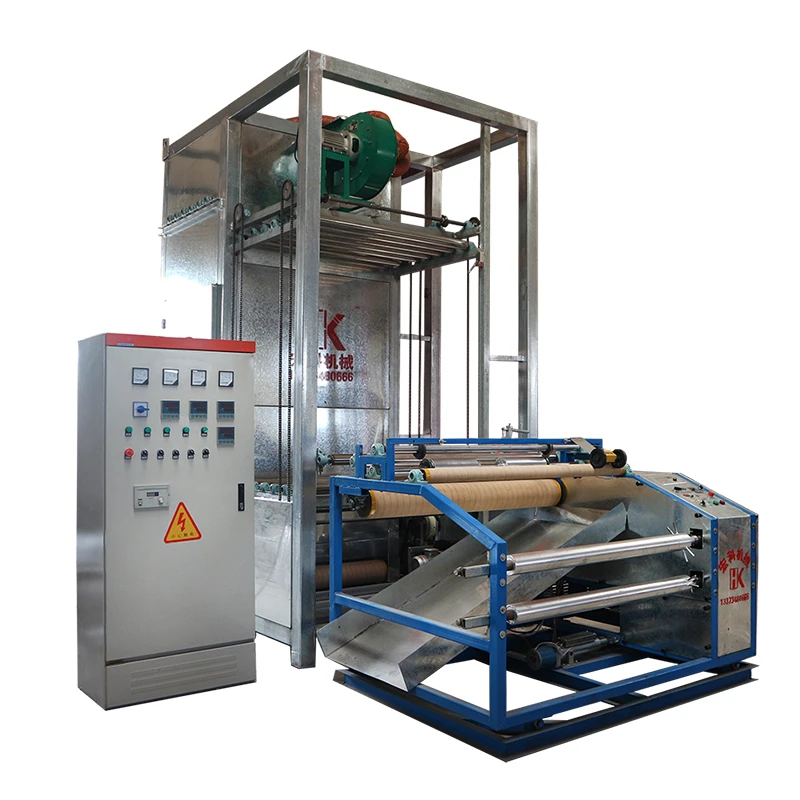
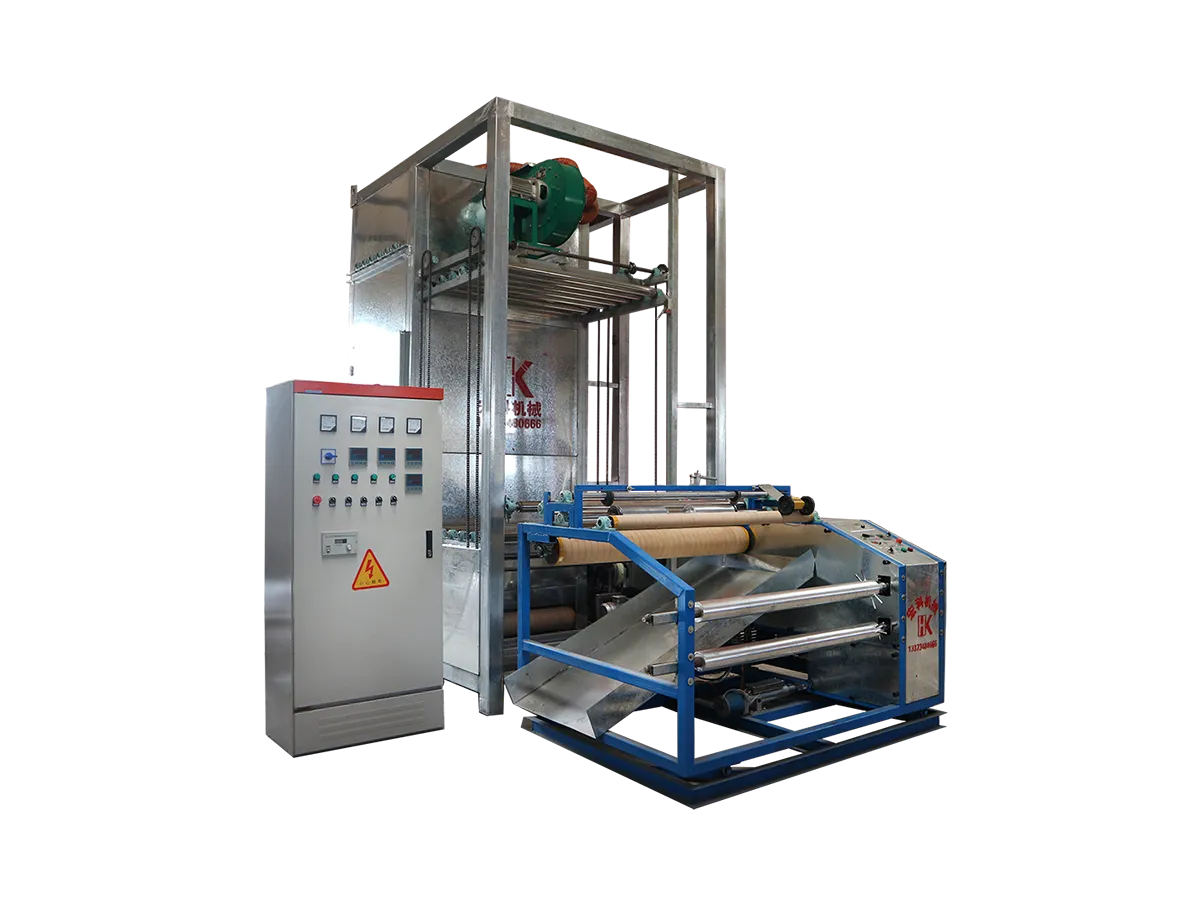
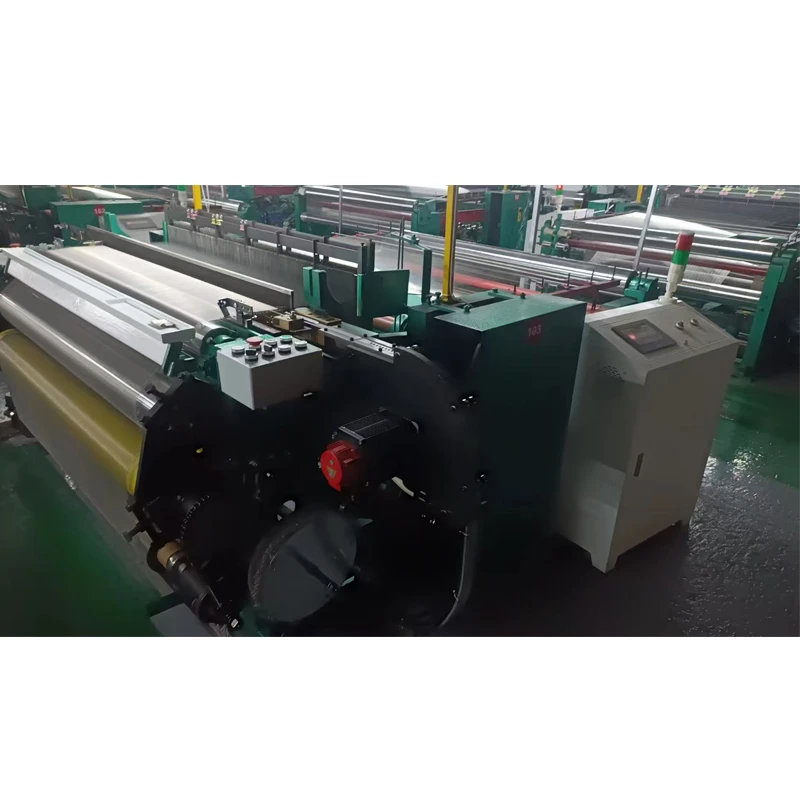
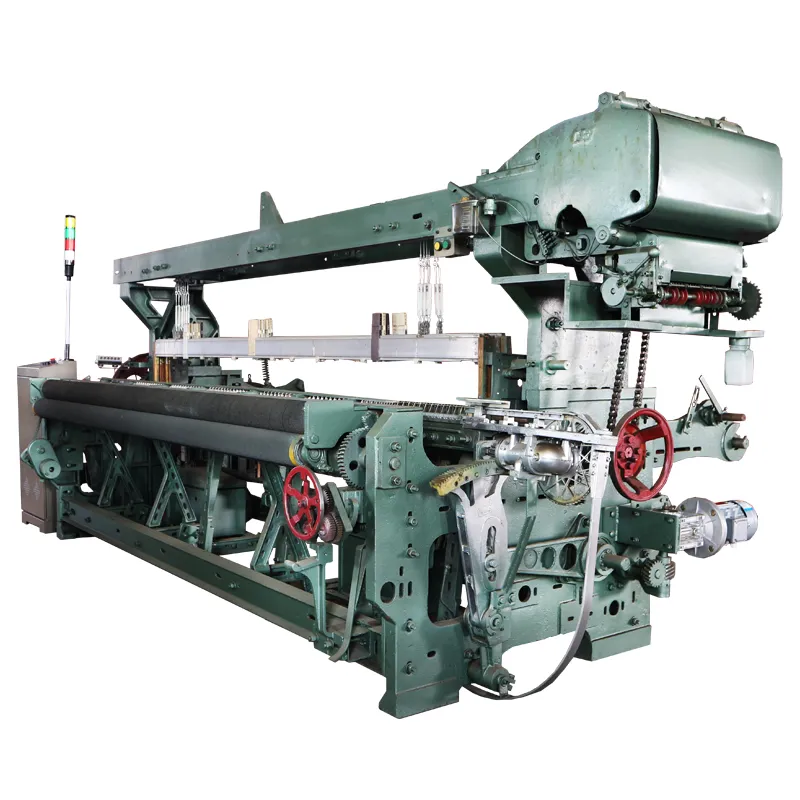
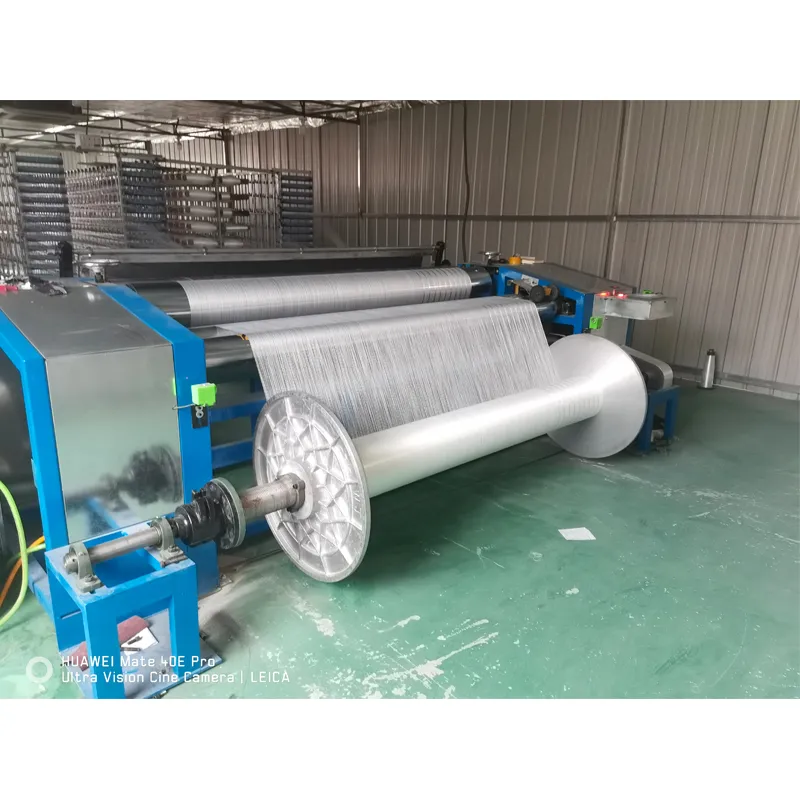
Having spent quite a few years in the industrial equipment trenches, I can say it’s fascinating how textile machinery continues evolving. From heavy-duty weaving to ultra-precise knitting, the machines barely resemble what we used a decade ago. Of course, progress isn’t just about speed, but also about flexibility, durability, and customization. Frankly, I’ve been impressed with the recent models that not only boost throughput but also reduce waste—a definite win for any factory aiming for greener operations.
What really grabs attention these days is the integration of smart control systems. Many engineers say that real-time monitoring and automated adjustments make a tangible difference on the floor—cutting downtime unexpectedly while preserving fabric quality. It’s the sort of feature that wasn’t flashy a few years back but now feels indispensable. Oddly enough, sometimes it's the small touches, like quieter motors or improved safety guards, that shift operator satisfaction and productivity.
Key Textile Machinery Specifications Today
| Specification | Detail |
|---|---|
| Max Production Speed | 1200 meters/min |
| Power Consumption | 18 kW (variable frequency drive) |
| Weight | Approximately 850 kg |
| Material Compatibility | Cotton, polyester, blends, wool |
| Automation Level | Semi to Full automation, PLC controlled |
| Dimensions (L×W×H) | 4500 mm × 1400 mm × 1800 mm |
I mentioned customization earlier because in real terms, no one machine fits all. Textile producers want modular designs to switch between fabrics or patterns quickly. One of my clients, who runs a medium-sized operation, was thrilled with a system that cuts changeover time drastically. That kind of flexibility used to be a luxury, now it’s expected.
Comparing Leading Textile Machinery Vendors
| Vendor | Price Range (USD) | Automation Features | Energy Efficiency | After-Sales Service |
|---|---|---|---|---|
| Textron Co. | $120,000–$180,000 | Full PLC automated | High (IE4 motors) | Global support network |
| FiberPro Machines | $95,000–$140,000 | Semi-automatic with touchscreen | Moderate (IE3 motors) | Regional partners, on-site techs |
| APHK Machinery | $100,000–$160,000 | Advanced automation & AI features | Excellent (low standby loss) | Dedicated 24/7 customer support |
My personal impression? The folks at APHK Machinery are doing some really interesting stuff. I saw a demo of their latest machine last season, and the way it handled complex fabric blends seamlessly while adjusting parameters on the fly was impressive. The combination of AI-driven adjustments and user-friendly interfaces feels like the future — even if the future tends to creep up slower than marketing promises.
As always, picking the right machine comes down to your unique needs — speed, flexibility, budget, and local support. But it’s safe to say that the new generation of textile machinery is all about smarter, leaner, and greener production lines. And if you get a chance to check out some of these models, whether at a show or in a demo room, take a moment. Those machines might just surprise you.
— John M., Industrial Equipment Consultant
Final Thoughts and Resources
There's more nuance to this market than meets the eye. I’d encourage anyone in textile production to keep exploring automation possibilities and don’t underestimate the value of solid vendor relationships—they often mean the difference between a machine that’s just good on paper and one that truly delivers.
References & Further Reading:
- Industry Whitepaper: Advances in Textile Automation, 2023
- Manufacturing Efficiency Weekly: Trends in Equipment Sustainability
- Personal field notes & demo observations, APHK Machinery, 2023