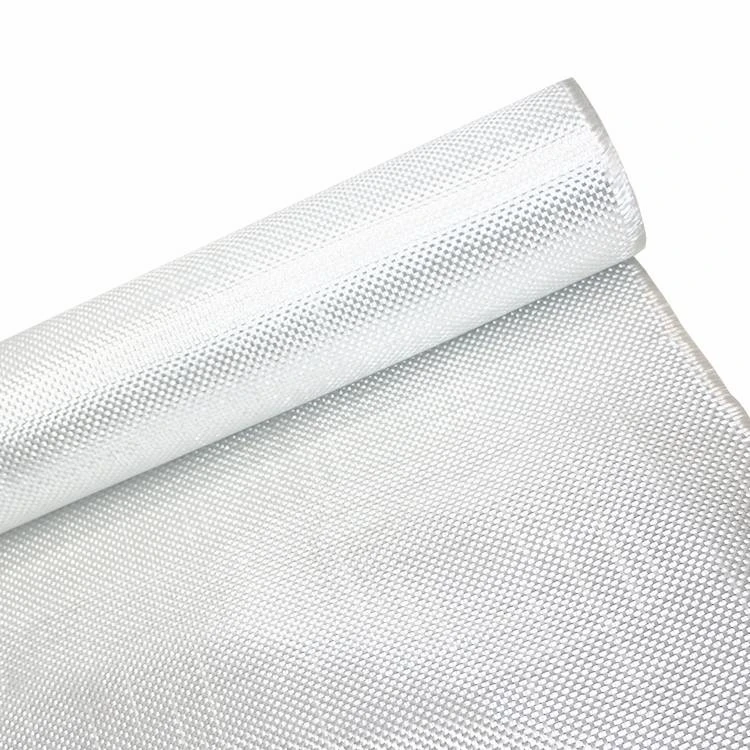



Precision Engineering in Wire Mesh Manufacturing: A B2B Perspective
In the highly specialized realm of industrial manufacturing, the demand for precise, durable, and efficient wire mesh production equipment is constantly escalating. For enterprises seeking to optimize their output and enhance product quality, collaborating with a leading wire mesh machine supplier is a critical strategic decision. This comprehensive overview explores the core aspects of advanced wire mesh technology, from pivotal industry trends and detailed technical specifications to multifaceted application scenarios, underlining the indispensable role of a reputable vendor in ensuring operational success and market competitiveness. We delve into process flows, technical advantages, vendor comparisons, customization capabilities, and real-world case studies to provide an authoritative resource for B2B decision-makers and technical professionals.
Industry Trends and Market Dynamics in Wire Mesh Production
The wire mesh manufacturing sector is undergoing rapid evolution, influenced by global demands for increased automation, higher precision output, and sustainable production methodologies. Key trends include the widespread adoption of Industry 4.0 principles, such as the integration of the Internet of Things (IoT) for real-time machine monitoring, predictive maintenance, and optimized resource utilization. This translates into more energy-efficient weaving processes, reducing operational costs by up to 15-20% compared to previous generations. There's also a significant drive towards incorporating advanced materials like high-strength polymeric fibers and novel composite structures to produce lighter, stronger, and more corrosion-resistant meshes. The market for sophisticated mesh products, particularly for applications requiring filtration, protection, and reinforcement, is experiencing robust growth, with a projected compound annual growth rate (CAGR) of 4.5% globally for the next five years. This surge is particularly evident in sectors requiring specialized polymer meshes, such as those used in advanced insect window screens and agricultural netting, where durability and environmental resistance are paramount.
Detailed Manufacturing Process: From Raw Material to Finished Mesh
The production of high-quality wire mesh, whether for intricate industrial filtration or for the creation of a durable screen for a window, is an elaborate process demanding precision engineering at every stage. A proficient wire mesh machine supplier designs equipment that seamlessly manages this complexity, ensuring consistent output and exceptional product integrity.
Process Flow Overview:
- Material Preparation & Extrusion: For synthetic meshes like PE, PPE, and PET, this initial stage involves careful selection of high-grade polymer granules, often compounded with UV stabilizers, flame retardants, and specific colorants to meet end-use requirements. These granules are fed into precision single-screw or twin-screw extruders where they are melted under tightly controlled temperature profiles (e.g., 180-230°C for PET, 200-260°C for PE) and extruded through spinnerets into fine monofilaments. The subsequent drawing process stretches these filaments to align polymer chains, significantly enhancing their tensile strength (typically 300-500 MPa for PET) and diameter uniformity, with tolerances often maintained within ±0.01mm. This critical step ensures the filaments possess the requisite mechanical properties to withstand the weaving process and perform effectively in their intended application, preventing premature breakage or inconsistencies.
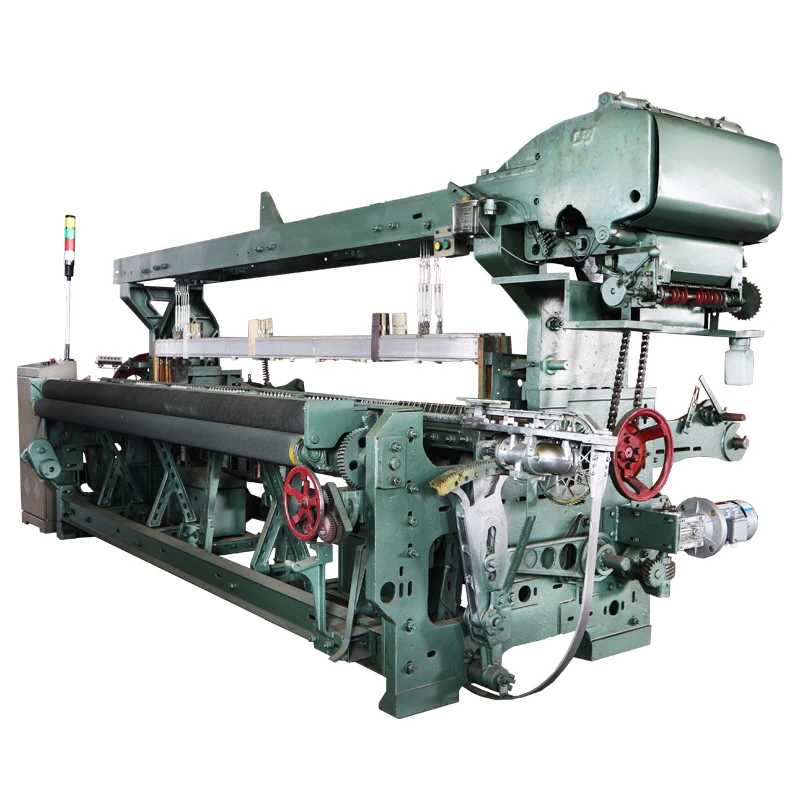
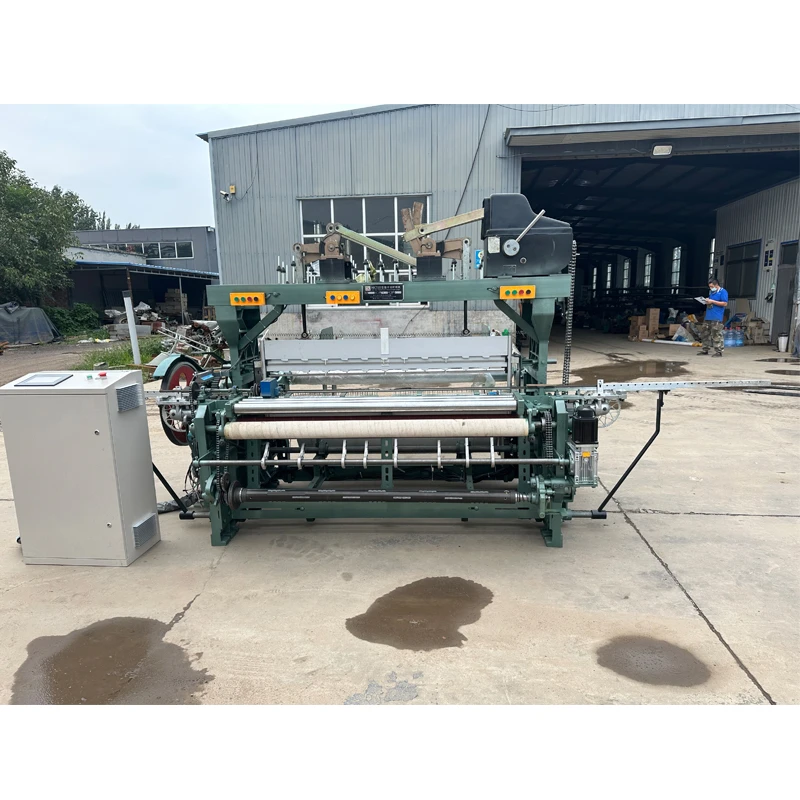
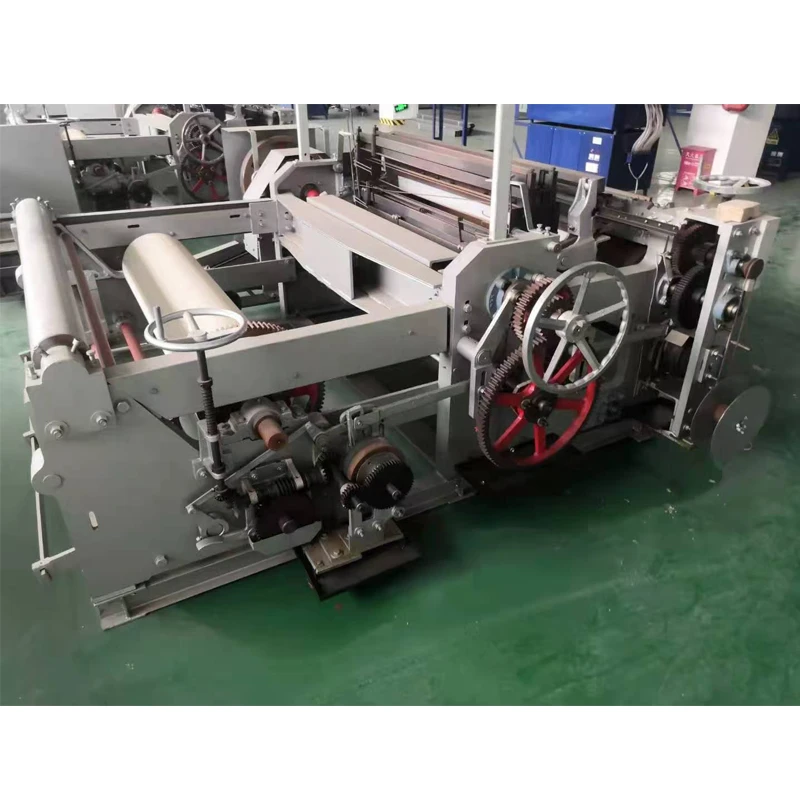
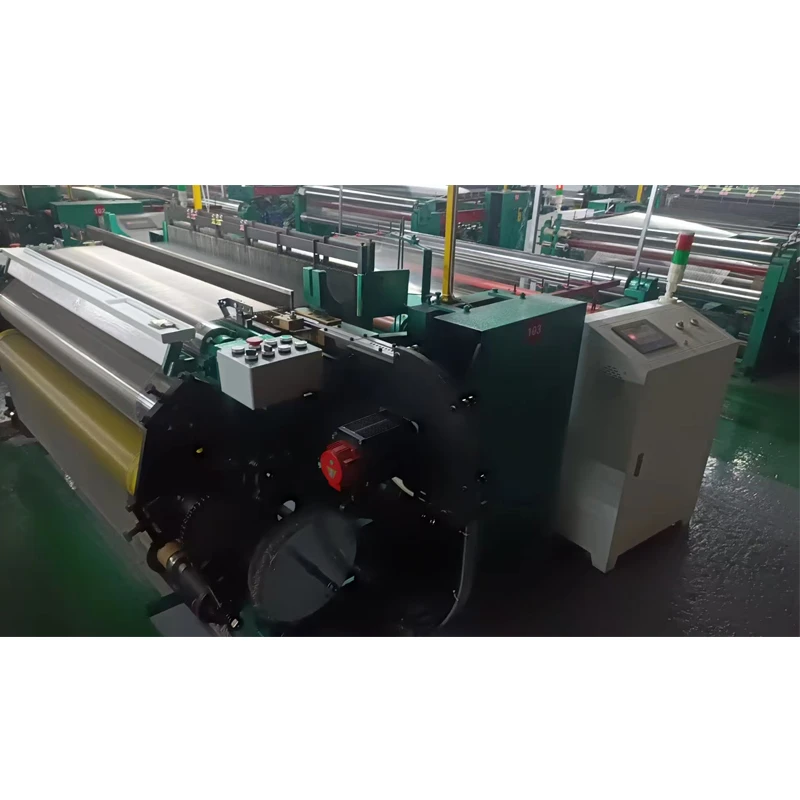
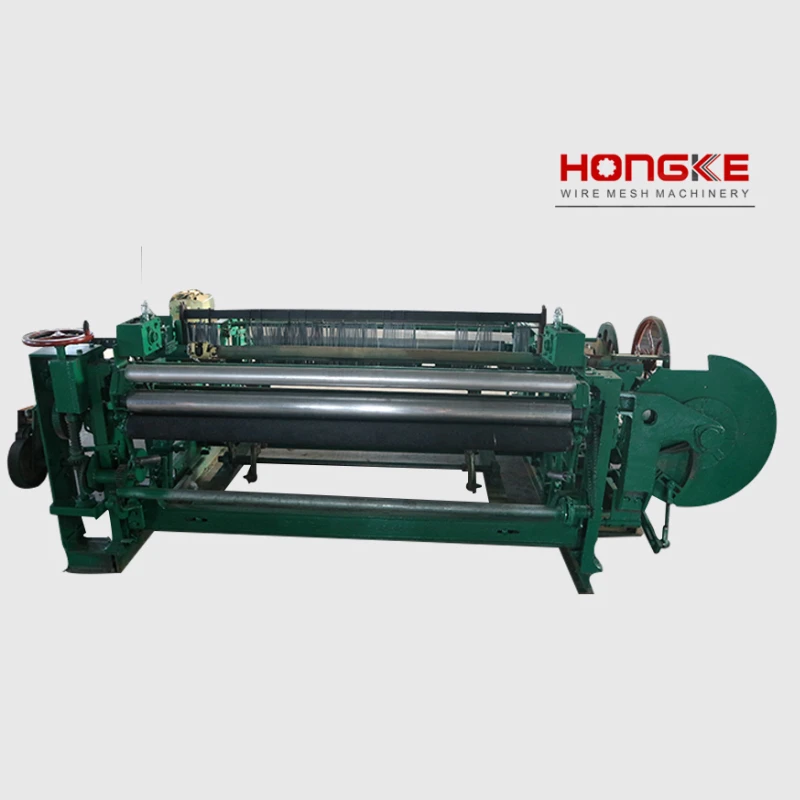
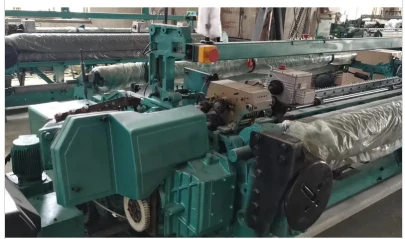
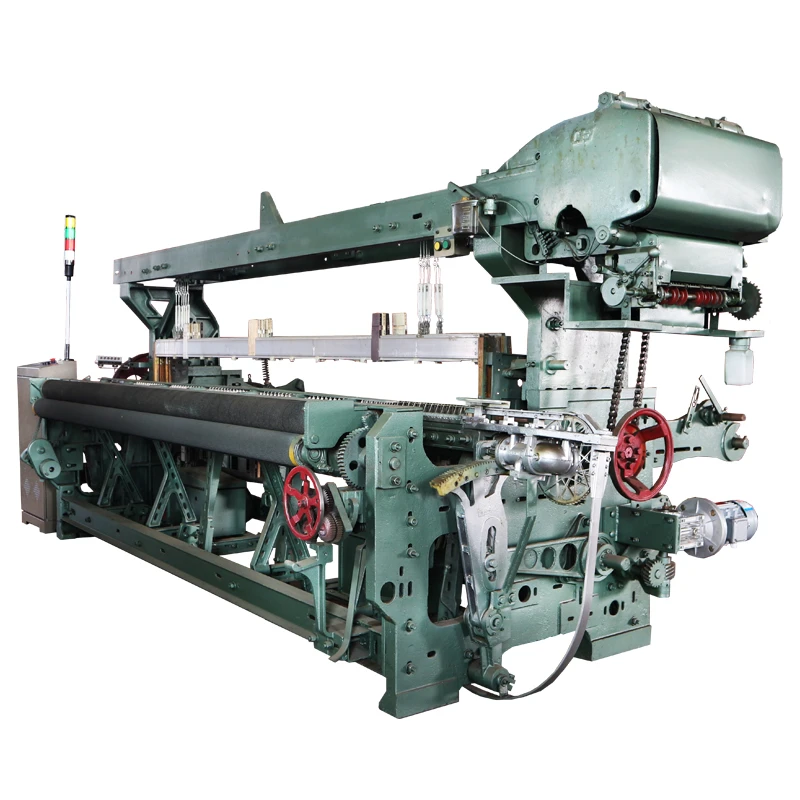
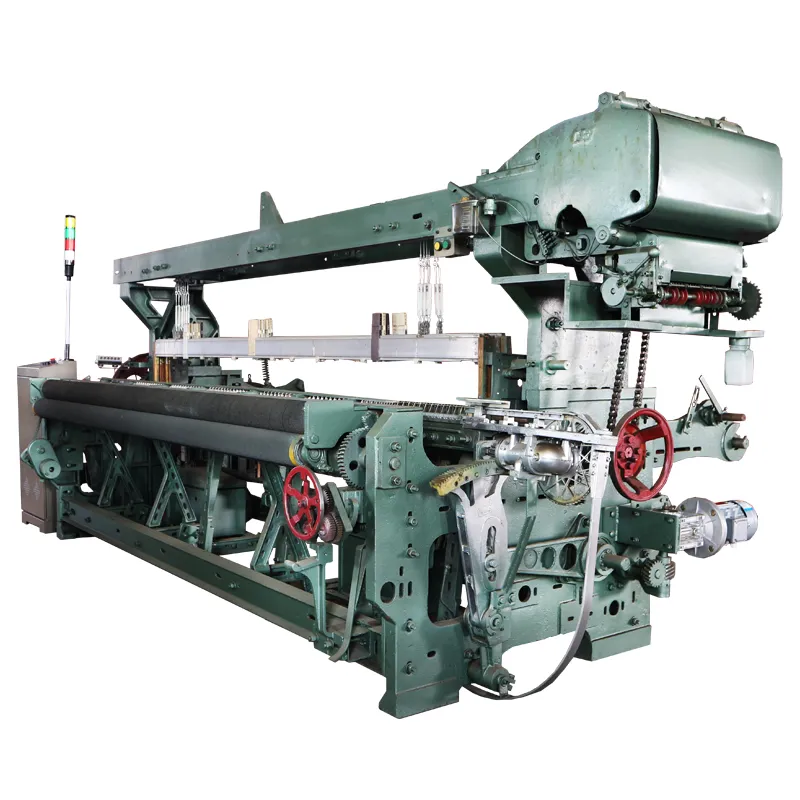
- Weaving/Knitting: The prepared monofilaments are then precisely fed into sophisticated wire mesh weaving machines. This is the heart of the manufacturing process. Modern machines predominantly employ advanced shuttleless technologies, such as rapier or air-jet weaving, which allow for significantly higher speeds (up to 300-500 picks per minute) and superior control over warp and weft tension compared to traditional shuttle looms. The weaving pattern (e.g., plain weave for basic screens, leno weave for enhanced stability) is meticulously programmed via a PLC (Programmable Logic Controller) system, ensuring uniform mesh aperture and consistent mesh count across the entire fabric width. Mechanical precision is paramount here, with highly engineered components preventing thread damage and maintaining structural integrity.
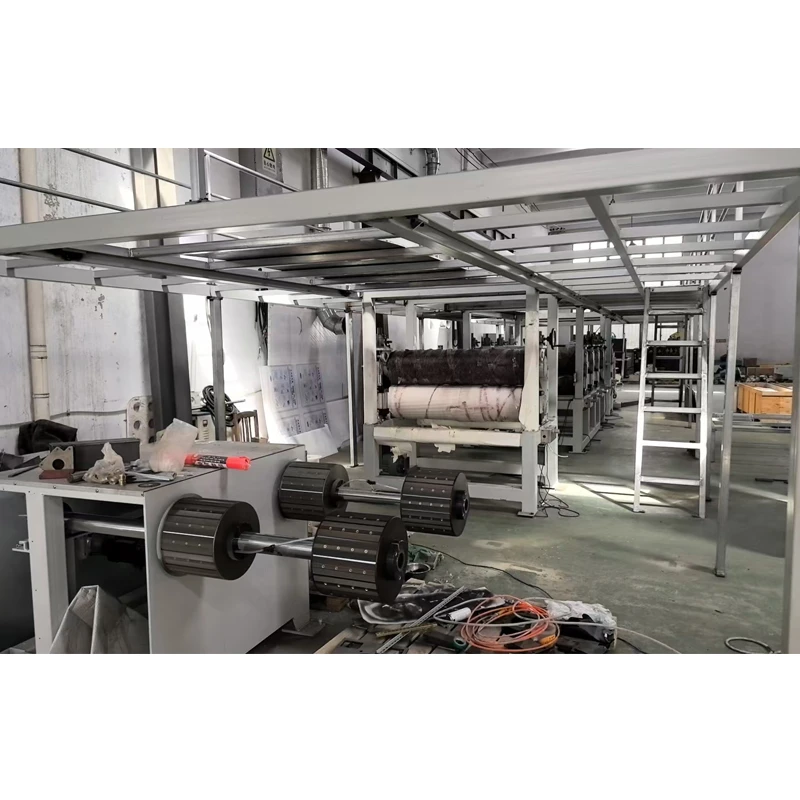
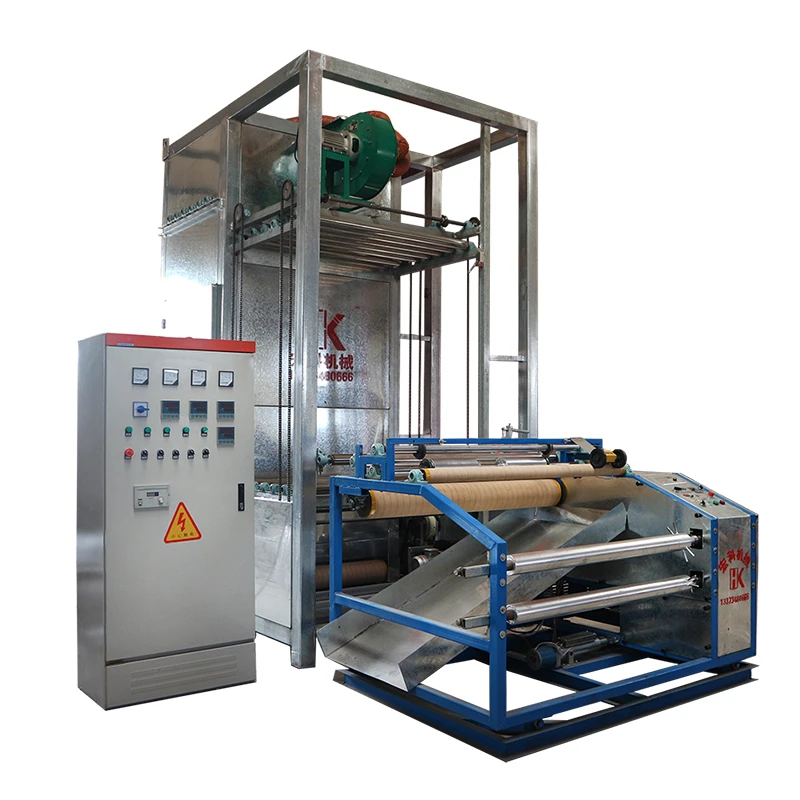
- Finishing & Stabilization: Following the weaving process, the raw mesh undergoes several crucial finishing treatments. For polymer meshes, heat setting (thermal stabilization) is essential to relieve internal stresses, dimensionally stabilize the fabric, and prevent unraveling or shrinking in use. This typically involves heating the mesh to a specific temperature (e.g., 150-180°C for PET) for a defined duration. Further treatments might include coating applications to enhance UV resistance (crucial for outdoor insect screens), flame retardancy, or anti-mildew properties. Edges are often reinforced, sealed by heat, or ultrasonically welded to prevent fraying and ensure durability during installation and use.
- Quality Control & Testing: Throughout and after production, rigorous quality control measures are systematically implemented. This includes automated optical inspection systems for identifying defects, precise measurement of mesh count (e.g., using digital microscopes for validation against ISO 3310-1 standards) and aperture size, tensile strength tests (e.g., ASTM D5034 for fabric breaking strength), and dimensional stability evaluations. Adherence to international standards such as ISO 9001 for quality management and relevant ASTM or ANSI standards for specific mesh properties (e.g., thread diameter, open area percentage) is non-negotiable. Modern machines are designed to achieve a defect rate of less than 0.1%, ensuring a premium product.
- Cutting & Packaging: The final finished mesh rolls are precisely cut into required dimensions using automated cutting systems, minimizing material waste and ensuring consistent roll lengths and widths. The rolls are then carefully packaged, often with protective wrapping, to prevent damage during transit and storage.
The selection of materials, predominantly High-Density Polyethylene (HDPE), Polypropylene (PP), and Polyethylene Terephthalate (PET), is critical due to their intrinsic properties such as excellent durability, superior corrosion resistance, chemical inertness, and specific filtration characteristics. These qualities ensure an extended service life, often exceeding 10-15 years, even in challenging outdoor or chemically exposed environments. Target industries benefiting from such sophisticated machinery include petrochemicals (for advanced filtration media), metallurgy (for screening and separation), water supply & drainage (for fine particulate removal), agriculture (for protective and shade netting), and construction (for robust insect screens and reinforcement meshes). The inherent advantages in these scenarios include significant energy saving through optimized, high-speed production cycles, superior corrosion resistance of the final mesh product, and reduced maintenance needs, collectively contributing to lower total cost of ownership and enhanced product lifespan.
Technical Specifications: PE PPE PET Insect Window Screen Machine
The PE PPE PET Insect Window Screen Machine exemplifies the cutting-edge of modern weaving technology, specifically engineered for the efficient and precise production of high-quality plastic insect screens. As a prominent wire mesh machine manufacturer, our offerings seamlessly blend robust mechanical design with highly sophisticated electronic control systems. These machines are purpose-built for high-volume manufacturing, guaranteeing uniform mesh count, excellent dimensional stability, and exceptional material integrity, which are crucial attributes for producing durable insect screens and similar fine mesh applications.
Key Product Specifications:
| Parameter | Specification |
|---|---|
| Applicable Materials | PE (Polyethylene), PPE (Polyphenylene Ether), PET (Polyethylene Terephthalate) Monofilament |
| Effective Weaving Width | 1.5m - 4.5m (e.g., 2.5m, 3.2m, 4.0m standard models, customizable options available) |
| Mesh Count Range | 10-40 mesh/inch (warp & weft); typically 18x16 mesh for standard insect screen. |
| Wire Diameter Range | 0.15mm - 0.45mm (Adjustable for different material types) |
| Production Speed | Up to 300 picks/minute (PPM), yielding approximately 1500-2000 linear meters per 24 hours for standard mesh. |
| Total Motor Power | 3.0 kW - 7.5 kW (Varies with weaving width and automation level; energy-efficient servo drives often used). |
| Control System | Siemens/Delta PLC with intuitive HMI Touch Screen for parameter setting and monitoring. |
| Weft Insertion Method | Advanced Rapier or Air-jet technology for high efficiency and minimal yarn tension. |
| Shedding Motion | Electronic Dobby or Cam shedding for versatile pattern weaving. |
| Overall Dimensions (LWH) | Approx. 5500mm x (Weaving Width + 500mm) x 2500mm (example for 2.5m machine). |
| Machine Weight | Approx. 2500 kg - 5000 kg (depending on model and features). |
| Operational Efficiency Rate | ≥95% uptime with proper maintenance and material quality. |
These detailed specifications underscore the machine's robust capability to deliver high-performance insect screens with exceptional uniformity and long-term durability, consistently meeting stringent international quality benchmarks like ISO and ASTM for textile mesh products. The integration of advanced PLC systems ensures precise control over every weaving parameter, optimizing material usage and minimizing waste, directly contributing to a higher ROI for the investing enterprise.
Diverse Application Scenarios and Market Impact
The versatility of polymer wire mesh produced by a high-quality wire mesh machine supplier extends across a myriad of critical applications, highlighting the extensive utility and market impact of these precision-engineered products.
- Residential & Commercial Insect Screens: This is the primary and most ubiquitous application. Meshes made from PE, PPE, and PET monofilaments offer superior resistance to corrosion, UV degradation (with up to 10 years of outdoor UV stability), and tearing compared to traditional metallic screens. This makes them ideal for robust and long-lasting window, door, and patio screens. The strength-to-weight ratio of PET mesh, for instance, significantly enhances ease of handling and installation, directly addressing practical considerations for how to build a screen for a window that is both durable and aesthetically pleasing for modern architecture.
- Agricultural Netting & Pest Control: Fine polymer meshes are extensively utilized in agriculture to protect crops from insects, birds, and adverse weather conditions. The lightweight, yet durable and chemically resistant nature of PE and PP mesh ensures healthier yields by providing effective physical barriers without impeding airflow or light penetration. Specific mesh counts can be engineered to exclude particular pest sizes, demonstrating tailored biological control.
- Filtration Systems: Precision-woven fine mesh screens are integral components in advanced air, liquid, and particulate filtration systems across diverse industries, including HVAC, automotive, pharmaceutical, and environmental engineering. The uniform pore size and chemical resistance of PET mesh make it ideal for demanding filtration applications, often used in medical devices or cleanroom environments.
- Industrial Safety & Separation: While often involving heavier gauge materials, the principles of precise weaving extend to polymer meshes used in lighter industrial safety applications, such as machine guards or conveyor belt screens, and for material separation in processing plants.
- Reinforcement Materials: Certain high-tensile polymer meshes are integrated into composite materials, plasters, or geotechnical fabrics for added strength, crack resistance, and durability in construction, civil engineering, and specialized product manufacturing.
The versatility and performance characteristics of these meshes empower industries to innovate and deliver superior products, underscoring the foundational importance of advanced wire mesh weaving technology.
Technical Advantages and Performance Excellence ( - Expertise)
Advanced wire mesh machine manufacturer solutions are meticulously engineered to deliver substantial operational and product-related advantages, reflecting deep industry expertise and continuous innovation:
- Unparalleled Precision Weaving Technology: Our machines incorporate state-of-the-art rapier or air-jet weaving systems, achieving an impressive mesh accuracy and uniformity with typical aperture size deviations of less than 3%. This precision is indispensable for applications demanding exact pore sizes, such as high-efficiency filtration, and guarantees the structural integrity and aesthetic consistency of the mesh for an extended service life. The warp and weft tension control systems maintain constant tension, even at high speeds, minimizing defects and ensuring a perfectly flat, uniform mesh.
- Broad Material Versatility: The equipment is capable of processing a wide spectrum of synthetic monofilaments, including various grades of PE, PPE, and PET. This flexibility allows manufacturers to produce tailored solutions with specific characteristics regarding tensile strength (up to 700 MPa for high-grade PET), UV resistance, chemical inertness, and thermal stability, catering to diverse market demands without requiring significant retooling.
- High Production Efficiency & Output: Optimized machine designs, coupled with advanced control systems (e.g., Siemens PLC), result in significantly high operational speeds and minimized downtime. This translates directly into enhanced output volumes, often achieving production rates of 1500-2000 linear meters per day, and a substantially lower cost per unit of mesh. Our machines consistently demonstrate operational efficiency rates exceeding 95% in continuous production environments.
- Sophisticated Automated Control Systems: Integrated PLCs and intuitive HMI (Human-Machine Interface) touch screens provide operators with precise, real-time control over all weaving parameters, including warp tension, weft insertion speed, and pattern settings. This advanced automation minimizes human error, simplifies operation, and facilitates rapid changeovers between different mesh specifications, thereby boosting overall productivity and reducing setup times by up to 30%.
- Exceptional Durability and Minimal Maintenance: Constructed from high-grade steel alloys and featuring precision-engineered, wear-resistant components (e.g., ceramic guides, hardened steel rapiers), these machines are built for continuous, demanding industrial operations. This robust construction significantly extends the machine's lifespan, often exceeding 15 years, and reduces the frequency and intensity of maintenance, with key components boasting a Mean Time Between Failures (MTBF) of over 10,000 hours.
- Advanced Energy Efficiency: Modern designs incorporate state-of-the-art, energy-saving servo motors and optimized mechanical drive systems. These innovations collectively reduce power consumption by up to 25% compared to legacy machinery, directly contributing to lower operational expenditures and aligning with contemporary green manufacturing initiatives and reducing carbon footprint.
Vendor Comparison and Selection Criteria ( - Authoritativeness)
The strategic decision of choosing the right wire mesh machine supplier extends far beyond mere equipment acquisition; it necessitates forging a robust partnership essential for long-term operational excellence and sustained market leadership. A comparative analysis of key vendor attributes is critical:
| Criteria | Top-Tier Supplier Attributes | Typical Market Supplier Attributes |
|---|---|---|
| Technology & Innovation | Integration of latest generation PLC/HMI (e.g., Siemens, Mitsubishi), IoT readiness for remote diagnostics, patented weaving mechanisms, advanced energy-efficient servo drives. | Standard control systems, basic mechanical components, often relying on older, less efficient designs. Limited R&D investment. |
| Product Quality & Certifications | ISO 9001:2015 certified quality management systems, CE marking for European compliance, consistent output quality with adherence to international ASTM/ANSI/DIN standards. Proven track record of reliability. | Variable quality control, minimal or no international certifications, potential for significant product inconsistencies and higher defect rates. |
| Customization & Flexibility | Extensive customization options (e.g., weaving width from 1.0m to 5.0m, specialized mesh counts, material handling), modular design for easy upgrades and future adaptability. | Limited standard models, high cost or difficulty in modifying machines for specific production requirements. |
| After-Sales Support | Comprehensive global service network, 24/7 remote diagnostics, rapid spare parts supply within 3-5 days, multi-language technical assistance, and thorough on-site operator training. | Localized or significantly delayed support, limited spare parts inventory, insufficient technical expertise, leading to extended downtime. |
| Longevity & Reputation | Decades of industry experience (e.g., 20+ years), extensive global client base, strong, verifiable testimonials, established brand recognition, and a history of technological leadership. | Newer entrants with unproven track records, fewer verifiable client references, and uncertain long-term stability. |
A crucial indicator of a supplier's authoritativeness is their unwavering commitment to quality, evidenced by certifications such as ISO 9001 for quality management systems and CE marking, which signifies compliance with European health, safety, and environmental protection standards. These certifications validate not only the manufacturing processes but also the overall product safety and reliability. Furthermore, leading wire mesh machine manufacturer companies, particularly those recognized as a premier wire mesh machine in China, have a long-standing history of innovation, investing heavily in research and development to introduce groundbreaking technologies that lead global markets. Partnering with a company boasting decades of operational experience and a robust portfolio of successful, long-term installations globally offers an unparalleled assurance of product quality, unwavering reliability, and superior technical support that newer entrants or less established vendors often cannot provide.
Customized Solutions for Unique Requirements
Acknowledging that the specific manufacturing requirements of industrial clients are rarely identical, leading wire mesh machine supplier companies distinguish themselves by offering highly customized solutions. This level of flexibility is absolutely vital for clients with specialized production needs, non-standard material specifications, unique operational workflows, or intricate integration challenges within their existing production lines. Customization options are extensive and can significantly impact operational efficiency and product specialization:
- Adjustable Weaving Widths: Tailoring the machine's effective weaving width to produce meshes from narrow specialty tapes (e.g., 0.5m) to extra-wide architectural or industrial screens (e.g., 5.0m), optimizing material usage and reducing post-processing steps.
- Specialized Mesh Counts and Aperture Sizes: Engineering the machine's components (e.g., reed density, heald frame configuration) to precisely produce extremely fine meshes for micron-level filtration or unusually coarse patterns for heavy-duty protection, beyond standard ranges.
- Advanced Material Handling Adaptations: Modifying warp beam creels, feeding mechanisms, and take-up units to reliably accommodate novel, delicate, or high-tension filament types, including multi-filament yarns or coated wires.
- Integrated Automation Levels: Providing scalable automation from semi-automatic setups (requiring some manual intervention) to fully automated production lines featuring robotic material loading/unloading, integrated online quality inspection systems (e.g., vision systems for defect detection), and automated roll changeovers.
- Environmental and Operational Adaptations: Designing machines with enhanced corrosion resistance for humid or chemical-rich environments, or incorporating specific safety features for unique factory floor layouts or regulatory requirements.
A comprehensive, collaborative consultation process is a hallmark of a top-tier supplier, where engineers work closely with clients to understand their precise production goals, integrate with existing infrastructure, and align with budgetary constraints. This ensures the bespoke solution not only meets immediate needs but also delivers optimal performance, scalability, and a compelling return on investment (ROI) over its operational lifespan.
Application Case Studies ( - Experience)
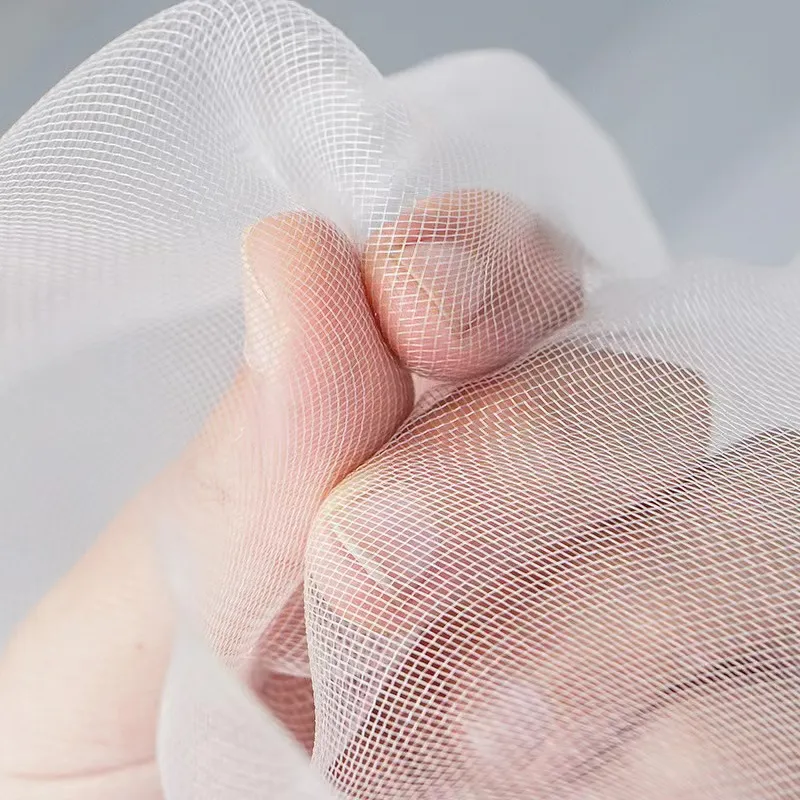
Real-world deployments vividly demonstrate the tangible benefits and operational efficiencies derived from partnering with an experienced wire mesh machine manufacturer. These case studies highlight our commitment to client success and technical excellence.
- Case Study 1: Production Boost for a North American Screen Manufacturer
A prominent client specializing in high-volume residential and commercial window and door screens across North America faced the challenge of meeting escalating market demand for high-quality PET insect screen. Their existing equipment, nearing the end of its lifecycle, struggled with production bottlenecks and inconsistent mesh quality. By upgrading their facilities with our state-of-the-art PE PPE PET Insect Window Screen Machines (multiple units), they achieved a significant 40% increase in overall production speed and a remarkable 15% reduction in material waste, attributable to the machines' superior weaving precision and advanced tension control. The integrated PLC system facilitated quicker pattern changes and reduced setup times by 20%, substantially boosting overall operational efficiency. Post-installation, the client reported enhanced product consistency, minimal downtime, and noted the exceptional uniformity and durability of the mesh produced, reinforcing their market position. - Case Study 2: Tailored Agricultural Netting Solution in Southeast Asia
An agricultural cooperative in a humid region of Southeast Asia required a bespoke, highly durable, and intensely UV-resistant netting solution for pest control in their high-value fruit orchards. Standard wire mesh machines proved inadequate for processing the specific monofilament blend required, which demanded both exceptional strength and a precise mesh aperture for optimal airflow and effective insect exclusion. Our engineering team engaged in extensive consultation, providing a fully customized machine solution. This involved recalibrating weaving parameters, designing a specialized heat-setting unit for enhanced UV stability, and developing a unique automated take-up unit specifically adapted for the netting's characteristics. The result was a bespoke machine capable of producing over 5,000 square meters of high-grade agricultural netting per day, leading to a verified 25% reduction in crop damage from pests and fungal diseases, along with substantial cost savings compared to previous manual and less effective methods. The client praised the machine's reliability and the significant improvement in crop health and yield.
Trustworthiness and Comprehensive Support ( - Trustworthiness)
A truly reliable wire mesh machine supplier distinguishes itself not only through the delivery of technically superior products but also through the establishment of a robust support infrastructure and adherence to transparent, ethical business practices. Our commitment to client success is foundational.
Frequently Asked Questions (FAQ):
Q: What is the typical lead time for your PE PPE PET Insect Window Screen Machines?
A: For our standard models, the typical lead time ranges from 60-90 days from the confirmation of your order to ex-works shipment. Highly customized solutions, due to their unique engineering requirements, may extend to 120-150 days. We provide clear timelines during the quotation phase.
Q: What kind of warranty coverage is provided with the machinery?
A: We offer a comprehensive 12-month warranty on all mechanical and electrical components, commencing from the date of successful installation and commissioning at your facility, or 18 months from the date of shipment, whichever occurs first. Detailed warranty terms and optional extended warranty packages are available upon request.
Q: How does your company manage after-sales support and spare parts availability?
A: Our dedicated global after-sales team provides 24/7 online and telephone technical support, accessible in multiple languages. For critical issues, on-site installation, commissioning, and advanced troubleshooting services are available worldwide by our experienced field engineers. We maintain a robust inventory of genuine spare parts, guaranteeing rapid dispatch within 3-5 business days for all standard and critical components, thereby minimizing potential downtime for our clients.
Q: Can your machines produce different mesh counts with the same basic setup?
A: Yes, our machines are engineered with versatility in mind. Depending on the specific model and its designed capabilities, they can produce a range of mesh counts within specified parameters. This flexibility is achieved by adjusting machine settings via the HMI and, in some cases, by interchanging specific components such as reeds, heald frames, or warp beam configurations, allowing for efficient production of diverse mesh products.
Fulfillment and Lead Time Details:
Our meticulously streamlined production processes and robust global supply chain management are designed to ensure efficient and timely order fulfillment. For our flagship PE PPE PET Insect Window Screen Machines, typical lead times range from 60 to 90 days. This comprehensive timeframe encompasses every stage from manufacturing and rigorous multi-point quality testing to final preparation and packaging for shipment. We also offer expedited options for clients with urgent project deadlines, subject to current production schedules and specific requirements.
Warranty and Comprehensive Customer Support:
Every machine delivered is backed by a comprehensive warranty, explicitly covering critical components and any manufacturing defects for a period of 12 to 18 months, ensuring complete peace of mind for our clients. Our multi-faceted customer support framework includes:
- Expert Technical Assistance: Round-the-clock online and phone support provided by our highly experienced technical engineers, capable of diagnosing and resolving issues remotely.
- Global On-site Service: Strategic dispatch of certified technicians worldwide for meticulous installation, precise commissioning, and advanced troubleshooting, ensuring optimal machine performance from day one.
- Comprehensive Training Programs: Tailored training sessions for client operators and maintenance personnel, conducted either on-site at your facility or at our state-of-the-art training centers, fostering self-sufficiency and operational expertise.
- Efficient Spare Parts Management: Guaranteeing immediate access to a full range of original spare parts, meticulously stocked and managed to ensure rapid availability and delivery, thereby minimizing potential operational downtime and extending machine longevity.
Conclusion
The meticulous selection of a proficient wire mesh machine supplier constitutes a strategic imperative, directly influencing an enterprise's productivity, product quality, and long-term financial viability. With the relentless pace of advancements in industrial automation, material science, and digital integration, the wire mesh manufacturing industry is poised for continued innovation, continuously pushing the technological boundaries of mesh production capabilities. By prioritizing suppliers who unequivocally demonstrate deep expertise, offer proven experience, uphold rigorous authoritativeness through internationally recognized certifications and established global partnerships, and cultivate unwavering trustworthiness through comprehensive and proactive support, businesses can confidently equip themselves with the most efficient, reliable, and future-proof machinery. This strategic partnership is not merely transactional; it is a foundational pillar for successfully navigating the complexities of the competitive global market and securing a leading position in the ever-evolving landscape of high-performance wire mesh products.
References
- ISO 9001:2015. Quality management systems — Requirements. International Organization for Standardization.
- ASTM D5034 / D5034M-18. Standard Test Method for Breaking Strength and Elongation of Textile Fabrics (Grab Test). ASTM International.
- "Global Wire Mesh Market: Industry Analysis & Forecast (2021-2027)." Maximize Market Research.
- "The Future of Textile Machinery: Trends and Innovations in Weaving Technology." ITMA (International Textile Machinery Association).
- "Polymer Extrusion Handbook." Edited by Rosato, D.V., Rosato, D.V., & Rosato, M.G. Hanser Publications.
- European Committee for Standardization. CE Marking: A Practical Guide for Manufacturers.