


Understanding the Fiberglass Mesh Machine: A Global Industrial Game-Changer
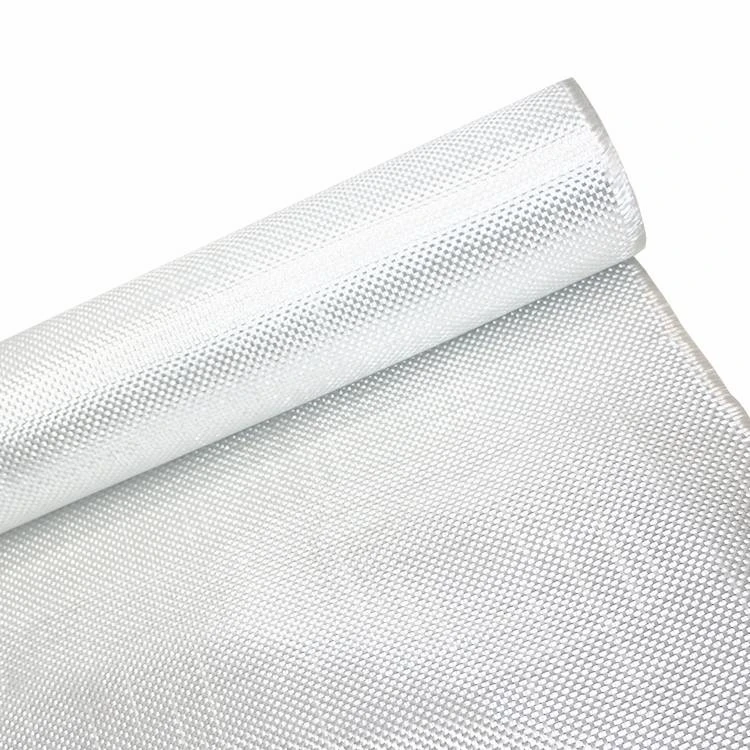
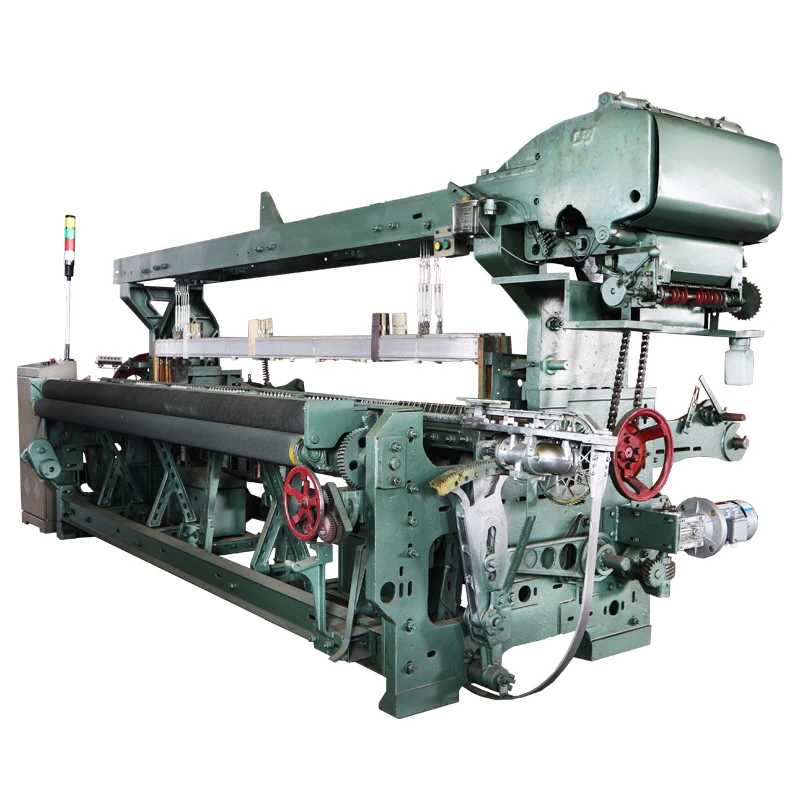
Fiberglass mesh machines might not be household names, but their impact on industries and infrastructures worldwide is pretty profound. At its core, this machine fabricates fiberglass mesh—a lightweight, high-strength material widely used for reinforcement and insulation. Why does it matter globally? Because fiberglass mesh strengthens buildings, roads, and other constructions, enhancing safety and sustainability. Getting a grip on how fiberglass mesh machines work and their applications means appreciating a quiet force behind modern construction resilience.
Introduction: Why the Fiberglass Mesh Machine Matters Globally
With urbanization accelerating and infrastructure aging worldwide, global construction demand is growing at a staggering pace. According to the United Nations, by 2050, nearly 68% of the world's population will live in cities, driving the need for durable building materials that can withstand extreme weather and seismic activity. Fiberglass mesh machines step in as indispensable tools producing reinforcement materials critical for modern construction. However, challenges like raw material costs and manufacturing scalability still persist. Yet, the ability to mass-produce high-quality fiberglass mesh reshapes how companies and governments approach infrastructure development — especially in rapidly developing regions.
What Is a Fiberglass Mesh Machine?
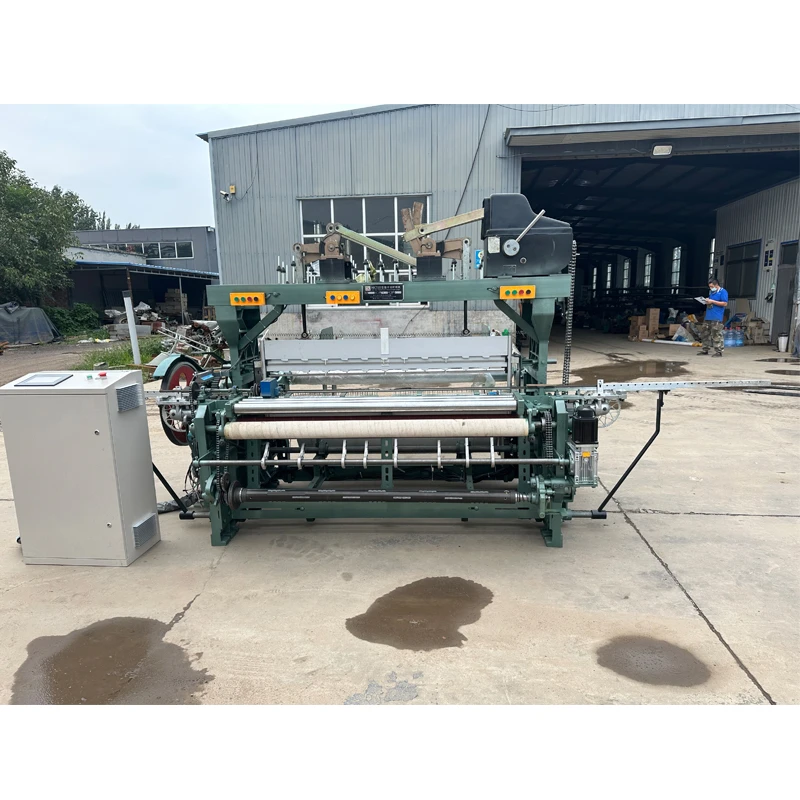
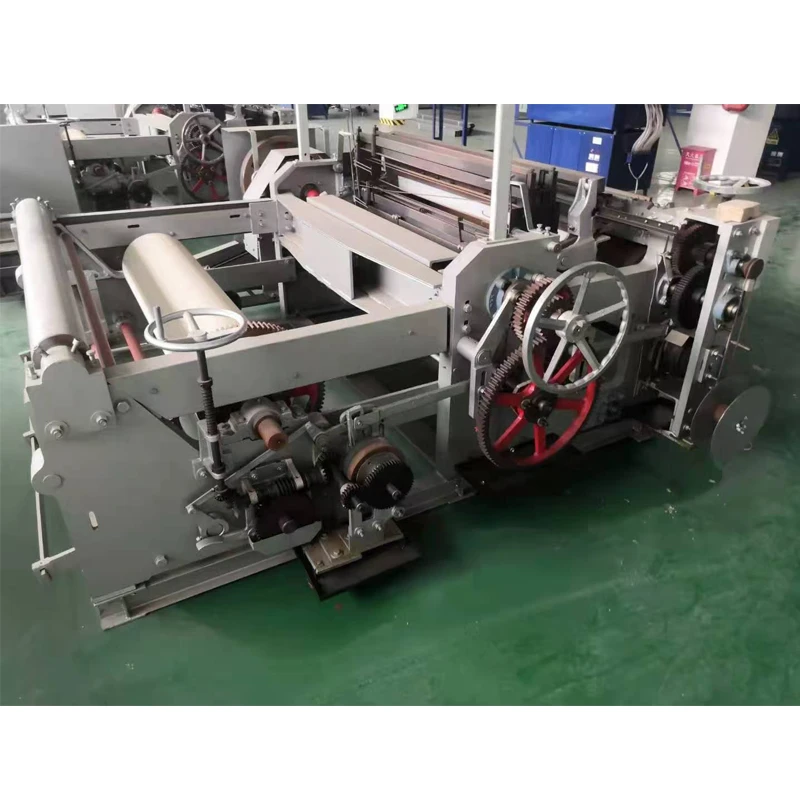
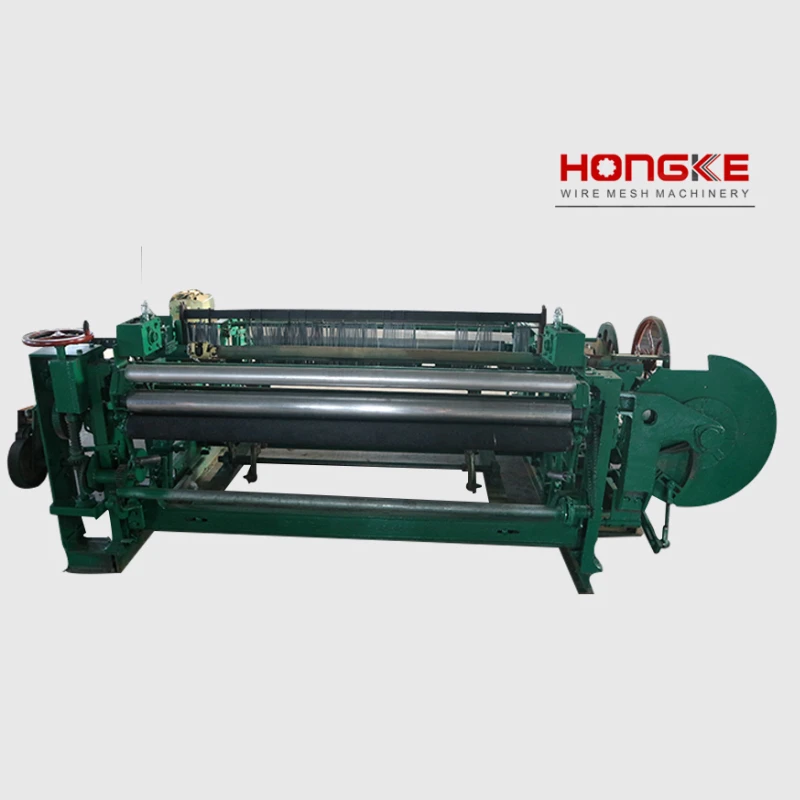
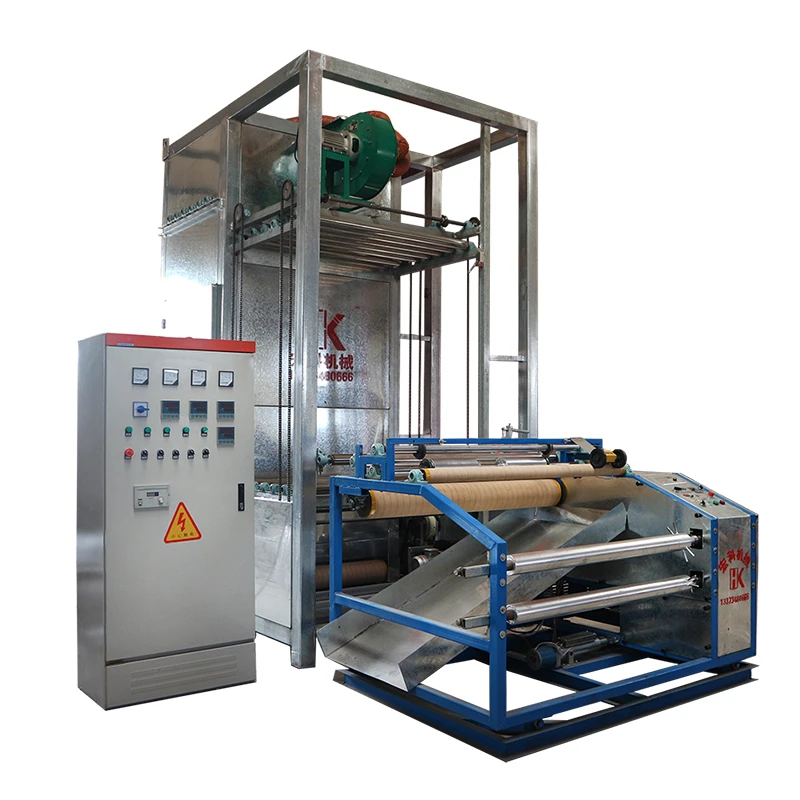
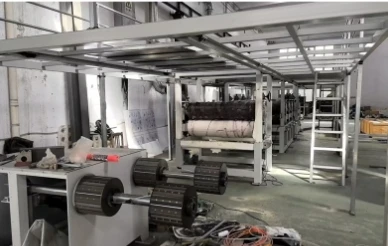
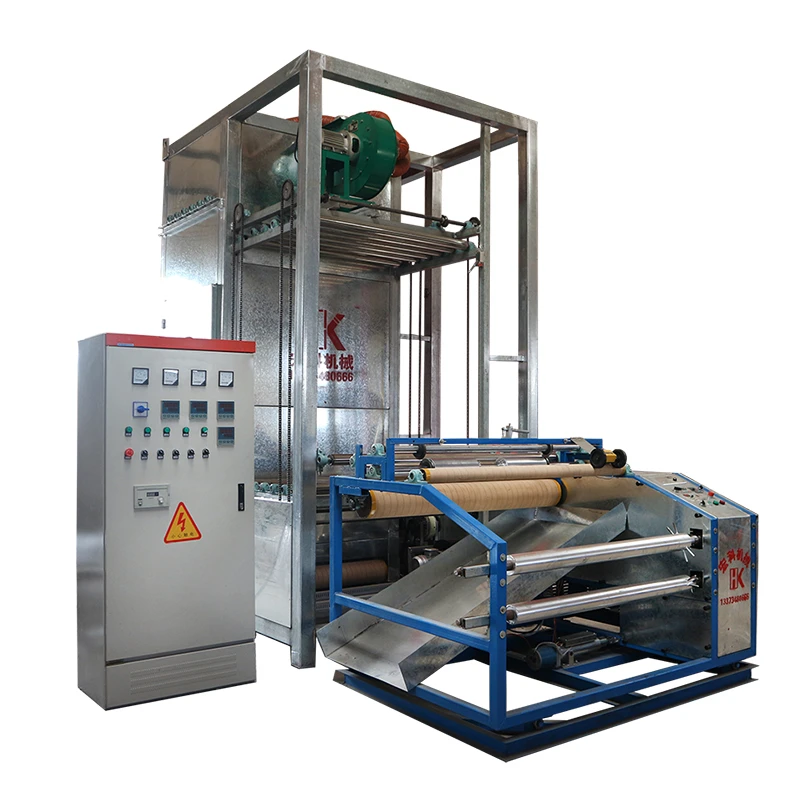
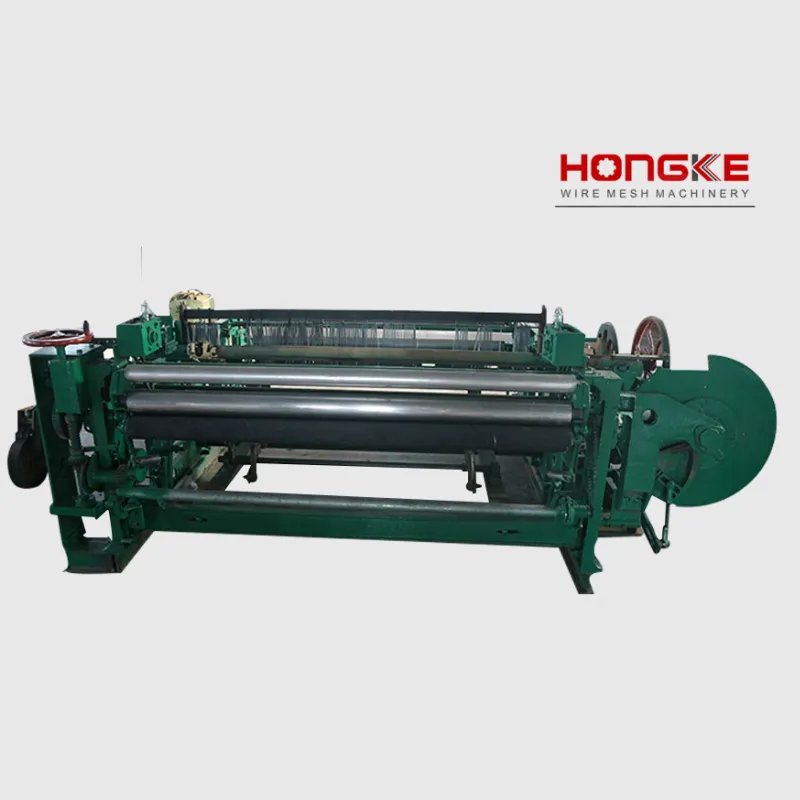
Simply put, a fiberglass mesh machine automates the weaving or knitting of fiberglass yarns into a mesh pattern, producing sheets or rolls of fiberglass mesh. This mesh serves as a reinforcement layer in walls, floors, roofing, and external insulation systems (ETICS). Fiberglass mesh strengthens materials, controls cracking, and adds flexibility. Its connection to humanitarian needs might seem odd at first, but think post-disaster rebuilding: lightweight, tough, and quick-to-install fiberglass composites rely on mesh produced by these machines to improve structural safety and speed reconstruction efforts.
Key Factors of Fiberglass Mesh Machines
1. Durability of Output
The end-product’s durability depends heavily on the precision and tension control of the machine. Fiberglass mesh created by a quality machine resists alkali, moisture, and UV radiation, making it ideal for long-lasting reinforcement.
2. Scalability and Speed
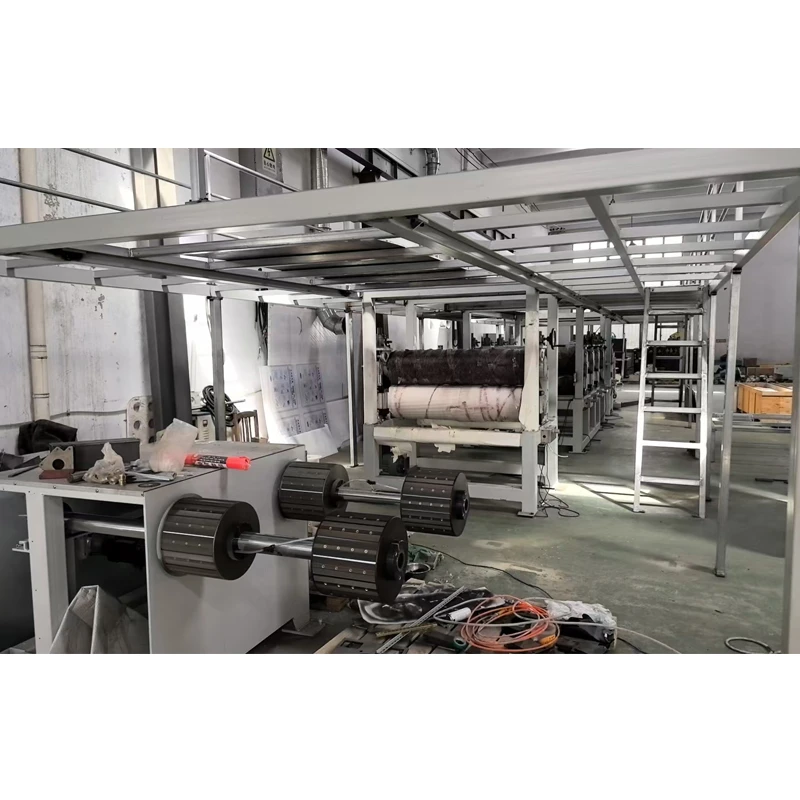
From small custom runs to continuous, high-volume production lines, these machines vary in throughput. Fast production rates allow large infrastructure projects to stay on schedule.
3. Cost Efficiency
Machines with minimal material wastage and optimized energy use lower production costs. This efficiency trickles down to more affordable construction materials globally.
4. Automation & Control Systems
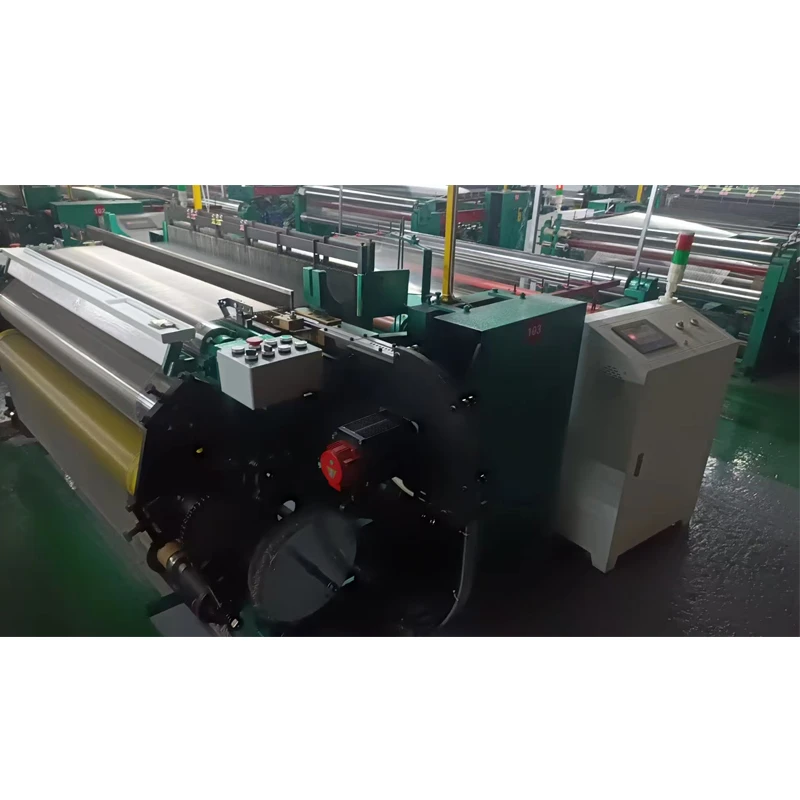
Modern fiberglass mesh machines often feature computerized controls to monitor yarn tension, mesh size, and fabric weight, ensuring consistent quality.
5. Versatility of Products
Some machines can produce various types of meshes — from fine to coarse, or fiberglass blended with other materials — suiting diverse applications.
Fiberglass Mesh Machine Specifications
| Specification | Details |
|---|---|
| Mesh Width | 1m – 3.5m (adjustable) |
| Mesh Roll Length | Up to 300m per roll |
| Operating Speed | Up to 180 m/min |
| Power Consumption | 12 kW per hour |
| Automation | PLC & touchscreen control |
Global Applications & Use Cases of Fiberglass Mesh
Fiberglass mesh crops up in countless areas: construction reinforcement in Asia’s booming megacities, crack control in Europe’s historical masonry restoration, or insulation in North American green building projects. In post-disaster relief, especially after earthquakes or floods in places like Nepal or Indonesia, fiberglass mesh speeds up reconstruction by reinforcing quick-setting plasters and renders. Oddly enough, even remote industrial zones use fiberglass mesh to protect pipelines and bridges exposed to harsh climates.
For those interested in seeing these machines and products in action, fiberglass mesh machine manufacturers often showcase their tech at global trade shows like K-Show or Bauma, underlining the worldwide push toward better building materials.
Mini takeaway:
- Fiberglass mesh machines serve a vital role across diverse climates and industries.
- The material’s flexibility and strength benefit global sustainability and safety goals.
Advantages & Long-Term Value of Fiberglass Mesh Machines
Cost-wise, the machines lower production expenses by streamlining manufacturing—less waste, less downtime. Sustainability benefits emerge since fiberglass mesh improves energy efficiency in buildings by enhancing insulation systems, contributing indirectly to CO₂ reductions. Socially, the impact is tangible: enhanced durability means safer homes and infrastructure, preserving lives. Trust also comes into play; engineers value the machine’s consistency, helping them innovate better composites. I suppose that kind of dependability feels reassuring when you’re literally building foundations.
Vendor Comparison: Leading Fiberglass Mesh Machine Suppliers
| Vendor | Price Range (USD) | Max Speed (m/min) | Automation Level | Service & Support |
|---|---|---|---|---|
| APHK Machinery | $80,000 – $110,000 | 180 | Full PLC with touchscreen | Global After-Sales & Training |
| FibraTech Industrial | $90,000 – $120,000 | 160 | Semi-automatic controls | Regional Support Only |
| MeshMaster Corp. | $75,000 – $100,000 | 150 | Manual controls | Limited Support |
Future Trends & Innovations in Fiberglass Mesh Machine Technology
Upcoming trends include integrating AI-driven sensors to fine-tune mesh quality in real time. Green manufacturing practices are gaining traction—machines designed for lower energy consumption and recycling fiberglass waste. Integration with Industry 4.0 means enhanced remote monitoring and predictive maintenance. Plus, new composite materials combining fiberglass with bio-based resins hint at more sustainable meshes. It feels like the whole fiberglass mesh machine industry is stepping firmly into a smarter, greener future.
Challenges & Expert Solutions
Challenges persist, of course. High initial capital costs can deter smaller producers. Maintaining consistent mesh uniformity requires expert calibration and monitoring. Raw material supply chain volatility sometimes leads to price jumps. Yet experts advise investing in modular machine designs, operator training, and supplier diversification to overcome these issues. Many companies now bundle predictive analytics software with machines to spot production anomalies before they happen.
FAQ: Frequently Asked Questions About Fiberglass Mesh Machines
- Q: How does a fiberglass mesh machine improve construction durability?
- A: By producing high-strength fiberglass reinforcement, these machines help strengthen plaster, concrete, and insulation systems against cracking and environmental damage, ultimately enhancing building longevity.
- Q: Can the mesh size be customized on these machines?
- A: Yes, most machines offer flexibility to adjust mesh size and density, allowing manufacturers to create products tailored for specific applications such as external insulation or floor underlayment.
- Q: What maintenance is typically needed for a fiberglass mesh machine?
- A: Routine cleaning, lubrication, tension adjustments, and software updates are key. Semi-annual inspections by trained technicians ensure consistent output quality and minimize downtime.
- Q: Are fiberglass mesh machines energy-efficient?
- A: Modern machines are designed with energy-saving motors and optimized production cycles that minimize power consumption, reducing operational costs and environmental impact.
- Q: How can I source a reliable fiberglass mesh machine internationally?
- A: Work with reputable manufacturers who provide comprehensive after-sales support, like fiberglass mesh machine suppliers offering global training and service networks. Also, always check reviews and certifications before purchase.
Conclusion: Why Fiberglass Mesh Machines Are Worth Knowing About
To wrap it up, fiberglass mesh machines quietly but significantly contribute to safer, more sustainable infrastructure worldwide. Their ability to produce consistent, durable fiberglass mesh supports innovation across industries — from disaster recovery to green building initiatives. If you’re exploring ways to enhance your construction materials or want to stay ahead in manufacturing tech, getting familiar with this machine is wise. For those ready to learn more or invest, visit https://www.aphkmachinery.com for detailed info and expert guidance.
This technology is more than just equipment; it’s a bridge to stronger, more resilient futures.
Brief Reflection
Exploring the inner workings and global impact of fiberglass mesh machines, I noticed how much they bridge old construction needs with futuristic sustainability goals. While not glamorous, their role is undeniably foundational.