


Understanding the Mosquito Net Machine: A Vital Tool in Global Health and Industry
When you think about machines that save lives, you might imagine ventilators or water purifiers—but have you ever considered the humble yet critical mosquito net machine? This specialized equipment produces mosquito nets, an essential frontline defense in controlling malaria, dengue, and other vector-borne diseases worldwide. Understanding how these machines work, why they matter, and their evolving role in both humanitarian and industrial sectors reveals a fascinating intersection of technology and public health.
Global Context: Why the Mosquito Net Machine Matters Now More Than Ever
Malaria alone caused an estimated 247 million cases worldwide in 2021, with over 600,000 deaths, mostly in sub-Saharan Africa (WHO, 2022). Mosquito nets treated with insecticides remain one of the top cost-effective prevention tools endorsed by the United Nations and global health agencies. Mass distribution campaigns depend heavily on the availability of high-quality, affordable nets produced efficiently — and that’s where the mosquito net machine enters the scene.
As population growth and climate change increase the risk of mosquito-borne illnesses in new regions, the demand for durable, scalable mosquito net production escalates. So, industry players and NGOs look for machines that not only deliver consistent output but also adapt to innovations such as improved net materials or environmentally friendly insecticide treatments.
mosquito net machineWhat Exactly Is a Mosquito Net Machine?
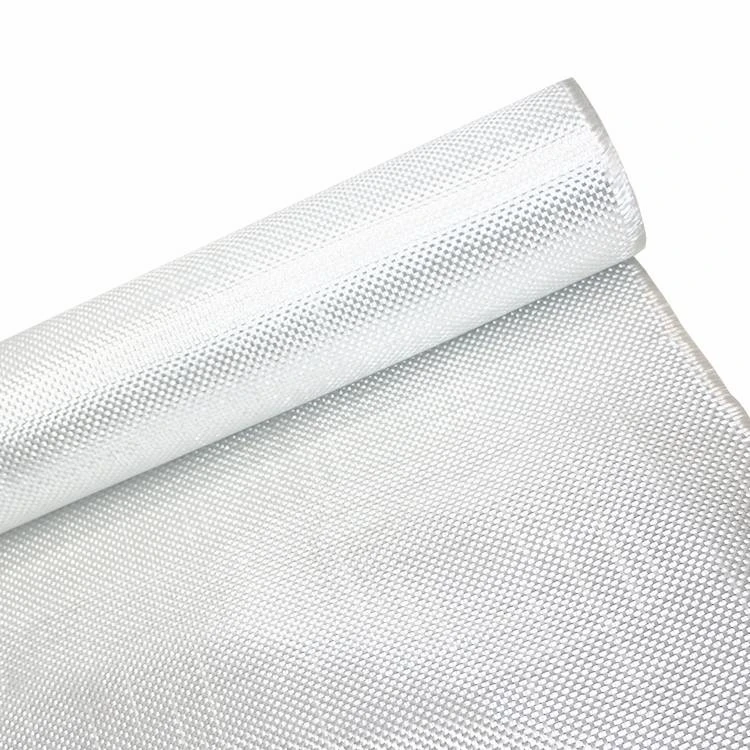
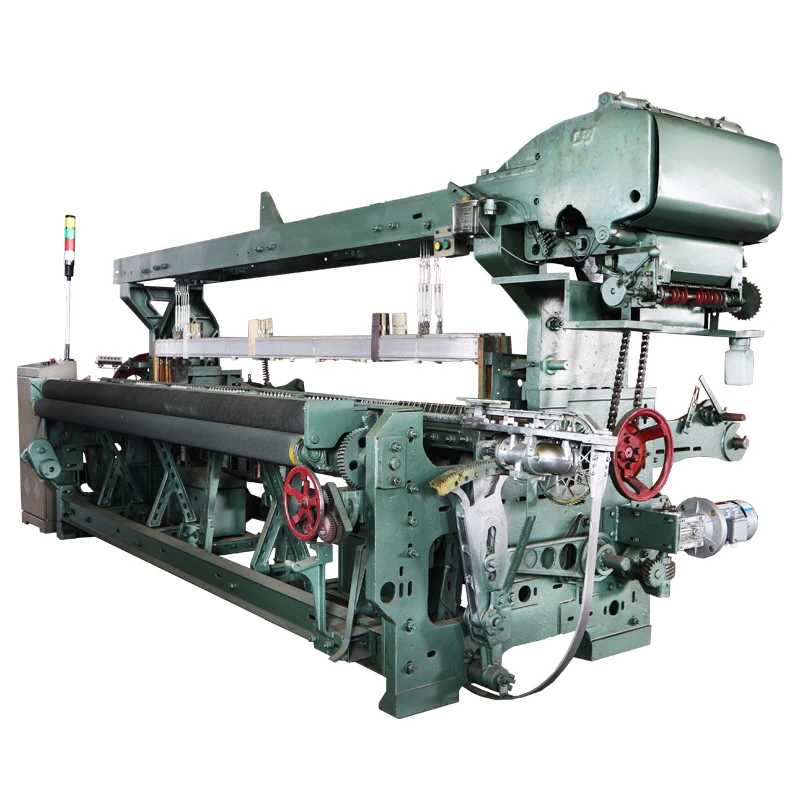
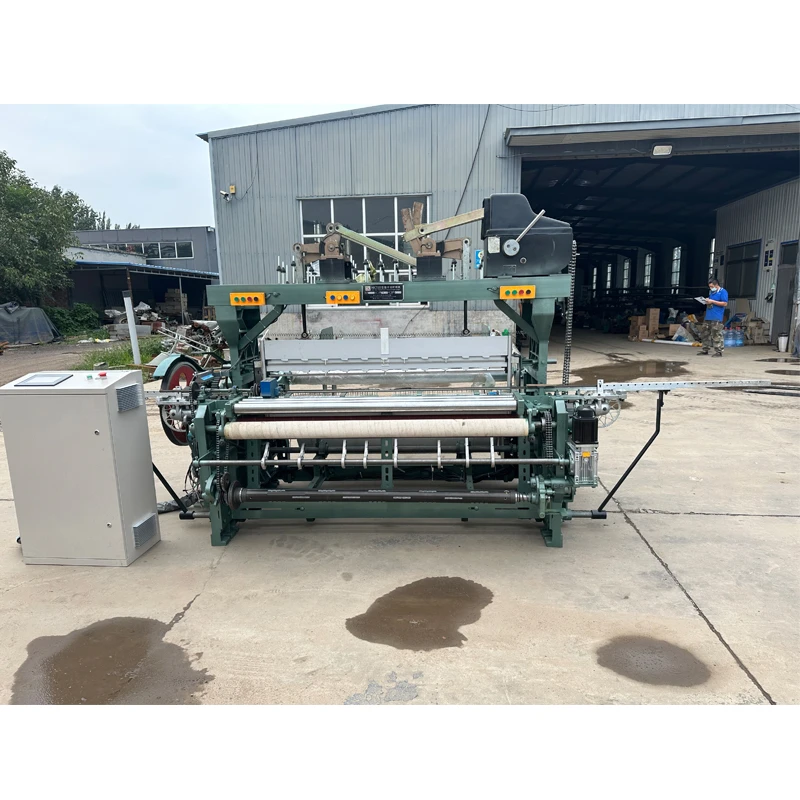
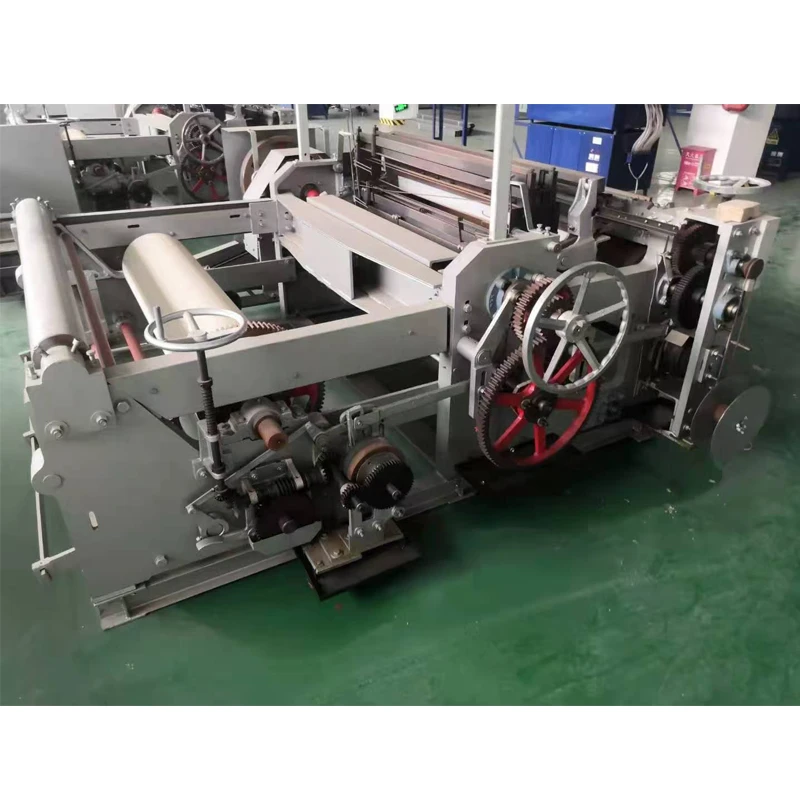
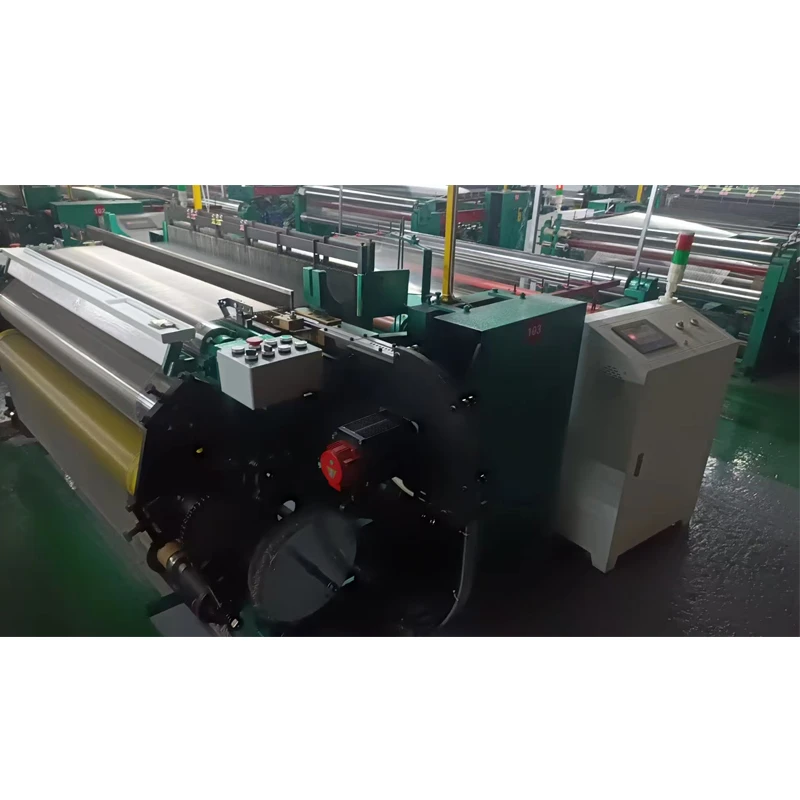
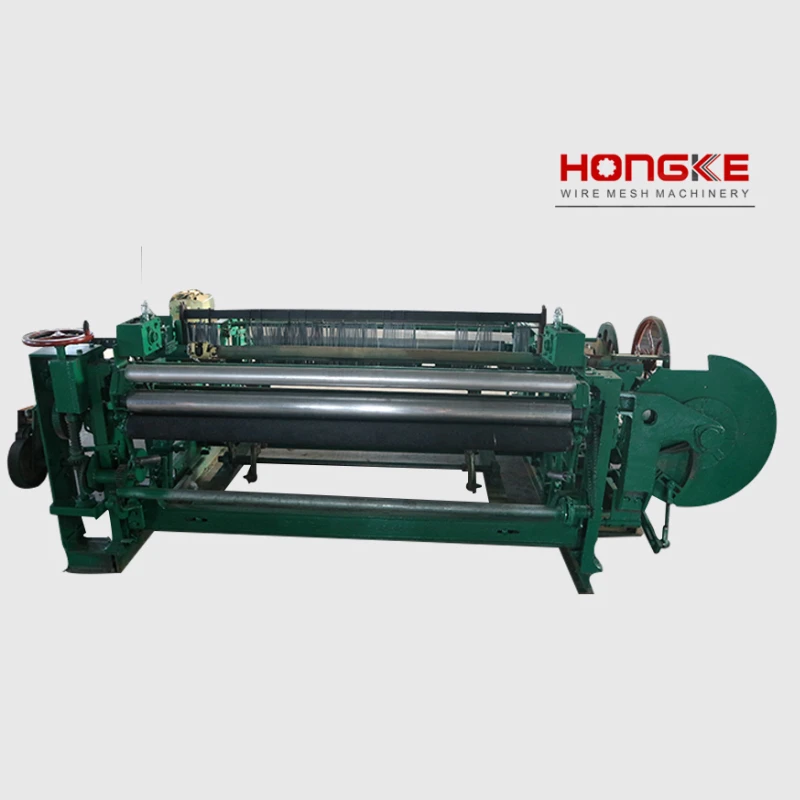
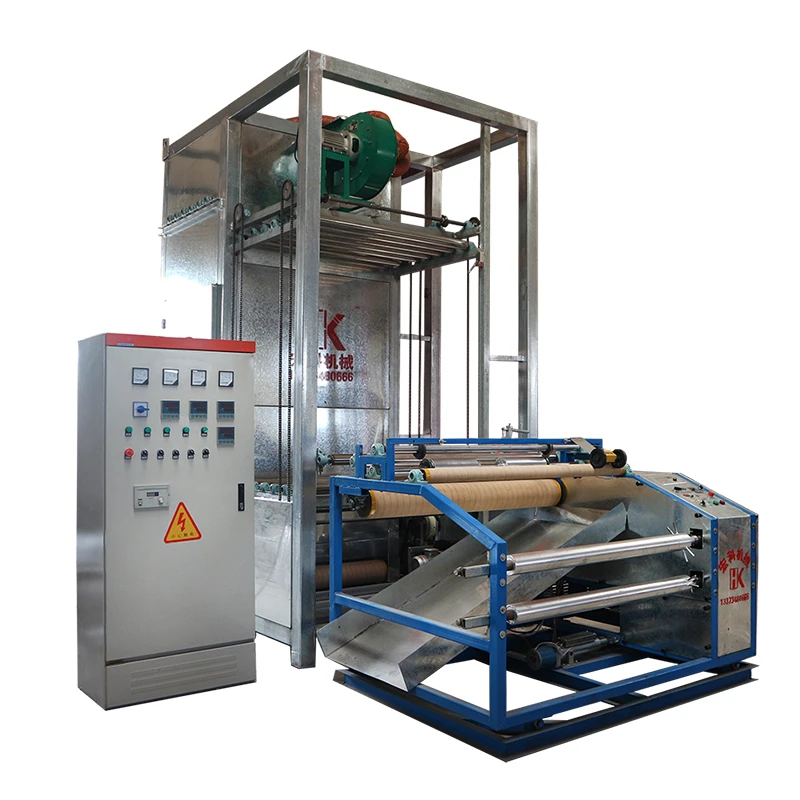
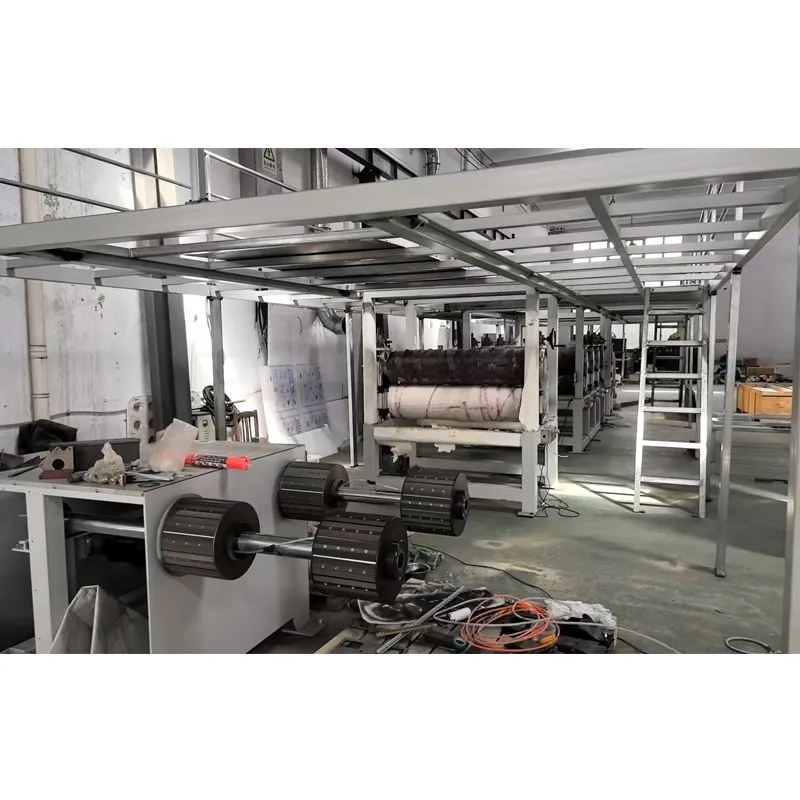
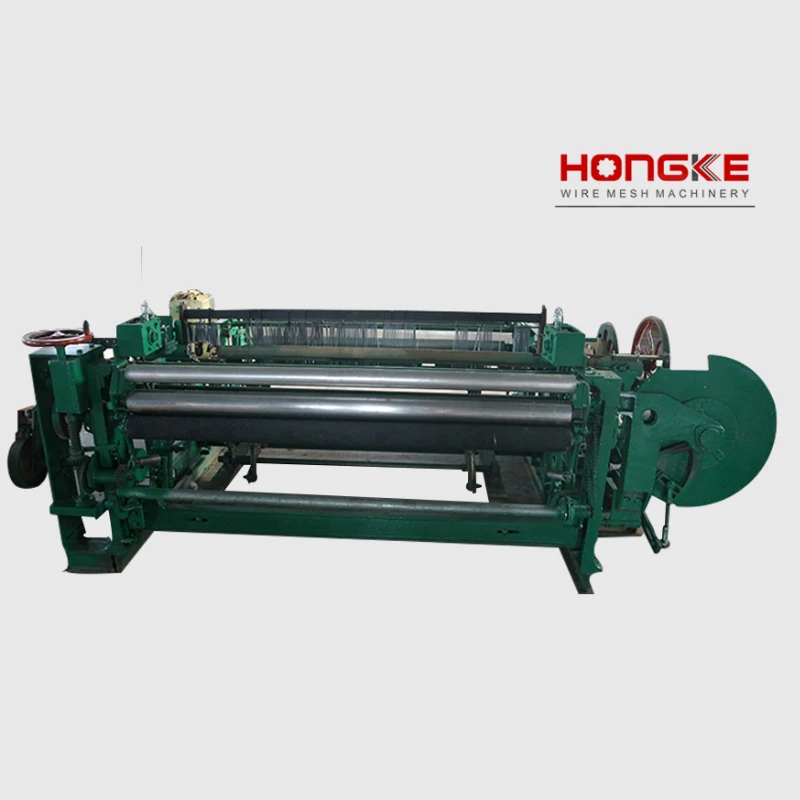
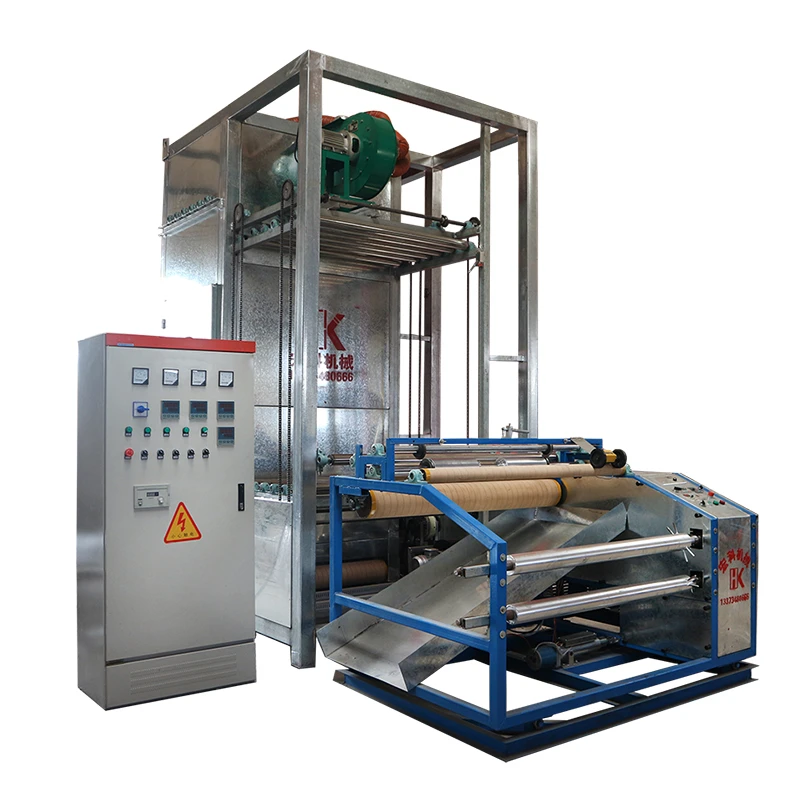
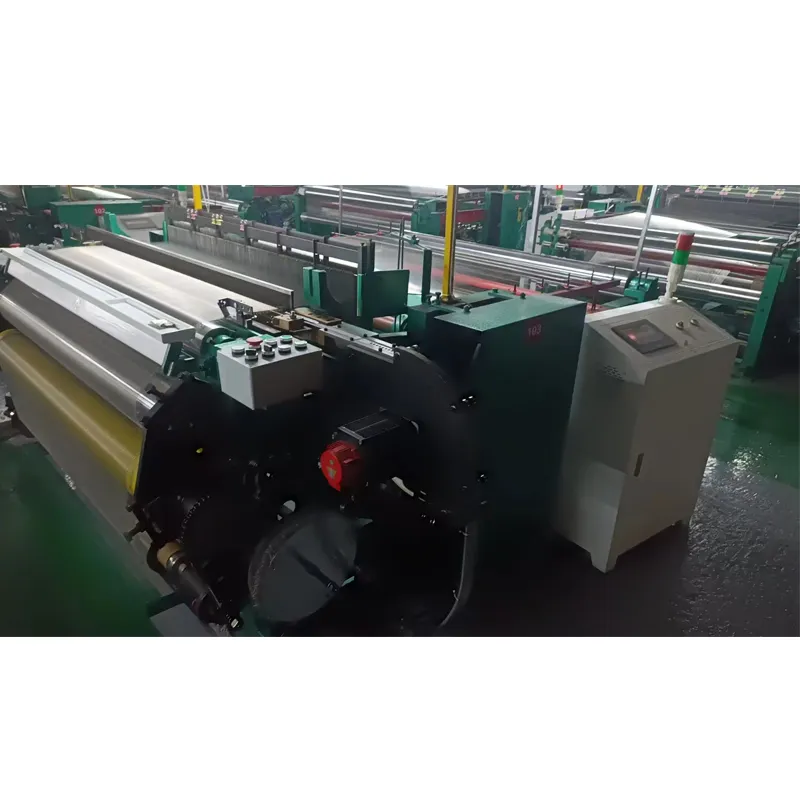
At its core, a mosquito net machine is a weaving or knitting device designed specifically to manufacture mosquito netting fabrics. These nets traditionally consist of fine mesh usually made from polyethylene or polyester fibers, engineered to physically block mosquitoes. The machines automate the intricate process of creating this mesh, regulating thread tension, mesh size, and net width.
Technologically, they embody precision textile engineering fused with industrial automation, enabling the mass production of nets meeting health safety and durability standards. Mosquito net machines also address humanitarian needs by helping scale production for disaster relief or endemic regions quickly.
Core Components and Key Factors
1. Durability and Mesh Quality
The machine’s ability to produce a uniform, fine mesh directly impacts the net's effectiveness against mosquitoes. Mesh size typically ranges around 156 holes per square inch, balancing protection and breathability.
2. Scalability and Speed
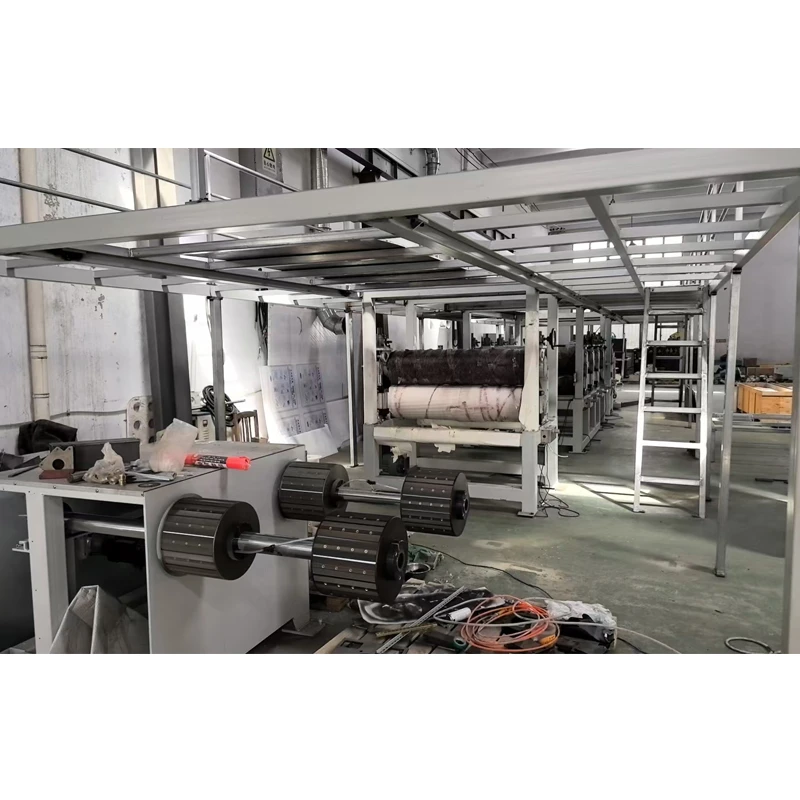
Modern mosquito net machines vary from semi-automatic to fully automatic systems. High-speed automated machines can produce thousands of square meters daily, essential for large-scale distribution campaigns.
3. Cost Efficiency
Efficient use of yarn and low energy consumption are critical factors. A machine optimized to reduce waste and operate continuously lowers unit production costs, making nets affordable for low-income regions.
4. Material Compatibility
Machines must handle different fiber types — from plain polyethylene to insecticide-treated yarns. Compatibility affects net longevity and insecticidal efficacy over time.
5. Ease of Maintenance and Operation
In many regions, dedicated technicians may be scarce. User-friendly interfaces and minimal downtime are important to keep production consistent.
6. Customization Capabilities
Some advanced machines enable adjustable mesh size and net width, catering to various packaging or regulatory standards across countries.
Real-World Applications and Use Cases
The versatility of mosquito net machines takes them far beyond factory floors. For instance, in post-disaster relief operations — where rapid deployment of protective gear is paramount — these machines enable local production hubs to meet urgent demands. In sub-Saharan Africa and Southeast Asia, governments and NGOs rely on nets produced using these machines for nationwide malaria control programs.
In more industrialized contexts, manufacturers supplying hotels, hospitals, and commercial entities use the nets for pest control, contributing to hygiene and comfort standards. Unusually enough, some eco-tourism ventures commission custom nets woven locally with sustainable fibers to align with their green policies.
Typical Product Specifications
| Specification | Details |
|---|---|
| Mesh Type | Warp knitted polyethylene mesh |
| Production Speed | 50 - 150 m²/hour (depending on model) |
| Mesh Size | 130–180 holes/inch² adjustable |
| Power Source | Electric (220V/380V) |
| Dimensions | Varies (typically 3m x 1.5m footprint) |
| Automation Level | Semi to Fully automatic |
Vendor Comparison: Leading Mosquito Net Machine Makers
| Manufacturer | Production Capacity | Price Range | Automation Level | Support & Training |
|---|---|---|---|---|
| APHK Machinery | Up to 150 m²/hr | $15,000–$30,000 | Fully automatic | Comprehensive, onsite & remote |
| Global Net Tech | 80–120 m²/hr | $12,000–$25,000 | Semi-automatic | Limited remote |
| Eco-Weave Solutions | 50–100 m²/hr | $18,000–$28,000 | Fully automatic | Onsite training only |
Advantages and Long-Term Value
The tangible perks of mosquito net machines are clear in production and economics, but there’s also an often overlooked social dimension. These machines help local economies by creating jobs, enabling low-cost but effective mosquito control solutions, and by extension, improving health. In real terms, that means fewer malaria cases, reduced healthcare costs, and increased community productivity—an emotional payoff of safety and dignity.
Reliability and sustained production deliver long-term value. You don’t just buy a net — you buy peace of mind, one stitch at a time.
Looking Ahead: Trends and Innovations
The future is shifting toward greener, smarter mosquito net machines. Manufacturers are exploring:
- Use of bio-based, recyclable fibers to reduce plastic waste
- Integration of AI for quality control and process optimization
- Hybrid solar-powered machines for off-grid production sites
- Customization driven by digital pattern design—allowing meshes or net shapes tailored to specific local needs
These trends reflect a broader sustainability push within textile production and global health technology.
Challenges and Solutions
Despite advances, mosquito net machines still encounter setbacks: inconsistent power supply in remote areas; difficulty sourcing quality raw materials; and training gaps for operators. Yet solutions exist: solar-powered backups, local yarn production initiatives, and on-site training workshops are increasingly common fixes. Frankly, the machines’ design must also prioritize robustness and ease of repair — a principle many engineers at APHK Machinery emphasize.
FAQ: Common Questions About Mosquito Net Machines
- How fast can a typical mosquito net machine produce nets?
- Most modern automatic machines produce between 50 to 150 square meters of mesh per hour, balancing speed with quality. This capacity is sufficient for medium-to-large scale manufacturing.
- Can these machines handle insecticide-treated yarn?
- Yes, machines designed for mosquito nets often accommodate treated yarns, but it requires precise control of tension and temperature to preserve insecticide efficacy.
- Is machine maintenance complicated?
- Maintenance varies by model, but user-friendly designs have simplified this greatly. Regular cleaning and timely lubrication usually suffice, and many vendors provide remote support.
- What is the typical lifespan of a mosquito net machine?
- With proper care, these machines often last 10–15 years, making them a solid long-term investment for manufacturers or NGOs.
- How to train operators in remote regions?
- Manufacturers like APHK Machinery offer training programs, including on-site sessions and online tutorials, tailored to different skill levels to ensure smooth operation.
Conclusion
The mosquito net machine may not grab headlines like cutting-edge medical devices, but its impact is profound. By facilitating the production of simple yet life-saving nets, it supports health equity, sustainability, and industrial innovation globally. If you’re considering investing in mosquito net machines — or just want to learn more about their role in public health — the time to explore this essential tech is now.
Visit our website today for detailed product information and support to step into the future of mosquito net manufacturing.
Mini takeaway: The mosquito net machine stands at a unique crossroads of health innovation, sustainable manufacturing, and global humanitarian progress—small mesh, big mission.